Ornamental amaranthus gives summer planting a bold change of texture, from long hanging tassels to upright plumes and brightly coloured leaves. These are warm season plants, usually grown as annuals in the UK. This guide is for border colour and cutting, rather than producing food grain. Start with the shape you want, then match the selection to the space: a trailing flower head and a tall upright plume have very different effects.
Summer annual
Sun loving
Frost sensitive
Flowers or foliage
Good border structure
| Botanical name | Amaranthus species and ornamental selections |
| Family | Amaranthaceae |
| Plant type | Warm season annual in the UK |
| Principal uses | Borders, cutting and foliage colour |
| Flower forms | Hanging tassels or upright plumes |
| Leaf forms | Green, red or multicoloured |
| Typical height | 60cm to 1.5m; check selection |
| Typical spread | 30cm to 60cm; some forms wider |
| Light | Full sun |
| Exposure | Warm and sheltered |
| Soil | Moderately fertile with good drainage |
| Moisture | Moist during active growth; avoid saturation |
| Frost tolerance | Protect from frost |
| Protected sowing | March to April with suitable warmth |
| Outdoor planting | May to June after local frost risk |
| Flowering or colour | Summer into autumn |
| Suggested spacing | 45cm for medium sized selections |
| Propagation | Seed |
| Support | Useful for tall plants in exposed sites |
| Food distinction | This page covers ornamental plants, not a grain crop |
| Plant name | Crop type | Spacing |
Sow indoors
Plant outdoors
Harvest
Polytunnel | |||||||||||
|---|---|---|---|---|---|---|---|---|---|---|---|---|---|---|
| Jan | Feb | Mar | Apr | May | Jun | Jul | Aug | Sep | Oct | Nov | Dec | |||
| Amaranthus | Grains | Single 0.45m, In row 0.45m, Row gap 0.60m | No activity recorded | No activity recorded | Sow indoors, Polytunnel | Sow indoors, Polytunnel | Sow indoors, Plant outdoors, Polytunnel | Plant outdoors | Harvest | Harvest | Harvest | Harvest | No activity recorded | No activity recorded |
Sow indoors: March, April, May. Plant outdoors: May, June. Harvest: July, August, September, October. Polytunnel: March, April, May.
Harvest means ornamental stems or the main flowering and foliage display, not an edible harvest. Sow in warmth under protection in March or April, and plant outside after frost risk in May or June. Direct sowing can be attempted once soil is warm. Timing varies with location and selection. Polytunnel months indicate raising or growing tender plants; an unheated tunnel does not protect reliably against freezing temperatures.
Choose ornamental amaranthus when a summer border needs a strong vertical accent or a dramatic trailing flower. It develops quickly in warmth and can sit among other annuals without becoming a permanent feature. The effect is most convincing when its final height and shape are planned from the beginning.
It is a less useful choice for a cold, shaded corner where growth stays slow. Large selections can dominate a small pot or hide neighbours. If you only have a narrow edge, look for a genuinely compact selection rather than assuming every seed packet will fit.
Photo: H. Zell, CC BY-SA 3.0. Resized and optimised; cropped for display. Adapted image under the same licence.
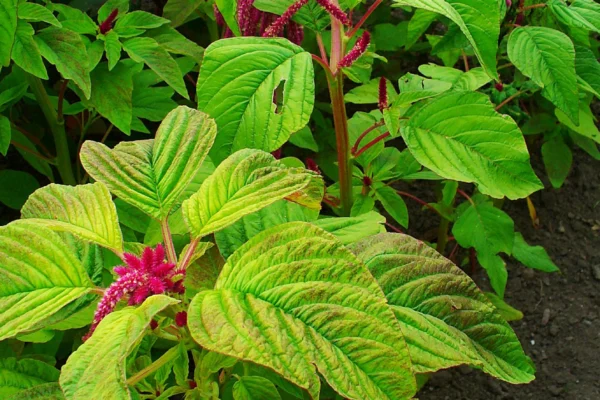
Provide a sunny, sheltered position with room for the mature plant. A warm border away from a wind funnel is preferable to an exposed corner. Observe where strong gusts cross the garden before relying on a tall plant to stand without support.
For hanging tassels, leave clear space below and around the flowers so their shape is visible. They can be lost behind dense neighbours. Upright plumes work differently and are often easier to use towards the middle or back of a summer planting.
A good garden soil with moderate fertility is enough to begin. Work organic matter into the wider bed where needed, but avoid a heavily enriched pocket that stays wetter than the surrounding soil. Young plants need both warmth and a healthy root zone.
Container growing is possible with an appropriately sized selection and a substantial pot. Check final spread as well as height. Place the pot where it will be watered regularly, and include the weight of mature growth when considering how stable it will be in wind.
Photo: Planteur, CC BY-SA 3.0. Resized and optimised; cropped for display. Adapted image under the same licence.
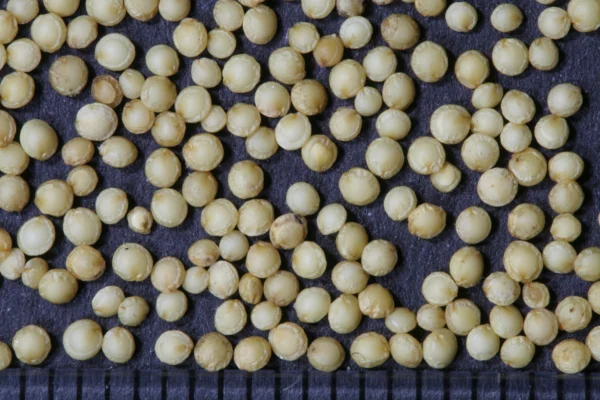
Raise a manageable number of strong plants rather than a tray full of crowded seedlings. Amaranthus responds to warmth, so align sowing with the light and protected space available until planting time.
1.
Choose a named ornamental selection with the flower shape and size you need.
2.
Fill clean pots or modules with fine seed compost and label clearly.
3.
Sow thinly at the depth recommended on the seed packet.
4.
Provide the stated germination warmth and keep moisture steady.
5.
Give emerged seedlings strong light and adequate ventilation.
6.
Pot on or thin before seedlings become tangled or checked.
7.
Harden plants gradually before moving them into the garden.
8.
Plant after frost risk, water in and position any necessary support early.

Watering
Water seedlings carefully so the compost stays moist without becoming airless. A small module can dry quickly in bright weather, while a covered tray may stay wet for much longer. Lift pots or touch the growing medium rather than watering everything by habit.
Once outdoors, water new plants until they are established and check during extended dry spells. Large container specimens need particular attention. Direct water to the compost or soil so the rootball is wetted and excess can drain away.

Feeding
Begin with moderate fertility and watch the plant’s response. Excess feeding can encourage tall growth that becomes difficult to support. Before adding fertiliser to a slow plant, check whether cold nights, poor drainage or restricted roots are the real cause.
Container plants may need supplementary feeding once the compost’s initial nutrients are used. Follow the product instructions and keep the programme proportionate to the plant. For foliage selections, avoid assuming stronger feed will automatically produce brighter colours.

Pruning
Decide whether your aim is one strong main stem or a more branching display. Pinching changes the shape and timing, so follow guidance for the named cutting selection rather than applying one rule to every amaranthus. Leave plants unpinched when a dominant central plume is the aim.
For fresh arrangements, cut stems with developed colour and useful length, then place them promptly in clean water. Trial a few stems before cutting the whole display. Remove damaged material and support neighbouring growth so a harvest does not leave the remaining plant unstable.

Winter care
Outdoor amaranthus normally finishes when frost arrives. Remove collapsed growth once the display is over and clear unwanted seedlings from surrounding beds. There is no need to treat a spent annual as a permanent shrub requiring winter pruning.
If saving seed, collect only from mature, dry heads on healthy plants with a known identity. Keep material airy during drying and store it labelled. Seed from mixed ornamental planting can produce varied offspring, so buy fresh seed when precise colour and form matter.
Amaranthus has simple leaves and dense clusters of tiny flowers, often assembled into much larger tassels or plumes. Amaranthus caudatus is associated with hanging heads, while many A. cruentus and A. hypochondriacus selections hold their heads more upright.
Amaranthus tricolor is valued mainly for coloured leaves rather than a large ornamental flower head. Common names overlap, so retain the botanical label. Grain and ornamental plants can share a species name, but that does not make an ornamental seed packet a reliable grain crop recommendation.
Photo: Magnus Manske, CC BY-SA 3.0. Resized and optimised; cropped for display. Adapted image under the same licence.
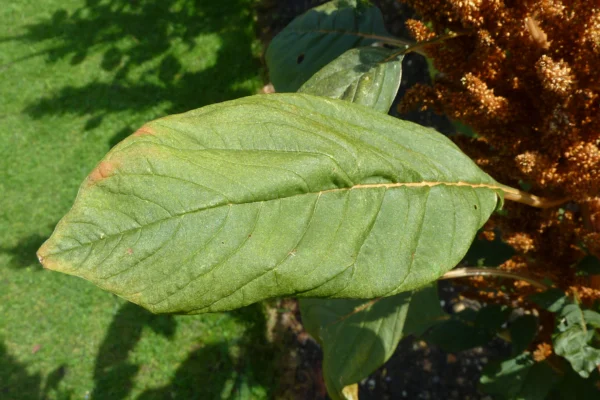
Warmth is the main seasonal constraint. Plants raised early without enough light can be weaker than a later batch grown steadily. Time your sowing so young plants can continue growing instead of waiting for weeks in small pots while the weather remains cold.
In northern or exposed gardens, sheltered growing space can make establishment easier. It still needs ventilation on sunny days. Do not move tender plants from a warm protected space directly into cold, windy conditions and expect uninterrupted growth.
For late summer impact, combine amaranthus with neighbouring plants that leave room for its final size. Take a photograph of the whole border at its peak and record where supports were needed. Those details help refine next year’s spacing and selection without guesswork.
Photo: Jebulon, Public domain. Resized and optimised; cropped for display.
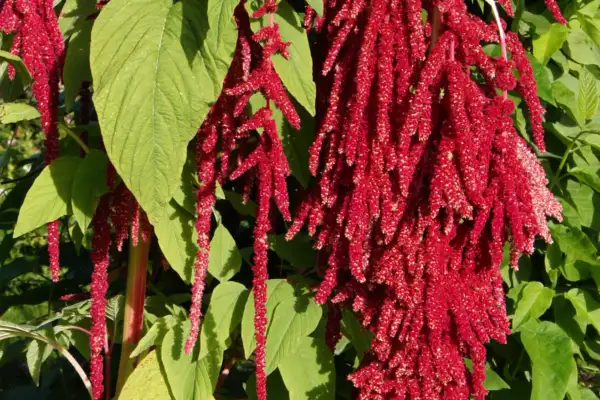
They may be too crowded or receiving insufficient light. Improve their position, thin promptly and avoid unnecessary warmth once growth has begun.
Cold soil, chilly nights or abrupt exposure can check growth. Check conditions and protect plants while they establish rather than repeatedly feeding them.
The plant may need support or more appropriate spacing. Install stakes or a supporting framework early and avoid forcing excessive growth with nitrogen.
Poor drainage can damage roots even when plenty of water is present. Check drainage holes and compost structure before watering again.
Inspect the growing tips and leaf undersides. Remove small colonies where practical and allow natural predators to work before considering stronger intervention.
Seed is the normal way to raise ornamental amaranthus. Keep different selections in separate labelled trays and note sowing dates. An early and a later small sowing can be useful where space allows, but do not produce more plants than you can grow in good light.
Saved seed may vary where several selections flower together. Keep the description honest when sharing it: a garden collected mixture is different from a guaranteed named cultivar.
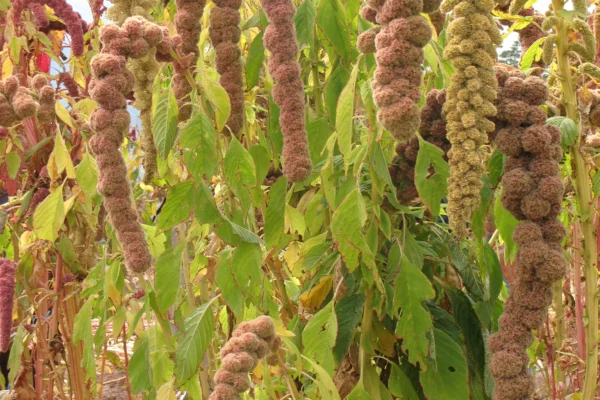
Amaranthus caudatus
The classic tassel form, often known as love lies bleeding. Its hanging flower heads need open space to be appreciated, making it a distinctive choice for generous summer borders and arrangements.
Photo: Michael Hermann, CC BY-SA 3.0. Resized and optimised; cropped for display. Adapted image under the same licence.
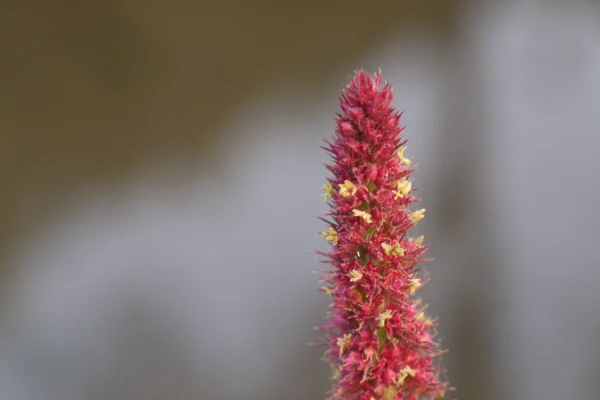
Amaranthus cruentus
Upright flower heads give the border a different structure from hanging tassels. Ornamental selections vary in height and colour, so choose by the named plant’s details rather than the species name alone.
Photo: Dinesh Valke, CC BY-SA 2.0. Resized and optimised; cropped for display. Adapted image under the same licence.
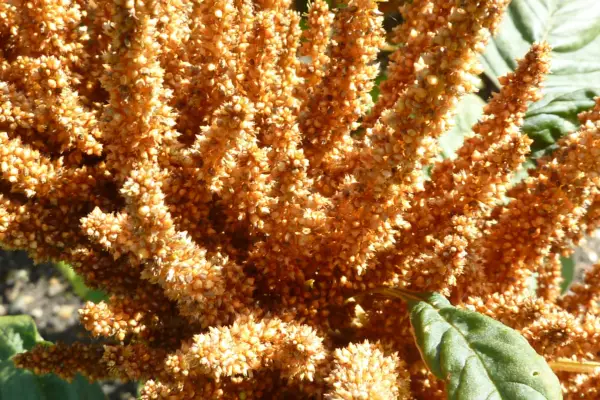
Amaranthus hypochondriacus
Often sold under prince’s feather names, this species includes plants with prominent upright heads. Look for a named ornamental selection that suits your border height and intended cutting use.
Photo: Magnus Manske, CC BY-SA 3.0. Resized and optimised; cropped for display. Adapted image under the same licence.
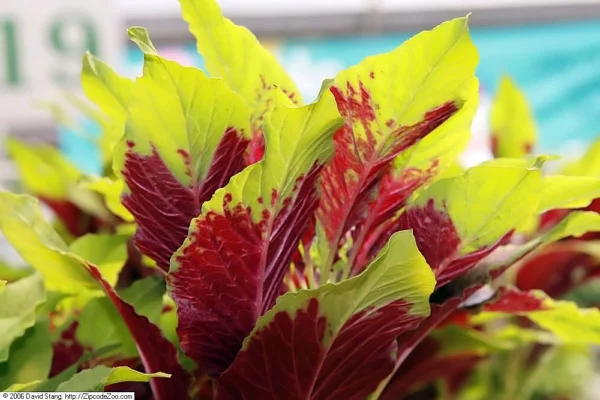
Amaranthus tricolor
A foliage choice with green, red, yellow or cream colour combinations, depending on selection. Use it where the leaf display can be seen clearly rather than expecting the long tassels of A. caudatus.
Photo: David J. Stang, CC BY-SA 4.0. Resized and optimised; cropped for display. Adapted image under the same licence.
Explore local growers and plant sellers on the BFFD map. Ask for the exact ornamental selection, expected height and planting advice, and confirm current stock directly before making a journey.
Leave a little mature seed where appropriate if you want to observe visiting birds, while removing unwanted seedlings later. Keep any support ties or protective netting secure so they do not create loose loops around the planting.
Bold colour does not automatically mean abundant nectar. Pair ornamental amaranthus with flowering plants known to support insects, and avoid treating an entire border just because a small patch of aphids appears. A varied planting provides broader value.
Published by Buy From Farmers Direct. Sources checked 4 October 2026. Growing references: RHS: Amaranthus; RHS: Amaranthus cruentus; RHS: Amaranthus cruentus Oeschberg; NC State Extension: Amaranthus caudatus; NC State Extension: Amaranthus hypochondriacus; NC State Extension: Amaranthus tricolor. The seasonal timeline uses the shared BFFD Growers Calendar record; adjust timings to your variety and local conditions.
Raise plants from seed in suitable warmth, give seedlings good light and plant in a sunny sheltered position after frost risk. Leave room for the named selection’s mature size and support tall plants early.
The ornamental amaranths covered here are normally grown as annuals in the UK. Frost ends the outdoor display. New seedlings the following year are not evidence that the old plant survived.
March or April sowing under suitable protection is a useful starting point. Direct sowing can be tried once outdoor soil is warm. Adjust dates to local frost conditions and the packet instructions.
Yes, a sunny warm position is the best general choice for UK ornamental growing. Persistent shade and cold can produce weaker growth and a less effective display.
It depends on the selection and intended stem shape. Pinching can change branching and delay the main display. Follow cultivar or cutting crop guidance, and leave it unpinched when a strong central plume is wanted.
Do not assume a decorative selection will make a useful grain crop. Some share species with grain amaranths, but selection, maturity and intended use differ. Use the separate grain guide and buy appropriate seed.
Plan your ornamental amaranthus display alongside other seasonal planting in the Growers Calendar. Explore the BFFD directory to discover local growers, then ask them directly about the plants they currently offer.
Explore more growing guides: Amaranth (Grain), Aster (China), Alyssum.
Want to get food independence, support your local grower, get better prices and shop more privately?
Local food isn’t just something you find. It’s something you protect. A free account helps keep local supply visible, supported, and resilient.

….it takes 30 seconds for food lovers and 5 minutes for suppliers
We built this for people who care where their food comes from. For people who want to remain food secure. For Farmers to get to the local people, who deserve a better income and to deliver a better price for you. For the environmentally conscious and the privacy-conscious. An account simply helps us make the map and supplier reach more useful to you, without changing how open it is. You’re always in control.


Find local food. Stay connected to it. Create a free account to support local producers and be part of a growing food network.


