Jerusalem artichokes turn a spring planted tuber into tall summer stems and a crop that can be lifted through winter. Despite the name, this is a sunflower relative, not the plant that produces globe artichoke buds. It is usually easy to establish, but choosing a contained, accessible position matters because overlooked tubers can grow again the following year.
Hardy tuber crop
Plant in spring
Winter harvest
Tall sunflower relative
Manage persistent regrowth
| Botanical name | Helianthus tuberosus |
| Family | Asteraceae |
| Plant type | Tuber forming herbaceous perennial |
| Crop grown as | Seasonal tuber crop or managed permanent patch |
| Height | Often 2 to 3m |
| Compact option | Dwarf Sunray around 1.2 to 1.5m |
| Sunlight | Full sun preferred |
| Soil | Moisture retaining with good drainage |
| Planting material | Healthy tubers |
| Planting depth | 10 to 15cm |
| In row spacing | 30cm |
| Row gap | At least 1m for access |
| Planting season | Usually February to April |
| Harvest season | Usually November to March |
| Edible part | Underground tubers |
| Flower colour | Yellow when produced |
| Seed sowing | Not the usual crop method |
| Watering | During prolonged drought |
| Container | Large pot, at least 45cm wide and deep |
| Main challenge | Removing missed tubers and unwanted regrowth |
| Plant name | Crop type | Spacing |
Sow indoors
Plant outdoors
Harvest
Polytunnel | |||||||||||
|---|---|---|---|---|---|---|---|---|---|---|---|---|---|---|
| Jan | Feb | Mar | Apr | May | Jun | Jul | Aug | Sep | Oct | Nov | Dec | |||
| Artichoke (Jerusalem) | Root vegetables | Single 0.30m, In row 0.30m, Row gap 1.00m | Harvest | Plant outdoors, Harvest | Plant outdoors, Harvest | Plant outdoors | No activity recorded | No activity recorded | No activity recorded | No activity recorded | No activity recorded | No activity recorded | Harvest | Harvest |
Sow indoors: no months recorded. Plant outdoors: February, March, April. Harvest: January, February, March, November, December. Polytunnel: no months recorded.
Plant tubers from late winter to spring when the soil is workable. The harvest band runs from November to March, after autumn growth has finished and before strong spring regrowth. These are tubers rather than seeds, so no seed sowing band is shown. Routine polytunnel growing is unnecessary for this hardy crop; potted tubers can wait outdoors when the bed is too wet to plant.
This crop suits a garden or allotment with room for a tall summer screen and access for winter digging. A dedicated patch is easier to manage than mixing it among crops that need frequent soil cultivation.
Think about future use of the space before planting. Small tubers left behind can produce new shoots, so this is less convenient where you intend to change crops every season. A substantial container can help define the planting, though watering and yields become more dependent on aftercare.
Photo: Ethanappleseed, CC BY-SA 3.0. Resized and optimised; cropped for display. Adapted image under the same licence.
Choose a sunny position with soil that holds moisture without remaining waterlogged. Partial shade may be tolerated, but the planting is more useful where it can make strong growth and a worthwhile tuber crop.
Place tall stems where they will not shade shorter vegetables. A northern edge of a bed can be practical, provided the plants will not obstruct a path or a neighbour’s plot.
Allow a working gap between rows. Tubers need to be lifted with a fork, and the space must remain accessible in winter when ground conditions are less comfortable.
In exposed gardens, plan supports while shoots are small. Shorter cultivars may be easier to manage. Do not rely on a flimsy fence or a neighbouring crop to hold up mature stems during autumn winds.
Photo: Gilles Ayotte, Université Laval, CC BY-SA 4.0. Resized and optimised; cropped for display. Adapted image under the same licence.
Obtain healthy planting tubers from a reputable supplier. Choose firm material and keep cultivar labels, since tuber shape and plant height vary. Avoid starting with badly shrivelled or rotting tubers.
1.
Choose a dedicated position that you can inspect for regrowth in subsequent seasons.
2.
Clear perennial weeds and improve the soil with mature organic matter.
3.
Wait until the ground is workable rather than planting into frozen or saturated soil.
4.
Set healthy tubers about 10 to 15cm deep, with visible buds facing upwards where practical.
5.
Leave approximately 30cm between tubers and at least 1m between rows when access is needed.
6.
Backfill gently, water the planting if conditions are dry and mark the row.
7.
Fit supports before the crop becomes tall and difficult to reach.
8.
Record the cultivar and plan winter lifting, including a separate selection of sound tubers for replanting.

Watering
Established plants are relatively undemanding, but prolonged drought can restrict growth and the developing tuber crop. Water deeply when needed rather than giving frequent token splashes.
Container plants dry out more quickly and need closer checks. Keep drainage holes open. Wilting in wet compost is a reason to inspect roots and drainage, not to keep adding water.

Feeding
Moderately fertile soil improved with mature compost is a sound starting point. Avoid routinely adding large amounts of fertiliser to a vigorous leafy crop without considering whether the soil needs it.
If growing in a container, follow the compost and fertiliser guidance for a long season vegetable crop. Keep a note of what you add so that poor results lead to a useful adjustment rather than repeated guesswork.

Pruning
Support stems as they lengthen and remove badly damaged growth where necessary. The leafy canopy supports tuber development, so do not continually cut it down during the main growing season.
After foliage dies back in autumn, cut the stems down while leaving short markers for the crowns. Lift tubers carefully from the side with a fork, then search the loosened soil for smaller pieces.

Winter care
Tubers can remain in well drained ground and be lifted as required through winter. Mark the patch clearly before the stems disappear. A surface mulch can make access easier during cold spells.
Lift enough before prolonged frozen conditions if access is likely to be difficult. Damaged tubers do not store well, so handle gently and use them first. Finish clearing or selecting the patch before strong spring growth begins.
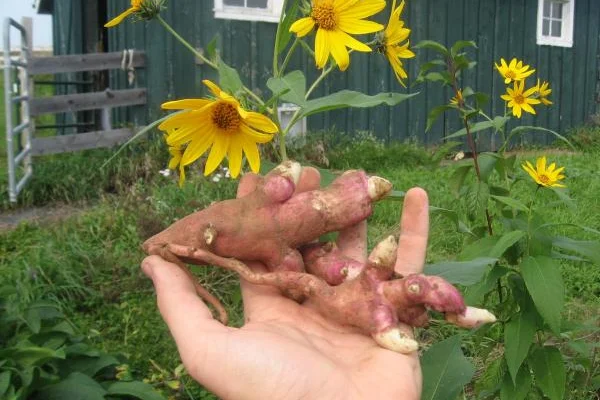
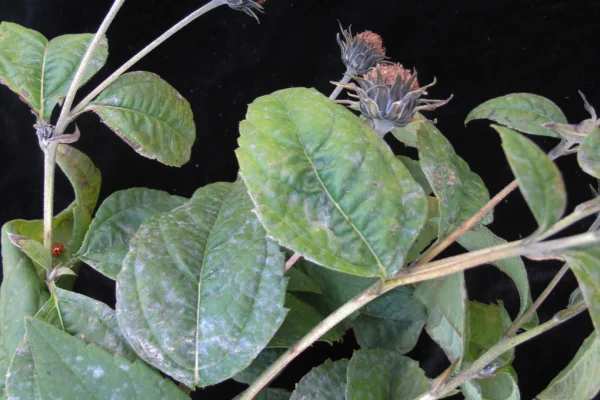
Jerusalem artichoke produces coarse green leaves on tall upright stems, sometimes topped by small yellow sunflower like flowers. Beneath the ground are irregular or elongated tubers, with skin colour and shape varying by cultivar.
Do not confuse it with globe artichoke. Both belong to the daisy family, but Jerusalem artichoke is Helianthus and globe artichoke is Cynara. Buy clearly labelled planting material rather than identifying an unknown edible crop from a tuber photograph alone.
Photo: Gilles Ayotte, Université Laval, CC BY-SA 4.0. Resized and optimised; cropped for display. Adapted image under the same licence.
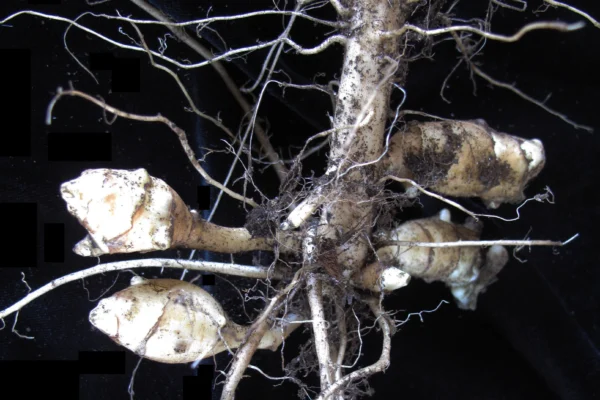
The long harvest window is useful when many summer crops have finished. Planting and lifting dates should follow soil conditions, because wet ground is easily damaged by repeated digging.
Flowers may be late or absent in some British seasons and cultivars. Lack of a display does not by itself mean there is no tuber crop. Assess the planting below ground after the foliage has finished.
A small trial row can help establish whether you enjoy the crop and whether its vigour suits the plot. Record how many tubers you lift and how much regrowth appears next spring before expanding the bed.
Photo: Christian Fischer, CC BY-SA 3.0. Resized and optimised; cropped for display. Adapted image under the same licence.

Missed tubers are regrowing. Lift unwanted shoots with their attached tubers while small, and repeat as needed. Do not move soil containing tubers into other beds.
Tall growth needs support on exposed sites. Add suitable stakes and ties early, or choose a shorter cultivar for the next planting.
Prolonged saturation can cause losses. Improve drainage or move the crop to a more suitable site rather than assuming the plant can tolerate any winter soil.
Sclerotinia is one possible cause of decay and collapse. Remove suspect material, avoid saving affected tubers and seek a diagnosis before replanting the same area.
Inspect for slugs and snails as shoots emerge. Protect vulnerable growth and remove unnecessary debris around the planting without disturbing developing tubers.
The usual method is to replant sound tubers. Select material from healthy productive plants and keep different cultivars separate. Large tubers can be divided only if each piece retains a viable bud.
Do not save planting stock from plants with unexplained rot. A deliberate annual selection is easier to control than leaving a crowded tangle of every tuber in the ground and hoping for uniform results.
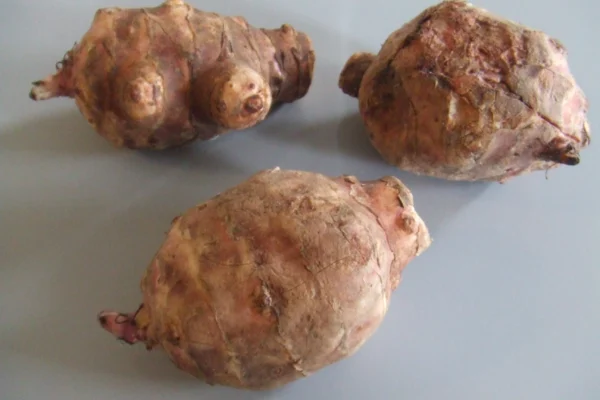
Fuseau
A widely offered cultivar valued for relatively smooth elongated tubers, making preparation easier than with very knobbly types. Confirm the cultivar when ordering planting stock.
Jerusalem artichoke tubers. Illustrative Helianthus tuberosus species photograph; cultivar not identified.
Photo: Hans B.~commonswiki, Public domain. Resized and optimised; cropped for display.
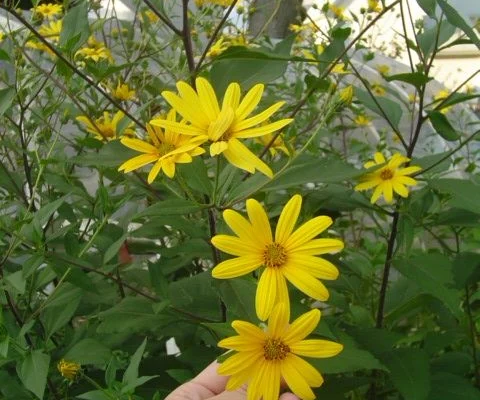
Dwarf Sunray
A shorter option, commonly around 1.2 to 1.5m, useful where full height plants would be awkward or exposed. It still needs space for its underground crop.
Jerusalem artichoke flowers. Illustrative Helianthus tuberosus species photograph; cultivar not identified.
Photo: Eric Toensmeier, CC BY-SA 3.0. Resized and optimised; cropped for display. Adapted image under the same licence.
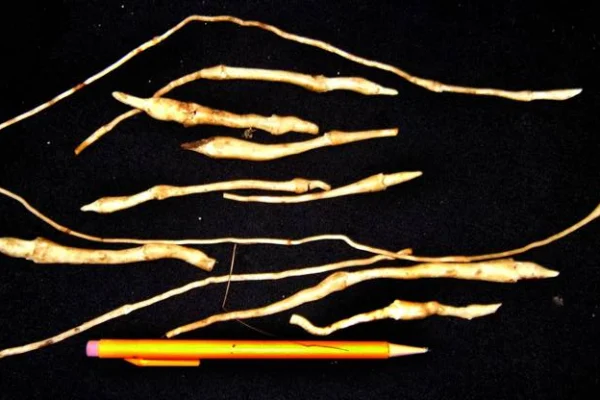
Red Fuseau
A named red skinned selection offered by specialist nurseries. Availability in Britain varies, so check the identity and source rather than assuming any red tuber is this cultivar.
Jerusalem artichoke tubers, not a verified Red Fuseau photograph. Illustrative Helianthus tuberosus species photograph; cultivar not identified.
Photo: David L. Van Tassel (Desmanthus4food), The Land Institute, CC BY-SA 3.0. Resized and optimised; cropped for display. Adapted image under the same licence.
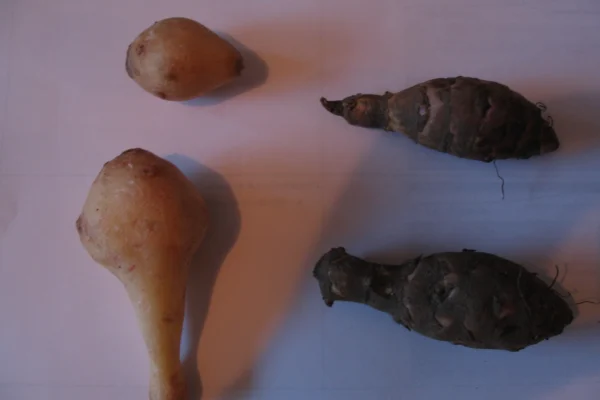
Helianthus tuberosus, unnamed stock
Species level planting material may be sold without a cultivar name. Ask about height and tuber shape, and keep it labelled as unnamed instead of assigning a variety from appearance.
Jerusalem artichoke tubers from the botanical collection of Université Laval; cultivar not identified
Photo: Gilles Ayotte, Université Laval, CC BY-SA 4.0. Resized and optimised; cropped for display. Adapted image under the same licence.
Explore the BFFD map and ask nearby growers about winter Jerusalem artichokes or planting tubers. Check whether the supplier is offering food for the kitchen or named stock for growing.
Where flowers develop, their yellow heads can be visited by pollinating insects. Flowering is an additional benefit rather than a requirement for harvesting tubers.
Keep the crop within its intended space and avoid dumping unwanted tubers or root pieces beyond the garden. Managing vigorous regrowth is part of keeping a productive patch compatible with surrounding planting.
Published by Buy From Farmers Direct. Sources checked 4 October 2026. Growing references: RHS: How to grow Jerusalem artichokes; RHS: Helianthus tuberosus; RHS: Fuseau; Kew: Helianthus tuberosus; Victoriana Nursery: Fuseau Jerusalem artichoke; New Earth Nursery: Red Fuseau. The seasonal timeline uses the shared BFFD Growers Calendar record; adjust timings to your variety and local conditions.
Plant healthy tubers from late winter to spring, commonly February to April, when the soil is workable. Wait if the ground is frozen or saturated.
Set tubers about 10 to 15cm deep and roughly 30cm apart. Leave at least 1m between rows where you need access to support plants and lift the crop.
Lift after the foliage has died back, usually from November through winter into March. Finish before strong spring regrowth if clearing the bed.
Yes, in a substantial container with effective drainage, ideally at least 45cm wide and deep. A compact cultivar is easier to manage, but regular watering is still important.
Yes, any tubers left behind may regrow. Harvest thoroughly if you want to clear the site and remove unwanted new shoots with their tubers.
No. Jerusalem artichokes are sunflower relatives grown for tubers. Globe artichokes produce edible unopened flower buds and require a different growing routine.
Plan a manageable patch with the Growers Calendar and keep its winter digging access clear. For the crop itself or advice on availability, use the BFFD map to contact growers near you.
Explore more growing guides: Artichoke (Globe), Asparagus, Amaranth (Grain).
Want to get food independence, support your local grower, get better prices and shop more privately?
Local food isn’t just something you find. It’s something you protect. A free account helps keep local supply visible, supported, and resilient.

….it takes 30 seconds for food lovers and 5 minutes for suppliers
We built this for people who care where their food comes from. For people who want to remain food secure. For Farmers to get to the local people, who deserve a better income and to deliver a better price for you. For the environmentally conscious and the privacy-conscious. An account simply helps us make the map and supplier reach more useful to you, without changing how open it is. You’re always in control.


Find local food. Stay connected to it. Create a free account to support local producers and be part of a growing food network.


