Runner beans bring colourful flowers and long summer pods to vegetable plots and large planters. Most climb strongly, while a few stay compact. Ordinary runners are Phaseolus coccineus; some modern varieties include French bean parentage. Give them warmth to establish, steady moisture and regular picking.
Summer picking
Frost tender
Mostly climbing
Bee visited flowers
Needs steady moisture
| Botanical name | Phaseolus coccineus; some garden varieties have hybrid parentage |
| Family | Fabaceae |
| Plant type | Tender perennial usually grown as an annual crop |
| Harvest used | Young, tender pods |
| Main habit | Strong twining climber |
| Climbing height | Often 2 to 3m on supports |
| Dwarf height | Usually up to about 45cm |
| Position | Sunny and sheltered |
| Soil | Rich, moisture retaining, well drained |
| Indoor sowing | Mid April to May |
| Outdoor sowing | Late May to June in suitable warmth |
| Planting out | Usually late May or June after frost |
| Sowing depth | About 5cm |
| Climbing spacing | 15 to 30cm along supports |
| Dwarf spacing | 30cm apart; rows 50cm apart |
| Support frame | Strong poles or canes about 2.5m long |
| Harvest | Usually July to October |
| Picking frequency | Every two or three days in full crop |
| Flower colours | Red, white, pink or bicoloured |
| Container choice | Dwarf varieties are easier to accommodate |
| Plant name | Crop type | Spacing |
Sow indoors
Plant outdoors
Harvest
Polytunnel | |||||||||||
|---|---|---|---|---|---|---|---|---|---|---|---|---|---|---|
| Jan | Feb | Mar | Apr | May | Jun | Jul | Aug | Sep | Oct | Nov | Dec | |||
| Beans (Runner) | Legumes | Single 0.25m, In row 0.25m, Row gap 0.60m | No activity recorded | No activity recorded | No activity recorded | Sow indoors, Polytunnel | Sow indoors, Plant outdoors, Polytunnel | Sow indoors, Plant outdoors, Polytunnel | Harvest | Harvest | Harvest | Harvest | No activity recorded | No activity recorded |
Sow indoors: April, May, June. Plant outdoors: May, June. Harvest: July, August, September, October. Polytunnel: April, May, June.
April and May sowing is normally started under protection. Direct sowing and planting out wait for warm soil and the last local frost. July to October is a typical harvest range, shortened by cold weather. Polytunnel months indicate protected sowing or growing, not guaranteed frost protection. Calendar spacing describes climbing plants along a supported row; dwarf spacing differs.
Runner beans suit gardeners who want a substantial summer crop from a relatively narrow strip of ground. Their height needs planning, so think about the shadow cast onto neighbouring vegetables and the route you will use for picking.
Choose a dwarf runner for a large patio container or an exposed position where a tall frame is awkward. Expect a smaller crop than a full climbing row, but easier access and a less demanding support structure.
Photo: Kolforn (Wikimedia), CC BY-SA 4.0. Resized and optimised; cropped for display. Adapted image under the same licence.
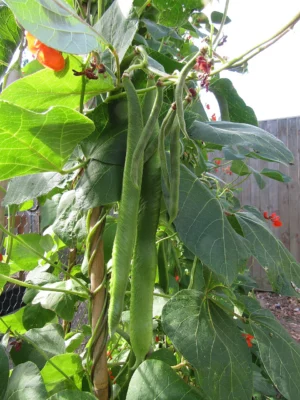
Choose a sunny, sheltered position with soil that holds moisture. An open windy corner can dry foliage and loosen supports, making an otherwise simple crop harder to manage.
Add well rotted organic matter ahead of planting. Focus on the whole rooting area rather than a narrow pocket that remains wet. Avoid planting into saturated ground.
Set strong supports before plants enter the bed. Brace an A frame or wigwam securely and check the ties. Leave access for watering, harvesting and repairing the frame without squeezing between stems.
For climbing runners in containers, RHS guidance suggests a planter at least 75cm wide and 45cm deep. Dwarf varieties can use pots around 30 to 45cm wide. Large containers still need regular checking in warm weather.
Photo: Kolforn (Wikimedia), CC BY-SA 4.0. Resized and optimised; cropped for display. Adapted image under the same licence.
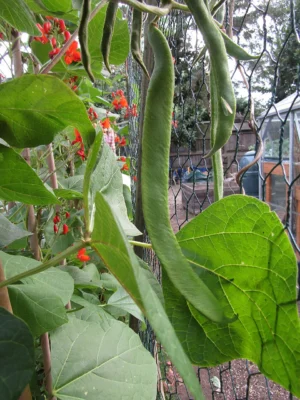
Start only as many plants as you can support and water. Runner beans grow rapidly in good conditions, so prepare their final position while the seed is germinating.
1.
Choose a climbing or dwarf variety and read the packet for expected size and sowing dates.
2.
Sow one seed about 5cm deep in each small pot or deep module of moist peat free compost.
3.
Keep the pots in a bright, warm place above about 12°C and water without saturating the compost.
4.
Prepare the bed and build supports. For climbers, space support positions 15 to 30cm apart along the row.
5.
Gradually acclimatise seedlings outdoors, returning them to shelter when cold weather threatens.
6.
Plant after the last local frost. Keep rootballs intact, plant at the existing depth and water thoroughly.
7.
Guide one climber onto each support. Space dwarf runners 30cm apart, with about 50cm between rows.
8.
Label the variety, check establishment daily at first and secure any loose stems before they become tangled.

Watering
Check root moisture during flowering and pod development. Water thoroughly in dry weather, including the far end of a long row. Avoid repeatedly splashing only the surface.
Pots can dry quickly. Water slowly so the whole rootball is wetted and excess drains. A compost mulch helps reduce drying in beds; keep it clear of crowded stem bases.

Feeding
Plants in a fertile garden bed often need little extra feed. Rich foliage with few pods is not a reason to apply more nitrogen. Check temperature, moisture and flower activity first.
For containers, a suitable potassium rich liquid feed from flowering can support the crop. Use the product’s dilution instructions, and apply it to adequately moist compost rather than a severely dry rootball.

Pruning
Pinch off extra growth once climbers reach the top of their support. Guide escaping shoots before they wind around nearby plants, and keep ties loose enough to avoid cutting into thickening stems.
Pick every two or three days when the crop is producing strongly. Look behind leaves for missed pods and support the stem while cutting or snapping off a pod. Frequent inspection also reveals loose poles before a windy day.

Winter care
Clear the crop once picking finishes or frost damages the plants. Although the species is perennial in suitable climates, a fresh annual sowing is the usual reliable approach for UK vegetable gardens.
Clean supports and inspect poles for damage. Clear diseased remains and keep saved seed dry, labelled and separate from cooking beans.
Most runner beans develop vigorous twining stems and broad leaves divided into three leaflets. Flowers appear in clusters, followed by long pods. Flower colour alone does not identify a named variety, and modern hybrid selections add further variation.
For a tender pod harvest, look for pods that snap readily before large seeds swell inside. Suitable picking length varies by variety. A long exhibition type and a smaller garden selection should not be judged against one fixed measurement.
Photo: Unknown, via rawpixel, CC0 1.0. Resized and optimised; cropped for display.
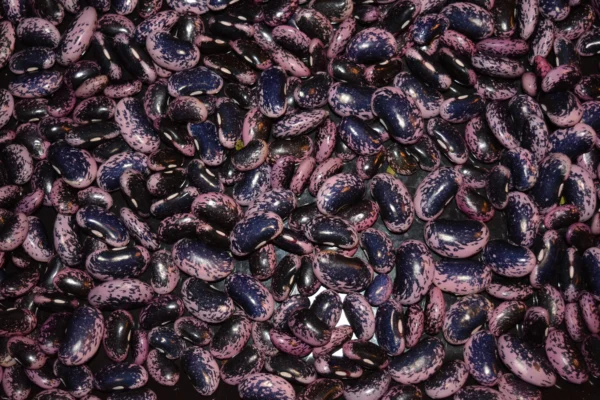
Runner beans often perform well through a moist UK summer, provided drainage is sound. A dry spell during flowering can be more disruptive than a cool cloudy week once plants are established.
Northern and exposed gardens benefit from a protected start followed by patient planting after frost. Avoid leaving seedlings crowded indoors for too long; a manageable later batch can establish more steadily.
In hot gardens or polytunnels, watch temperature and ventilation as well as irrigation. Varieties with French bean parentage may help where pod setting is unreliable, but they still require adequate root moisture and sensible growing conditions.
Photo: Victor M. Vicente Selvas, Public domain. Resized and optimised; cropped for display.
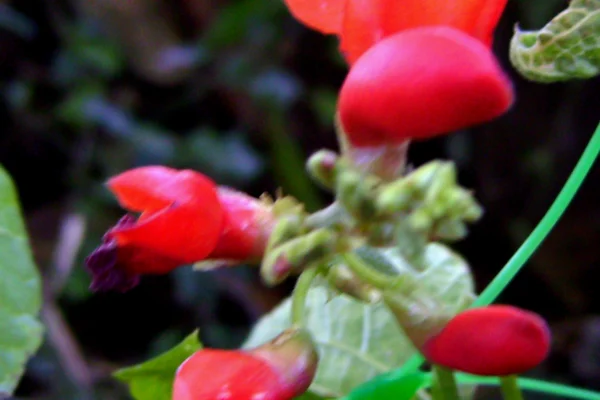
Some flower loss is normal. Persistent failure can reflect dry roots, hot weather or poor pollination. Check the soil and local conditions first. Spraying flowers with water has not been shown to improve pod setting.
Slugs and snails can damage seedlings. Inspect at dusk and check nearby hiding places. Keep a few replacement plants and protect vulnerable new growth while the crop establishes.
Small colonies may be tolerated, especially where predators are active. Inspect before acting and remove concentrated infestations carefully. Avoid indiscriminate spraying of flowers visited by bees.
The pods may have been left too long or growth may have been interrupted. Pick sooner and check hidden parts of the row. Even a variety described as stringless should be gathered while tender.
Runner bean rust can develop during summer. Improve airflow and remove affected leaves where practical. Avoid saving seed from infected crops and clear remaining diseased material after harvest.
Sow runner beans from seed each year for a straightforward crop. If saving seed, choose healthy representative plants and leave selected pods to mature fully rather than saving only the pods missed during picking.
Runner bean varieties can cross pollinate. Saved seed from neighbouring varieties or modern hybrids may not repeat the parent exactly. Buy named seed when flower colour, growth habit or reliable variety identity is essential.
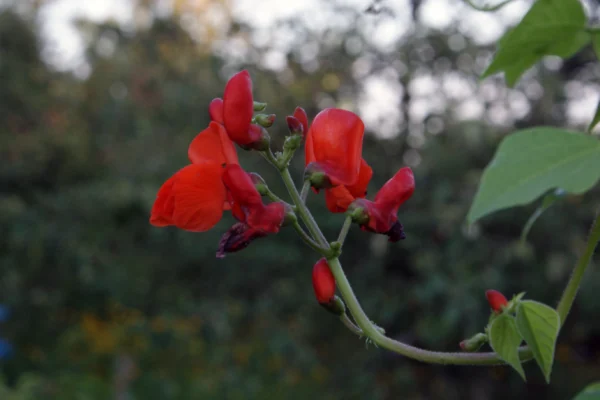
White Lady
A climbing runner with white flowers and pods described as stringless. It offers a different flower colour for the vegetable plot while still needing the usual strong supports and regular picking.
Illustrative runner bean flowers; the photographed cultivar is unidentified and is not verified as White Lady.
Photo: Włodzimierz Wysocki, CC BY-SA 3.0. Resized and optimised; cropped for display. Adapted image under the same licence.
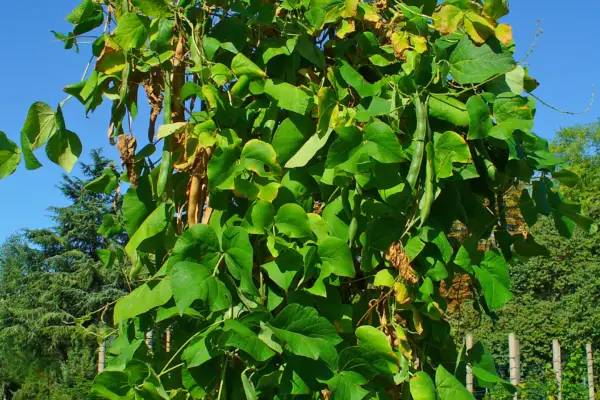
Enorma Elite
A climbing selection known for long, slender pods. Choose it when pod length interests you, but harvest young for the kitchen rather than waiting for the largest possible beans.
Illustrative Phaseolus coccineus; the photographed cultivar is unidentified.
Photo: H. Zell, CC BY-SA 3.0. Resized and optimised; cropped for display. Adapted image under the same licence.
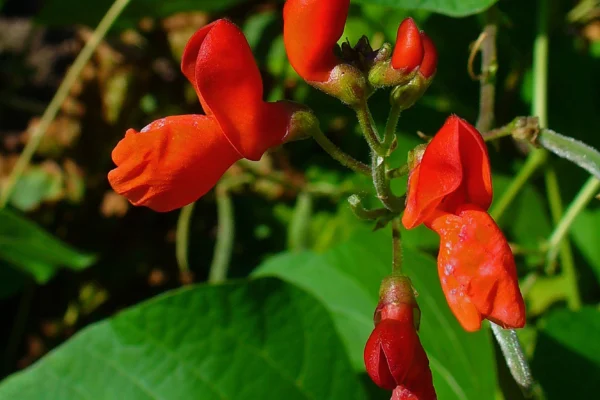
Hestia
A dwarf runner suited to containers and places where a tall frame would be inconvenient. Give the low plants room for airflow and keep developing pods clear of wet soil.
Illustrative runner bean flowers; the photograph does not establish the cultivar or dwarf habit.
Photo: H. Zell, CC BY-SA 3.0. Resized and optimised; cropped for display. Adapted image under the same licence.
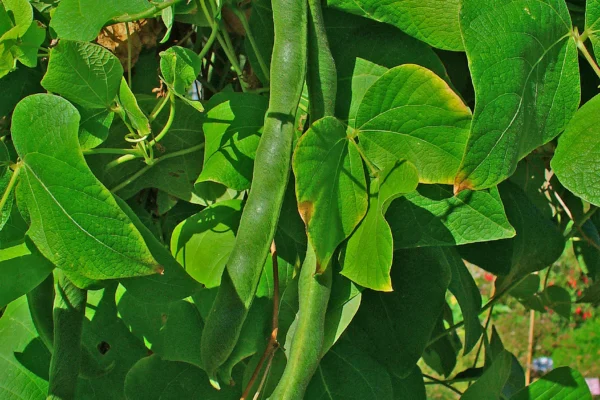
Moonlight
A runner selection with French bean parentage, recommended by the RHS for good cropping and stringless pods. It is a useful option when conventional runner beans have struggled to set a worthwhile crop.
Illustrative Phaseolus coccineus; this is not a verified photograph of the Moonlight hybrid.
Photo: H. Zell, CC BY-SA 3.0. Resized and optimised; cropped for display. Adapted image under the same licence.
Use the BFFD map to discover local growers and ask about fresh runner beans in season. If sourcing plants or seed, confirm the variety and whether it needs a tall climbing frame.
Runner bean flowers are valuable to visiting bees, which also contribute to pollination. Leave a clear route to flowers and avoid treating a few insects on the crop as an automatic problem.
Some bumblebees reach nectar through holes in the flower base. This does not usually justify intervention. Observe the wider pattern of flower visits and pod formation before blaming one insect for a poor harvest.
Published by Buy From Farmers Direct. Sources checked 4 October 2026. Growing references: RHS: Grow runner beans; RHS: Runner beans failing to set pods; RHS: Secrets of growing runner beans; RHS: Runner and French bean rust; Garden Organic: Saving seed crop by crop; University of Minnesota Extension: Growing beans. The seasonal timeline uses the shared BFFD Growers Calendar record; adjust timings to your variety and local conditions.
Wait until local frost risk has passed, usually late May or June. Acclimatise indoor raised plants first. Direct sowing also needs warm soil, around 12°C or above.
Pick while pods are tender and seeds inside remain small. Check every two or three days in full crop. The right length depends on the variety, so use texture as well as size.
Yes. Dwarf varieties are easiest; climbers need a large stable planter, strong supports and frequent watering. Check drainage and rootball moisture throughout the season.
Dry roots, heat and limited pollination can all contribute. Some loss is normal. Improve moisture and growing conditions; misting flowers is not a proven solution.
A sturdy frame using poles or canes about 2.5m long suits most climbing varieties. Set them firmly, brace the structure and pinch off growth once it exceeds the useful picking height.
Ordinary runners are Phaseolus coccineus and French beans are Phaseolus vulgaris. Some modern runner varieties have French bean parentage. Both need frost protection, but their habits, flowers and pod setting behaviour differ.
Use the BFFD growers calendar and map for seasonal planning and local produce. Record variety and picking dates.
Explore more growing guides: Beans (Borlotti), Beans (Broad), Beans (French).
Want to get food independence, support your local grower, get better prices and shop more privately?
Local food isn’t just something you find. It’s something you protect. A free account helps keep local supply visible, supported, and resilient.

….it takes 30 seconds for food lovers and 5 minutes for suppliers
We built this for people who care where their food comes from. For people who want to remain food secure. For Farmers to get to the local people, who deserve a better income and to deliver a better price for you. For the environmentally conscious and the privacy-conscious. An account simply helps us make the map and supplier reach more useful to you, without changing how open it is. You’re always in control.


Find local food. Stay connected to it. Create a free account to support local producers and be part of a growing food network.


