Autumn cabbage turns a spring sowing into firm heads as summer crops finish. This guide covers green and Savoy types selected for autumn cutting. Plan the bed early, establish plants through summer and harvest each head when ready. Autumn describes the harvest, not the sowing season.
Autumn harvest
Green and Savoy types
Full sun
Edible heads
Variety dependent spacing
| Botanical name | Brassica oleracea, Capitata Group |
| Family | Brassicaceae |
| Plant type | Biennial grown as an annual crop |
| Harvested part | Leafy head |
| Main harvest | September to November |
| Seed sowing | April to June for suitable autumn varieties |
| Transplanting | Usually May to July |
| Light | Full sun |
| Soil | Fertile, firm and well drained |
| Water needs | Steady moisture through summer |
| Sowing depth | About 1cm |
| Transplant stage | About five or six true leaves |
| Compact spacing | About 30cm between plants |
| Larger spacing | About 45cm or the packet recommendation |
| Typical row gap | 60cm, adjusted to variety |
| Container option | Compact selections only |
| Flower pollination | Not required for head production |
| Routine pruning | None |
| Harvest test | Head firm and usable size |
| Winter standing | Only suitably hardy varieties |
| Plant name | Crop type | Spacing |
Sow indoors
Plant outdoors
Harvest
Polytunnel | |||||||||||
|---|---|---|---|---|---|---|---|---|---|---|---|---|---|---|
| Jan | Feb | Mar | Apr | May | Jun | Jul | Aug | Sep | Oct | Nov | Dec | |||
| Cabbage (Autumn) | Brassicas | Single 0.45m, In row 0.45m, Row gap 0.60m | No activity recorded | No activity recorded | No activity recorded | Sow indoors, Polytunnel | Sow indoors, Plant outdoors, Polytunnel | Sow indoors, Plant outdoors | Plant outdoors | No activity recorded | Harvest | Harvest | Harvest | No activity recorded |
Sow indoors: April, May, June. Plant outdoors: May, June, July. Harvest: September, October, November. Polytunnel: April, May.
The main calendar is for autumn harvesting green and Savoy cabbage, not for sowing an overwintered spring cabbage crop. April to June sowing and May to July planting are broad windows; compact early varieties and slower late types need their own packet dates. Tundra, discussed below, continues into winter beyond the main autumn harvest band. Protected space is mainly useful for seedlings.
Autumn cabbage suits growers wanting whole heads for cooking who can maintain growth through summer. It extends the kitchen harvest beyond tomatoes and courgettes, but each plant occupies valuable bed space.
Choose head size to match your kitchen. Several compact heads can be easier to use than one enormous cabbage. Combining an early autumn ballhead with a later Savoy also spreads the picking period and provides different textures.
Photo: מרוה עסאקלה; Lehava Activity 2012 Pikiwiki Israel, CC BY 2.5. Resized and optimised; cropped for display.
Reserve a sunny bed before sowing. If it follows another crop, compare that crop’s clearance date with the cabbage transplanting deadline. Space becoming available too late is not useful simply because it is empty.
Work mature compost into soil that needs organic matter and allow the surface to settle. Firm the planting position without crushing wet ground. Good drainage matters when autumn rainfall becomes persistent.
Rotate brassicas around the plot, grouping cabbage with broccoli, cauliflower and kale. Where clubroot is known, rotation alone will not remove the problem.
For a container crop, select a compact ballhead and provide a deep pot at least 30cm across. Keep it accessible for watering and checking. Large late Savoys are usually better assigned to open ground.
Photo: Ssemmanda will, CC BY-SA 4.0. Resized and optimised; cropped for display. Adapted image under the same licence.

Modules are convenient when the final bed is still occupied. A small outdoor seedbed is another option, provided young plants can be lifted and moved at the right stage without drying out.
1.
Choose an autumn cultivar and check its sowing window. Label separate sowings clearly so early and late types remain distinguishable.
2.
Sow about 1cm deep into prepared modules or a fine seedbed. Water gently so the seed is not washed into clusters.
3.
Thin crowded seedlings while small. Keep the strongest plant in each module and maintain bright, uncrowded growing conditions.
4.
Prepare the final bed and protection before transplanting. Weed thoroughly while there are no cabbage roots to disturb.
5.
Harden off plants raised under cover. Water before moving and transplant at about five or six true leaves, while roots are healthy.
6.
Space compact plants around 30cm apart and larger ones around 45cm, checking the packet. Allow access between rows, commonly about 60cm.
7.
Plant deeply enough for the lowest leaves to sit near soil level. Firm around the roots and water the whole root area thoroughly.
8.
Fit secure insect mesh immediately. Allow expansion space, then check establishment and water needs frequently during the first fortnight.

Watering
Consistent moisture supports tender heads. Check below the surface and water deeply when needed. Investigate persistent wilting rather than repeatedly sprinkling the soil.
Mulch established plants after watering if appropriate to the soil. Keep material clear of stems and inspect underneath covers. Containers can dry much faster than the bed beside them.

Feeding
Prepare fertility before planting. Apply additional feed according to its label and soil needs. Consider a soil test where poor growth recurs despite feeding.
Avoid increasing feed as heads approach maturity. Check crowding, root damage and uneven water first. Extra growth cannot replace timely harvesting.

Pruning
Keep healthy outer leaves and avoid trimming growing plants into neat balls. Remove badly damaged or decaying leaves without disturbing the centre.
Cut the stem beneath a firm head with a sharp knife. Keep a few protective wrapper leaves where useful and avoid bruising the crop. Check nearby plants individually rather than cutting the entire row automatically.

Winter care
An autumn cabbage is not necessarily a winter cabbage. Finish harvesting tender autumn selections before prolonged cold damages them. Leave only varieties specifically suited to winter standing, and inspect those regularly.
Clear unusable crop remains and weeds after harvest. Record disease symptoms and keep diseased roots out of ordinary home compost. Include the crop in your rotation records.
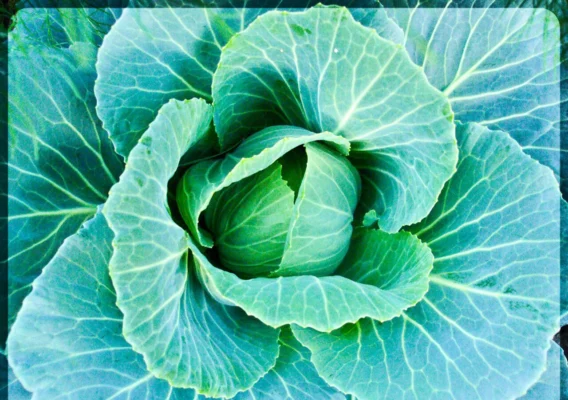
Green ballhead cabbages form tightly layered round heads surrounded by broad outer leaves. Savoy types have visibly crinkled leaf surfaces; some varieties combine Savoy texture with a denser head. Shape and texture help describe a crop but do not prove its cultivar.
A firm head is a harvestable structure of folded leaves. A rising central flower stem indicates a change towards flowering, not an extra large cabbage developing. Keep labels because appearance alone cannot reliably separate autumn and winter varieties.
Photo: Tony Atkin, CC BY-SA 2.0. Resized and optimised; cropped for display. Adapted image under the same licence.
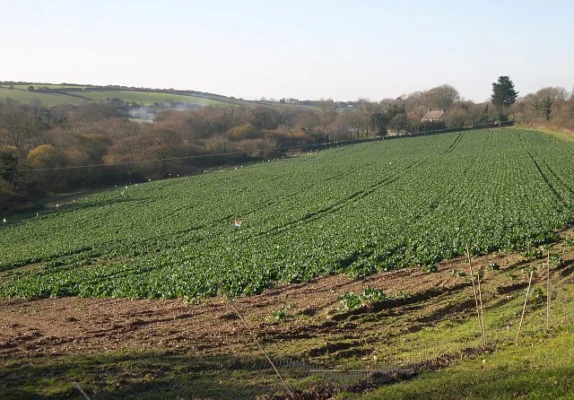
In cooler districts, sow on time and establish plants promptly. Healthy young plants have a better opportunity than restricted plants left waiting for space.
In warm districts, summer drought can interrupt development even when autumn conditions are ideal. Plan watering before holidays. Mesh should protect the crop while still leaving room for airflow and expanding foliage.
Anchor covers on windy plots. After storms, check loosened rootballs, mesh damage and puddles. A calendar date cannot tell you whether a weather damaged head will store well.
Photo: Evelyn Simak, CC BY-SA 2.0. Resized and optimised; cropped for display. Adapted image under the same licence.
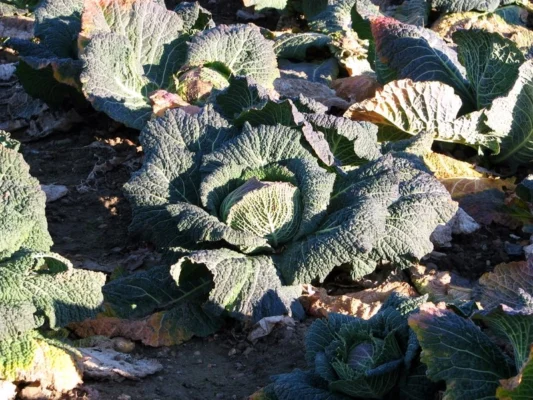
Check the underside of leaves and the centre of each plant. Hand removal and intact insect mesh can protect a small crop. Remove any caterpillars already present before replacing the cover.
Check soil moisture, planting firmness and root condition. Plants kept too long in cramped modules can struggle. Replace failures early enough for the new plant to catch up.
Consider the variety’s expected maturity and whether the centre was damaged. Check spacing, light and water. Removing healthy outer leaves will not make a damaged growing point produce a head.
Clubroot can cause distorted roots and poor growth. Avoid spreading suspect soil on tools or footwear. Get a diagnosis and consider specialist advice before growing another brassica crop there.
Cut heads as they become firm and useful. Sudden water uptake can split overmature cabbage. Use a split but otherwise sound head promptly instead of relying on it for long storage.
Grow from seed for variety choice, or buy named young plants when you need only a few. Reject plants with damaged centres or unhealthy roots.
Check the variety’s finishing time before making another sowing. Starting after the recommended date may produce leaves rather than autumn heads. Keep local records instead of assuming fixed maturity.
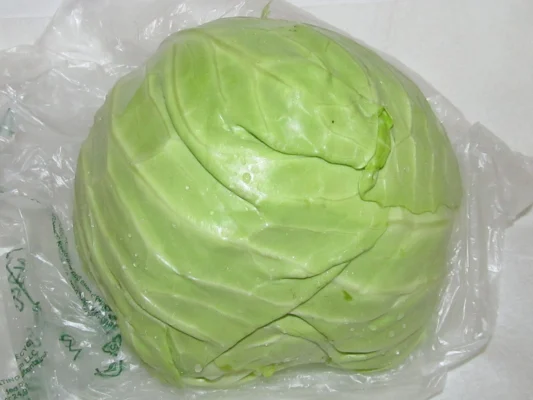
Minicole F1
A compact round cabbage for early autumn, useful where head size and growing space matter. Its standing ability offers some flexibility, although ripe heads should still be checked. Follow its own spacing instructions.
Illustrative green cabbage. The photographed cultivar is not identified as Minicole.
Photo: Willis Lam, CC BY-SA 2.0. Resized and optimised; cropped for display. Adapted image under the same licence.
Castello F1
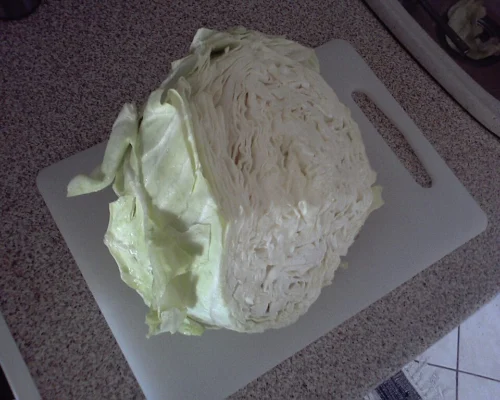
An autumn ballhead that can mature from late August into September. RHS trial notes describe heads that can be cut relatively young or allowed to become denser and paler inside. Check readiness individually.
Illustrative cut green cabbage. The photographed cultivar is not identified as Castello.
Photo: Logictheo, CC BY-SA 3.0. Resized and optimised; cropped for display. Adapted image under the same licence.
Consulate
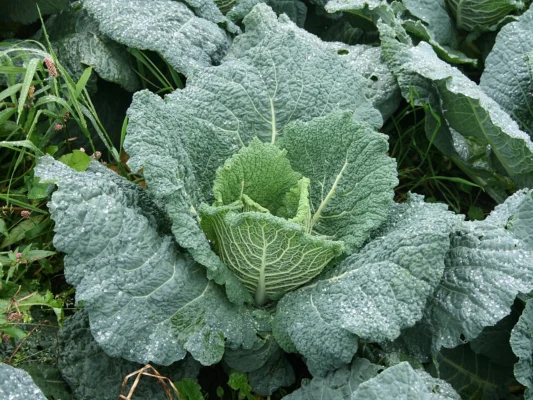
A semi Savoy selection for later autumn, with round, dark green heads. It offers a different leaf texture from a smooth ballhead. Allow sufficient room and choose it for its later place in the harvest sequence.
Illustrative Savoy cabbage. The photographed cultivar is not identified as Consulate.
Photo: Evelyn Gunn, CC BY-SA 3.0. Resized and optimised; cropped for display. Adapted image under the same licence.
Tundra F1
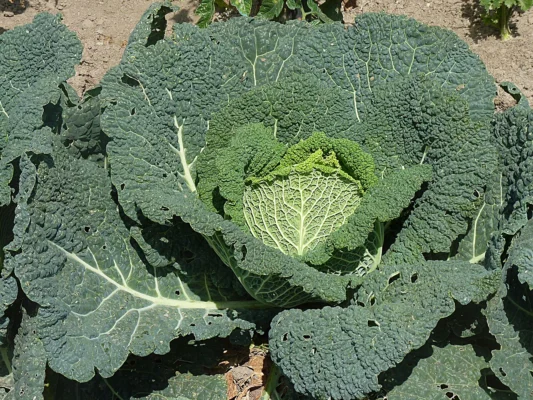
A hardy cabbage bridging autumn and winter, with firm heads and good standing ability. The RHS gives October to February harvesting. Choose it for the later part of the plan, rather than expecting an early September crop.
Illustrative Savoy cabbage. The photographed cultivar is not identified as Tundra.
Photo: Jamain, CC BY-SA 3.0. Resized and optimised; cropped for display. Adapted image under the same licence.
Explore the BFFD map for local growers and suppliers. Ask for the variety name, expected harvest season and planting advice before buying seedlings. Contact suppliers directly to confirm availability.
Cabbage white butterflies and other insects are part of the garden, but their larvae can seriously damage a crop. Use a physical barrier around the food bed and provide flowering plants in another part of the garden.
Maintain covers carefully so loose netting does not trap birds. A heading cabbage does not need pollinator access to produce its edible leaves. Inspect the crop underneath rather than assuming a covered bed is problem free.
Published by Buy From Farmers Direct. Sources checked 4 October 2026. Growing references: RHS: How to grow cabbage; RHS: Vegetable transplanting; RHS: Minicole cabbage; RHS: Castello cabbage; RHS: Consulate cabbage; RHS: Tundra cabbage; RHS: Cabbage trial variety notes; Utah State University: Cabbage in the garden; University of Minnesota: Growing cabbage; RHS: Crop rotation; RHS: Club root; RHS: Cabbage caterpillars; RHS: Insect proof mesh. The seasonal timeline uses the shared BFFD Growers Calendar record; adjust timings to your variety and local conditions.
No. It means a cabbage harvested in autumn, usually from spring or early summer sowing. Autumn sowing serves a different schedule, often an overwintered crop. Match the packet’s sowing and harvesting dates.
Yes, if the bed clears within your variety’s planting window. Raise plants separately while waiting, but avoid leaving them cramped for weeks. Check rotation as well as available space.
Look for a firm head of useful size within the variety’s expected season. Cut individually as heads become ready. Waiting for maximum size increases splitting and deterioration risks.
Allow about 30cm for compact types and 45cm for larger heads, or more where specified. Leave access between rows and use the packet for the final layout.
It may be immature, crowded, stressed or damaged at its centre. Check the variety and sowing date before changing care. A damaged growing point may never produce a normal head.
A hardy later variety such as Tundra can bridge the seasons. Its October to February window extends beyond the main autumn calendar. Early autumn types do not necessarily tolerate the same conditions.
Use the BFFD growers calendar to reserve autumn crop space. Record useful harvest times in your own growing notes so future variety choices suit your garden and kitchen.
Explore more growing guides: Cabbage (Autumn Red), Cabbage (Spring), Brussels Sprouts.
Want to get food independence, support your local grower, get better prices and shop more privately?
Local food isn’t just something you find. It’s something you protect. A free account helps keep local supply visible, supported, and resilient.

….it takes 30 seconds for food lovers and 5 minutes for suppliers
We built this for people who care where their food comes from. For people who want to remain food secure. For Farmers to get to the local people, who deserve a better income and to deliver a better price for you. For the environmentally conscious and the privacy-conscious. An account simply helps us make the map and supplier reach more useful to you, without changing how open it is. You’re always in control.


Find local food. Stay connected to it. Create a free account to support local producers and be part of a growing food network.


