Summer cabbages turn spring sowings into crisp heads for summer meals. Choose a seasonal variety, then provide space, steady moisture and insect protection. A short row is often more useful than a large batch that all needs cutting at once.
Spring sowing
Summer harvest
Pointed or round heads
Protect with mesh
Good for small batches
| Botanical name | Brassica oleracea, Capitata Group |
| Family | Brassicaceae |
| Crop type | Biennial grown as an annual vegetable |
| Edible part | Leaves forming the head |
| Main sowing window | February to April |
| Early sowing | Under cover or with protection |
| Planting window | Usually April to June |
| Main harvest | June to September, depending on variety |
| Position | Open and sunny |
| Soil | Fertile, firm and moisture retentive |
| Drainage | Freely drained, without waterlogging |
| Soil pH | About 6 to 7; test before liming |
| Module sowing depth | About 1cm |
| Outdoor sowing depth | About 2cm; check the packet |
| Transplant stage | Five or six true leaves |
| Compact plant spacing | About 30cm |
| Larger plant spacing | About 45cm, or packet guidance |
| Container option | One compact plant in a deep 30cm pot |
| Harvest sign | A firm head of usable size |
| Propagation | Seed or bought young plants |
| Plant name | Crop type | Spacing |
Sow indoors
Plant outdoors
Harvest
Polytunnel | |||||||||||
|---|---|---|---|---|---|---|---|---|---|---|---|---|---|---|
| Jan | Feb | Mar | Apr | May | Jun | Jul | Aug | Sep | Oct | Nov | Dec | |||
| Cabbage (Summer) | Brassicas | Single 0.45m, In row 0.45m, Row gap 0.45m | No activity recorded | Sow indoors, Polytunnel | Sow indoors, Polytunnel | Sow indoors, Plant outdoors, Polytunnel | Plant outdoors | Plant outdoors, Harvest | Harvest | Harvest | Harvest | No activity recorded | No activity recorded | No activity recorded |
Sow indoors: February, March, April. Plant outdoors: April, May, June. Harvest: June, July, August, September. Polytunnel: February, March, April.
The red Sow indoors band covers February to April. Early sowings need protection; later ones can use an outdoor seedbed, so the band includes outdoor sowing. Transplanting from April to June and June to September harvests vary by variety and weather. Polytunnel months indicate optional seedling protection, not guaranteed warmth. This differs from July sown spring cabbage.
Summer cabbage suits growers who want fresh heads and can water and inspect the bed regularly. Compact varieties make manageable heads for smaller households. Check the cropping season on the packet.
Raise a few plants at a time. Mark their eventual leaf spread when arranging neighbouring crops: crowding seedlings can compromise the heads they later form.
Photo: מרוה עסאקלה; Lehava Activity 2012 Pikiwiki Israel, CC BY 2.5. Resized and optimised; cropped for display.
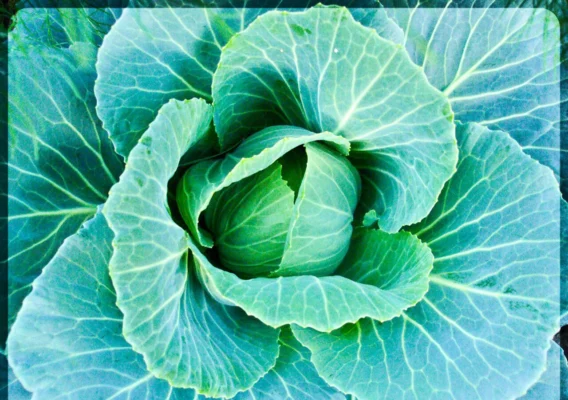
Use an open, sunny bed with fertile soil that retains moisture but drains after rain. Work in well rotted organic matter ahead of planting and let the surface settle. Firm planting means good root contact, not trampling wet soil into a sealed layer.
Test soil before adding lime. Roughly neutral soil suits cabbage, while acidity needs assessment. Liming by habit can create an imbalance and does not cure clubroot.
Include cabbage with other brassicas in your rotation. Broccoli, cauliflower, kale, radishes and turnips share relevant risks. Record planting locations rather than relying on memory.
A compact summer cabbage can grow in a deep, freely draining pot about 30cm across. Use fresh peat free multipurpose compost, leave watering room at the rim and place the pot where you can inspect leaf undersides.
Photo: Ssemmanda will, CC BY-SA 4.0. Resized and optimised; cropped for display. Adapted image under the same licence.
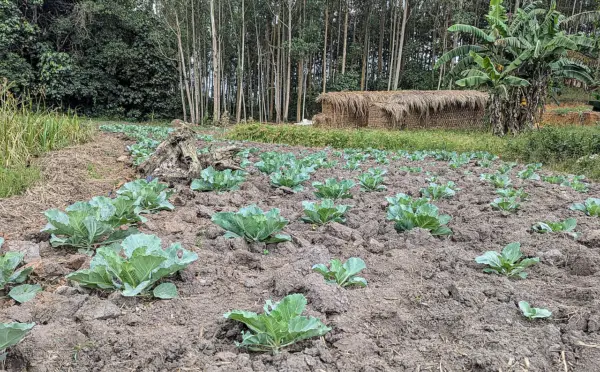
Modules make it easy to raise a small, labelled batch with little root disturbance. An outdoor seedbed is another option once conditions suit sowing. Avoid producing more seedlings than you have prepared spaces for.
1.
Select a named summer variety and check its sowing window, head size and final spacing.
2.
Fill modules with seed compost and moisten it before sowing about 1cm deep.
3.
Alternatively, sow thinly in an outdoor drill about 2cm deep, protecting early batches from cold.
4.
Thin modules to one strong seedling and keep the plants bright, watered and uncrowded.
5.
Harden off protected seedlings gradually before moving them into the open bed.
6.
Transplant at five or six true leaves, watering the rootball before handling it.
7.
Set plants firmly with the lowest leaves near soil level, allowing roughly 30 to 45cm according to variety.
8.
Water in well and secure insect mesh over supports, leaving enough space for the mature leaves.

Watering
Keep new roots moist while they establish. Later, check beneath the surface during dry spells and water thoroughly when needed. Broad leaves can shelter the soil from light rain.
Head formation is a poor time for repeated drought followed by sudden soaking. Aim for steady growth, and check pots especially often in drying winds. A mulch helps conserve moisture, but leave the stem clear and look beneath it for slugs.

Feeding
Base feeding on soil condition rather than the calendar alone. A prepared fertile bed may need little extra. In poorer ground, a suitable nitrogen feed can support leafy growth after establishment and before the heart develops; follow its label.
Avoid repeated feeding once heads form. Utah State guidance links excess feeding at this stage with unwanted growth and splitting. Check roots and moisture before feeding a stalled plant.

Pruning
Leave healthy outer leaves to support the heart. Remove badly faded ones for cleanliness and airflow, without stripping the plant. Inspect beneath loose leaves before discarding them.
Cut a firm head through the stem with a clean knife. You may obtain smaller shoots from a healthy remaining stump, but regard them as a bonus. Remove spent roots and stems when the crop is finished rather than leaving a neglected brassica patch.

Winter care
Summer varieties are chosen for fresh warm season cropping. Use them while sound, rather than holding mature heads through winter. Choose a labelled autumn or winter variety for later production.
Clear supports, check mesh for holes and record which bed held brassicas. Store seed dry with its original label so the seasonal information remains available.
The plant begins as a rosette of broad leaves, then the centre tightens into a head. Summer cabbages may be pointed or round, with smooth green to blue green outer leaves and a paler interior. Shape alone does not identify a cultivar.
Summer describes the intended cropping season, not a separate species. Spring cabbage is usually started the previous summer and overwintered; autumn types are timed later. Keep the packet or plant label alongside your sowing record to avoid confusing those schedules.
Photo: Logictheo, CC BY-SA 3.0. Resized and optimised; cropped for display. Adapted image under the same licence.
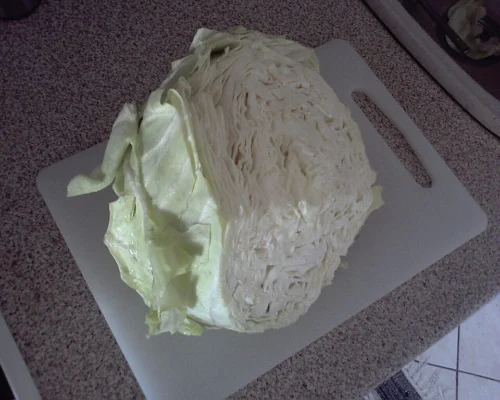
In cool or exposed districts, start protected batches and transplant when the bed and plants are ready. Avoid saturated soil and an abrupt move from shelter to cold wind.
In warmer gardens, summer watering and prompt picking become especially important. Feel the heads regularly once they begin to fill. Cut usable heads before they split rather than waiting for every plant in the row to reach the same size.
Move harvested heads into shade, remove damaged leaves and use them fresh or refrigerate them. For long storage, choose a variety specifically described for that purpose.
Photo: Tony Atkin, CC BY-SA 2.0. Resized and optimised; cropped for display. Adapted image under the same licence.
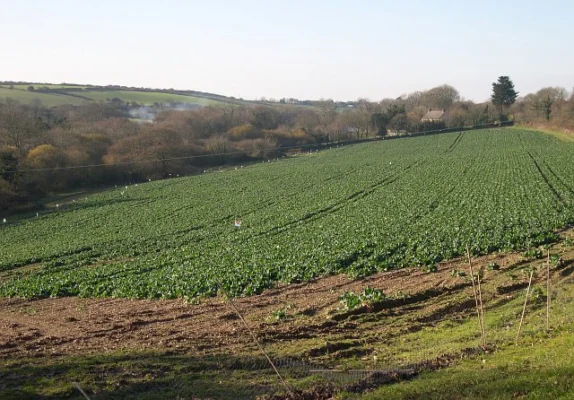
Cabbage caterpillars may feed on outer leaves or inside the head. Check both surfaces regularly and remove caterpillars where practical. Secure fine mesh early and repair gaps before butterflies reach the plants.
Inspect roots for damage. Cabbage root fly larvae can destroy fine roots, while clubroot causes obvious swellings. Mesh or a well fitted root fly collar helps prevent fly attack; extra watering alone will not repair lost roots.
Clubroot can persist in contaminated soil for many years. Avoid moving soil on boots or tools, improve drainage and seek advice on suitable resistant varieties. A short rotation or lime application does not remove an established infection.
Rapid water uptake, often after rain following dryness, can split a mature head. Cut ready heads promptly, maintain consistent moisture and avoid unnecessary late feeding. Examine a split head carefully and discard decayed material.
Slugs, snails and pigeons can all damage the crop. Look for slime or feeding animals and check after dark. Support protective mesh securely and check that edges do not create an easy entrance or a wildlife trap.
Seed is the usual starting point. Label each batch with the variety and sowing date, then compare its growth with the space available before sowing again. Bought plugs are useful when only a few plants are needed.
Choose sturdy plugs with healthy leaves and roots, avoiding congested trays. F1 seedlings raised from saved seed do not reliably reproduce the original variety, so buy labelled seed for predictable results.
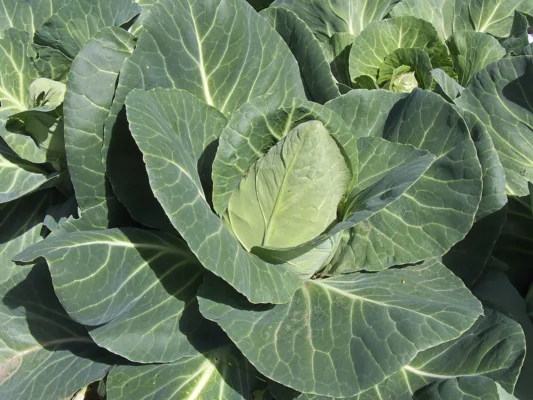
Hispi F1
A compact summer cabbage with a dense pointed head and smooth dark green leaves. Useful for small plots, with its picking date influenced by sowing time.
Illustrative pointed cabbage photograph; Hispi is not identified.
Photo: Rasbak, CC BY-SA 3.0. Resized and optimised; cropped for display. Adapted image under the same licence.
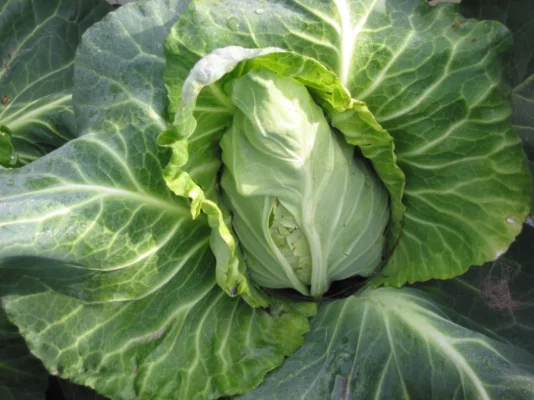
Regency F1
Forms uniform, compact pointed hearts with darker outer leaves and a lighter centre. Its strong base and standing ability offer some flexibility when planning a short picking period, but mature heads still need regular checking.
Illustrative pointed cabbage photograph; Regency is not identified.
Photo: Rasbak, CC BY-SA 3.0. Resized and optimised; cropped for display. Adapted image under the same licence.
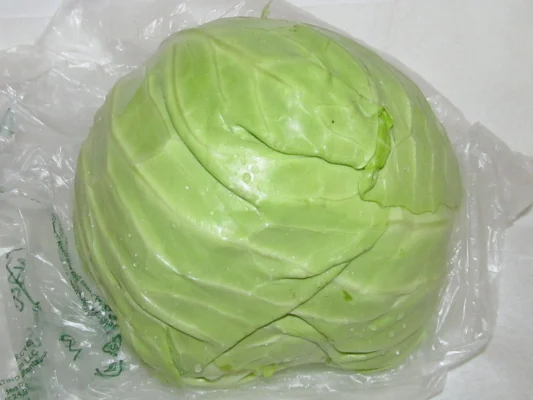
Candisa
An early, compact, round headed summer cabbage with a sweet flavour. RHS describes resistance to splitting and bolting. Those traits are useful safeguards, not a reason to neglect watering or leave a ready head indefinitely.
Illustrative round green cabbage photograph; Candisa is not identified.
Photo: Willis Lam, CC BY-SA 2.0. Resized and optimised; cropped for display. Adapted image under the same licence.
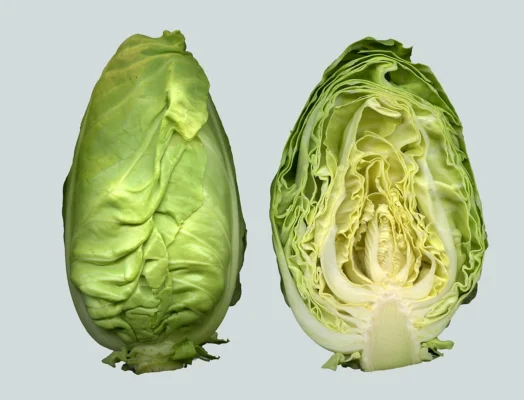
Caraflex F1
A pointed Hispi type with larger heads and a longer standing period. It offers another option for summer picking where a little more head size is useful. Follow the supplier spacing rather than treating it as identical to Hispi.
Illustrative whole and halved pointed cabbage; Caraflex is not identified.
Photo: Rainer Zenz (attributed by Commons), CC BY-SA 3.0. Resized and optimised; cropped for display. Adapted image under the same licence.
Use the BFFD map to find nearby growers and plant suppliers. Ask for the variety name, expected picking season and current availability before visiting, especially when buying plugs labelled simply cabbage.
A cabbage picked for its head does not need to flower. Nearby flowering plants can support pollinating insects while your vegetables remain protected. Caterpillars also feed birds and wasps, so protecting a small crop need not mean spraying the surrounding garden.
Support mesh securely, keep it clear of expanding leaves and avoid loose netting that could entangle wildlife. Inspect beneath covers before resealing them after watering or harvesting.
Published by Buy From Farmers Direct. Sources checked 5 October 2026. Growing references: RHS: How to grow cabbages; University of Minnesota Extension: Growing cabbage in home gardens; Utah State University: How to grow cabbage in your garden; University of Maryland Extension: Growing cabbage in a home garden; RHS: Cabbage caterpillars; RHS: Cabbage root fly; RHS: Club root; RHS: Hispi cabbage; RHS: Regency cabbage; RHS: Candisa cabbage; RHS Plants: Caraflex cabbage. The seasonal timeline uses the shared BFFD Growers Calendar record; adjust timings to your variety and local conditions.
Usually February to April, with protection for early batches. Follow the variety packet. July sowing generally belongs to spring cabbage for the following year.
Often April to June, once hardened seedlings have five or six true leaves. Consider plant condition and local weather, and avoid waterlogged soil.
Compact varieties commonly need about 30cm between plants, with larger ones around 45cm or more according to their packet. Wider spacing and adequate moisture generally allow a larger head.
Yes. Start with one compact variety in a deep pot about 30cm wide, using fresh peat free compost. Provide drainage, reliable watering, sunshine and insect protection.
Gently feel the developing head. Cut it when it is firm and a useful size for the variety. Do not wait for cracking or expect every plant to mature on the same day.
Mature heads can split after rapid water uptake, particularly when rain follows dry conditions. Harvest ready heads, keep moisture consistent and avoid excessive feeding once hearts are forming.
Use the BFFD growers calendar to plan summer cabbage alongside your other crops. Keep variety names, sowing dates and picking results in your own growing notes so next year’s small batches suit your kitchen and garden.
Explore more growing guides: Cabbage (Autumn), Cabbage (Spring), Cabbage (Summer Red).
Want to get food independence, support your local grower, get better prices and shop more privately?
Local food isn’t just something you find. It’s something you protect. A free account helps keep local supply visible, supported, and resilient.

….it takes 30 seconds for food lovers and 5 minutes for suppliers
We built this for people who care where their food comes from. For people who want to remain food secure. For Farmers to get to the local people, who deserve a better income and to deliver a better price for you. For the environmentally conscious and the privacy-conscious. An account simply helps us make the map and supplier reach more useful to you, without changing how open it is. You’re always in control.


Find local food. Stay connected to it. Create a free account to support local producers and be part of a growing food network.


