Kale supplies leaves when many summer crops have finished. Sow in spring or early summer, build strong plants before autumn and pick steadily through the colder months. Curly green, purple and Tuscan varieties offer different textures, but all need space and protection.
Hardy leafy vegetable
Autumn and winter crops
Spring and summer sowing
Pick leaves repeatedly
Compact varieties for pots
| Botanical group | Brassica oleracea, leafy kale cultivars |
| Family | Brassicaceae |
| Other name | Borecole, especially curly kale |
| Usual life cycle | Biennial grown for leaves |
| Typical height | Around 45 to 90cm, depending on variety |
| Harvested part | Leaves and tender spring shoots |
| Position | Sun or light partial shade |
| Soil | Fertile, firm and well drained |
| Main sowing window | March to June |
| Sowing depth | About 1cm; follow the seed packet |
| Planting out | Usually May to July |
| Planting stage | About 10 to 15cm tall with several true leaves |
| Mature plant spacing | Usually 45 to 60cm |
| Compact varieties | Some need only 30cm; check the packet |
| Baby leaf spacing | About 7.5cm |
| Main mature leaf harvest | September to March |
| Container minimum | About 30cm wide and deep for one compact plant |
| Protection | Insect mesh and appropriate bird protection |
| Rotation group | Grow with other brassicas |
| Flowering | Usually the spring after sowing |
| Plant name | Crop type | Spacing |
Sow indoors
Plant outdoors
Harvest
Polytunnel | |||||||||||
|---|---|---|---|---|---|---|---|---|---|---|---|---|---|---|
| Jan | Feb | Mar | Apr | May | Jun | Jul | Aug | Sep | Oct | Nov | Dec | |||
| Kale | Brassicas | Single 45cm, In row 45cm, Row gap 60cm; allow 60cm for larger varieties | Harvest | Harvest | Sow indoors, Harvest, Polytunnel | Sow indoors, Polytunnel | Sow indoors, Plant outdoors | Sow indoors, Plant outdoors | Plant outdoors | No activity recorded | Harvest | Harvest | Harvest | Harvest |
Sow indoors: March, April, May, June. Plant outdoors: May, June, July. Harvest: January, February, March, September, October, November, December. Polytunnel: March, April.
The calendar shows a conventional crop grown to mature plants for autumn and winter leaves. Early sowings can start under cover; later ones can be made outdoors. Small baby leaf crops can be harvested earlier and may have a longer sowing window on the packet. The polytunnel band is optional spring propagation, not a requirement for winter hardiness.
Give a few plants a permanent place through winter. A small, accessible row is easier to inspect and harvest than a crowded bed.
Choose a compact variety for pots or a windy plot. Taller plants need room and sometimes staking as winter approaches.
Photo: Juan Emilio Prades Bel, CC BY-SA 4.0. Resized and optimised; cropped for display. Adapted image under the same licence.
Choose fertile, well drained ground in sun or light shade. Avoid deep shade and competition from tree roots.
Prepare the bed with well rotted compost. Firm planting positions without trampling wet soil into hard clods.
Include kale in your brassica rotation. Avoid following another cabbage family crop, particularly where root problems have occurred.
A sunny patio pot can hold one compact plant. Use a container at least 30cm wide and deep, drainage holes and peat free multipurpose compost; larger pots make watering easier.
Photo: JoachimKohler-HB, CC BY-SA 4.0. Resized and optimised; cropped for display. Adapted image under the same licence.
Raise sturdy plants in modules or an outdoor seedbed while the final bed is occupied. Avoid leaving transplants cramped in their cells.
1.
Choose a variety for the space available. Plan separate small sowings if baby leaves are also wanted.
2.
Sow from March to June in protected modules or warming outdoor soil. Check the packet’s recommended window.
3.
Sow about 1cm deep in moist compost or soil. Thin modules to one strong seedling per cell.
4.
Keep seedlings well lit and watered. Thin outdoor seedbeds to prevent crowding.
5.
Prepare the final bed and protection. Harden off plants raised under cover before planting outdoors.
6.
Transplant at roughly 10 to 15cm tall, with five or six true leaves. Water first and preserve the roots.
7.
Set plants a little deeper, with their lowest leaves close to soil level, and firm them securely. Allow around 45 to 60cm between mature plants, adjusting to the variety.
8.
Water thoroughly and fit supported insect mesh with secured edges. Leave growing room beneath it and check plants frequently.

Watering
Keep seedlings and fresh transplants evenly supplied with moisture. Repeated drought during establishment weakens the eventual winter crop.
Established plants in soil usually need watering mainly during sustained dry weather. Pots need more regular checks, especially in summer; rain falling on the leaves may not adequately wet the compost.

Feeding
A fertile, compost enriched bed generally needs little extra feed. Mulch around established plants to conserve moisture and limit weed competition, keeping the stem base clear.
Plants in containers or poor soil may benefit from a suitable feed for leafy crops, used at its labelled rate. Check watering and root health before responding to yellow leaves with more fertiliser.

Pruning
For continuing leaf harvests, take two or three good outer leaves from each mature plant and leave its growing centre intact. Share picking across the row instead of stripping one plant bare.
Remove yellowing lower leaves and weed around the stems. Tender flower shoots can be picked the following spring, but ordinary biennial kale should not be expected to remain a leafy crop indefinitely.

Winter care
Established winter varieties normally remain outdoors. Stake tall plants on exposed sites before gales loosen their roots, and check mesh supports after wind or snow.
Pick lightly when cold, short days slow replacement growth. Late autumn sowing cannot produce a large outdoor winter crop without sufficient growing time.
Kale develops separate leaves along an upright stem instead of forming the tight head of a cabbage. Leaf shape varies greatly: curly types are frilled, while Tuscan kale has long, dark, puckered leaves.
In cooler districts, give winter crops a timely spring or early summer start. Plants still need warm growing months to gain size, however hardy their mature leaves may be.
On windy allotments, shorter varieties and secure planting reduce movement at the roots. A tall kale can survive cold yet suffer physically in a gale, so winter care includes support as well as temperature.
In warmer, dry gardens, prioritise watering after transplanting. Start picking mature leaves from autumn, and use separate small sowings for earlier baby leaves rather than repeatedly exhausting plants reserved for winter.
Photo: Gilles Ayotte, CC BY-SA 4.0. Resized and optimised; cropped for display. Adapted image under the same licence.
Cabbage white butterflies and several moths lay eggs on brassicas. Inspect both leaf surfaces and remove troublesome eggs or caterpillars. Keep insect mesh clear of leaves so adults cannot lay through it.
Pigeons may be responsible, especially when other food is scarce. Use securely supported, taut protection with no loose loops, check it regularly and allow enough room for the crop beneath.
Club root can cause distorted roots and poor growth. Avoid moving contaminated soil, use healthy transplants and improve drainage. Test soil before considering lime; liming reduces risk in suitable soils but does not cure the infection.
Check for cabbage root fly damage as well as drought and slugs. Root fly larvae feed below ground. Well fitted brassica collars or insect mesh can protect transplants; rotation also helps avoid flies emerging beneath a cover.
Slugs and snails can remove young leaves or whole seedlings. Inspect after dusk, remove nearby hiding places where practical and protect vulnerable plants while they establish. Mature kale is usually more resilient.
Most ordinary kale is raised from seed each year. Buy a named variety if consistent size, colour or harvest timing matters, and label seedlings before several similar brassicas share a tray.
Saving seed is a longer project because plants generally flower in their second year. Brassica oleracea kales can cross with flowering cabbage, broccoli and other related cultivars. Proper isolation and a suitable group of parent plants are needed to maintain a variety.
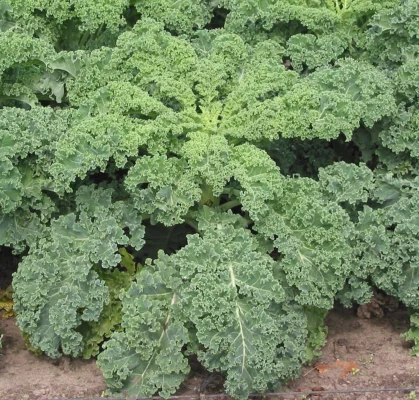
Dwarf Green Curled
A compact, densely curled green kale, commonly around 45cm tall. Its shorter stature is useful in containers and exposed plots, while young leaves can also be picked for smaller portions.
Illustrative green curly kale; the original photograph does not confirm Dwarf Green Curled.
Photo: Rasbak, CC BY-SA 3.0. Resized and optimised; cropped for display. Adapted image under the same licence.
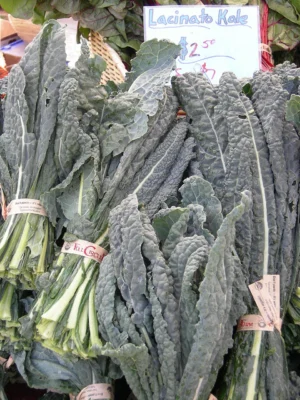
Nero di Toscana
The familiar Tuscan or cavolo nero type, with long, dark, puckered leaves. Grow it for young leaves or let plants mature for autumn and winter picking; older midribs can be rather firm.
Lacinato or Tuscan kale, identified in the original photograph.
Photo: Joe Mabel, CC BY-SA 3.0. Resized and optimised; cropped for display. Joe Mabel
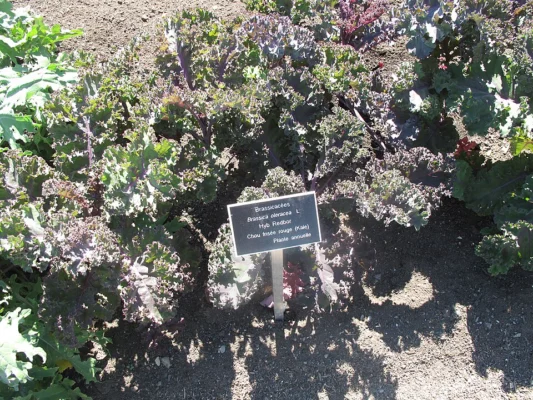
Redbor F1
A vigorous purple curly kale for an ornamental as well as edible display. Its deeply frilled foliage makes a useful winter crop. Give mature plants generous spacing and support where exposed.
Redbor kale, identified by the photographer and botanical garden label.
Photo: Gilles Ayotte, CC BY-SA 4.0. Resized and optimised; cropped for display. Adapted image under the same licence.
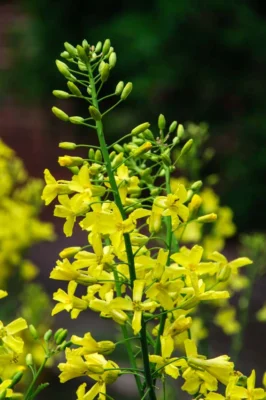
Pentland Brig
A hardy selection with broad green leaves and frilled edges, reaching roughly 90cm. It produces useful side shoots and can begin cropping earlier than many traditional winter kales.
Illustrative flowers of Halbhoher grüner Krauser kale; this is not Pentland Brig.
Photo: Georgfotoart, CC BY-SA 4.0. Resized and optimised; cropped for display. Adapted image under the same licence.
Compare height, leaf texture and sowing dates. A compact curly type and a Tuscan variety make a useful collection; healthy young plants can replace a missed sowing.
A few healthy plants allowed to flower in spring offer flowers for visiting insects. Remove crop protection if those plants are no longer being kept as a covered leaf crop.
Caterpillars are food for birds and other predators, so some feeding damage can be tolerated. Physical crop covers protect the leaves you need while leaving other parts of the garden available to wildlife.
Published by Buy From Farmers Direct. Sources checked 6 October 2026. Growing references: RHS: growing kale; Garden Organic: kale growing guide; RHS: kale cultivation and harvesting by Chris Taylor; Chiltern Seeds: Dwarf Green Curled kale; Fothergill’s: Nero di Toscana kale; RHS: Redbor kale; RHS: Pentland Brig kale; RHS: club root; RHS: cabbage caterpillars; RHS: cabbage root fly; Real Seeds: kale types and growing notes; Real Seeds: saving brassica seed. The seasonal timeline uses the shared BFFD Growers Calendar record; adjust timings to your variety and local conditions.
Usually between March and June, with planting out in late spring or early summer. Winter crops need time to become substantial plants before growth slows in autumn.
Yes, while the plant is actively growing. Take a few outer leaves at a time and preserve the growing centre for continuing harvests. Expect slower replacement during winter.
Yes. Choose a compact variety and a drained pot at least 30cm wide and deep for one mature plant. Provide regular water and feed when the compost’s nutrients are depleted.
Established hardy varieties usually tolerate outdoor winter temperatures. Protection is often needed against pigeons rather than cold. Support tall plants and check that covers remain secure.
Cavolo nero is a Tuscan type of kale, commonly sold as Nero di Toscana. Its long, puckered dark leaves differ from the densely frilled leaves of curly kale.
Most ordinary kale is biennial and flowers in its second year. Tender unopened shoots can be harvested, but sow replacement plants for the next main leaf crop.
Start winter kale in good time, give each plant room and protect its young leaves. Pick gently and regularly for a lasting harvest.
Explore more growing guides: Collards, Chinese Cabbage, Endive.