Headed lettuces develop a heart that can be cut as a whole plant for the kitchen. Butterheads, crispheads and cos lettuces offer different textures and sizes. Sow small batches, give each plant room and keep moisture steady so the heads mature before heat or drought encourages flowering.
Butterhead, crisphead and cos
Sow small batches
Room for each head
Keep roots evenly moist
Harvest before flowering
| Botanical name | Lactuca sativa, heading cultivars |
| Family | Asteraceae |
| Crop type | Leaf vegetable grown as an annual |
| Main groups | Butterhead, crisphead and cos or romaine |
| Butterhead texture | Soft leaves around a rounded heart |
| Crisphead texture | Crisp leaves forming a denser round head |
| Cos habit | Upright leaves with a firm central heart |
| Position | Sun, with light shade during hot weather |
| Soil | Fertile, well drained and able to hold moisture |
| Main sowing season | Late March to late July |
| Sowing depth | About 5 to 10mm; follow the packet |
| Typical germination | About 6 to 12 days in suitable conditions |
| Large head spacing | About 30cm between plants |
| Mini lettuce spacing | Often 15 to 20cm; check the variety |
| Row spacing | About 30cm, adjusted for variety size |
| Succession interval | Sow a small batch about every 2 weeks |
| Time to a head | Usually about 10 to 14 weeks, depending on season |
| Typical main harvest | Late spring to autumn |
| Winter option | Suitable winter varieties with appropriate protection |
| Container choice | A drained pot at least 30cm wide and deep |
| Plant name | Crop type | Spacing |
Sow indoors
Plant outdoors
Harvest
Polytunnel | |||||||||||
|---|---|---|---|---|---|---|---|---|---|---|---|---|---|---|
| Jan | Feb | Mar | Apr | May | Jun | Jul | Aug | Sep | Oct | Nov | Dec | |||
| Lettuce (Headed) | Salad & leaves | Single about 30cm, In row about 30cm, Row gap 30cm; mini varieties follow packet | No activity recorded | No activity recorded | Sow indoors, Polytunnel | Sow indoors, Plant outdoors, Polytunnel | Sow indoors, Plant outdoors, Harvest | Sow indoors, Plant outdoors, Harvest | Sow indoors, Plant outdoors, Harvest | Plant outdoors, Harvest | Harvest, Polytunnel | Harvest, Polytunnel | No activity recorded | No activity recorded |
Sow indoors: March, April, May, June, July. Plant outdoors: April, May, June, July, August. Harvest: May, June, July, August, September, October. Polytunnel: March, April, September, October.
This calendar shows the main spring to autumn crop. Sowing means seed outdoors or in modules; planting means moving established seedlings to their final position. The optional protected periods help early and late crops. Winter selections follow a separate autumn sowing schedule and are described below.
Headed lettuce suits gardeners who want a complete lettuce for a meal. Small varieties make useful portions, while larger crispheads need more room and time.
Plan for a few heads to mature together rather than sowing a whole packet. Frequent small batches make better use of space and reduce waste when growth speeds up in summer.
Photo: CostaPPPR, CC BY-SA 4.0. Resized and optimised; cropped for display. Adapted image under the same licence.
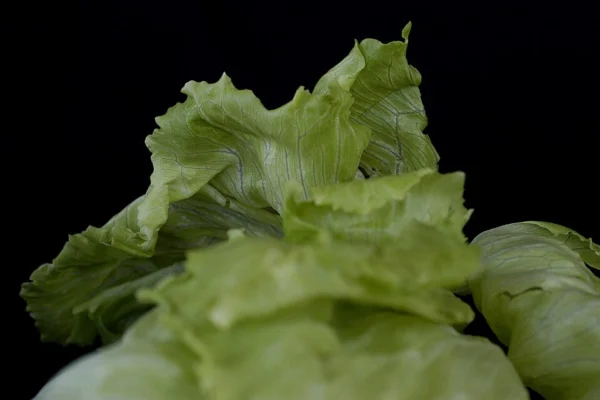
Choose fertile soil with reliable moisture. Sun suits spring crops, while light afternoon shade can help during the hottest part of summer.
Remove weeds and improve poor soil with mature compost before sowing. Avoid ground that remains waterlogged around the plant bases.
Allow each head its full spacing. Crowded plants compete for water and light and may never produce the heart expected from the variety.
For containers, choose compact types and peat free compost. Keep drainage holes clear and maintain the same sensible spacing used in a bed.
Image from the BFFD media library.
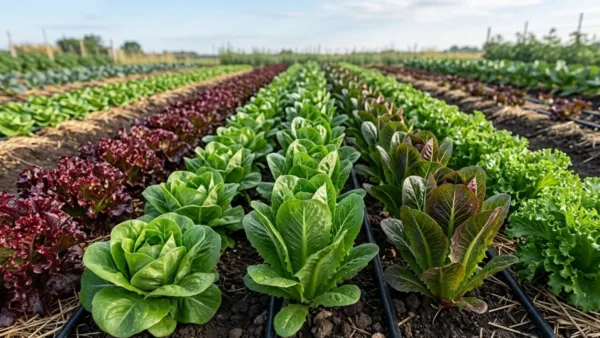
Choose a heading variety for the season. Loose leaf lettuce is useful for repeated picking, but it is not expected to form the same enclosed heart.
1.
Select the variety and decide how many heads you can use at once. Schedule another small sowing in about two weeks.
2.
Sow thinly in prepared soil or clean modules, covering the seed lightly at the packet’s recommended depth.
3.
Keep the seedbed moist. In hot weather, start modules somewhere cool and lightly shaded rather than in an overheated greenhouse.
4.
Give seedlings good light and thin crowded sowings. Move them to individual modules when large enough to handle safely.
5.
Acclimatise plants raised indoors before planting outside. Choose a mild day and water the modules first.
6.
Plant at the previous compost level, keeping the growing centre clear of soil. Allow about 30cm for large heads, less for named mini varieties.
7.
Water gently to settle the roots, then protect young plants from slugs and, where necessary, birds or cold weather.
8.
Keep labels and check growth regularly. Start the next batch while these heads develop rather than waiting until the bed is empty.

Watering
Keep the root zone evenly moist, particularly after planting and while heads form. Repeated drying can check growth and encourage bolting.
Water in the morning where practical. Containers need frequent checks; avoid leaving foliage wet overnight or a pot standing in water.

Feeding
Lettuce usually grows well in fertile soil improved with compost without repeated feeding. Concentrate first on moisture, spacing and healthy roots.
For containers, follow the compost and fertiliser instructions. A suitable liquid feed can help once the original nutrient supply is used, but more is not automatically better.

Pruning
There is no routine pruning. Retain healthy outer leaves while the heart develops, removing damaged or decaying foliage where necessary.
Harvest when the centre has formed the expected heart. Delaying for a larger head increases the chance of bolting and bitter leaves.

Winter care
Use a suitable winter variety for autumn sowing. Winter Density can be started in September or October for a spring crop, with protection matched to your location.
Ventilate cloches and greenhouses in mild weather and water sparingly when growth is slow. Winter suitability does not make every lettuce immune to frost or wet rot.
Butterheads form rounded hearts within softer outer leaves. Crispheads, including iceberg types, make denser heads, while cos or romaine types have upright leaves with strong midribs.
A developing heart should not be confused with a rising flower stalk. When the central stem stretches upwards, the plant is moving towards flowering rather than simply making a taller lettuce.
Photo: Liam Kaplan, CC BY-SA 3.0. Resized and optimised; cropped for display. Adapted image under the same licence.
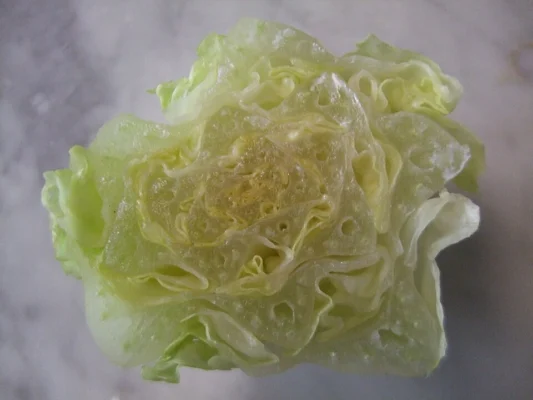
For the main outdoor crop, sow from late March to late July and adjust for local weather. Colder districts may need later starts or temporary cover, while sheltered southern gardens can begin earlier.
Summer heat can reduce germination and shorten the harvest window. Sow somewhere cooler, keep moisture steady and use a suitable variety instead of repeatedly resowing in the same hot conditions.
Cut a ready head in the cool of the morning and use it promptly. Some stumps produce a few more leaves, but plan for one main head per plant rather than a guaranteed second full head.
Image from the BFFD media library.
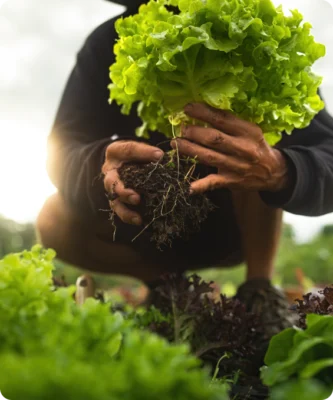
First check that the variety is a heading type. Allow enough time and space, and avoid repeatedly stripping the outer leaves. A butterhead should not be judged against an iceberg’s density.
Heat, drought and the plant’s age can trigger flowering. Sow little and often, maintain moisture and provide light shade in hot weather. Cutting off the flower stalk will not restore a tender head.
Slugs and snails may feed on young lettuce. Inspect after dark, keep the immediate growing area tidy and protect vulnerable transplants. Check the cause before treating the whole bed.
Lettuce downy mildew can cause angular yellow patches and white growth on leaf undersides. Remove affected foliage, avoid crowding and rotate crops. Resistant varieties help, but their protection varies with disease strains.
Inspect roots as well as leaves. Root aphids can cause poor growth and wilting, with waxy material around roots. Check bought plugs, maintain good care and confirm the cause before changing feeding or watering.
Seed is the normal way to raise new lettuces. Keep remaining seed labelled, cool and dry, and test an older packet if emergence is disappointing.
To save seed, retain healthy plants with the expected head and avoid the earliest bolters. Allow enough season for flowering and ripening. Lettuce mainly self-pollinates, but varieties can cross, so follow seed saving isolation guidance.
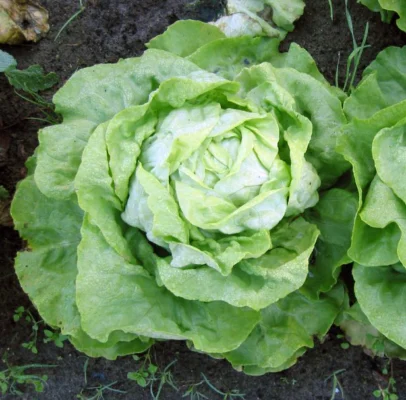
Tom Thumb
A compact butterhead producing small rounded green hearts. It is a useful choice for individual portions and containers where a large lettuce would take too much space.
Illustrative butterhead lettuce; not confirmed Tom Thumb.
Photo: Rasbak, CC BY-SA 3.0. Resized and optimised; cropped for display. Rasbak
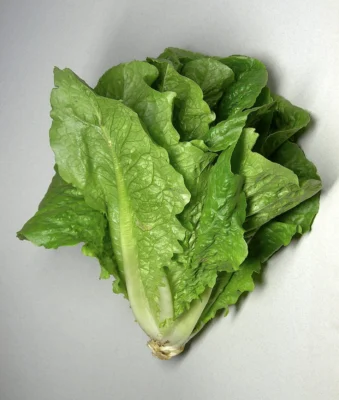
Little Gem
A small cos lettuce with a crisp heart. Its compact size suits short rows and modest servings, provided plants still receive their recommended spacing.
A cos lettuce; the photograph does not verify Little Gem.
Photo: Rainer Zenz, CC BY-SA 3.0. Resized and optimised; cropped for display. Adapted image under the same licence.
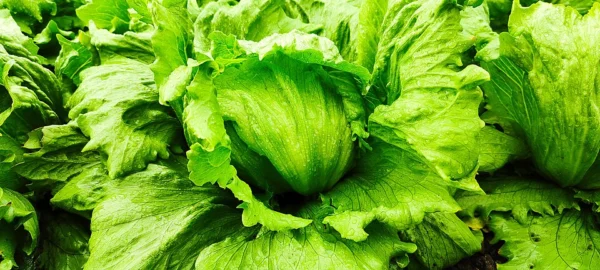
Webbs Wonderful
A larger crisphead with crisp pale inner leaves and frilled outer edges. Give it space to mature; it is commonly sown in spring and summer.
Illustrative iceberg heads; not verified Webbs Wonderful.
Photo: Zolfeqar Fatihzadeh, CC BY-SA 4.0. Resized and optimised; cropped for display. Adapted image under the same licence.
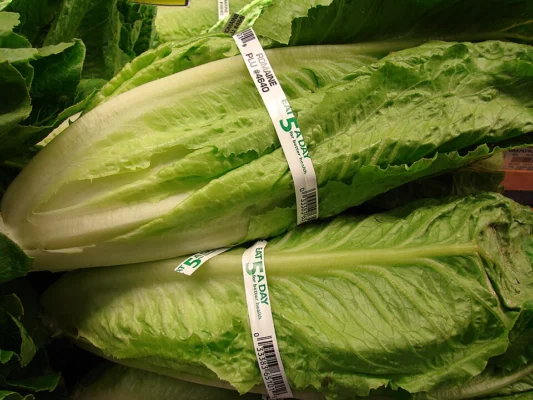
Winter Density
A compact semi cos type suited to autumn sowing for spring heads with appropriate protection. Use its specific calendar rather than assuming a summer sowing routine applies.
Illustrative romaine hearts; not confirmed Winter Density.
Photo: Forest & Kim Starr, CC BY 3.0. Resized and optimised; cropped for display. Forest & Kim Starr
Compare mini and full size varieties, sowing windows and disease resistance. Keep the packet so spacing and harvest expectations stay with each batch.
Lettuce grown for heads needs no pollination before harvest. Suitable protective covers can therefore remain over young plants where needed, with ventilation and regular checks.
Support a varied garden rather than treating every insect as a pest. Check for predators when inspecting aphids, and keep any bird protection secure and free of trapped animals.
Published by Buy From Farmers Direct. Growing guidance reviewed 6 October 2026. The seasonal timeline uses the shared BFFD Growers Calendar record; adjust timings to your variety and local conditions.
Late March to late July is the main outdoor window. Early protected crops and winter varieties use different schedules, so check the packet.
Allow about 30cm for larger heads. Mini types such as Little Gem or Tom Thumb often need only 15 to 20cm, depending on the supplier’s guidance.
Check variety, age and spacing. Loose leaf types will not make a firm heart, while overcrowded heading varieties may struggle to develop one.
Cut when the centre feels appropriately firm for the variety and before a flower stalk develops. Butterheads are naturally softer than crispheads.
Yes. Compact varieties suit a drained container at least 30cm wide and deep. Give plants enough space and check moisture regularly.
Excessive heat can inhibit germination. Try a fresh sowing in a cool, lightly shaded position and keep the compost gently moist.
Give each lettuce enough room to form its own heart. Small regular sowings and timely picking will usually serve the kitchen better than one oversized batch.
Want to get food independence, support your local grower, get better prices and shop more privately?
Local food isn’t just something you find. It’s something you protect. A free account helps keep local supply visible, supported, and resilient.

….it takes 30 seconds for food lovers and 5 minutes for suppliers
We built this for people who care where their food comes from. For people who want to remain food secure. For Farmers to get to the local people, who deserve a better income and to deliver a better price for you. For the environmentally conscious and the privacy-conscious. An account simply helps us make the map and supplier reach more useful to you, without changing how open it is. You’re always in control.


Find local food. Stay connected to it. Create a free account to support local producers and be part of a growing food network.


