Okra needs warmth, a long season and frequent picking for tender pods. In the UK it is usually a greenhouse or polytunnel crop. Treat outdoor growing as an experiment for a particularly warm, sheltered site.
Tender annual crop
Greenhouse warmth preferred
Start seed indoors
Pick pods while young
Gloves for hairy stems
| Botanical name | Abelmoschus esculentus |
| Family | Malvaceae |
| Also called | Ladies’ fingers or gumbo |
| Crop type | Tender annual in the UK |
| Edible crop covered here | Young immature pods |
| Position | Full sun and sustained warmth |
| Preferred UK setting | Greenhouse or polytunnel |
| Soil | Fertile, moisture retaining and well drained |
| Indoor sowing | March to April |
| Sowing depth | About 1cm; follow the packet |
| Germination | Warm compost; often around two weeks |
| Final planting | Late May to June when conditions are warm |
| Plant height | Often 90cm to 1.5m; variety dependent |
| Bed spacing | 30 to 90cm, according to variety |
| Container size | At least 30cm wide and deep per plant |
| Main harvest | Summer into early autumn under protection |
| Picking size | Usually 5 to 10cm; smaller for some varieties |
| Picking method | Cut the short stalk with clean secateurs |
| Skin protection | Gloves and sleeves for irritating hairs |
| Winter habit | Does not tolerate frost |
| Plant name | Crop type | Spacing |
Sow indoors
Plant outdoors
Harvest
Polytunnel | |||||||||||
|---|---|---|---|---|---|---|---|---|---|---|---|---|---|---|
| Jan | Feb | Mar | Apr | May | Jun | Jul | Aug | Sep | Oct | Nov | Dec | |||
| Okra | Unusual & exotic | 30 to 90cm between plants, according to variety; one plant per pot at least 30cm wide and deep | No activity recorded | No activity recorded | Sow indoors | Sow indoors | Plant outdoors, Polytunnel | Plant outdoors, Polytunnel | Harvest, Polytunnel | Harvest, Polytunnel | Harvest, Polytunnel | Harvest, Polytunnel | No activity recorded | No activity recorded |
Sow indoors: March, April. Plant outdoors: May, June. Harvest: July, August, September, October. Polytunnel: May, June, July, August, September, October.
The calendar assumes March or April sowing in a warm indoor propagator, planting in late May or June and a protected summer crop. July harvests need favourable conditions; August and September are more typical. October picking depends on warmth. The polytunnel row covers growing on and cropping, not cold sowing.
Okra suits gardeners with sunny protected space and time to check pods every few days. The useful crop follows its attractive flowers.
A cool exposed plot is unlikely to crop reliably. Plants may grow leaves without producing many pods before autumn, so begin with a small trial.
Photo: Adewi97, CC BY-SA 4.0. Resized and optimised; cropped for display. Adapted image under the same licence.
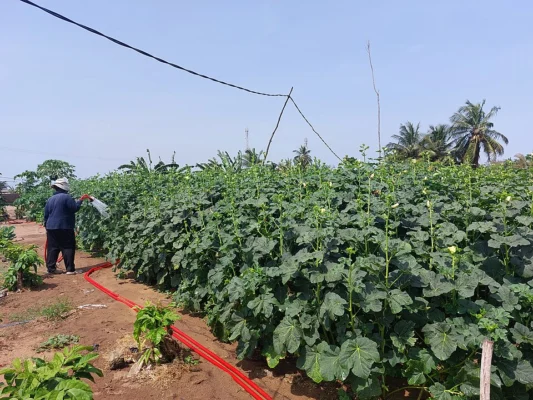
Choose the warmest bright part of a greenhouse or polytunnel, leaving room for mature foliage. Avoid shading okra beneath taller crops.
Where border soil is unsuitable, use fresh peat free compost in a drained pot at least 30cm wide and deep per plant.
Prepare a protected soil bed with well rotted organic matter. Match spacing to the cultivar: compact and tall branching plants need very different amounts of room.
For outdoor trials, choose a sheltered sunny patio or warm wall. Wait for warm soil and settled weather, then use a cloche initially. Cold nights still matter.
Photo: Ks.mini, CC BY-SA 3.0. Resized and optimised; cropped for display. Adapted image under the same licence.
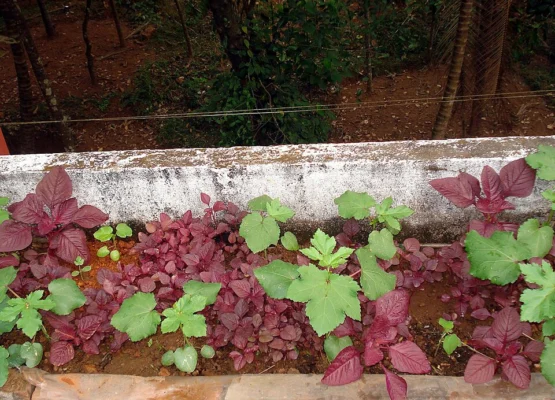
Start seed with reliable warmth and enough light for seedlings. Early sowing only helps if plants keep growing afterwards.
1.
Choose seed suited to a short growing season, checking the supplier’s instructions and expected plant size.
2.
Sow in March or April. Soak seed in warm water for about two hours, unless the packet gives different preparation instructions.
3.
Fill individual pots or modules with fresh peat free seed compost. Sow about 1cm deep and label the variety and date.
4.
Keep the compost moist in a warm propagator, above 16°C as advised by the RHS. Avoid leaving pots in a cold unheated structure.
5.
As seedlings emerge, give them strong light and continued warmth. Water carefully and pot on before roots become cramped.
6.
Prepare final containers or the protected bed. Around late May or June, plant sturdy young plants roughly 10 to 15cm tall when conditions are sufficiently warm.
7.
Keep the original compost level, firm gently and water in. Acclimatise any plants destined for outdoors before moving them to their sheltered position.
8.
Add support as taller plants develop and tie stems loosely. Keep a clear route for watering and regular pod inspection.

Watering
Keep moisture steady during flowering and pod growth. Check containers daily in warm weather, and more often during hot spells.
Water thoroughly when needed and allow surplus to drain. If foliage wilts while compost is already wet, check drainage and temperature before adding more water.

Feeding
Plants in a fertile border may need little extra feed. Fertiliser cannot overcome cool conditions that limit growth.
For containers, use a high potassium liquid feed weekly once flowering begins, at the strength recommended on the product label. Continue appropriate watering alongside feeding.

Pruning
No heavy pruning is needed. Support upright growth and remove damaged material. Pinching a vigorous plant can encourage branching, but it is optional and should suit the variety and remaining growing season.
Cut pods from their short stalks with clean secateurs or a sharp knife. Wear gloves and sleeves: even varieties described as spineless may have irritating hairs.

Winter care
Okra is grown as an annual in the UK. Harvest the remaining usable young pods before cold conditions finish the crop, then clear spent plants.
Clean containers, supports and protected growing areas before the next season. Remove pest harbouring debris and plan fresh spring sowings rather than expecting outdoor plants to overwinter.
Okra has upright stems, broad lobed leaves and hibiscus like pale yellow flowers with a dark centre. Pods develop after flowering and usually point upwards; colour, length and ribbing vary between cultivars.
Use labelled Abelmoschus esculentus seed or plants. Other ornamental plants in the mallow family can look similar. Red pod colour does not by itself establish the identity of a particular okra cultivar.
Photo: Ibrahim Somgalia Guitti, CC BY-SA 4.0. Resized and optimised; cropped for display. Adapted image under the same licence.
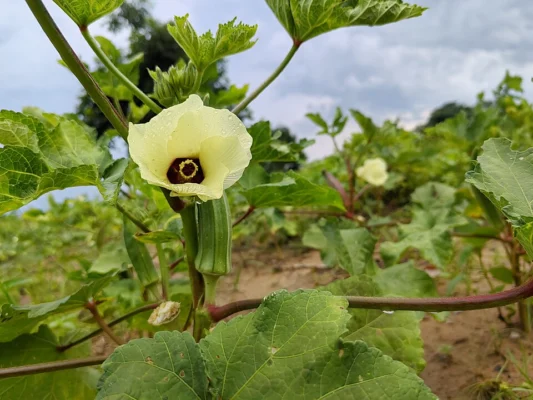
Protected growing offers the strongest chance of a UK harvest. Cool summers can still delay flowering. Overseas days to maturity figures are not a promise for your garden.
Check plants frequently once pods begin forming. Pick while tender, often at 5 to 10cm long, or smaller where the cultivar instructions recommend it. Pods soon become fibrous if left to swell.
Cook freshly picked pods promptly or refrigerate briefly. Their natural mucilage thickens soups and stews. Regular picking keeps the crop tender; woody pods will not improve.
Photo: Geo Lightspeed7, CC BY-SA 4.0. Resized and optimised; cropped for display. Adapted image under the same licence.
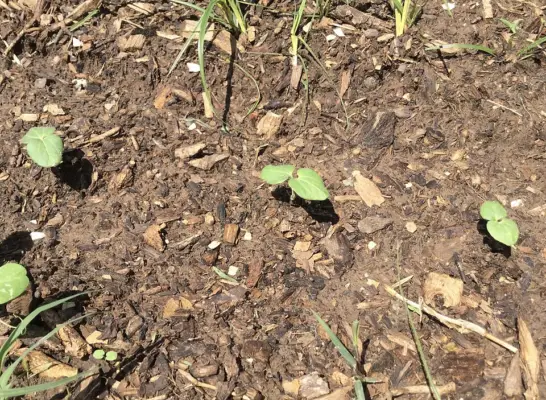
Check warmth, light and the length of the growing season first. Cool nights and a shaded position can hold plants back. Move container plants to better protected conditions where possible and avoid excessive feeding.
They were probably left too long, although moisture stress can worsen crop quality. Pick smaller pods more frequently and keep watering steady. Remove oversized pods rather than leaving them to mature unintentionally.
Glasshouse red spider mite thrives in warm dry conditions. Inspect leaf undersides. Raising humidity can discourage the pest but is not a cure for an established infestation; suitable predatory mites may help when introduced promptly.
Glasshouse whitefly also leaves sticky honeydew and sometimes black sooty mould. Inspect new plants and leaf undersides. Early biological control, such as Encarsia, needs suitable conditions and should follow the supplier’s advice.
Powdery mildew can affect protected crops. Check plant spacing, steady root moisture and the greenhouse environment. Remove badly affected material and avoid allowing crowded plants to alternate between severe dryness and heavy watering.
Seed is the usual way to raise a fresh crop. Buying a small number of young plants is an alternative if you lack a warm propagation space, but they still need suitable conditions for growing on.
Seed saving needs a much longer season than edible pod production. Leave selected pods until brown and brittle, then dry and store the seed. Varieties can cross; seed from hybrids may not retain the parent’s qualities.
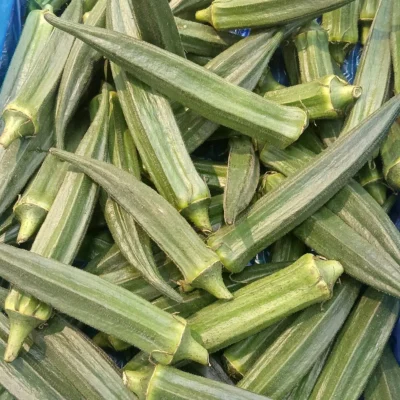
Clemson Spineless
A familiar green podded choice offered by UK seed growers. Reduced spines make picking easier, but gloves remain sensible. The RHS recommends harvesting this cultivar especially small, around 4 to 5cm.
Illustrative green okra harvest; cultivar not verified.
Photo: Fumikas Sagisavas, CC0. Resized and optimised; cropped for display.
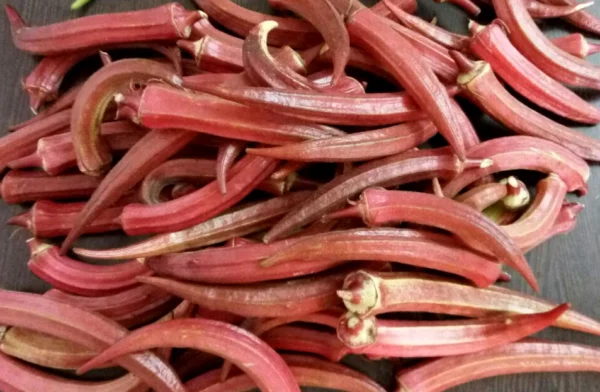
Burgundy
Produces burgundy coloured stems and pods with contrasting pale flowers. This American selection still needs a warm, long season in the UK; its colour does not make it more tolerant of cold.
Illustrative red okra pods; not verified as Burgundy.
Photo: Paryavarana Margadarsi Vaisakhi, CC BY-SA 4.0. Resized and optimised; cropped for display. Adapted image under the same licence.
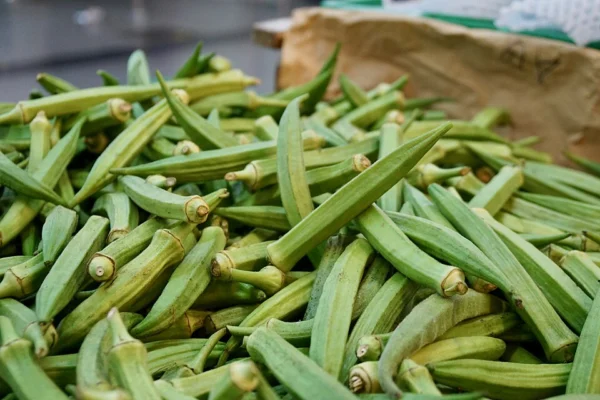
Baby Bubba
A compact selection worth comparing when growing space is limited. Allow proper root room and reliable warmth even with a smaller plant; dwarf habit does not remove the crop’s need for heat.
Illustrative green pods; not verified as Baby Bubba.
Photo: Dileep Kaluaratchie, CC BY-SA 4.0. Resized and optimised; cropped for display. Adapted image under the same licence.
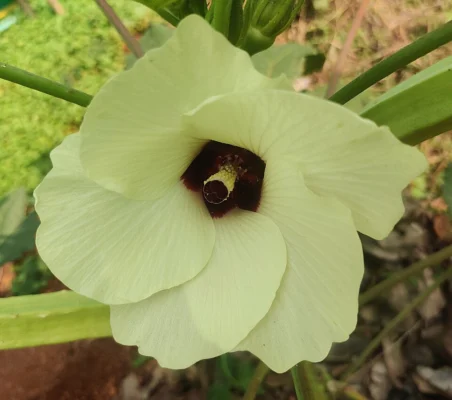
Candle Fire F1
A hybrid with red stems and rounded red pods, rather than the strongly ribbed pods of many varieties. Check seed availability and local growing advice before allocating protected space.
Illustrative okra flower; not verified as Candle Fire.
Photo: Rohan Pinto, CC BY-SA 4.0. Resized and optimised; cropped for display. Adapted image under the same licence.
Compare mature size, picking size and UK growing advice. Start with a few plants given adequate warmth and root space.
Okra flowers can receive insect visitors and are capable of self pollination. Visiting insects can also carry pollen between varieties, which matters if you intend to save named seed.
Identify pests before taking action. Biological controls need suitable conditions, and broad insect treatments can interfere with introduced predators or parasitoids.
Published by Buy From Farmers Direct. Growing guidance reviewed 6 October 2026. The seasonal timeline uses the shared BFFD Growers Calendar record; adjust timings to your variety and local conditions.
Only the warmest sheltered sites offer a reasonable trial. A greenhouse or polytunnel is generally more dependable, especially in cooler regions.
March or April indoors is a useful starting point. Seed and seedlings need warmth; an unheated greenhouse may be too cold.
Use at least 30cm width and depth per plant. Check the cultivar’s final size and keep drainage clear.
Pick young and tender, commonly 5 to 10cm long. Some cultivars, including Clemson Spineless, are best picked smaller.
Cool conditions, an insufficient growing season or moisture stress can limit the crop. Review the growing conditions and inspect for young pods frequently.
Yes, gloves and sleeves are sensible because irritating hairs can remain on foliage and stems even when pods have fewer spines.
Start warm, allow enough space and inspect pods often. Pick them tender rather than leaving them to grow large and woody.
Explore more growing guides: Chilli Pepper, Courgette, Cucumber.
Want to get food independence, support your local grower, get better prices and shop more privately?
Local food isn’t just something you find. It’s something you protect. A free account helps keep local supply visible, supported, and resilient.

….it takes 30 seconds for food lovers and 5 minutes for suppliers
We built this for people who care where their food comes from. For people who want to remain food secure. For Farmers to get to the local people, who deserve a better income and to deliver a better price for you. For the environmentally conscious and the privacy-conscious. An account simply helps us make the map and supplier reach more useful to you, without changing how open it is. You’re always in control.


Find local food. Stay connected to it. Create a free account to support local producers and be part of a growing food network.


