Rocket is a quick way to add peppery leaves to meals, even from a pot beside the door. Annual salad rocket gives fast pickings and needs repeat sowings, while perennial wild rocket grows more slowly and can keep producing for much longer. Choose the type you want, keep it watered and pick a little from several plants.
Peppery salad leaves
Quick from seed
Excellent in containers
Sow little and often
Salad and wild types
| Salad rocket | Eruca vesicaria subsp. sativa, also sold as Eruca sativa |
| Wild rocket | Diplotaxis tenuifolia |
| Family | Brassicaceae |
| Life cycle | Salad rocket annual; wild rocket perennial |
| Harvested part | Young leaves; flowers also edible |
| Flavour | Peppery, usually stronger in wild rocket |
| Position | Sun in cooler weather; light shade in summer |
| Soil | Moisture retentive and well drained |
| Main outdoor sowing | April to early September |
| Earlier sowing | February and March under protection |
| Sowing depth | Up to 1cm; follow the packet |
| Germination | Often within a few days in suitable conditions |
| First leaf harvest | Usually around four to six weeks; wild rocket can be slower |
| Plant spacing | About 15cm; allow more for vigorous wild plants |
| Row spacing | About 15cm or as the variety recommends |
| Useful container width | At least 30cm to reduce rapid drying |
| Repeat sowing | Every two to three weeks for salad rocket |
| Main picking season | Spring to autumn, depending on sowing |
| Winter option | Established protected plants may provide limited pickings |
| Main challenges | Bolting, flea beetles and slugs |
| Plant name | Crop type | Spacing |
Sow indoors
Plant outdoors
Harvest
Polytunnel | |||||||||||
|---|---|---|---|---|---|---|---|---|---|---|---|---|---|---|
| Jan | Feb | Mar | Apr | May | Jun | Jul | Aug | Sep | Oct | Nov | Dec | |||
| Rocket | Salad & leaves | Single 15cm, In row 15cm, Row gap 15cm; allow about 25cm for vigorous wild plants or module clumps | Polytunnel | Sow indoors, Polytunnel | Sow indoors, Polytunnel | Sow indoors, Plant outdoors, Harvest | Sow indoors, Plant outdoors, Harvest | Sow indoors, Plant outdoors, Harvest | Sow indoors, Plant outdoors, Harvest | Sow indoors, Plant outdoors, Harvest | Sow indoors, Plant outdoors, Harvest, Polytunnel | Plant outdoors, Harvest, Polytunnel | Harvest, Polytunnel | Polytunnel |
Sow indoors: February, March, April, May, June, July, August, September. Plant outdoors: April, May, June, July, August, September, October. Harvest: April, May, June, July, August, September, October, November. Polytunnel: January, February, March, September, October, November, December.
February and March sowing is under protection; April to early September is the main outdoor window. The planting band includes autumn planting under cover. April to November harvests combine early protected starts, outdoor crops and autumn shelter, rather than one continuous batch. The protected band also covers established winter plants, which may yield a few leaves in mild conditions but cannot promise rapid regrowth in the darkest months.
Rocket fits a small bed, windowbox or patio container and is easy to mix with other salad crops. A short fresh row at regular intervals is more useful than a large annual sowing that all flowers at once.
Choose salad rocket for speed and generally softer leaves. Choose wild rocket for a longer lived plant with a stronger flavour, allowing it more space as it matures. Wild in the seed name describes the crop type; you can grow it from labelled seed.
Photo: Rasbak, CC BY-SA 3.0. Resized and optimised; cropped for display. Adapted image under the same licence.
Use a sunny position in spring and again as days cool in late summer. During hot weather, a lightly shaded spot can help salad rocket stay leafy for longer.
Rake a weed free seedbed with a fine surface. Mature compost improves moisture retention in light soil; avoid a patch that repeatedly dries out while seedlings are emerging.
Include rocket with brassicas when planning rotations and garden hygiene. A small salad crop is still related to cabbages and radishes and can share some of their pests and diseases.
For pots, use peat-free multipurpose compost and drainage holes. A container at least 30cm wide is easier to keep evenly moist than a tiny pot, especially on a sunny balcony.
Photo: H. Zell, CC BY-SA 3.0. Resized and optimised; cropped for display. Adapted image under the same licence.
Both direct sowing and modules work. Start only as much annual salad rocket as you can pick while it is tender, then make the next sowing before the first batch finishes.
1.
Select salad rocket or wild rocket and label the seed tray or row. Leaf shape alone is not a reliable way to distinguish every variety once plants are mixed together.
2.
Sow outdoors from April when the ground is workable, or start an earlier February or March batch in a bright protected place. Follow the packet for a particular selection.
3.
Make shallow drills up to 1cm deep, about 15cm apart, and water the base if dry. Scatter seed thinly, cover lightly and firm gently.
4.
Alternatively, sow into modules of moist seed compost. Keep them in good light and move seedlings on before they become crowded or dry out repeatedly.
5.
Thin established outdoor seedlings to about 15cm apart for repeated picking. Give vigorous wild rocket or module clumps more room if the supplier recommends it.
6.
Harden off plants raised under cover before moving them outside. Plant modules with minimal root disturbance, then water them in thoroughly.
7.
Protect new crops from slugs and use fine insect mesh where flea beetles are troublesome. Secure the edges while leaving enough space for the foliage to grow.
8.
Repeat small sowings of annual salad rocket every two to three weeks. Keep notes on which sowing times last longest in your garden, particularly through hot weather.

Watering
Keep the root zone moist during germination and active growth. Dry soil can encourage salad rocket to bolt, shortening the useful leaf harvest.
Check pots frequently in warm weather and move them into light shade during a heatwave if practical. Water steadily rather than letting plants wilt repeatedly and then flooding the compost.

Feeding
A short salad crop in reasonably fertile soil usually needs little extra feed. Weed competition, dryness and crowding are more useful first checks when growth slows.
Longer lived wild rocket and repeated container crops can exhaust limited compost. Use a suitable general feed at its label rate if needed, and renew tired container compost between crops.

Pruning
Pick a few outer leaves from several plants, leaving their centres intact. Taking every leaf from one plant slows recovery; spread the harvest across the row.
Annual salad rocket is usually best replaced once flowering takes over. Wild rocket can continue making edible leaves after flowering; trim sprawling growth to encourage fresh shoots rather than assuming the whole perennial plant is finished.

Winter care
Sow a late summer batch early enough to establish before short days and cold weather. A greenhouse, polytunnel or cloche can extend picking, particularly from wild rocket.
Ventilate protected crops when conditions allow and reduce watering to match slower growth. Pick sparingly in winter: protection reduces weather damage but does not restore summer light or summer growth rates.
Salad rocket generally has broader, softer leaves and pale cream flowers with dark veins. Wild rocket usually has narrower, deeply divided leaves and yellow flowers, although leaf shapes vary with age and cultivar.
Both make four-petalled flowers typical of their plant family. Grow culinary rocket from a labelled source; this guide does not identify roadside plants for eating or imply that every plant with rocket in its common name is the same crop.
Photo: Zeynel Cebeci, CC BY-SA 4.0. Resized and optimised; cropped for display. Adapted image under the same licence.
Spring and late summer are especially useful for annual salad rocket. Hot spells can bring rapid flowering even in an otherwise healthy row, so use shade, consistent water and replacement sowings together.
In cool northern or exposed gardens, wait for suitable outdoor conditions and use modules or early protection if helpful. A sheltered southern patio may begin earlier, but hot containers also dry much faster.
Begin with small young leaves and taste as you pick; flavour strengthens with age and often with heat. Harvest shortly before use, rinse away soil and inspect the leaves, including any folded areas where insects may shelter.
Photo: Krzysztof Ziarnek, Kenraiz, CC BY-SA 4.0. Resized and optimised; cropped for display. Adapted image under the same licence.
Annual salad rocket bolts readily in heat, dry soil or crowded conditions. Sow smaller batches, provide light summer shade and keep water consistent. Replace spent annual plants instead of expecting them to crop like perennial wild rocket.
Flea beetles often cause small shot holes. Use fine insect mesh on fresh sowings and keep plants growing steadily. Light damage is cosmetic; badly damaged seedlings may need replacing.
Slugs and snails can remove young plants quickly. Inspect in damp evenings and protect the vulnerable crop. Raising a few plants in modules can help them reach planting size before exposure to the bed.
Older foliage, warm weather and stress can intensify flavour. Pick younger leaves, water consistently and use a newer sowing of salad rocket if the current plants no longer suit your salads.
Check for saturated compost, crowding, poor light and stale humid air. Ventilate, remove decaying material and adjust watering to the weather. A winter crop should not be watered as though it were growing rapidly in midsummer.
Seed is the simplest way to start both main types. For annual salad rocket, repeat sowing is also the most useful way to maintain quality; perennial wild rocket does not need replacing after every flowering cycle.
For seed saving, keep healthy true-to-type plants and avoid choosing the first stressed bolters. Separate varieties within the same species while flowering. Collect drying seed pods before they shatter, finish drying under cover and store the cleaned seed cool and dry.
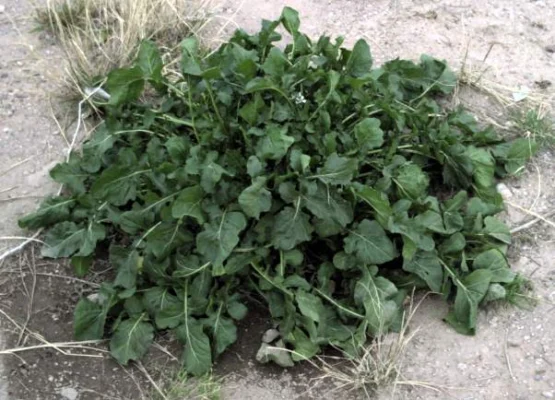
Victoria — salad rocket
An annual salad selection with dark green, rounded leaves and a strong peppery flavour. Use successive small sowings and regular picking to keep a supply of tender foliage.
Illustrative salad rocket plant; the source does not identify Victoria.
Photo: Eric Bear Albrecht, Public domain. Resized and optimised; cropped for display.
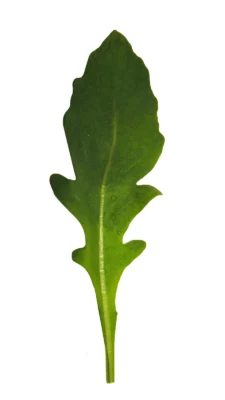
Sky Rocket — salad rocket
A fast growing, upright salad rocket with a strong flavour. Despite its name and sometimes narrow leaves, it is an Eruca salad rocket, so plan replacement sowings rather than treating it as perennial wild rocket.
Illustrative Eruca rocket leaf; not confirmed as Sky Rocket.
Photo: Whut, CC BY-SA 3.0. Resized and optimised; cropped for display. Adapted image under the same licence.
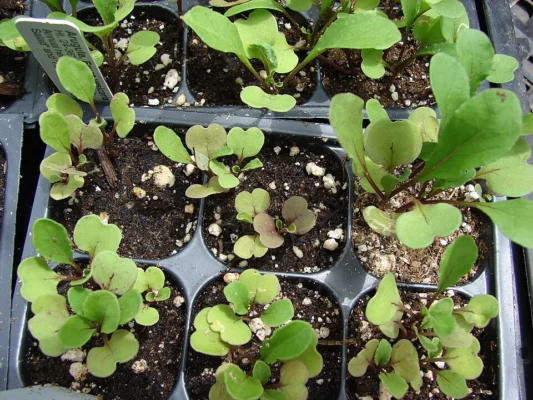
Runway — salad rocket
An annual selection with deeply serrated leaves. It gives a different appearance in the salad bowl, while needing the same steady moisture and repeat sowing approach as other salad rockets.
Illustrative salad rocket seedlings; not confirmed as Runway.
Photo: Forest & Kim Starr, CC BY 3.0. Resized and optimised; cropped for display. Forest & Kim Starr
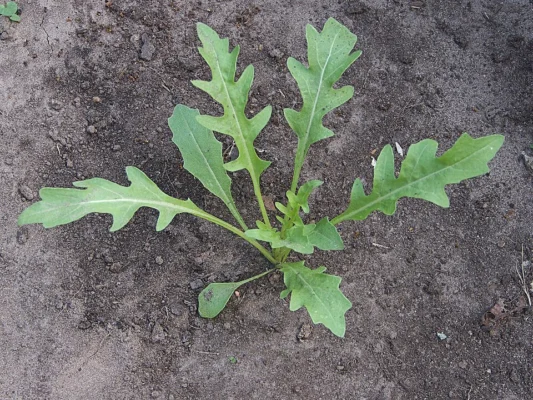
Dragons Tongue — wild rocket
A selection of Diplotaxis tenuifolia with red veining and a strong flavour. Treat it as wild rocket: allow a longer establishment period and room for repeated harvests from a more persistent plant.
Illustrative green wild rocket plant; the photograph does not show a confirmed Dragons Tongue cultivar.
Photo: Rasbak, CC BY-SA 3.0. Resized and optimised; cropped for display. Adapted image under the same licence.
The crop type matters as much as the name. Choose annual salad rocket for quick repeated batches or wild rocket for longer production, then compare leaf shape and flavour. Buy enough seed for several small sowings rather than using it all at once.
Rocket flowers can attract visiting insects, and the flowers of correctly identified culinary plants are edible too. Keep a few deliberate flowering plants if wanted while replacing the annual crop intended for tender leaves.
Fine mesh protects young leaves without needing a routine spray programme. Keep it secure, check beneath it and support garden predators with suitable habitat elsewhere around the growing area.
Published by Buy From Farmers Direct. Growing guidance reviewed 6 October 2026. The seasonal timeline uses the shared BFFD Growers Calendar record; adjust timings to your variety and local conditions.
Salad rocket is an annual Eruca crop that grows quickly and flowers readily in heat. Wild rocket is Diplotaxis tenuifolia, a perennial with generally narrower leaves, a stronger flavour and a longer harvesting life.
Salad rocket often provides small leaves in four to six weeks under good conditions. Wild rocket can be slower. Start gently once plants have enough leaves to keep growing after picking.
Heat, dry soil and crowding encourage annual salad rocket to bolt. Provide some summer shade, thin seedlings, water steadily and sow fresh batches. Removing flowers cannot make an annual plant last indefinitely.
Usually, if you leave the growing centre and enough healthy foliage. Take a few leaves from several plants. Wild rocket can continue after flowering, while annual salad rocket normally needs replacing when it bolts.
Established plants may give limited pickings under a cloche, in a greenhouse or in a polytunnel. Sow in late summer, ventilate and avoid overwatering. Regrowth will be much slower in short, cold days.
Small holes are usually cosmetic. Inspect and wash otherwise healthy leaves before use. Protect the next sowing with fine mesh if damage is heavy, especially while seedlings are small.
Rocket works best as a regular small harvest. Keep annual sowings coming, give wild plants time to establish and adjust light, water and picking to the season for tender leaves with the flavour you enjoy.
Explore more growing guides: Chinese Cabbage, Endive, Coriander.