Winter squash grows through summer for mature autumn fruit. Butternuts, blue-skinned squashes and orange kuri types offer different flavours and keeping qualities. Choose one suited to your space and local season.
Tender annual crop
Warm spring start
Summer growing, autumn harvest
Keep fruit until mature
Store according to variety
| Botanical group | Storage cultivars of Cucurbita species |
| Main species | C. maxima, C. moschata and C. pepo |
| Family | Cucurbitaceae |
| Plant type | Tender annual with bush or trailing growth |
| Meaning of winter | Mature fruit for storing and winter use |
| Position | Full sun with shelter from cold winds |
| Soil | Rich, moisture retentive and well drained |
| Indoor sowing | Mid-April to May |
| Germination warmth | Around 18–21°C |
| Indoor seed depth | Approximately 1–1.5cm, one seed per pot |
| Outdoor sowing | Late May or early June in warm soil after frost |
| Planting out | After hardening off and the final local frosts |
| Bush spacing | At least 90cm, depending on variety |
| Trailing spacing | At least 1.5m; vigorous types need more |
| Pollination | Male and female flowers, usually pollinated by insects |
| Main harvest | September to October, before damaging frost |
| Harvest handling | Retain a long stalk and support the fruit underneath |
| Curing | Usually 7–10 days for suitable mature storage types |
| Storage conditions | Dry, ventilated and around 10–15°C |
| Storage life | Varies by type, maturity and condition |
| Plant name | Crop type | Spacing |
Sow indoors
Plant outdoors
Harvest
Polytunnel | |||||||||||
|---|---|---|---|---|---|---|---|---|---|---|---|---|---|---|
| Jan | Feb | Mar | Apr | May | Jun | Jul | Aug | Sep | Oct | Nov | Dec | |||
| Squash (Winter) | Cucurbits | Single 150cm for trailing plants, In row 150cm, Row gap 200cm; bush types need at least 90cm and vigorous vines may need more | No activity recorded | No activity recorded | No activity recorded | Sow indoors, Polytunnel | Sow indoors, Plant outdoors, Polytunnel | Sow indoors, Plant outdoors | No activity recorded | No activity recorded | Harvest, Polytunnel | Harvest, Polytunnel | No activity recorded | No activity recorded |
Sow indoors: April, May, June. Plant outdoors: May, June. Harvest: September, October. Polytunnel: April, May, September, October.
April–May sowing means a warm indoor start; late May–June direct sowing is an option only once frost has passed and soil is warm. Planting follows gradual hardening off. September–October is a typical mature harvest window, adjusted to cultivar and local weather. The protected band covers spring seed raising and autumn curing, not an outdoor winter crop. Shorter-keeping types and acorn squash need their own storage treatment.
Choose a sunny plot with spare summer space. Small fruits can grow on long vines, so check plant habit as well as fruit size.
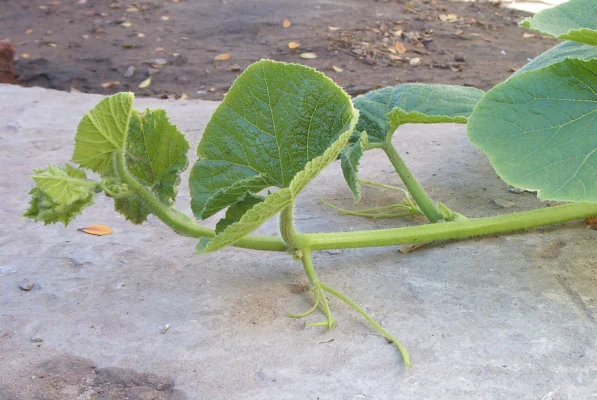
Choose the warmest practical sunny position, with shelter that does not cast deep shade. Short summers make an early cultivar and a timely start especially valuable.
Add mature compost to improve moisture retention and soil structure. Avoid a planting pocket that collects water in heavy ground.
Plan where shoots will run, keeping access for watering and harvest without trampling vines.
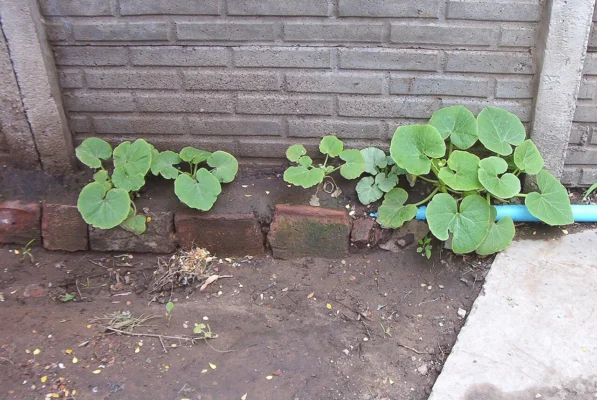
Read the packet for growth habit, ripening time and keeping qualities. Seed sold for a culinary squash is a more dependable starting point than seed taken from an unidentified decorative gourd.
1.
Sow from mid-April to May in individual small pots of peat free compost. One seed per pot reduces root disturbance at planting.
2.
Place the seed on its edge about 1–1.5cm deep, water gently and keep around 18–21°C. Remove any propagator cover once shoots appear.
3.
Give seedlings good light and steady moisture. Pot on if roots fill the container before outdoor conditions are ready.
4.
Prepare planting stations with mature compost and clear weeds. Follow the variety’s spacing, allowing at least 90cm for bush plants and 1.5m for trailing ones.
5.
Harden off gradually over roughly two weeks. Late May or June is often suitable, but the local frost forecast matters more than the date.
6.
Plant at the existing compost level without breaking the rootball. Water thoroughly and mulch around the plant while keeping the stem base clear.
7.
Protect vulnerable new growth from slugs and snails. Mark the original planting point so it remains easy to find beneath spreading foliage.
8.
For a later direct sowing, wait for warm frost-free soil and follow the packet depth. Sow a few seeds at each station, retain the strongest seedling and recognise the shorter ripening season.

Watering
Water deeply at the root area during dry spells, especially while fruit develops. Aim for steady moisture rather than repeated wilting followed by flooding.
Check container plants often in warm weather. Keep drainage clear and avoid routinely wetting the flowers and ripening fruit.

Feeding
Good soil preparation supplies a useful foundation. If growth and cropping require extra nutrition, use an appropriate fruiting-vegetable feed at the labelled rate.
Container crops depend more on feeding. Use a suitable potassium-rich feed as fruit develops; extra fertiliser cannot correct cold, shade or poor pollination.

Pruning
Guide flexible shoots into their allotted space. Retain healthy leaves, which supply the sugars needed to mature the fruit.
Later in the season, prioritise established fruit rather than every newly formed squash. Remove exhausted or badly diseased foliage, but avoid stripping a productive plant bare.

Winter care
The vines are tender annuals and will not overwinter outdoors. Winter care is mainly about the harvested fruit and clearing the finished bed.
Store sound, mature whole squash in a dry ventilated place around 10–15°C, separated for inspection. Check regularly and remove decaying fruit; a merely frost-free shed may still be too cold or damp.
Squash plants carry broad rough leaves, tendrils and large yellow flowers. Female flowers have a small swelling behind the petals that can develop into fruit after successful pollination.
Bees normally move pollen between flowers. During poor pollination conditions, use pollen from a newly opened male flower on a receptive female flower. Where plants are covered, allow insect access and avoid overheating.
Rest developing fruit on a dry board or tile. Harvest at the cultivar’s mature colour with a hardened rind and maturing stalk, before frost. Cut with as much stalk as practical, around 10cm where available, and carry from underneath.
For suitable storage types, cure mature sound fruit in warm, dry, airy conditions for about 7–10 days, protected from wet and frost. Acorn squash should not receive a warm curing treatment. Curing does not repair rot or make a badly immature fruit a reliable keeper.
Photo: Itsasatire, CC0. Resized and optimised; cropped for display.
Cold soil, wind or insufficient hardening off can check growth. Wait for suitable weather, protect young plants temporarily if needed and avoid saturating cool roots.
Incomplete pollination and unsuitable weather are common causes. Confirm that male and female flowers are open together; allow insects access or hand pollinate.
Powdery mildew often develops towards late summer. Reduce drought stress and crowding, retain useful healthy leaves and focus on bringing existing fruit to maturity.
Do not eat bitter squash. Discard affected fruit and remove the plant; cooking is not a remedy and its seed should not be saved. Grow named culinary seed rather than assuming ornamental or volunteer fruits are edible.
Immature fruit, injury, frost or unsuitable storage may be responsible. Separate affected fruit promptly and inspect the remainder. Only sound mature whole squash belongs in long-term storage.
Raise a new crop from seed each year or buy healthy young plants when only a few are needed. Choose early strains suited to a UK season, particularly for butternuts.
Compatible squashes can cross, especially within the same species. Maintaining a named open-pollinated variety requires controlled pollination; saved F1 seed will not reliably repeat the parent. Do not save seed from bitter-fruited plants.
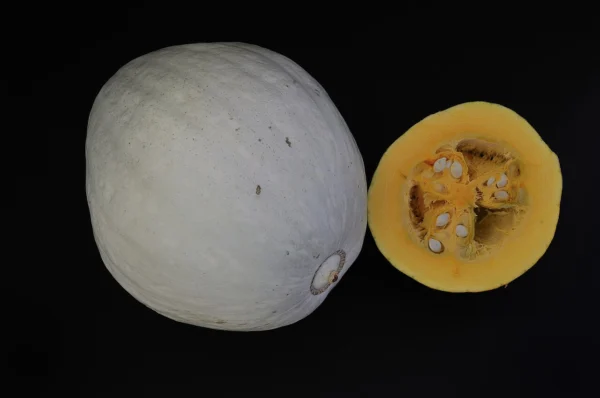
Crown Prince F1
A trailing blue-grey squash with dense orange flesh, valued as a substantial storage crop. Allow room for vigorous growth and choose fruit sizes you can comfortably handle.
A different pale-grey storage squash, Hopi Pale Grey, illustrates the colour group; not Crown Prince.
Photo: Peter J. Baer, CC BY 2.0. Resized and optimised; cropped for display.
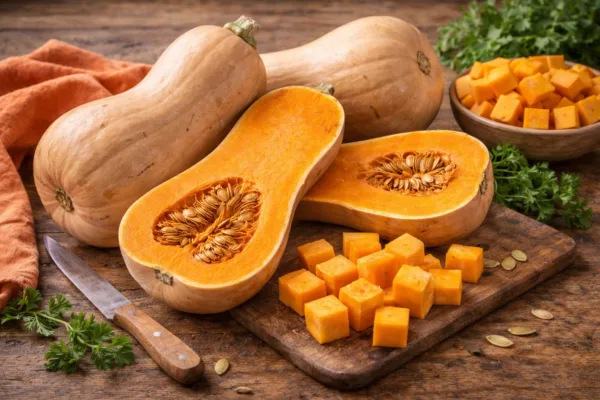
Harrier
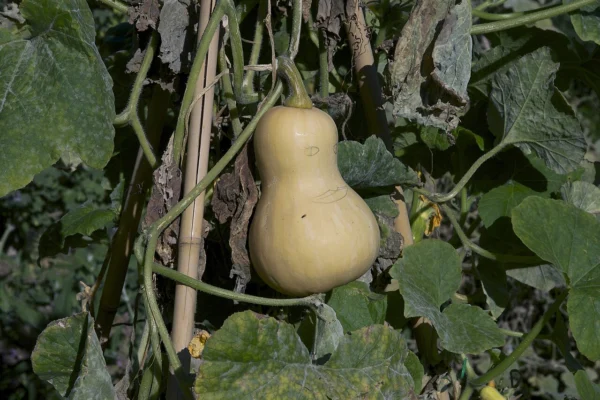
A butternut-type winter squash with pear-shaped fruit and orange flesh. A warm site and an indoor start help this type make the most of the available season.
Butternut squash shown for illustration; the Harrier cultivar is not verified.
Image from the BFFD media library.
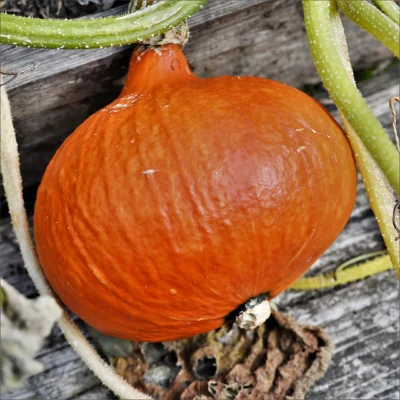
Uchiki Kuri
An orange-red onion-shaped squash with a sweet, chestnut-like flavour. Its smaller fruits are convenient for household meals, although the plant still needs trailing space.
Uchiki Kuri growing at RHS Rosemoor.
Photo: Michael Garlick, CC BY-SA 2.0. Resized and optimised; cropped for display. RHS Rosemoor: Squash 'Uchiki Kuri' by Michael Garlick
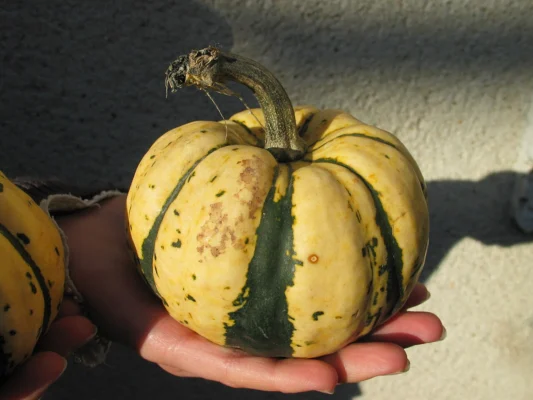
Sweet Dumpling
A smaller winter squash with cream skin and green stripes. Useful when modest fruit size matters; check the packet’s plant spread and prioritise it according to its stated keeping quality.
Sweet Dumpling squash.
Photo: DocteurCosmos, CC BY-SA 3.0. Resized and optimised; cropped for display. Adapted image under the same licence.
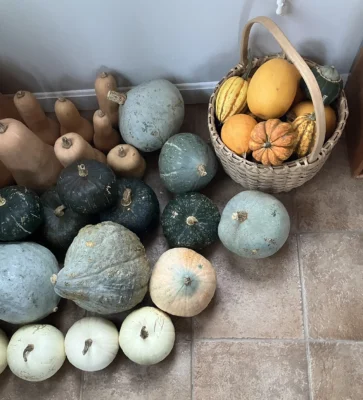
Compare local suitability, spread and storage life. A few mature fruits are more useful than numerous late-set squash that cannot finish.
Keep flowering plants accessible to bees and avoid unnecessary sprays while flowers are open. Pollination directly supports the crop.
A varied garden supports ground beetles and other predators. Check beneath fruit-support boards for slugs without disturbing every useful insect hiding there.
Published by Buy From Farmers Direct. Growing guidance reviewed 6 October 2026. The seasonal timeline uses the shared BFFD Growers Calendar record; adjust timings to your variety and local conditions.
No. They are tender summer-grown plants. The name describes mature fruits that can be stored for later eating.
Choose a compact cultivar and a large draining pot, with enough room for foliage. It will need more frequent water and feed checks than a plant in the ground.
Wait for mature colour, a firm rind and a maturing stalk, usually in autumn. Harvest before frost damages the crop rather than waiting indefinitely for late fruit.
No. Most suitable storage types benefit from a short curing period, but acorn squash is an exception. Follow advice for the particular type rather than treating every fruit identically.
It varies widely. Some sound mature storage types last several months; acorn and delicata types generally deserve earlier use. Inspect fruit regularly instead of relying on a universal six-month promise.
Cross-pollination affects the seed’s offspring, not the identity of the fruit already growing. It matters when saving seed for next year, especially among compatible varieties of the same species.
Start with warmth, give the vines space and protect the final crop from frost. Mature fruit, careful handling and variety-aware storage make winter squash a useful harvest long after the plants have finished.
Explore more growing guides: Courgette, Cucumber, Beans (French).
Want to get food independence, support your local grower, get better prices and shop more privately?
Local food isn’t just something you find. It’s something you protect. A free account helps keep local supply visible, supported, and resilient.

….it takes 30 seconds for food lovers and 5 minutes for suppliers
We built this for people who care where their food comes from. For people who want to remain food secure. For Farmers to get to the local people, who deserve a better income and to deliver a better price for you. For the environmentally conscious and the privacy-conscious. An account simply helps us make the map and supplier reach more useful to you, without changing how open it is. You’re always in control.


Find local food. Stay connected to it. Create a free account to support local producers and be part of a growing food network.


