Tarragon brings an anise flavour to eggs, sauces and other dishes. French tarragon is the usual culinary choice, bought as a plant. Russian tarragon grows from seed but has a different, generally milder flavour. Both need sun and drainage; French tarragon particularly benefits from protection against cold, wet winters.
Choose French for classic flavour
Russian grows from seed
Sun and free draining soil
Useful in a movable pot
Protect French plants in winter
| Botanical name | Artemisia dracunculus |
| Family | Asteraceae, the daisy family |
| Plant type | Herbaceous perennial |
| Main culinary choice | French tarragon |
| French names on labels | French, Sativa or var. sativa |
| Seed grown alternative | Russian tarragon |
| Light | Full sun |
| Soil | Light and well drained |
| Important winter need | Protection from persistent wet, especially French plants |
| Typical French height | About 50 to 90cm, depending on conditions |
| Typical Russian height | Up to about 1m |
| Typical French clump width | Around 30 to 45cm; allow room to develop |
| Spacing used in the calendar | 50cm for an uncrowded established clump |
| Container choice | A pot at least 20cm wide with drainage holes |
| Russian seed sowing | March to May under suitable protection |
| Main planting season | April to June as conditions become suitable |
| Leaf picking window | April to October where growth and weather allow |
| Main outdoor picking period | Usually May to September |
| French propagation | Division or cuttings, not seed |
| Renewing French plants | Divide or replace about every two to three years |
| Plant name | Crop type | Spacing |
Sow indoors
Plant outdoors
Harvest
Polytunnel | |||||||||||
|---|---|---|---|---|---|---|---|---|---|---|---|---|---|---|
| Jan | Feb | Mar | Apr | May | Jun | Jul | Aug | Sep | Oct | Nov | Dec | |||
| Tarragon | Herbs | Single 50cm, In row 50cm, Row gap 50cm | Polytunnel | Polytunnel | Sow indoors, Polytunnel | Sow indoors, Plant outdoors, Harvest, Polytunnel | Sow indoors, Plant outdoors, Harvest | Plant outdoors, Harvest | Harvest | Harvest | Harvest | Harvest | Polytunnel | Polytunnel |
Sow indoors: March, April, May. Plant outdoors: April, May, June. Harvest: April, May, June, July, August, September, October. Polytunnel: January, February, March, April, November, December.
The March to May sowing band is for Russian tarragon only. Buy French tarragon as a rooted plant, or propagate an existing plant by division or cuttings. Plant in spring to early summer, delaying tender new growth until severe frost risk has passed and the soil is workable. April to October harvesting combines established plants in favourable sites with the longer season available in mild conditions; most outdoor picking falls between May and September. The November to April polytunnel band represents optional cool, dry winter shelter for French tarragon, not a promise of winter leaf production. Allow about 50cm for a mature clump, adjusting to the type and supplier's guidance.
French tarragon suits a cook who uses small quantities of fresh herbs and can offer winter shelter. A movable container helps manage summer sun and protection from cold, wet conditions.
Russian tarragon is the hardier, seed grown option. Its flavour is less like the French herb and can be coarse or slightly bitter, so try a leaf from a correctly labelled plant before deciding which type deserves space in your kitchen garden.
Photo: Agnieszka Kwiecień, Nova, CC BY-SA 4.0. Resized and optimised; cropped for display. Adapted image under the same licence.
Choose a sunny, sheltered position with free draining soil. Check winter drainage, even if the site looks dry in July. Shelter and soil conditions matter alongside the lowest forecast temperature.
French tarragon can grow in a raised bed or favourable herb border. A pot offers more control in colder or wetter gardens; a sheltered wall cannot compensate for saturated soil.
Use a container at least 20cm wide, preferably larger as the plant develops. Choose a peat free, loam based compost with extra horticultural grit where needed for drainage. Make sure water can escape freely from the base.
Leave space around the clump for air and harvesting. French plants are often narrower than vigorous Russian plants, but neither benefits from being squeezed between larger neighbours. The calendar's 50cm spacing gives a useful generous starting point.
Photo: Cillas, CC BY-SA 4.0. Resized and optimised; cropped for display. Adapted image under the same licence.
Check the label before buying. A packet of tarragon seed normally produces Russian tarragon; it is not a cheaper way of obtaining the same plant as a named French tarragon nursery pot.
1.
Choose French tarragon as a healthy potted plant if its culinary flavour is your priority. For a seed project, buy clearly labelled Russian tarragon and follow that packet's germination directions.
2.
Prepare a sunny position with open, well drained soil, or a container with working drainage holes. Remove weeds before planting so the young herb does not have to compete immediately.
3.
Sow Russian seed in spring in pots or modules of seed compost, using the temperature and covering depth on the packet. Keep it moist rather than saturated and give emerging seedlings good light.
4.
Pot on seedlings when they can be handled without damage. Keep their growth steady and gradually accustom plants raised under cover to outdoor conditions before they are planted out.
5.
For French tarragon, wait until the soil is workable and severe frost risk is easing. A tender nursery plant needs hardening off even though an established dormant clump can tolerate more cold.
6.
Make a hole that comfortably takes the root ball. Set the plant at its previous level, fill around it and firm gently without crushing the crown or tightly packing wet soil.
7.
Water after planting to settle the roots. Leave enough space for the clump to expand, roughly 30 to 45cm for many French plants and about 50cm for Russian types, or follow the supplier's stated mature spread.
8.
Label the type and decide where a French plant will spend winter. Allow it to establish before taking more than a few leaves, then begin light, regular picking once there is strong new growth.

Watering
Water new plants while their roots establish and check containers through dry summer weather. Established plants in well prepared soil need less intervention, but persistent wilting is a reason to check moisture rather than assume the herb never needs water.
Let surplus water drain away and do not leave a pot standing in a filled saucer. During dormant winter months, water sparingly as needed to stop the root ball drying out completely, without keeping it constantly wet.

Feeding
Tarragon does not need heavy feeding. Excessively rich conditions can produce soft growth and less satisfying flavour. Start with suitable compost or reasonably fertile soil instead of adding fertiliser at every watering.
A container plant may benefit from a modest feed during active growth, following the product directions. Refresh compost and divide an ageing clump rather than continually feeding a crowded pot.

Pruning
Snip leafy shoot tips regularly once plants are well established. This provides the kitchen crop and encourages a tidier branching habit. Take a little from several stems rather than stripping one young plant bare.
Remove dead stems in spring as new shoots begin to show. If a plant sends up flowering stems and leaves are your priority, pinch those stems back while tender. French tarragon rarely flowers, so flowering is not needed for a successful crop.

Winter care
French tarragon is especially vulnerable to the combination of cold and wet. Move a pot to a bright, cool sheltered place such as a suitable greenhouse, cold frame or protected porch, with extra frost protection where conditions require it.
Top growth normally dies back as the season ends, so a bare pot does not automatically mean the roots have died. Keep it labelled and check for new growth in spring. A warm indoor windowsill all winter is not a substitute for appropriate seasonal care.
Tarragon has long, narrow leaves on upright, branching stems and forms a spreading perennial clump. French plants are grown for their distinctive anise scented leaves. Russian plants are usually more vigorous, with a less refined flavour and a greater tendency to flower.
Appearance alone cannot confirm French culinary quality. Buy an identified plant and keep its label. Do not use a familiar common name to identify an unknown wild herb for food.
Photo: Kolforn (Wikimedia), CC BY-SA 4.0. Resized and optimised; cropped for display. Adapted image under the same licence.
Snip young leafy shoots during active growth. Take lightly from a new plant, leaving enough foliage for continued growth, and reduce picking as the season draws to a close.
Use a small amount at first, particularly with French tarragon, because its flavour can be assertive. Finely chopped leaves suit egg dishes, creamy sauces, mushrooms, chicken and fish; add them according to the recipe rather than assuming long cooking improves their aroma.
Freeze surplus clean leaves in small portions if you want to preserve a picking. Drying is possible but changes the aroma. Label stored herbs and discard mouldy material.
Photo: Hajotthu, CC BY-SA 3.0. Resized and optimised; cropped for display. Adapted image under the same licence.
Cold, saturated compost is a common difficulty for French tarragon. Check drainage, raise pots clear of standing water and provide suitable winter shelter. A rotten crown cannot be fixed by adding fertiliser; replace it with healthy material in better conditions.
Check which type you bought. Seed grown Russian tarragon is not the same culinary experience as French tarragon. Excessive feeding and an ageing congested plant may also disappoint, so review both the label and the growing conditions.
Powdery mildew can occur on stressed or crowded growth. Improve airflow, keep watering appropriate at the roots and avoid excessive nitrogen feeding. Remove badly affected material where practical without stripping the plant of all healthy foliage.
Rust diseases can affect tarragon. Remove a small number of affected leaves promptly and improve spacing and ventilation. Avoid repeatedly wetting the foliage and check that the plant is not being pushed into soft growth with too much feed.
Tarragon can outgrow its container and decline as the clump ages. Examine the roots and divide a healthy plant in spring, keeping vigorous sections. Renew the compost and give each division suitable room rather than simply cutting the top harder.
Divide a healthy French tarragon clump in spring as growth resumes. Lift it carefully and separate vigorous sections with roots and shoots, using a clean knife where necessary because the roots can be brittle. Replant promptly and water gently while the divisions establish.
Young non flowering shoots can also be used for cuttings during the growing season. Keep them in suitable propagating compost with moisture and shelter until rooted. Russian tarragon can be grown from seed, but neither seeds nor unrelated seed grown plants reproduce a French tarragon clone.
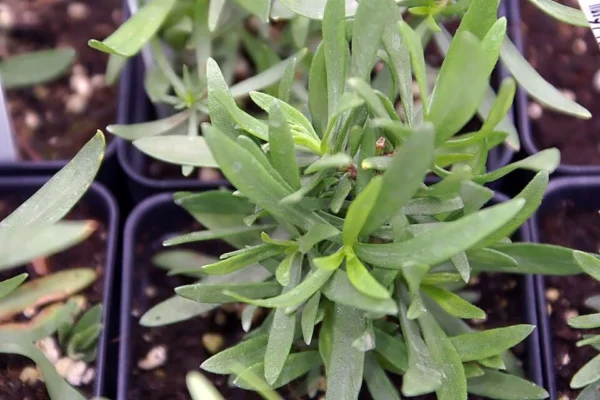
A French tarragon plant
Choose a labelled plant for the classic anise flavour. It is the straightforward starting point for a kitchen herb pot, provided you can offer good drainage and appropriate winter protection.
French tarragon labelled Sativa in the photographer's nursery record.
Photo: Photo by David J. Stang, CC BY-SA 4.0. Resized and optimised; cropped for display. Adapted image under the same licence.
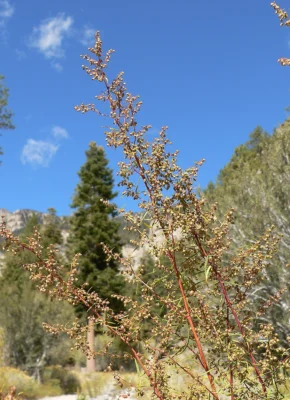
Russian tarragon from seed
Choose this vigorous, hardier type if you enjoy its different flavour or want to raise your own plants from seed. Taste and compare it rather than assuming every packet produces French quality leaves.
Flowering Artemisia dracunculus in the wild; the source does not verify a Russian cultivated type.
Photo: Stan Shebs, CC BY-SA 3.0. Resized and optimised; cropped for display. Stan Shebs
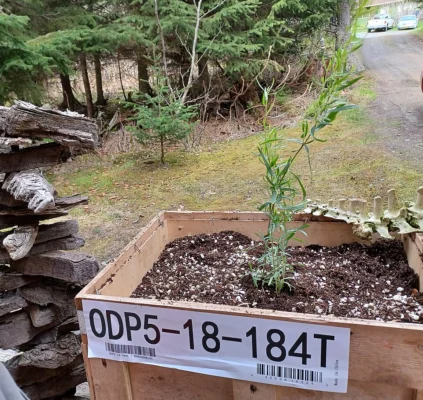
French tarragon in a pot
A movable pot makes it easier to give the plant summer sun and a drier winter position. Start with enough root space and plan to divide or pot on the clump as it develops.
Tarragon in a wooden planter, illustrating container growing; the culinary type is not verified.
Photo: Just Step Sideways, CC BY-SA 4.0. Resized and optimised; cropped for display. Adapted image under the same licence.
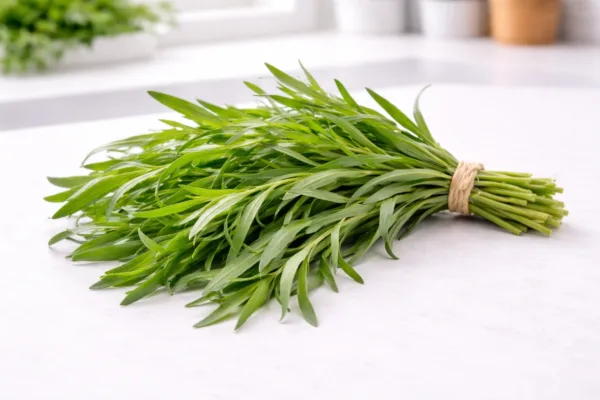
A spring division
A healthy existing French plant can provide new stock by division. Retain vigorous rooted sections and share or replant them promptly, keeping the type clearly labelled.
BFFD illustration of harvested tarragon shoots; it does not depict a rooted division.
Image from the BFFD media library.
For French tarragon, look for a clearly labelled plant or a division from a known healthy parent. Choose Russian seed only if that is the type you want. Match the plant to your available winter shelter as well as your cooking preferences.
French tarragon is chiefly a leaf crop and rarely flowers, so do not rely on it as the main nectar source in a herb patch. Nearby flowering herbs can add insect interest without sacrificing the tarragon leaves you want for cooking.
Keep the growing area open enough to spot problems and respond to the actual cause. Good drainage, sensible watering and healthy propagation material help maintain a manageable herb planting.
Published by Buy From Farmers Direct. Growing guidance reviewed 6 October 2026. The seasonal timeline uses the shared BFFD Growers Calendar record; adjust timings to your variety and local conditions.
No. French tarragon is propagated by division or cuttings. Tarragon seed normally produces Russian tarragon, which has a different flavour and growth habit.
French tarragon is the usual choice for its distinctive anise flavour. Russian tarragon is edible but tastes different, often milder or coarser, so the best choice depends on what you enjoy in a dish.
It may survive in a favourable, well drained sheltered position, but cold wet soil is a particular risk. A container moved to suitable cool winter shelter is more manageable in many gardens.
It is a herbaceous perennial and normally loses its top growth. Keep the pot labelled, avoid waterlogging and look for new shoots in spring before deciding the plant is dead.
French tarragon often benefits from renewal about every two to three years, especially in a pot. Divide a healthy clump in spring, keeping strong rooted pieces and replacing exhausted compost.
Take small amounts once the plant is growing strongly. May to September is the main outdoor period, with some April or October picking from established plants in favourable conditions. Winter protection does not guarantee a winter leaf crop.
Choose the tarragon type you actually want to cook with, give it a sunny home and plan its winter care before autumn. Regular light picking and occasional renewal will help a small plant remain a useful part of the herb garden.