Winter peas are hardy garden peas started in autumn and carried through the cold months for an early crop the following year. They can be worthwhile in a sheltered garden, but they need a realistic plan for wet soil, mice and winter protection. Expect pods in spring or early summer, rather than a fresh outdoor pea harvest in December.
Autumn-sown garden peas
Early crop next year
Choose a hardy variety
Drainage matters in winter
Protected sowing is useful
| Botanical crop | Pisum sativum |
| Family | Fabaceae |
| Meaning of winter peas | Hardy edible garden peas sown for overwintering |
| Growing cycle | Annual crop spanning autumn to the next summer |
| Main harvest | Young green peas shelled from pods |
| Main autumn sowing | October and November |
| Alternative spring start | February under cover, or March/April as conditions allow |
| Likely harvest | May to July, depending on sowing and site |
| Winter pod harvest | Not a normal expectation outdoors |
| Position | Sunny and sheltered |
| Soil | Fertile, moisture retentive but freely drained |
| Sowing depth | About 5cm |
| Seed spacing | About 5–7.5cm for compact varieties |
| Row arrangement | Broad drills or short double rows |
| Gap between compact rows | About 60cm; allow more for taller selections |
| Typical compact height | Around 40–60cm, depending on variety |
| Support | Short twigs or mesh can keep growth upright |
| Protected overwintering | A bright, cool greenhouse or cold frame |
| Pollination | Garden peas normally self-pollinate |
| Main winter risks | Rotting seed, rodents, severe cold and prolonged wet |
| Plant name | Crop type | Spacing |
Sow indoors
Plant outdoors
Harvest
Polytunnel | |||||||||||
|---|---|---|---|---|---|---|---|---|---|---|---|---|---|---|
| Jan | Feb | Mar | Apr | May | Jun | Jul | Aug | Sep | Oct | Nov | Dec | |||
| Winter Peas | Legumes | Single 5–7.5cm, In row 5–7.5cm, Row gap about 60cm for compact peas; follow variety guidance | Polytunnel | Sow indoors, Polytunnel | Sow indoors, Plant outdoors, Polytunnel | Sow indoors, Plant outdoors | Harvest | Harvest | Harvest | No activity recorded | No activity recorded | Sow indoors, Polytunnel | Sow indoors, Polytunnel | Polytunnel |
Sow indoors: February, March, April, October, November. Plant outdoors: March, April. Harvest: May, June, July. Polytunnel: January, February, March, October, November, December.
October/November is the main overwintering sowing window, using a suitable hardy variety. February–April is an alternative spring start, with February under cover and outdoor sowing delayed until the soil is suitable. March/April planting is for young plants raised under protection. May–July harvests occur the following growing season, not during winter. The October–March protected band means optional cool shelter for seedlings; it does not guarantee an early crop on every UK site.
Try a modest overwintering batch if your garden is sheltered and the soil drains well. Treat it as a chance of earlier peas, with a spring sowing available if winter losses are heavy.
Cold, saturated clay and exposed sites make autumn sowing less dependable. Starting under cover or waiting until spring can use seed and space more effectively than repeatedly sowing into a bed that stays wet.
Photo: Bill Ebbesen, CC BY-SA 3.0. Resized and optimised; cropped for display. Adapted image under the same licence.
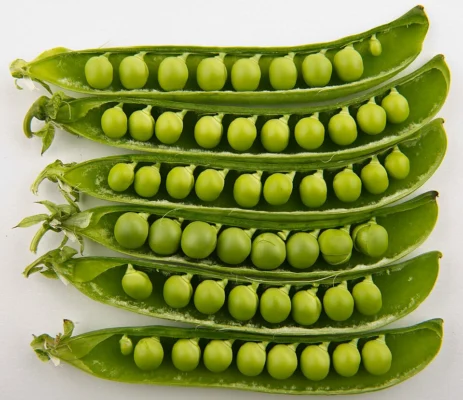
Choose the brightest practical position, away from the deepest winter shade. Shelter from drying wind helps young plants, but avoid a stagnant, permanently damp corner.
Prepare a weed-free bed with mature compost incorporated or applied as a settled mulch. Drainage needs to work through winter; a summer bed that sits under puddles in January is a poor choice.
Use deep pots or modules for protected sowing, giving roots room to develop. Set them in a bright, cool place with ventilation and protect the seed from mice there as well as outdoors.
A broad, well-drained container can hold a short compact row, but its roots are more exposed to cold than those in the ground. Raise it clear of standing water and position it where you can check it regularly.
Image from the BFFD media library.
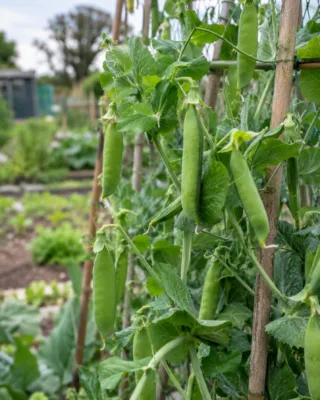
Choose a packet explicitly suitable for autumn sowing. A general label saying early peas does not automatically mean that the variety is a good overwintering choice.
1.
Select a hardy autumn-sowing variety such as Meteor or Douce Provence. Decide whether it will be direct sown in a suitable bed or started in protected pots.
2.
Sow during October or November while conditions remain workable. If the bed is already cold and saturated, use protected containers or postpone the crop rather than forcing an outdoor sowing.
3.
For direct sowing, make a broad, flat-bottomed drill about 5cm deep. Space compact peas roughly 5–7.5cm apart, with about 60cm between rows or drills unless the packet specifies otherwise.
4.
For pots or modules, use moist peat-free compost and sow about 5cm deep. Deep cells are helpful; do not pack several large seedlings into a tiny shallow cell.
5.
Label the variety and date. Protect the sowing from rodents and check regularly for missing seed, seedlings or signs of rot. Keep compost moist without making it sodden.
6.
Fit suitable cloches or fleece when severe weather threatens an outdoor crop, and ventilate on mild days. Protected seedlings still need light, airflow and occasional watering.
7.
Acclimatise pot-raised plants before moving them outside in early spring. Plant with minimal root disturbance, spacing to suit the variety and the support you are using.
8.
Place short twiggy sticks or secure mesh beside the row before stems become tangled. Keep a small spring sowing in reserve if winter has left large gaps.

Watering
During winter, water protected containers only when needed, checking below the surface. Cool plants use little water, and repeated soaking can leave roots short of air.
Once growth accelerates, avoid drought around flowering and pod filling. Water the soil thoroughly when it needs it, especially in containers or beneath covers that exclude rain.

Feeding
A compost-prepared bed usually gives peas a suitable start. They are legumes, but nitrogen fixation does not remove their need for healthy roots, moisture and a reasonable growing medium.
Avoid repeated heavy nitrogen feeding in an attempt to force growth through winter. If plants look weak, first check for cold, waterlogging, root damage or insufficient light; fertiliser cannot correct those problems.

Pruning
Peas grown for pods need their leafy shoots to build a crop, so do not repeatedly cut them as a shoot harvest. Sow a separate small tray of edible pea shoots if that is what you want.
Guide tendrils gently towards supports and remove badly damaged growth when practical. At the end of the crop, clear the tops and compost healthy material rather than keeping exhausted plants in place indefinitely.

Winter care
Keep expectations modest. Hardy pea varieties tolerate cool conditions, but prolonged wet, severe weather and repeated damage can still destroy a sowing. Check covers after wind and clear trapped decaying foliage.
A cool greenhouse or cold frame can protect autumn seedlings for spring planting. Ventilate in mild weather and avoid drawing them into soft, stretched growth with unnecessary heat or deep shade.
Edible garden peas have paired leaflets, grasping tendrils and characteristic pea flowers followed by pods. Compact varieties still benefit from nearby support, even when the packet describes them as dwarf.
This guide covers garden peas intended for an early edible crop. Ornamental sweet peas, Lathyrus odoratus, are different plants and must not be eaten. Agricultural winter field-pea or green-manure seed also needs its own crop-specific instructions; it is not an automatic substitute for a garden shelling variety.
Photo: Vinayaraj, CC BY-SA 3.0. Resized and optimised; cropped for display. Adapted image under the same licence.
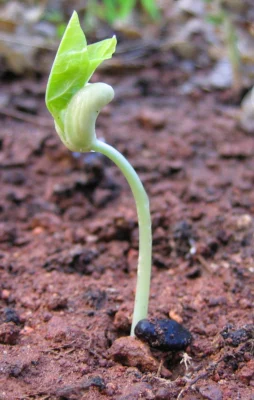
The mildest, sheltered gardens are the best candidates for direct autumn sowing. Elsewhere, a protected autumn batch or a February/March start often avoids the worst combination of cold soil and winter rain.
An overwintered crop may give peas in May or June, but timing shifts with winter survival and spring growth. A replacement spring batch may crop later, so the guide includes July without implying continuous winter picking.
Check pods frequently once they fill. Hold the plant with one hand while picking with the other, and use the peas promptly. Regular picking catches them before sweetness gives way to a starchy texture.
Image from the BFFD media library.
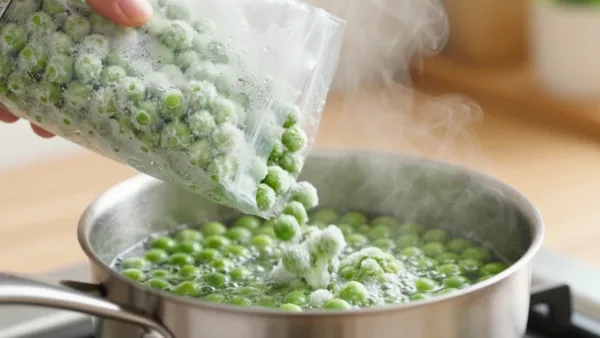
Very cold, wet soil and saturated compost can prevent a useful stand. Check a small sample before resowing. Use clean pots and a free-draining medium, and wait for suitable outdoor conditions if the bed remains waterlogged.
Mice can take newly sown peas, including those in a greenhouse. Inspect for disturbed compost and protect the sowing with an appropriate physical barrier. Slugs may also eat soft seedlings, especially under covers.
Pigeons can damage young pea growth. A supported, taut protective covering can help while the plants establish. Secure it carefully so wildlife cannot become tangled in loose netting.
Powdery mildew is more likely to become troublesome as the season progresses, especially when plants are stressed. Keep moisture steady, allow airflow and clear badly affected remains after cropping. Do not confuse it with every pale patch caused by cold or damage.
Pea moth larvae can feed on developing peas. Early crops often reduce the period of overlap with the moth, but this is not a guarantee. Fine insect mesh during flowering can help exclude egg-laying adults while self-pollinating garden peas set pods.
Garden peas are normally grown from seed. Buy labelled seed for the first crop so you know its sowing season, height and harvest type, and use fresh, sound seed for a valuable protected start.
For saving seed, leave healthy selected pods to mature fully and dry before shelling and storing. Keep varieties labelled and separate; do not save from weak, diseased plants simply because they were the last to remain in the row.
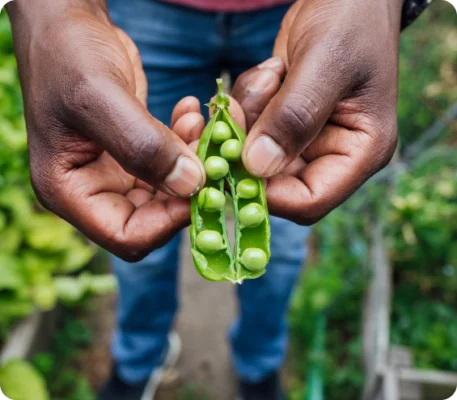
Meteor
A compact first early, commonly around 40–45cm tall, recommended for autumn as well as spring sowing. Its short habit is convenient for a protected row or container, although drainage and local weather still determine success.
Illustrative garden-pea harvest; not confirmed as Meteor.
Image from the BFFD media library.
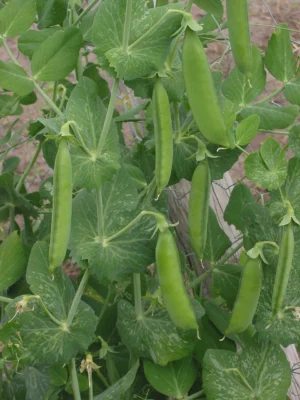
Douce Provence
A round-seeded early pea offered for autumn sowing or an early protected spring start. It stays relatively compact and is a useful choice when you want a manageable first batch.
Illustrative pea plants and pods; not confirmed as Douce Provence.
Photo: Rasbak, CC BY-SA 3.0. Resized and optimised; cropped for display. Adapted image under the same licence.
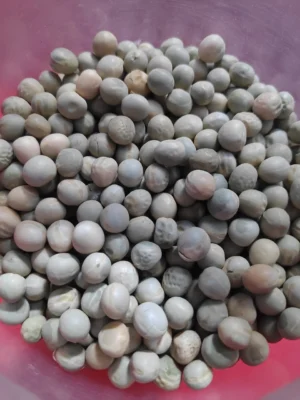
Feltham First
A traditional compact early shelling pea sold for autumn or spring sowing. Allow the autumn crop to pass through winter before harvesting; a short spring maturity estimate does not apply to an October sowing.
Illustrative dried pea seed; not confirmed as Feltham First.
Photo: Gaurav Dhwaj Khadka, CC BY-SA 4.0. Resized and optimised; cropped for display. Adapted image under the same licence.
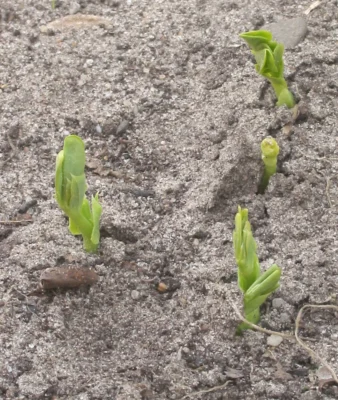
Kelvedon Wonder — spring alternative
A familiar early garden pea for a spring sowing if overwintering does not suit your site. Use its spring packet dates rather than assuming that every early variety belongs in the autumn bed.
Kelvedon Wonder pea seedlings, identified in the source photograph.
Photo: Rasbak, CC BY-SA 3.0. Resized and optimised; cropped for display. Adapted image under the same licence.
Look for a named hardy variety and clear autumn-sowing instructions. Check plant height, support needs and whether you want shelling peas, edible pods or a separate shoot crop before choosing a packet.
Garden peas normally self-pollinate, so insect mesh can protect a vulnerable crop without excluding a pollinator essential for each pod. Other accessible flowering plants can provide food for garden insects.
Use physical protection carefully and check it regularly. Rodents, pigeons and slugs have roles in the garden, but freshly sown rows and young pea plants may need temporary protection from feeding.
Published by Buy From Farmers Direct. Growing guidance reviewed 6 October 2026. The seasonal timeline uses the shared BFFD Growers Calendar record; adjust timings to your variety and local conditions.
Usually no. Here winter peas means a hardy autumn-sown crop that survives into the following spring and produces peas around May to July, depending on the variety and conditions.
Choose one explicitly recommended for autumn sowing. Meteor, Douce Provence and Feltham First are examples. A general early-cropping description is not enough on its own.
They are less dependable where soil remains cold and wet. Use a suitable protected start, improve drainage where practical, or wait until spring instead of sowing into saturated ground.
Some compact plants support one another, but short twigs or mesh help keep stems and pods off the soil. Taller varieties need a more substantial support suited to their final height.
Repeated cutting reduces the growth available for pods. Sow a separate tray of edible garden peas for shoots if you want both harvests. Never substitute ornamental sweet peas.
Cold wet conditions may have caused rotting, or mice may have removed the seed. Inspect a small part of the row, correct the cause and use a protected or later sowing if conditions are still poor.
Start with a small, well-labelled autumn batch and give it drainage, light and appropriate protection. Keep spring sowing as a practical backup, then pick the first filled pods while the peas are tender.
Explore more growing guides: Beans (Broad), Beans (French), Carrot.
Want to get food independence, support your local grower, get better prices and shop more privately?
Local food isn’t just something you find. It’s something you protect. A free account helps keep local supply visible, supported, and resilient.

….it takes 30 seconds for food lovers and 5 minutes for suppliers
We built this for people who care where their food comes from. For people who want to remain food secure. For Farmers to get to the local people, who deserve a better income and to deliver a better price for you. For the environmentally conscious and the privacy-conscious. An account simply helps us make the map and supplier reach more useful to you, without changing how open it is. You’re always in control.


Find local food. Stay connected to it. Create a free account to support local producers and be part of a growing food network.


