Asparagus is a permanent spring crop that asks for patience at the beginning. Prepare a clean, well drained bed, plant good crowns and let the young plants build strength before cutting spears. The ferny growth left after harvest is essential: it replenishes the roots that will supply the next crop. A productive bed begins with the years when you resist picking it.
Perennial vegetable
Spring harvest
Plant crowns in spring
Leave summer fern
Delay the first harvest
| Botanical name | Asparagus officinalis |
| Family | Asparagaceae |
| Plant type | Herbaceous perennial vegetable |
| Edible part | Young shoots called spears |
| Typical fern height | About 1.2 to 1.5m |
| Sunlight | Full sun preferred |
| Soil | Fertile and freely drained |
| Soil reaction | Preferably near neutral |
| Planting material | Dormant crowns or young plants |
| Crown planting | Usually March to April |
| Seed sowing | February to April under cover |
| Crown spacing | 30 to 45cm |
| Row gap | About 90cm |
| Harvest window | Usually April to June |
| First harvest | After two establishment seasons from crowns |
| From seed | Allow at least three years before harvesting |
| Summer care | Keep fern growing and supported |
| Autumn care | Cut back after foliage yellows |
| Berries | Not edible; keep away from children and pets |
| Lifespan | A well managed bed can crop for many years |
| Plant name | Crop type | Spacing |
Sow indoors
Plant outdoors
Harvest
Polytunnel | |||||||||||
|---|---|---|---|---|---|---|---|---|---|---|---|---|---|---|
| Jan | Feb | Mar | Apr | May | Jun | Jul | Aug | Sep | Oct | Nov | Dec | |||
| Asparagus | Unusual & exotic | Single 0.45m, In row 0.45m, Row gap 0.90m | No activity recorded | Sow indoors, Polytunnel | Sow indoors, Plant outdoors, Polytunnel | Sow indoors, Plant outdoors, Harvest, Polytunnel | Harvest | Harvest | No activity recorded | No activity recorded | No activity recorded | No activity recorded | No activity recorded | No activity recorded |
Sow indoors: February, March, April. Plant outdoors: March, April. Harvest: April, May, June. Polytunnel: February, March, April.
The harvest band applies to established plants, not newly planted crowns. Leave crowns uncut for their first two growing seasons; plants raised from seed take longer. Begin with a short harvest in the third season and expand only as plants strengthen. March and April are the usual crown planting months. The under cover band refers to raising seedlings or protecting early growth, not a need to keep this hardy crop in a polytunnel.
Choose asparagus when you can reserve a bed for several years and are happy to invest in establishment. It is a poor choice for a plot that must produce a full crop immediately or be rearranged every spring.
A dedicated sunny bed makes weed control and harvesting easier. Containers are possible, but the restricted root space, drying and eventual crowding make them less suitable for a long lived productive crop than open ground.
Photo: Nutrition, Food Safety & Health, CC0 1.0. Resized and optimised; cropped for display.
Choose full sun and shelter from strong wind. The young spears are vulnerable to damage, while mature fern becomes tall and can lean across paths unless supported.
Good drainage is essential. Improve the site before planting, and consider a raised bed where soil remains wet. Avoid creating a deep, water collecting trench in compacted clay.
Remove persistent weeds before crowns go in. Once asparagus is established, deep digging and vigorous hoeing risk damaging its root system. This preparatory work is much easier in an empty bed.
Keep the bed away from routes that will be walked on regularly. Leave enough room between rows to harvest, weed by hand and support the fern without standing on the crowns.
Photo: Guido Gerding, CC BY-SA 3.0. Resized and optimised; cropped for display. Adapted image under the same licence.
Order healthy dormant crowns for spring planting and prepare the bed before they arrive. Crowns should not sit drying in their packaging while you decide where to put them.
1.
Choose a permanent sunny bed and remove perennial weeds thoroughly.
2.
Improve soil structure and drainage; test the soil if fertility or acidity is uncertain.
3.
Obtain healthy named crowns and plant promptly in workable spring soil.
4.
Prepare a broad trench approximately 20cm deep, adapting to the supplier’s instructions and soil conditions.
5.
Make a ridge along the base so the crown roots can spread naturally over it.
6.
Space crowns about 30 to 45cm apart, with around 90cm between rows, and avoid folding roots tightly.
7.
Cover initially with a modest layer of soil, water in and gradually fill the trench as growth develops.
8.
Label the bed with its planting year and leave all first season shoots to become fern.

Watering
Keep newly planted crowns adequately moist while they establish. Young plants cannot be expected to find deep reserves immediately. Check below the surface in dry weather and water without leaving the bed saturated.
Continue caring for the crop after the last spear is cut. Summer fern needs moisture to replenish the crowns. A bed that is ignored after June may perform poorly the following spring.

Feeding
Use soil condition and, where practical, a soil test to guide feeding. Mature compost and a suitable fertiliser can maintain fertility, but more feed does not correct waterlogging or overharvesting.
Apply materials carefully around the bed without burying emerging shoots or disturbing crowns. Record what you use and compare vigour across seasons. Treat poor growth as a question to investigate rather than a reason for repeated heavy feeding.

Pruning
Cut established spears while they are tender, usually around 15 to 20cm tall, before the tips open. Cut carefully near or just below the surface without damaging neighbouring shoots or the crown. Harvest frequently in warm weather.
Stop the harvest by early to mid June in the usual UK routine, or sooner if the crop weakens, then let shoots form fern. In autumn, wait until foliage yellows before cutting it down and removing old stems.

Winter care
Mark row ends and avoid walking over the dormant crowns. Maintain drainage and clear dead growth when appropriate, especially where pests or disease affected the previous season.
A surface mulch can suppress annual weeds and improve soil condition. Keep the bed accessible for spring checks, because emerging spears are easily overlooked or accidentally damaged before the harvest routine resumes.
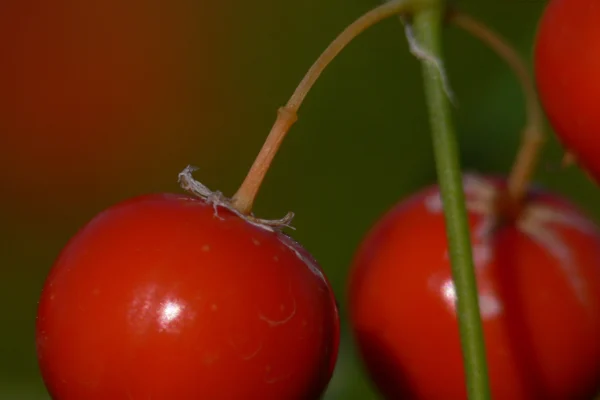
Edible asparagus sends fleshy spears directly from an underground crown. If left uncut, these branch into airy green fern like growth with small flowers. Female plants may later produce red berries.
The crop is Asparagus officinalis. Plants sold as ornamental asparagus fern are different species and should not be treated as vegetables. Only harvest correctly identified edible asparagus; the red berries of the crop plant are not edible.
Photo: Leo Michels, CC0 1.0. Resized and optimised; cropped for display.
Established outdoor beds usually crop during spring into early summer, with the first spears arriving earlier in warm sheltered districts. A cold spring can delay emergence without indicating that the crowns have died.
Protect emerging growth if a damaging frost is forecast, using a suitable temporary cover without crushing spears. Bent shoots can result from frost or physical damage as well as pests, so inspect before choosing a treatment.
The end of harvest matters as much as the start. Letting the fern grow through summer is an investment in next year’s crop. Record the first and last cutting dates and shorten the next harvest if vigour has declined.
Photo: Tubifex, CC BY-SA 3.0. Resized and optimised; cropped for display. Adapted image under the same licence.
Young crowns, crowding or excessive harvesting may be responsible. Stop cutting weak plants and let their fern develop. Check water, weeds and the original planting age.
Asparagus beetles and their larvae can feed on the crop. Inspect stems regularly, remove small numbers by hand where practical and clear affected dead growth after the season.
Frost can damage emerging shoots. Remove unusable spears and protect subsequent growth when frost is forecast. Do not assume every bent spear indicates disease.
Poor drainage can damage roots and favour rot. Investigate the soil before replanting. Simply adding replacement crowns to the same saturated bed is unlikely to solve the problem.
Female plants can set seed in red berries. Remove unwanted seedlings while small so they do not compete with the selected crowns. Remember that the berries are not food.
Seed is an economical option, but it adds time before harvest and may produce plants that vary. Sow in suitable compost, grow seedlings on and allow at least three years before considering a crop.
Named hybrid crowns give a more predictable start. Avoid routinely dividing and moving an established bed: asparagus benefits from a permanent site, and disturbed plants need time to recover. Start replacement beds with healthy stock.
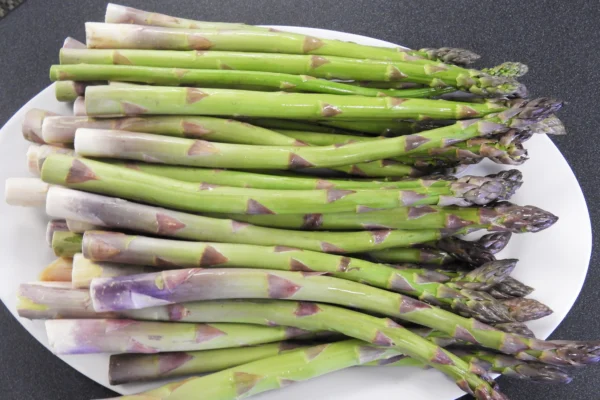
Gijnlim
An established hybrid choice producing green spears with purple tips. Often selected for an early crop, it still needs the same patient establishment and summer fern care.
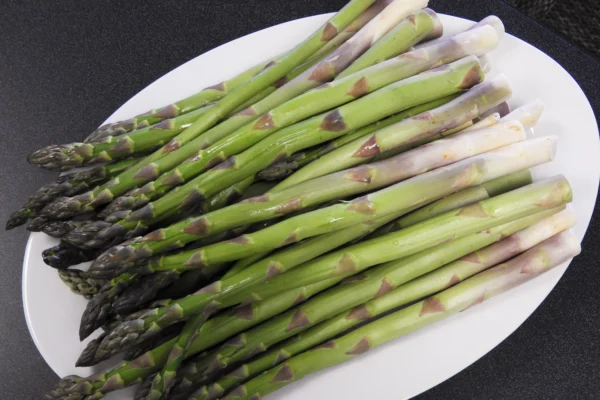
Fresh asparagus spears on a plate. Illustrative Asparagus officinalis species photograph; cultivar not identified.
Photo: Nutrition, Food Safety & Health, CC0 1.0. Resized and optimised; cropped for display.
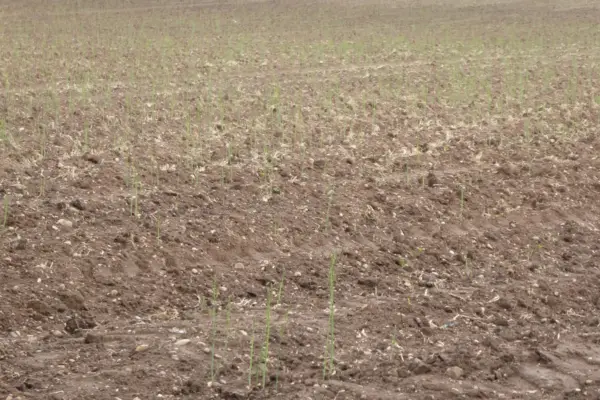
Backlim
A green asparagus cultivar commonly used alongside earlier varieties to broaden the picking period. Choose according to local suitability rather than expecting a calendar date to be guaranteed.
Asparagus spears in a field at Twyning. Illustrative Asparagus officinalis species photograph; cultivar not identified.
Photo: Philip Halling, CC BY-SA 2.0. Resized and optimised; cropped for display. Adapted image under the same licence.
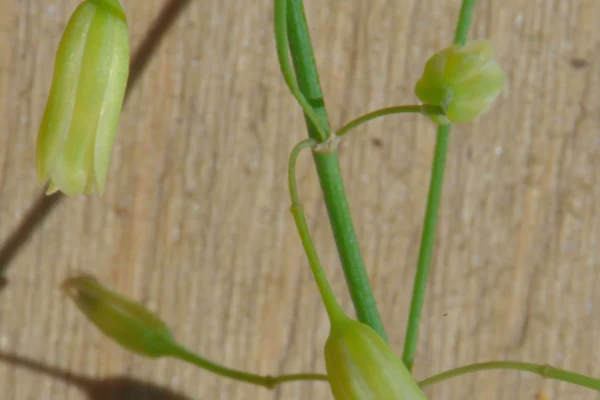
Pacific Purple
A purple speared cultivar offering a visual change from green asparagus. The colour is a cultivar characteristic, unlike white asparagus, which is produced by excluding light.
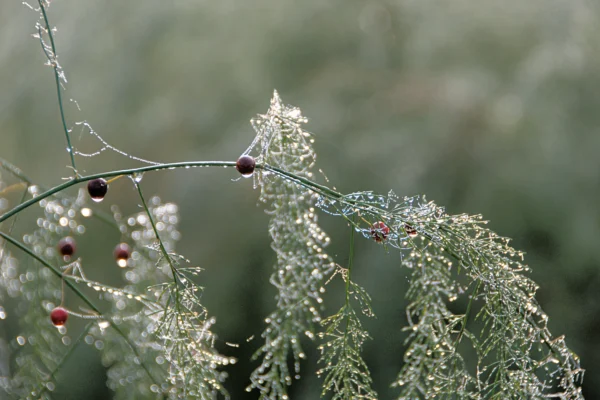
Asparagus flowers, not a verified Pacific Purple photograph. Illustrative Asparagus officinalis species photograph; cultivar not identified.
Photo: Rasbak, CC BY-SA 3.0. Resized and optimised; cropped for display. Adapted image under the same licence.
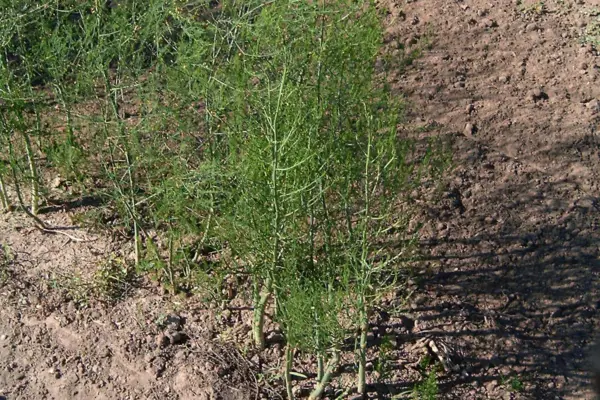
Connover’s Colossal
A traditional cultivar with green spears and purple tips. Unlike an all male hybrid, plantings can include female plants that produce berries and seedlings.
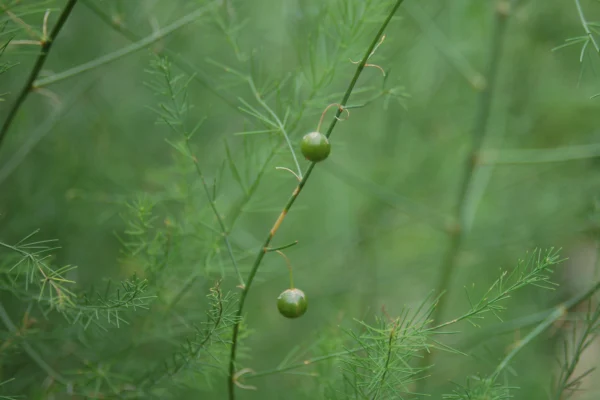
Asparagus plant with ferny growth. Illustrative Asparagus officinalis species photograph; cultivar not identified.
Photo: Titantoma, CC BY-SA 3.0. Resized and optimised; cropped for display. Adapted image under the same licence.
Explore the BFFD map for nearby growers and ask when their fresh asparagus season begins. If buying crowns, confirm cultivar, crown age and planting instructions before preparing the bed.
Small asparagus flowers can attract visiting insects after the cutting season. Keeping healthy fern is part of the crop’s normal cycle, not a sign that the bed has been abandoned.
Inspect insect activity before taking action and distinguish pests from predators where possible. Avoid leaving loose netting around the bed, and keep poisonous berries out of reach of children and pets.
Published by Buy From Farmers Direct. Sources checked 4 October 2026. Growing references: RHS: How to grow asparagus; University of Minnesota: Growing asparagus; Garden Organic: Asparagus; University of Minnesota: Asparagus beetles; University of Minnesota: Harvesting asparagus; University of Minnesota: Nutrient management in asparagus; RHS: Pacific Purple; RHS: Connover’s Colossal. The seasonal timeline uses the shared BFFD Growers Calendar record; adjust timings to your variety and local conditions.
March and April are the usual months, once the soil is workable. Prepare a weed free, well drained permanent bed and plant healthy crowns promptly after arrival.
Space crowns roughly 30 to 45cm apart, with about 90cm between rows. Follow the supplier’s cultivar guidance and allow room to harvest without walking on the bed.
Leave the first two growing seasons uncut after planting crowns. Take only a short harvest in the third season, and wait longer if growth is weak. Seed raised plants need at least three years.
In the usual UK routine, stop by early to mid June, or sooner if spears become weak. Leave the subsequent shoots to grow into fern and rebuild the crowns.
It can, but containers restrict a large perennial root system and need close watering attention. A permanent bed is generally better for long term cropping.
No. The red berries are not edible and can be harmful if eaten. Keep them away from children and pets. The edible crop is the young spear of correctly identified Asparagus officinalis.
Use the Growers Calendar to distinguish establishment years from harvest years. While the bed builds strength, the BFFD map can help you discover British asparagus growers and check local seasonal availability.
Explore more growing guides: Artichoke (Globe), Artichoke (Jerusalem), Amaranth (Grain).
Want to get food independence, support your local grower, get better prices and shop more privately?
Local food isn’t just something you find. It’s something you protect. A free account helps keep local supply visible, supported, and resilient.

….it takes 30 seconds for food lovers and 5 minutes for suppliers
We built this for people who care where their food comes from. For people who want to remain food secure. For Farmers to get to the local people, who deserve a better income and to deliver a better price for you. For the environmentally conscious and the privacy-conscious. An account simply helps us make the map and supplier reach more useful to you, without changing how open it is. You’re always in control.


Find local food. Stay connected to it. Create a free account to support local producers and be part of a growing food network.


