French beans provide tender summer pods from either compact bushes or tall climbing plants. Both are Phaseolus vulgaris, but their space and harvesting needs differ. Dwarf beans fit containers and short cropping slots; climbers take longer to establish and then reward regular picking over a longer period. Warm soil and protection from frost are the starting points for either form.
Tender summer vegetable
Dwarf or climbing
Sunny position
Regular picking
Container options
| Botanical name | Phaseolus vulgaris |
| Family | Fabaceae |
| Plant type | Annual vegetable |
| Harvest used | Tender young pods |
| Forms | Dwarf bushes and twining climbers |
| Dwarf height | Usually about 45cm |
| Climbing height | About 2m or more, depending on variety |
| Position | Warm, sunny and sheltered |
| Soil | Fertile, moist but well drained |
| Hardiness | Frost tender |
| Indoor sowing | Late April to May |
| Outdoor sowing | Late May to July, conditions permitting |
| Planting out | After local frosts, usually late May or June |
| Sowing depth | About 5cm |
| Plant spacing | At least 15cm; check variety |
| Row spacing | Allow about 45cm for access |
| Support | Tall frame for climbing varieties |
| Harvest | Usually July to October |
| Picking frequency | Every two or three days in full crop |
| Container choice | Dwarf forms suit smaller spaces |
| Plant name | Crop type | Spacing |
Sow indoors
Plant outdoors
Harvest
Polytunnel | |||||||||||
|---|---|---|---|---|---|---|---|---|---|---|---|---|---|---|
| Jan | Feb | Mar | Apr | May | Jun | Jul | Aug | Sep | Oct | Nov | Dec | |||
| Beans (French) | Legumes | Single 0.15m, In row 0.15m, Row gap 0.45m | No activity recorded | No activity recorded | No activity recorded | Sow indoors, Polytunnel | Sow indoors, Plant outdoors, Polytunnel | Sow indoors, Plant outdoors, Polytunnel | Sow indoors, Plant outdoors, Harvest, Polytunnel | Harvest | Harvest | Harvest | No activity recorded | No activity recorded |
Sow indoors: April, May, June, July. Plant outdoors: May, June, July. Harvest: July, August, September, October. Polytunnel: April, May, June, July.
April sowing means a warm, protected start. Outdoor sowing and planting wait until frost risk has passed and soil is warm, often late May or June. Repeat dwarf sowings may continue into July where the season is long enough. July to October harvests vary by cultivar and weather. Polytunnel months indicate protected growing, not automatic frost protection.
Choose dwarf beans for a crop that fits around other vegetables or for a manageable patio pot. Their picking period is relatively concentrated, so a second small sowing can be more useful than putting every seed in at once.
Choose climbing beans where a secure frame and regular access are practical. They use vertical space efficiently but need watering and picking throughout summer. Position the frame where an adult can reach the pods without leaning over another crop.
Photo: Jonathan Billinger, CC BY-SA 2.0. Resized and optimised; cropped for display. Adapted image under the same licence.
Find a warm, sunny position away from strong wind. A cold shaded corner may keep seedlings alive without giving the active growth needed for a worthwhile harvest.
Prepare fertile soil with mature compost and remove established weeds. Give young plants an open rooting area rather than inserting them between vigorous neighbours already competing for water.
Build climbing supports before sowing or planting. Use strong canes or poles around 2.5m long, firmly set and braced. The foliage becomes a substantial load once summer growth fills the frame.
Dwarf beans grow well in a container about 30 to 45cm wide. Climbing beans need a considerably larger, stable planter; RHS guidance suggests at least 75cm wide and 45cm deep. Keep drainage holes open.
Photo: Philip Halling, CC BY-SA 2.0. Resized and optimised; cropped for display. Adapted image under the same licence.
Sow in manageable batches and label each one. Decide where plants will go before starting them indoors, because French bean seedlings quickly outgrow small pots once conditions are warm.
1.
Choose dwarf or climbing seed and check its expected maturity. Plan further dwarf sowings only if autumn frost leaves enough time.
2.
Fill individual pots or deep modules with moist peat free compost. Sow one bean about 5cm deep.
3.
Keep seedlings warm and in good light. Turn indoor pots if shoots start leaning strongly towards a window.
4.
Prepare the bed and fit climbing supports while the seedlings develop. Do not drive stakes through established rootballs later.
5.
Acclimatise plants gradually to outdoor conditions, protecting them from cold nights and strong wind.
6.
Plant out after local frosts or sow directly into warm soil. Space plants at least 15cm apart, following the packet.
7.
Place one climbing plant at each support. Guide loose shoots gently; support dwarf plants with short twigs only if needed.
8.
Water in, label the sowing date and keep spare seedlings available to replace early losses.

Watering
Keep plants supplied with moisture during flowering and pod development. Feel the soil below the surface and water at the roots. A climbing row can hide dry ground beneath apparently healthy leaves.
Check pots frequently in summer, particularly in wind. Water until the rootball is evenly moist and excess can drain. If water runs straight through, apply it slowly in stages rather than assuming the compost is wet.

Feeding
A prepared garden bed usually needs less intervention than a crowded container. Avoid repeatedly adding nitrogen rich feed in pursuit of more leaves. The useful measure is steady growth followed by flowers and tender pods.
For pots, follow the compost and liquid feed instructions. Feed can support an actively growing crop, but it will not repair waterlogging, drought or cold roots. Correct those conditions first.

Pruning
Once a climber reaches the top of its frame, pinch the growing tip to keep further growth within reach. Guide wandering stems before they wind tightly around neighbouring vegetables. Dwarf plants need little pruning.
Pick pods frequently while the seeds inside remain small. Hold the stem or cut the pod stalk rather than yanking the plant. Remove overlooked mature pods so you can assess the younger crop clearly.

Winter care
French beans are normally cleared after cropping or frost. Collect sound late pods before a cold spell and remove diseased remains rather than leaving them tangled on the frame through winter.
Clean and store reusable supports, noting where each variety grew. Keep unopened seed dry and labelled. Planning the next crop now is easier than trying to identify anonymous packets in spring.
French bean leaves usually have three leaflets, and the plants carry small pea shaped flowers followed by pods. Pod shape varies from slender and rounded to broad and flat. Green, yellow and purple colours all occur within this species.
Pick for tenderness rather than a fixed length. A young pod should snap readily and should not show large seed bulges. The packet’s description helps distinguish a naturally flat variety from a rounded one that has simply become overmature.
Photo: Kolforn (Wikimedia), CC BY-SA 4.0. Resized and optimised; cropped for display. Adapted image under the same licence.
Warmth matters more than an early calendar date. In northern or exposed gardens, a later sowing into settled weather can establish more reliably than seedlings repeatedly chilled outdoors. Keep a protected start short and purposeful.
A small repeat sowing of dwarf beans can extend the season where space allows. Record when each batch begins cropping so the following year’s sowings can match what your household actually uses.
Cold wet soil can delay germination, while bean seed fly can damage young shoots. Raise replacements in pots and improve establishment conditions before resowing the same gap.
Slugs and snails may remove new growth. Check plants and nearby hiding places after dusk. Protect the small crop while it establishes and avoid leaving loose debris against vulnerable stems.
Temperature stress or dry roots can interrupt pod formation. Check moisture, recent weather and greenhouse ventilation before adding feed. A few failed flowers do not mean the entire planting has failed.
They were probably left too long for a tender pod harvest. Pick more often and look behind leaves for hidden pods. Judge the next picking by texture and seed development, not size alone.
Raised pale, brown or dark pustules can indicate bean rust. Remove affected foliage where practical, improve air movement and clear crop debris at the end of the season.
Start new plants from seed. For another crop in the same summer, sow a fresh batch rather than expecting an exhausted dwarf planting to continue indefinitely.
For saving seed, leave selected pods on healthy plants until fully mature and dry. French beans mostly self pollinate, but keep varieties labelled and use bought seed when reliable identity is important. Dry saved seed completely before storing.
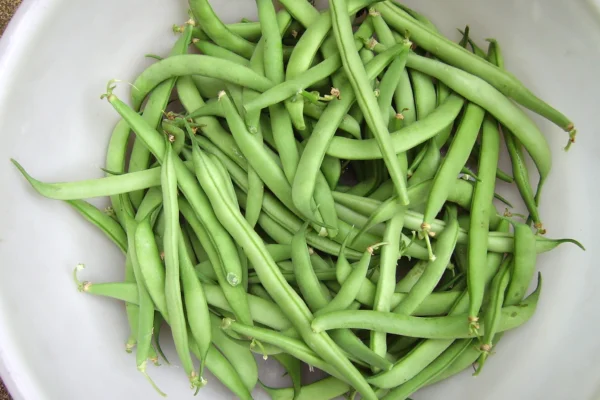
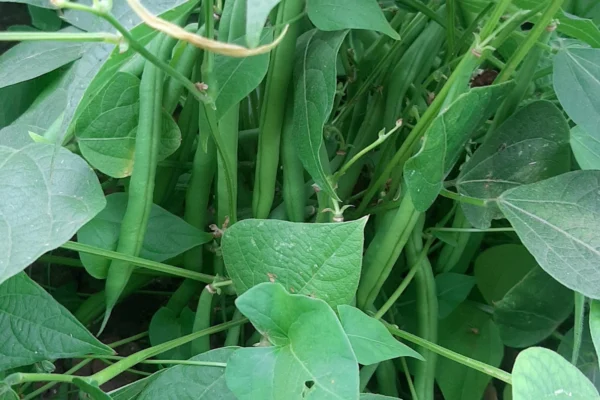
Cobra
A climbing French bean producing stringless green pods over an extended picking period. Choose it for a strong frame and a garden where you can check the crop frequently.
Illustrative French beans; the photographed cultivar is unidentified.
Photo: Simon Speed, CC0 1.0. Resized and optimised; cropped for display.
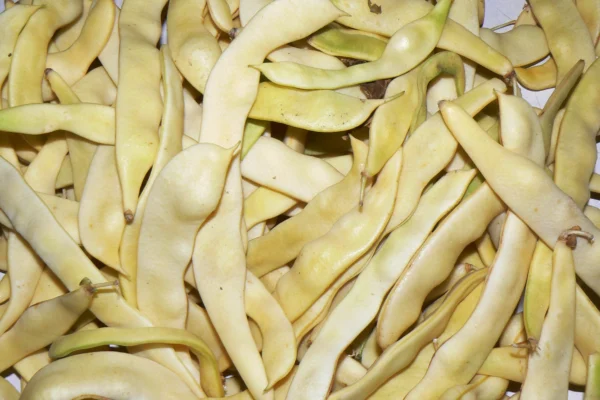
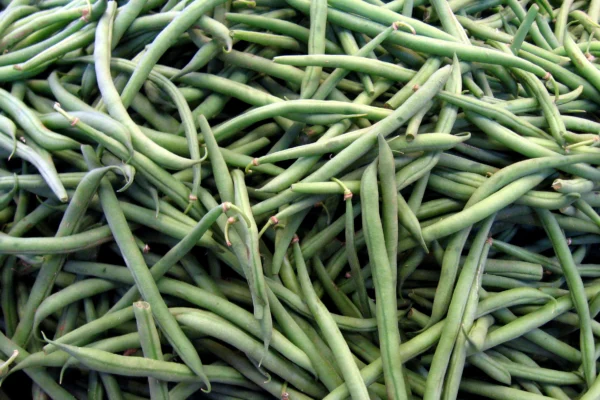
Algarve
A climbing choice with broad, flat pods. Compare its shape with slender varieties when choosing seed; a flat pod is a varietal feature and does not by itself indicate that the bean is old.
Illustrative French beans; the photographed cultivar is unidentified.
Photo: Vassia Atanassova (Spiritia), CC BY-SA 3.0. Resized and optimised; cropped for display. Adapted image under the same licence.

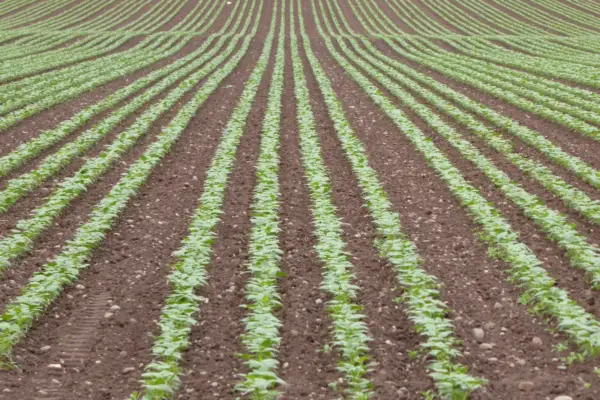
Boston
A dwarf choice described by the RHS as a sturdy plant around 45cm tall, with long tender pods. Useful where a climbing frame would be inconvenient.
Illustrative French bean plant; the photographed cultivar is unidentified.
Photo: Kolforn (Wikimedia), CC BY-SA 4.0. Resized and optimised; cropped for display. Adapted image under the same licence.
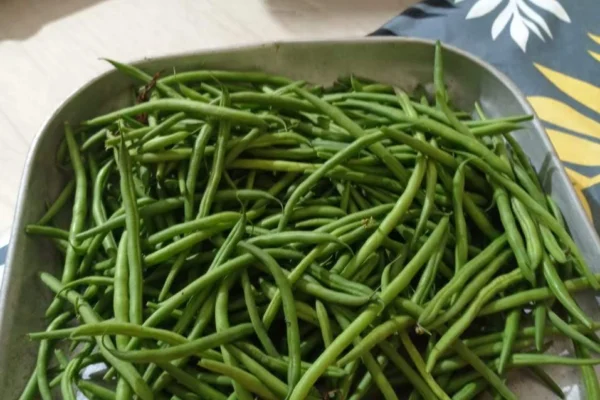
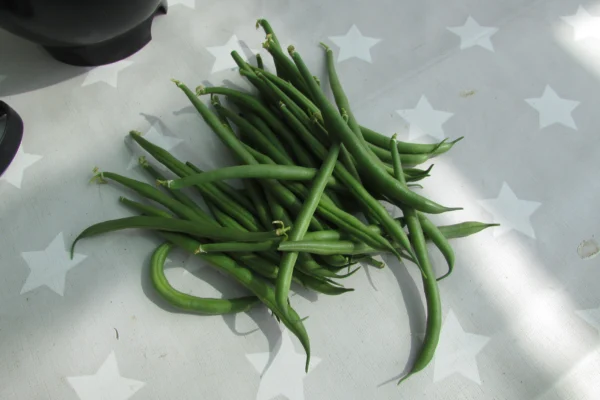
Sprite
A dwarf French bean with fine, slender pods. Consider it for a small sowing alongside another dwarf selection so you can compare texture and picking times in your own conditions.
Illustrative harvested French beans; the photographed cultivar is unidentified.
Photo: Aldrina A Manashe, CC0 1.0. Resized and optimised; cropped for display.
Explore the BFFD map for local growers and seasonal fresh beans. Ask directly about current availability. If buying plants or seed, confirm whether the variety is dwarf or climbing.
Small bean flowers can sit within a more varied summer planting. Keep flowering herbs and other suitable plants nearby without allowing them to crowd the bean roots or obstruct picking.
Inspect aphids for predators before deciding on treatment. Avoid unnecessary spraying of flowering plants, and keep any protective barriers secured so they do not create loose loops around visiting wildlife.
Published by Buy From Farmers Direct. Sources checked 4 October 2026. Growing references: RHS: Grow French beans; Garden Organic: French bean; University of Minnesota Extension: Growing beans; RHS: Bean seed fly; RHS: Runner and French bean rust; Garden Organic: Seed saving guidelines. The seasonal timeline uses the shared BFFD Growers Calendar record; adjust timings to your variety and local conditions.
Sow indoors from late April, or outdoors after frost once the soil is warm, often late May or June. Dwarf crops can be repeated into July where the growing season permits.
Some do. Climbing varieties need a tall support, while dwarf varieties form compact bushes. Check the packet before planting because both are sold as French beans.
Yes, in a large, stable container with a strong frame and regular watering. RHS guidance suggests at least 75cm width and 45cm depth. Dwarf beans are easier in smaller pots.
Allow at least 15cm between plants, following the specific variety. Use one climber per cane and leave practical access between rows. Wider spacing can help with vigorous growth or difficult access.
Pick while pods are tender and the seeds remain small. Check every two or three days during the main harvest, including pods hidden behind the leaves.
Dwarf plants have a shorter main harvest than climbers. Missed mature pods, drought or temperature stress can also reduce cropping. A planned second sowing is often the best way to extend supply.
Plan crops with the BFFD growers calendar and find produce on the map. Record which beans suited your space.
Explore more growing guides: Beans (Borlotti), Beans (Broad), Beans (Runner).
Want to get food independence, support your local grower, get better prices and shop more privately?
Local food isn’t just something you find. It’s something you protect. A free account helps keep local supply visible, supported, and resilient.

….it takes 30 seconds for food lovers and 5 minutes for suppliers
We built this for people who care where their food comes from. For people who want to remain food secure. For Farmers to get to the local people, who deserve a better income and to deliver a better price for you. For the environmentally conscious and the privacy-conscious. An account simply helps us make the map and supplier reach more useful to you, without changing how open it is. You’re always in control.


Find local food. Stay connected to it. Create a free account to support local producers and be part of a growing food network.


