Beautyberry brings glossy purple berries to autumn borders, often holding its display after the leaves fall. This guide centres on Callicarpa bodinieri and its familiar cultivar Profusion, with related species compared below. Give the shrub light, room and a suitable pollination partner. The berries are ornamental and must not be eaten.
Deciduous shrub
Autumn berries
Sun or light shade
Sheltered borders
Ornamental fruit
| Botanical name | Callicarpa bodinieri and related species |
| Family | Lamiaceae |
| Plant type | Deciduous woody shrub |
| Main garden use | Autumn and early winter colour |
| Typical height | About 2 to 3m for Profusion, sometimes taller |
| Typical spread | About 1.5 to 2.5m for Profusion |
| Light | Sun or partial shade |
| Soil | Fertile soil that drains freely |
| Soil reaction | Acid, neutral or alkaline |
| Moisture | Even moisture during establishment |
| Hardiness | Profusion is rated RHS H6 |
| Flowering | Small flowers in summer |
| Berry display | Usually September to December |
| Fruit use | Ornamental only, do not eat |
| Foliage | Opposite deciduous leaves |
| Best planting time | Autumn or spring |
| Indicative spacing | About 2m, adjusted for cultivar |
| Pollination | A compatible flowering neighbour improves reliability |
| Propagation | Softwood or semi ripe cuttings |
| Container suitability | Compact selections with regular aftercare |
| Plant name | Crop type | Spacing |
Sow indoors
Plant outdoors
Harvest
Polytunnel | |||||||||||
|---|---|---|---|---|---|---|---|---|---|---|---|---|---|---|
| Jan | Feb | Mar | Apr | May | Jun | Jul | Aug | Sep | Oct | Nov | Dec | |||
| Beautyberry | Unusual & exotic | Single 2.00m, In row 2.00m, Row gap 2.00m | No activity recorded | No activity recorded | Plant outdoors | Plant outdoors | Plant outdoors | No activity recorded | No activity recorded | No activity recorded | Plant outdoors, Harvest | Plant outdoors, Harvest | Plant outdoors, Harvest | Harvest |
Sow indoors: no months recorded. Plant outdoors: March, April, May, September, October, November. Harvest: September, October, November, December. Polytunnel: no months recorded.
Plant in autumn or spring when the ground is workable. The calendar Harvest band marks the ornamental berry display from September to December, not an edible harvest. Summer flowers precede the berries. There is no routine annual sowing or polytunnel season for established outdoor shrubs. Exact dates depend on species, weather and location.
Beautyberry suits a mixed border where its summer foliage sits behind lower plants before becoming the focus in autumn. Position it near a path or a window, where the berry clusters can be appreciated.
A young pot can look small, but Profusion needs genuine border space. Compact forms suit modest gardens. For dependable berries, plan for more than one compatible plant flowering at the same time, rather than relying on an isolated shrub.
Photo: Jean-Pol GRANDMONT, CC BY-SA 3.0. Resized and optimised; cropped for display. Adapted image under the same licence.
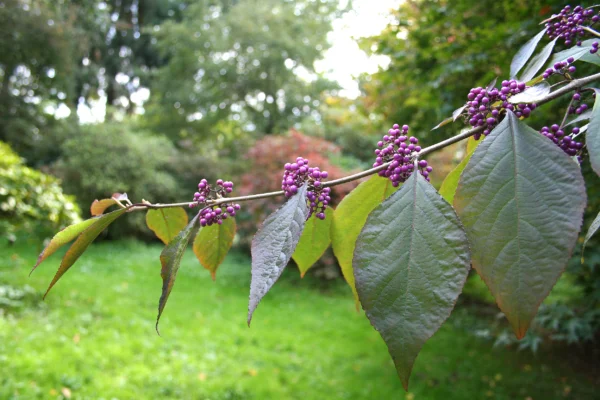
Choose sun or light shade in fertile, freely draining soil. Brighter positions generally support better flowering and fruiting; deep shade often gives disappointing berries.
Allow around 2m between typical Profusion plants, adjusting for the selection’s mature width. Keep neighbouring shrubs from swallowing the lower branches.
Shelter helps protect the display from persistent wind. Avoid dry ground beneath roof overhangs and spots that stay saturated. Improve compacted ground across the planting area.
For a container, choose a compact selection and a substantial pot with unobstructed drainage. Check moisture regularly and allow room for root growth. A pot does not remove the need for a pollination partner, and exposed roots face greater temperature extremes.
Photo: Daderot, CC0 1.0. Resized and optimised; cropped for display.
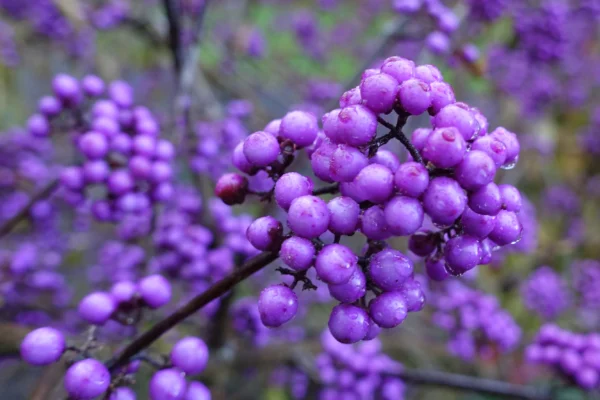
Choose a healthy, labelled nursery plant. Plant in autumn on mild, freely draining sites, or spring where winter soil stays cold or wet.
1.
Check mature size and pollination advice. Mark the proposed planting positions with pots.
2.
Clear grass and persistent weeds so young roots face less competition.
3.
Water the rootball thoroughly before removing the pot.
4.
Dig a hole wider than the rootball but no deeper. Roughen compacted sides so roots can spread into the surrounding ground.
5.
Ease circling roots gently outward and place the shrub with the top of its rootball level with the soil surface.
6.
Backfill with the excavated soil, settle it gently and water thoroughly. Check that the plant has not sunk below its original level.
7.
Add a surface mulch over the root area, leaving a clear gap around the stems. Keep the mulch away from the crown.
8.
Label the plant and check moisture regularly through its first growing season. Revisit neighbouring spacing before the border becomes crowded.

Watering
Water newly planted beautyberry deeply during dry spells, covering the rootball and the surrounding soil. Check beneath the surface first. Brief showers may wet leaves and mulch without reaching the roots.
Established border shrubs need less attention, but prolonged drought can affect growth and the developing display. Container plants remain dependent on you. Allow excess water to drain and never leave the pot sitting in a permanently full saucer.

Feeding
A spring mulch of garden compost helps maintain soil condition. Healthy border shrubs rarely need repeated strong feeding. Let leaf colour, shoot growth and soil condition guide any additional fertiliser.
Feed pots according to the product label and refresh surface compost when practical. Avoid feeding a dry or waterlogged rootball. Correct moisture problems before treating weak growth with nutrients.

Pruning
For Profusion, inspect the framework in early spring as buds begin to swell. Remove dead, damaged or crossing stems and shorten awkward growth to healthy buds where necessary. A naturally balanced shrub needs little routine reduction.
Do not clip beautyberry like a formal hedge through summer, because this removes shoots carrying its display. Check the species before stronger pruning. An oversized shrub may need a better position rather than repeated drastic reduction.

Winter care
Leave the ornamental berries in place for their seasonal effect and for birds that choose to take them. Leaf fall is normal. Established Profusion is hardy in UK conditions, but cold tolerance does not make prolonged root waterlogging harmless.
Check young plants after strong winds and protect exposed pots from severe freezing. Keep drainage holes open and wait for spring buds before judging whether a slow stem has died.
Callicarpa has paired leaves and small flowers clustered near the leaf joints. Numerous shiny fruits gather along woody branches. Profusion also develops autumn leaf colour before becoming bare.
Berry colour alone cannot identify a plant safely. Callicarpa species and cultivars differ in leaf size, habit and fruit colour, including white forms. Keep the nursery label and never eat fruit from this ornamental planting.
Photo: Didier Descouens, CC BY-SA 4.0. Resized and optimised; cropped for display. Adapted image under the same licence.
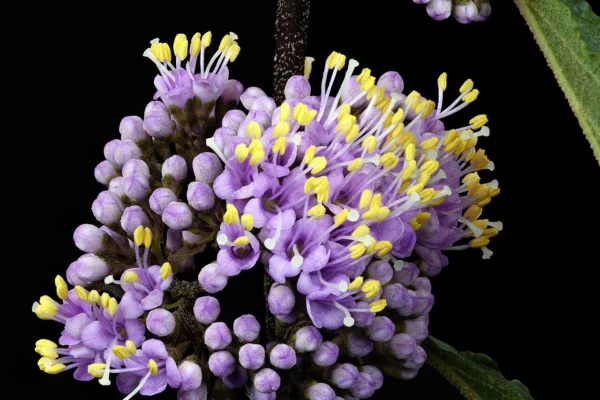
In a cool northern garden, choose a bright, sheltered position and allow time for establishment. Berry production depends on summer flowering and pollination as well as winter hardiness. Even a hardy shrub can have a sparse fruiting year.
Assess heavy clay during the wet season. A raised planting area helps only where excess water can escape. A hole filled with loose compost within impermeable clay can become a sump.
In warmer southern gardens, watch young shrubs and pots during summer drought. Create a layered border while keeping neighbouring foliage from completely enclosing the beautyberry.
Photo: Wouter Hagens, Public domain. Resized and optimised; cropped for display.
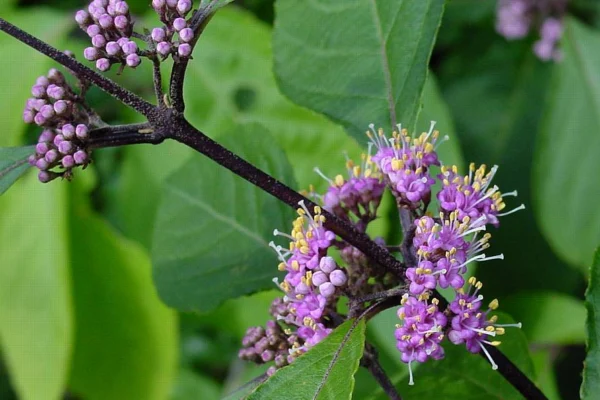
Check whether the shrub flowered. Young age, excessive shade, unsuitable pruning or poor pollination can all matter. Add a compatible neighbour where space permits and avoid cutting the current display away during summer.
A crowded or shaded position can favour long stems over a good display. Improve access to light and review feeding. Strong fertiliser will not compensate for the wrong position.
Inspect the actual rootball as well as surrounding soil. It may be dry inside or sitting in saturated ground. Water a dry ball thoroughly, but improve drainage where roots are persistently wet.
Small amounts of damage rarely justify intervention. Remove badly affected fallen material, avoid wetting leaves unnecessarily and maintain airflow. Seek a diagnosis if dieback or widespread decline develops.
Wait until growth reveals which wood is alive, then remove dead tips to healthy growth. Check for wind damage and root saturation. Repeated losses suggest a siting problem rather than a need for heavier feeding.
Take softwood cuttings in late spring or early summer, or semi ripe cuttings later in summer, to preserve a named cultivar. Use healthy material and clean propagation compost. Keep cuttings humid but ventilated, away from scorching sun.
Seed produces variable plants and will not reliably preserve a named selection. Young plants take time to become garden specimens. Keep labels attached so similar looking shrubs are not later offered under the wrong name.
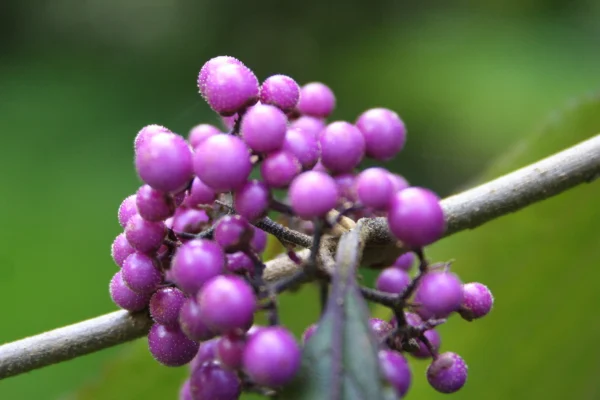
Callicarpa bodinieri Profusion
A familiar choice for UK borders, with conspicuous violet berries and an upright framework. Allow room for a shrub around 3m tall. RHS rates this selection H6, but a successful display still depends on light and pollination.
Callicarpa bodinieri Profusion, identified in the source photograph.
Photo: Jean-Pol GRANDMONT, CC BY-SA 3.0. Resized and optimised; cropped for display. Adapted image under the same licence.
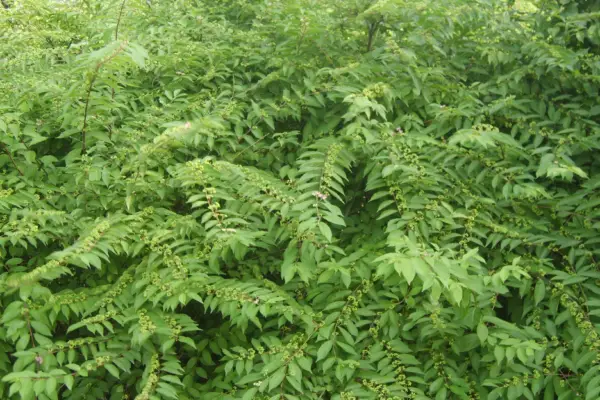
Callicarpa dichotoma
A smaller, arching beautyberry with comparatively small leaves and clusters of lilac fruits. Its softer outline can suit a smaller border. Check the particular selection and its eventual dimensions before choosing it for a pot.
Callicarpa dichotoma species photograph; no cultivar is identified.
Photo: Dalgial, CC BY-SA 3.0. Resized and optimised; cropped for display. Adapted image under the same licence.
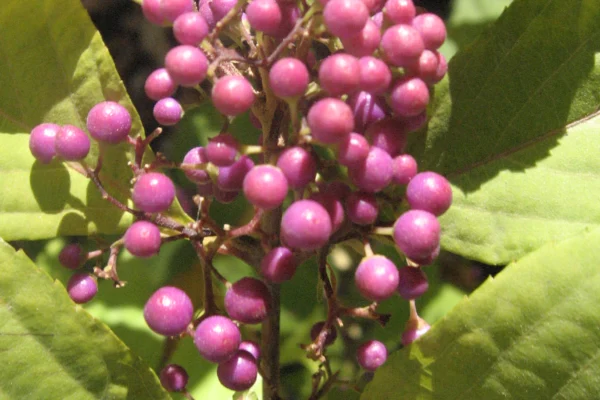
Callicarpa japonica
Japanese beautyberry is a deciduous species with summer flowers followed by purple fruit. RHS recommends growing at least two plants for reliable pollination. Choose it with its own space and care requirements in mind.
Callicarpa japonica species photograph; no cultivar is identified.
Photo: Cillas, CC BY-SA 4.0. Resized and optimised; cropped for display. Adapted image under the same licence.
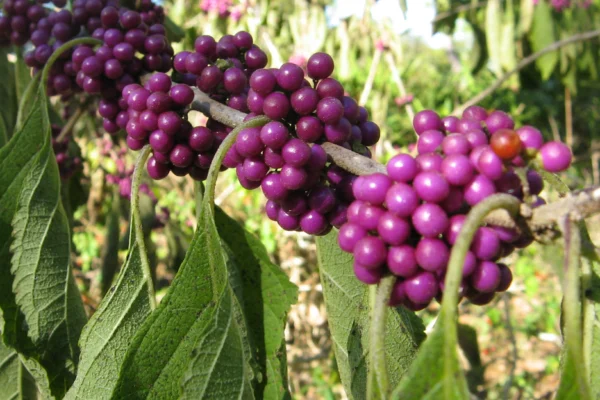
Callicarpa americana
American beautyberry carries dense fruit clusters along an open, arching framework. It is a distinct species, not another name for Profusion. This page treats its berries as ornamental in line with RHS advice.
Callicarpa americana species photograph; no cultivar is identified.
Photo: Korall, CC BY-SA 3.0. Resized and optimised; cropped for display. Adapted image under the same licence.
Use the BFFD map to find nurseries and garden suppliers, then ask about Callicarpa species, mature size and pollination. Confirm current availability directly before travelling.
The small summer flowers can attract pollinating insects, while birds may use the autumn fruit. The degree of feeding varies, so a long lasting display does not mean the shrub has no wildlife value.
Include a variety of flowering and fruiting plants around it to provide resources across the year. Avoid unnecessary spraying, and keep suitable undisturbed habitat elsewhere in the garden alongside the ornamental planting.
Published by Buy From Farmers Direct. Sources checked 4 October 2026. Growing references: RHS Callicarpa bodinieri Profusion; RHS Callicarpa japonica; RHS Callicarpa americana; NC State Callicarpa bodinieri; NC State Callicarpa dichotoma; Provender Nurseries Profusion care; RHS Plants Profusion care. The seasonal timeline uses the shared BFFD Growers Calendar record; adjust timings to your variety and local conditions.
Treat them as ornamental and do not eat them. RHS gives this advice for the Callicarpa plants discussed here. Berry colour and common names are not evidence of edibility.
Compatible Callicarpa neighbours improve pollination and berry reliability. Some selections may fruit alone, but check advice for the exact plant before relying on a single specimen.
For Profusion, make necessary light adjustments in early spring as growth begins. Remove damaged wood and maintain a natural shape. Avoid routine summer clipping, which can remove flowers and developing fruit.
Light or partial shade is suitable, but deep shade often produces a less satisfying display. If berries are the main reason for planting, choose the brightest suitable border position.
Yes, particularly a compact selection, with a substantial freely draining pot. Maintain moisture, protect exposed roots in winter and consider pollination.
Common garden beautyberries are deciduous. Autumn leaf fall exposes their berries. Leaf loss during active growth requires a check for drought, waterlogging or damage.
Use the BFFD growers calendar for seasonal checks and the directory to locate suppliers. Keep the full plant name with your notes so future pruning and purchases suit your beautyberry.
Explore more growing guides: Azalea, Astrantia, Blackberry.
Want to get food independence, support your local grower, get better prices and shop more privately?
Local food isn’t just something you find. It’s something you protect. A free account helps keep local supply visible, supported, and resilient.

….it takes 30 seconds for food lovers and 5 minutes for suppliers
We built this for people who care where their food comes from. For people who want to remain food secure. For Farmers to get to the local people, who deserve a better income and to deliver a better price for you. For the environmentally conscious and the privacy-conscious. An account simply helps us make the map and supplier reach more useful to you, without changing how open it is. You’re always in control.


Find local food. Stay connected to it. Create a free account to support local producers and be part of a growing food network.


