Jostaberry combines blackcurrant and gooseberry ancestry in a vigorous, thornless fruit bush. Its dark berries are useful fresh when fully ripe, in puddings and in preserves. Give the plant room, establish it carefully and renew some older branches each winter to keep the harvest within reach.
Hardy deciduous shrub
Thornless branches
Self-fertile fruit
Sun or light shade
Prune while dormant
| Botanical name | Ribes × nidigrolaria |
| Family | Grossulariaceae |
| Plant type | Deciduous hybrid fruit shrub |
| Ancestry | Blackcurrant and gooseberry relatives |
| Stems | Thornless, with vigorous branching |
| Typical managed height | Around 1.5 to 2.5m; selection and pruning matter |
| Spacing | Allow about 1.5 to 2m between bushes |
| Position | Full sun or light shade |
| Soil | Moisture-retentive but well drained |
| Soil reaction | Tolerates a range; no ericaceous compost requirement |
| Winter hardiness | RHS H5 for the species profile |
| Preferred planting season | Late autumn to early spring while dormant |
| Flowering | Small flowers in spring |
| Pollination | Self-fertile; one bush can crop |
| Main UK harvest | July and August, depending on variety and site |
| Fruit colour | Usually dark purple to black at maturity |
| Pruning season | Winter, before new growth begins |
| Propagation | Hardwood cuttings in the dormant season |
| Main crop competitor | Birds taking ripening berries |
| Container growing | Possible, but vigorous plants are easier in the ground |
| Plant name | Crop type | Spacing |
Sow indoors
Plant outdoors
Harvest
Polytunnel | |||||||||||
|---|---|---|---|---|---|---|---|---|---|---|---|---|---|---|
| Jan | Feb | Mar | Apr | May | Jun | Jul | Aug | Sep | Oct | Nov | Dec | |||
| Jostaberry | Soft fruit | Single 150 to 200cm, In row 150 to 200cm, Row gap allow mature spread plus picking access | Plant outdoors | Plant outdoors | Plant outdoors | No activity recorded | No activity recorded | No activity recorded | Harvest | Harvest | No activity recorded | Plant outdoors | Plant outdoors | Plant outdoors |
Sow indoors: no months recorded. Plant outdoors: January, February, March, October, November, December. Harvest: July, August. Polytunnel: no months recorded.
The planting calendar shows the preferred dormant season, October to March, avoiding frozen or saturated soil. Container-grown bushes can be planted at other times with extra watering. Harvest dates refer to established plants. Seed sowing and polytunnel growing are not required for this outdoor shrub.
Jostaberry suits a mixed fruit garden or allotment where a substantial bush can develop. Thornless stems make picking and pruning more comfortable than on many gooseberries.
Choose a compact selection for limited space. Check mature dimensions before fitting a small nursery plant into a narrow border.
Photo: GT1976, CC BY-SA 4.0. Resized and optimised; cropped for display. Adapted image under the same licence.
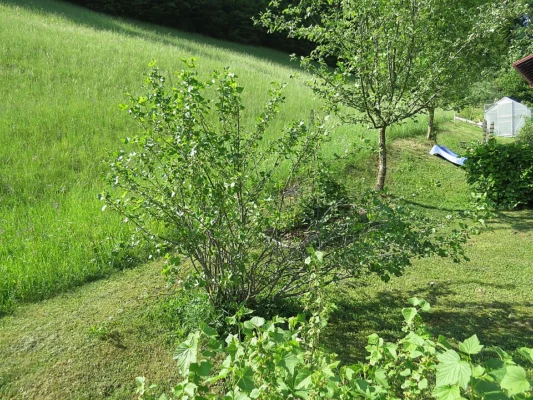
Choose full sun for a useful harvest, or light shade where the garden offers no sunnier option. Avoid deep shade and sites where cold air collects around spring flowers.
Provide soil that holds moisture but drains after rain. Remove perennial weeds before planting and improve poor soil structure with well-rotted organic matter.
Allow roughly 1.5 to 2m between bushes, adjusting for the named selection. Leave additional working room where a fence or fruit cage would restrict access.
For a container trial, choose a less vigorous selection and a large, stable pot with drainage. Use loam-based peat-free compost and expect more watering, feeding and repotting than a planted-out bush needs.
Photo: Johann Jaritz, CC BY-SA 4.0. Resized and optimised; cropped for display. Johann Jaritz / CC BY-SA 4.0
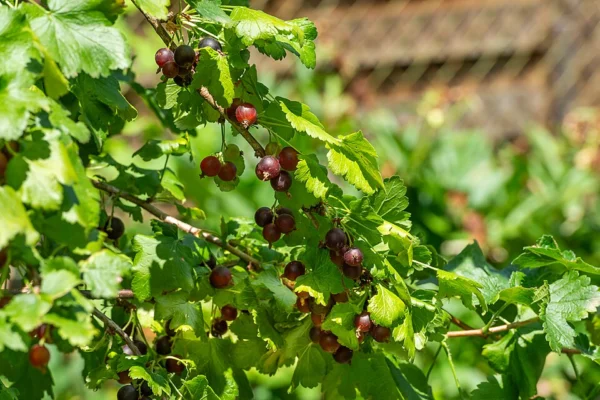
Buy a healthy, clearly labelled bush. Bare-root plants are available while dormant; keep their roots moist until planting.
1.
Compare the available space with the selection’s eventual size. Plan access for picking and pruning.
2.
Plant during the dormant season where possible. Wait if the ground is frozen or waterlogged rather than forcing a planting hole into poor conditions.
3.
Water a potted bush thoroughly, or briefly soak dry bare roots before planting. Keep exposed roots protected from drying wind.
4.
Dig a broad hole that allows roots to spread naturally. Loosen compacted sides and remove perennial weed roots from the surrounding ground.
5.
Follow the nursery’s planting-depth guidance for your bush. For ordinary nursery bushes, the previous soil mark is a useful starting point; do not deeply bury a grafted standard.
6.
Backfill around the roots, firm gently and water well to settle the soil. Check the finished level after watering.
7.
Add a mulch of mature garden compost, leaving the stem bases clear. Keep the root area free of grass and other strong competition.
8.
Follow any initial pruning instructions supplied with the plant. Some dormant bare-root bushes are cut back to encourage new shoots; do not repeat this hard cut annually.

Watering
Give newly planted bushes reliable moisture during dry spells, particularly through their first growing season. Check the root ball itself, which can remain dry beneath a damp soil surface.
Established bushes need less attention, but prolonged drought during fruit development can reduce the crop. Container plants depend on regular checks throughout spring and summer.

Feeding
Refresh the organic mulch annually to support soil structure and moisture retention. Keep it away from the crown rather than piling material against the stems.
Apply a suitable balanced fertiliser in spring where needed, following the label. Feed potted plants as their compost nutrients are used up; excessive feeding is no substitute for light or sensible pruning.

Pruning
Prune in winter while the bush is dormant. Remove dead, damaged and crossing stems, then take out some of the oldest, least productive branches near their origin.
Retain useful younger stems and an open centre. Renew the bush gradually instead of cutting every branch to ground level. Young plants usually need only limited shaping after their initial establishment pruning.

Winter care
Leaf fall is normal for this hardy shrub. Check newly planted bushes after strong winds and firm any loosened roots when the soil is workable.
Clear blocked pot drainage and protect exposed containers during severe weather. Avoid leaving a container standing in a saucer of winter rainwater.
Jostaberry has woody, thornless branches and lobed green leaves. Small spring flowers develop into berries that enlarge and darken through summer, usually becoming purple-black when ripe.
Confirm the nursery label says jostaberry or Ribes × nidigrolaria. Leaf shape alone does not distinguish every Ribes shrub, and photographs here are for a cultivated crop rather than identifying unknown wild fruit.
Photo: Nadiatalent, CC BY-SA 4.0. Resized and optimised; cropped for display. Adapted image under the same licence.
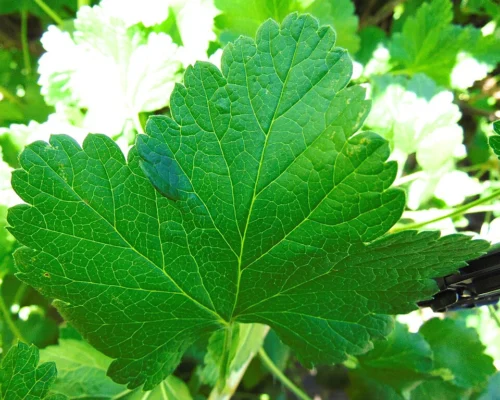
Jostaberry grows outdoors in UK gardens without a greenhouse. A sheltered position helps flowering, and sites prone to late frost may need temporary protection when blossom is vulnerable.
Pick when fruit has reached the variety’s mature colour and flavour, usually in July or August. Dark colour can develop before full sweetness, so sample a ripe berry from your known crop before gathering a large batch.
Handle berries gently and remove stalks and flower remnants before use. Refrigerate for short storage, or freeze a sound washed harvest for later cooking. Use an established recipe when making preserves.
Photo: Oknarf2004, CC BY-SA 4.0. Resized and optimised; cropped for display. Adapted image under the same licence.
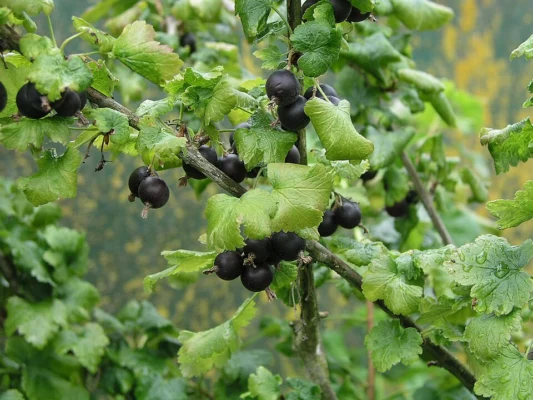
Consider shade, plant age and pruning. Removing too much younger wood can reduce cropping. Open a crowded bush gradually and compare its behaviour with the variety’s description.
Birds often find the fruit first. Pick promptly or use a securely fitted fruit cage. Keep netting taut and inspect it regularly for trapped wildlife.
Branches can overlap as a vigorous bush matures. Remove selected old or crossing stems during winter, preserving healthy replacements instead of trimming the whole outside into a dense ball.
Check moisture around the roots and whether a pot has become root-bound. Water thoroughly when needed and maintain mulch. Persistently wet soil can also damage roots, so inspect before adding more water.
Jostaberry has useful resistance to some currant and gooseberry diseases, but resistance is not immunity. Check the diagnosis, improve growing conditions and seek specific advice if symptoms persist.
Hardwood cuttings are the usual home method. During dormancy, select healthy growth made that year and prepare straight sections around 20cm long, keeping their tops and bases clearly identified.
Insert cuttings into suitable drained ground or compost with buds above the surface. Keep them labelled and moist while roots develop. Seedlings are not a reliable way to reproduce a named selection.
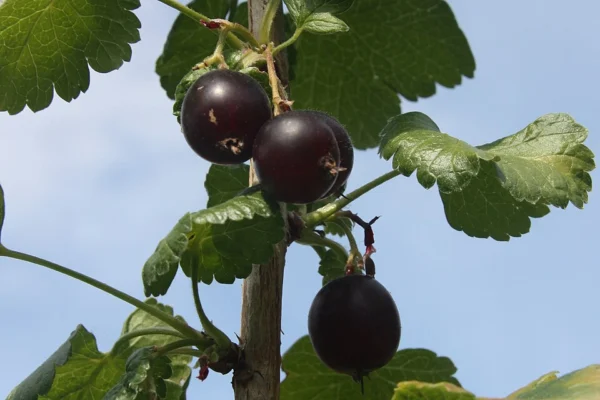
Josta
The familiar vigorous jostaberry type, suited to a roomy fruit garden. Check the supplier’s naming and size guidance, as many plants are sold simply as jostaberry.
Illustrative mature jostaberries; the named selection is unconfirmed.
Photo: Grégoire VINCKE, CC BY-SA 3.0. Resized and optimised; cropped for display. Adapted image under the same licence.
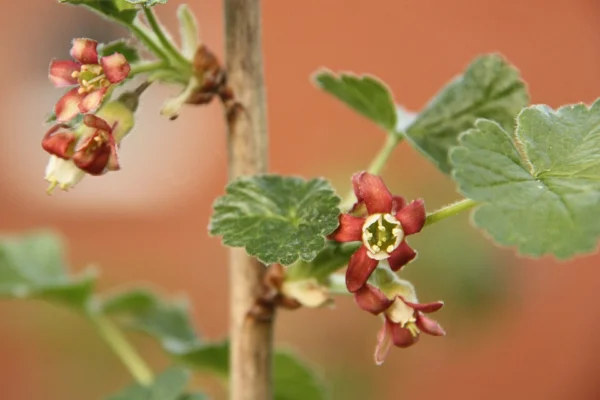
Jodeli
A Lubera selection bred for a more compact bush and sweeter fruit. Its grower describes July ripening; local weather still determines harvest dates.
Jostaberry flowers; not a verified Jodeli plant.
Photo: Grégoire VINCKE, CC BY-SA 3.0. Resized and optimised; cropped for display. Adapted image under the same licence.
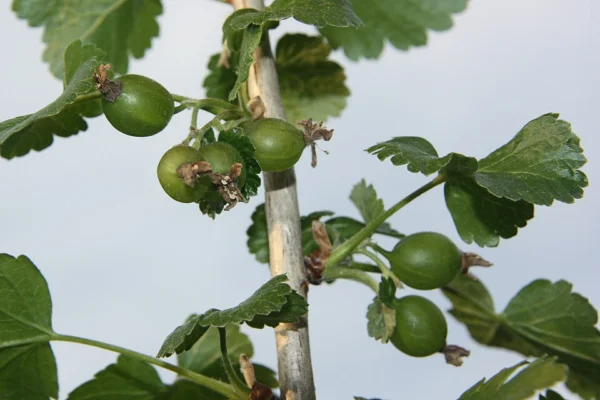
Jofruity
Another Lubera selection, described as compact and relatively early. Its fruit can remain dark red rather than becoming completely black, so retain the variety label.
Illustrative green immature jostaberries; not confirmed Jofruity.
Photo: Grégoire VINCKE, CC BY-SA 3.0. Resized and optimised; cropped for display. Adapted image under the same licence.
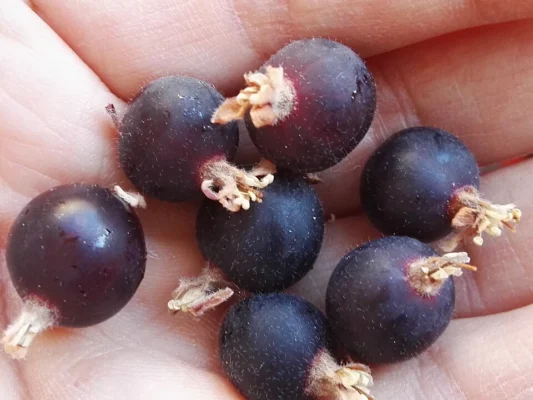
Jogusto
A later selection with stronger growth than the other two Lubera choices. The breeder describes August ripening and a tangier flavour; check local availability.
A harvested jostaberry handful; not verified Jogusto.
Photo: Bärbel Miemietz, CC BY-SA 4.0. Resized and optimised; cropped for display. Adapted image under the same licence.
Compare mature size, flavour and harvest season. Buy a healthy labelled bush and keep the nursery’s establishment and pruning instructions with your garden records.
Allow insects access to spring flowers. If a temporary frost cover is needed overnight, remove it during suitable daytime weather rather than leaving the bush permanently wrapped.
Leave a share of berries for birds if desired, or protect the harvest with well-maintained netting. Check for nesting birds before cutting into a dense shrub.
Published by Buy From Farmers Direct. Sources checked 6 October 2026. Growing references: RHS: Ribes × nidigrolaria plant profile; RHS: winter pruning soft fruit, including jostaberry; Pomona Fruits: gooseberry, currant and jostaberry establishment; RHS: blackcurrant growing methods linked by its jostaberry profile; RHS: planting shrubs; RHS: container growing and aftercare; RHS: hardwood cuttings; Lubera Edibles: breeder descriptions of Jodeli, Jofruity and Jogusto; Lubera Edibles: jostaberry selections. The seasonal timeline uses the shared BFFD Growers Calendar record; adjust timings to your variety and local conditions.
It is a cultivated Ribes hybrid with blackcurrant and gooseberry ancestry. The plant forms a vigorous thornless shrub with summer berries.
No. Jostaberry is self-fertile, so one bush can crop. Good growing conditions and suitable pruning remain important.
Jostaberry is thornless. This makes harvesting easier than on many gooseberries, although its vigorous branches still need space and pruning.
Prune during winter dormancy. Remove damaged and congested growth and some older unproductive stems, retaining younger replacements.
Yes, particularly a compact selection in a large drained container. A vigorous bush is easier to maintain in the ground; pots require reliable watering and feeding.
Usually in July or August. Wait for the selection’s mature colour and flavour; many turn purple-black, while some named selections stay dark red.
Allow a jostaberry room to grow, keep its roots supplied with moisture and renew older branches gradually. A labelled plant makes both pruning and picking more confident.
Explore more growing guides: Cranberry, Goji Berry, Elderberry.
Want to get food independence, support your local grower, get better prices and shop more privately?
Local food isn’t just something you find. It’s something you protect. A free account helps keep local supply visible, supported, and resilient.

….it takes 30 seconds for food lovers and 5 minutes for suppliers
We built this for people who care where their food comes from. For people who want to remain food secure. For Farmers to get to the local people, who deserve a better income and to deliver a better price for you. For the environmentally conscious and the privacy-conscious. An account simply helps us make the map and supplier reach more useful to you, without changing how open it is. You’re always in control.


Find local food. Stay connected to it. Create a free account to support local producers and be part of a growing food network.


