Fresh spinach is a useful crop for a small vegetable bed or a generous patio pot. Pick tender young leaves for salads or let them grow larger for cooking, then return for another modest harvest while the plants remain productive. True spinach, Spinacia oleracea, generally gives its best results in cool spring and autumn conditions. Success comes from matching the variety to the season, sowing manageable batches and keeping the roots supplied with moisture.
Cool season leaves
Repeat small sowings
Pick outer leaves
Keep evenly moist
Protect winter crops
| Botanical name | Spinacia oleracea |
| Family | Amaranthaceae |
| Crop type | Short lived leafy vegetable, usually grown as an annual |
| Edible crop | Young and mature leaves |
| Not the same as | Perpetual spinach, which is leaf beet |
| Typical leafy size | About 20cm to 30cm before flowering |
| Preferred conditions | Cool weather, ideally around 15°C to 20°C |
| Light | Sun, with light shade in warmer weather |
| Winter position | Sunny and sheltered |
| Soil | Fertile, moist and well drained |
| Main spring sowing | March to May |
| Main late sowing | August to September, once excessive heat eases |
| Optional early sowing | February under protection with a suitable variety |
| Typical sowing depth | About 1.5cm to 2.5cm; follow the packet |
| Final spacing | 15cm between plants, 30cm between rows |
| Germination | Often around 10 to 20 days |
| Baby leaf harvest | Sometimes about four weeks in good conditions |
| Mature leaf harvest | Often around eight to ten weeks |
| Container size | At least 30cm wide and deep |
| Main cropping limit | Flowering, often triggered early by stress and long days |
| Plant name | Crop type | Spacing |
Sow indoors
Plant outdoors
Harvest
Polytunnel | |||||||||||
|---|---|---|---|---|---|---|---|---|---|---|---|---|---|---|
| Jan | Feb | Mar | Apr | May | Jun | Jul | Aug | Sep | Oct | Nov | Dec | |||
| Spinach | Salad & leaves | Single 15cm, In row 15cm, Row gap 30cm | Polytunnel | Sow indoors, Polytunnel | Sow indoors, Harvest, Polytunnel | Sow indoors, Plant outdoors, Harvest, Polytunnel | Sow indoors, Plant outdoors, Harvest | Harvest | No activity recorded | Sow indoors | Sow indoors, Plant outdoors, Harvest | Plant outdoors, Harvest, Polytunnel | Harvest, Polytunnel | Polytunnel |
Sow indoors: February, March, April, May, August, September. Plant outdoors: April, May, September, October. Harvest: March, April, May, June, September, October, November. Polytunnel: January, February, March, April, October, November, December.
The calendar combines different sowings, not one plant cropping continuously. March to May and August to September are the main sowing windows, with February an optional protected start. Hardened young plugs can be planted in April and May or September and October. The main harvest band shows April to June and September to November; overwintered crops can also provide leaves in March. Small December to February pickings are possible from established protected plants in mild conditions, but growth is slow, so those months are not shown as a dependable harvest. The October to April protection band covers winter crops and early spring starts. Follow the variety's packet and local weather.
Spinach suits a gardener who can check a crop regularly and pick little and often. A short row or two pots started a few weeks apart can be easier to manage than a whole bed coming ready together.
It is a particularly useful spring and autumn crop. If your plot is hot and dry in midsummer, plan around that season instead of depending on spinach for an uninterrupted summer supply.
Image from the BFFD media library.
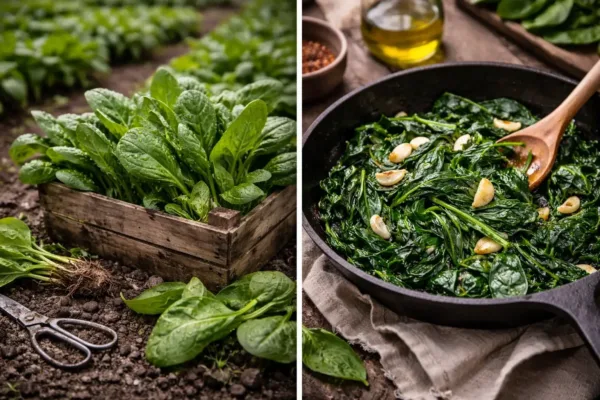
Choose fertile ground that holds moisture but does not remain waterlogged. Incorporate well rotted compost before sowing where soil condition needs improving, and remove weeds that would compete with the young crop.
A sunny position is valuable for autumn and overwintered plants. During warmer spring weather, some light shade can reduce heat stress, particularly where a wall or paving reflects extra heat onto the bed.
A large container at least 30cm wide and deep can support a small crop. Use peat free multipurpose compost and drainage holes, and position the pot where watering is convenient. Larger containers dry out less quickly.
An unheated greenhouse, coldframe or polytunnel can shelter autumn plants and early spring sowings. Provide ventilation on mild days, and avoid crowding plants into a dark, humid corner simply because it is under cover.
Image from the BFFD media library.

Choose seed for the season you want to grow. Direct sowing is usually simplest, while small module grown plants can help with an early start if their roots are handled carefully.
1.
Read the packet for the variety's intended season. Use a winter selection for late summer or early autumn sowing, and delay sowing if the seedbed is still very hot.
2.
Clear the bed of weeds and rake the surface level. Improve poor soil ahead of planting so roots can find both nutrients and a steady supply of moisture.
3.
Mark rows about 30cm apart and make shallow drills, usually 1.5cm to 2.5cm deep according to the packet. Water the drill first if the surface is dry.
4.
Sow seed thinly, cover and firm gently. Label the variety and date so you can compare the performance of spring and autumn batches in your own garden.
5.
Keep the seedbed moist and protect vulnerable seedlings from slugs and birds. Give early outdoor sowings suitable fleece or cloche protection during cold spells.
6.
Thin developing plants to about 7.5cm apart, then use alternate plants as young leaves to leave a final 15cm spacing. Closer baby leaf crops need prompt picking before they become crowded.
7.
If starting in modules, use individual cells and plant while young. Harden plants off, preserve each rootball and set at its original depth, then water gently into the surrounding soil.
8.
Sow another small batch after a few weeks while conditions remain suitable. Pause during unsuitable summer heat and restart with an autumn variety while there is still time for plants to establish before winter.

Watering
Check moisture frequently, especially around seedlings and pots. Water the soil thoroughly when needed so roots stay evenly supplied. Drought can interrupt leaf production and hasten flowering.
Morning watering gives leaves time to dry before night. Direct water towards the soil rather than repeatedly soaking the foliage, and avoid leaving a container standing in a water filled saucer.

Feeding
A short crop in well prepared fertile soil may need little extra feeding. If the soil is poor, use a suitable general fertiliser at its stated rate before sowing rather than applying large amounts to struggling seedlings.
Pots that have supported repeated picking can exhaust their initial nutrients. During active growth, a suitable general liquid feed at the product's labelled rate can help; first check that slow growth is not caused by drought, cold or root problems.

Pruning
Pick a few outer leaves from each established plant and leave its central growing point intact. Spreading the harvest along a row avoids stripping individual plants bare.
Once a plant develops a tall flower stem, its useful leaf season is ending. Remove spent plants and use a fresh sowing for the next crop; cutting off the flower stalk does not reliably restore a long productive life.

Winter care
Establish a hardy autumn variety before short days slow growth. Cover with a cloche or suitable fleece from autumn, or use a greenhouse border or coldframe where the crop remains bright and ventilated.
Pick sparingly through the darkest months and wait for growth to resume before taking more. Do not harvest frozen leaves. Protection helps preserve a crop, but it cannot make an unheated bed grow at a summer rate.
True spinach has green leaves that range from rounded to pointed and from smooth to noticeably crinkled. It forms a low leafy plant before sending up taller stems with small, inconspicuous flowers. Leaf shape and texture depend on the variety.
Perpetual spinach is a form of leaf beet, closely related to chard, and is not Spinacia oleracea. New Zealand spinach and Malabar spinach are different plants too. Check botanical names when buying seed so their separate growing needs are not confused.
Photo: Victor M. Vicente Selvas, CC BY-SA 4.0. Resized and optimised; cropped for display. Adapted image under the same licence.
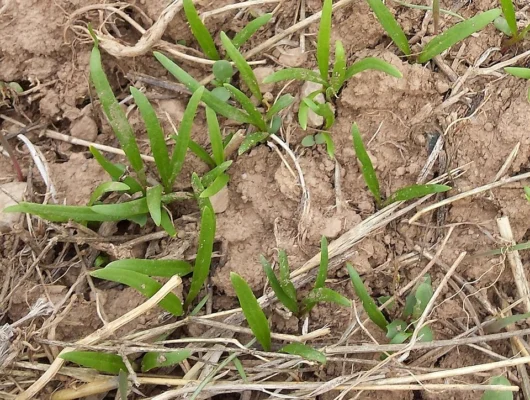
Start picking when plants have enough leaves to retain a useful canopy after harvest. Baby leaves can be ready in about a month in favourable conditions; mature leaves take longer, and cold weather can greatly extend either timescale.
For repeated harvesting, take clean outer leaves or carefully cut an established batch above the growing point. Water afterwards if needed and let fresh growth develop before cutting again. Several small sowings provide a more reliable supply than repeatedly exhausting one batch.
Pick what you need, preferably while leaves are cool, and wash thoroughly before eating. Tender leaves suit salads; larger leaves can be lightly steamed or wilted into dishes. Refrigerate unused leaves promptly and use them while fresh rather than letting a large harvest go to waste.
Photo: Shizhao, CC BY-SA 2.5. Resized and optimised; cropped for display. Adapted image under the same licence.
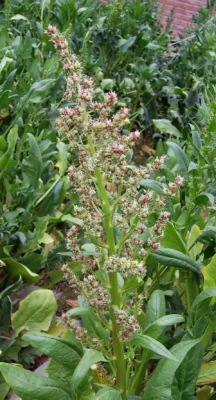
Long days, heat, drought and other checks to growth can trigger bolting. Choose an appropriate variety, sow in cooler seasonal windows and maintain moisture. Replace flowering plants rather than expecting cutting to reverse the change.
Spinach germinates better in cool conditions. If late summer soil remains hot, wait for temperatures to ease, keep the seedbed moist and use a lightly shaded position. Avoid repeated sowings into the same overheated dry patch.
Downy mildew can cause pale or yellow blotches with grey or purple growth beneath. Remove affected material, improve spacing and ventilation, and avoid prolonged wet foliage. Resistance varies with the disease strain and is not a guarantee.
Slugs and snails often feed at night, leaving holes or missing young plants. Inspect on mild damp evenings and target animals damaging the crop. Morning watering and a clear view of the rows make monitoring easier.
Birds may peck seedlings and larger leaves. Protect affected rows with a securely supported cover or taut netting, checking it regularly so wildlife cannot become trapped. Remove unnecessary covering once the risk has passed.
Raise new crops from seed rather than dividing older plants. Fresh sowings let you match the variety to the coming season, and individual modules can be useful when outdoor conditions are temporarily unsuitable.
Saving true spinach seed is a larger project than keeping one bolted plant. It is wind pollinated and commonly has separate male and female plants. Maintain a suitable group, isolate it from other flowering spinach and use an open pollinated selection if you want offspring resembling the parent crop.
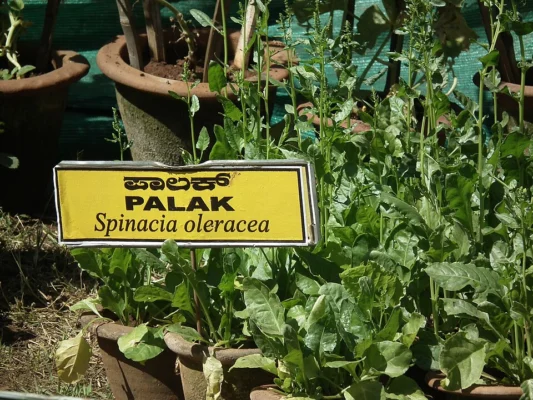
Medania
A traditional choice with rounded, slightly crinkled dark green leaves. It grows relatively steadily and is slow to bolt, making it useful for repeated picking when the season and moisture supply suit spinach.
Labelled spinach plants at a garden display; not verified Medania.
Photo: Rameshng, CC BY-SA 3.0. Resized and optimised; cropped for display. Adapted image under the same licence.
Amazon
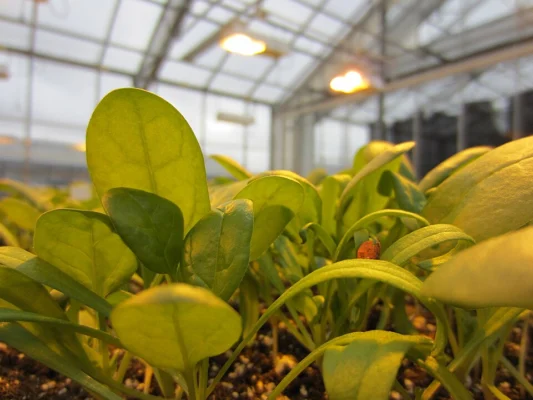
A vigorous selection producing rounded, fairly smooth dark green leaves. It is a useful option where that leaf shape appeals, but the variety still needs suitable sowing dates, moisture and room to grow.
Spinach leaves growing under glass; the variety is not identified as Amazon.
Photo: Lars Mogren (SLU), CC BY-SA 3.0. Resized and optimised; cropped for display. Adapted image under the same licence.
Mikado
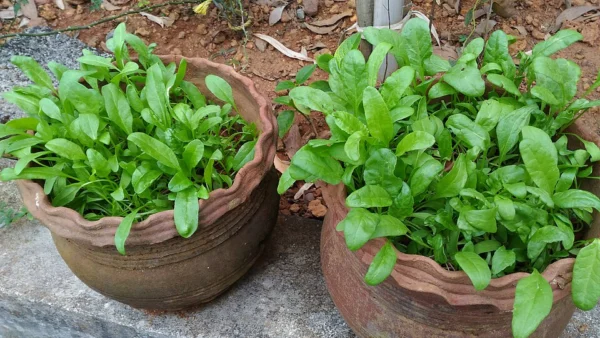
An oriental type with long leaf stalks and side shoots that extend picking opportunities. It is described as slow to bolt and is also known as Oriento. Follow the supplier's seasonal instructions.
Young spinach in terracotta pots; a growing example, not verified Mikado.
Photo: Vijayanrajapuram, CC BY-SA 4.0. Resized and optimised; cropped for display. Adapted image under the same licence.
Giant Winter
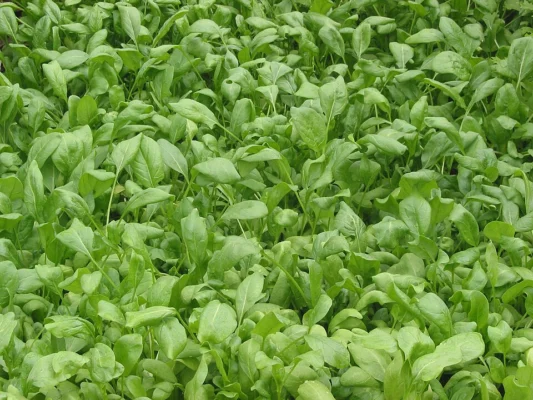
A winter selection with large, pointed, crinkled leaves. Sow in late summer or early autumn for an established cold season crop, protect it where needed and expect slower replacement growth during winter.
A bed of Breedblad scherpzaad spinach; illustrative foliage, not Giant Winter.
Photo: Rasbak, CC BY-SA 3.0. Resized and optimised; cropped for display. Adapted image under the same licence.
Check that the packet says Spinacia oleracea, then compare sowing dates, leaf texture and suitability for overwintering. A spring crop and a winter crop may call for different selections even when they share the same space.
Spinach grown for leaves does not need insect pollination to produce its harvest. Keep flowers elsewhere around the vegetable patch to support pollinators, and leave suitable habitat for ground beetles and other predators.
Protect seedlings where damage is occurring without trying to remove all slugs from the garden. If using netting against birds, support it securely, keep it taut and check often for gaps or trapped wildlife.
Published by Buy From Farmers Direct. Growing guidance reviewed 6 October 2026. The seasonal timeline uses the shared BFFD Growers Calendar record; adjust timings to your variety and local conditions.
No. Perpetual spinach is leaf beet, a type of Beta vulgaris. Ordinary spinach is Spinacia oleracea and has different seasonal growing requirements.
March to May and August to September are useful main windows, using a suitable variety. February sowing needs protection, and a hot late August may justify waiting until the seedbed cools.
An established hardy variety under suitable protection may provide small pickings in mild weather. Growth slows sharply in short cold days, so leave enough foliage and expect a stronger harvest when spring growth resumes.
Spinach naturally flowers as it matures, and long days, heat, drought or growth checks can hasten it. Adjust the sowing season, keep moisture steady and use a suitable slow bolting variety.
Healthy established plants can regrow if their central growing point is left intact. Pick outer leaves or cut carefully above the base, then allow recovery. A flowering or exhausted plant is better replaced.
Yes. Use a pot at least 30cm wide and deep with drainage and peat free compost. Water consistently, avoid a hot midday position in warm weather and sow small batches suited to the season.
Spinach is most rewarding when its growing season matches the weather. Start with a small batch, protect the young leaves and keep the next sowing in mind while the current crop is still producing.
Explore more growing guides: Beetroot, Bok Choy, Chinese Cabbage.
Want to get food independence, support your local grower, get better prices and shop more privately?
Local food isn’t just something you find. It’s something you protect. A free account helps keep local supply visible, supported, and resilient.

….it takes 30 seconds for food lovers and 5 minutes for suppliers
We built this for people who care where their food comes from. For people who want to remain food secure. For Farmers to get to the local people, who deserve a better income and to deliver a better price for you. For the environmentally conscious and the privacy-conscious. An account simply helps us make the map and supplier reach more useful to you, without changing how open it is. You’re always in control.


Find local food. Stay connected to it. Create a free account to support local producers and be part of a growing food network.


