Swedes are a patient crop for autumn and winter meals. They need a long, steady growing season, enough room for their swollen roots and reliable moisture while young. Sow in the right window, thin before the row becomes crowded and plan your brassica protection from the start.
Hardy root crop
Direct sow outdoors
A long growing season
Keep growth steady
Autumn and winter harvest
| Botanical name | Brassica napus, Napobrassica Group |
| Family | Brassicaceae |
| Other name | Rutabaga |
| Crop | Swollen root and lower stem |
| Main sowing | May to June |
| Earlier sowing | April for suitable varieties and conditions |
| Method | Usually direct into the final bed |
| Seed depth | About 2cm, following the packet |
| Final spacing | About 20 to 30cm |
| Rows | About 40cm apart |
| Position | Open and sunny |
| Soil | Fertile, firm and moisture retentive |
| Drainage | Avoid prolonged waterlogging |
| Maturity | Often around 5 to 6 months |
| Harvest | Usually September to February |
| Rotation | Treat as a brassica |
| Watering | Important during establishment and dry spells |
| Protection | Consider fine insect mesh |
| Containers | Less practical than a garden bed |
| Storage | Lift sound roots if winter ground is unsuitable |
| Plant name | Crop type | Spacing |
Sow indoors
Plant outdoors
Harvest
Polytunnel | |||||||||||
|---|---|---|---|---|---|---|---|---|---|---|---|---|---|---|
| Jan | Feb | Mar | Apr | May | Jun | Jul | Aug | Sep | Oct | Nov | Dec | |||
| Swede | Not recorded | 20 to 30cm apart; rows about 40cm | Harvest | Harvest | No activity recorded | Sow indoors | Sow indoors | Sow indoors | No activity recorded | No activity recorded | Harvest | Harvest | Harvest | Harvest |
Sow indoors: April, May, June. Plant outdoors: no months recorded. Harvest: January, February, September, October, November, December. Polytunnel: no months recorded.
The April to June sowing band includes earlier varieties, with May and June the main planning window. This guide uses direct sowing, so transplanting and polytunnel bands are empty. Harvest from September into February depends on variety, sowing date and winter soil conditions; not every root should remain outside for the whole band.
Choose swedes where a bed can remain occupied for much of the growing year. They are useful for households that enjoy storing roots or lifting modest quantities as winter meals require them.
They are less suited to a tiny, frequently replanted patch or a pot that dries rapidly. A short row grown well is more useful than a crowded bed of small, stressed roots.
Photo: Kolforn (Wikimedia), CC BY-SA 4.0. Resized and optimised; cropped for display. Adapted image under the same licence.
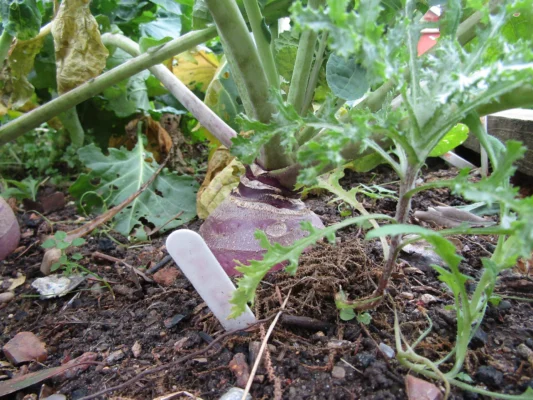
Use open, sunny ground with a history you understand. Include swedes with cabbage, kale and other brassicas in your rotation, even though the harvested part is a root.
Prepare fertile soil before sowing, incorporating mature organic matter where needed. Keep the surface fine enough for small seeds while the ground beneath remains firm and supportive.
Check acidity if brassicas perform poorly, and adjust soil only on the basis of a suitable test and local guidance. Avoid planting in ground known to have clubroot.
Allow access for thinning, watering and inspecting beneath mesh. Leave enough space between rows for mature foliage rather than designing the bed around tiny seedlings.
Photo: Kamil Czaiński, CC BY-SA 4.0. Resized and optimised; cropped for display. Adapted image under the same licence.
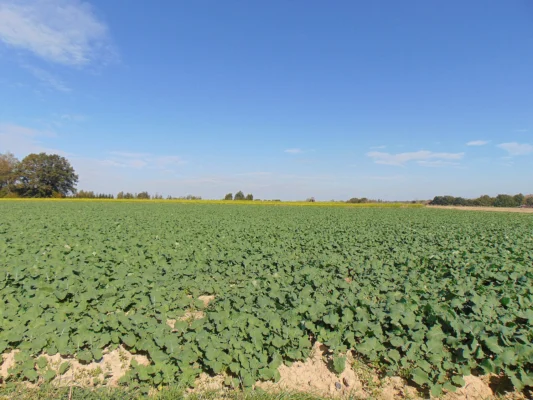
Direct sowing avoids unnecessary disturbance of the developing root. Choose a variety for your soil, disease history and intended harvest season, then keep the young row growing without severe checks.
1.
Choose a named swede variety and read its sowing window. Plan a May or June sowing unless the packet and local conditions support an earlier start.
2.
Clear weeds and prepare the bed in advance. Put any required protective mesh supports in place so coverage can begin as seedlings emerge.
3.
Make shallow drills, commonly around 2cm deep, in moist soil. Space rows about 40cm apart or follow the selected variety’s instructions.
4.
Sow thinly and cover gently. Label the row and water with a fine rose if needed, taking care not to wash seed into clumps.
5.
Maintain moisture during germination. Inspect promptly when seedlings appear, especially where flea beetles or slugs have damaged previous brassica crops.
6.
Thin in stages to leave healthy plants about 20 to 30cm apart. Avoid delaying until roots are already competing and leaves have become tangled.
7.
Keep weeds under control and water through dry spells. Check under covers regularly rather than leaving the crop unseen for weeks.
8.
As roots enlarge, judge the harvest by usable size and condition. Record sowing and lifting dates to improve the timing of the next crop.

Watering
Keep the seedbed moist until plants establish. A dry interruption at this stage can leave uneven germination and patchy growth that is difficult to recover later.
Water during prolonged dry weather so roots swell steadily. Sudden changes from severe dryness to abundant water can contribute to splitting.

Feeding
Prepare the bed with appropriate fertility before sowing. A healthy crop needs balanced growth rather than repeated strong nitrogen feeds that produce excessive leaves.
If growth slows, check moisture, crowding and roots before feeding. Nutrients cannot overcome clubroot or a row that has been left too tightly packed.

Pruning
There is no routine pruning. Keep healthy foliage so the plant can build its root, and remove damaged leaves only when doing so helps hygiene or inspection.
Weed shallowly near the row to avoid root damage. Do not earth up carelessly over the crown merely because the upper part of a swede is visible.

Winter care
Hardy roots can often stay in suitable ground and be lifted as required. Harvest before soil becomes persistently waterlogged or so frozen that digging will damage the crop.
For storage, lift carefully and keep only sound roots in cool suitable conditions. Inspect regularly and use damaged roots promptly rather than mixing them into the long term store.
Swedes form a substantial rounded swelling with a leafy crown and often a purple or green shoulder above paler skin. Many varieties have yellow flesh, although appearance alone is not a dependable variety label.
Turnips are related but distinct and generally offer a quicker crop. Keep seed packets and labels so a regional common name such as turnip or neep does not confuse the growing schedule.
Photo: Kolforn (Wikimedia), CC BY-SA 4.0. Resized and optimised; cropped for display. Adapted image under the same licence.
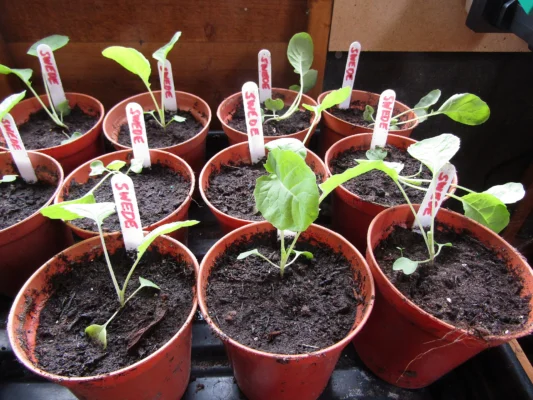
Cool, reasonably moist conditions suit this long crop. In a dry eastern garden, reliable establishment watering can matter as much as the calendar date.
In colder districts, allow enough summer growing time for roots to reach useful size before winter. Do not assume a very late sowing will simply catch up.
Begin lifting when roots are large enough for the kitchen. Smaller sound swedes are often preferable to leaving every plant until it becomes oversized, woody or damaged.
Photo: Kolforn (Wikimedia), CC BY-SA 4.0. Resized and optimised; cropped for display. Adapted image under the same licence.
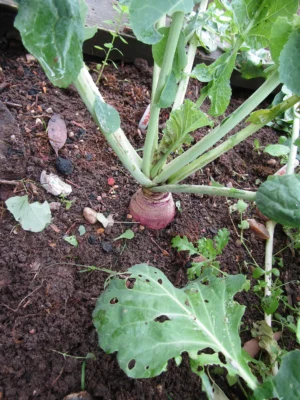
Flea beetles are a frequent cause. Protect young plants with suitable fine mesh and maintain steady growth while the seedlings are most vulnerable.
Clubroot is a possible cause. Check affected roots and avoid spreading contaminated soil. Resistant varieties can help but do not remove the disease from the ground.
Erratic moisture and overmaturity can contribute. Water steadily in dry weather and harvest useful roots before they become excessively large.
Check late sowing, close spacing, weeds and drought. Swedes need months of active growth, not just a brief gap before winter.
Age, stress and variety can affect eating quality. Lift at a useful kitchen size and review timing instead of measuring success only by the largest root.
Sow fresh, well stored seed for each new crop. Direct sowing into the final bed is the straightforward approach for most small gardens.
Saving seed requires plants to flower in a later season and careful attention to crossing with related crops. Buying labelled seed is simpler when disease resistance and predictable roots matter.
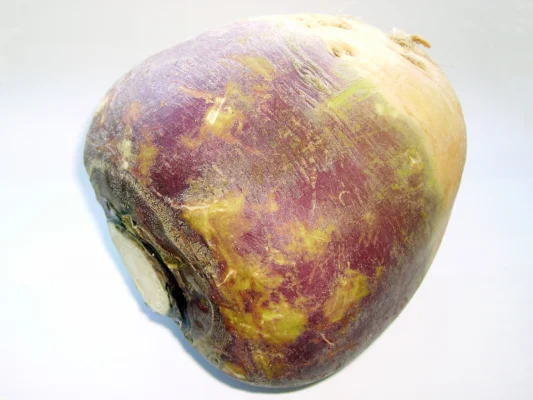
A reliable maincrop choice
Select a variety recommended for your growing conditions and normal sowing window. Keep the label so you can compare quality and harvest timing next year.
A harvested swede root. The cultivar is not identified.
Photo: Garitzko, Public domain. Resized and optimised; cropped for display.
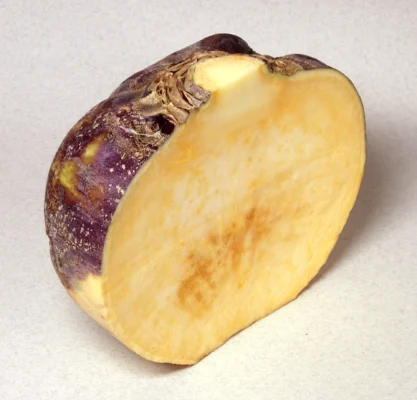
Disease resistance where needed
If clubroot has affected the plot, investigate specifically resistant selections and wider soil hygiene. Resistance should not be treated as immunity.
Cut swede showing yellow flesh; appearance does not establish disease resistance.
Photo: Rainer Zenz; brightened by Kittycataclysm, CC BY-SA 3.0. Resized and optimised; cropped for display. Adapted image under the same licence.
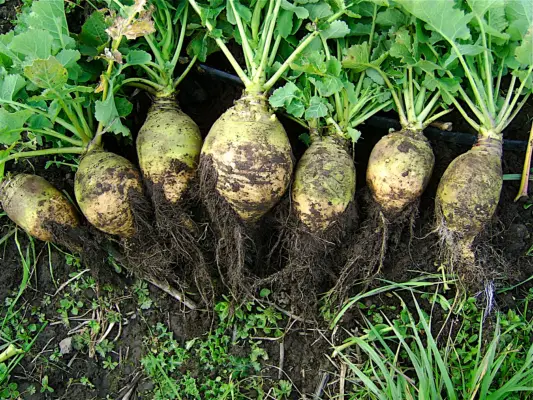
Roots for earlier kitchen use
Choose an appropriate maturity description if you want to start lifting in autumn. The sowing date still needs to leave enough growing time.
Freshly lifted swedes. Harvest timing depends on the variety and sowing date.
Photo: Seedambassadors, CC BY-SA 3.0. Resized and optimised; cropped for display. Adapted image under the same licence.
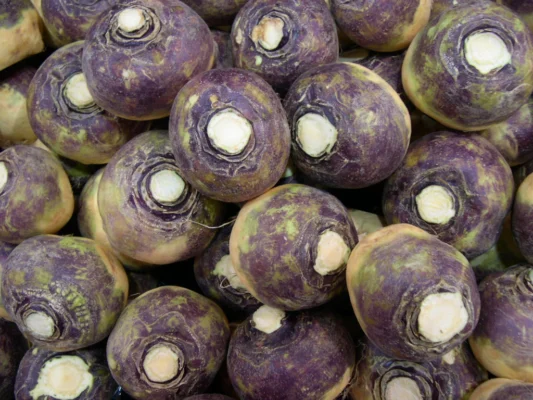
Roots for winter holding
Compare varieties for flavour and their ability to stand or store. Plan the harvest around your soil and kitchen demand, rather than leaving the whole row indefinitely.
Harvested swedes with trimmed tops. Inspect roots individually before storage.
Photo: pin add, CC BY 2.0. Resized and optimised; cropped for display.
Match the number of plants to the meals you expect to cook. Leave proper spacing and decide whether the roots will stand in the bed or need lifting for storage.
Protect the vulnerable young crop with well fitted mesh where necessary, checking for insects trapped underneath. Keep the fabric clear of leaves as plants grow.
Inspect leaf damage before acting. A few nibbles on a large healthy plant need a different response from rapid loss of an entire seedling row.
Published by Buy From Farmers Direct. Growing guidance reviewed 7 October 2026. The seasonal timeline uses the shared BFFD Growers Calendar record; adjust timings to your variety and local conditions.
May to June is the main window used here, with April possible for suitable varieties and conditions. Follow the seed packet and allow a long growing season.
No. They are related brassicas but have different growth rates and kitchen qualities. Swedes are also called rutabagas or, regionally, neeps.
Usually not. Direct sowing is the simplest method and avoids disturbing the developing roots.
Around 20 to 30cm between plants, with rows about 40cm apart, is a practical guide. Adjust to the variety and intended root size.
Often in suitable soil, but lift before prolonged waterlogging, severe freezing or deterioration damages them. Stored sound roots provide another option.
Brassicas, alongside crops such as cabbage and kale. Harvesting a root does not change their plant family.
Swedes reward a timely sowing and steady summer growth. Give them room, protect the young row and lift for good kitchen quality rather than waiting for the largest possible root.
Explore more growing guides: Turnip, Turnip (Multi sown), Kohlrabi.
Want to get food independence, support your local grower, get better prices and shop more privately?
Local food isn’t just something you find. It’s something you protect. A free account helps keep local supply visible, supported, and resilient.

….it takes 30 seconds for food lovers and 5 minutes for suppliers
We built this for people who care where their food comes from. For people who want to remain food secure. For Farmers to get to the local people, who deserve a better income and to deliver a better price for you. For the environmentally conscious and the privacy-conscious. An account simply helps us make the map and supplier reach more useful to you, without changing how open it is. You’re always in control.


Find local food. Stay connected to it. Create a free account to support local producers and be part of a growing food network.


