Bedding verbenas produce clusters of brightly coloured flowers for pots, hanging baskets and sunny border edges. Upright and trailing selections behave differently, so choose the habit as well as the colour. Although many are botanically perennial, UK gardeners usually treat them as frost-tender seasonal plants. Keep them bright, regularly watered and free of stale flower clusters for the longest useful display.
Sunny summer bedding
Upright or trailing choices
Protect from frost
Useful in pots and baskets
Regular moisture and feeding
| Botanical identity | Verbena × hybrida and related bedding hybrids |
| Family | Verbenaceae |
| Plant type | Tender perennials commonly grown as annual bedding |
| Typical height | 15 to 40cm, by selection |
| Typical spread | 25 to 60cm, upright or trailing |
| Main flowering season | Early summer to frost |
| Light | Full sun |
| Soil | Fertile, freely draining compost or soil |
| Soil reaction | Broad garden tolerance |
| Winter behaviour | Frost tender |
| Main planting window | Late May to June after frost |
| Seed route | January to March for seed strains |
| Pruning approach | Deadhead and lightly trim tired shoots |
| Propagation | Seed strains or cuttings |
| Container suitability | Excellent for pots and baskets |
| Watering priority | Regular container moisture |
| Feeding priority | Measured feeding through flowering |
| Wildlife value | Accessible flowers receive pollinator visits |
| Main use | Summer bedding and trailing colour |
| Important distinction | Annual verbena means tender bedding hybrids treated as annuals, not the taller perennial Verbena bonariensis covered separately. |
| Plant name | Crop type | Spacing |
Sow indoors
Plant outdoors
Harvest
Polytunnel | |||||||||||
|---|---|---|---|---|---|---|---|---|---|---|---|---|---|---|
| Jan | Feb | Mar | Apr | May | Jun | Jul | Aug | Sep | Oct | Nov | Dec | |||
| Verbena (Annual) | Not recorded | Single 25cm, In row 25cm, Row gap 30cm | Sow indoors, Polytunnel | Sow indoors, Polytunnel | Sow indoors, Polytunnel | Polytunnel | Plant outdoors, Polytunnel | Plant outdoors | No activity recorded | No activity recorded | No activity recorded | No activity recorded | No activity recorded | No activity recorded |
Sow indoors: January, February, March. Plant outdoors: May, June. Harvest: no months recorded. Polytunnel: January, February, March, April, May.
January to March sowing applies only to suitable seed strains with warmth and strong light available. Plant hardened plants outdoors in May to June after local frost risk. The January to May cover band protects seedlings and early plugs; an unheated tunnel may still need frost protection. Harvest remains empty because these low bedding plants are grown for display, not a routine cutting or food crop. These month bands are planning windows for a typical UK garden; local frost, altitude, exposure and the season can move the work. Check the plant or seed label before using an optional route.
Bedding verbena suits sunny pots, basket edges and low summer colour around a patio. Trailers soften a container rim while compact upright forms fill the centre or border front.
It is a useful seasonal choice where fresh plants can be raised or bought each spring. Overwintering selected cuttings is optional and needs suitable indoor growing space.
Photo: Микола Василечко, CC BY-SA 4.0. Resized and optimised; cropped for display. Adapted image under the same licence.

Choose full sun for strong flowering and avoid dense shade under roof overhangs. A basket can be sheltered from rain yet still exposed to drying wind.
Use drained, reasonably fertile soil or good peat-free container compost. Water retention matters in summer, but roots must not remain permanently saturated.
Allow roughly 25cm for medium bedding plants, following the cultivar’s spread in a mixed pot. Crowding all the available space immediately reduces airflow later. Match the vigour of neighbouring basket plants. A fast-growing trailer can cover a small upright verbena and make it look unproductive even when its roots are healthy. Leave each component a route towards the light.
Place baskets where they can be watered safely and checked closely. A display too high to inspect is difficult to keep healthy during hot weather.
Photo: Salicyna, CC BY-SA 4.0. Resized and optimised; cropped for display. Adapted image under the same licence.

Begin with correctly labelled annual bedding verbena and decide where the mature plant will fit. Preparing the growing space before buying makes the first season easier, especially when young plants need prompt attention.
1.
Choose upright or trailing plants according to their role in the display.
2.
If sowing, use a suitable seed strain and follow its temperature, covering and light requirements.
3.
Grow small plugs on in fresh compost rather than placing tiny roots directly into an exposed basket. Very small plugs contain little compost and can dry rapidly before the final basket is planted. Check them on arrival and pot them on promptly if the outdoor date is still several weeks away.
4.
Keep young plants bright and frost free, spacing pots as their leaves begin to touch.
5.
Harden plants off gradually before outdoor planting after local frost risk has passed.
6.
Plant at the previous compost level, leaving space for each cultivar’s mature spread.
7.
Water thoroughly and arrange access for regular moisture checks throughout summer.
8.
Remove faded clusters and monitor shoot tips so a tired display can be refreshed promptly.

Watering
Container verbenas need regular water while growing and flowering. Check the actual compost, particularly in baskets where foliage can divert rain away from the rootball.
Water thoroughly enough to moisten the roots and let excess drain. Repeated small splashes can leave the lower compost dry while the surface appears damp.

Feeding
Fresh compost provides an initial nutrient supply. Once this declines, feed container plants with a suitable measured product according to its label.
Avoid combining several strong feeds or using extra nitrogen to compensate for shade. Flower production depends on adequate light, healthy roots and steady moisture together.

Pruning
Remove faded flower clusters to keep plants tidy and encourage continued growth. Trim overly long or exhausted shoots lightly rather than letting them form a bare tangled curtain.
After trimming, support recovery with appropriate water and light. Do not severely cut a badly stressed dry plant and expect an immediate flush without correcting its root conditions. Work on part of a large mixed container at a time if you want to keep some colour throughout the refresh. Remove clippings from among the remaining stems so damp spent material does not accumulate inside the planting.

Winter care
Most bedding displays finish when frost arrives and are cleared. Healthy selected plants can provide cuttings before the cold, if you have space to keep them frost free.
Overwintered cuttings need bright conditions, airflow and restrained watering. Keeping a large tired basket in a dark warm room is rarely an efficient way to preserve a selection.
Bedding verbenas carry small flowers in flattened or rounded clusters above toothed leaves. Habits range from compact mounds to spreading trailers.
They differ from the tall airy stems of Verbena bonariensis and from culinary lemon verbena. A shared common name does not imply the same lifespan, hardiness or use.
Photo: Salicyna, CC BY-SA 4.0. Resized and optimised; cropped for display. Adapted image under the same licence.
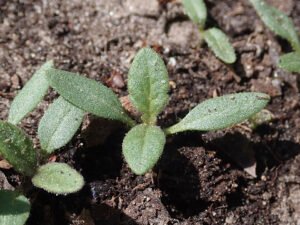
Wait for local frost safety before hanging a basket outdoors permanently. Retail availability in early spring does not mean the plants can tolerate a cold night.
During heatwaves, check pots early and water before severe wilting occurs. Move a vulnerable basket temporarily out of drying wind if its roots cannot keep up.
This guide treats bedding verbena as ornamental. Flower displays, seed packets and cuttings should not be confused with edible herbs or medicinal preparations.
Photo: Salicyna, CC BY-SA 4.0. Resized and optimised; cropped for display. Adapted image under the same licence.

Powdery mildew can develop with stress and poor airflow. Space plants, maintain root moisture and remove badly affected tired growth where appropriate.
Check light, faded heads and feeding balance. A shaded or overfed plant may remain leafy without producing the expected colour.
Crowding, shade and age can create straggly growth. Light trimming and better conditions may help while plants remain vigorous.
Saturated roots may be damaged. Check drainage and compost before watering again; wilting does not always mean thirst.
Aphids or other pests may affect soft growth. Identify them, inspect for natural predators and treat only the actual problem rather than spraying routinely.
Seed is useful for varieties specifically sold as seed strains. Named vegetatively propagated bedding cultivars may not come true or may not produce useful seed.
Take healthy non-flowering tip cuttings in late summer for an optional winter stock of a favourite plant. Root them under suitable conditions and keep them bright and frost free.
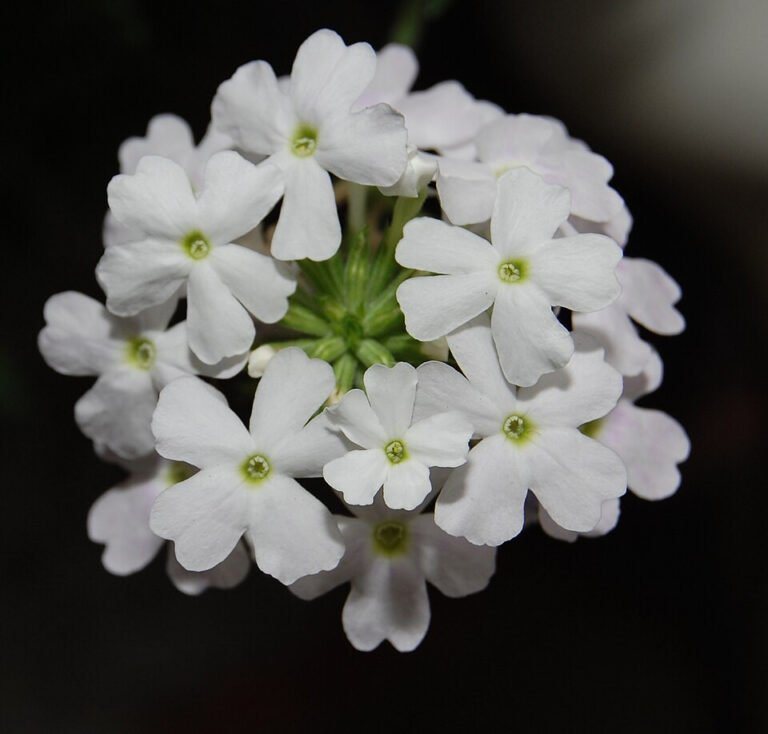
Compact seed mixtures
Useful for low bedding or container centres. Colours and height depend on the particular strain, so read the packet rather than assuming every mixture trails.
White bedding verbena shown for comparison; the seed mixture is not authenticated.
Photo: Jwitos, CC BY-SA 3.0. Resized and optimised; cropped for display. Adapted image under the same licence.

Trailing basket selections
Choose these for spill-over growth at container edges. Allow room for the spread and plan how the basket will be watered.
White bedding verbena flowers shown for comparison; a trailing basket habit is not established by this photograph.
Photo: Микола Василечко, CC BY-SA 4.0. Resized and optimised; cropped for display. Adapted image under the same licence.

Upright named cultivars
These make a tidier mound where a trailing curtain is unwanted. Buy labelled plants for a specific colour or habit.
Bedding verbena shown for comparison; a named upright cultivar is not authenticated.
Photo: Kızıl, CC BY-SA 4.0. Resized and optimised; cropped for display. Adapted image under the same licence.

Bicoloured bedding selections
Contrasting centres and petals add detail close to a path or seat. Photographs of generic verbena cannot authenticate a named colour selection.
Bicoloured bedding verbena with red and pale petals; the cultivar name is not authenticated.
Photo: Kızıl, CC BY-SA 4.0. Resized and optimised; cropped for display. Adapted image under the same licence.
Compare the mature size, growing requirements and season of interest before choosing annual bedding verbena. Buy clearly labelled, healthy stock and prepare its position in advance. A plant suited to the available light and soil is easier to establish and maintain.
Accessible verbena flowers may receive visits from bees, butterflies and other insects. Leave some clusters open and avoid unnecessary treatments during flowering.
A summer container contributes for only part of the year. Add other seasonal flowers nearby so insect visitors have more than one short-lived food source.
Published by Buy From Farmers Direct. Growing guidance reviewed 11 October 2026. The seasonal timeline uses the shared BFFD Growers Calendar record; adjust timings to your variety and local conditions.
Many bedding hybrids are tender perennials grown as annuals because they do not reliably survive UK frost.
After local frost risk, usually in late May or June, following gradual hardening off.
Some cultivars do and others form upright mounds. Choose the stated habit rather than relying on flower colour.
Removing tired clusters helps maintain the display; lightly trim straggly shoots while growth is still healthy.
Selected cuttings can be kept in bright frost-free conditions. It is optional, and fresh spring plants are often simpler.
No. This guide covers tender bedding hybrids; tall border species such as V. bonariensis have different habits and winter care.
Give annual bedding verbena an appropriate position, establish it carefully and adjust care to the weather. Keep a simple note of flowering and any problems so that next year’s planting decisions reflect what actually succeeds in your garden.
Explore more growing guides: Verbena (Perennial), Viola, Zinnia.
Want to get food independence, support your local grower, get better prices and shop more privately?
Local food isn’t just something you find. It’s something you protect. A free account helps keep local supply visible, supported, and resilient.

….it takes 30 seconds for food lovers and 5 minutes for suppliers
We built this for people who care where their food comes from. For people who want to remain food secure. For Farmers to get to the local people, who deserve a better income and to deliver a better price for you. For the environmentally conscious and the privacy-conscious. An account simply helps us make the map and supplier reach more useful to you, without changing how open it is. You’re always in control.


Find local food. Stay connected to it. Create a free account to support local producers and be part of a growing food network.


