Violas bring small, characterful flowers to pots, border edges and gaps around spring bulbs. Many flower generously in cool weather, and some perennial forms can be kept through more than one season with trimming and division. Choose a strain for the intended season: an autumn-planted winter bedding viola and a perennial horned violet do not follow exactly the same calendar. Keep their shallow roots from drying out.
Small colourful flowers
Good for pots and edges
Enjoy cooler conditions
Deadhead regularly
Check the strain’s season
| Botanical identity | Viola cornuta and small-flowered garden hybrids |
| Family | Violaceae |
| Plant type | Perennial or seasonal bedding plant, by selection |
| Typical height | 10 to 25cm |
| Typical spread | 15 to 30cm or more |
| Main flowering season | Spring to autumn; winter strains in mild spells |
| Light | Sun or partial shade |
| Soil | Fertile, humus-rich, moist but drained |
| Soil reaction | Broad tolerance |
| Winter behaviour | Varies by selection; hardy types commonly grown outdoors |
| Main planting window | March to April or September to October |
| Seed route | Summer for autumn planting; spring route varies |
| Pruning approach | Deadhead and trim vigorous tired plants |
| Propagation | Seed, division or cuttings by type |
| Container suitability | Excellent in small seasonal containers |
| Watering priority | Prevent dry roots, especially in pots |
| Feeding priority | Moderate container feeding |
| Wildlife value | Accessible flowers for insects |
| Main use | Edging, pots and ornamental flower colour |
| Important distinction | This guide covers small-flowered garden violas, especially Viola cornuta and hybrids; native violets and large-flowered pansies have related but distinct identities. |
| Plant name | Crop type | Spacing |
Sow indoors
Plant outdoors
Harvest
Polytunnel | |||||||||||
|---|---|---|---|---|---|---|---|---|---|---|---|---|---|---|
| Jan | Feb | Mar | Apr | May | Jun | Jul | Aug | Sep | Oct | Nov | Dec | |||
| Viola | Not recorded | Single 20cm, In row 20cm, Row gap 25cm | No activity recorded | No activity recorded | Plant outdoors | Plant outdoors | No activity recorded | Sow indoors | Sow indoors | No activity recorded | Plant outdoors | Plant outdoors | No activity recorded | No activity recorded |
Sow indoors: June, July. Plant outdoors: March, April, September, October. Harvest: no months recorded. Polytunnel: no months recorded.
June to July sowing is a practical route for suitable autumn-planted bedding strains, with September to October planting while young plants can establish. March to April is an alternative planting window for ready-grown stock. Follow packet instructions for other strains and perennial species. Harvest is empty because this guide recommends ornamental use, and established suitable plants need no routine tunnel band. These month bands are planning windows for a typical UK garden; local frost, altitude, exposure and the season can move the work. Check the plant or seed label before using an optional route.
Violas suit close-view planting near doors, steps and seats, where small markings and colour combinations can be appreciated. Their scale also works around spring bulbs without hiding the bulb flowers.
Perennial forms can make attractive low edging, while seasonal bedding plants are useful for refreshing containers. Match the chosen strain to the intended flowering period instead of expecting every viola to bloom all year.
Photo: Matti Paavonen, CC BY-SA 4.0. Resized and optimised; cropped for display. Adapted image under the same licence.
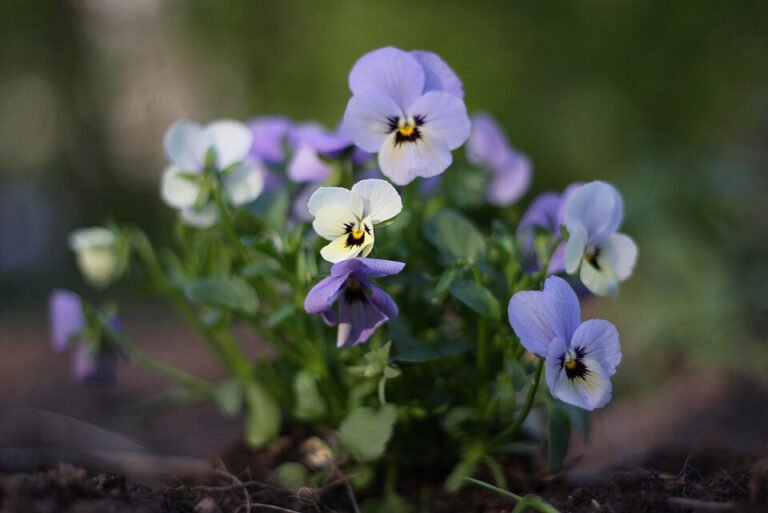
Choose sun or partial shade. In hot dry summers, some protection from the strongest afternoon sun can help foliage and flowers remain fresh. In a mixed container, consider how the light will change when taller bulbs or spring plants develop leaves. A viola that starts in full light can later be shaded by its companions and become stretched.
Provide fertile humus-rich soil with steady moisture and drainage. A shallow pocket beside warm paving may dry much faster than a nearby border.
Allow about 20cm between medium bedding plants, adjusting for spreading perennial forms. Give each crown room rather than forcing an instant solid carpet.
Use drained pots and fresh peat-free compost. Small containers are attractive for violas but need frequent checks because their moisture reserve is limited.
Photo: Dat doris, CC BY-SA 4.0. Resized and optimised; cropped for display. Adapted image under the same licence.
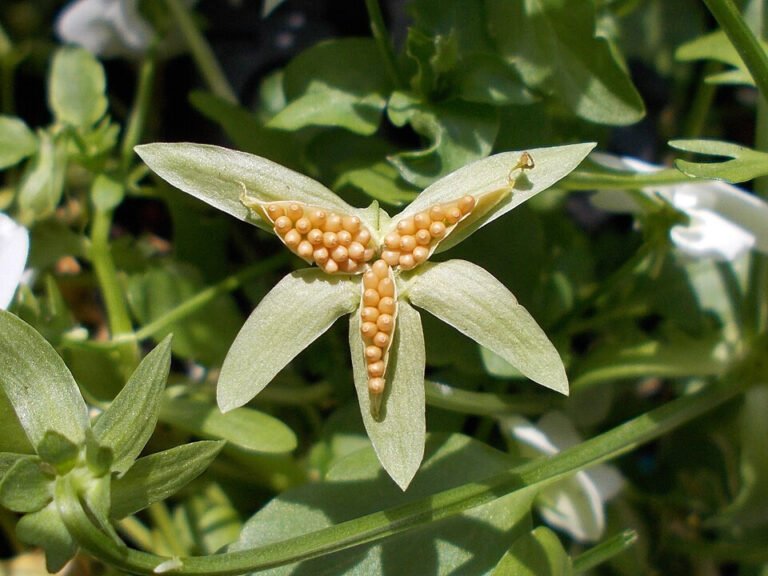
Begin with correctly labelled viola and decide where the mature plant will fit. Preparing the growing space before buying makes the first season easier, especially when young plants need prompt attention.
1.
Choose a viola strain for winter bedding, spring colour or perennial edging, reading the stated season.
2.
If sowing, follow the packet’s temperature and covering instructions rather than assuming tiny seeds should be deeply buried.
3.
Grow seedlings with good light and enough space to avoid weak crowded growth.
4.
Harden protected plants off before putting them into their final outdoor position.
5.
Plant at their previous soil level, leaving the crown clear and allowing the expected spread.
6.
Water in carefully and check the original rootball during the first dry spell.
7.
Remove faded flowers regularly by taking the small flower stalk as well as the spent face. Pinch off the flower stalk below the faded head rather than removing petals alone. Check for developing seed capsules at the same time, especially where a pot is being maintained for continuous ornamental colour.
8.
Trim or replace tired plants according to their type, retaining healthy perennial material for division where appropriate.

Watering
Keep roots moist enough for steady flowering. Violas often show stress quickly in small pots, especially during bright windy spring weather.
Water at compost level where practical and allow drainage. Constantly wet foliage and crowded stagnant growth can make leaf problems harder to manage.

Feeding
Reasonably fertile garden soil is usually suitable. Prepare poor ground sensibly rather than relying on strong feeds after plants have already become stressed.
Container plants may need modest feeding as compost nutrients decline. Follow the product rate and avoid feeding a dry rootball before restoring moisture.

Pruning
Deadhead regularly to maintain a fresh display and limit seed formation. Remove damaged leaves selectively so the centre remains open and inspectable.
Vigorous perennial violas can be trimmed after a flowering flush to encourage compact fresh growth. Do not expect a spent seasonal plant to recover indefinitely from repeated hard cutting. Leave enough healthy foliage for recovery and water appropriately after trimming. A vigorous perennial in good conditions is a better candidate than a badly diseased or drought-exhausted bedding plant approaching the end of its season.

Winter care
Hardy bedding selections and suitable perennial violas commonly stay outdoors, though flowering may pause during severe cold. This is not necessarily a sign the plant has died.
Check pots for drainage and frost-heaved roots. Very small late-raised plants need more shelter while establishing than robust autumn-planted stock.
Viola flowers have five petals with a characteristic face and a rear spur; leaves and flower size vary with the species and hybrid.
Viola cornuta is the horned violet, associated with a conspicuous long spur. Large pansies and native woodland violets are relatives, but photographs should not be relabelled indiscriminately between them.
Photo: Wilhelm Zimmerling PAR, CC BY-SA 4.0. Resized and optimised; cropped for display. Adapted image under the same licence.
Autumn planting gives winter bedding plants time to root before growth slows. Planting a tiny plug into cold wet compost late in winter is a less dependable route.
Cool spring conditions often produce a better display than midsummer heat. Refresh a tired pot or move it to light shade rather than applying ever stronger feed.
Only use flowers for food when exact edible identity and food-safe production are established separately. This ornamental guide provides no edible-flower harvest band.
Photo: Xemenendura, CC BY 3.0. Resized and optimised; cropped for display.
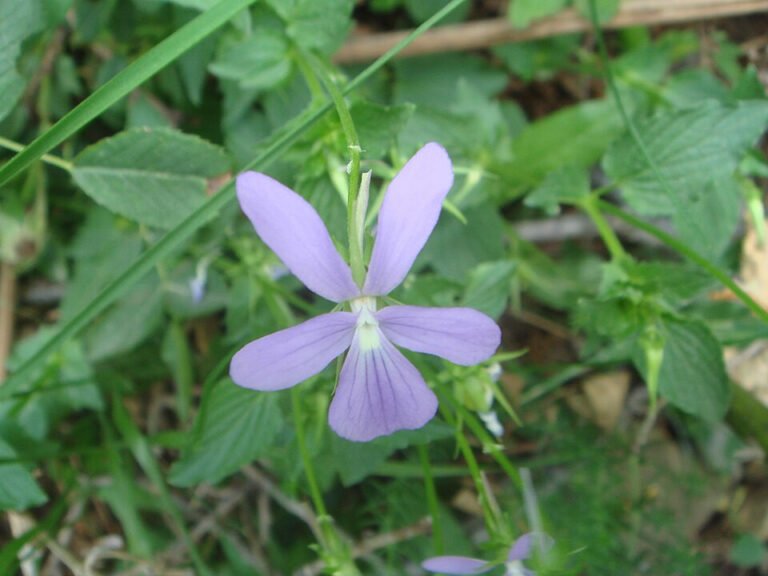
Check the rootball for drying, including beneath dense foliage. Water thoroughly if dry and consider a larger container for a long display.
Pansy leaf spot and other problems can occur. Remove badly affected material, avoid crowding and seek identification if symptoms spread rapidly.
Hot weather and dry roots can interrupt flowering. Provide suitable moisture and some afternoon shade where practical.
Slugs and snails may damage plants. Inspect sheltered pots and protect vulnerable young stock without automatically treating every minor hole.
Age, shade and crowding can produce stretched growth. Trim suitable vigorous perennial forms or replace exhausted bedding plants.
Raise suitable bedding strains from seed according to their season and packet instructions. Seed from garden hybrids can vary, so it may not reproduce a particular flower face or colour.
Divide established perennial forms in spring or autumn, or use appropriate cuttings for a named selection. Keep healthy pieces moist while they establish their own roots. Keep the label with each division if several colours are planted together. Flowering faces are easy to distinguish in spring, but vegetative pieces can look similar when the time comes to move or share them.
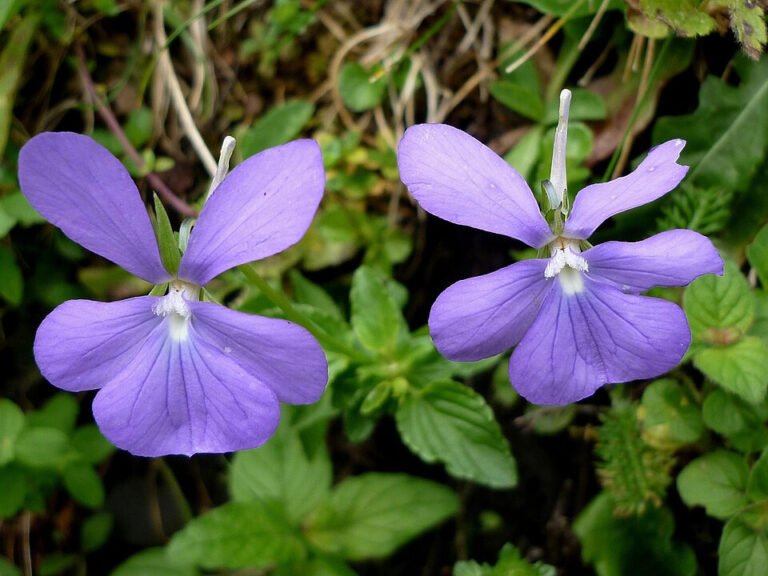
Viola cornuta species
A perennial horned violet with small flowers and a spreading habit. Useful for edging where its growing conditions can be maintained.
Source identified Viola cornuta flowers.
Photo: Isidre blanc, CC BY-SA 4.0. Resized and optimised; cropped for display. Adapted image under the same licence.
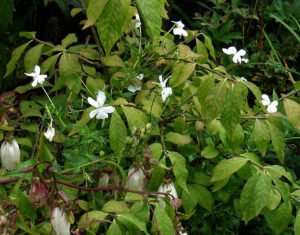
Alba Group
White-flowered horned-violet selections provide a light effect in mixed planting. Confirm the exact nursery name and do not infer identity from colour alone.
Source identified Viola cornuta alba Pygmaea illustrates a white flowered choice.
Photo: peganum from Small Dole, England, CC BY-SA 2.0. Resized and optimised; cropped for display. Adapted image under the same licence.
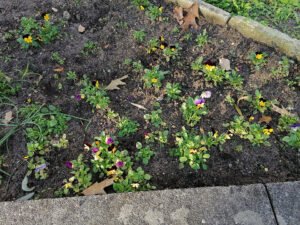
Winter bedding hybrids
Selected for cool-season displays and available in many colours. Establish them in autumn and expect flowering to respond to winter weather.
Autumn bedding violas shown for comparison; the exact winter bedding hybrid strain is not authenticated.
Photo: Wilhelm Zimmerling PAR, CC BY-SA 4.0. Resized and optimised; cropped for display. Adapted image under the same licence.
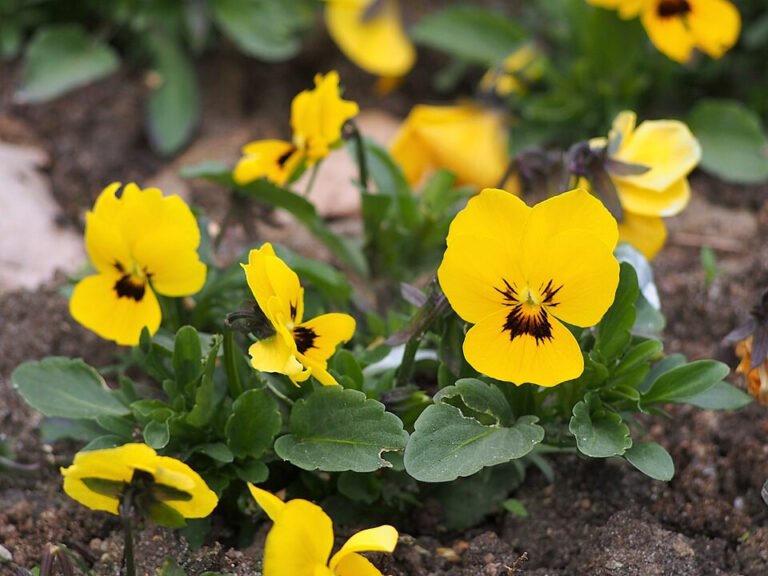
Compact summer bedding strains
Useful for short seasonal pots and edges. Check their intended sowing date and heat tolerance rather than applying the winter-strain calendar automatically.
Source identified Deltini Yellow viola; check the nursery label for the intended seasonal use and mature dimensions.
Photo: Agnieszka Kwiecień, Nova, CC BY-SA 4.0. Resized and optimised; cropped for display. Adapted image under the same licence.
Compare the mature size, growing requirements and season of interest before choosing viola. Buy clearly labelled, healthy stock and prepare its position in advance. A plant suited to the available light and soil is easier to establish and maintain.
Accessible small flowers can be visited by insects. Keep some open flowers in place and combine violas with other plants across the seasons.
Avoid unnecessary spraying around flowering pots. A mixed low planting and nearby shelter support more wildlife than one frequently replaced container on its own.
Published by Buy From Farmers Direct. Growing guidance reviewed 11 October 2026. The seasonal timeline uses the shared BFFD Growers Calendar record; adjust timings to your variety and local conditions.
Some are, including suitable horned-violet forms; many bedding hybrids are managed as seasonal plants.
Early autumn gives them time to establish before winter growth slows.
Heat, dry roots and age can reduce the display. Improve conditions or refresh exhausted plants.
Yes, regular removal of faded flowers keeps the display tidy and reduces seed formation.
Established perennial forms can often be divided in spring or autumn; check the type.
Do not assume ornamental plants are food-safe. This guide gives no edible-flower harvesting advice.
Give viola an appropriate position, establish it carefully and adjust care to the weather. Keep a simple note of flowering and any problems so that next year’s planting decisions reflect what actually succeeds in your garden.
Explore more growing guides: Tulip, Wallflower, Sweet William.
Want to get food independence, support your local grower, get better prices and shop more privately?
Local food isn’t just something you find. It’s something you protect. A free account helps keep local supply visible, supported, and resilient.

….it takes 30 seconds for food lovers and 5 minutes for suppliers
We built this for people who care where their food comes from. For people who want to remain food secure. For Farmers to get to the local people, who deserve a better income and to deliver a better price for you. For the environmentally conscious and the privacy-conscious. An account simply helps us make the map and supplier reach more useful to you, without changing how open it is. You’re always in control.


Find local food. Stay connected to it. Create a free account to support local producers and be part of a growing food network.


