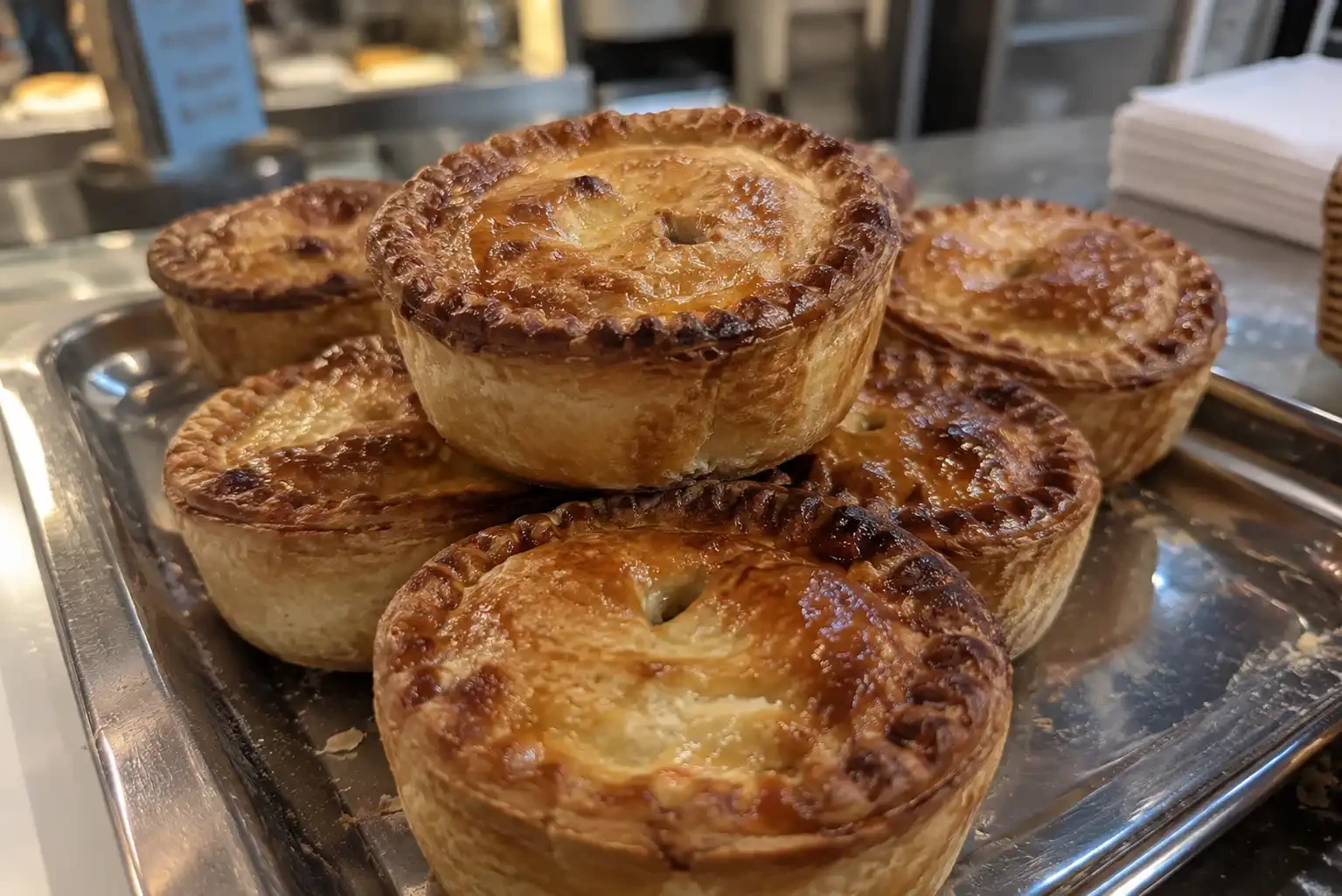
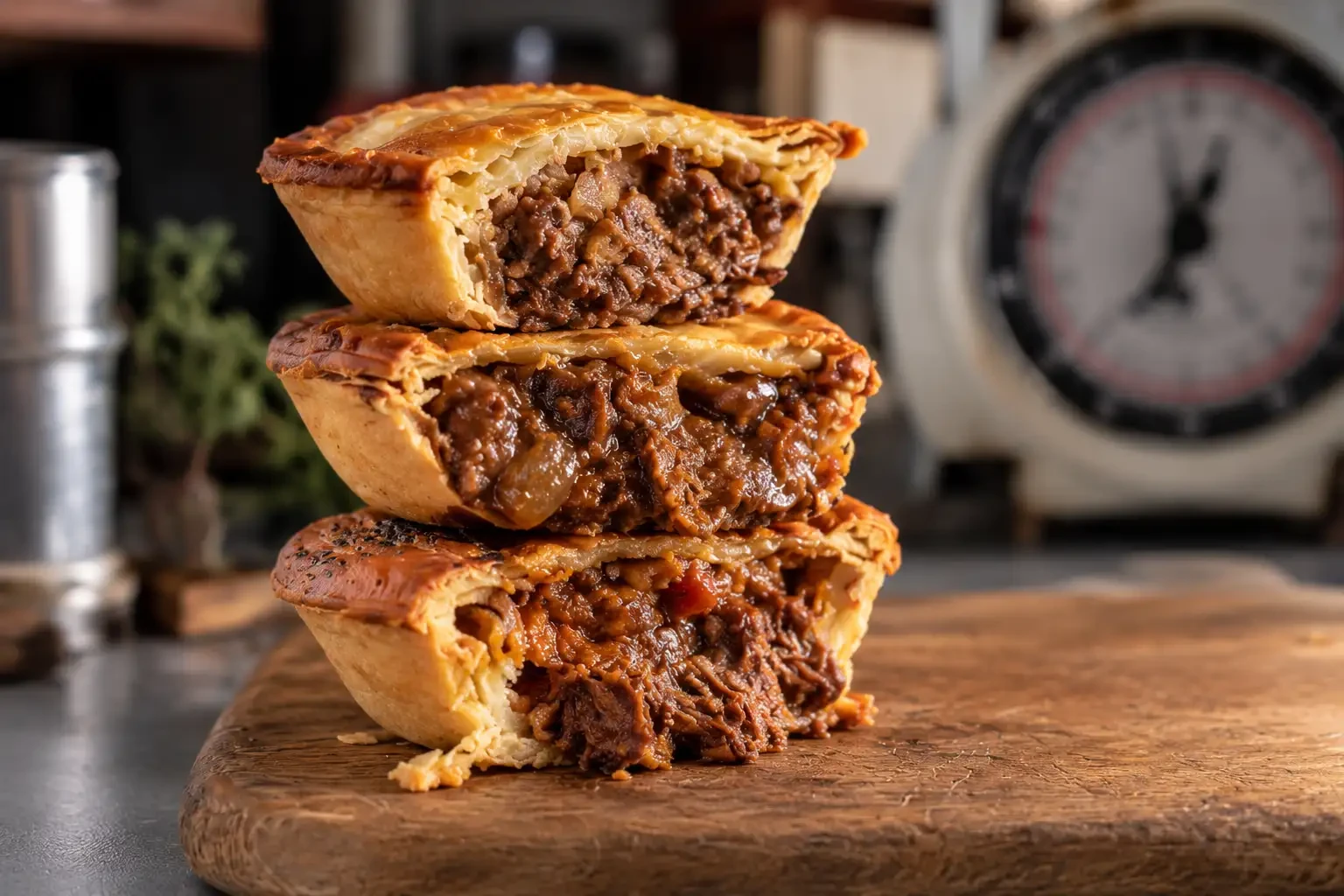
The best pies from local bakeries are not just about pastry and filling. They are about skill, ingredients, timing, texture, flavour and the relationship between a baker and the local food around them.
A good pie can bring together British meat, seasonal vegetables, proper gravy, handmade pastry, local dairy, farm shop produce and the experience of a baker who understands balance. Some pies are sold from high street bakeries. Others come from farm shops, farmers markets, butchers, cafés, delis or small producers selling direct.
Buy From Farmers Direct is being built to help people find local bakeries, farm shop pies, handmade pies and baked goods suppliers with clearer links between food, place, ingredients and trust.
The best pies feel considered. They are not just filling wrapped in pastry. They are a small piece of food craft. You can find your local supplier through our mapping software.
For suppliers, the goal is better visibility. For shoppers, the goal is easier discovery.
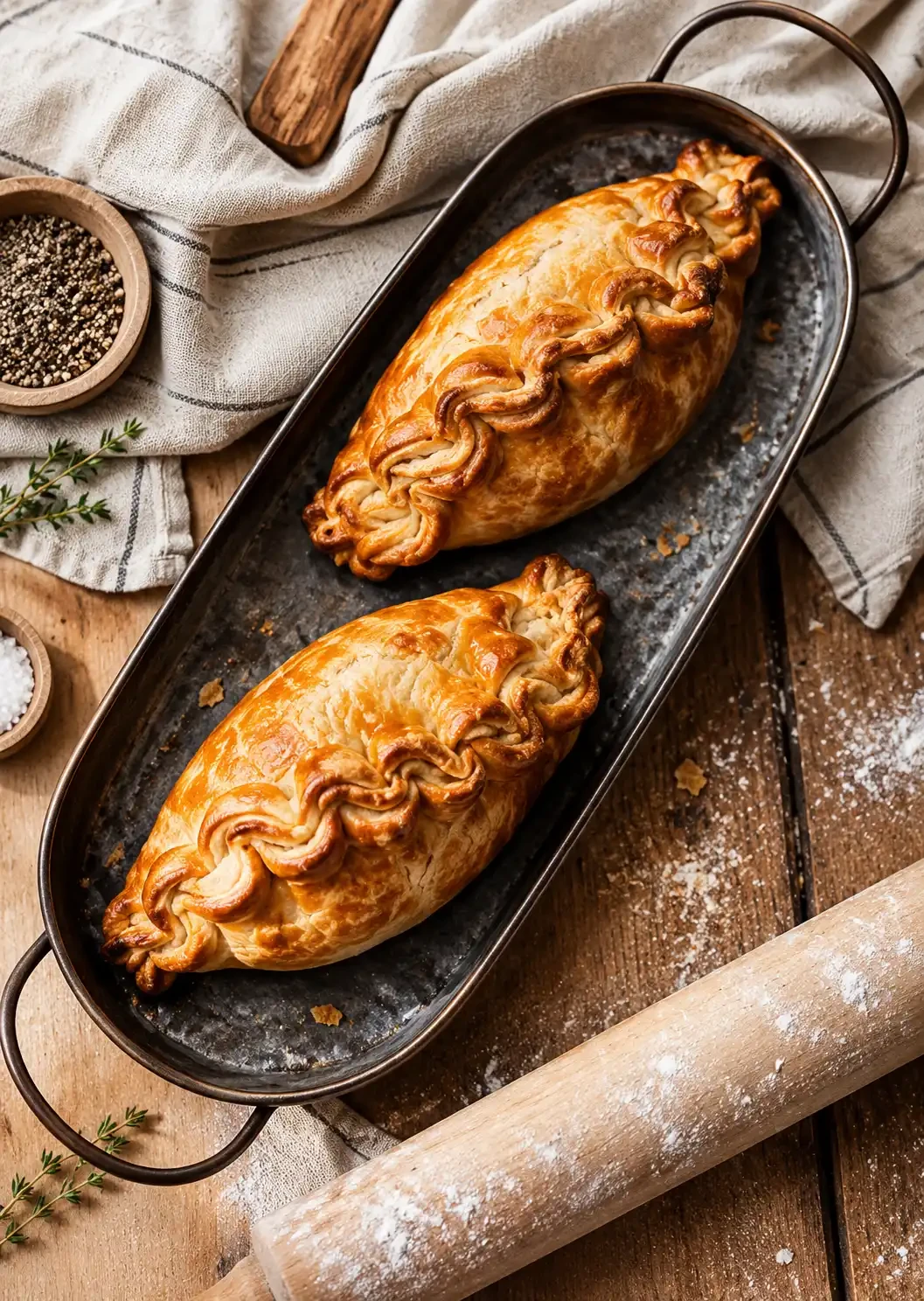
Good pies can appear in several different places.
Bakeries can play an important role in connecting local ingredients with everyday food.
A bakery may use British flour, local eggs, local butter, local milk, orchard fruit, farm shop vegetables, local meat, regional cheese, honey, preserves or seasonal produce. Even when not every ingredient is local, clear information helps customers understand the story behind the food.
For BFFD, this matters because bakeries can become bridges between producers and shoppers.
Good bakery storytelling helps people see how food systems connect.
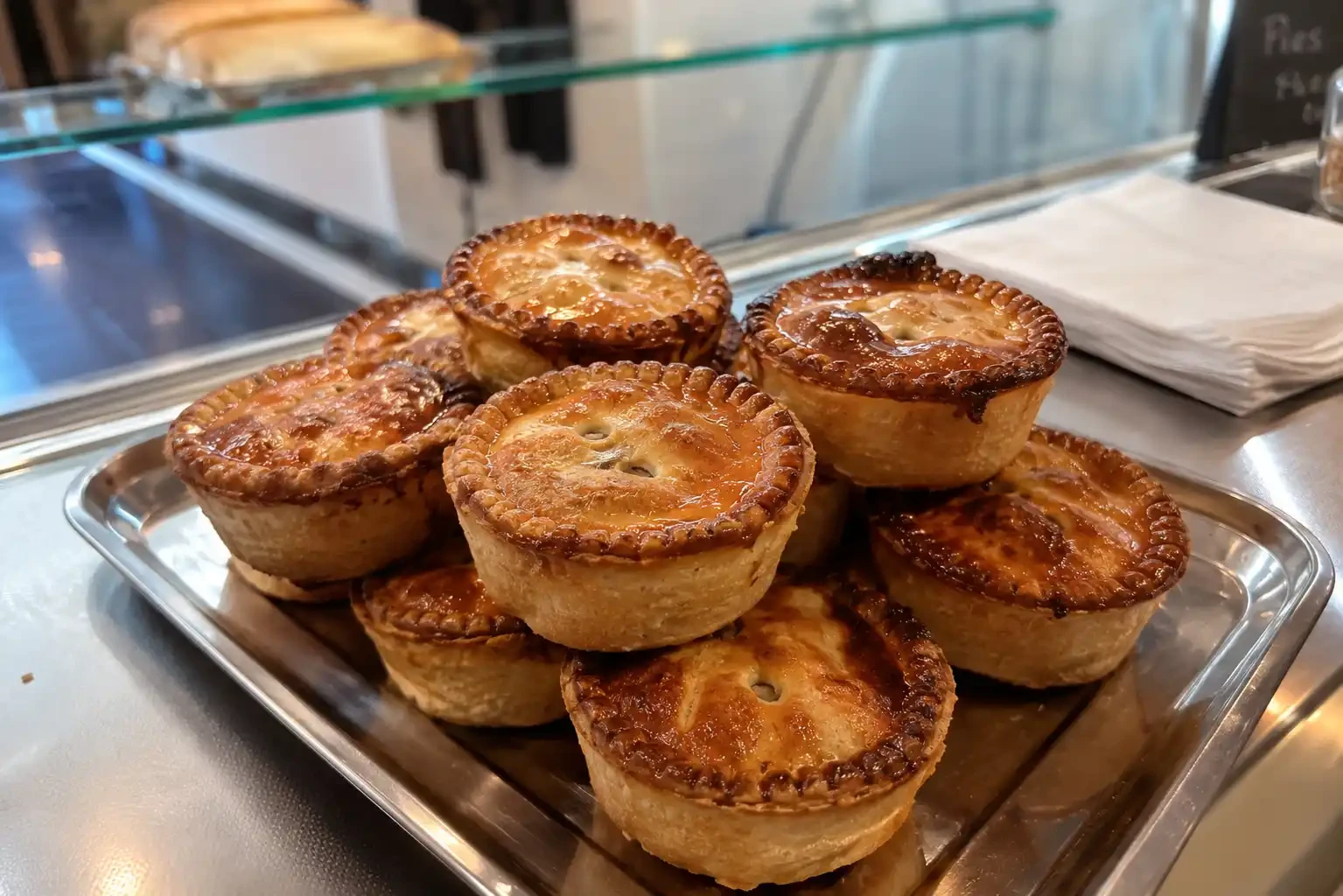
Bakeries may be discovered through many different product searches.
Common searches include:
These product details should be reflected in BFFD supplier profiles where possible.
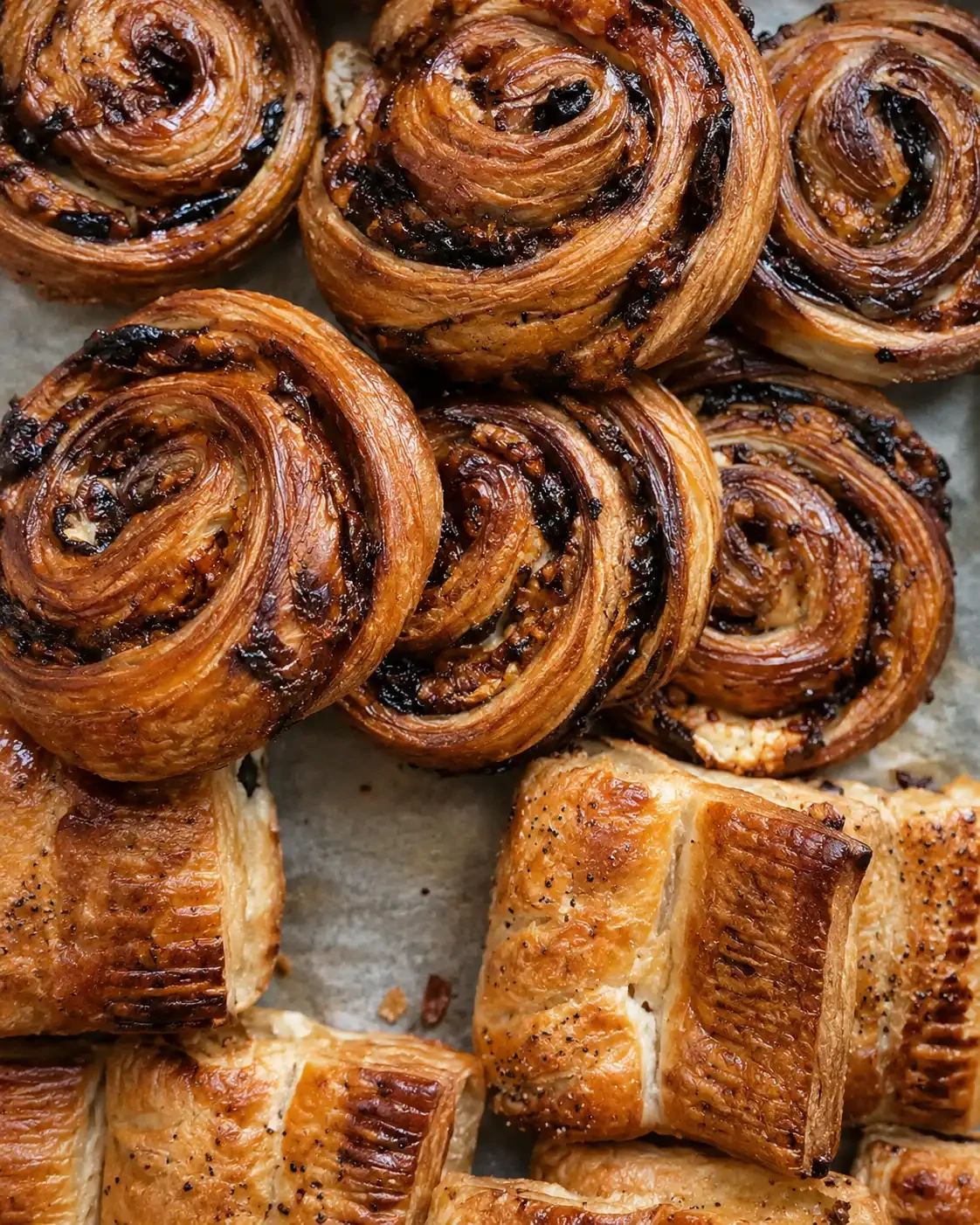
Many bakers sell through more than one route.
Some have a physical bakery. Some supply farm shops. Some attend farmers markets. Some sell through cafés, local delis, online orders or collection only services. Some are home based businesses operating under the correct food business requirements.
BFFD can help make these routes clearer by allowing bakeries to show where their products are available.
This is especially useful for shoppers who want local baked goods but do not always know whether the bakery has a shop, market stall, stockist or order page.
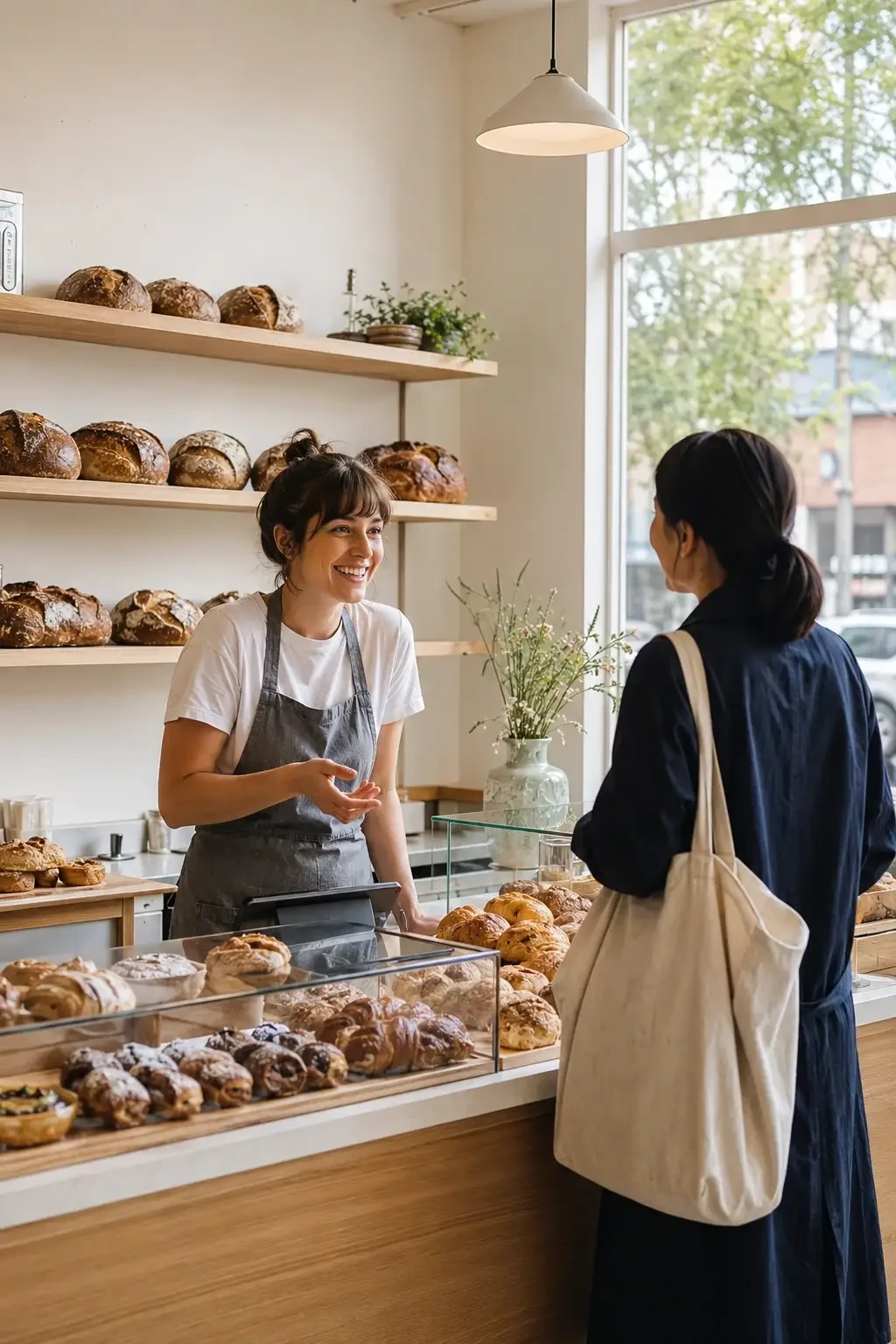
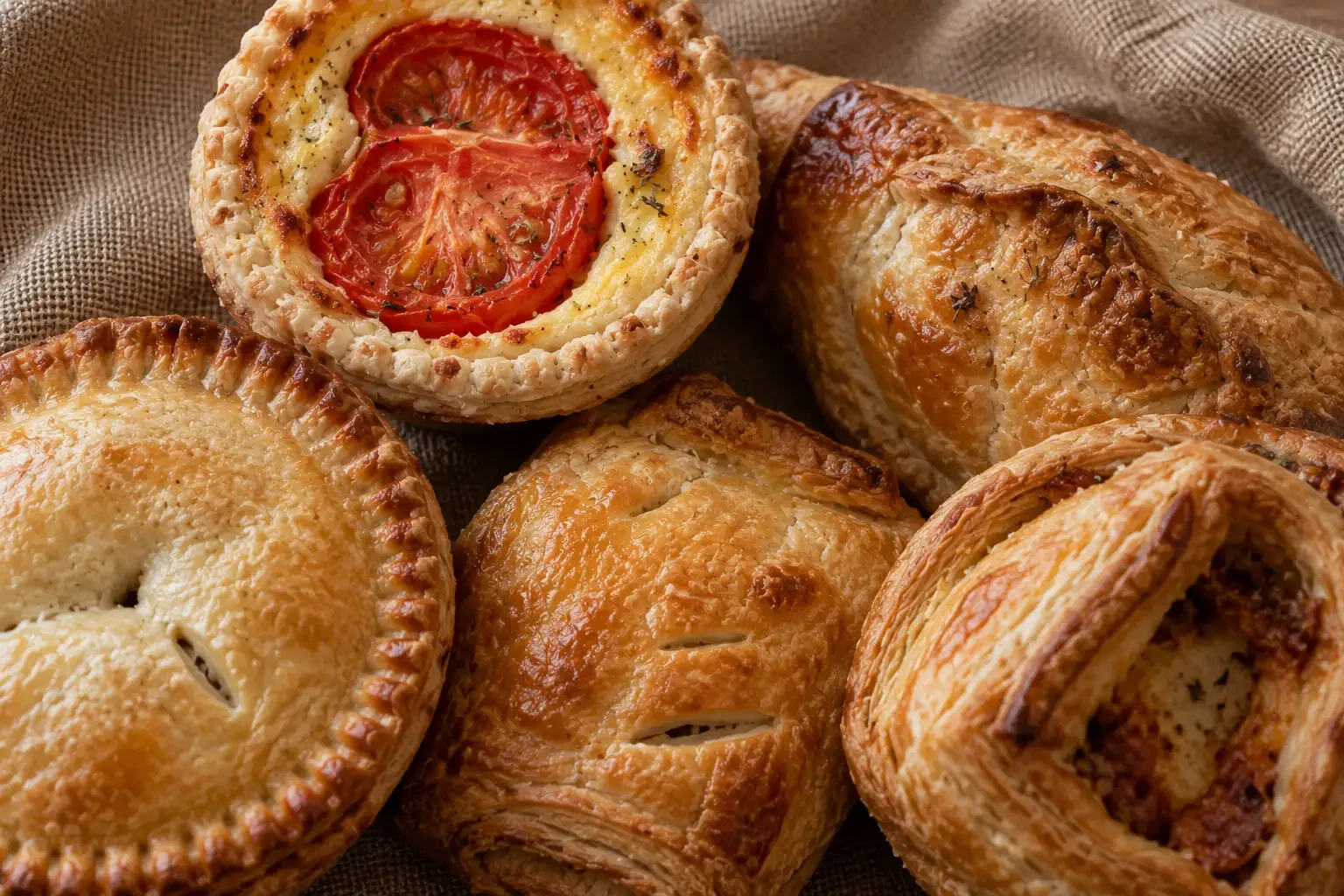
Bakery discovery is very visual.
People want to see the bread, cakes, pies, pastries and products before making a decision. Good photos, clear descriptions, opening hours, ordering instructions and trust signals can make a major difference.
A bakery profile should ideally include:
BFFD does not replace a bakery’s own website or social media. It helps organise local discovery so people can find bakery businesses more easily.
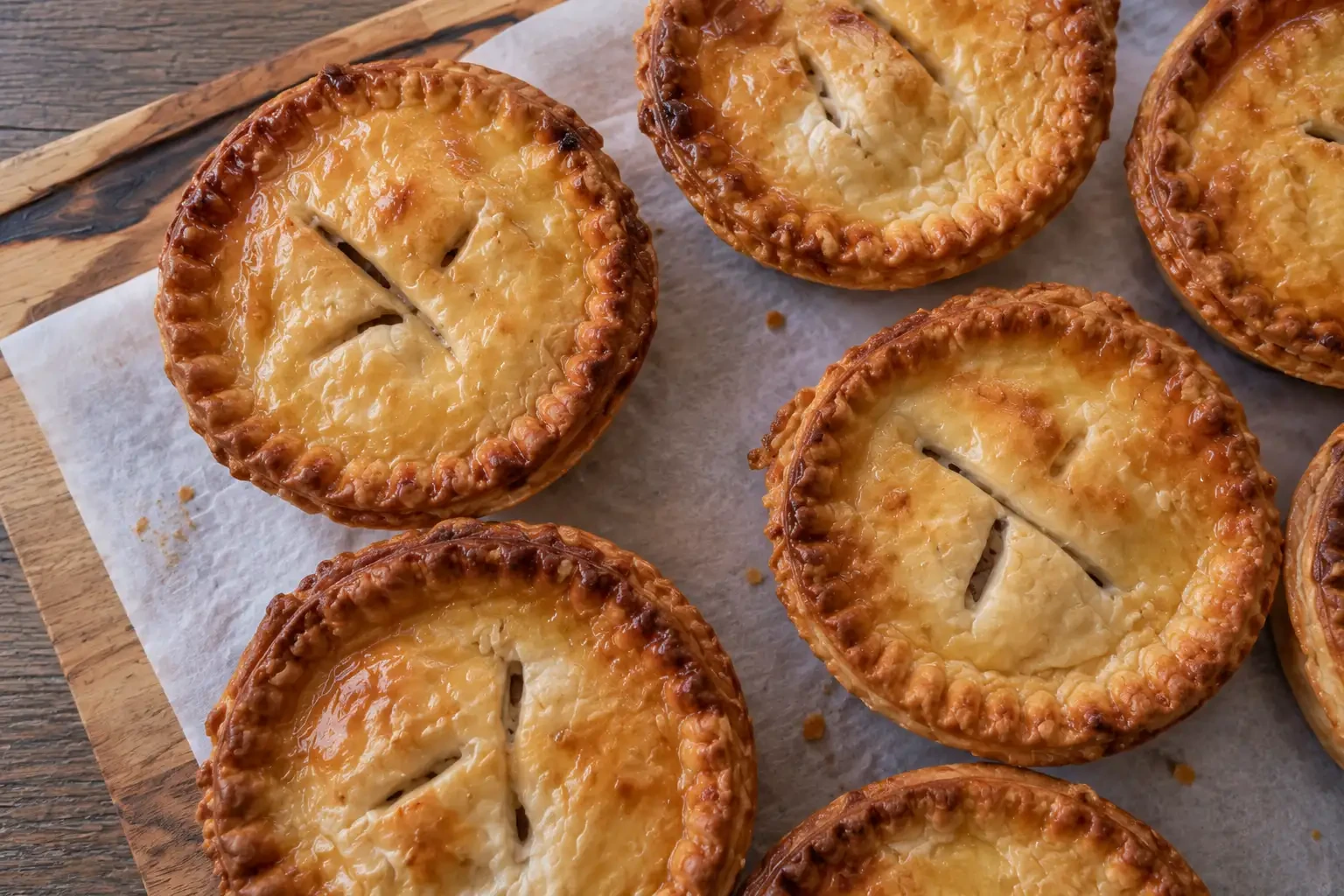
Bakers and bakery businesses need to take food information seriously.
Allergens, ingredients, storage, labelling, hygiene and online selling can all matter, especially for cakes, pies, packaged goods, delivered products and food made to order.
BFFD can help bakeries present clear information, but it does not replace official food safety, trading standards or labelling guidance.
Food Labelling and Compliance
BFFD does not provide food safety, legal, trading standards or allergen advice. Food businesses should follow current official guidance and seek professional advice where required.
A BFFD listing can help bakers become easier to discover by people already looking for local food.
For a bakery, this may mean better visibility for:
For shoppers, it means less guesswork. For bakeries, it means another structured route into local food discovery.
Useful for beginner advice, hive types and local association guidance.
Official beginner guide covering getting started and equipment considerations.
Official guidance on cleaning and sterilising hive equipment.
Official guidance explaining the responsibility to notify suspected notifiable pests or diseases.
Official guidance on serious notifiable honey bee pests and diseases.
*External sources are provided for further reading. BFFD does not provide food safety, legal, trading standards, allergen or labelling advice. Bakeries and food businesses should follow current official guidance and seek professional advice where required.
Related Bakery Pages
Want to get food independence, support your local grower, get better prices and shop more privately?
Local food isn’t just something you find. It’s something you protect. A free account helps keep local supply visible, supported, and resilient.
….it takes 30 seconds for food lovers and 5 minutes for suppliers
We built this for people who care where their food comes from. For people who want to remain food secure. For Farmers to get to the local people, who deserve a better income and to deliver a better price for you. For the environmentally conscious and the privacy-conscious. An account simply helps us make the map and supplier reach more useful to you, without changing how open it is. You’re always in control.


Find local food. Stay connected to it. Create a free account to support local producers and be part of a growing food network.