British cider carries a strong connection to apples, orchards, makers and place.
For many people, choosing British cider is a way to support UK cider makers, apple growers, orchards, farm shops and rural drinks producers. But the term still needs careful explanation. British cider tells you where the cider was produced. It does not automatically tell you whether the apples came from a named orchard, whether the cider is local to you, whether it is traditional, whether it is small batch, or whether it was made with particular apple varieties. Buy From Farmers Direct is being built to help people understand British cider properly and find cider makers, orchards, farm shops and local drinks suppliers with clearer links between product, producer, fruit and trust.
British cider means cider produced in Britain. It may be still or sparkling, dry, medium or sweet, bottled, canned, draught or sold as part of a mixed case. British cider is not automatically local, traditional, organic or orchard estate made, so users should check who made it, where it was produced, whether the apple source is explained, what style it is, what the alcohol content is, and whether product labelling, allergen information and responsible buying details are clear.
British cider means cider produced in Britain. It may be still or sparkling, dry, medium or sweet, bottled, canned, draught or sold as part of a mixed case. British cider is not automatically local, traditional, organic or orchard estate made, so users should check who made it, where it was produced, whether the apple source is explained, what style it is, what the alcohol content is, and whether product labelling, allergen information and responsible buying details are clear.
British cider usually means cider produced in Britain.
That is useful because it separates UK produced cider from imported cider or anonymous drinks where the production route is less visible. However, it is still a broad description. A cider can be British without being local to your county. It can be British without being traditional. It can be British and widely distributed, or British and made in small batches by a local orchard business.
The strongest cider makers go further than simply using the word British. They explain who made the cider, where it was produced, which style it is, whether apples or orchards are part of the story, and how customers can buy it responsibly.
That extra detail is where trust begins.
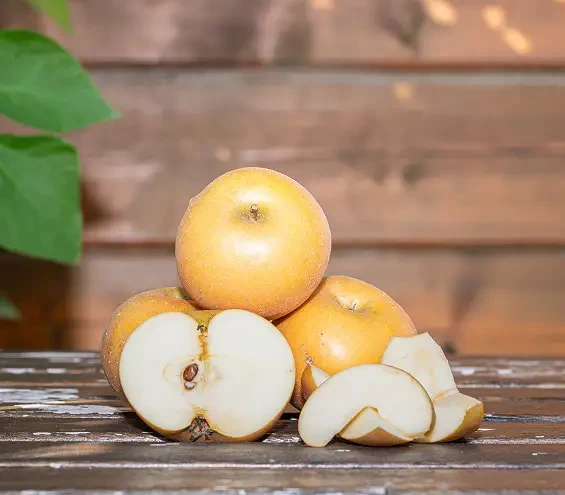
British cider matters because it connects drink production with fruit growing, rural businesses and regional food culture.
Cider starts with apples. Behind the finished bottle or can there may be orchards, growers, harvest teams, pressings, fermentation decisions, blending, bottling, farm shop stockists, pubs, restaurants and local markets.
A visible British cider route can help support cider makers, apple growers, orchards, farm shops, independent retailers, pubs, restaurants and rural tourism. It also helps users understand cider as a product with agricultural roots, not simply as a generic alcoholic drink.
For BFFD, this matters because cider sits naturally beside the wider mission of making farmers, growers and producers easier to find.
This distinction matters.
British cider tells you the country of production. Local cider should give a closer connection to a maker, orchard, county, town, farm shop, market, pub or supplier route.
A cider can be British and local. It can be British and traditional. It can be British and sold directly by the maker. It can also be British without much visible detail about the orchard, apple source or producer behind it.
That is why BFFD should encourage clearer supplier profiles. A customer should not have to guess whether the cider came from a named maker, a nearby orchard, a regional farm shop or a larger national supply route.
British Cider
Country of production.
Local Cider
A closer tie to a nearby maker, orchard or supplier.
Traditional Cider
A cider style or method the maker should explain.
Orchard Led Cider
Cider with the orchard, apples and grower route made visible.
Organic Cider
A certified organic production claim.
The most meaningful cider purchases often come with a clearer story.
That story does not need to be long or romantic. It can be practical and precise: the cider maker name, the county, the orchard link, the style, the alcohol content, whether it is still or sparkling, whether it is dry, medium or sweet, and where it can be bought.
This information helps customers understand the drink properly. It also helps good cider makers stand apart from anonymous supply chains.
Provenance is especially useful with cider because the product is shaped by fruit, fermentation and place. A clear producer profile can explain enough to build confidence without overwhelming the customer.
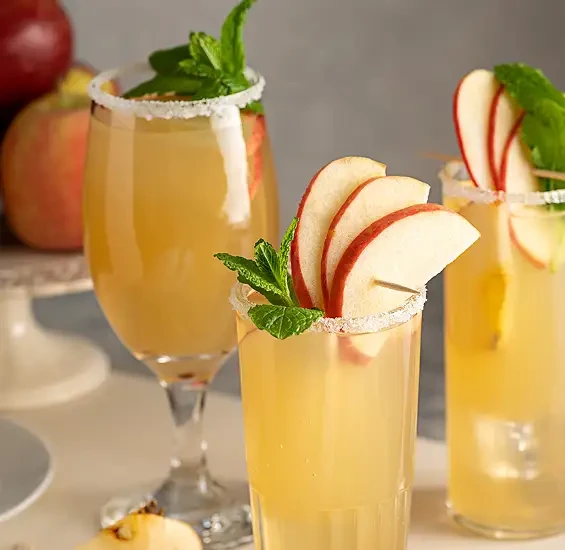
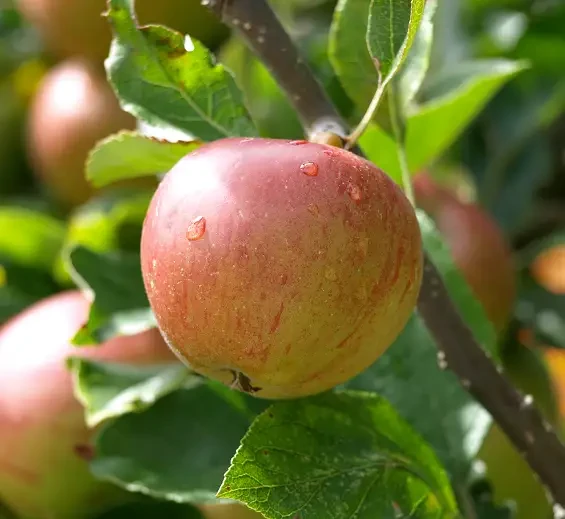
Cider begins with apples, and apples begin with orchards.
Some cider makers grow their own fruit. Others work with local orchards, regional apple growers or trusted fruit suppliers. Some use cider apple varieties, while others blend dessert apples, culinary apples or perry pears where relevant to the product range.
Orchard information can make British cider more meaningful. It helps users understand the agricultural story behind the drink and why orchards matter to rural food and drink production.
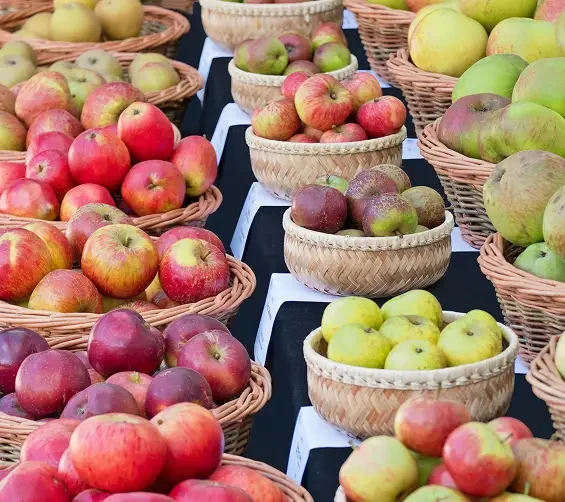
British cider and traditional cider are connected, but they are not the same description.
British cider tells the customer where the cider was produced. Traditional cider may refer to apple choice, fermentation method, regional practice, orchard fruit, small batch production or a more craft led approach. The exact meaning should be explained by the maker.
A good cider maker should make the style clear. Is the cider still or sparkling? Dry, medium or sweet? Bottle conditioned or carbonated? Made with particular apple varieties? Sold as draught, bottled, canned or bag in box?
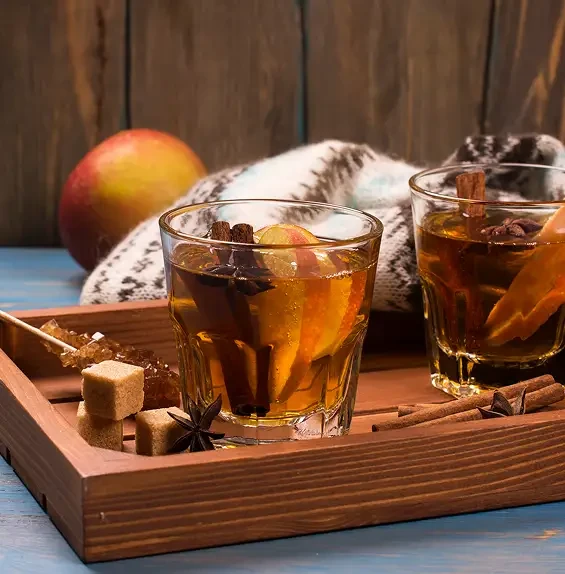
Buying British cider online can be a useful route when local supply is limited.
Online buying works best when the supplier gives clear information before checkout or enquiry. Customers should know who made the cider, where it was produced, what style it is, what the alcohol content is, how it will be delivered or collected, what age checks apply and how it should be stored.
BFFD should position itself as a discovery platform, not the direct seller. Customers should buy directly from the cider maker, farm shop or specialist supplier.
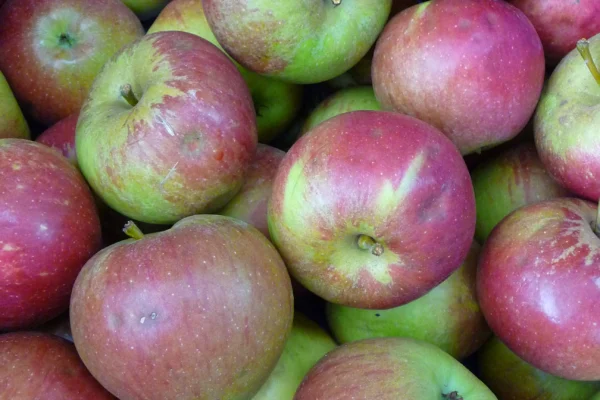
Some customers want British cider from a maker close to home.
Local buying routes may include cider makers, orchards, farm shops, farmers markets, independent food shops, bottle shops, pubs, restaurants, tasting rooms and rural events.
Buying locally can help customers ask questions, understand flavour styles and discover producers they might never find on supermarket shelves.
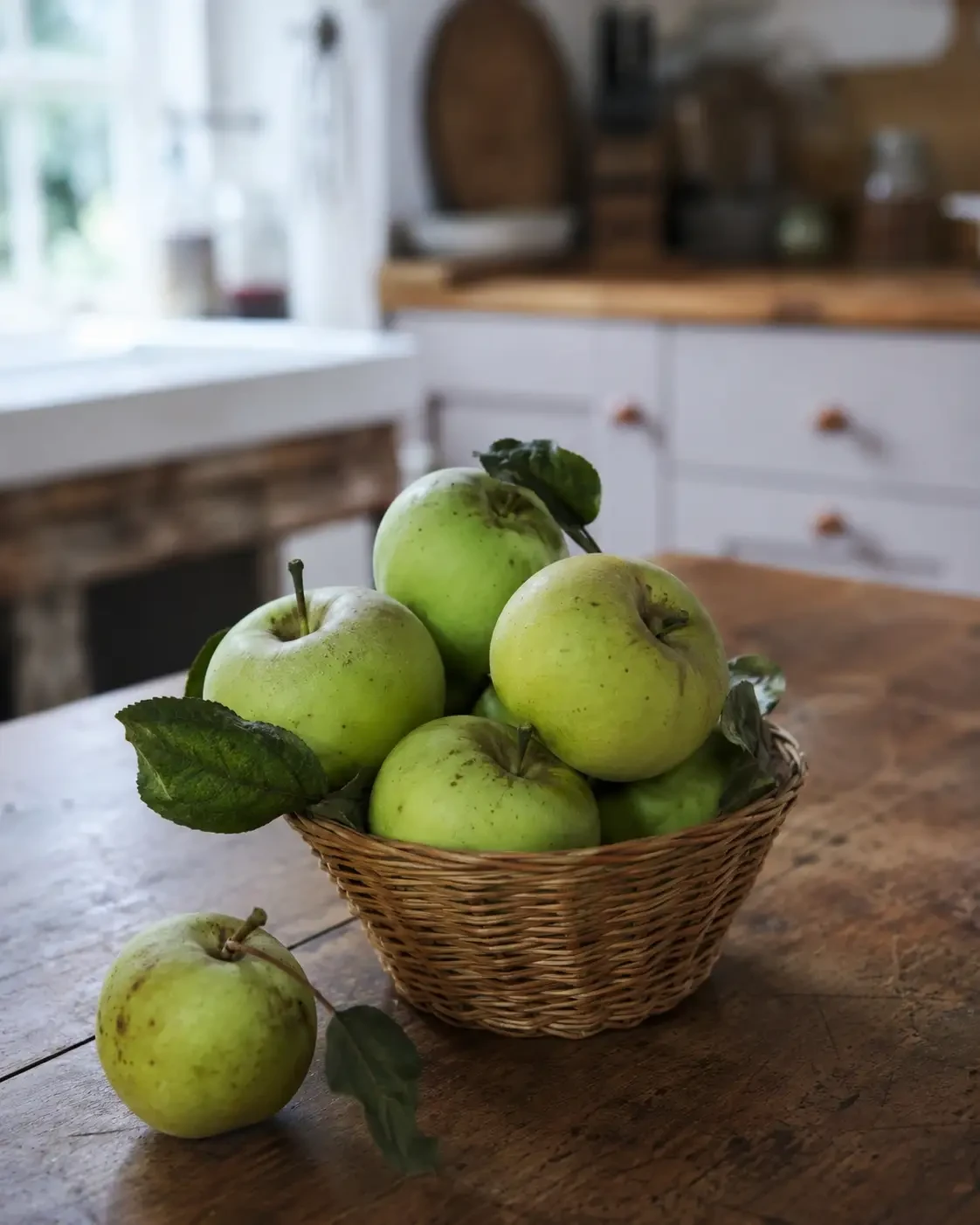
Farm shops and farmers markets can be excellent places to discover British cider.
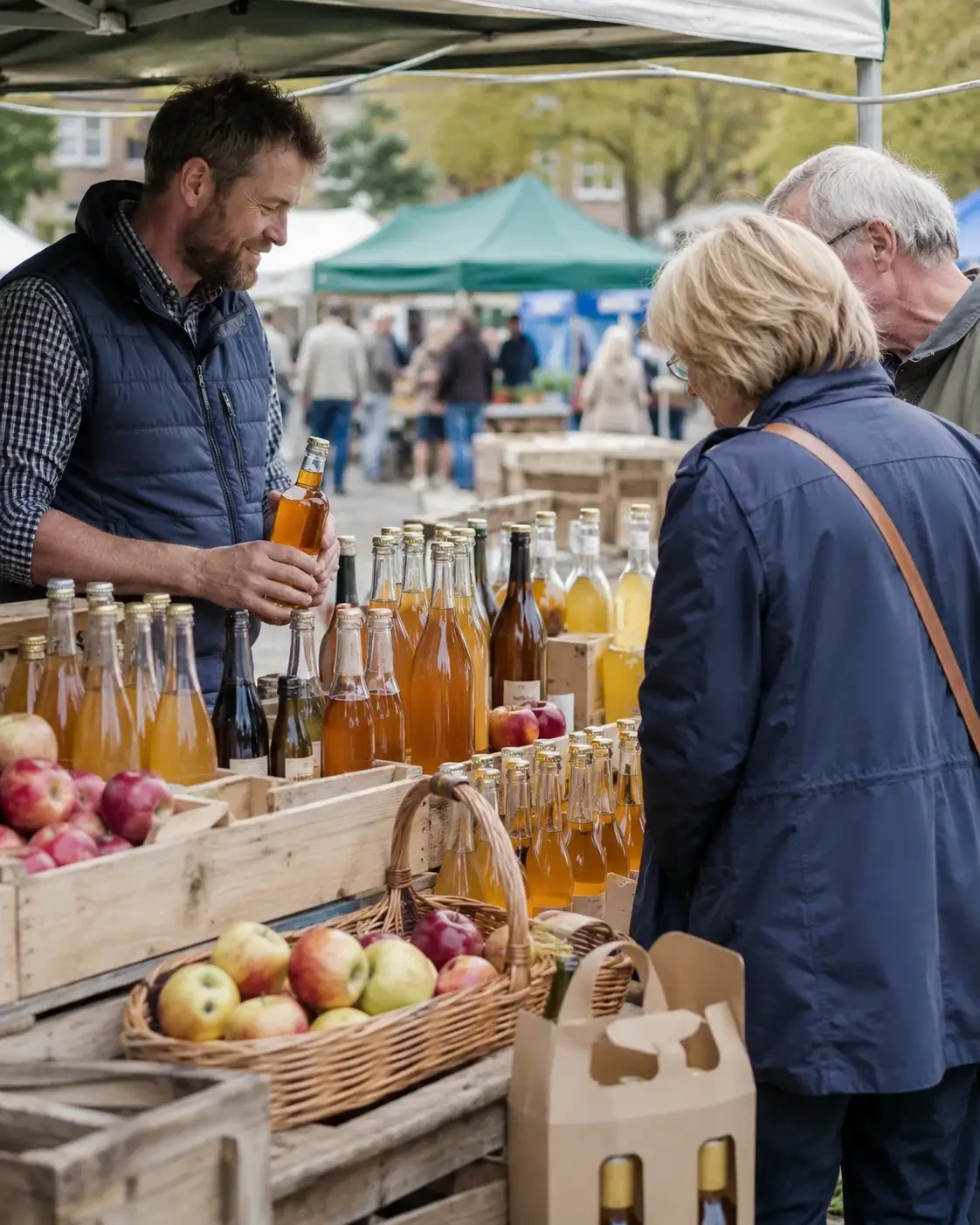
A farm shop may stock cider from its own orchard, a nearby maker or a regional drinks producer. A farmers market may allow customers to speak directly with the cider maker, understand style differences and learn about seasonal batches.
This matters because cider often benefits from explanation. A customer may not know whether they prefer dry, medium, sweet, still, sparkling, tannic, fruit led or traditional cider until a maker or retailer explains the difference.
Good product information turns a casual drink purchase into a more informed choice.
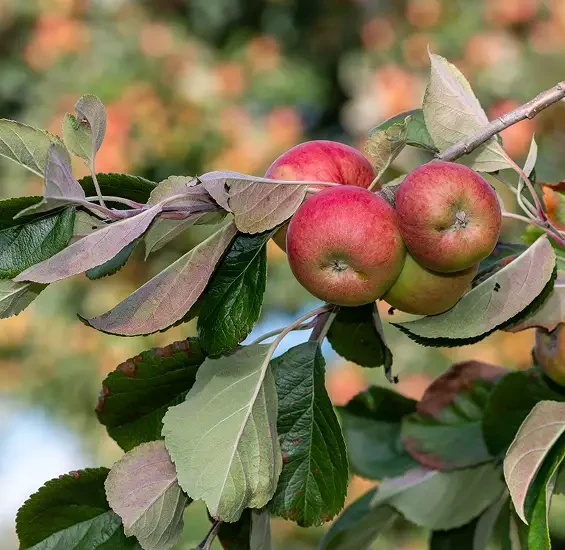
British cider has a strong relationship with place.
Certain counties and regions are especially associated with cider making, but cider makers can be found across Britain. Each maker may have a different relationship with apples, orchards, sweetness, tannin, fermentation and serving style.
This regional identity is part of cider’s value. It gives farm shops, markets, pubs, restaurants and rural tourism businesses a product with a real local story.
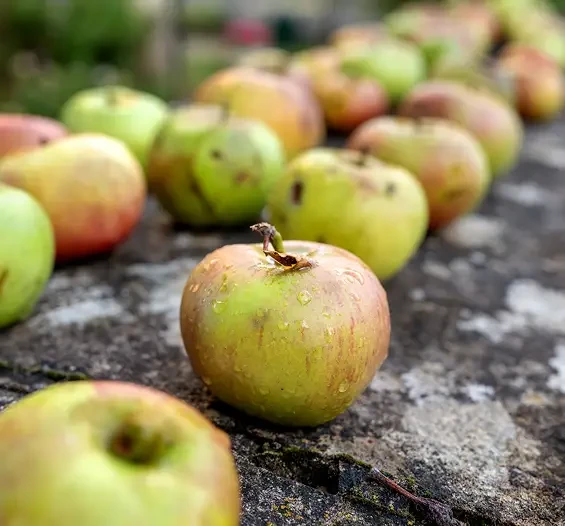
British cider is part of a wider food and drink resilience conversation.
A resilient local food system does not only need vegetable growers, dairy farms and livestock producers. It also needs orchards, apple growers, drinks makers, processors, farm shops, markets and independent retailers.
Cider makers help keep orchard led food and drink production visible. They can support apple growers, maintain regional traditions, supply local venues and give customers another reason to value fruit growing landscapes.
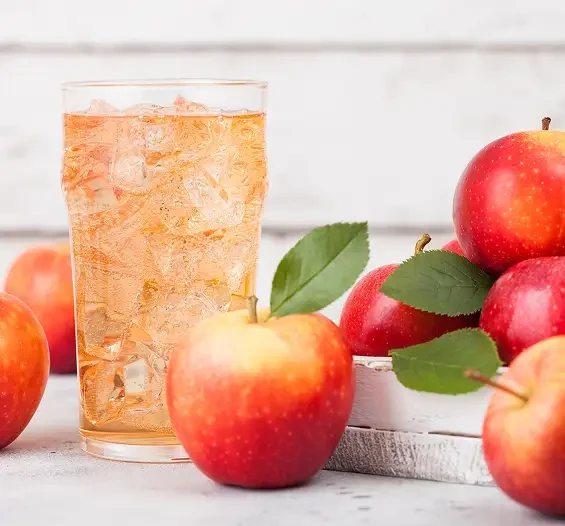
British cider is usually an alcoholic product, so content should be handled responsibly.
Users should check alcohol content, bottle or can size, ingredients, allergens, storage guidance and legal purchasing requirements before buying. Cider makers and suppliers should make age related delivery or collection requirements clear.
BFFD should not encourage excessive consumption. The focus should remain on producer discovery, orchard provenance, regional food culture and responsible product information.
Responsible Drinks Information
Cider is usually an alcoholic product. Always check alcohol content, product labelling, allergen information, storage guidance, delivery conditions and legal purchasing requirements before buying.
Cider makers and drinks suppliers have important product information responsibilities.
Products may need clear information on alcohol content, volume, producer details, ingredients, allergens such as sulphites where relevant, storage guidance and best before information where applicable. For alcoholic drinks with no ingredients list, the Food Standards Agency states that allergens must be indicated with “contains” followed by the allergen name. The FSA also states sulphur dioxide and sulphites must be labelled when present above 10mg per kg or 10mg per litre in the finished product as consumed.
BFFD can help suppliers present clearer information, but it does not replace official food safety, alcohol licensing, trading standards, tax, labelling or business guidance.
Important Note
BFFD does not provide food safety, legal, alcohol licensing, trading standards, allergen, labelling, production, tax, environmental health or business advice. Cider makers and drinks businesses should follow current official guidance and seek professional advice where required.
BFFD is being built to make local food and drink discovery clearer and more useful.
For British cider, BFFD can help users find cider makers, orchards, farm shops, farmers markets, specialist drinks suppliers, local stockists, pubs, restaurants, online ordering routes, mixed cases, traditional cider, apple juice and perry.
More importantly, it can help those suppliers explain their products properly.
A strong British cider listing should help users understand the maker, the cider style, the buying route, whether online ordering is available, whether collection or local delivery is possible, and whether the product information is clear.
For customers, this reduces guesswork. For cider makers, it creates another route into local visibility.
If you produce or sell British cider, your BFFD profile should make that clear in a way that feels specific and trustworthy.
A strong profile should show the business name, location, cider styles, still or sparkling options, dry, medium or sweet styles, bottled, canned or draught products, perry, apple juice, orchard information, online ordering, local delivery, collection, farm shop stockists, farmers market attendance, hospitality supply, photos and contact details.
Where relevant, makers can also explain traditional methods, apple varieties, seasonal releases, tasting rooms, mixed cases or trade supply.
List your cider making business, orchard, farm shop supply route or British cider products on BFFD and help people understand your styles, producer story and buying options.
British cider tells you the country of production. Local cider should provide a closer maker, orchard, county, farm shop, pub or supplier connection.
Traditional cider is a separate description that should be explained by the maker.
Some cider makers use their own orchards. Others work with growers, suppliers or regional fruit routes.
Cider is usually alcoholic. Apple juice is non alcoholic unless otherwise stated.
BFFD helps users find suppliers and understand product information. Purchases are made directly with the cider maker, farm shop or supplier.
Use this for food business setup and safe food operation context.
Use this for allergen responsibilities and customer information.
Use this for official food hygiene and safe food handling context.
Use this for hygiene rating checks and public trust.
Use this if the cheese society serves or sells alcohol at events.
*External sources are provided for further reading. BFFD does not provide food safety, legal, trading standards, allergen, dairy hygiene, delivery, labelling or business advice. Alcohol providers and food businesses should always follow current official guidance and seek professional advice where required.
Related Cider Maker Pages
British cider usually means cider produced in Britain. It may be still or sparkling, dry, medium or sweet, bottled, canned, draught or sold as part of a mixed case.
British cider should be easier to trace back to real makers, orchards, farm shops and regional stockists. BFFD is being built to help people discover cider makers and orchard led drinks businesses with clearer links between product, maker, place and trust.
Want to get food independence, support your local grower, get better prices and shop more privately?
Local food isn’t just something you find. It’s something you protect. A free account helps keep local supply visible, supported, and resilient.

….it takes 30 seconds for food lovers and 5 minutes for suppliers
We built this for people who care where their food comes from. For people who want to remain food secure. For Farmers to get to the local people, who deserve a better income and to deliver a better price for you. For the environmentally conscious and the privacy-conscious. An account simply helps us make the map and supplier reach more useful to you, without changing how open it is. You’re always in control.


Find local food. Stay connected to it. Create a free account to support local producers and be part of a growing food network.