The importance of fresh fish daily comes down to trust, flavour, quality and confidence.
Fish is one of the most time sensitive foods people buy. It can change quickly if it is not handled, stored or sold properly. That is why a good fishmonger matters. They can explain what arrived recently, what is best to buy that day, how it should be stored, how quickly it should be cooked and which fish suits the meal you have in mind. Buy From Farmers Direct is being built to help people find fishmongers, seafood suppliers, market fish sellers and fresh fish retailers with clearer information about freshness, sourcing, preparation and buying routes.
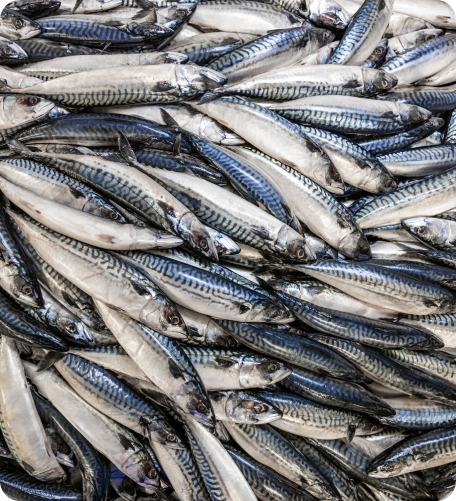
Fresh fish daily matters because fish quality can change quickly after landing, delivery, preparation and storage. Fresh fish should look clean, firm, moist and bright, with a mild sea smell rather than a strong unpleasant odour. A good fishmonger can explain what is freshest that day, how the fish has been handled, whether it is fresh or previously frozen, how it should be stored and how soon it should be cooked. BFFD helps users find fishmongers and seafood suppliers that make freshness and product information easier to understand.
Fresh fish daily matters because fish quality can change quickly after landing, delivery, preparation and storage. Fresh fish should look clean, firm, moist and bright, with a mild sea smell rather than a strong unpleasant odour. A good fishmonger can explain what is freshest that day, how the fish has been handled, whether it is fresh or previously frozen, how it should be stored and how soon it should be cooked. BFFD helps users find fishmongers and seafood suppliers that make freshness and product information easier to understand.
Fresh fish daily usually means that a fishmonger or seafood supplier receives, prepares or sells fish on a regular daily supply cycle.
It does not always mean every fish on the counter was caught that morning. Fish supply depends on species, landing times, markets, weather, transport, storage, demand and geography. A trusted supplier should be honest about what is fresh today, what arrived recently, what has been previously frozen and what should be eaten quickly.
A useful fishmonger will not simply say everything is fresh. They will help customers understand what is best that day.
Fresh fish daily should mean:
This matters because better knowledge leads to better buying decisions, less waste and more confidence around fresh food.
Freshness affects taste, texture, smell, cooking quality and customer confidence. Fresh fish should feel clean and pleasant to cook. Poor quality fish can smell strong, lose firmness, dry out, become slimy or fail to cook well. For shoppers who are nervous about fish, one bad experience can put them off for a long time.
Freshness matters because it affects:
This is why people often prefer buying from a fishmonger who can explain the counter, rather than choosing fish with little guidance.
Fresh fish can vary by species, but there are general signs shoppers can look for. Whole fish should usually look bright and clean. The eyes should be clear rather than sunken or cloudy. The flesh should feel firm. The skin should look moist and healthy. Gills, where visible, should look red or pinkish rather than dull brown. Fillets should look moist, firm and clean, not dried out, dull or sitting in excess liquid.
Useful freshness signs include:
If you are unsure, ask the fishmonger. A good supplier should be able to explain what you are looking at.
Fishmongers help shoppers understand freshness in context.
A fishmonger can explain which fish arrived recently, which species is best value, which fish should be eaten today, which can be cooked tomorrow and which options are better for freezing.
They can also help with preparation. A fishmonger may gut, fillet, skin, portion or advise on cooking. This makes fish more approachable for households that do not cook it often.
A fishmonger can help with:
This knowledge is part of the value of using a specialist supplier.
Fish and seafood need careful handling.
Freshness is not only about taste. It is also about safe storage, temperature control, hygiene and clear food information. Fish should be kept cold, handled properly and used within the correct time.
Customers should follow supplier storage instructions and use by guidance. If fish smells sour, looks poor, has been left warm or makes you unsure, do not take risks.
Fish Safety Note:
Fish and seafood should be stored and handled carefully. Follow the supplier’s storage and use by guidance. If you are unsure whether fish is safe to eat, do not use it.
Fresh fish and frozen fish both have a place.
Fresh fish is often chosen for flavour, texture and same day cooking. Frozen fish can be useful for meal planning, reducing waste and making fish more affordable or accessible.
The important point is honesty. Customers should know whether fish is fresh, frozen or previously frozen. Previously frozen fish may still be suitable, but it should be described clearly and handled properly.
Ask the supplier:
Clear information helps customers make better decisions.
Fish availability can change through the year.
Weather, fishing conditions, spawning patterns, market supply, demand and sustainability considerations can all affect what is available and what offers better value.
A fishmonger can help customers understand seasonal alternatives. If one fish is expensive or unavailable, another species may be fresher, better value or easier to cook.
Seasonality matters because it can affect:
This is why asking “what is best today?” can be more useful than arriving with one fixed fish in mind.
Provenance helps people understand where fish came from and how it reached the counter.
Useful provenance details may include:
A fishmonger does not need to turn every purchase into a technical lecture, but they should be able to answer reasonable sourcing questions. BFFD connects freshness with provenance because customers should be able to understand both what they are buying and where it came from.
Shellfish needs particular care.
Products such as mussels, oysters, scallops, crab, lobster and prawns may require different handling, storage and preparation advice. Some may be sold live, cooked, raw, frozen or prepared.
Customers Should Ask:
Fish and Shellfish Allergy Note:
Fish, crustaceans and molluscs are major allergen categories. If you have a food allergy or intolerance, always check with the fishmonger, market seller, farm shop or online supplier before buying.

Fresh fish daily is not always about buying the most expensive fish.
A good fishmonger can point customers toward species that are fresh, good value and suitable for the meal. Sometimes a less fashionable fish is the better choice. Sometimes fish pie mix, whole fish, seasonal fish or frozen fish may suit the budget better.
Useful value questions include:
A fishmonger does not need to turn every purchase into a technical lecture, but they should be able to answer reasonable sourcing questions. BFFD connects freshness with provenance because customers should be able to understand both what they are buying and where it came from.
Restaurants, pubs, cafés and hospitality buyers depend on good fish supply.
For trade buyers, fresh fish daily can mean menu flexibility, regular communication, reliable delivery, preparation options and alternatives when supply changes. A good fish supplier should help kitchens understand what is available and what should be used quickly.
Restaurants may need:
A strong fishmonger profile on BFFD can help restaurants understand whether a supplier is suitable before making contact.
Customers should follow the advice provided by the supplier, but the basic principle is simple: fish needs to be kept cold and used promptly.
After buying fresh fish, take it home quickly, keep it chilled, store it properly and use it within the advised time. Do not leave fish in a warm car, on a kitchen counter or outside the fridge.
Ask the fishmonger:
Good storage helps protect quality and reduce waste.
BFFD is being built to make local food discovery clearer.
For fresh fish, BFFD can help users find suppliers who show:
This helps users move from a vague search to a clearer supplier choice.
If you sell fresh fish, seafood, shellfish, smoked fish or prepared fish, BFFD can help people find your business more easily.
A strong BFFD listing can show:
List your fishmongery, market stall, seafood business, farm shop counter or online fish supply business on BFFD and help people find your products by location, freshness and buying route.
Supply depends on landing, markets, transport, weather and location.
Frozen fish can be useful and practical when handled properly and clearly described.
Fresh fish should usually smell clean and mild, not sour or overpowering.
Price depends on species, demand, season, supply and preparation.
BFFD provides supplier information, but customers should check product and hygiene details before buying.
1. Food Standards Agency: Chilling Food Correctly in Your Business
Use this for safe chilling and temperature control context.
2. Food Standards Agency: Food Hygiene for Your Business
Use this for official food hygiene and safe food handling context.
3. Food Standards Agency: Food Hygiene Ratings
Use this for hygiene rating checks and customer trust.
4. Food Standards Agency: Food Safety for Food Delivery
Use this for delivery, online orders and food transport guidance.
5. Food Standards Agency: Allergen Guidance for Food Businesses
Use this for allergen responsibilities and customer information.
6. Seafish: Responsible Sourcing
Use this for seafood industry context and responsible sourcing information.
*External sources are provided for further reading. BFFD does not provide food safety, legal, trading standards, seafood sourcing, environmental health, allergen, fish handling, storage, labelling or business advice. Fishmongers and food businesses should always follow current official guidance and seek professional advice where required.
Related Fishmonger Pages
Related BFFD Pages
Fresh fish daily matters because fish quality can change quickly. Regular supply, proper handling and clear freshness advice help customers buy with more confidence.
Not always. It may mean the fishmonger receives or prepares fresh fish daily. Catch, landing, market and delivery times vary.
Fresh fish should usually smell clean, look bright, feel firm and appear moist. Whole fish should usually have clear eyes and healthy looking gills.
No. Fresh fish should usually have a mild, clean sea smell. A strong sour or unpleasant smell can be a warning sign.
Sometimes, but it depends on whether the fish has already been frozen and how it has been handled. Ask the fishmonger before freezing.
Not automatically. Frozen fish can be good quality when handled correctly. The key is clear labelling, proper storage and suitability for the meal.
Follow the fishmonger’s guidance. Some fish should be cooked the same day, while other products may keep slightly longer if stored correctly.
Yes. Fishmongers and seafood suppliers can use BFFD profiles to show fresh fish availability, opening hours, delivery options and product information.
Fresh fish should be easier to understand before you buy. BFFD is being built to help people discover fishmongers, seafood suppliers, market sellers and fresh fish retailers with clearer links between product, freshness, place and trust.