Follow us:

How to Make Indian Chutney to Sell

Learning how to make Indian chutney to sell is about much more than finding a good recipe.
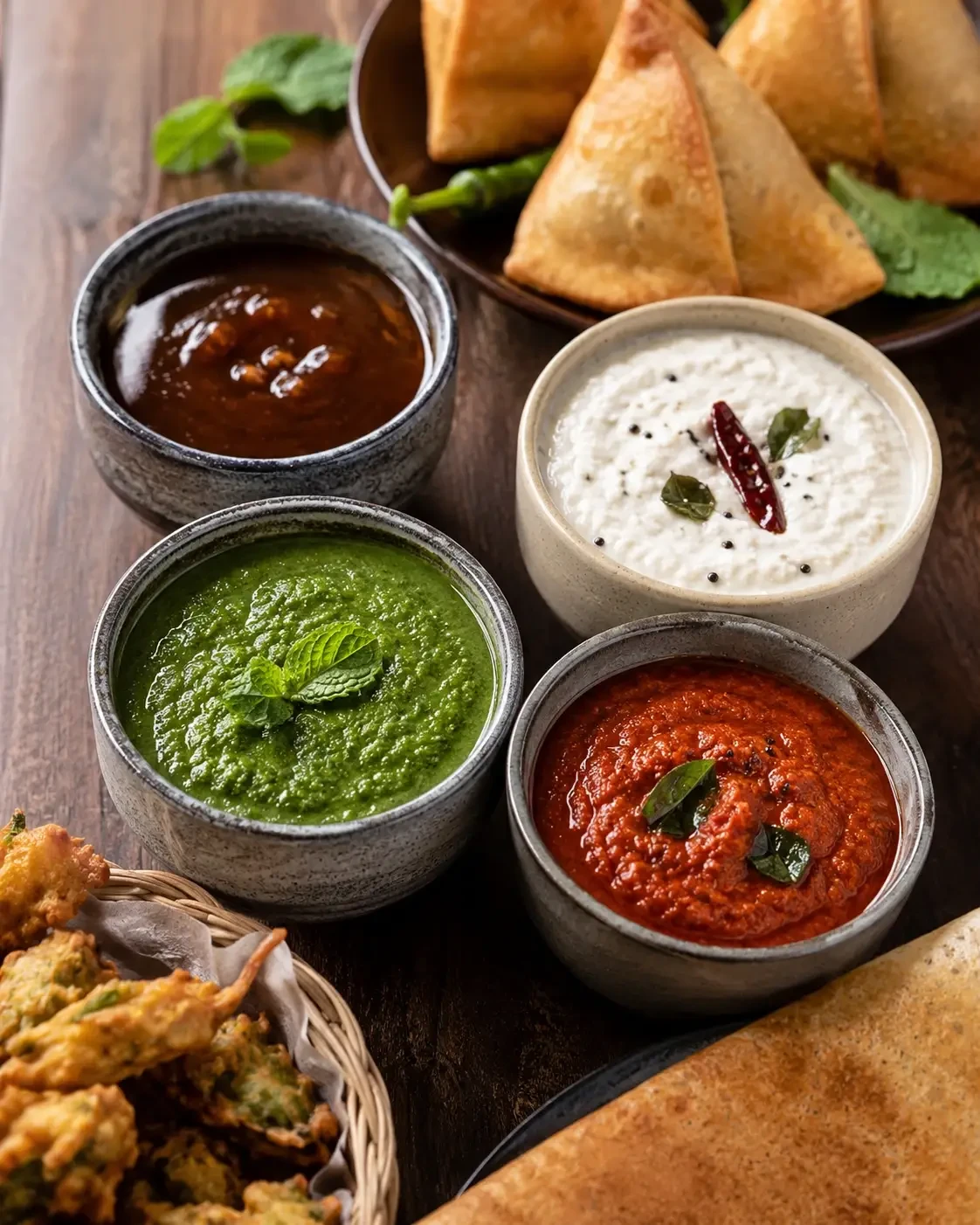
Indian chutneys are rich, varied and deeply connected to regional cooking. A chutney might be sweet, sour, hot, fresh, cooked, smooth, chunky, oil based, vinegar based, fruit based, herb based, tamarind led, chilli led or coconut based. Some are made to be eaten immediately. Others can be developed into jarred products for farm shops, markets, food events and local retail.
To make Indian chutney to sell, first develop a consistent recipe, then check whether the product is fresh, chilled, cooked, ambient, vinegar based, oil based or short life. Before trading, register as a food business where required, follow food hygiene guidance, create food safety management procedures, identify allergens, confirm packaging and labelling requirements, assess shelf life, keep batch records, plan storage, and speak with your local authority or a qualified food safety adviser where needed. BFFD can help chutney makers become more visible, but it does not replace official food safety, labelling, allergen, shelf life or business advice.

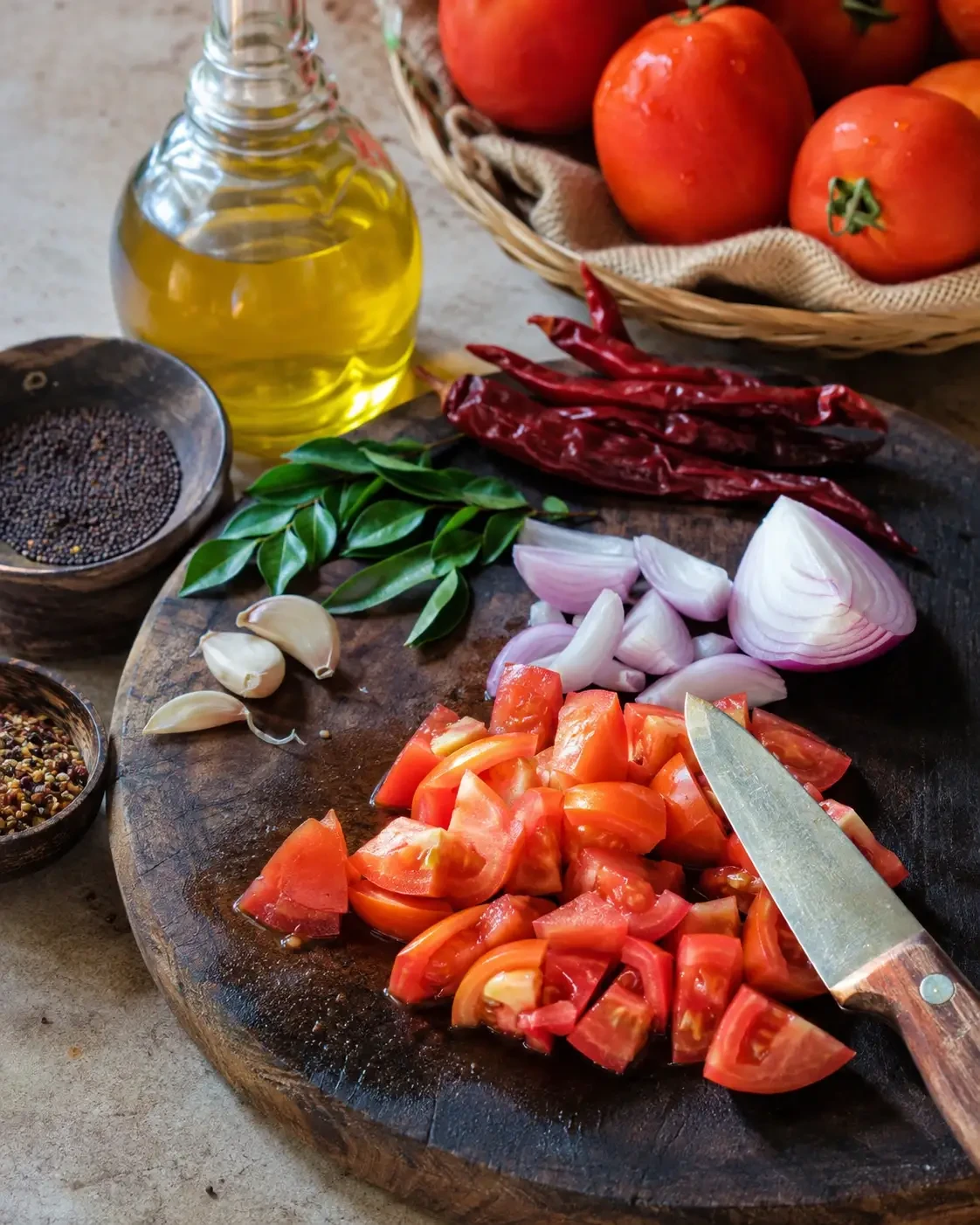
An easy tomato chutney recipe uses chopped tomatoes, onions, vinegar, brown sugar, salt and spices. The mixture is simmered slowly until thick, glossy and spoonable, then placed into clean, sterilised jars. Tomato chutney works well with cheese, sandwiches, burgers, cold meats, pies and farm shop hampers. If tomato chutney is made for sale, the maker should check food hygiene, allergen, labelling, shelf life, storage, traceability and food business guidance before trading.

Start With Recipe Development

You are probably here because you are an interested or seasoned chutney maker and you will know that a sellable chutney needs a consistent recipe.

Before we give you our recipe we think you should trial and error your own flavour profile. A new maker should write down exact ingredients, weights, cooking method, cooking time, target texture, jar size, batch size, storage instructions and flavour profile. This helps the product stay the same from one batch to the next.
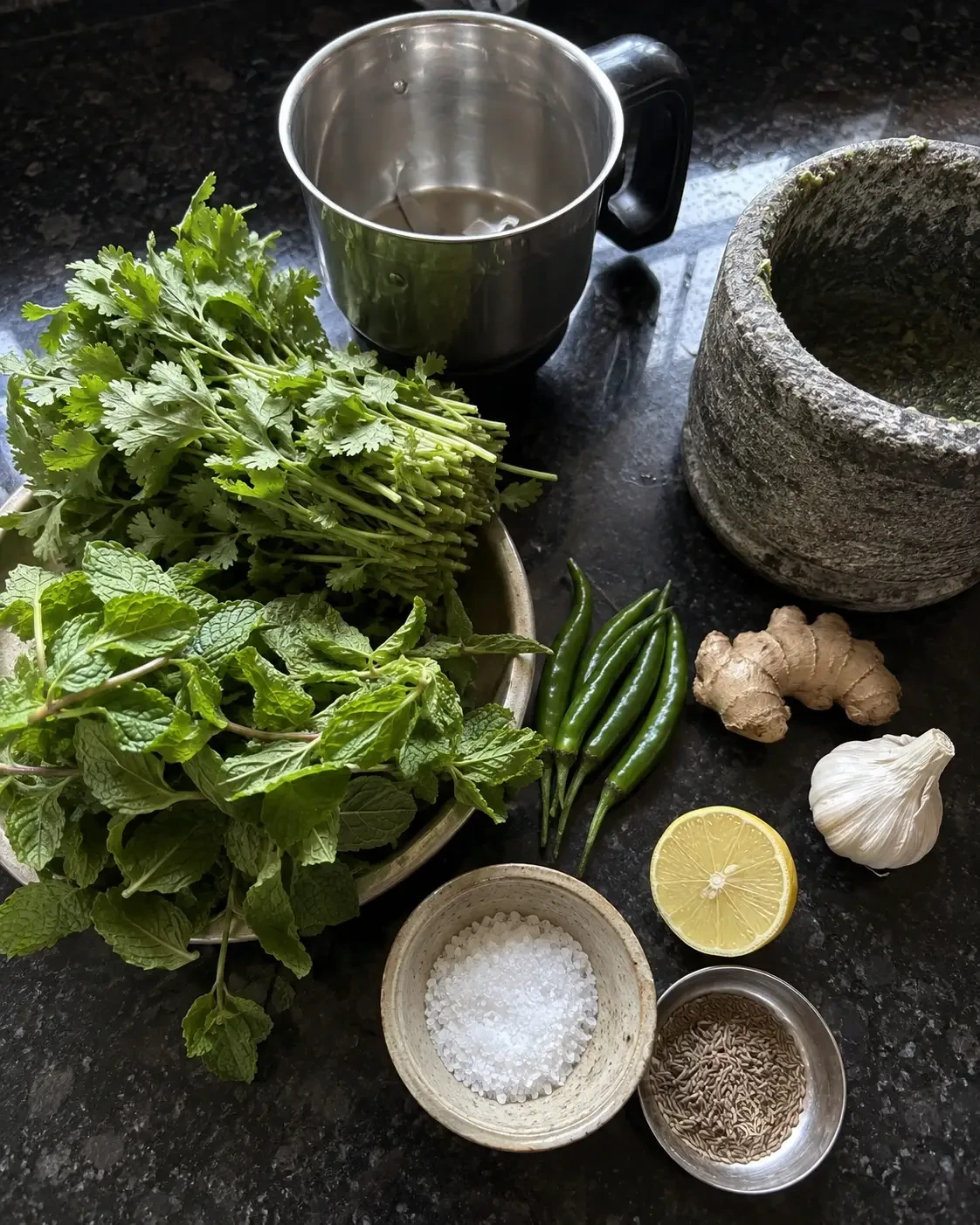
Recipe development should consider:
A chutney made by instinct may be delicious, but a product for sale needs repeatability.

The Combination of Indian Chutney and British Produce

Indian chutney can work beautifully with British produce, they really are a match made in heaven. 

Apple chutney, tomato chutney, onion chutney, beetroot chutney, rhubarb chutney, plum chutney, chilli chutney and courgette chutney can all take inspiration from Indian spice combinations while using seasonal British crops.

This is where you can create a strong local food story.

A chutney maker can honour Indian flavour traditions while supporting British growers and farm shops, provided the wording is respectful and accurate. Depending on the chutney you want to make you may want to source local fruit and veg after you have landed on your ingredients. 
Food Business Registration

If you make chutney to sell, you may need to register as a food business. There is lots of advice available on this page to get started. 

Registration is not only for restaurants. Home based food businesses, market sellers, online food sellers, farm shop suppliers and small batch producers may also need to register depending on what they do.
Registration should be done before trading, and makers should check the current requirements with the Food Standards Agency and their local authority.

Ideally you do not wait until products are already being sold. At the bottom of the page are our external links to help guide you on starting your journey. 
HACCP and Food Safety Management

Food businesses need food safety management procedures.
For chutney makers, that means understanding hazards and controls. Hazards may involve ingredients, cooking, acidity, cooling, jars, lids, allergens, contamination, storage, shelf life, transport and customer instructions.
The process should be written down and followed consistently.

BFFD doesn’t provide a HACCP plan, but it is important to understand that HACCAP is part of selling food.
Shelf Life

Shelf life is one of the most important areas for chutney sellers. It mostly depends on sterilisation and sealing your containers tight. 

A chutney’s shelf life depends on the recipe, acidity, sugar, salt, water activity, cooking process, packaging, storage, hygiene, jar seal and whether the product is fresh, chilled or ambient.

As a potential maker you should not guess shelf life.

For some products, professional testing or specialist advice may be needed, especially if the product is intended to sit on a shelf for a long time.

A best before date should be supported by the correct paperwork and evidence where necessary.
Acidity and pH

Acidity can be important in chutney safety, especially for products intended for ambient storage.
Vinegar based chutneys often rely on acidity as part of the preservation approach, but the recipe still needs to be properly controlled and assessed. Ingredients, ratios, cooking method and final product characteristics all matter.
This page should not give technical pH targets or act as a safety formula.
It should simply make clear that acidity matters and should be checked professionally where needed.

Fresh Chutney vs Jarred Chutney

Fresh chutney and jarred chutney are not the same.
Fresh chutneys may be made for immediate use, short shelf life or chilled sale. Jarred chutneys are usually cooked, packed and labelled for longer storage. They may still need controls around acidity, heat, sealing, storage and shelf life.
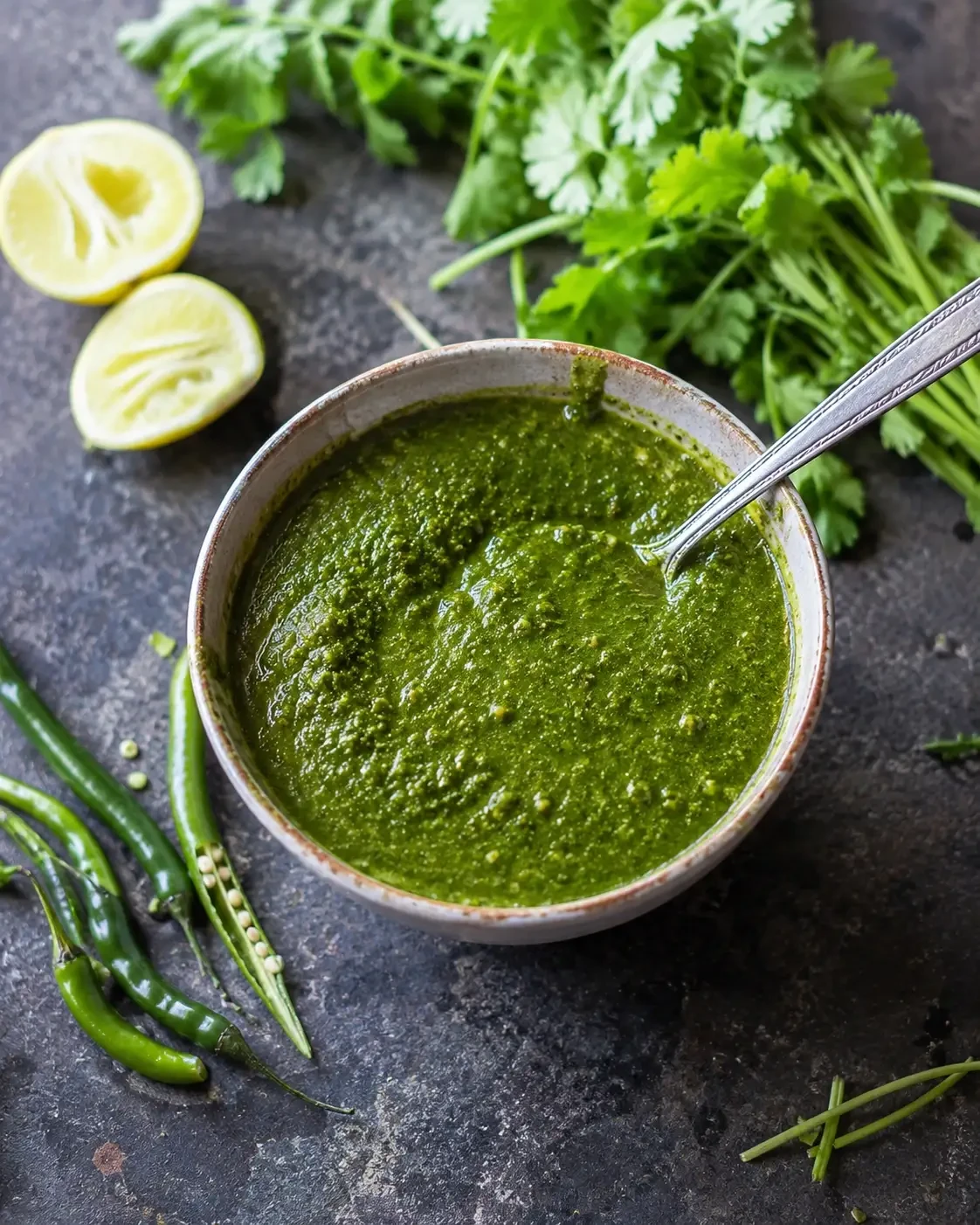
A coriander mint chutney sold chilled at a market may need different controls from a cooked apple and chilli chutney sold in a jar.
The selling route should match the product type.

Oil Based Chutneys

Oil based chutneys need particular caution.
Oil can change the food safety profile of a product, especially where garlic, herbs, chillies or low acid ingredients are involved. A maker should not assume that covering ingredients in oil makes them safe.
Any oil based chutney intended for sale should be assessed carefully with appropriate guidance.
Again whilst we appreciate guidance may be required on where and how to store and sell these oil based products legally it really does depend on the range of ingredients that you intend to use in your recipes.

Coconut and Fresh Herb Chutneys

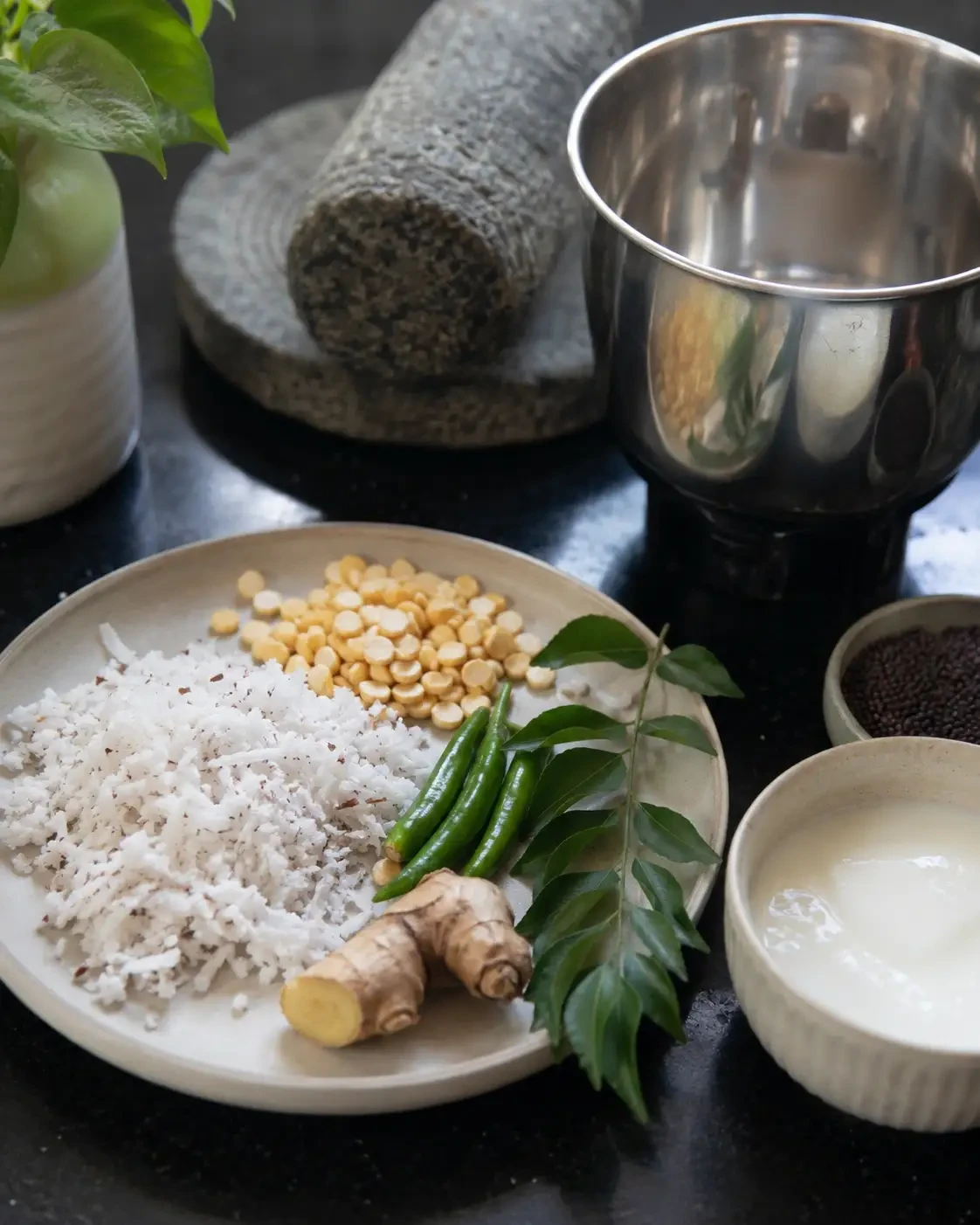
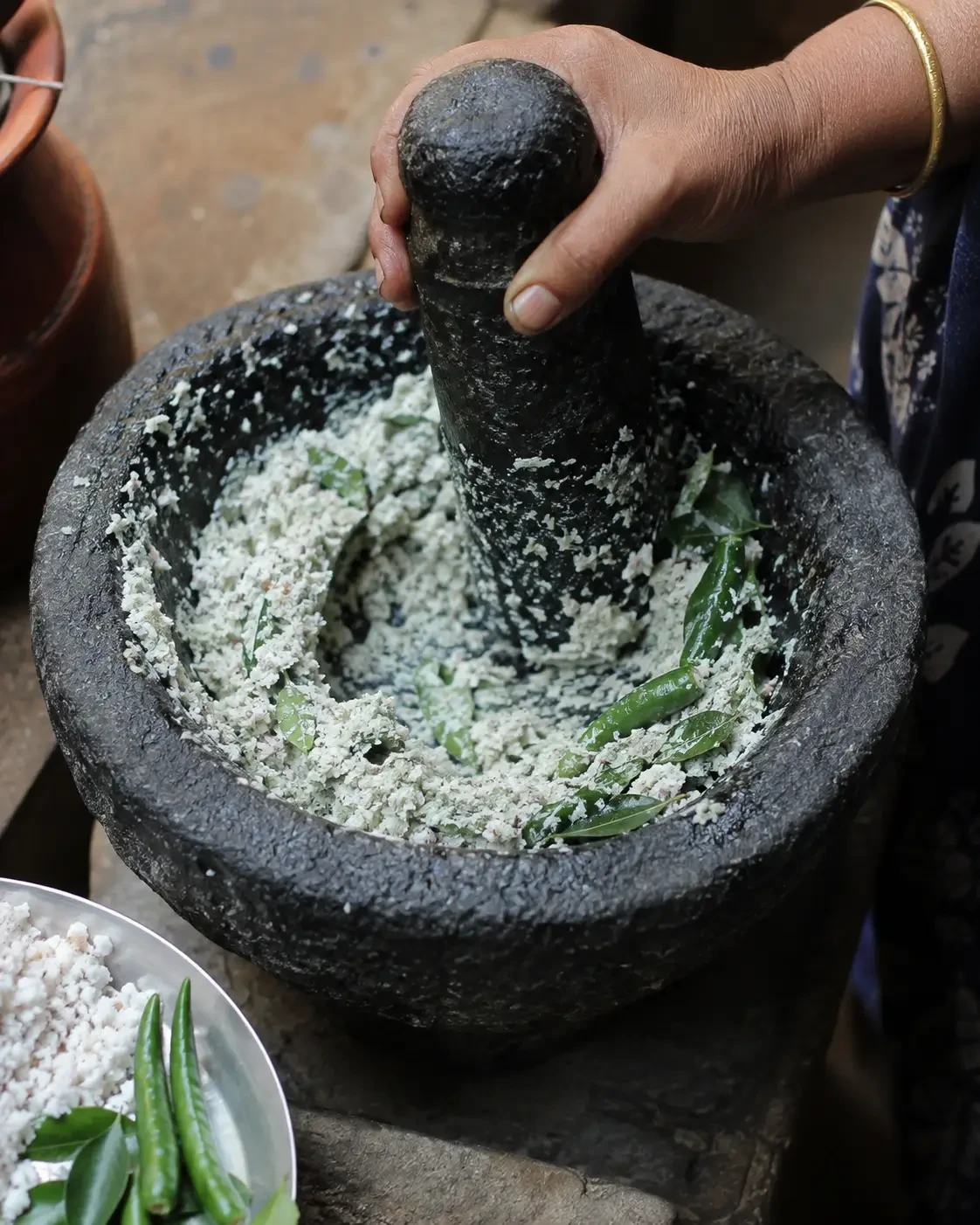
Coconut chutney is a unique twist on your average chutney and fresh herb chutneys are often designed for immediate eating. Delicious but not something you often store for later. 

They can be awesome pallet additions, but they may not be suitable for ambient shelf stable sale without proper product development and controls. They may need chilling, short shelf life and clear storage instructions if you plan to sell or distribute on mass. 
Makers should be especially cautious with these products.
A traditional serving chutney may need adapting or professional assessment before it can become a safe retail product.

Product Names and Flavour Descriptions

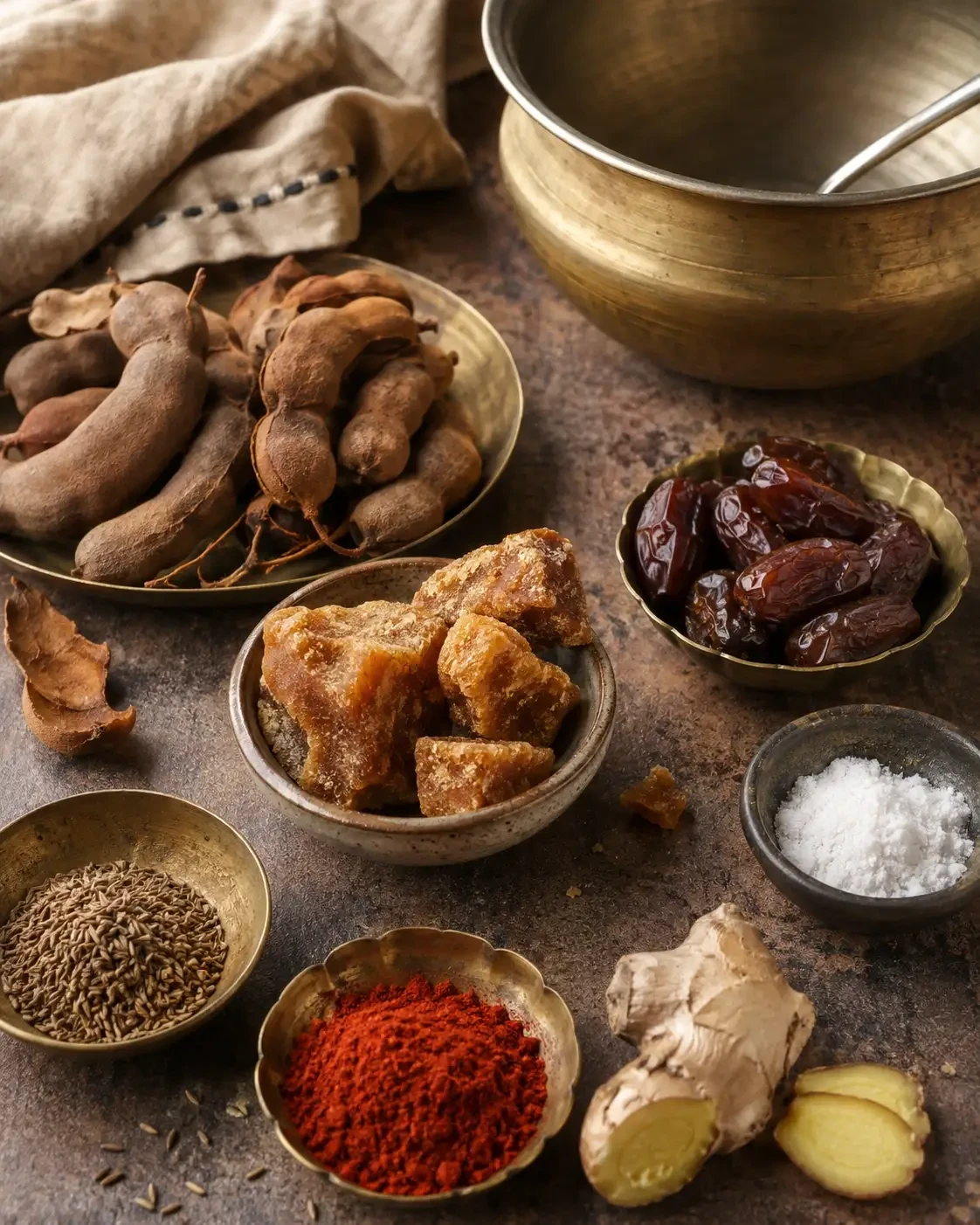
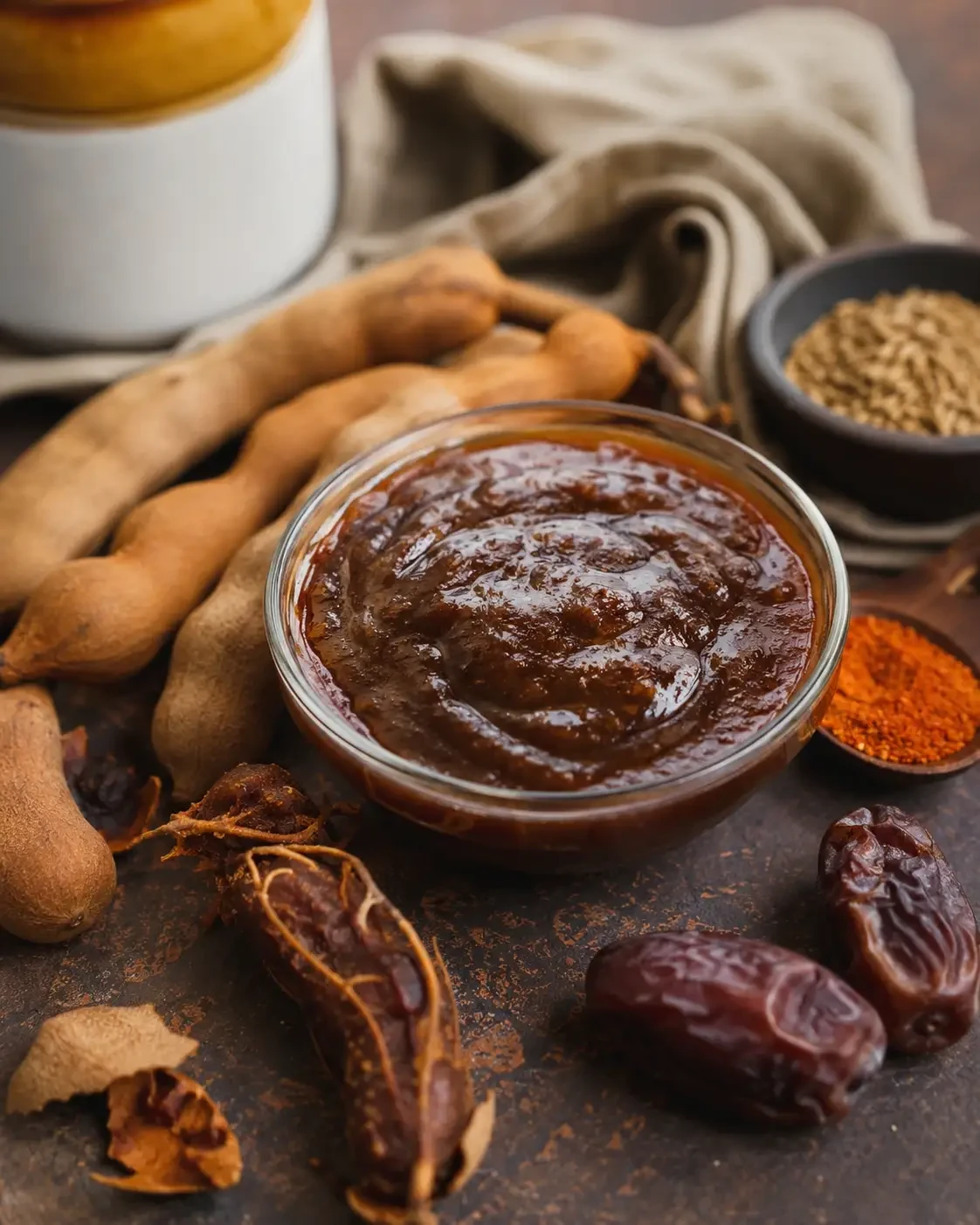
A good flavour description with some variety normally help customers choose. Instead of only saying “Indian chutney”, describing the actual flavour can be very beneficial. Some classics we have made over the years are:
Adding a clear heat language also helps the consumer:

However, selling chutney means thinking carefully about food safety, labelling, storage, shelf life and business registration. You may have already began your chutney journey in which case why not become a seller on BFFD?
Brand Story and Cultural Respect

Indian chutney is a truly historical dish that carries cultural depth. If a maker is drawing from family recipes, regional food traditions or a specific community background, the story can be powerful and personal. If a maker is inspired by Indian flavours without that background, the wording should be respectful, accurate and not exaggerated.
A better product story explains the knowledge that has been gained elsewhere, the ingredients, inspiration, flavour, pairing and producer honestly.

Selling Chutney note

If any of your home made chutney is for sale, check food business registration, food hygiene, allergen information, labelling, shelf life, batch records, storage and traceability guidance before trading.

How BFFD Helps Chutney Makers

BFFD is being built to help specialist local food producers become easier to discover. For tomato chutney makers, BFFD can help users find preserve producers, farm shop stockists, farmers market stalls, vegetable growers, seasonal products and ordering routes.
A strong preserve maker listing should help users understand:

Do you make chutney or seasonal preserves?

Are you a chutney maker, jam maker, farm shop, farmers market seller or local preserve producer? Create a BFFD profile so people can find your products, stockists, ordering options and producer story more easily.

Reputable External Sources

Use this for food business registration context.

Use this for safe food business setup context.
Use this for official food hygiene context.
Use this for food safety management procedure context.
Use this for allergen information and handling context.
Use this for jam, marmalade, mincemeat and similar product composition and labelling context.
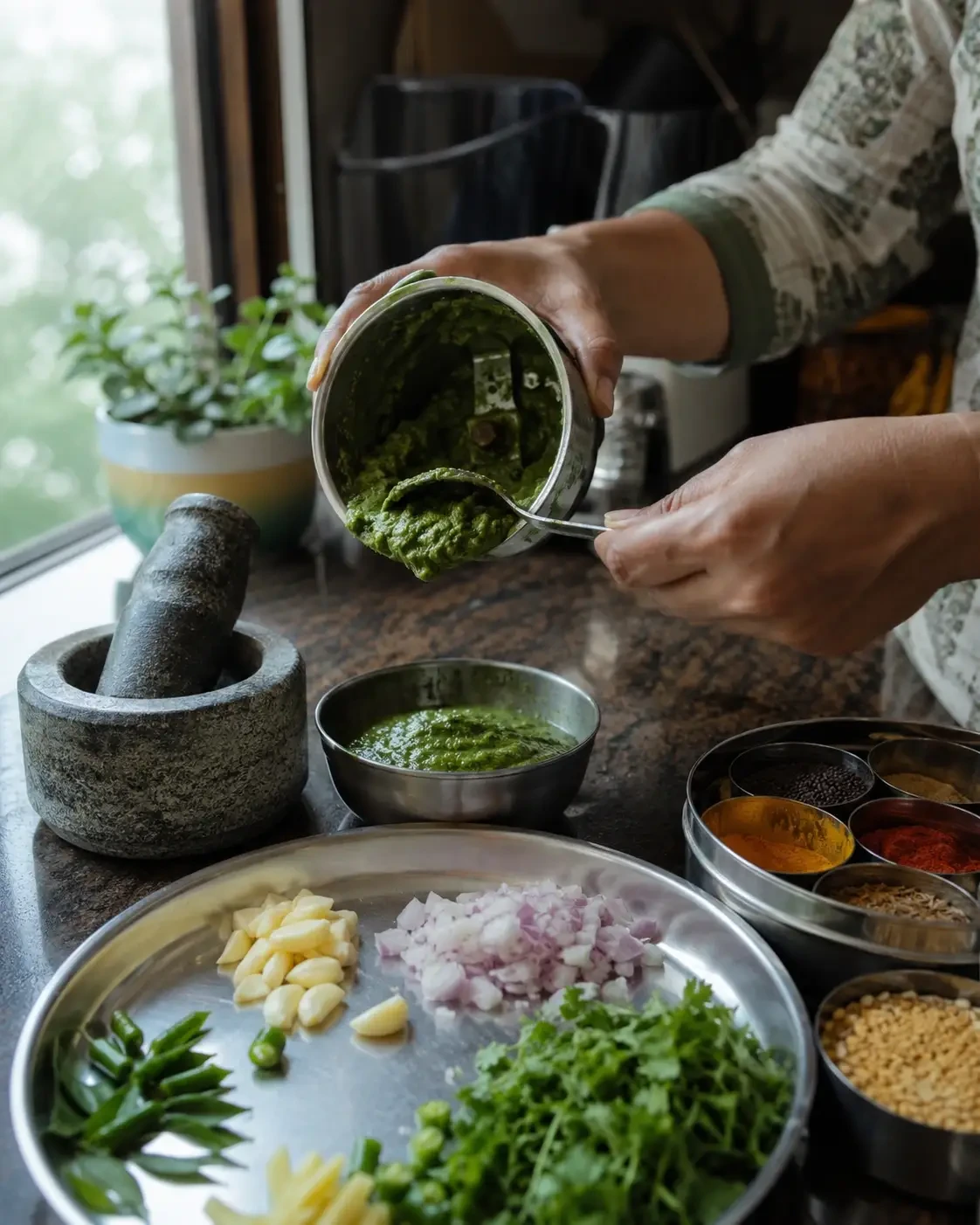
green Indian chutney

*External sources are provided for further reading. BFFD does not provide food safety, legal, trading standards, allergen, dairy hygiene, delivery, labelling or business advice. Cheesemongers, cheese makers and food businesses should always follow current official guidance and seek professional advice where required.

FAQ

Can I sell homemade Indian chutney?
You may be able to sell homemade Indian chutney, but you should check food business registration, hygiene, allergen, labelling, shelf life, storage, traceability and local authority guidance before trading.
If you are making food to sell, you may need to register as a food business with your local authority. Check current Food Standards Agency and local authority guidance before trading.
Fresh herb or coconut chutneys can have different food safety requirements from cooked vinegar based chutneys. Seek proper food safety advice before selling them.
Shelf life depends on the recipe, acidity, cooking process, packaging, storage and hygiene. Do not guess shelf life for a product being sold.
Allergens depend on the recipe, but possible considerations include mustard, sesame, nuts, peanuts, sulphites, dairy, gluten containing ingredients or cross contamination risks.
You may be able to sell chutney at a farmers market if you meet the relevant food business, hygiene, labelling, allergen, insurance and market requirements.
Yes. Chutney makers, preserve producers, farm shop ranges and farmers market sellers can create BFFD profiles where they fit the platform structure.
No. BFFD provides educational content and producer visibility. Food businesses should follow official guidance and seek professional advice where needed.

Turn a Chutney Recipe Into a Responsible Food Business

Indian chutney can be flavourful, personal and highly sellable, but the journey from kitchen recipe to retail jar needs care. BFFD is being built to help small producers become more visible while encouraging safer, clearer and more responsible local food selling.