Purple sprouting broccoli produces tender shoots at the quieter end of the vegetable year. Traditional varieties grow through summer, stand outside in winter and crop the following spring. Modern summer selections have a different timetable. This guide covers sprouting broccoli rather than green calabrese.
Edible shoots
Hardy winter crop
Sun preferred
Long growing season
Protect from pigeons
| Botanical name | Brassica oleracea Italica Group |
| Family | Brassicaceae |
| Crop type | Sprouting broccoli |
| Life cycle | Usually grown across two seasons |
| Edible part | Tender stems, buds and small leaves |
| Position | Sun or light shade |
| Soil | Fertile, firm and well drained |
| Moisture | Even moisture during active growth |
| Typical height | About 90cm, sometimes taller |
| Plant spacing | Usually 60 to 80cm |
| Main sowing window | March to May |
| Outdoor sowing | Late April to May |
| Planting out | June to July |
| Main harvest | Winter to the following spring |
| Propagation | Seed |
| Support | Useful on windy sites |
| Container growing | Possible with a compact variety |
| Crop family rotation | Brassicas |
| Main pests | Pigeons, caterpillars and root fly |
| Harvest stage | Firm buds before yellow flowers open |
| Plant name | Crop type | Spacing |
Sow indoors
Plant outdoors
Harvest
Polytunnel | |||||||||||
|---|---|---|---|---|---|---|---|---|---|---|---|---|---|---|
| Jan | Feb | Mar | Apr | May | Jun | Jul | Aug | Sep | Oct | Nov | Dec | |||
| Broccoli (Purple) | Brassicas | Single 0.60m, In row 0.60m, Row gap 0.75m | Harvest | Harvest | Sow indoors, Harvest, Polytunnel | Sow indoors, Harvest, Polytunnel | Sow indoors, Harvest, Polytunnel | Plant outdoors | Plant outdoors | No activity recorded | No activity recorded | No activity recorded | No activity recorded | Harvest |
Sow indoors: March, April, May. Plant outdoors: June, July. Harvest: January, February, March, April, May, December. Polytunnel: March, April, May.
The calendar describes traditional overwintering purple sprouting broccoli: sow in March to May, plant in June to July and harvest in December to May, according to variety and locality. March sowings are sheltered; direct outdoor sowing usually starts in late April. Polytunnel months refer to raising young plants in March to May, not a requirement to shelter mature plants. Summer varieties have their own packet timetable and are excluded from these main harvest months.
Choose this crop if you can reserve a generous patch through summer and winter. Mark the mature spacing on your plan before ordering: six substantial plants need considerably more room than six seedlings suggest.
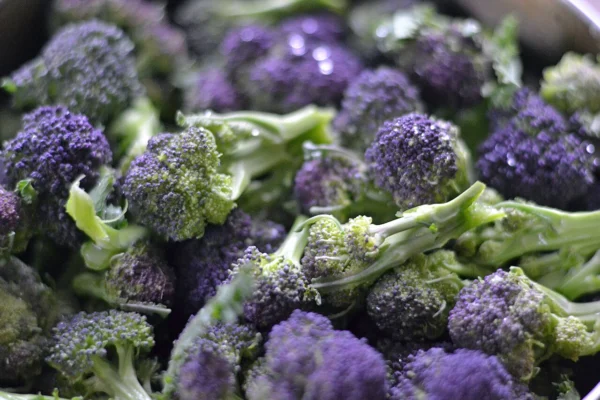
Give plants a bright position sheltered from strong winds. Light shade is tolerated, but a cramped corner makes inspection, picking and fitting mesh awkward.
Prepare a fertile bed that drains freely. Add mature organic matter ahead of planting and allow soil to settle. Firm soil means good root contact, not compacting a wet bed.
Keep the crop in your brassica rotation. Record any club root history before accepting plants or moving soil between beds. Clean tools and footwear after working on affected ground.
Plan a roomy protective frame before plants become tall. Allow space to lift one side for weeding and picking, and secure every edge.
Photo: Neil Theasby, CC BY-SA 2.0. Resized and optimised; cropped for display. Adapted image under the same licence.

Start with healthy seedlings and a prepared final bed. Follow the named variety’s instructions and avoid leaving plants crowded in small cells.
1.
Choose a named overwintering variety and record its expected harvest season. Keep summer sprouting seed separate so the two schedules cannot be mixed.
2.
Sow in clean modules or a seed tray under cool shelter in early spring. Use fresh seed compost and follow the packet's sowing depth.
3.
Alternatively, sow a small outdoor seedbed in late April or May when conditions are suitable. Label rows immediately and protect emerging seedlings.
4.
Thin crowded seedlings and move tray grown plants into individual pots while they are manageable. Water gently and give them good light.
5.
Prepare the final bed before June. Remove persistent weeds and check that the planned row leaves enough room to reach both sides.
6.
Gradually accustom sheltered plants to outdoor conditions. Select sturdy plants about 10 to 15cm tall with several true leaves and a healthy root system.
7.
Plant in June or July at the spacing recommended for the variety, commonly 60 to 80cm. Set plants firmly, water thoroughly and label each variety.
8.
Fit suitable insect mesh immediately, with secure edges and room for growth. Check beneath it during the first week for wilting, slugs and gaps.

Watering
Check the root zone during dry spells, especially just after transplanting. Water sufficiently to moisten the soil around the roots rather than repeatedly wetting only the surface. A mulch helps slow drying once the bed is moist.
Container compost needs frequent checks because leaves intercept rainfall. Inspect below the surface before watering and maintain free drainage throughout winter.

Feeding
Base feeding on the condition of the bed. Where growth is weak on poor soil, a modest nitrogen feed during establishment can help; follow the product directions and water it in as instructed.
Record compost and fertiliser applications. Pale growth with wilting can indicate damaged roots; investigate before assuming every symptom needs more feed.

Pruning
Harvest the central spear while its buds remain closed, then return regularly for the developing side shoots. Cut a useful length of tender stem with its small leaves, leaving the plant and unready shoots in place.
Use clean secateurs and a shallow basket. Pick what you can use promptly, checking more often as spring warmth speeds bud opening.

Winter care
Traditional varieties are hardy outdoor crops. Secure tall plants to stakes on exposed plots and check ties after gales. Firm any loosened root zone gently when the soil is workable.
Keep pigeon protection secure and clear debris from covers. Inspect frames after storms. Optional polytunnel growing still needs ventilation; the structure is not permanently warm.
Purple sprouting broccoli develops branching shoots with clusters of purple flower buds. These are the harvestable spears. The broad brassica leaves and upright stems should not be confused with the compact single head usually associated with green calabrese.
Yellow flowers mark buds beyond their best picking stage. Photographs cannot reliably establish named cultivars, so these comparison images illustrate the crop without claiming an exact variety.
Photo: Jonathan Billinger, CC BY-SA 2.0. Resized and optimised; cropped for display. Adapted image under the same licence.
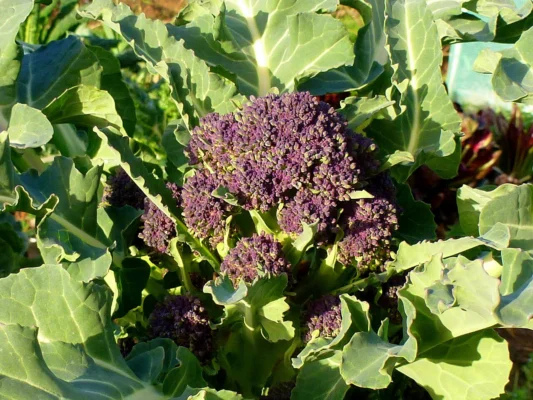
Mild districts may pick earlier than cold inland gardens. Record your own first and last useful harvest dates to improve next year’s variety choice.
Allow for the long wait. An apparently healthy plant with plenty of leaves in autumn may be following its normal spring cropping schedule. Check its label before removing it as a failure.
Summer sprouting varieties are useful but should be planned as a separate crop. Their shorter timetable does not make a traditional spring variety ready to harvest in the summer of sowing.
Photo: James Allan, CC BY-SA 2.0. Resized and optimised; cropped for display. Adapted image under the same licence.
Pigeons can remove large areas of leaf, particularly when other food is scarce. Inspect the cover for gaps, secure it around the whole bed and keep loose netting away from wildlife.
Check leaf undersides and growing points. Remove caterpillars by hand where practical and repair the protective barrier. Butterfly netting and fine insect mesh exclude different pests, so choose the material for the problem.
Cabbage root fly larvae can damage roots after planting. Inspect a failing plant rather than watering indefinitely. Fit brassica collars or suitable mesh preventively, and rotate the bed because flies can emerge beneath covers.
Club root causes distorted roots and poor growth. Avoid spreading contaminated soil, improve drainage and seek advice on management. Raising an acid soil's pH may reduce severity but is not a cure.
Warm weather and missed harvests allow buds to flower. Pick remaining tight shoots promptly and shorten the interval between checks. Confirm that a summer variety has not been mistaken for an overwintering selection.
Raise replacement plants from seed each year. Keep packets dry and label sowings with the variety and date. Ordering a small amount of a named selection makes the harvest window easier to plan than relying on unidentified surplus plants.
Saving seed needs more planning than leaving one plant to flower. Broccoli can cross with other flowering Brassica oleracea crops, and a suitable population and isolation are needed to maintain a variety. F1 offspring may not repeat the parent crop.
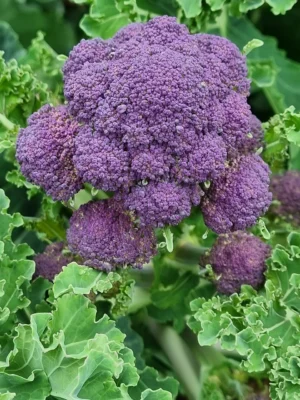
Early Purple Sprouting
A traditional hardy selection associated with March harvests. It can become tall, so leave room for mature stems and support. Useful where a recognisable spring crop is the main aim.
Illustrative purple sprouting broccoli; cultivar unidentified.
Photo: Conall, CC BY 2.0. Resized and optimised; cropped for display.

Rudolph
An early selection that may crop from November in mild conditions. Colder gardens may wait until February, with picking continuing into March. Its name is not a guarantee of Christmas spears.
Illustrative purple sprouting broccoli; cultivar unidentified.
Photo: Jonathan Billinger, CC BY-SA 2.0. Resized and optimised; cropped for display. Adapted image under the same licence.
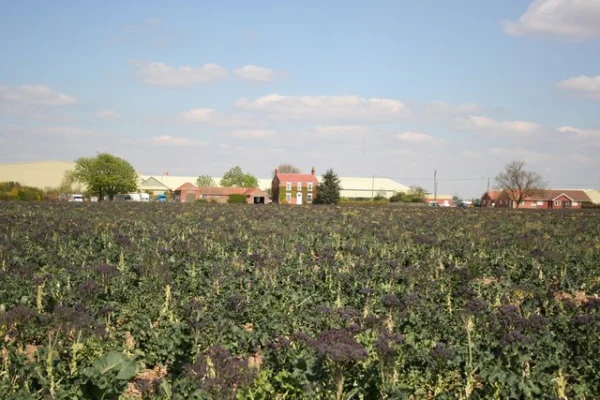
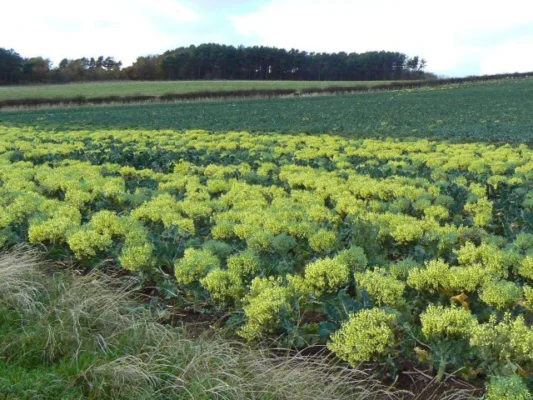
Claret F1
A vigorous late selection sold for April and May picking in the year after sowing. Consider it when you want to follow an earlier variety, while keeping sufficient space for strong plants.
Illustrative field of purple sprouting broccoli; cultivar unidentified.
Photo: Richard Croft, CC BY-SA 2.0. Resized and optimised; cropped for display. Adapted image under the same licence.
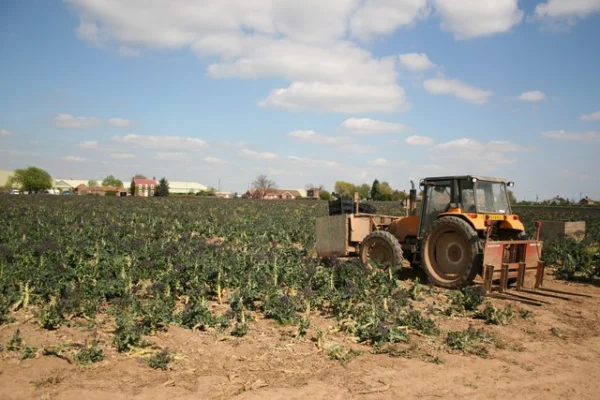
Summer Purple
A summer and autumn selection with a different timetable from the main calendar. Supplier guidance gives picking from late June to October depending on sowing. Follow its own packet instructions.
Illustrative purple broccoli field; cultivar unidentified.
Photo: Richard Croft, CC BY-SA 2.0. Resized and optimised; cropped for display. Adapted image under the same licence.
Explore the BFFD map for growers and farm shops, then check availability directly. Confirm whether seeds, plants or cut spears are offered, and ask the variety when buying plants.
Unpicked flowers can feed insects. Retain a dedicated plant only where space and crop health allow, removing covers for insect access.
Use securely fitted fine mesh rather than loose, trailing netting. Check barriers regularly and keep the rest of the garden varied, with shelter for natural predators as well as protected vegetable beds.
Published by Buy From Farmers Direct. Sources checked 4 October 2026. Growing references: RHS: How to grow broccoli; Garden Organic: Sprouting broccoli; RHS: Early Purple Sprouting; RHS: Rudolph; Kings Seeds: Claret F1; Kings Seeds: Summer Purple; RHS: Cabbage root fly; RHS: Insect proof mesh; RHS: Club root; Real Seeds: Seed saving instructions. The seasonal timeline uses the shared BFFD Growers Calendar record; adjust timings to your variety and local conditions.
For the traditional overwintering crop, sow under shelter in early spring or outdoors from late April into May. Follow the named variety's instructions because summer selections use a different schedule.
Pick when individual spears carry tight buds before yellow flowers open. Take the central spear first, then side shoots. The calendar date depends on variety and conditions, commonly winter through spring.
Choose a compact variety, one plant per large, stable container and a position where you can water regularly. Allow room for its cover and support. A small windowsill pot is unsuitable for the mature crop.
Check the variety and sowing year first. Traditional purple sprouting broccoli normally builds a substantial plant before its winter or spring harvest. Poor growth, damaged roots or an incorrect sowing date need separate investigation.
Further side shoots develop after the central spear is cut, allowing repeated picking from the same plant. This is a continuing harvest, rather than a reliable permanent perennial crop.
The purple colour commonly fades during cooking. It does not indicate a problem with the crop. Harvest tender shoots and cook them promptly for the best eating quality.
Use the BFFD growers calendar to reserve the bed through winter and retain your variety labels. The map can help you find local seasonal produce between your own harvests.
Explore more growing guides: Broccoli (Green), Brussels Sprouts, Cabbage (Spring).
Want to get food independence, support your local grower, get better prices and shop more privately?
Local food isn’t just something you find. It’s something you protect. A free account helps keep local supply visible, supported, and resilient.

….it takes 30 seconds for food lovers and 5 minutes for suppliers
We built this for people who care where their food comes from. For people who want to remain food secure. For Farmers to get to the local people, who deserve a better income and to deliver a better price for you. For the environmentally conscious and the privacy-conscious. An account simply helps us make the map and supplier reach more useful to you, without changing how open it is. You’re always in control.


Find local food. Stay connected to it. Create a free account to support local producers and be part of a growing food network.


