Florence fennel is the vegetable grown for crisp, pale bulbs with an aniseed flavour. It needs a different approach from tall perennial herb fennel. Choose seed sold for bulb production, match the variety to its sowing season and keep growth steady. For most UK gardens, a summer sowing for an autumn harvest is a sensible starting point.
Bulb vegetable
Summer sowing
Sunny sheltered site
Keep evenly watered
Harvest before flowering
| Botanical group | Foeniculum vulgare Azoricum Group |
| Also listed as | Foeniculum vulgare var. azoricum |
| Family | Apiaceae |
| Common names | Florence fennel, bulb fennel and finocchio |
| Crop type | Grown as an annual vegetable |
| Harvested part | Swollen, overlapping leaf bases |
| Flavour | Sweet aniseed |
| Position | Full sun with shelter |
| Soil | Fertile, moisture retentive and well drained |
| Main outdoor sowing | June and July |
| Optional module sowing | May and June, with a suitable variety |
| Sowing depth | About 1.5cm outdoors |
| Standard plant spacing | 30cm |
| Standard row spacing | 30cm |
| Baby bulb spacing | 10 to 15cm |
| Container width | About 40cm or more for a small group |
| Typical time to mature | About three to four months from seed |
| Main harvest | August to October, depending on sowing |
| Main difficulty | Bolting before a useful bulb develops |
| Routine greenhouse need | None for the main outdoor crop |
| Plant name | Crop type | Spacing |
Sow indoors
Plant outdoors
Harvest
Polytunnel | |||||||||||
|---|---|---|---|---|---|---|---|---|---|---|---|---|---|---|
| Jan | Feb | Mar | Apr | May | Jun | Jul | Aug | Sep | Oct | Nov | Dec | |||
| Fennel | Root vegetables | Single 30cm, In row 30cm, Row gap 30cm | No activity recorded | No activity recorded | No activity recorded | No activity recorded | Sow indoors | Sow indoors, Plant outdoors | Sow indoors, Plant outdoors | Harvest | Harvest | Harvest | No activity recorded | No activity recorded |
Sow indoors: May, June, July. Plant outdoors: June, July. Harvest: August, September, October. Polytunnel: no months recorded.
May in the sowing band is for suitable varieties started in modules under cover. June and July are the main outdoor sowing months; the planting band covers young module plants moved outside in early summer. Harvest from August to October according to size and conditions. Late sowings may need harvesting as baby bulbs. No routine polytunnel season is shown.
A short row can supply bulbs for salads, roasting or braising without occupying the bed for a whole year. Try a modest first sowing so you can learn how the crop behaves in your soil.
Reliable access to water matters more than owning specialist equipment. On an allotment visited only occasionally, a dry summer can make this a frustrating crop unless someone can check it between visits.
Photo: Kolforn, CC BY-SA 4.0. Resized and optimised; cropped for display. Adapted image under the same licence.
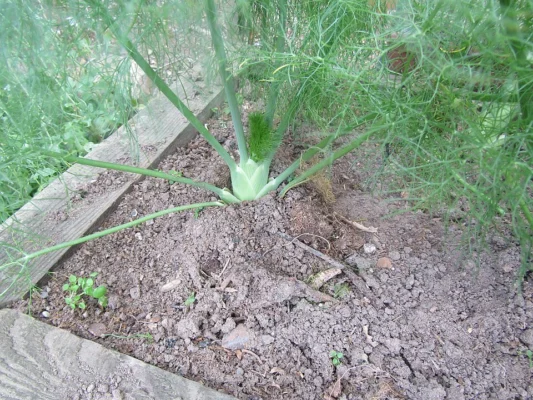
Choose an open, sunny position protected from drying winds. Leave enough access to inspect individual bulbs and harvest them without treading on their neighbours.
An established vegetable bed with good soil structure is ideal. Where drainage is poor, use a raised bed or a large container rather than sowing into ground that stays saturated.
Fennel can follow an early crop when space becomes available in June. Clear the old roots and weeds, check moisture below the surface and prepare a fine seedbed before sowing.
For pots, choose a drained container around 40cm wide or larger, with peat free multipurpose compost. A few well spaced plants are easier to water and harvest than an overcrowded display.
Photo: Schlaghecken Josef, CC BY-SA 4.0. Resized and optimised; cropped for display. Adapted image under the same licence.
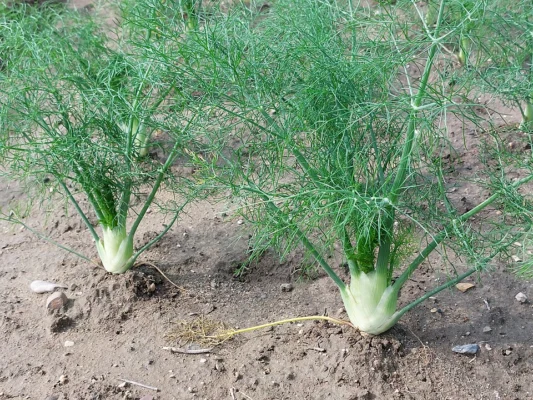
Read the packet before choosing a sowing date. Early cropping varieties offer options, but June or July direct sowing avoids several problems associated with a cold spring.
1.
Buy Florence or bulb fennel seed. Ordinary green or bronze herb fennel will not produce the swollen vegetable you want.
2.
Prepare the bed before sowing. Break up large clods, remove perennial weeds and water dry ground so germinating seeds have moisture beneath them.
3.
For the main crop, sow thinly outdoors in June or July at about 1.5cm deep. Leave 30cm between rows and label the variety and date.
4.
If starting under cover in May or June, use individual modules and a variety suited to that timing. Avoid a crowded seed tray that requires separating roots later.
5.
Keep seedlings bright and evenly moist. Thin outdoor rows gradually towards 30cm between plants, taking care not to loosen those being retained.
6.
Acclimatise indoor raised plants gradually before planting outside in settled weather. Bring them back under protection if cold conditions return.
7.
Move module plants with their root balls intact while still young. Set them at their previous depth, firm gently and water the surrounding soil.
8.
Check the row regularly through establishment. Make a second small sowing within the recommended season if you want to spread the harvest.

Watering
Water the root zone thoroughly when needed, rather than relying on a quick sprinkle over dry soil. Feel beneath the surface and check pots especially often during hot or windy weather.
A light compost mulch around established plants helps conserve moisture. Leave the growing centres clear and keep watching for slugs beneath damp material.

Feeding
Prepare the soil with well rotted organic matter before the crop goes in. Fennel following a well managed spring vegetable bed may need little additional feeding.
In containers, follow the compost and fertiliser instructions rather than guessing a strong dose. If growth stalls, check roots, crowding and water supply before assuming a lack of feed.

Pruning
There is no routine pruning programme for a bulb crop. Keep healthy foliage working until harvest and take only occasional small fronds for the kitchen.
Cut mature bulbs near ground level before the central shoot stretches into a flower stem. Young bulbs can also be used; do not sacrifice tenderness simply to reach a target size.

Winter care
Treat this as a seasonal harvest rather than a permanent winter vegetable. Gather usable bulbs before severe weather damages them, especially on exposed plots.
A temporary cloche can protect a late crop from a brief cold spell, but it cannot restore a bulb that has already bolted. Keep covers ventilated and check the plants beneath them.
A Florence fennel bulb is not an onion or an underground root. Its pale overlapping leaf bases swell at soil level, supporting finely divided green foliage. The packet may describe the plant as Foeniculum vulgare var. azoricum.
A tall flowering stem and yellow umbrella shaped flower clusters indicate the crop has moved towards reproduction. Herb fennel has similar foliage and flowers but does not develop the same useful bulb. Keep seed labels rather than relying on leaves alone.
Photo: Schlaghecken Josef, CC BY-SA 4.0. Resized and optimised; cropped for display. Adapted image under the same licence.
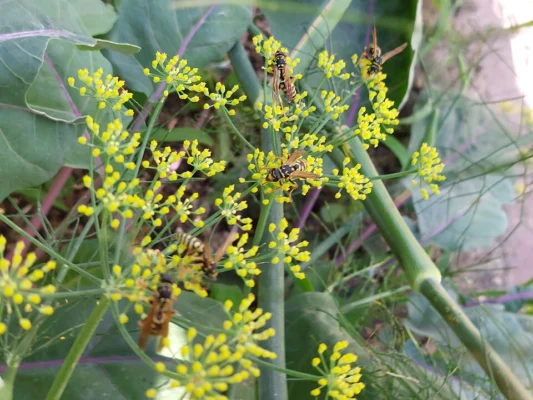
In warmer southern gardens, compare a small early trial with the main summer sowing. Use the packet’s early season guidance and a suitable bolt resistant variety; a warm afternoon does not remove the risk of cold nights.
In northern and upland gardens, a protected module start can help if roots remain undisturbed. Avoid leaving planting or sowing so late that the crop has too little growing weather before autumn. Baby bulbs are a useful fallback.
In the drier east, plan watering before planting. In wetter western districts, drainage and slug checks deserve equal attention. Local exposure and soil can matter as much as a county boundary.
Photo: Schlaghecken Josef, CC BY-SA 4.0. Resized and optimised; cropped for display. Adapted image under the same licence.
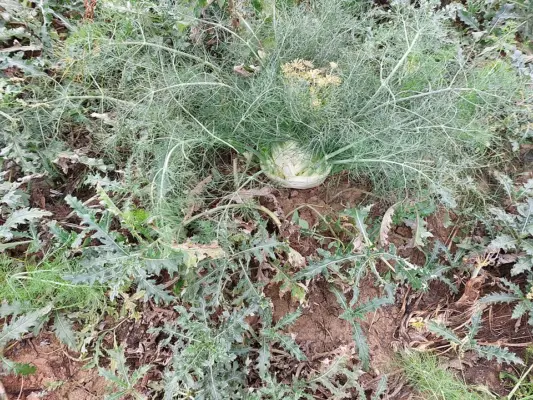
Bolting can follow unsuitable sowing dates, cold exposure, root disturbance or dry conditions. Review the whole growing history. Cutting off the stem does not reliably restart normal bulb production.
Check that the seed was a bulb variety, then review spacing, growing time and moisture. Harvest small tender bulbs if autumn is closing in rather than waiting indefinitely for larger ones.
Inspect for slugs and snails, especially after rain. Remove nearby hiding places where practical and check young plants regularly; unexplained losses should not automatically be blamed on poor germination.
Look closely for aphid colonies. Small populations can be tolerated while predators arrive. If damage builds, remove accessible colonies by hand and keep flowering habitat for beneficial insects nearby.
Check drainage and root condition before adding more water. Saturated compost can starve roots of air. Avoid planting replacement seedlings into the same unresolved wet pocket.
Sow a fresh crop from seed for reliable bulb production. Named F1 varieties are bought again when you want the same characteristics; their saved seed will not reproduce the original hybrid consistently.
Saving open pollinated fennel seed is a separate project requiring plants to flower and mature seed. Keep several suitable plants and consider other flowering fennel nearby. Do not select only the earliest bolters when preserving a bulb crop.
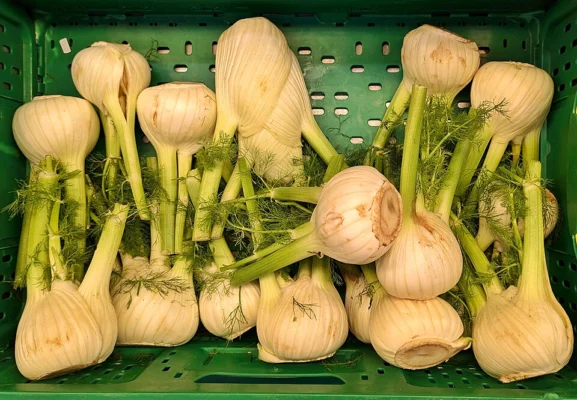
Rondo
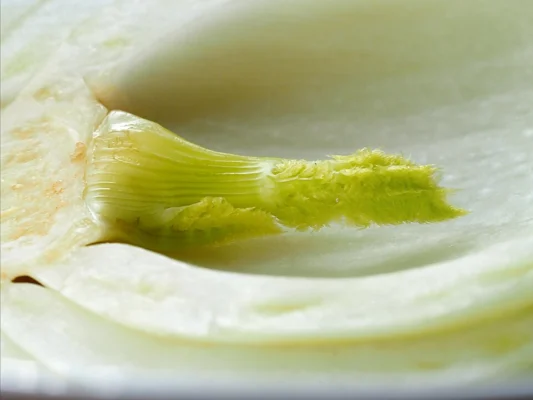
Dragon
A compact selection noted by the RHS for resistance to bolting and yellowing. Resistance helps, but good watering and appropriate sowing dates still matter.
Close view of a cut fennel bulb; not confirmed Dragon.
Photo: Jedesto, CC BY-SA 4.0. Resized and optimised; cropped for display. Adapted image under the same licence.
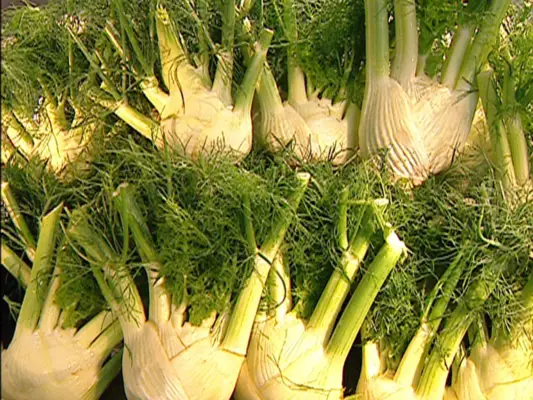
Zefa Fino
A quick maturing variety with somewhat flattened bulbs. It is worth comparing when you want a recognisable bulb crop within a limited growing season.
Illustrative market fennel bulbs; not confirmed Zefa Fino.
Photo: Burkhard Mücke, CC BY-SA 3.0. Resized and optimised; cropped for display. Adapted image under the same licence.
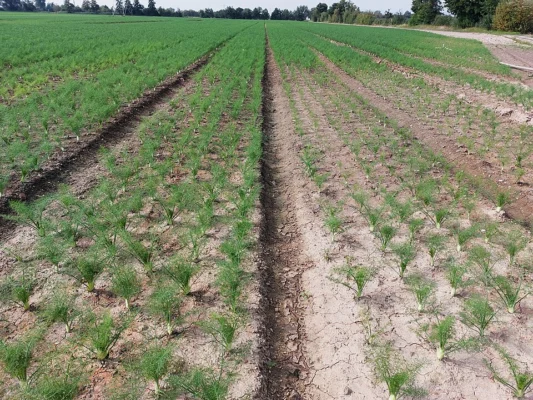
Solaris F1
A fast growing hybrid sold for bulb production and aniseed flavour. Follow its own packet spacing and sowing advice rather than transferring instructions from herb fennel.
Illustrative young Florence fennel crop; the cultivar is not recorded.
Photo: Schlaghecken Josef, CC BY-SA 4.0. Resized and optimised; cropped for display. Adapted image under the same licence.
Look for Florence fennel, bulb fennel or finocchio on the packet. Compare sowing windows and resistance to bolting. If buying plugs, choose young plants with a clear variety label and arrange a prepared planting space before they arrive.
A bulb harvested for eating never needs to flower. If a spare plant bolts, leaving its yellow flower heads can provide feeding opportunities for visiting insects, provided it is not crowding the remaining crop.
Encourage a varied garden habitat with flowers and undisturbed edges. Aphid predators and other beneficial insects need more than a single vegetable row. Remove unwanted seed heads before they shed if you do not want volunteer fennel.
Published by Buy From Farmers Direct. Sources checked 6 October 2026. Growing references: RHS Florence fennel growing guide; Vital Seeds Florence fennel growing guide; RHS Rondo fennel profile; Marshalls Solaris F1 growing information; RHS bolting in vegetables; RHS hardening off plants; RHS aphids and their predators. The seasonal timeline uses the shared BFFD Growers Calendar record; adjust timings to your variety and local conditions.
June and July are useful main outdoor sowing months. Suitable varieties can be started earlier in modules, but early sowings need careful temperature management and minimal root disturbance.
First check that it is Florence fennel. Herb fennel does not form this crop. Bulb varieties may also fail after bolting, overcrowding, drought or too little growing time.
Yes. Use a large drained pot, suitable compost and generous spacing. Check moisture frequently because pots can dry faster than a garden bed.
Tender leaves can still flavour food, but an elongated flowering bulb is often woody. Assess texture rather than assuming it will cook like a young, swollen bulb.
Do not expect a second full bulb. A retained base may send up small leafy shoots, but sow another batch for the next proper bulb harvest.
Feel for a firm swollen base and harvest while it remains compact. Baby bulbs are usable from roughly 5cm across; larger bulbs are often picked around 10 to 15cm, before flowering begins.
Begin with a small summer sowing and keep a note of the variety, weather and harvest. Steady growth and timely picking make a more useful crop than leaving every plant to reach maximum size.
Want to get food independence, support your local grower, get better prices and shop more privately?
Local food isn’t just something you find. It’s something you protect. A free account helps keep local supply visible, supported, and resilient.

….it takes 30 seconds for food lovers and 5 minutes for suppliers
We built this for people who care where their food comes from. For people who want to remain food secure. For Farmers to get to the local people, who deserve a better income and to deliver a better price for you. For the environmentally conscious and the privacy-conscious. An account simply helps us make the map and supplier reach more useful to you, without changing how open it is. You’re always in control.


Find local food. Stay connected to it. Create a free account to support local producers and be part of a growing food network.


