Redcurrants carry bright, tart berries for summer desserts, sauces and jelly. A bush is straightforward to grow; a supported cordon fits a narrower space. Protect ripening fruit from birds and preserve productive older wood when pruning.
Hardy deciduous fruit bush
Self fertile
Sun or partial shade
Bush or trained cordon
Summer berry harvest
| Botanical name | Ribes rubrum cultivars |
| Family | Grossulariaceae |
| Plant type | Deciduous perennial shrub |
| Fruit uses | Fresh, cooked, frozen or made into jelly |
| Position | Sun or partial shade |
| Soil | Fertile, moist but well drained |
| Typical bush height | Around 1.5m; cultivar and pruning affect size |
| Bush spacing | About 1.5m; allow up to 1.8m for vigorous plants |
| Cordon spacing | About 30 to 40cm |
| Fan spacing | About 1.5m |
| Container size | At least 45cm wide |
| Best planting season | November to March, while dormant |
| Pollination | Self fertile; one bush can crop |
| Flowers | Small greenish clusters in spring |
| Main harvest | July and August, depending on variety |
| Later harvests | Some sites and varieties continue into September |
| Fruiting wood | Older spurs and bases of the previous year’s shoots |
| Bush pruning | Late winter or early spring before growth |
| Fruit clusters | Known as strigs |
| Propagation | Hardwood cuttings from healthy young growth |
| Plant name | Crop type | Spacing |
Sow indoors
Plant outdoors
Harvest
Polytunnel | |||||||||||
|---|---|---|---|---|---|---|---|---|---|---|---|---|---|---|
| Jan | Feb | Mar | Apr | May | Jun | Jul | Aug | Sep | Oct | Nov | Dec | |||
| Redcurrant | Soft fruit | Bushes about 1.5m, up to 1.8m for vigorous plants; cordons 30 to 40cm; fans about 1.5m | Plant outdoors | Plant outdoors | Plant outdoors | No activity recorded | No activity recorded | No activity recorded | Harvest | Harvest | Harvest | No activity recorded | Plant outdoors | Plant outdoors |
Sow indoors: no months recorded. Plant outdoors: January, February, March, November, December. Harvest: July, August, September. Polytunnel: no months recorded.
The calendar shows dormant planting in November to March and July to September harvest across varieties and sites, mostly July or August. Potted bushes allow other planting dates with suitable care. Seed and tunnel rows are empty: this guide uses nursery plants grown outdoors.
A redcurrant is a useful choice where a full size fruit tree would be too large. One self fertile plant can produce a crop, and several varieties can spread the picking season.
The berries are sharper than many dessert fruits, so plan how to use them. Arrange a fruit cage or netting where birds take unprotected crops.
Photo: Diego Delso, CC BY-SA 3.0. Resized and optimised; cropped for display. Diego Delso, delso.photo, License CC BY-SA 3.0.
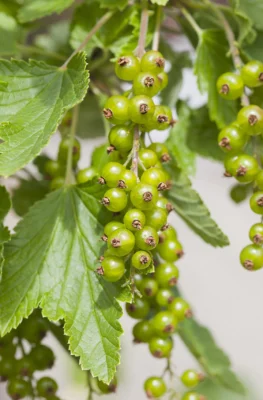
Choose a sheltered sunny position for sweeter fruit. Partial shade, including a north facing wall, is acceptable but can delay ripening.
Avoid a frost pocket where spring flowers are regularly damaged. The dormant shrub is hardy, but that does not make open blossom frost proof.
Allow access around bushes for picking and pruning. Cordons need less width but permanent support and precise training. Install wires before branches become tangled.
Use a drained pot at least 45cm across with loam based peat free compost. Container plants depend on regular watering and feeding.
Photo: Tournasol7, CC BY 4.0. Resized and optimised; cropped for display.
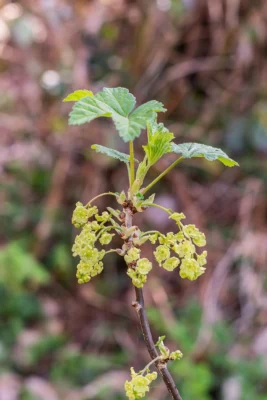
Choose a named plant suited to your intended form: a bush with several balanced branches or a cordon with a strong main leader.
1.
Compare season and growth habit. Choose healthy stock without extensive dieback or damaged roots.
2.
Plant while dormant, usually November to March. Delay in frozen or saturated ground and protect roots from drying.
3.
Clear perennial weeds and prepare a hole wide enough for the roots. Improve poor soil with well rotted organic matter, without making a deep pocket of rich compost.
4.
Water a potted plant thoroughly before removing its pot. Stand bare roots in water for about half an hour before planting.
5.
Plant at the previous soil level, preserving a bush’s short clear stem. Spread roots naturally and backfill gently.
6.
Space bushes about 1.5m apart, allowing more for vigorous plants. Cordons need roughly 30 to 40cm between stems and a secure support.
7.
Water well and mulch the surrounding soil. Keep mulch clear of the stem base and tie trained plants loosely to their supports.
8.
Label the variety and follow its formative training plan. Check moisture during the first growing seasons and remove shoots that spoil a bush’s clear lower stem.

Watering
Water in dry spells for the first two years. Mature bushes are less demanding, but prolonged drought can still reduce growth and fruit quality.
Check containers frequently as berries swell. Keep compost evenly moist and draining freely; avoid alternating drought and waterlogging.

Feeding
Apply a spring mulch of garden compost or well rotted manure around ground grown bushes. Regularly mulched fertile soil may need no further feed; investigate weak growth before adding fertiliser.
Feed container plants during growth according to the product label. Refresh surface compost annually and repot periodically so an ageing, root filled pot does not become a limiting factor.

Pruning
For an established bush, prune while dormant in late winter or early spring. Remove dead, crossing and low branches; shorten last season’s framework extensions by roughly a quarter to half and side shoots to one or two buds. Retain well placed replacement growth.
Aim for an open framework of about eight to ten branches, gradually replacing unproductive old ones. Fruit develops on older spurs and at shoot bases: do not use blackcurrant-style wholesale basal renewal. Cordons and fans need their own winter and summer pruning routine.

Winter care
Check ties, supports and container drainage. Clear fallen diseased leaves and inspect branches for damage while the framework is easy to see.
Shelter exposed containers from severe weather. Their roots have less protection than those in the ground; keep drainage holes open.
Redcurrants have lobed, toothed green leaves on a woody framework. Small spring flowers hang in clusters that develop into strings of translucent red berries, each with a dried flower remnant at the end.
Keep the nursery label: photographs rarely establish a cultivar reliably. Whitecurrants are closely related forms; ornamental flowering currants are a different garden purchase.
Photo: Johannes Robalotoff, CC BY-SA 4.0. Resized and optimised; cropped for display. Adapted image under the same licence.
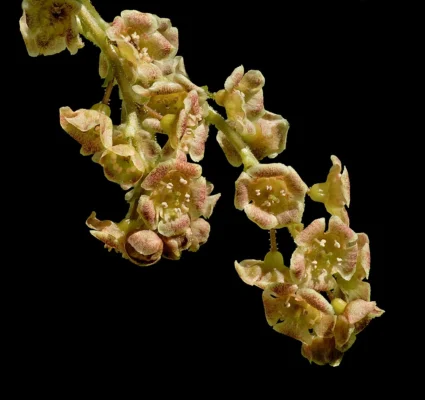
Protect reachable flowers with a supported cover on nights when frost threatens, then uncover during the day so insects can visit. One self fertile bush can set fruit, but flower damage or poor conditions can still reduce the crop.
Once fruit begins colouring, use a fruit cage or securely supported taut netting. Check it frequently for trapped wildlife and gaps at the edges. Avoid loose folds that can entangle birds.
Pick whole strigs when berries are fully coloured, juicy and still firm. Handle gently and use soon, or freeze surplus. Different varieties ripen at different times, so test a few berries rather than picking everything on one calendar date.
Photo: George Chernilevsky, Public domain. Resized and optimised; cropped for display.
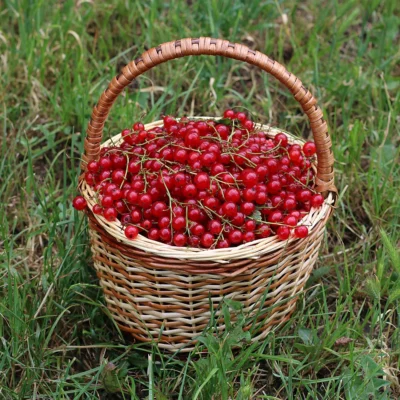
Birds may take a crop before you consider it fully ripe. Protect fruit as it begins to change colour, keeping netting taut and secure. Check that the barrier does not trap wildlife and remove it when harvesting is finished.
Gooseberry sawfly larvae also feed on redcurrants. Inspect the lower centre of the bush from April onwards, where an attack can begin unnoticed. Hand remove larvae where necessary; tolerate minor feeding and encourage natural predators.
Currant blister aphids feed beneath leaves and cause conspicuous puckering. Established bushes usually continue growing and cropping well. Treatment is generally unnecessary; predators often reduce the aphids as summer progresses.
Currant leaf spot can cause extensive summer leaf loss. Collect affected fallen leaves to reduce carryover, and support the bush with appropriate watering and mulch. Repeated severe symptoms deserve closer diagnosis rather than routine spraying.
Coral spot produces small orange or pink pustules on dead wood and can indicate an already stressed plant. In dry weather, cut affected branches back to sound wood, remove the debris and address underlying drought, damage or poor growing conditions.
Take hardwood cuttings around 20cm long from healthy young wood between autumn and late winter. Insert into a drained nursery bed or suitable peat free compost, label them and keep the rooting area from drying out.
Take cuttings from healthy vigorous parents to preserve a variety. Seedlings are less predictable. A purchased trained plant provides a cordon framework sooner.
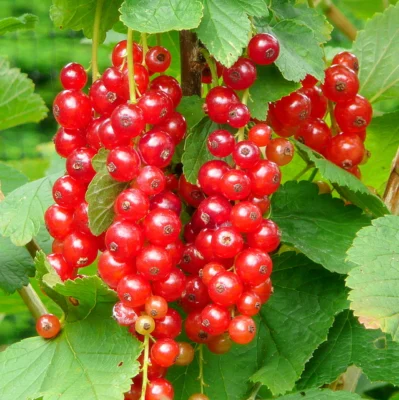
Jonkheer van Tets
An early choice, commonly beginning in July, with long trusses and good flavour. Useful when you want redcurrants near the start of their usual summer season.
Source photograph labelled Jonkheer van Tets redcurrants.
Photo: Jonathan Billinger, CC BY-SA 2.0. Resized and optimised; cropped for display. Redcurrant 'Jonkheer van Tets' — Jonathan Billinger, CC BY-SA 2.0.
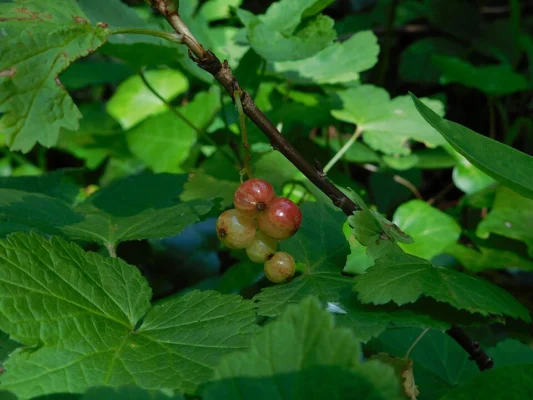
Red Lake
Large juicy dark red berries generally ripen from late July. Compare with earlier varieties to spread picking.
Illustrative ripening redcurrants; Red Lake is not verified.
Photo: Ian Alexander, CC BY-SA 4.0. Resized and optimised; cropped for display. Adapted image under the same licence.
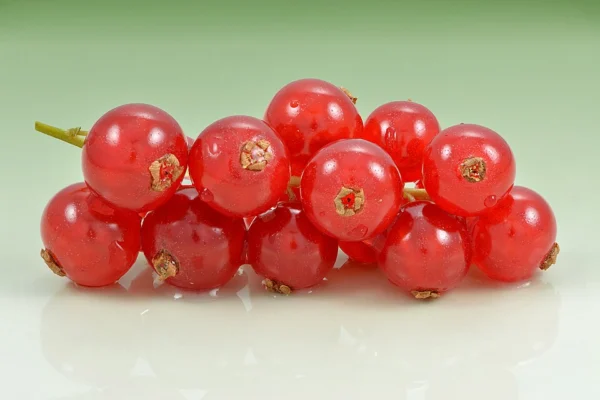
Rovada
A productive later selection with large fruit for late summer. Ripening depends on local weather and position.
Illustrative harvested redcurrants, not verified Rovada fruit.
Photo: Ivar Leidus, CC BY-SA 4.0. Resized and optimised; cropped for display. Adapted image under the same licence.
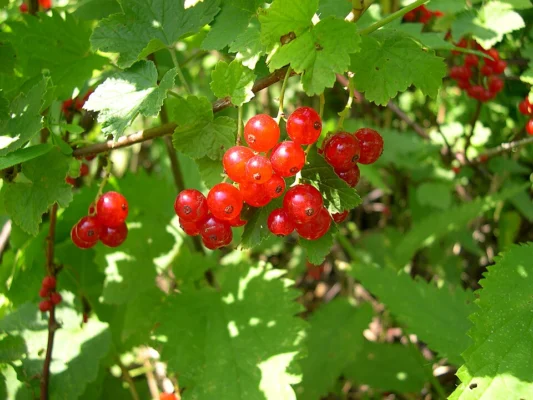
Stanza
A mid season variety with large deep red berries and good flavour. Compare it for a single bush or mixed collection.
Illustrative fruiting redcurrant branch; Stanza is not verified.
Photo: Luc Viatour, CC BY-SA 3.0. Resized and optimised; cropped for display. Luc Viatour / https://Lucnix.be
Compare bush, cordon and fan plants alongside their ripening dates. Order healthy stock and arrange any supports or fruit protection before the first crop.
Flowers provide food for visiting insects. Remove overnight frost covers each morning so insects can reach them.
Birds and predatory insects also help control some leaf feeding pests. Protect the fruit with carefully managed barriers while keeping the wider garden welcoming to wildlife.
Published by Buy From Farmers Direct. Growing guidance reviewed 6 October 2026. The seasonal timeline uses the shared BFFD Growers Calendar record; adjust timings to your variety and local conditions.
No. Redcurrants are self fertile, so one healthy bush can crop. Several varieties are useful for a longer picking season rather than being essential pollination partners.
They tolerate partial shade, including a north facing wall. Expect later ripening and less sweet berries than from a sunnier site.
Yes. Use a drained container at least 45cm wide, suitable peat free compost and regular watering and feeding during growth.
No. Redcurrants retain a framework with productive older spurs. Prune bush plants in late winter or early spring, using the appropriate method for trained forms.
Check blossom frost damage, water stress, plant age and pruning history. A self fertile plant can still lose flowers or have its fruiting wood removed.
Pick complete ripe strigs gently, then remove berries when preparing them. This is quicker and reduces handling of the delicate fruit.
Give redcurrants a lasting framework, steady establishment care and timely fruit protection. A few well timed jobs make the summer picking much easier.
Explore more growing guides: Cranberry, Elderberry, Goji Berry.
Want to get food independence, support your local grower, get better prices and shop more privately?
Local food isn’t just something you find. It’s something you protect. A free account helps keep local supply visible, supported, and resilient.

….it takes 30 seconds for food lovers and 5 minutes for suppliers
We built this for people who care where their food comes from. For people who want to remain food secure. For Farmers to get to the local people, who deserve a better income and to deliver a better price for you. For the environmentally conscious and the privacy-conscious. An account simply helps us make the map and supplier reach more useful to you, without changing how open it is. You’re always in control.


Find local food. Stay connected to it. Create a free account to support local producers and be part of a growing food network.


