Rosemary is an evergreen shrub that earns its space with fragrant leaves, useful kitchen sprigs and flowers visited by bees. A sunny doorstep pot or a freely drained border can provide small harvests through much of the year. The main ingredients for success are sunlight, drainage and light regular trimming. Start with a healthy labelled plant or a cutting, and allow for the size it will reach beyond its first small pot.
Evergreen culinary shrub
Full sun and drainage
Suitable for containers
Pick established plants year round
Flowers for pollinators
| Accepted botanical name | Salvia rosmarinus |
| Older botanical name | Rosmarinus officinalis |
| Family | Lamiaceae |
| Plant type | Woody evergreen shrub |
| Culinary part | Aromatic leaves and young sprigs |
| Growth forms | Upright, arching or trailing |
| Typical height | About 15cm to 2m, depending on the form |
| Typical spread | Often 50cm to 1.5m; check the variety |
| Position | Full sun, preferably sheltered |
| Soil | Freely drained; poor to moderately fertile |
| Main planting season | Spring as the soil warms |
| Optional seed sowing | March and April indoors |
| Quickest practical start | A young plant or rooted cutting |
| Minimum plant spacing | 45cm, increased for spreading or large varieties |
| Starting container size | At least 30cm wide and deep |
| Watering in the ground | During establishment, then mainly drought tolerant |
| Routine pruning | Light trim after flowering |
| Pruning limit | Keep cuts within leafy growth |
| Harvest season | Small amounts year round from established healthy plants |
| Main winter risks | Wet roots, severe frost and cold exposure |
| Plant name | Crop type | Spacing |
Sow indoors
Plant outdoors
Harvest
Polytunnel | |||||||||||
|---|---|---|---|---|---|---|---|---|---|---|---|---|---|---|
| Jan | Feb | Mar | Apr | May | Jun | Jul | Aug | Sep | Oct | Nov | Dec | |||
| Rosemary | Herbs | Single 60cm, In row 60cm, Row gap 90cm; allow 1m or more for larger and spreading forms | Harvest | Harvest | Sow indoors, Harvest | Sow indoors, Plant outdoors, Harvest | Plant outdoors, Harvest | Harvest | Harvest | Harvest | Harvest | Harvest | Harvest | Harvest |
Sow indoors: March, April. Plant outdoors: April, May. Harvest: January, February, March, April, May, June, July, August, September, October, November, December. Polytunnel: no months recorded.
March and April show optional indoor seed sowing, a slow route that will not produce an immediate harvest. April and May are a practical main planting window, once soil warms; established nursery plants can also be planted at other suitable times. The year-round harvest band means modest picking from an established healthy evergreen shrub, with much lighter winter harvesting. A permanent polytunnel season is not required, so that band is blank; vulnerable pots may still need winter shelter.
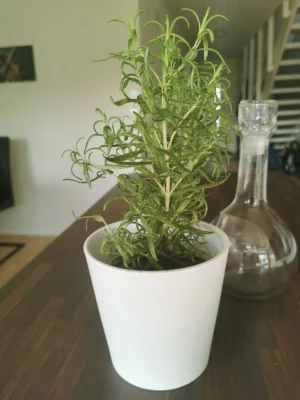
Rosemary suits a garden where a shrub can remain in place for several years. It combines well with other plants that like sun and drainage, and a pot near the kitchen makes a few leaves easy to reach.
Choose its habit before buying. An upright rosemary can become a substantial bush or informal hedge, while trailing forms spread across gravel or spill over a wall. Neither should be expected to stay the size of a supermarket herb pot.
Photo: Netha Hussain, CC BY-SA 4.0. Resized and optimised; cropped for display. Adapted image under the same licence.
Choose full sun and a position sheltered from harsh cold winds. A warm wall can improve conditions in a cooler garden, provided the roots are not trapped in a wet pocket beside the paving.
Rosemary dislikes winter waterlogging. On heavy ground, use a raised bed with suitable drainage or a container rather than making a small gritty planting hole surrounded by saturated clay.
For a container, begin with a pot at least 30cm wide and deep, with clear drainage holes. Use peat free soil-based compost with horticultural grit mixed through it, and leave room at the rim for watering.
Give larger varieties enough space to develop without smothering nearby herbs. At least 45cm between plants is a minimum starting guide; a shrub expected to spread a metre needs substantially more room.
Photo: Erphotos, CC BY-SA 4.0. Resized and optimised; cropped for display. Adapted image under the same licence.
A young nursery plant gives the simplest start and preserves the named variety. Cuttings are useful when you already know a plant with the flavour and habit you want. Seed is possible, but slower and less predictable.
1.
Choose a healthy labelled rosemary, checking mature size, growth habit and suitability for your winter conditions. Avoid buying a large plant simply because it looks impressive if its roots are tightly congested.
2.
Plant in spring once the soil starts warming. In cold districts, allow time for a young plant to establish before its first winter rather than choosing a late autumn start.
3.
Water the rootball before planting if it is dry. Prepare a hole wide enough for the roots, or fill a suitably drained container with a gritty soil-based potting mix.
4.
Remove the pot carefully and loosen any tightly circling outer roots. Keep the top of the rootball close to the surrounding surface rather than burying the stem deeply.
5.
Backfill gently and water to settle the soil. Leave space around the stem so damp mulch or fallen leaves cannot build up against its base.
6.
Keep checking moisture while roots establish through the first growing season. Water when needed without keeping the ground or compost constantly saturated.
7.
Let the young plant make a useful framework before taking more than an occasional sprig. Pinch or snip small leafy tips, spreading your harvest around the plant.
8.
After flowering, give the plant a light shaping trim within green leafy growth. Make annual tidying part of the routine so you do not later need a drastic cut into bare wood.

Watering
New rosemary plants need attention during dry weather in their first year. Once established in suitable ground, they usually cope with dry spells without routine irrigation.
Containers still need checking, especially in sun and wind. Water when the compost begins to dry and let excess escape; never leave a rosemary pot standing in a permanently full saucer.

Feeding
An established rosemary in ordinary garden soil generally needs no feeding. Rich treatments intended for hungry vegetables are unnecessary and do not correct poor drainage.
A plant kept in the same container beyond its first year may benefit from a modest general feed in late spring or early summer. Follow the product rate, and repot into a slightly larger container when the roots become crowded.

Pruning
Trim lightly after the main flowering period, taking leafy tips to maintain shape. Keep some flowers for insects before cutting, and work gradually rather than removing a large section of the shrub at once.
Avoid cutting back into old bare stems, which may fail to regrow. If a plant has become very woody and sparse, take healthy cuttings and grow a replacement rather than relying on severe renovation pruning.

Winter care
Hardiness varies with variety, age, drainage and exposure. Many established rosemary plants survive outdoors in much of the UK, but severe frost and cold winds can still damage them, especially in an exposed garden.
Potted roots are more vulnerable to freezing and wetness. Move the pot beside a sheltered wall or into a bright airy cold greenhouse when needed, protect the container during severe cold and ensure rain can drain away. Do not seal wet foliage inside plastic.
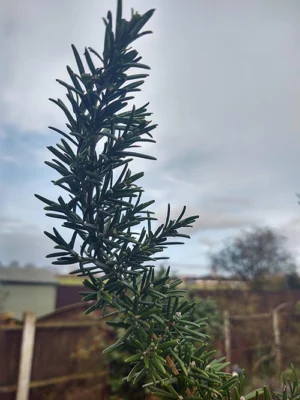
Rosemary has narrow, needle-like leaves along woody branching stems. The leaves are green above and paler beneath, with edges that roll under, and release a strong familiar scent when rubbed.
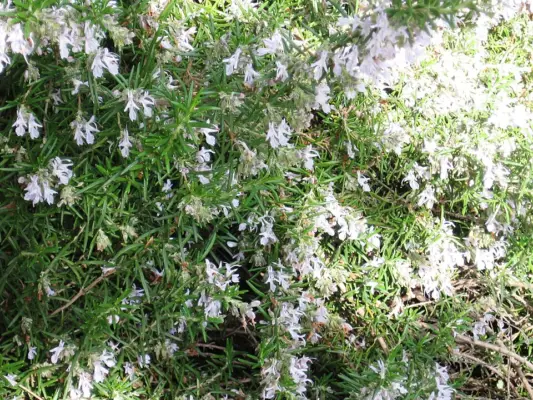
Small two-lipped flowers are usually blue or mauve, although some selections are pink or white. Labels may use either Salvia rosmarinus or the older Rosmarinus officinalis; these names refer to the same culinary shrub.
Photo: Daniel Ventura, CC BY-SA 4.0. Resized and optimised; cropped for display. Adapted image under the same licence.
A sunny, freely drained southern garden often suits rosemary well. It can also be grown successfully elsewhere by choosing the right variety and giving winter shelter without sacrificing sunlight.
Wet winters can be as significant as low temperatures. Check pots after prolonged rain, keep drainage holes clear and avoid placing containers where roof water continually pours into them.
A cool bright sheltered space is more useful for winter protection than a dark shed. Indoor warmth and weak light can encourage poor growth, so treat rosemary as an outdoor shrub with seasonal protection rather than a permanent kitchen houseplant.
Image from the BFFD media library.
Saturated roots may be failing even though plenty of water is present. Check drainage and stop leaving the pot in standing water. Remove dead growth once its condition is clear, and save healthy cuttings if much of the root system has been lost.
Look for the metallic green and purple striped rosemary beetle and its greyish larvae. Small populations can be removed by hand or shaken onto a sheet. Check neighbouring lavender and related herbs too, and avoid unnecessary treatment while flowers attract insects.
Sage and Ligurian leafhoppers can feed on rosemary, leaving mottled foliage. Check for small insects that jump when disturbed. Established plants often tolerate modest damage, so keep the shrub growing well and assess the scale before acting.
Cuckoo spit protects a young spittlebug. It is usually harmless and can be left alone or gently rinsed off where it interferes with harvesting. The froth is not a fungal disease and does not by itself justify spraying the plant.
Age, shade or years without light trimming can leave a sparse framework. Restore light and remove dead material, but do not assume old bare wood will sprout after a hard cut. A young replacement raised from healthy tips is often the more dependable answer.
Take non-flowering softwood shoots in late spring or summer, or semi-ripe cuttings later in summer. Prepare short cuttings with lower leaves removed and insert them into a freely drained propagation mix. Keep bright but out of scorching sun, lightly moist and ventilated while they root.
Rooted cuttings preserve a named variety. Low stems can also be pegged into the soil to layer, then separated after roots develop. If sowing seed indoors in spring, follow the packet and be patient: seedlings are slow, variable and need time before substantial harvesting.
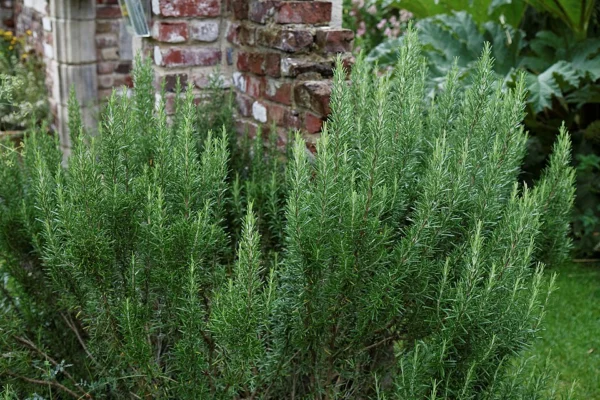
Miss Jessopp’s Upright
A strong upright variety that can reach around 2m in a suitable position. It carries pale blue flowers and makes a useful structural shrub or informal herb hedge. Give it room and keep the outline tidy with light annual trimming.
Illustrative upright rosemary; the photograph is not verified as Miss Jessopp’s Upright.
Photo: Acabashi, CC BY-SA 4.0. Resized and optimised; cropped for display. Adapted image under the same licence.
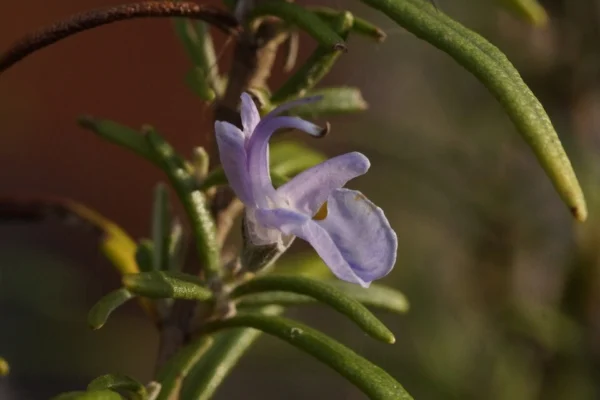
Tuscan Blue
A bushy rosemary with relatively broad leaves and deep blue flowers. It is a useful culinary and ornamental choice for a sunny border or substantial pot. Check the nursery’s size guidance and allow the plant to develop beyond its first container.
Illustrative rosemary flower; this photograph is not verified as Tuscan Blue.
Photo: Mike Pennington, CC BY-SA 2.0. Resized and optimised; cropped for display. Rosemary (Rosmarinus officinalis) flower, Musselburgh — Mike Pennington.

Prostrata Group
These low spreading forms, often sold as Prostratus rosemary, can trail over a wall or across a sunny raised bed. They still need room sideways, commonly a metre or more. Check the hardiness of the particular named selection offered.
Trailing rosemary identified by the source as Prostratus.
Photo: Krzysztof Ziarnek, Kenraiz, CC BY-SA 4.0. Resized and optimised; cropped for display. Adapted image under the same licence.
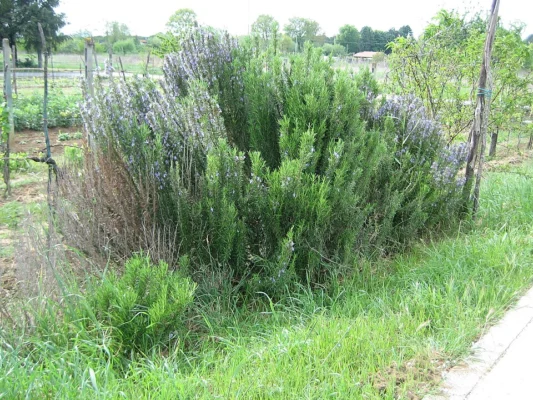
Sissinghurst Blue
A bushy upright selection with aromatic dark leaves and rich blue flowers in spring and summer. It can suit a mixed herb border where both foliage and flowers matter. Maintain drainage and trim lightly after flowering to retain leafy growth.
Illustrative mature rosemary shrub; this photograph is not verified as Sissinghurst Blue.
Photo: Adrian Michael, CC BY-SA 3.0. Resized and optimised; cropped for display. Adapted image under the same licence.
Compare the label’s height, spread and hardiness as well as its flower colour. A rooted cutting or young plant from a reputable nursery is a practical purchase for a kitchen herb, while a trailing selection can make better use of a wall or raised-bed edge.
Rosemary flowers attract bees and other visiting insects, often when spring flowers are especially useful. Leave the main flowering flush before trimming, and plant other suitable flowers nearby to extend the season.
A flowering rosemary can share a useful role in both the kitchen and the garden. Pick modest amounts from different shoots, avoid unnecessary insecticide use and leave enough growth for the shrub to remain healthy and flower well.
Published by Buy From Farmers Direct. Growing guidance reviewed 6 October 2026. The seasonal timeline uses the shared BFFD Growers Calendar record; adjust timings to your variety and local conditions.
Yes, take small amounts from a healthy established evergreen plant. Winter growth is limited, so pick much more lightly than in spring and summer. Do not strip a small, recently planted or frost-damaged shrub.
Check drainage and watering first. Constantly wet compost can rot roots, while a tiny container may dry excessively in summer or freeze in winter. Use a suitably sized drained pot and adjust care to the season.
A severe cut into bare old wood is unreliable because it may not regrow. Light annual trimming is safer. If the plant is already very sparse, take healthy cuttings and establish a replacement.
No. Salvia rosmarinus is the accepted botanical name for rosemary, while Rosmarinus officinalis is its familiar older name. Both still appear on nursery labels.
A young plant or rooted cutting gives a quicker start, and a cutting preserves a named variety. Seed is useful if you want many plants and can wait, but seedlings may vary and need time before regular harvesting.
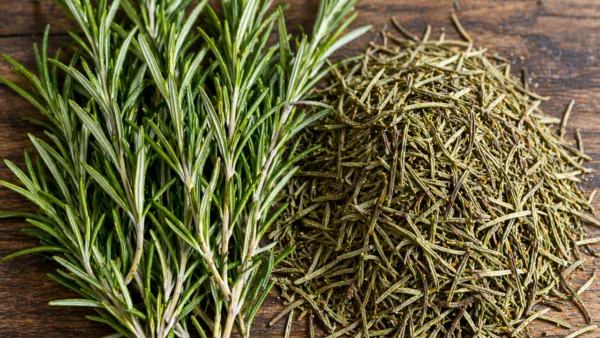
Use fresh sprigs as needed, or dry clean healthy shoots in small airy bunches away from strong light. Once fully dry, store the leaves in a clean airtight container. The flavour is strong, so use modest quantities in cooking.
Give rosemary a sunny position, roots that drain freely and a light trim after flowering. With room to grow and sensible winter care, it can provide useful kitchen sprigs and a lasting place for flowers in the garden.
Want to get food independence, support your local grower, get better prices and shop more privately?
Local food isn’t just something you find. It’s something you protect. A free account helps keep local supply visible, supported, and resilient.

….it takes 30 seconds for food lovers and 5 minutes for suppliers
We built this for people who care where their food comes from. For people who want to remain food secure. For Farmers to get to the local people, who deserve a better income and to deliver a better price for you. For the environmentally conscious and the privacy-conscious. An account simply helps us make the map and supplier reach more useful to you, without changing how open it is. You’re always in control.


Find local food. Stay connected to it. Create a free account to support local producers and be part of a growing food network.


