British Organic Honey sounds simple, but it is one of the honey terms shoppers should approach carefully.
Honey can be British. Honey can be organic. Honey can be local, natural, raw, set, runny, blended or single origin. Those words do not all mean the same thing. When the word organic is used, it carries legal and certification responsibilities. When the word British is used, shoppers should be able to understand where the honey was harvested.

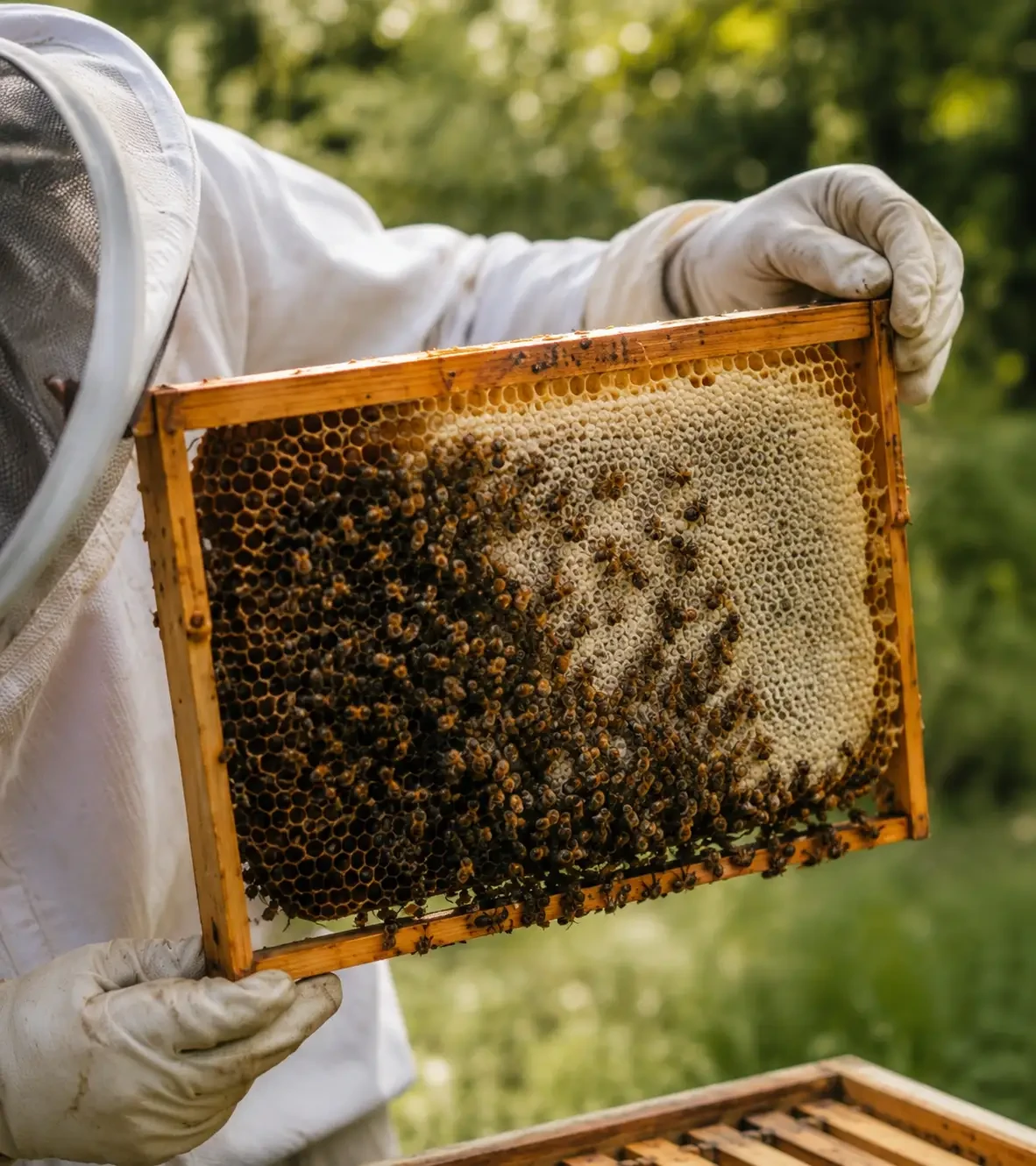
British organic honey should mean two things at once.
That matters because these words are often used loosely in food marketing. “British” should not be guessed from packaging design, countryside imagery or a union flag style label. “Organic” should not be used just because something feels natural or comes from bees.
That matters because these words are often used loosely in food marketing. “British” should not be guessed from packaging design, countryside imagery or a union flag style label. “Organic” should not be used just because something feels natural or comes from bees.
The point is simple: shoppers should not have to decode vague honey language. They should be able to see where honey came from, who produced it and whether any organic claim is properly supported.
That does not mean all British honey is poor quality. Far from it. Many local beekeepers produce excellent honey with strong provenance. It simply means shoppers should not assume “organic” unless the product is certified and labelled correctly.
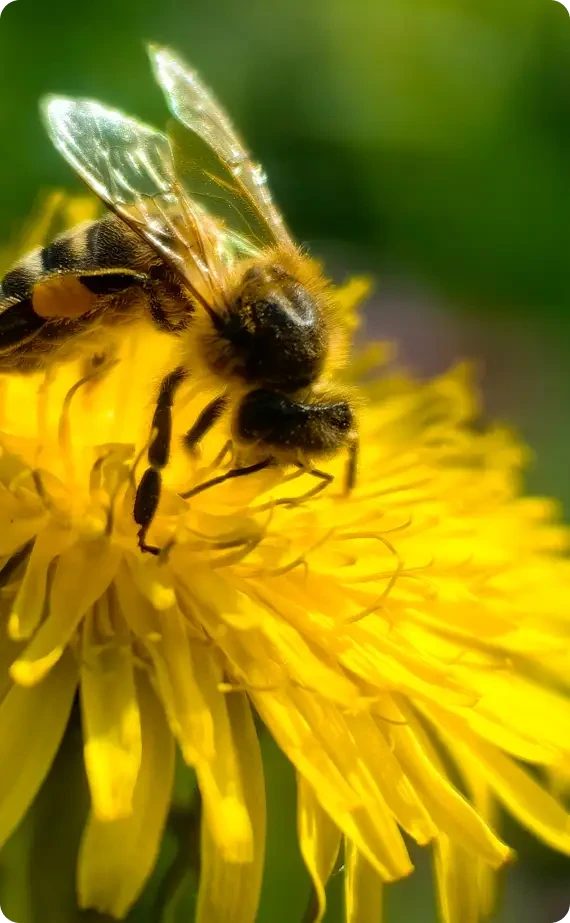
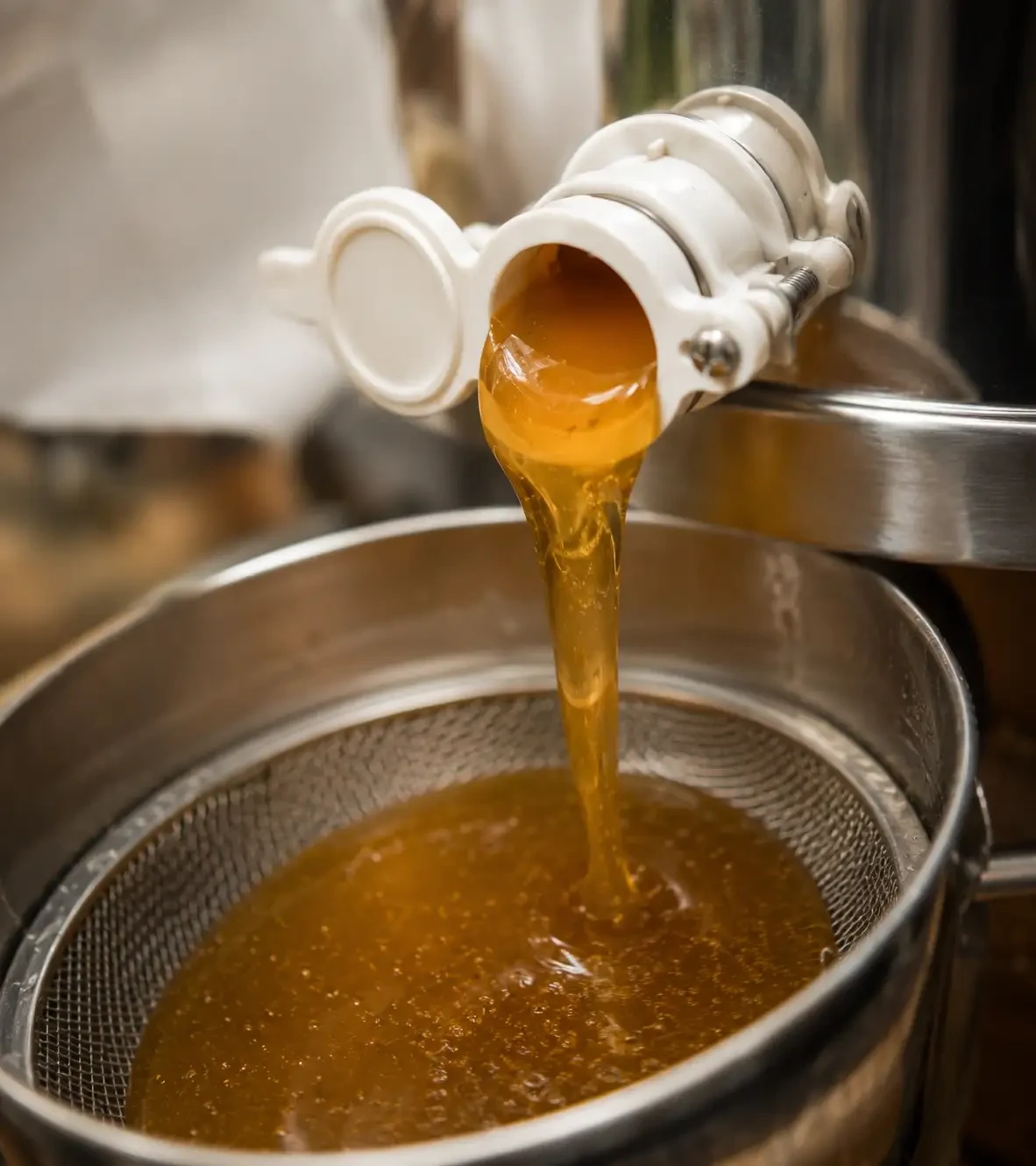
The important thing is not to assume. Look for certification and origin details.
British local honey can still offer strong provenance, seasonal flavour, direct support for beekeepers and a clear connection to landscape. For many shoppers, buying from a named local beekeeper may be more meaningful than buying anonymous imported organic honey.
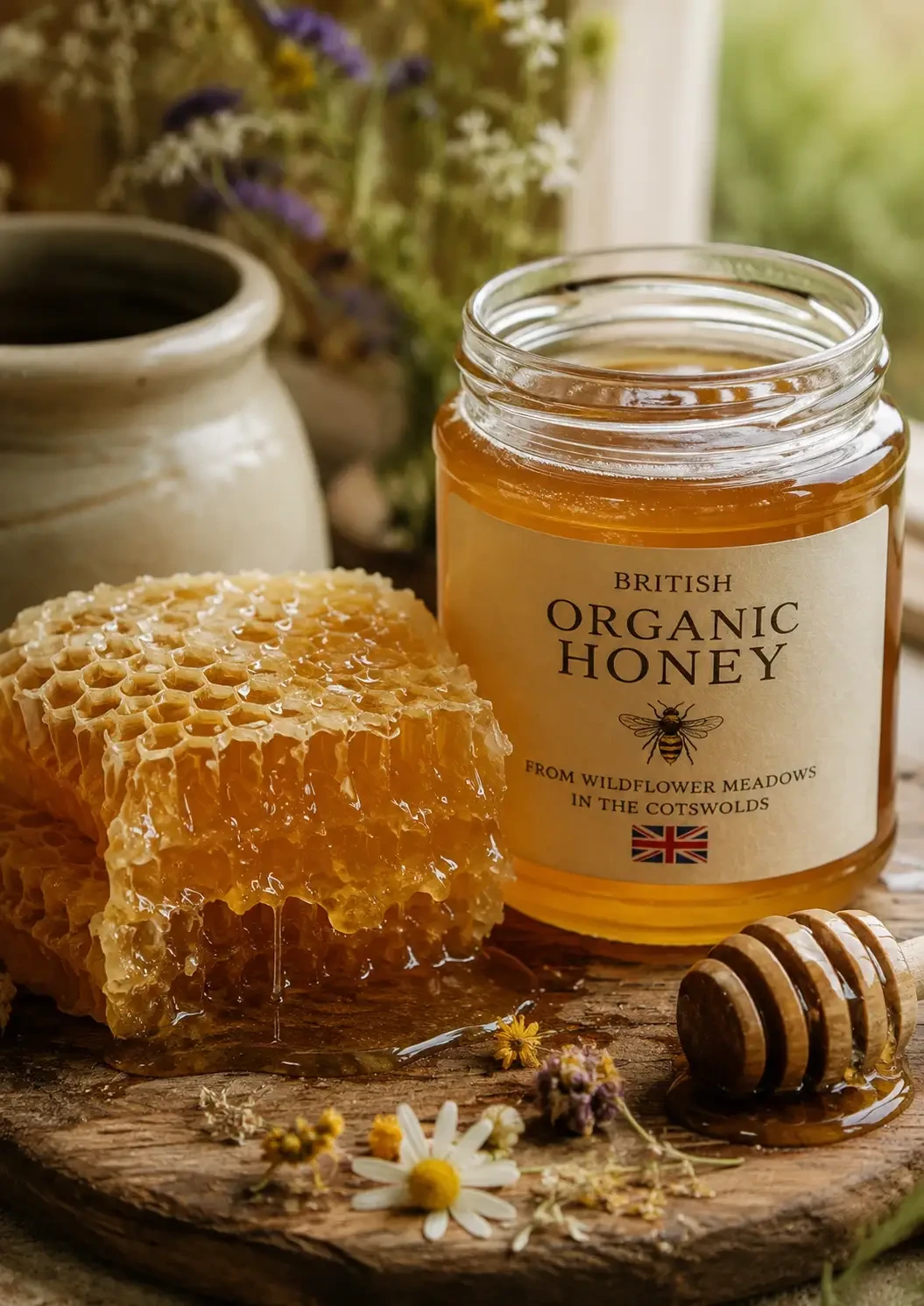
The word organic should be treated carefully. Organic food is not just food that sounds natural, handmade or traditional. It is a certified production and labelling category. GOV.UK organic labelling guidance explains that certification is required for activities relating to organic products in the UK, including production, preparation, storage, import, export, marketing and selling. If a third party is used, that third party must also be certified by an approved organic control body.
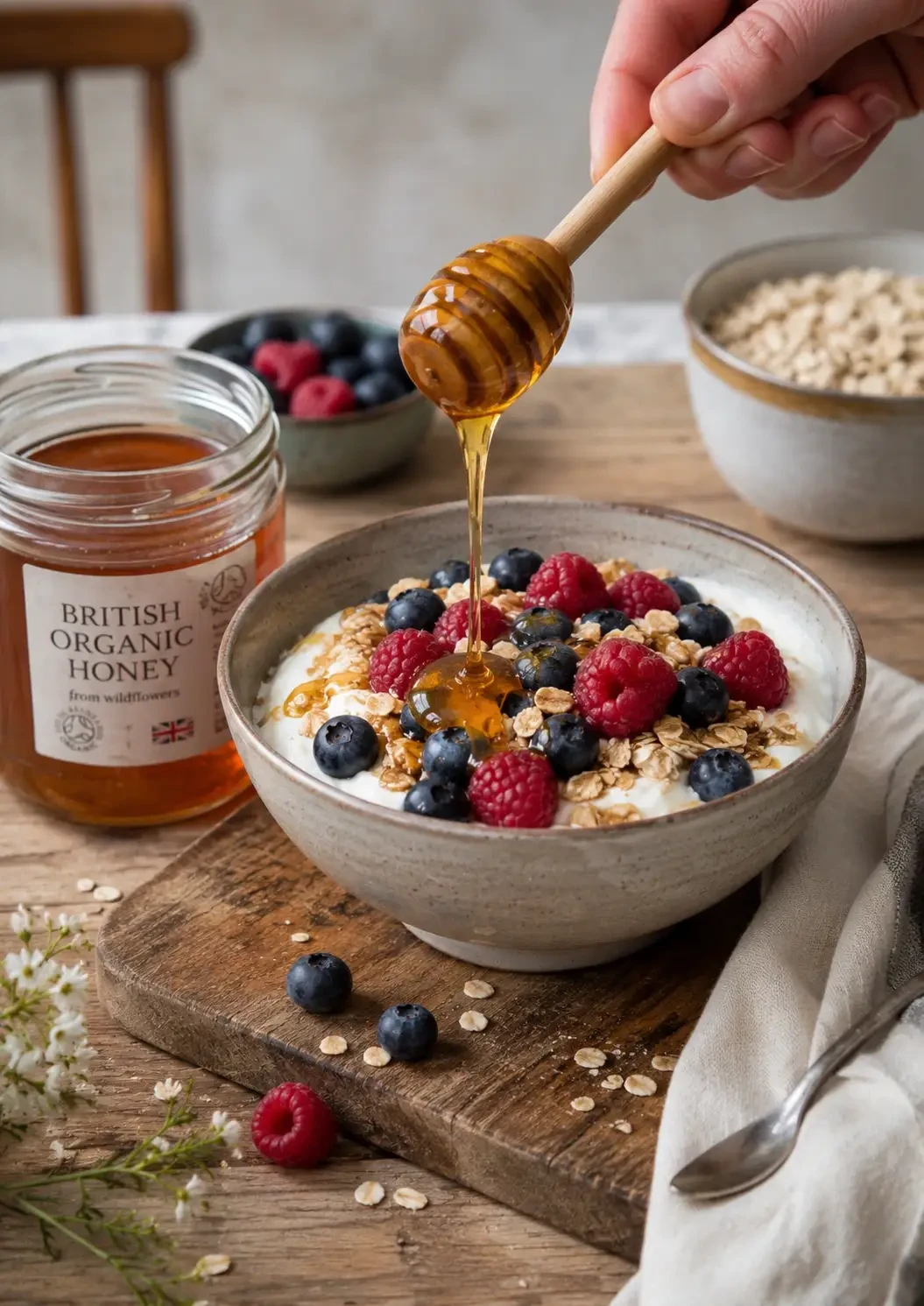
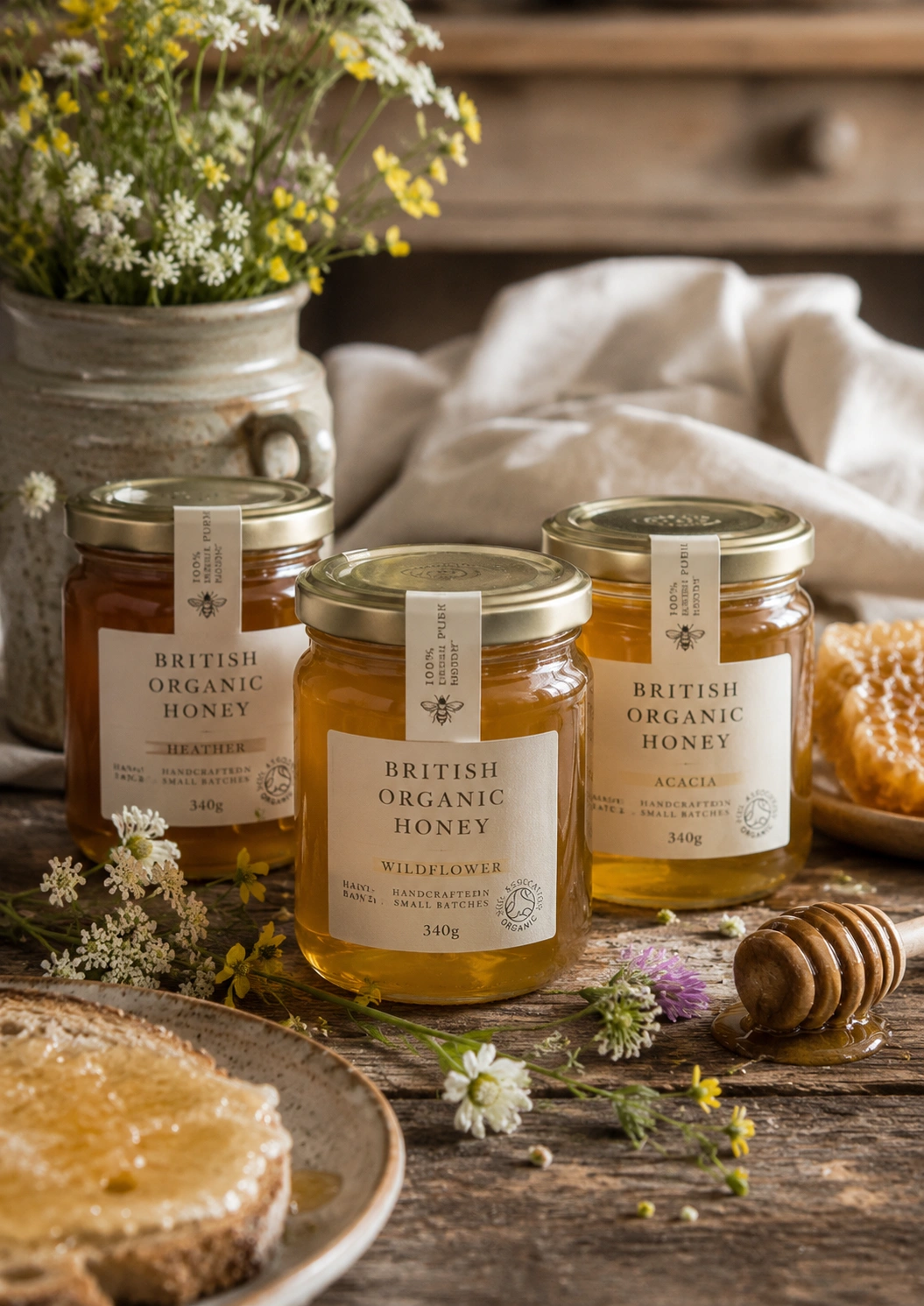
When looking for British organic honey, check the detail rather than relying on the front label.
Ask:
British refers to where honey was harvested. Organic refers to certification and production standards.
Beekeepers and honey sellers should be careful when using organic language.
Examples of clearer wording may include:
GOV.UK guidance also states that serious risks such as small hive beetle and Tropilaelaps mite must be reported to the National Bee Unit immediately if suspected.
A hive should support responsible inspection and disease awareness.
A BFFD beekeeper profile can help show:
Related Beekeeper Pages
Related BFFD Pages
Useful for beginner advice, hive types and local association guidance.
Use this for honey country of origin and honey labelling guidance.
Official guidance on cleaning and sterilising hive equipment.
Use this for organic certification standards context
* External sources are provided for further reading. BFFD does not provide veterinary, legal, equipment safety or bee health inspection advice. Beekeepers should always follow current official guidance and contact the National Bee Unit or local bee inspector where required.
Want to get food independence, support your local grower, get better prices and shop more privately?
Local food isn’t just something you find. It’s something you protect. A free account helps keep local supply visible, supported, and resilient.

….it takes 30 seconds for food lovers and 5 minutes for suppliers
We built this for people who care where their food comes from. For people who want to remain food secure. For Farmers to get to the local people, who deserve a better income and to deliver a better price for you. For the environmentally conscious and the privacy-conscious. An account simply helps us make the map and supplier reach more useful to you, without changing how open it is. You’re always in control.


Find local food. Stay connected to it. Create a free account to support local producers and be part of a growing food network.


