Follow us:

Cattle

The breeds of cattle found across the UK tell a story about food, land, heritage, farming purpose and local producer skill.
Some cattle are bred mainly for milk. Some are bred mainly for beef. Some are valued for hardiness, conservation grazing, native breed preservation, temperament, efficient grass use or suitability for a particular landscape. Others have become familiar because of their strong role in commercial dairy or beef systems. To the public, cattle may simply look like cows in a field. To farmers, breed choice can affect animal management, productivity, welfare, handling, grazing, calving, milk quality, meat quality, market route and long term farm planning.
Buy From Farmers Direct is being built to help people understand livestock more clearly and support responsible cattle farmers, dairy producers and local food suppliers with better visibility.
Buy From Farmers Direct
There are many different breeds of cattle, and they are often grouped by purpose. Dairy cattle breeds are mainly associated with milk production, while beef cattle breeds are mainly associated with meat production. Some breeds are dual purpose, meaning they can have value for both milk and beef. Native British cattle breeds may be valued for heritage, hardiness and landscape suitability, while continental breeds may be used for beef production, growth and carcass traits. Breed choice depends on farming system, land, welfare, market, handling, climate, feed and business goals.
Buy From Farmers Direct
There are many different breeds of cattle, and they are often grouped by purpose. Dairy cattle breeds are mainly associated with milk production, while beef cattle breeds are mainly associated with meat production. Some breeds are dual purpose, meaning they can have value for both milk and beef. Native British cattle breeds may be valued for heritage, hardiness and landscape suitability, while continental breeds may be used for beef production, growth and carcass traits. Breed choice depends on farming system, land, welfare, market, handling, climate, feed and business goals.

Why Cattle Breeds Matter

A dairy cow bred for high milk production may have very different traits from a hardy native beef breed grazing rougher land. A small native breed may suit one landscape, while a larger continental breed may suit another system. A traditional breed may have a role in conservation grazing, while a commercial dairy breed may be central to milk supply.
Breed choice can shape the entire farm system.
It affects animal care, housing, grazing, calving, feeding, handling, milk production, meat production, market route and long term planning. This is why cattle breed information should be treated as practical farming knowledge, not just a list of attractive animal names.

Cattle Breeds and Farming Purpose

The purpose of the farm often shapes the breed.
A dairy farm needs cattle suited to milk production, daily milking routines, udder health, fertility, feed management and herd performance. A beef farm may focus on growth, muscle, grazing ability, calving ease, temperament and market suitability. A conservation grazing project may prioritise hardiness, landscape management and ability to thrive on rougher grazing.
Some cattle breeds are highly specialised. Others are more flexible.
This is why there is no single best cattle breed. There is only the right breed for the right system, managed by people with the right knowledge.

Category Clarification

This section is about cattle as livestock, breeds, dairy producers and farming education. It is not a general beef product buying category.

Main Groups of Cattle Breeds

Cattle breeds can be understood in broad groups.

Dairy cattle breeds

Dairy cattle breeds are mainly associated with milk production. They are often selected for milk yield, milk solids, udder quality, fertility, temperament and suitability for dairy systems.

Beef cattle breeds

Beef cattle breeds are mainly associated with meat production. They may be selected for growth, muscle, carcass quality, grazing ability, calving ease and market demand.

Dual purpose cattle breeds

Dual purpose cattle can have value for both milk and beef. These breeds may be useful in traditional or mixed farming systems.

Native British cattle breeds

Native breeds are part of the UK’s livestock heritage. Some are valued for hardiness, local adaptation, conservation grazing and regional identity.

Continental cattle breeds

Continental breeds are breeds that originated outside Britain and are often associated with beef production, growth and carcass traits.

Rare and traditional cattle breeds

Rare and traditional breeds may be important for genetic diversity, heritage, landscape management and food culture.

Dairy Cattle Breeds

Dairy cattle breeds are central to milk production.
These cattle are usually selected for traits that support regular milk supply, herd health, fertility, temperament and dairy management. A dairy producer may also consider milk solids, butterfat, protein levels, calving performance, feed conversion and suitability for their land and housing system.
Commonly recognised dairy breeds include Holstein Friesian, Jersey, Guernsey, Ayrshire, Dairy Shorthorn and Brown Swiss.
A dairy breed is not chosen only for how much milk it can produce. Farmers also consider welfare, longevity, fertility, climate, handling, feed costs and the type of milk market they serve.

Holstein Friesian Cattle

Holstein Friesian cattle are among the most recognisable dairy cattle in the UK.
They are widely associated with high volume milk production and are often seen in commercial dairy herds. Their black and white markings are familiar to many people, making them one of the breeds most commonly imagined when people think of dairy cows.
For dairy farmers, Holstein Friesian cattle can be valued for production, but they still require careful management, nutrition, housing, welfare and herd health planning.
This breed is useful to mention because many consumers will recognise it, even if they do not know its name.

Wanting To Learn More ABOUT Cattle?

The Different Breeds of Cattle

This page should explain different cattle breeds in a clear and accessible way. It can cover dairy breeds, beef breeds, native British breeds, continental breeds and why breed choice matters for farming systems.

Are Beef Cattle at Risk?

This page should explain the pressures facing beef cattle and beef farming carefully. It can discuss disease, bovine TB, economics, market pressure, climate debate, land use, supply chains, food security and consumer understanding.

Best Names for Male Cows

This page should be educational and light in tone, explaining terms like bull, steer, bullock, and calf based on age and sex, while offering responsible naming inspiration for farms and educational settings.

Best Male Bull Breeds to Have

This page should explain bull breeds carefully. It should not encourage inexperienced people to keep bulls casually. It should discuss breed purpose, temperament, farming system, safety, welfare, handling, breeding goals and professional advice.

Dairy Producers Near Me

This page should be a local discovery page for users looking for dairy producers, milk farms, local milk suppliers, farm shops, milk vending machines where relevant, dairy farms and direct dairy routes.

Jersey Cattle

Jersey cattle are a smaller dairy breed often associated with rich milk.
They are known for producing milk with high butterfat and protein levels, which can be valuable for cream, butter, cheese and premium dairy products. Jerseys are also recognised for their lighter build and distinctive colouring.
For some producers, Jersey cattle may suit a more specialised dairy route, especially where milk quality and dairy product making are important.
This makes Jersey cattle an excellent breed to discuss in relation to milk provenance and local dairy products.

Guernsey Cattle

Guernsey cattle are another dairy breed with strong heritage and distinctive milk qualities.
They are often associated with rich, golden coloured milk and traditional dairy production. Like Jerseys, Guernseys can be valued where milk composition matters, especially for local dairy products, farm shops and artisan production.
A Guernsey herd can give a dairy producer a strong identity, particularly where the farm wants to tell a clear story about milk quality and breed heritage.

Ayrshire Cattle

Ayrshire cattle are a dairy breed with strong farming heritage.

They are often associated with good grazing ability, milk production and adaptability. Ayrshires may be valued in systems where cattle need to perform well on grass and remain practical for everyday dairy management.

Dairy breed choice is not only about yield. It can also be about suitability to land, resilience and farm system. There are breeds out there that can provide a whole host of benefits, resources and structure to the farm ecosystem.

Dairy Shorthorn Cattle

Dairy Shorthorn cattle are linked to traditional British dairy farming and dual purpose heritage.

They may be valued for milk production, temperament, fertility and suitability for grazing systems. Dairy Shorthorns can also connect to the wider story of native and traditional cattle breeds. For BFFD, Dairy Shorthorns are a useful example of how cattle breed stories can support provenance and farm identity.

Cattle are never cheap but the production of well kept cattle can have multi year benefits to a family.

Beef Cattle BREEDS

Beef cattle breeds are mainly associated with meat production. Commonly recognised beef breeds include Aberdeen Angus, Hereford, Limousin, Charolais, British Blue, Simmental, South Devon, Belted Galloway, Highland and Dexter.

Aberdeen Angus Cattle

Aberdeen Angus cattle are one of the best known beef breeds.
They are widely associated with beef production, often valued for meat quality, market recognition and strong consumer awareness. The breed has Scottish origins and has become one of the most recognisable beef names in food and farming.
For users learning about cattle breeds, Aberdeen Angus is a useful example of how a breed name can become part of the food story.
A strong producer profile can explain whether Angus cattle are part of the farm system and how that connects to provenance.

Hereford Cattle

Hereford cattle are a well known beef breed with a distinctive red body and white face.
They are often associated with hardiness, grazing ability and beef production. Herefords are widely recognised and can be found in many farming systems across the UK and beyond.
The breed is useful for explaining how cattle can be valued not only for output, but also for adaptability and suitability to land.

Limousin Cattle

Limousin cattle are a continental beef breed originally from France.
They are often associated with lean meat, muscle and growth. Limousin genetics are widely used in beef production and crossbreeding systems.
This breed helps users understand the role of continental cattle in British beef farming. It also shows why breed selection can be connected to market demand, carcass traits and farm business goals.

Charolais Cattle

Charolais cattle are another continental beef breed with a strong reputation for size and muscle.
They are often used in beef systems where growth and carcass weight are important. Charolais cattle can be powerful animals, so handling, facilities and breeding management matter.
This breed should be presented with respect for the practical farming knowledge required to manage larger cattle safely and responsibly.

British Blue Cattle

British Blue cattle are known for their muscular build.
They are often discussed in beef production because of carcass traits and crossbreeding use. As with other muscular breeds, management, calving considerations, breeding decisions and welfare planning are important.
This is a good example of why cattle breed choice should not be reduced to appearance. Farming purpose, welfare and suitability are central.

Simmental Cattle

Simmental cattle are a dual purpose breed with strong beef and milk heritage.
In many systems, they are valued for growth, maternal traits, milk ability and versatility. Simmental cattle can help explain the idea that not all breeds sit neatly in one category.
A breed can have more than one role depending on how it is used and managed.

Native British Cattle Breeds

Native British cattle breeds are part of the country’s farming heritage. They may be valued for hardiness, adaptability, grazing ability, landscape suitability, genetic diversity, regional identity and traditional farming systems. Some native breeds are also important in conservation grazing, where cattle help manage grassland, scrub and habitats.

Highland Cattle

Highland cattle are one of the most recognisable native breeds.
They are known for their long coats, horns and strong association with rugged landscapes. Highland cattle are often linked with hardiness, extensive grazing and heritage farming.
They are visually memorable, which makes them useful for education and public engagement. However, as with all cattle, they require proper handling, welfare, land and management.

Dexter Cattle

Dexter cattle are a smaller traditional breed.
They can be associated with smallholdings, dual purpose use, heritage farming and smaller scale systems. Their size may appeal to some smallholders, but they are still cattle and require proper facilities, care and knowledge.
Dexters are useful for explaining that smaller cattle are not automatically simple to keep. Livestock responsibility still applies.

Belted Galloway Cattle

Belted Galloway cattle are known for their distinctive white belt around the body.
They are often associated with hardy grazing systems and landscape suitability. Their appearance makes them easy for the public to recognise, and they can be valuable in farm education or conservation grazing contexts.

Welsh Black Cattle

Welsh Black cattle are a native breed associated with Wales and hardy farming systems.
They can be valued for beef production, grazing ability and adaptation to challenging landscapes. They are useful for explaining how regional breeds can develop around local land, climate and farming needs.

Longhorn Cattle

Longhorn cattle are a traditional breed known for their distinctive horns and heritage value.
They are often associated with conservation grazing, traditional beef production and landscape management. Their appearance can make them popular in educational and public facing farm settings. As with all horned cattle, handling, facilities and stockmanship are especially important.

Rare and Traditional Cattle Breeds

Rare and traditional cattle breeds are important because they protect genetic diversity and farming heritage. Not every breed is chosen for maximum output. Some are kept because they suit specific landscapes, support conservation grazing, preserve local history or produce distinctive food.
This does not mean rare breeds are automatically better. It means they have a role that deserves explanation.

Continental Cattle Breeds

Continental cattle breeds have played a major role in British beef farming.
Breeds such as Limousin, Charolais, Simmental and British Blue are often associated with beef production, growth and carcass traits. They may be used as pure breeds or within crossbreeding systems. The important point is that breed choice must suit the farm.
Farmers consider calving ease, temperament, growth, market demand, feed, land, facilities and welfare. A breed that works well in one system may not be appropriate in another.

The Benefits of Cattle on land

Biosecurity

Local Food Resilience

Food Provenance

Milk Producers

Do you keep cattle or run a dairy producer profile?

List your cattle farm, dairy producer, livestock education project or local producer profile on BFFD and help people understand your animals, supply routes, farming story and contact options more clearly.

Reputable External Sources

Use this for APHA livestock and herd mark registration context.

Use this for cattle passports, holding registers and British Cattle Movement Service reporting.

Use this for cattle welfare and stockmanship context.

Use this for bovine TB testing context.

Use this for dairy registration, inspection and milk hygiene context.
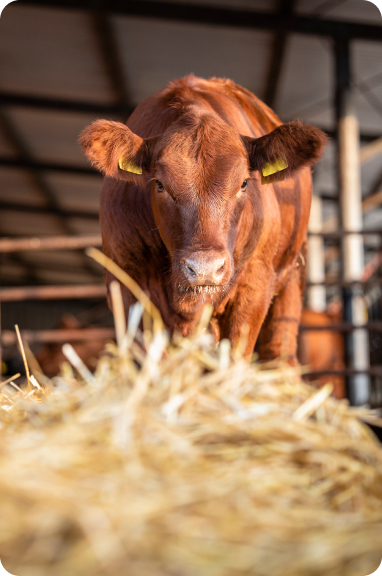
Brown cow eating hay in a barn

*External sources are provided for further reading. BFFD does not provide food safety, legal, trading standards, animal welfare, animal health, cattle keeping, cattle movement, bovine TB, dairy hygiene, meat supply, veterinary, land, planning or business advice. Cattle keepers, dairy producers, livestock businesses and food businesses should always follow current official guidance and seek professional advice where required.

helpful links

Related Cattle Pages

FAQ

What are the main breeds of cattle?
Cattle breeds are often grouped as dairy breeds, beef breeds, dual purpose breeds, native British breeds, continental breeds and rare or traditional breeds.
Dairy cattle breeds are mainly associated with milk production. Examples include Holstein Friesian, Jersey, Guernsey, Ayrshire and Dairy Shorthorn.
Beef cattle breeds are mainly associated with meat production. Examples include Aberdeen Angus, Hereford, Limousin, Charolais, British Blue and South Devon.
Native British cattle breeds are breeds with strong links to British farming heritage, regions and landscapes. Examples include Highland, Dexter, Belted Galloway, Welsh Black, Longhorn and South Devon.
A dual purpose breed is a breed that may have value for both milk and beef, depending on the farming system.
There is no single best cattle breed. The right breed depends on land, purpose, welfare, market, handling, climate, feed, facilities and farming goals.
Yes. Cattle farmers and dairy producers can use BFFD profiles to explain the breeds they keep and how those animals connect to their farm story.
No. BFFD provides educational content and producer visibility. Farmers and livestock keepers should seek professional advice where required.

Understand Cattle Breeds and Find Real Producers

Cattle breeds are fundamental in developing your land, practices and layout surrounding, food, and farming systems. BFFD is being built to help people understand livestock properly and find responsible cattle and dairy producer profiles through a clearer local food route.