Building a community around your passion is critical for a cheese society
Learn how to build a cheese society that supports local cheesemongers, cheese makers, farm shops, dairy producers and people who want to discover better cheese.
To build a cheese society, start with a clear purpose, gather a small group of people interested in cheese, choose reliable cheesemongers or cheese makers to work with, plan regular tastings, create simple membership or event rules, explain each cheese clearly, include local food pairings and use the society to support local producers. A good cheese society can help people discover artisan cheese, support cheesemongers, promote dairy producers, educate shoppers and strengthen local food communities.
To build a cheese society, start with a clear purpose, gather a small group of people interested in cheese, choose reliable cheesemongers or cheese makers to work with, plan regular tastings, create simple membership or event rules, explain each cheese clearly, include local food pairings and use the society to support local producers. A good cheese society can help people discover artisan cheese, support cheesemongers, promote dairy producers, educate shoppers and strengthen local food communities.
To build a cheese society, start with a clear purpose, gather a small group of people interested in cheese, choose reliable cheesemongers or cheese makers to work with, plan regular tastings, create simple membership or event rules, explain each cheese clearly, include local food pairings and use the society to support local producers. A good cheese society can help people discover artisan cheese, support cheesemongers, promote dairy producers, educate shoppers and strengthen local food communities.
A cheese society can focus on:
The purpose should be clear from the beginning. A cheese society works best when it has a reason to exist beyond simply eating cheese.
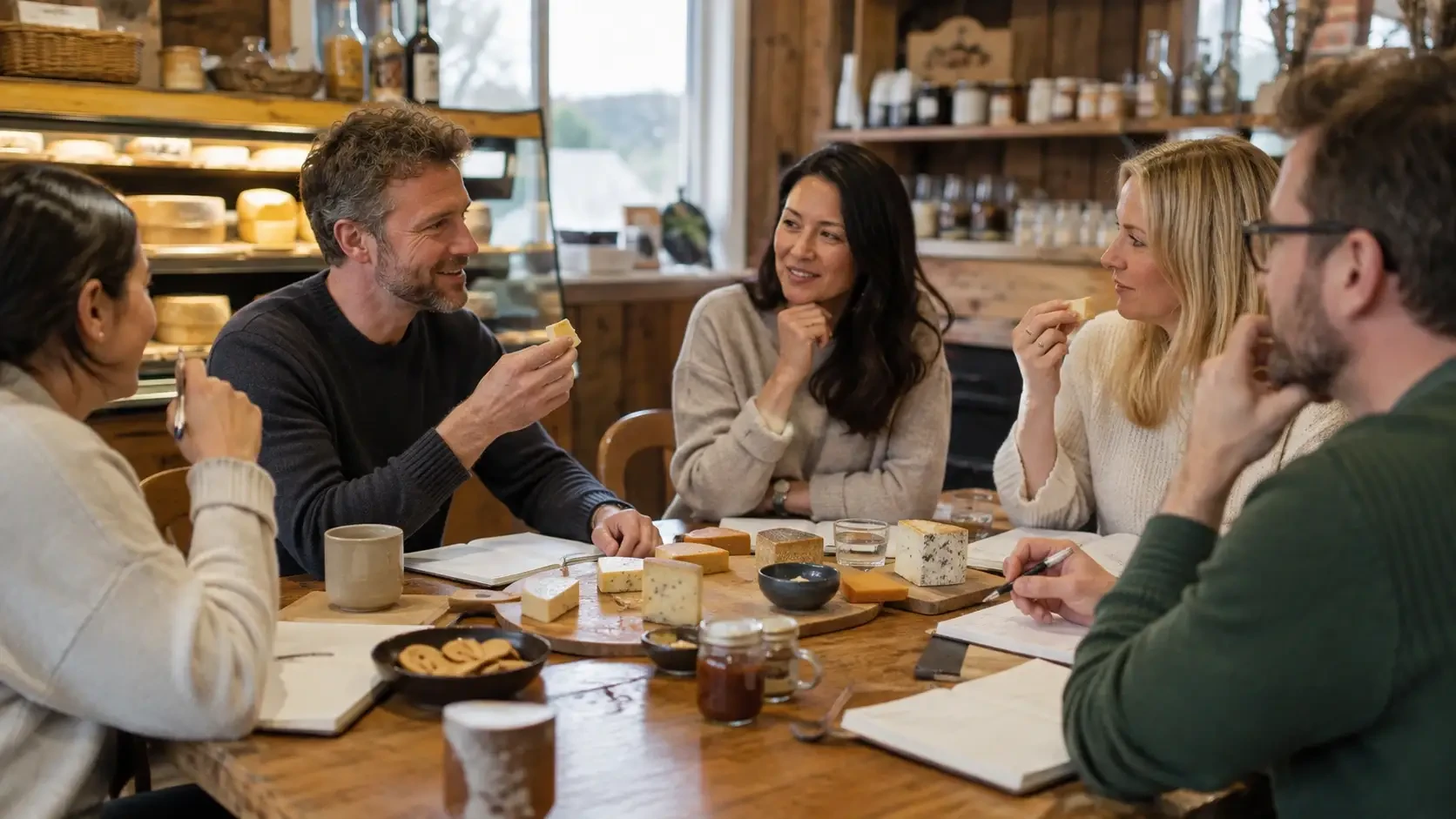
A cheese society can help create local food culture.
A cheese society can help:
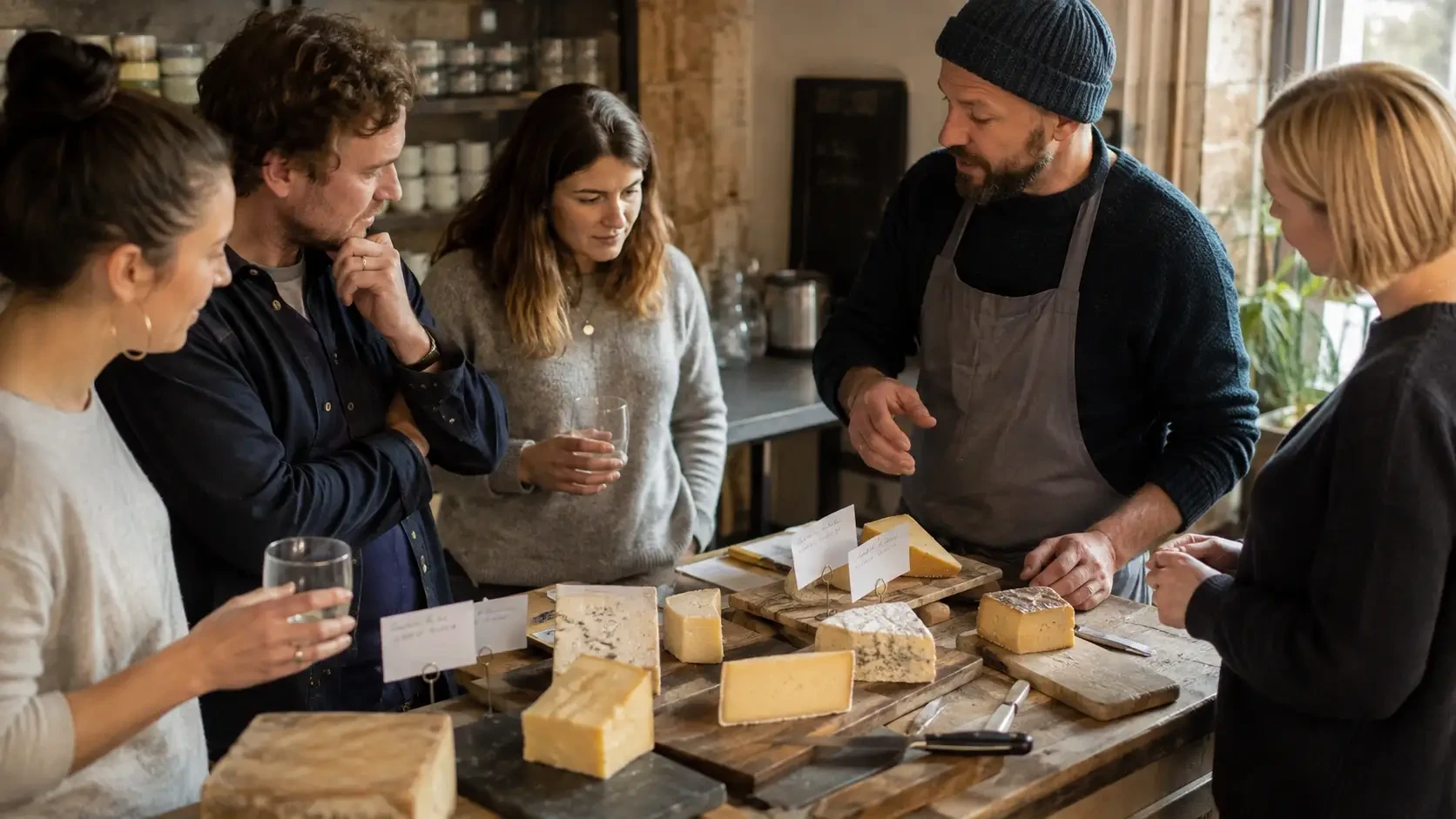
A cheese society can be started by almost anyone with the right attitude and a responsible approach.
It may be started by:
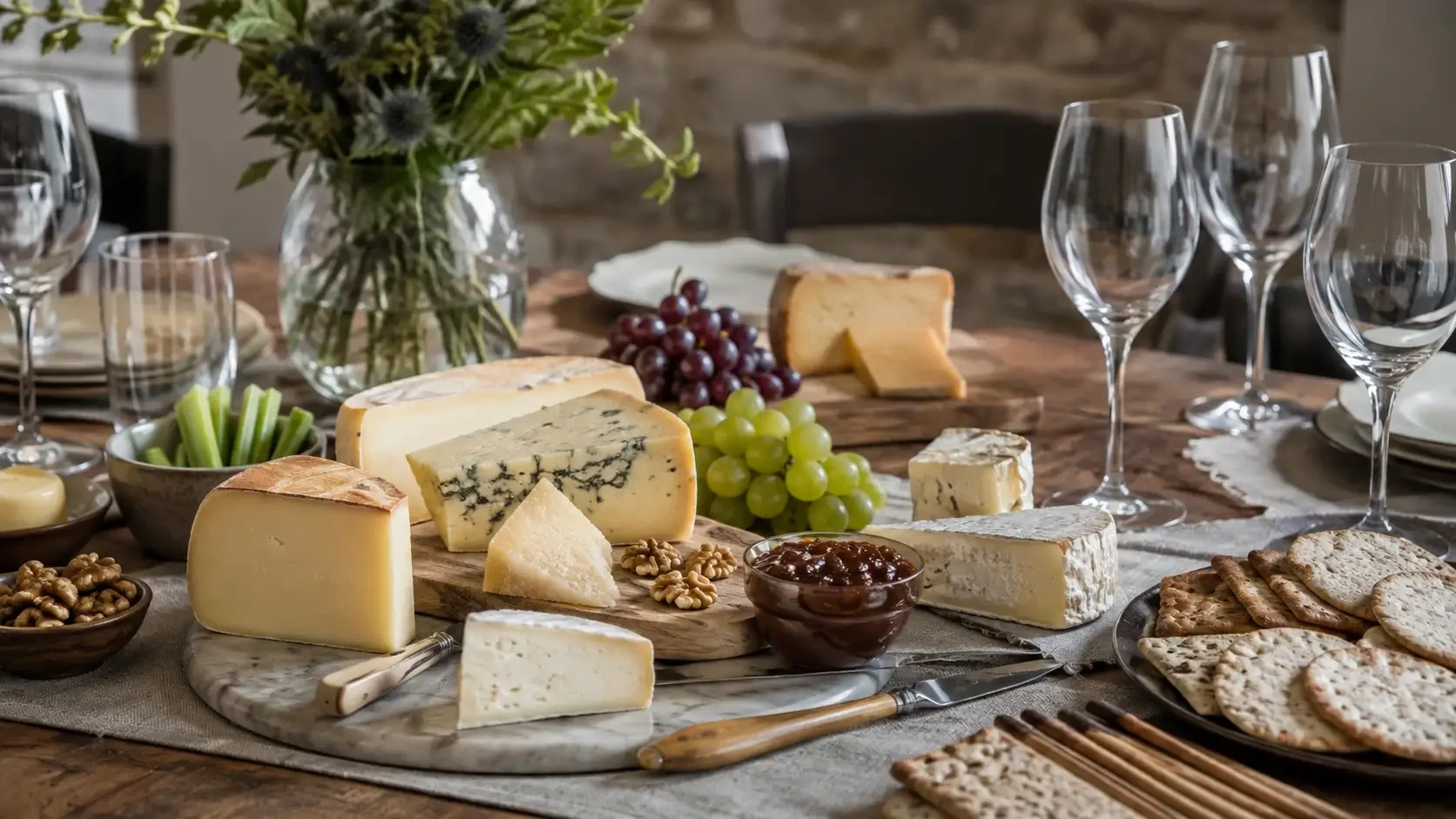
A society with a clear purpose is easier to promote and easier for people to understand.
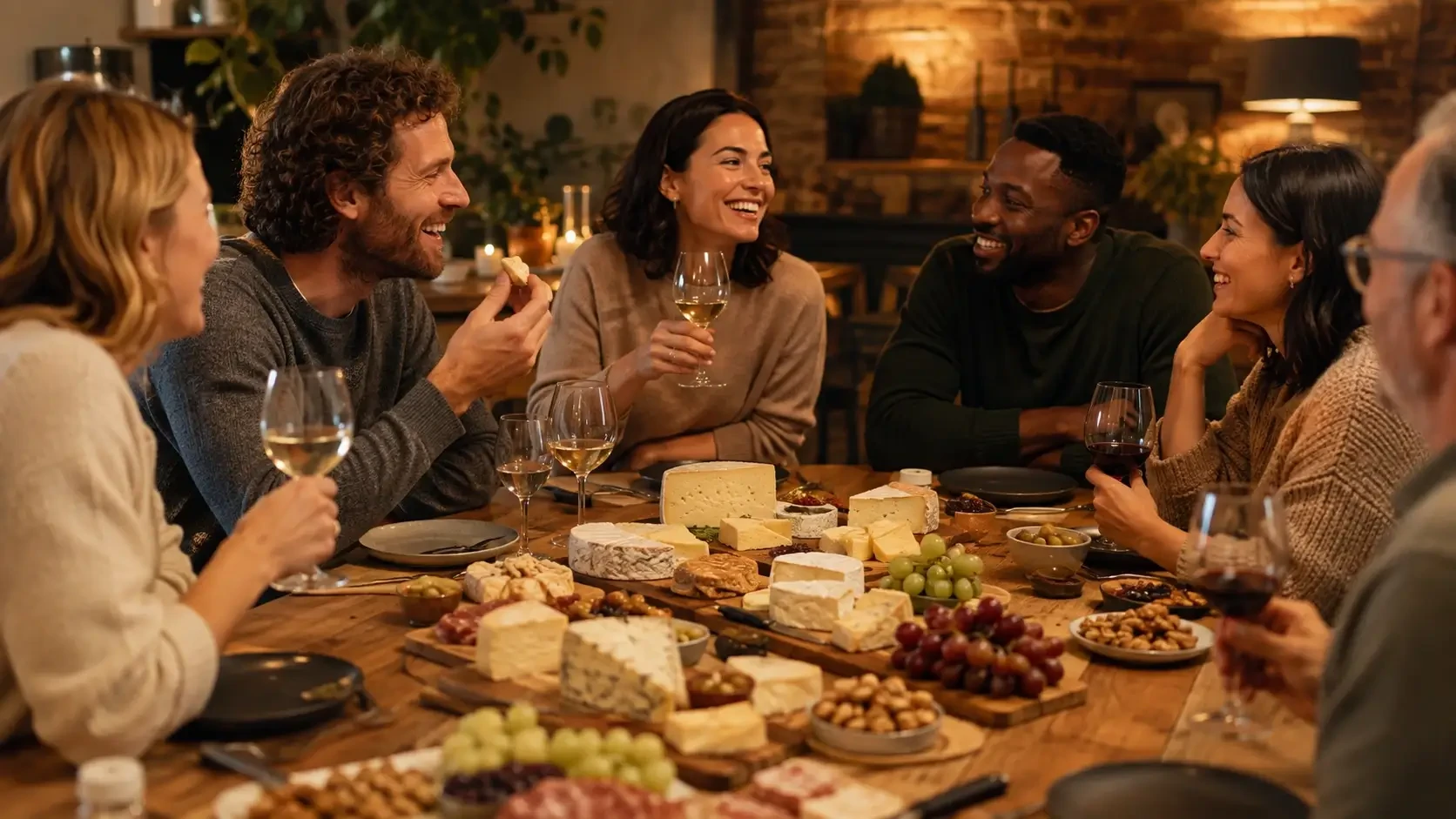
A cheese society does not need to start with a large event. Start small and make it repeatable. You can choose formats such as: Monthly cheese tasting, Seasonal cheese night, Cheese and chutney evening, Cheese and cider pairing, Cheese and bread tasting.
A good tasting should be simple, structured and enjoyable. A beginner friendly tasting might include three to five cheeses. Too many can become confusing. Start with milder cheeses and move towards stronger ones.
Cheese becomes more interesting when paired with other local foods. A cheese society can support more than cheesemongers. It can also support bakers, preserve makers, cider makers, honey producers, fruit growers and farm shops.
A cheese society should not only say whether a cheese tastes good. It should explain where it comes from. When people understand provenance, they are more likely to value the product and support the producer again.
If the cheese society becomes a membership group, keep the structure simple. Do not overcomplicate the structure early. It is better to run a good simple event than create a heavy membership system before there is demand.
Cheese events may also include bread, crackers, nuts, fruit, chutney, honey, beer, cider, wine, meats or other accompaniments. Allergen and food safety information needs to be handled carefully.
A cheese society should help producers become better known.
Every event should clearly show where people can buy the cheese afterwards. This helps turn interest into real support for cheesemongers and cheese makers.
BFFD can help cheese societies by making producers and suppliers easier to find. A BFFD listing can also help cheesemongers promote tastings, stockist information, cheese boxes, restaurant supply and seasonal cheese selections.
Allergen Note
This can be part of the cheese’s character, but it also means customers need clear information. Certain people may need to take extra care with unpasteurised dairy products, including pregnant women, young children, older people and people with weakened immune systems.
Cheesemongers and producers should make pasteurisation information clear where relevant, and customers should ask if they are unsure.
Unpasteurised Cheese Note
If you are pregnant, immunocompromised or buying for someone vulnerable, ask the cheesemonger or producer about pasteurisation and current food safety guidance before buying.
Here are some practical cheese society ideas that could work well.
For BFFD, this is exactly the type of community activity that strengthens local food networks
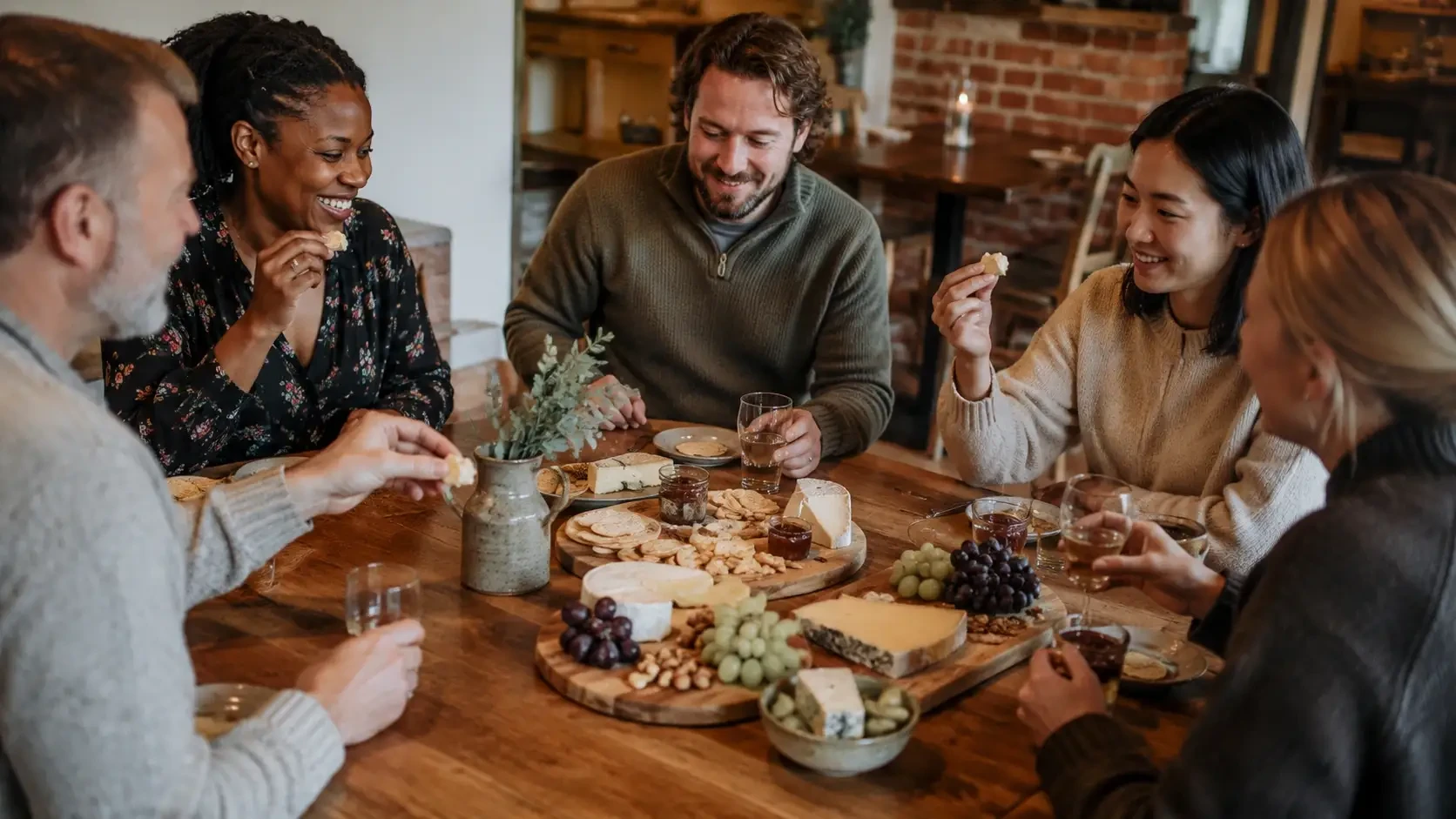
A cheese society helps shoppers buy with more confidence.
Cheese can be intimidating if people do not know what to choose. A society makes it easier to taste, ask questions and learn without pressure.
It can help shoppers understand:
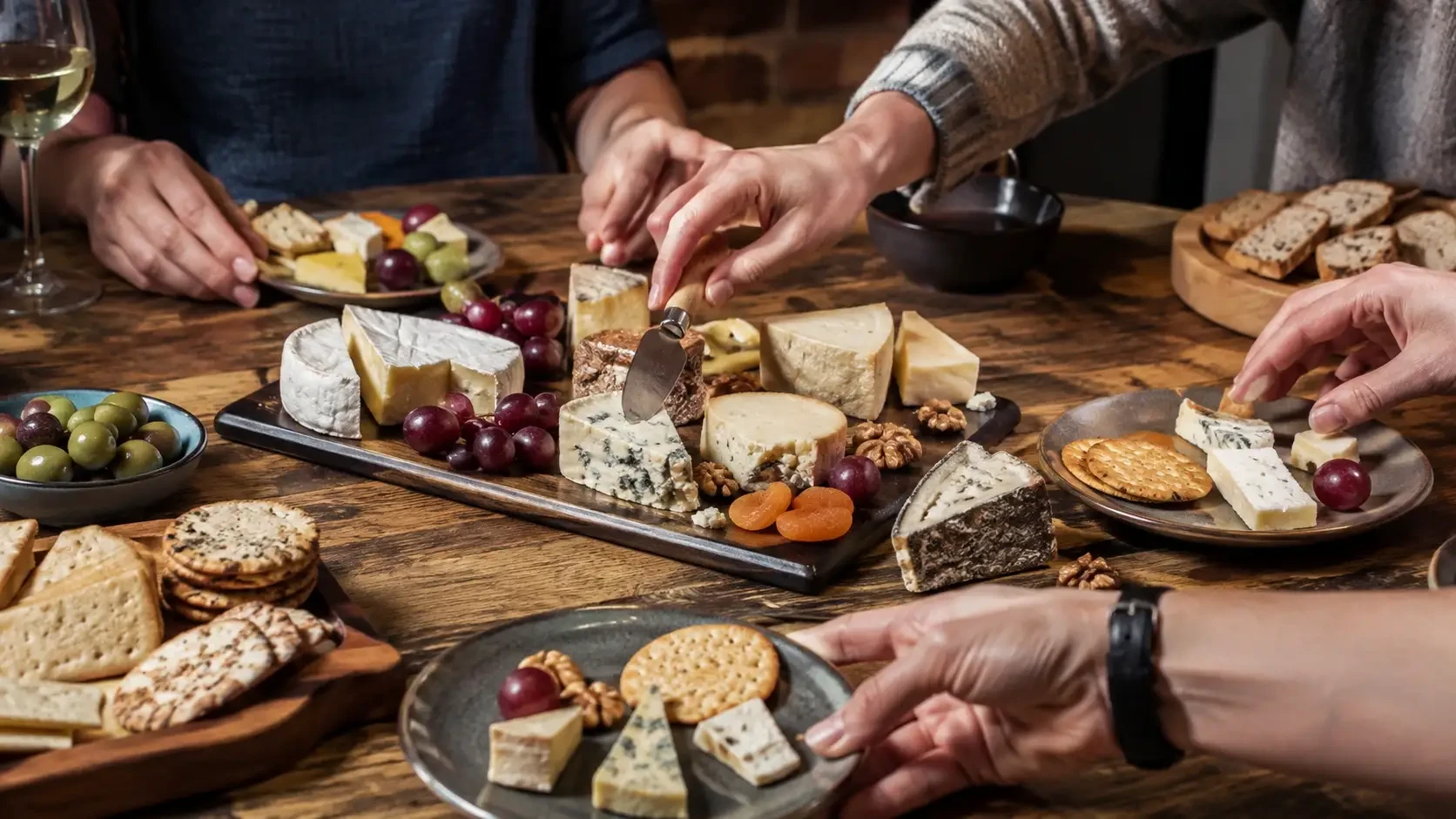
It can give customers a reason to return regularly, introduce new products and create a stronger sense of community around your shop or supplier network.
A BFFD profile can help promote:
Good value is not always about the cheapest block. It is about flavour, use and waste.
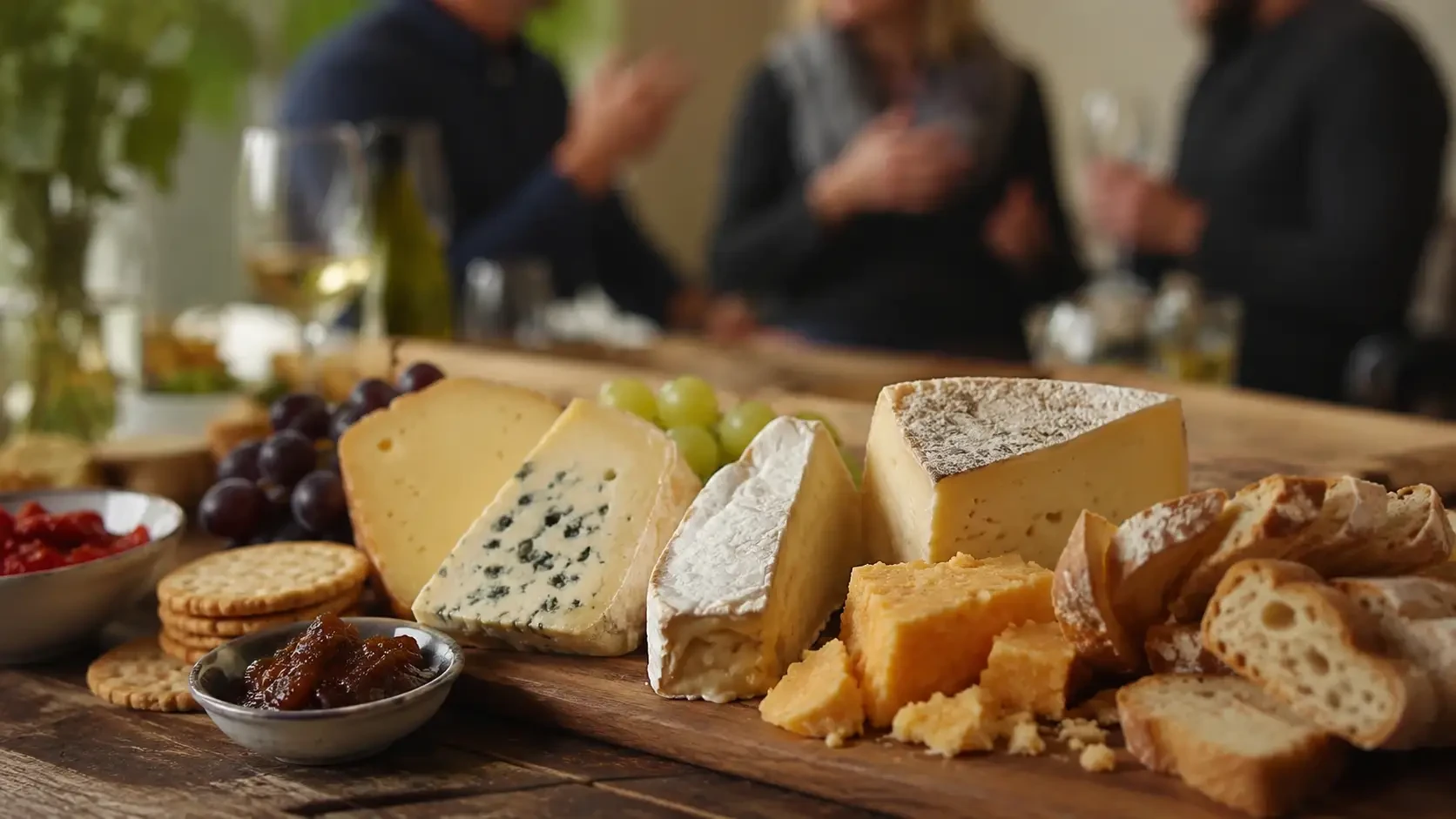
List your cheesemonger, dairy, farm shop counter or cheese business on BFFD and use your profile to promote tastings, cheese boxes, events and local food connections.
Begin with a small tasting or simple event before building a membership structure.
Three to five cheeses can be better than overwhelming people with too much choice.
A tasting without producer context misses the chance to support the people behind the cheese.
Cheese contains milk, and events may include other allergens. Food safety should be planned carefully.
A cheese society should feel welcoming before it becomes complicated.
Every tasting should clearly show how members can buy the cheese afterwards.
Use this for food business setup and safe food operation context.
Use this for allergen responsibilities and customer information.
Use this for official food hygiene and safe food handling context.
Use this for hygiene rating checks and public trust.
Use this for wider food labelling and packaging guidance.
Use this if the cheese society serves or sells alcohol at events.
Related Cheesemonger Pages
A cheese society is a group, club or community built around tasting, learning about and supporting cheese, cheesemongers, cheese makers and local food producers.
Start with a clear purpose, choose a small group, find reliable cheese suppliers, plan a simple tasting format and make sure food safety and allergen information are handled properly.
A cheese society can be run by a cheesemonger, farm shop, dairy producer, restaurant, food group, community organiser or group of cheese enthusiasts.
A cheese tasting should include a small number of cheeses, producer details, milk type, cheese style, flavour notes, storage advice, pairing suggestions and information on where to buy the cheese.
Yes. A cheese society can introduce people to cheesemongers, dairy producers, farm shops and artisan makers, helping generate repeat buying and word of mouth.
Not always. It can begin as a simple event or tasting group before becoming a membership society, subscription club or regular programme.
Organisers should consider milk allergens, chilled storage, hygiene, serving practices, unpasteurised cheese, other allergens in pairings and alcohol licensing if drinks are served or sold.
BFFD can support cheesemongers, dairy producers, farm shops and local food businesses that run cheese societies, tastings, boxes or events through supplier profiles and local discovery pages.
A cheese society can help people taste better, learn more and support the makers behind the food.
BFFD is being built to help cheesemongers, cheese makers, farm shops and local food communities become easier to find, understand and support.
Want to get food independence, support your local grower, get better prices and shop more privately?
Local food isn’t just something you find. It’s something you protect. A free account helps keep local supply visible, supported, and resilient.
….it takes 30 seconds for food lovers and 5 minutes for suppliers
We built this for people who care where their food comes from. For people who want to remain food secure. For Farmers to get to the local people, who deserve a better income and to deliver a better price for you. For the environmentally conscious and the privacy-conscious. An account simply helps us make the map and supplier reach more useful to you, without changing how open it is. You’re always in control.


Find local food. Stay connected to it. Create a free account to support local producers and be part of a growing food network.