Follow us:

Cheese for Restaurants

Finding the right cheese for restaurants is about more than choosing something that tastes good.
Restaurants, pubs, cafés, hotels, caterers and hospitality venues need cheese that works for their menu, storage space, service style, margins, supplier reliability and customer expectations. A good cheese supplier can help with flavour, portioning, provenance, consistency, seasonal availability, pairing ideas and menu storytelling. Buy From Farmers Direct is being built to help restaurants and hospitality businesses find cheesemongers, dairy producers, farm shop suppliers and specialist cheese sellers with clearer links between product, place, supply route and trust.
Cheese for restaurants should be chosen based on menu use, flavour, consistency, portion size, storage, delivery, cost, allergen information, provenance and supplier reliability. Restaurants can source cheese from cheesemongers, dairy producers, farm shops, wholesalers, local dairies and online cheese suppliers. BFFD helps hospitality buyers discover cheese suppliers by location, cheese type, buying route and supplier profile, while helping cheesemongers and dairy producers present their trade supply options more clearly.

Cheese for restaurants should be chosen based on menu use, flavour, consistency, portion size, storage, delivery, cost, allergen information, provenance and supplier reliability. Restaurants can source cheese from cheesemongers, dairy producers, farm shops, wholesalers, local dairies and online cheese suppliers. BFFD helps hospitality buyers discover cheese suppliers by location, cheese type, buying route and supplier profile, while helping cheesemongers and dairy producers present their trade supply options more clearly.

Why Cheese Matters on a Restaurant Menu

Cheese can play a quiet but powerful role on a menu.
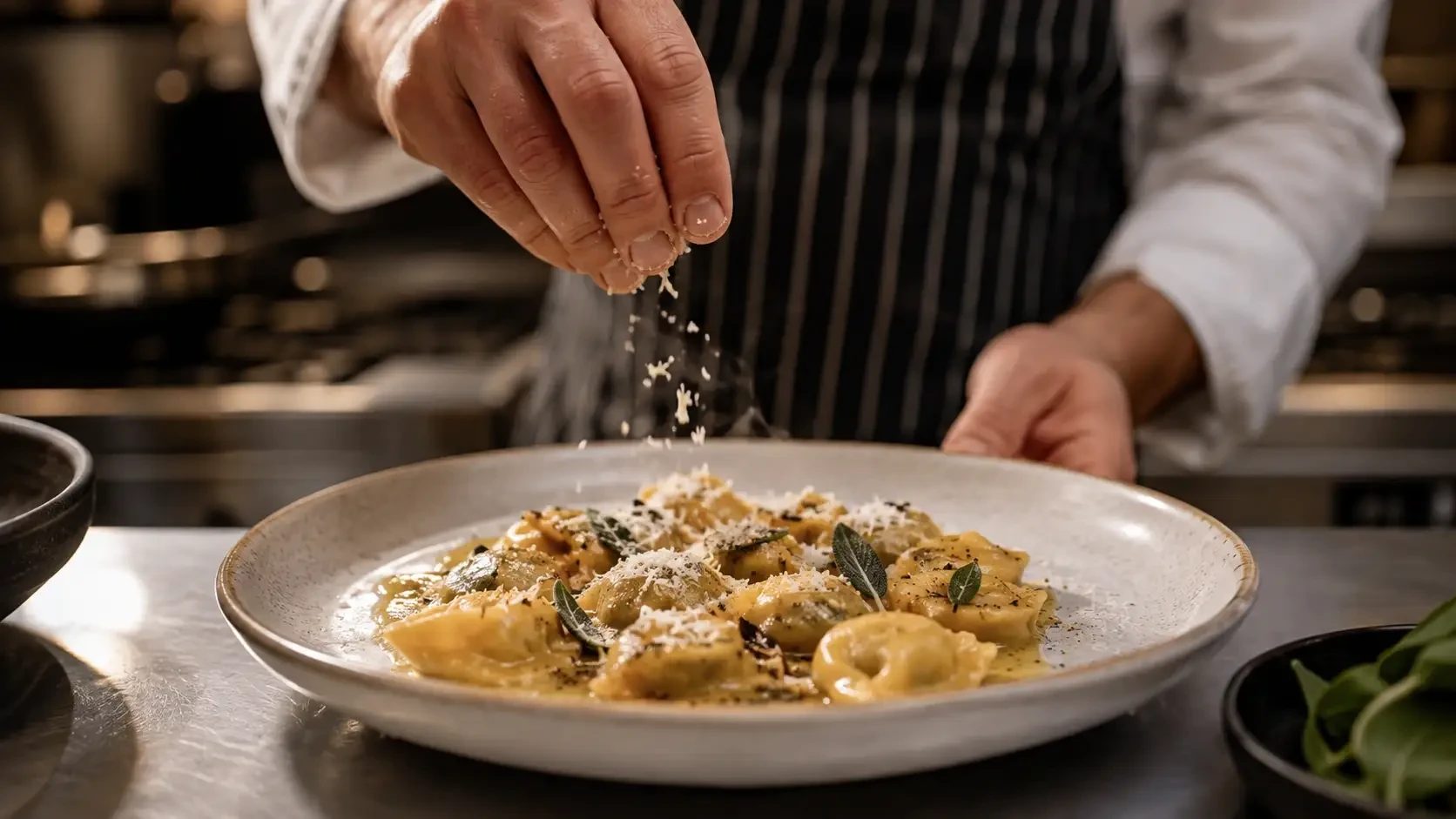
It may sit on a cheeseboard, finish a pasta dish, melt into a sauce, lift a salad, enrich a tart, fill a sandwich, support a grazing board or become the reason a customer remembers the meal.

Good cheese can improve:

For restaurants that care about provenance, cheese also gives the team a story to tell. The cheesemaker, farm, milk type, region, maturity and flavour can all help customers understand why the product is worth serving.

Who This Page Is For

This page is for hospitality businesses and food suppliers connected to restaurant cheese supply.
It may be useful for:
For hospitality buyers, the goal is reliable sourcing. For cheesemongers and producers, the goal is better visibility to trade customers.

What Restaurants Should Look for in a Cheese Supplier

A good cheese supplier should make life easier for the kitchen and front of house team.
Restaurants need more than a list of cheeses. They need clear communication, reliable supply, storage advice, portion guidance and product information that staff can use confidently.
Useful things to check include:
The best supplier should help the restaurant serve cheese confidently, not leave the kitchen guessing.

Types of Cheese for Restaurant Menus

Hard cheese

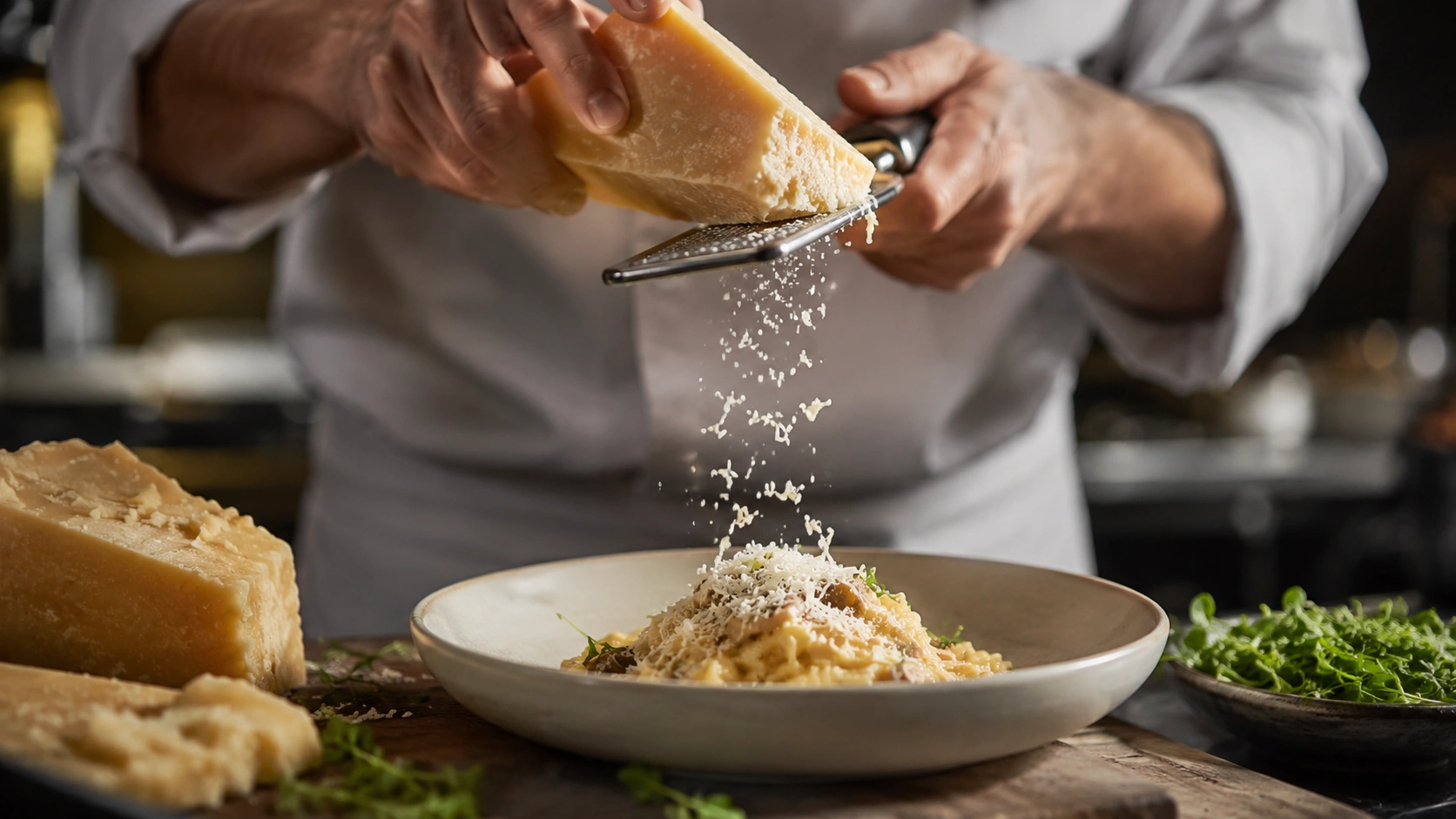
Hard cheese can work well for cheeseboards, grating, sauces, salads, pasta, tarts and cooking.

Soft cheese

Soft cheese can add richness to starters, salads, desserts, cheeseboards and sharing boards.

Blue Cheese

Blue cheese can bring depth to sauces, burgers, salads, steaks, cheeseboards and savoury dishes.

Goat cheese

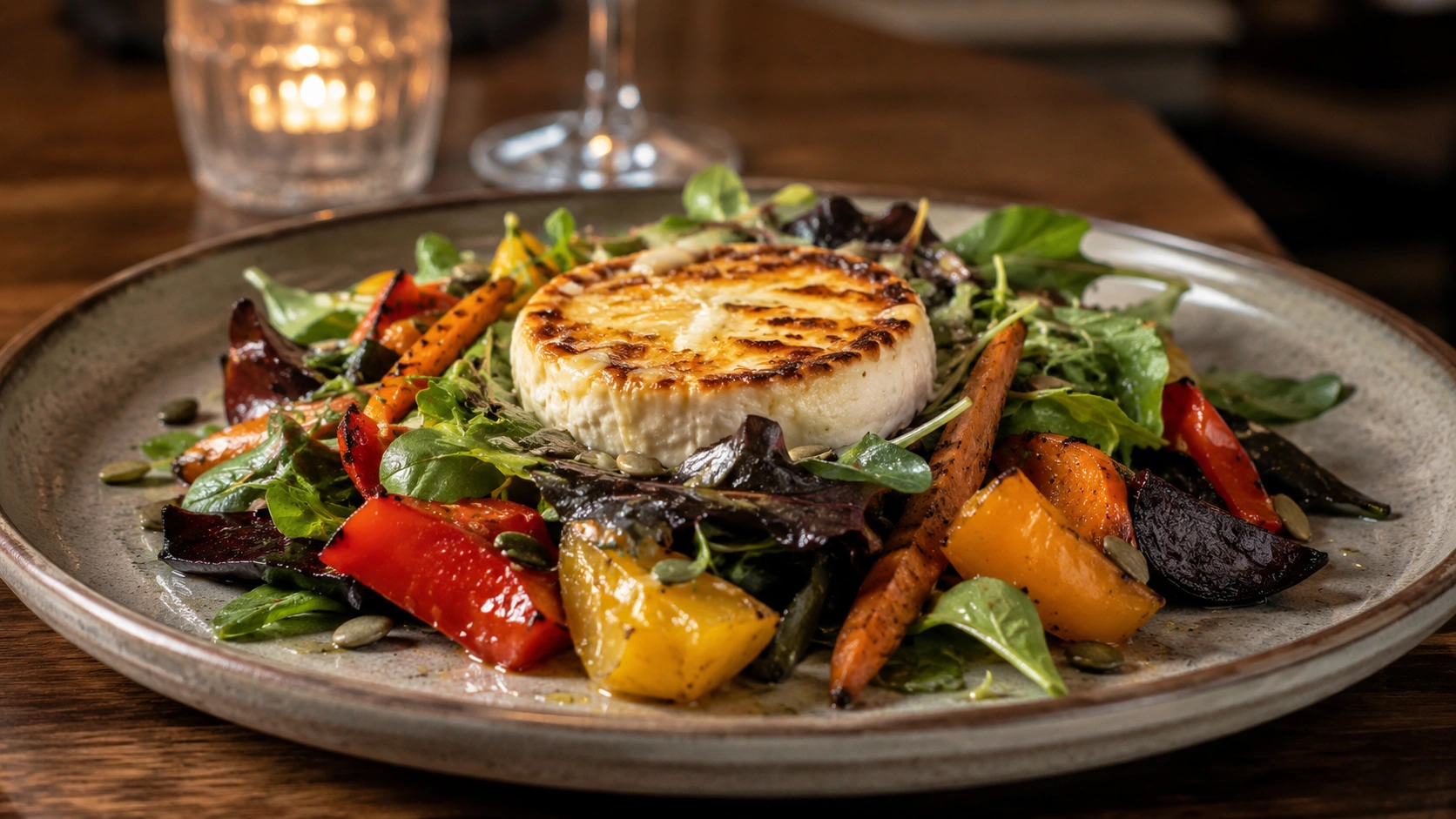
Goat cheese can work well in salads, tarts, starters, vegetarian dishes and seasonal menus.

Sheep Cheese

Sheep milk cheese can provide richness, depth and a distinctive flavour profile for specialist menus.

Fresh cheese

Fresh cheese can support lighter dishes, breakfast menus, salads and seasonal plates.

Cheese for Cheeseboards

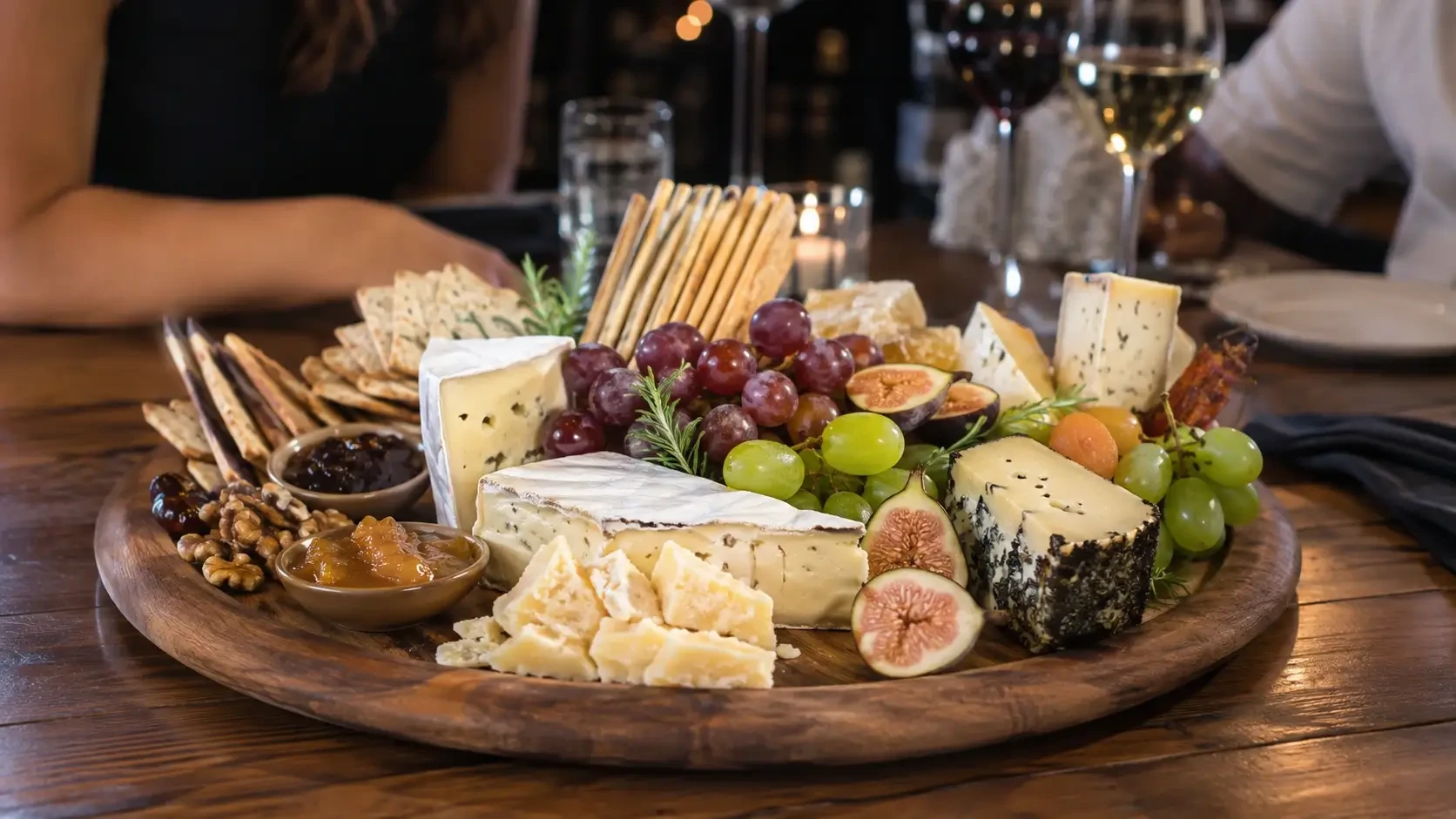
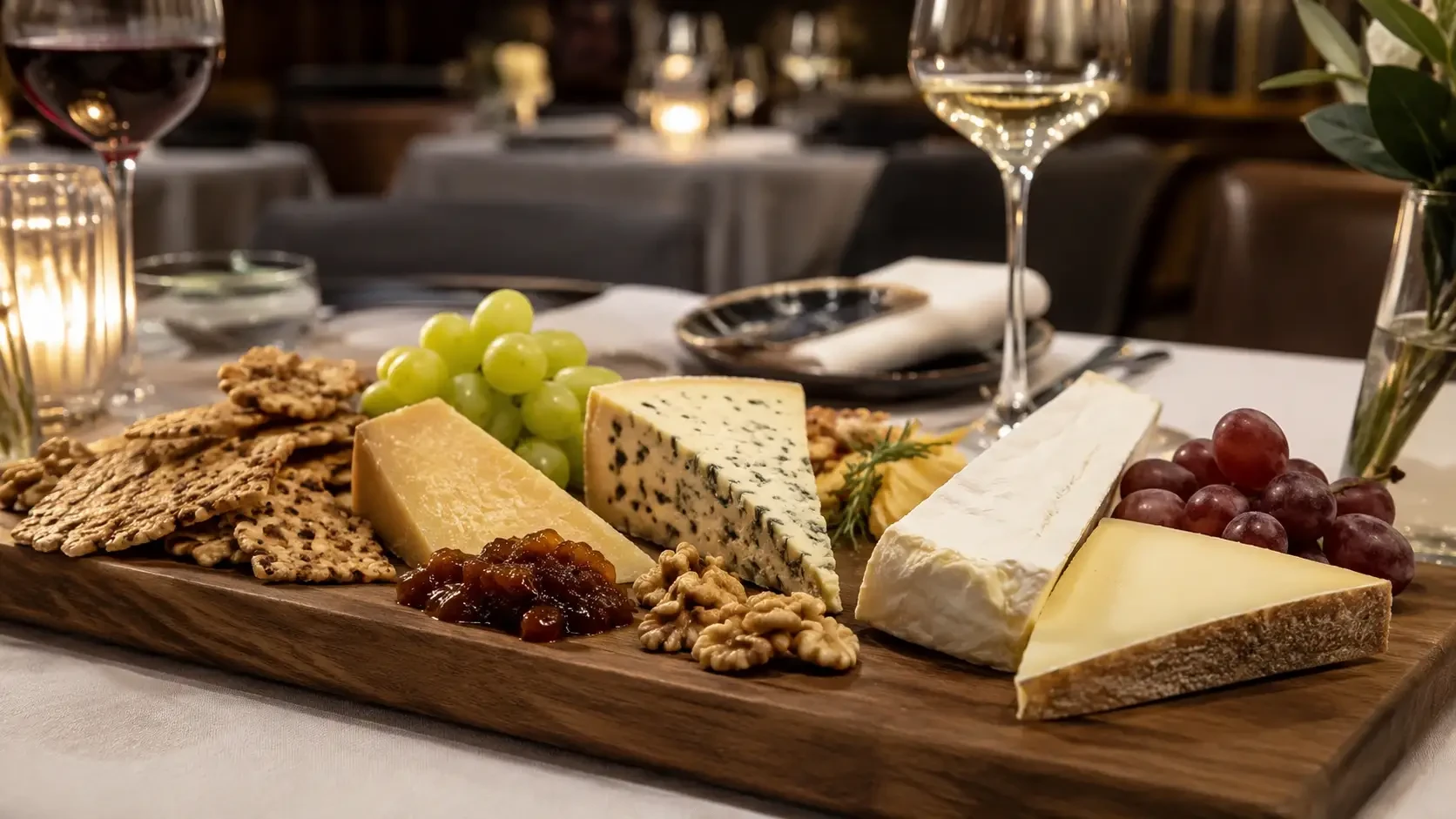
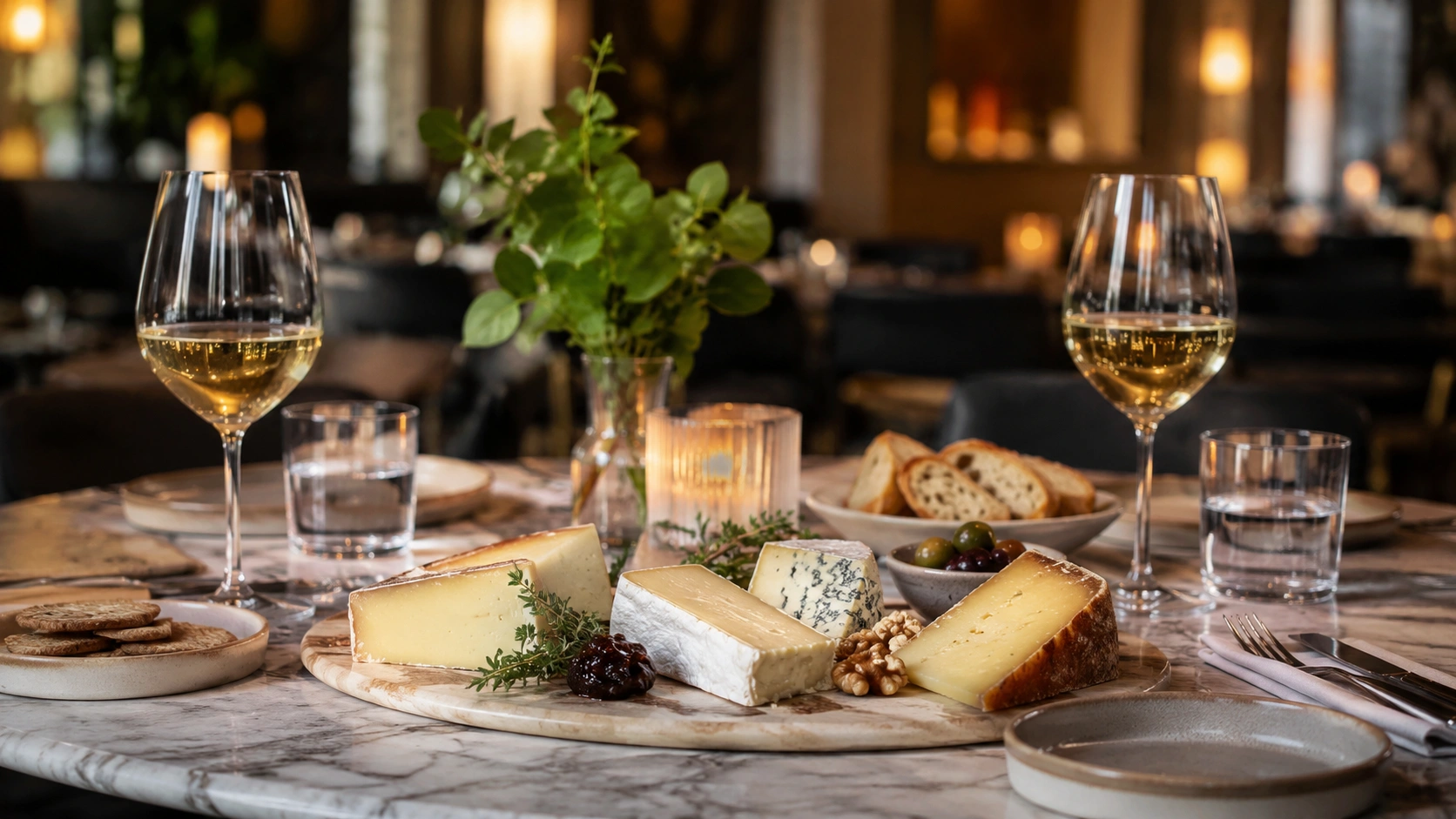
Cheeseboards are one of the most obvious restaurant uses for specialist cheese.
A good cheeseboard should offer contrast and balance. It should not simply include several cheeses that taste and feel the same. A well structured board may include a hard cheese, soft cheese, blue cheese and a goat or sheep cheese, supported by bread, crackers, chutney, fruit, honey, pickles or nuts where appropriate but a methodology that is slept on when considering cheeses is….

Cheese for Cooking

Not every restaurant cheese needs to sit on a board.

Cheese can be used across the menu in cooked dishes, sauces, fillings, toppings and sides. The right cheese depends on melt, strength, fat content, saltiness, texture and how it behaves under heat.

A good supplier can help kitchens choose cheeses that work commercially, not only cheeses that taste interesting in isolation.
Cheese for Pubs and Farm Shop Cafés

Pubs and farm shop cafés can benefit strongly from local cheese. It demonstrates support of the local surroundings and that they understand the local cheeses and culture. 

A pub might use cheese in ploughman’s lunches, burgers, toasties, pies, sandwiches, cheeseboards or specials. A farm shop café may use cheese from its own counter, local dairies or nearby cheesemongers.
This creates a valuable food story:

Restaurants do not need to overwhelm customers with long descriptions, but staff should be able to explain what is being served.

BFFD supports this by helping suppliers present provenance details in structured profiles.
Cheese Supply and Consistency

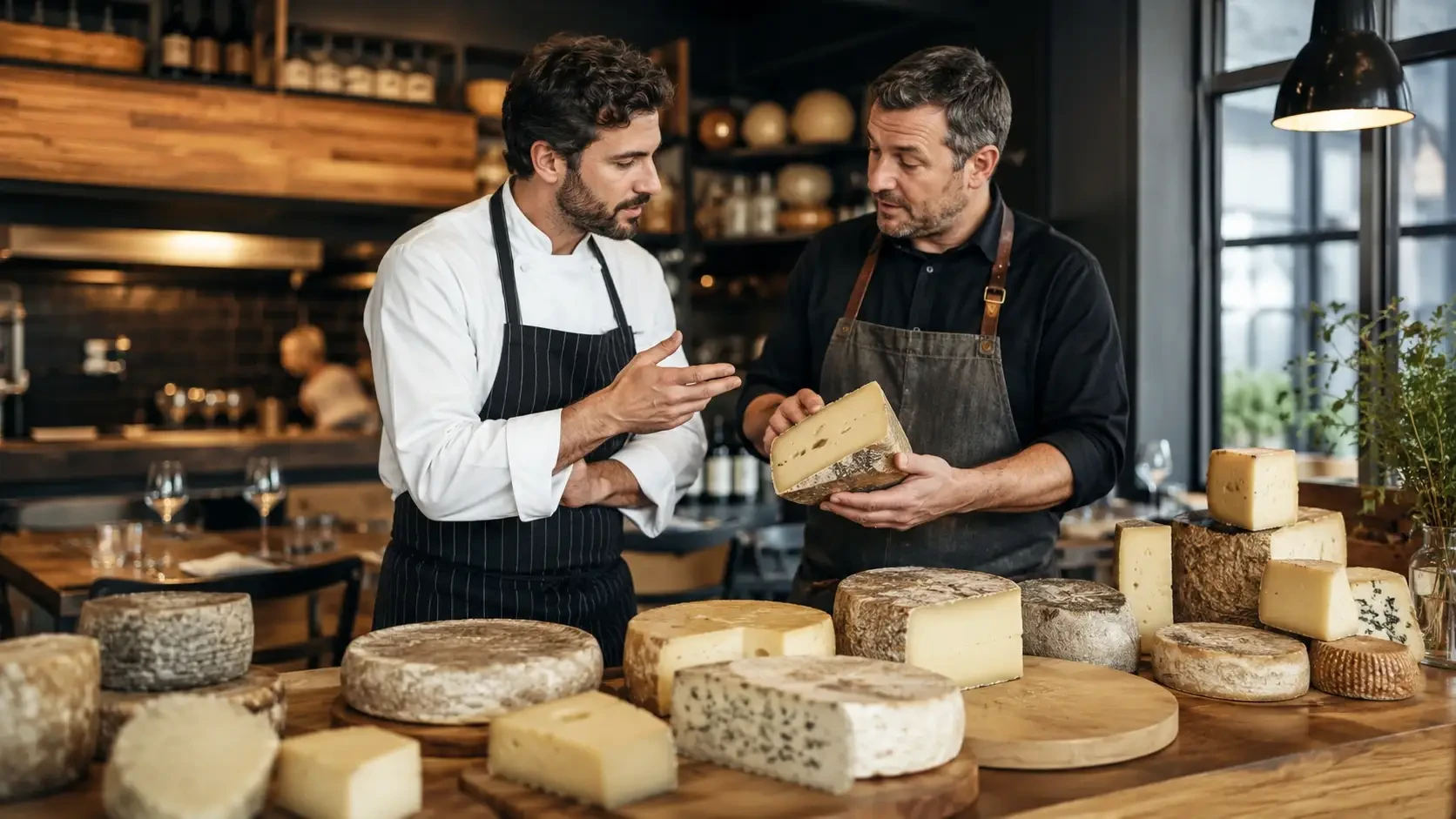
Provenance can help restaurants sell cheese with more confidence.
A menu that says “cheese board” is functional. A menu that explains the cheese maker, region, milk type and supplier is more memorable.
Useful provenance details include:

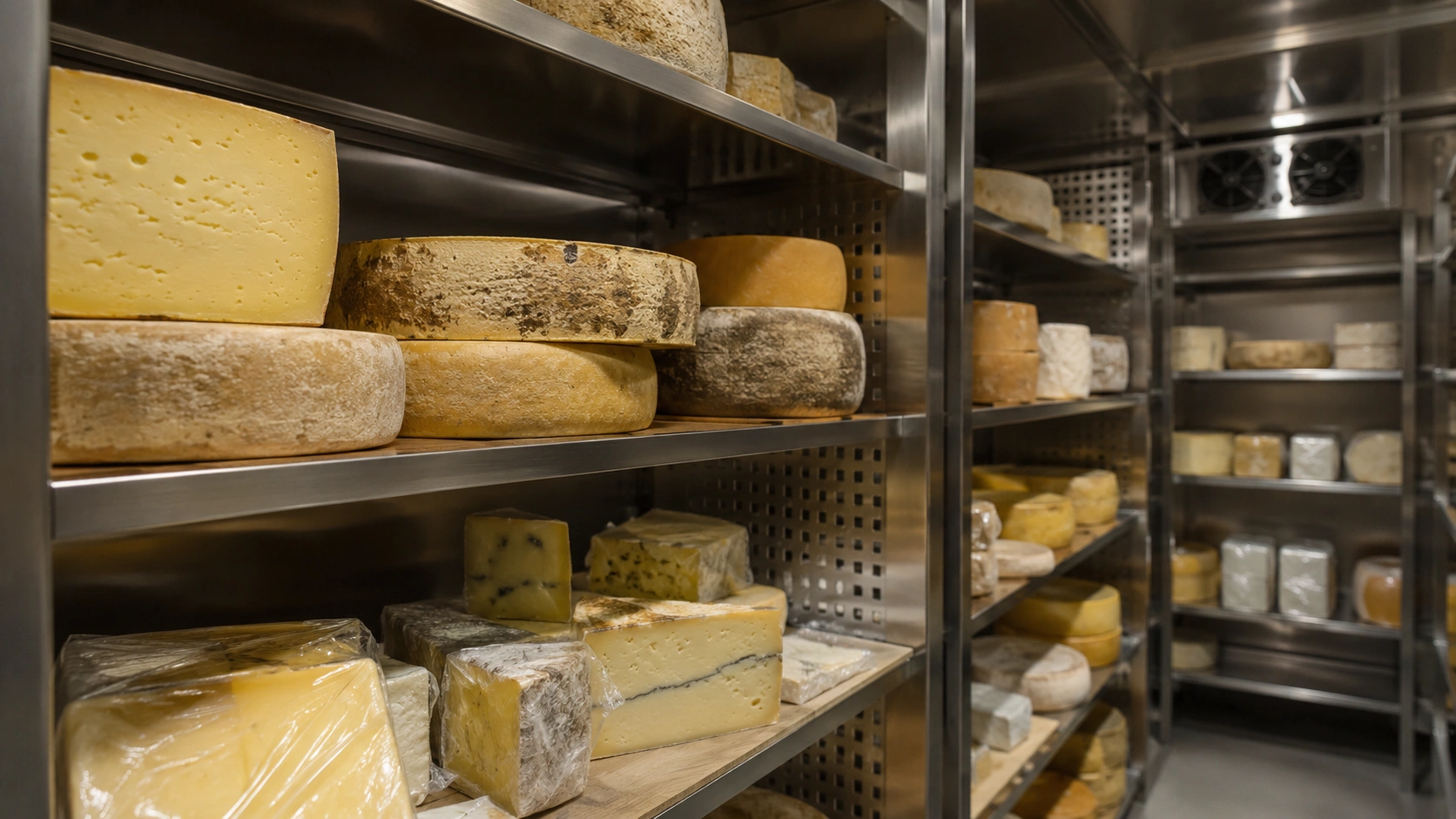
Good value is not always about the cheapest block. It is about flavour, use and waste.
Pasteurised and Unpasteurised Cheese for Restaurants

Some cheeses may be made using unpasteurised milk.
This may be part of the cheese’s character, but restaurants should make sure staff understand what is being served and whether any customer guidance is needed. Certain customers, including pregnant women and people with weakened immune systems, may need extra caution around some cheeses.
Restaurants should ask suppliers:
Clear communication protects both the customer and the restaurant.

Cheese for Restaurants and Budget Control

Good cheese buying is not only about premium products.
Restaurants need to control cost, waste and portioning. A strong cheese supplier can help choose products that match the menu’s price point and service style.

For restaurants, choosing the right cheese supplier is about far more than flavour alone. A cheese can be exceptional, but if deliveries are unreliable, portion sizes fluctuate, storage guidance is unclear or substitutions arrive without warning, it can quickly create problems in a busy kitchen. Hospitality buyers need suppliers who understand the importance of consistency, communication and planning. That means knowing whether regular supply can be maintained, what happens when a particular cheese becomes unavailable, whether suitable alternatives can be recommended and how much notice is required for an order.


It is equally important to understand minimum order values, delivery schedules, portioning options, weight consistency and whether invoices can be supplied for straightforward accounting. Restaurants may also want to know whether the supplier already works with other hospitality businesses, as this can indicate an understanding of the pressures and expectations of professional kitchens. Ultimately, the strongest supplier relationships are built not only on the quality of the cheese, but on dependable service, clear communication and the confidence that the supplier can support the kitchen week after week.
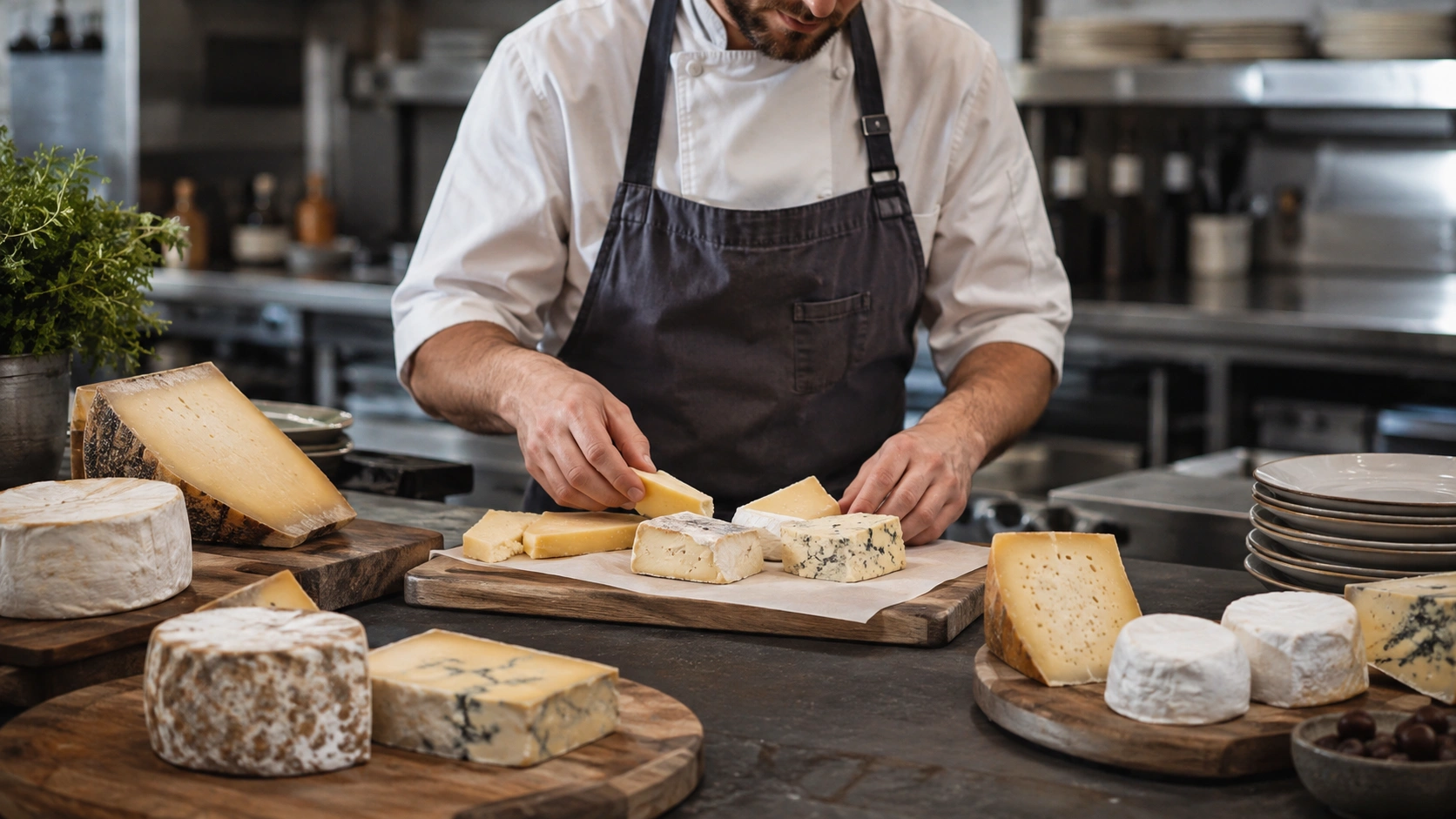
Do you supply cheese to restaurants?

List your cheesemonger, dairy, farm shop counter or online cheese business on BFFD and help hospitality buyers find your cheese, supply options and contact details.

Get Listed as a Cheesemonger

View Supplier Journey

Common Mistakes Restaurants Make When Buying Cheese

Choosing cheese without thinking about portion cost

A cheese may be excellent, but it needs to work commercially on the menu.

Buying too many similar cheeses

A cheeseboard needs contrast, not repetition. Always have a good selection of cheeses.

Forgetting staff training

Front of house staff need enough information to explain the cheese confidently.

Ignoring storage needs

Poor storage can damage flavour, texture and food safety.

Not checking allergen information

Cheese contains milk, and accompaniments may contain other allergens.

Overlooking local producers

Local cheese can strengthen a menu’s food story when the supplier and product are right.

Reputable External Sources

Use this for food business setup and safe food operation context.

Use this for allergen responsibilities and customer information.

Use this for official food hygiene and safe food handling context.

Use this for hygiene rating checks and public trust.

Use this for wider food labelling and packaging guidance.

Use this if the cheese society serves or sells alcohol at events.
* External sources are provided for further reading. BFFD does not provide veterinary, legal, equipment safety or bee health inspection advice. Beekeepers should always follow current official guidance and contact the National Bee Unit or local bee inspector where required.

FAQ

Where can restaurants buy cheese?

Restaurants can buy cheese from cheesemongers, dairy producers, farm shops, wholesalers, online cheese sellers, farmhouse cheese makers and specialist food suppliers. The key is establishing a relationship with the top chef to showcase your products. 

Restaurants should look for reliable availability, clear pricing, delivery options, product information, provenance notes, allergen guidance, storage advice and trade ordering support.
A good cheeseboard usually includes contrast, such as a hard cheese, soft cheese, blue cheese and goat or sheep cheese, supported by suitable accompaniments.
Yes. Many cheesemongers, dairy producers, farm shops and local suppliers can provide British or local cheese for restaurants, depending on availability.
Provenance helps restaurants explain where the cheese comes from, who made it, what milk was used and why it suits the menu.
Yes. Cheese contains milk, and accompaniments may contain other allergens. Restaurants should make sure allergen information is accurate and available to staff and customers.
Yes. Cheesemongers, dairy producers and cheese suppliers can use BFFD profiles to show whether they supply restaurants, cafés, pubs, hotels or caterers.
No. BFFD is a discovery platform. Restaurants should contact cheesemongers, dairy producers or suppliers directly to arrange supply.

Find Cheese Suppliers That Help Your Menu Stand Out

Restaurant cheese should be reliable, practical, well explained and connected to the right supplier. BFFD is being built to help hospitality buyers discover cheesemongers, dairy producers, farm shop counters and cheese suppliers with clearer links between product, place, provenance and trust.