Barley turns a sunny plot into a lesson in grain growing. Its stems, ears and summer ripening are attractive, but producing food involves more than cutting the crop. Choose seed for the intended season and use, and arrange somewhere dry for processing before sowing. This guide covers cultivated barley, Hordeum vulgare, with spring barley as a straightforward garden trial.
Annual cereal
Full sun
Direct sow
Spring or winter types
Grain crop
| Botanical name | Hordeum vulgare |
| Family | Poaceae |
| Plant type | Annual cereal grass |
| Main use | Grain, straw and educational plots |
| Position | Full sun |
| Soil | Well drained, firm seedbed |
| Moisture | Even moisture during establishment |
| Height | Often 0.6m to 1.5m, variety dependent |
| Sowing method | Directly into prepared ground |
| Spring sowing | Usually March to April for a garden plot |
| Winter sowing | Usually September to early October, variety dependent |
| Harvest | Usually July to September, season dependent |
| Flowering | Inconspicuous flowers in ears |
| Propagation | Seed |
| Spacing | Use the seed supplier’s density and row guidance |
| Containers | Possible for a demonstration, limited grain yield |
| Pruning | None for a grain crop |
| Pollination | Mainly self pollinating |
| Food preparation | Thresh, clean and process the grain |
| Important distinction | Not ornamental squirrel tail barley |
| Plant name | Crop type | Spacing |
Sow indoors
Plant outdoors
Harvest
Polytunnel | |||||||||||
|---|---|---|---|---|---|---|---|---|---|---|---|---|---|---|
| Jan | Feb | Mar | Apr | May | Jun | Jul | Aug | Sep | Oct | Nov | Dec | |||
| Barley | Grains | Follow the named variety’s seed rate and row guidance; cereal crop density varies | No activity recorded | No activity recorded | Sow indoors | Sow indoors | No activity recorded | No activity recorded | Harvest | Harvest | Sow indoors, Harvest | Sow indoors | No activity recorded | No activity recorded |
Sow indoors: March, April, September, October. Plant outdoors: no months recorded. Harvest: July, August, September. Polytunnel: no months recorded.
The calendar combines two separate crops: sow spring varieties in March or April and winter varieties in September or early October. These are direct sowing periods, not transplanting dates. Harvest commonly falls between July and September, with winter barley generally earlier. Weather and cultivar override these broad windows. No routine polytunnel period is shown because barley is an outdoor cereal.
A barley bed suits growers interested in cereals, traditional food or straw. Start with an area you can weed and harvest by hand. Record the seed name, sowing date and intended use.
Check the processing requirement first. Most conventional barley retains a tough hull after threshing, while naked or hulless types release it more readily. Grain for malting must meet demanding quality requirements; growing a named malting variety does not guarantee a successful malt.
Photo: Victor M. Vicente Selvas, Public domain. Resized and optimised; cropped for display.
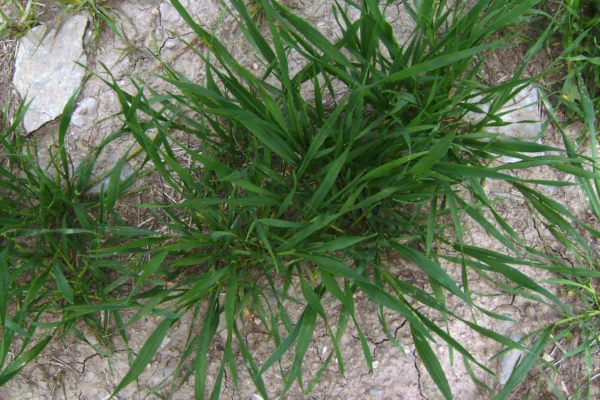
Choose an open sunny bed with access around it. Shade produces uneven growth and makes judging harvest readiness harder.
Good drainage matters particularly for autumn sowing. Do not cultivate saturated ground or squeeze seed into a smeared trench. Wait until the soil breaks into crumbs when handled.
Use an ordinary cultivated bed with known fertility. A patch recently loaded with rich manure is a poor first trial because vigorous soft growth may fall over before harvest.
A large container demonstrates how ears develop, but its small root volume needs closer watering. Grow one named variety so plants mature together.
Photo: Sigve Holmen, CC BY-SA 2.5. Resized and optimised; cropped for display. Adapted image under the same licence.
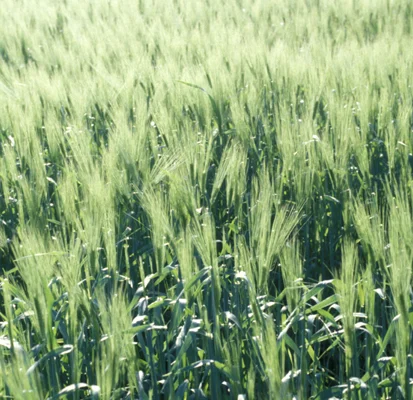
Buy labelled sowing seed from a supplier who can confirm whether it is a spring or winter type. Do not sow pearled barley from the kitchen: processing has removed or damaged the parts needed for germination.
1.
Choose spring barley for a first small plot, unless you specifically want an autumn crop and have suitable winter seed.
2.
Clear perennial weeds before sowing so you are not pulling their roots through established cereal plants later.
3.
Prepare a level, firm seedbed with small crumbs near the surface. Avoid turning it into dust that can crust after rain.
4.
Mark accessible rows and follow the supplier’s seed rate. Field rates depend on seed size, sowing date and expected establishment.
5.
Sow at the depth specified for the seed and conditions, keeping placement even rather than scattering onto the surface.
6.
Cover fully and gently firm the seedbed to improve contact between grain and moist soil.
7.
Label the variety and date. If birds are lifting seed, use securely supported protective mesh and check it regularly.
8.
Check emergence across the bed, remove weeds while small and record bare patches rather than compensating with heavy feeding.

Watering
A moist seedbed supports even germination, but waterlogged soil excludes oxygen. In a garden bed, water gently if the sowing layer dries before seedlings establish.
Once rooted, judge watering by soil condition and weather. Container crops need closer attention. Avoid keeping ripening ears wet with repeated overhead watering.

Feeding
Base fertiliser decisions on the soil and intended crop, not a weekly tomato feed routine. A soil test is useful where the fertility history is unknown.
Excess nitrogen increases the risk of lodging, when stems lean or collapse. More fertiliser cannot repair poor establishment, and late feeding can alter grain quality.

Pruning
Do not pinch out, mow or repeatedly cut a crop intended for grain. Its shoots and leaves support ear development and grain filling.
At harvest, cut manageable bundles over a clean sheet or tray so loose grain is not lost. Keep different varieties separate throughout drying and threshing.

Winter care
Spring barley is normally harvested in its first summer and the spent crop cleared afterwards. It is not a perennial clump that regrows for next year’s grain.
Autumn crops need a winter variety, sound drainage and continued checks for weeds or damaged patches. Do not assume all barley seed will survive an exposed wet winter equally well.
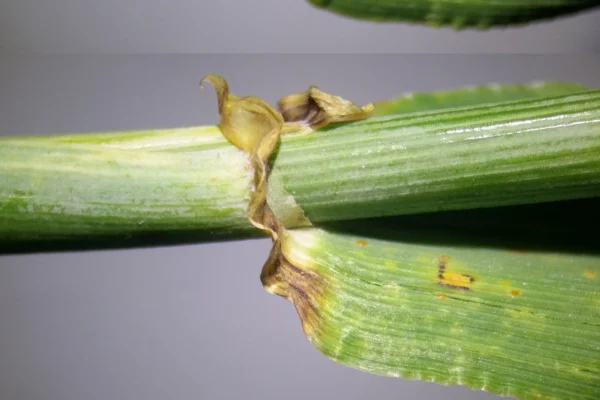
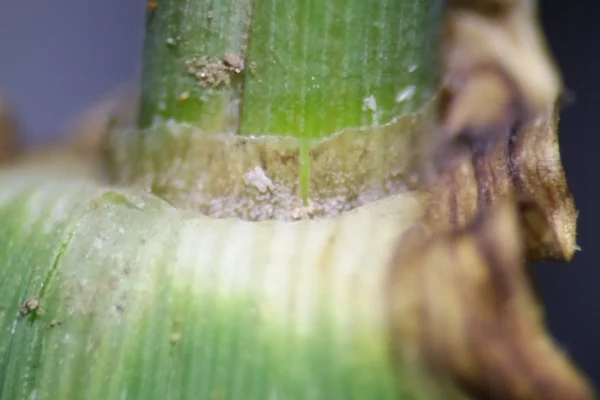
Cultivated barley forms upright jointed stems with narrow leaves and terminal ears. Many varieties carry long bristles called awns, although awnless forms also exist. The small flaps around the junction of leaf blade and stem help distinguish cereal grasses.
Two row and six row describe the arrangement of fertile grain positions around the ear, not how you sow the bed. Ornamental squirrel tail barley, Hordeum jubatum, is a different species. Keep a labelled seed source rather than identifying a food crop from an unfamiliar roadside grass.
Photo: Stefan.lefnaer, CC BY-SA 4.0. Resized and optimised; cropped for display. Adapted image under the same licence.
In much of the UK, March and April offer a practical spring sowing window once ground is workable. Northern, upland or wet sites may need patience; forcing an early date into poor conditions is rarely helpful.
Winter barley has a narrower autumn sowing window than winter wheat. Ask for regional advice before sowing late, rather than extending the spring calendar to an autumn seed lot.
Ripening depends on the weather after flowering as well as the sowing date. Inspect several ears across the bed. Golden straw alone is not proof that grain is dry enough to seal into storage.
Photo: Stefan.lefnaer, CC BY-SA 4.0. Resized and optimised; cropped for display. Adapted image under the same licence.
Look for dry seedbeds, surface crusting, waterlogging or missing seed before blaming nutrition. Compare the poor patch with a healthy section and improve seed placement next time.
Lodging can follow excessive nitrogen, dense growth, wind or weak stems. Avoid rich feeding and choose a variety with suitable standing ability; propping an entire mature crop is difficult.
Barley can develop net blotch, mildew and other cereal diseases. Photograph symptoms, check an authoritative identification guide and avoid saving seed from an unhealthy crop.
Protect vulnerable small plots with properly supported mesh where needed. Keep it taut and inspect it so wildlife cannot become trapped. Remove protection when its job is finished.
Damp grain can spoil even after a seemingly dry harvest. Keep batches ventilated while drying, check them regularly and discard mouldy grain rather than cooking with it or feeding it to animals.
Barley is raised from seed each season. If saving your own, start with a healthy, named, non hybrid variety and keep its harvest separate from other cereals. Saving seed does not remove seed borne disease risks.
Fresh seed makes a repeat trial easier to compare than an unidentified mixture. Note establishment, standing ability and harvest timing, as well as the weight gathered.
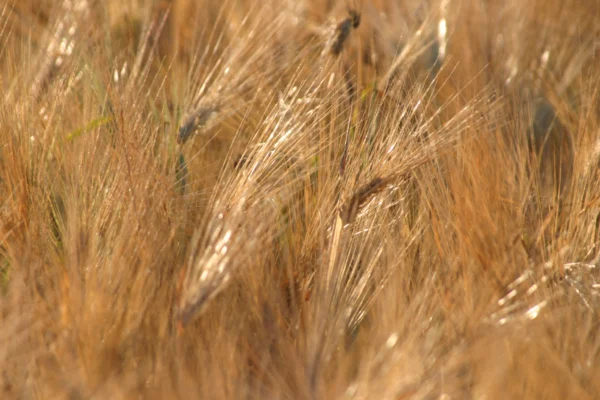
Spring barley
Spring sown cultivars complete their cycle without an autumn establishment period. They suit a straightforward first garden trial, but the named variety still determines height, disease resistance and intended use.
Illustrative cultivated barley photograph; the spring or winter cultivar is not identified.
Photo: Tumi-1983, CC BY-SA 3.0. Resized and optimised; cropped for display. Adapted image under the same licence.
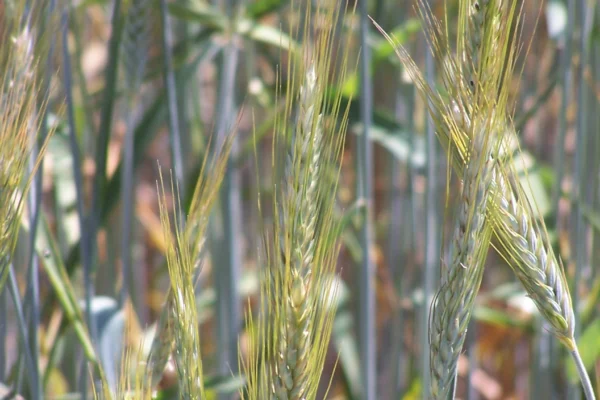
Winter barley
Autumn sown cultivars occupy the bed through winter and usually ripen earlier than spring barley. Choose seed explicitly sold for this season and plan drainage and the following crop.
Illustrative Hordeum vulgare photograph; the cultivar and sowing season are not identified.
Photo: Henrik Sendelbach, CC BY-SA 3.0. Resized and optimised; cropped for display. Adapted image under the same licence.
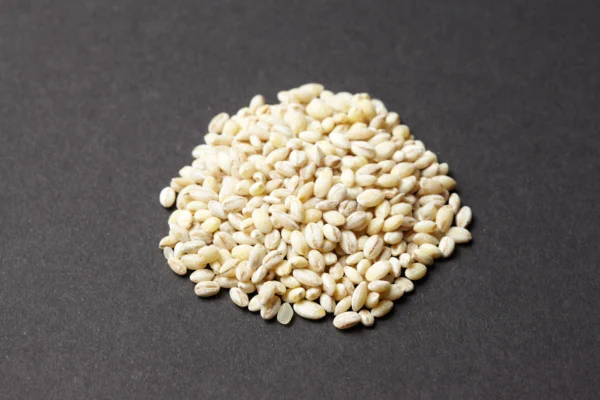
Naked or hulless barley
These forms release the hull more readily during threshing, making them interesting for a small food project. They still need cleaning, careful drying and appropriate preparation before cooking.
Illustrative processed barley grains; this photograph does not identify a naked barley cultivar.
Photo: 국립국어원, CC BY-SA 2.0 Korea. Resized and optimised; cropped for display. Adapted image under the same licence.
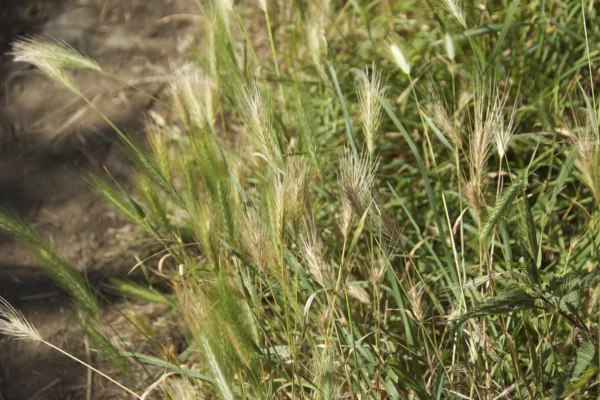
Bere barley
Bere is a traditional six row barley landrace associated with Scottish islands, including Orkney. It is valued for its cultural and milling history; source authentic seed and local guidance rather than treating every six row barley as Bere.
Illustrative cultivated barley photograph; the pictured plant is not verified as Bere.
Photo: Colsu, CC BY-SA 4.0. Resized and optimised; cropped for display. Adapted image under the same licence.
Explore the BFFD map for nearby growers and food producers. Ask whether they offer sowing seed, whole food grain or a processed product, and check availability before travelling. These are different purchases.
A cereal bed provides cover and its grain may attract birds, but it is not a nectar crop comparable to flowering herbs. Put pollinator planting beside the cereal area if you want both kinds of habitat.
Keep nearby margins varied and manage crop protection carefully. If leaving some ears for birds, set that portion apart from grain intended for clean storage so harvesting remains straightforward.
Published by Buy From Farmers Direct. Sources checked 4 October 2026. Growing references: RHS: Hordeum vulgare; AHDB: Barley establishment; Teagasc: Spring barley establishment; AHDB: Grain development and ripening; AHDB: Nitrogen supply in barley; AHDB: Net blotch; University of Minnesota: Barley breeding and hulless barley; University of Minnesota Extension: Grain quality; University of Minnesota Extension: Storing wheat and barley; UHI: Bere barley research. The seasonal timeline uses the shared BFFD Growers Calendar record; adjust timings to your variety and local conditions.
For a small spring crop, March or April is a useful starting window when the soil is workable. Winter varieties are normally autumn sown. Follow the named variety and local conditions, not the calendar alone.
Yes, as a demonstration crop in a large drained container. Use suitable seed, full sun and consistent watering. A container is unlikely to produce a useful household grain supply.
Look for ripened ears and firm grain across the crop, then choose a dry spell. Grain moisture is a better storage guide than colour. A small harvest can finish drying in a clean, airy, protected space.
Once ears are dry, work small bundles over a clean container to separate grain, then sieve and winnow away light debris. Wear gloves around sharp awns. Ordinary hulled barley needs a further dehulling stage.
Use a known food crop and only clean, sound, properly processed grain. Never eat chemically treated sowing seed. Homegrown hulled grain is not automatically equivalent to ready to cook pearl barley.
Cultivated barley is annual. Some spilled grain may germinate, but that is a new crop of volunteers. Clear unwanted seedlings and rotate the next planting rather than relying on an accidental stand.
Use the BFFD calendar to plan a manageable barley trial, and the directory to connect with local grain producers. Notes on sowing, ripening and processing help improve the next season.
Explore more growing guides: Big Bluestem, Beans (Borlotti), Beetroot.
Want to get food independence, support your local grower, get better prices and shop more privately?
Local food isn’t just something you find. It’s something you protect. A free account helps keep local supply visible, supported, and resilient.

….it takes 30 seconds for food lovers and 5 minutes for suppliers
We built this for people who care where their food comes from. For people who want to remain food secure. For Farmers to get to the local people, who deserve a better income and to deliver a better price for you. For the environmentally conscious and the privacy-conscious. An account simply helps us make the map and supplier reach more useful to you, without changing how open it is. You’re always in control.


Find local food. Stay connected to it. Create a free account to support local producers and be part of a growing food network.


