Big bluestem is a tall perennial grass that earns its space towards the end of the growing season. Andropogon gerardii, also written Andropogon gerardi, produces upright stems, narrow leaves and distinctive branching flowerheads. Its North American prairie origins help explain the preference for sunshine and summer warmth. In UK gardens, choose a well drained position and give the clump time to establish before judging its mature effect.
Perennial grass
Full sun
Late season interest
Spring planting
Good winter drainage
| Botanical name | Andropogon gerardii |
| Alternative spelling | Andropogon gerardi |
| Family | Poaceae |
| Plant type | Deciduous perennial grass |
| Origin | North America |
| UK native | No |
| Typical height | About 1.5 to 2 m, cultivar dependent |
| Spread | Allow at least 60 to 90 cm initially; clumps expand |
| Position | Full sun |
| Soil | Well drained, preferably light |
| Soil pH | Broadly adaptable |
| RHS hardiness | H6 for the species |
| Growth season | Late spring through summer |
| Flowerheads | Late summer and autumn |
| Main interest | Foliage, flowers and winter stems |
| Planting | Late spring to early summer preferred |
| Cutting back | Early spring before new growth |
| Propagation | Spring seed or division |
| Container suitability | Only a large, stable container |
| Common name | Turkey foot grass |
| Plant name | Crop type | Spacing |
Sow indoors
Plant outdoors
Harvest
Polytunnel | |||||||||||
|---|---|---|---|---|---|---|---|---|---|---|---|---|---|---|
| Jan | Feb | Mar | Apr | May | Jun | Jul | Aug | Sep | Oct | Nov | Dec | |||
| Big Bluestem | Grains | Single 0.90m, In row 0.90m, Row gap 0.90m | No activity recorded | No activity recorded | Sow indoors, Polytunnel | Sow indoors, Plant outdoors, Polytunnel | Sow indoors, Plant outdoors, Polytunnel | Plant outdoors | No activity recorded | Harvest | Harvest | Harvest | No activity recorded | No activity recorded |
Sow indoors: March, April, May. Plant outdoors: April, May, June. Harvest: August, September, October. Polytunnel: March, April, May.
Plant in April to June as soil warms and growth resumes, adjusting later in cold districts. Sow species seed in a cold frame in spring, following its supplier instructions. Harvest marks ornamental flowering or cutting from August to October, not an edible crop; dried stems can remain attractive into winter. Polytunnel months apply to young plants only. An unheated tunnel is not frost free.
This grass suits generous sunny borders and naturalistic planting where height and autumn texture are useful. Place it where you can appreciate the fine flowerheads against an uncluttered background. It is particularly effective when repeated, but each clump still needs its own root space.
Choose another position if the site is deeply shaded or routinely waterlogged in winter. Big bluestem also starts later than many familiar grasses. Keep its position marked in spring so an apparently empty space is not accidentally dug over or filled with another large plant.
Photo: Matt Lavin, CC BY-SA 2.0. Resized and optimised; cropped for display. Adapted image under the same licence.
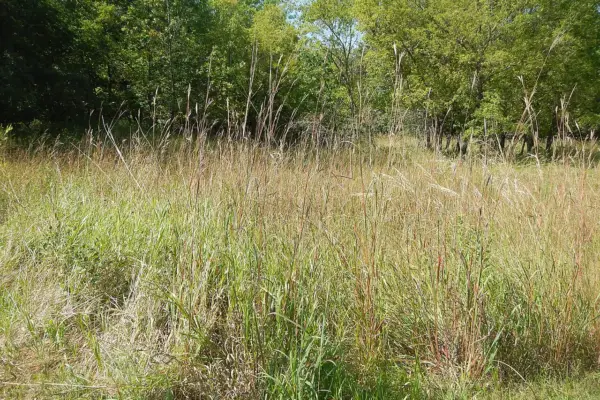
Full sun gives the most dependable upright growth. Watch how buildings and trees shade the border at different times of year, rather than assessing the site from one brief sunny moment.
Winter drainage deserves particular attention in UK conditions. Avoid a low pocket that collects runoff. On heavy ground, assess drainage across the bed instead of filling one isolated planting hole with a gritty mixture that still sits in surrounding wet clay.
Allow for height when planting near paths, seating and neighbouring beds. Put the tallest selections towards the back or middle of a broad border, leaving a route for the annual spring cutback.
A large container can display a single plant, but it makes watering and stability your responsibility. Use suitable loam based container compost with drainage holes, and choose a heavy pot that will not topple under tall stems.
Photo: peterwchen, CC BY 4.0. Resized and optimised; cropped for display.
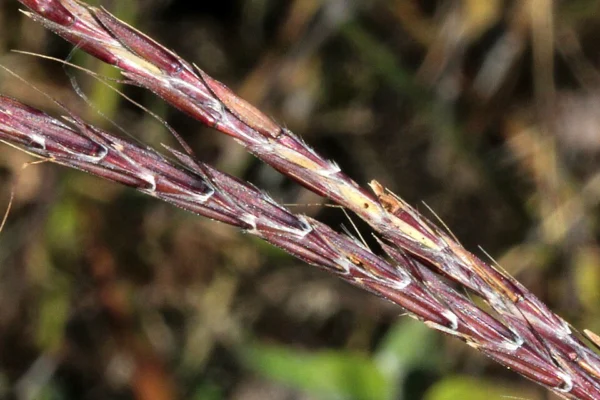
A healthy nursery plant is the simplest starting point, especially when a named cultivar matters. Spring planting gives roots a growing season to establish before the first wet winter.
1.
Read the label for the cultivar height and spread. Mark its intended position before digging.
2.
Remove perennial weeds from the planting area so they cannot become tangled through the developing clump.
3.
Check the rootball is moist. Water the pot first if it has dried out.
4.
Dig a hole wide enough to place the roots comfortably, keeping the crown at its original level.
5.
Ease the plant out gently and loosen any tightly circling outer roots without tearing the entire rootball apart.
6.
Backfill with the surrounding soil and firm lightly. Do not bury the crown under a deep layer of compost.
7.
Water thoroughly, then check that water drains away.
8.
Label the clump and monitor moisture through its first summer.

Watering
Young plants need regular checks while roots establish. Water the soil around the rootball when it is becoming dry, rather than relying on a brief shower that may wet only the leaves.
Established big bluestem tolerates dry periods better than a recent planting. Pots remain an exception: their limited compost can dry quickly, so check them during hot or windy weather and allow excess water to escape.

Feeding
Routine heavy feeding is unnecessary in ordinary garden soil. Excessively lush growth is rarely helpful when the aim is a sturdy, upright clump. Assess light and drainage before treating poor performance as a nutrient shortage.
Container plants have a limited nutrient supply. Feed modestly during active growth according to the compost and fertiliser instructions. Stop using feed as a remedy if the plant is dormant or its roots are sitting in wet compost.

Pruning
Leave sound stems standing through autumn and winter if they remain attractive. Cut the old growth close to ground level in early spring before fresh shoots extend through it.
Gather tall stems into manageable sections before cutting. Wear gloves and keep blades clear of new growth. If shoots have already appeared, remove old stems individually where necessary instead of shearing blindly across the crown.

Winter care
The species is cold hardy, but cold tolerance does not remove the need for drainage. Clear blocked container holes and avoid standing a pot in a saucer full of winter rain.
Brown winter foliage is normal for this deciduous grass. Remove stems sooner if they collapse across a path, while leaving upright material where practical. Do not wrap a damp crown in thick, moisture holding material.
Big bluestem has narrow grass leaves and tall stems with several fingerlike branches at the top of the flowerhead. The arrangement gives rise to the common name turkey foot. Foliage colour changes through the season and differs between selections.
It is distinct from little bluestem, Schizachyrium scoparium. Common names and older nursery labels can be confusing, so check the botanical name when buying. This guide concerns Andropogon gerardii and its selections.
Photo: Matt Lavin, CC BY-SA 2.0. Resized and optimised; cropped for display. Adapted image under the same licence.
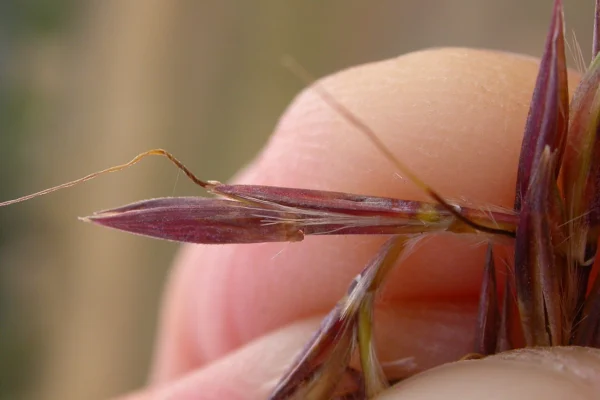
Spring growth can be slow in a cool year. Mark the crown and allow warming weather to arrive before deciding that a dormant clump has died. Compare it with its own previous performance rather than with grasses that naturally start earlier.
In exposed or northern gardens, a sheltered sunny position helps make the most of the available summer warmth. Flowering and strong autumn colour may vary with the season; the foliage still supplies useful texture.
Wet winter ground is a more useful warning sign than the appearance of dry brown stems. Photograph the planting area after prolonged rain. Persistent standing water suggests a site problem that annual cutting back cannot solve.
Photo: Matt Lavin, CC BY-SA 2.0. Resized and optimised; cropped for display. Adapted image under the same licence.
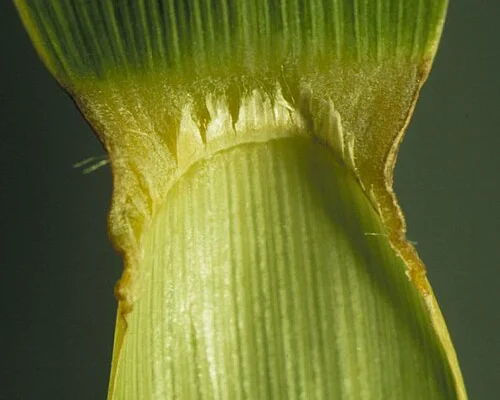
Warm season grasses resume growth relatively late. Check the crown without digging it up repeatedly and wait for warmer conditions. A soft, rotten crown needs separate investigation.
Shade, excess feeding or crowded planting can encourage weak growth. Improve the position and reduce unnecessary fertiliser rather than tightly tying the whole clump into a bundle.
Check whether the crown remained waterlogged. Improve the broader drainage or move replacement plants to a suitable site in spring.
A new clump takes time to establish. Check rootball moisture and weed competition. Do not expect a small pot to produce an immediate mature screen.
Short rhizomes gradually expand the plant. Lift and divide in the suitable spring window, retaining healthy rooted sections and allowing more space when replanting.
Sow species seed in spring in a cold frame, following the seed supplier advice on preparation and temperature. Keep seedlings labelled and distinguish them carefully from volunteer grasses in the same nursery area.
Divide established clumps from mid spring to early summer when conditions support renewed growth. Replant useful rooted pieces promptly and water them in. Named cultivars should be bought as correctly labelled plants when exact colour and habit are important; seed may not reproduce them.
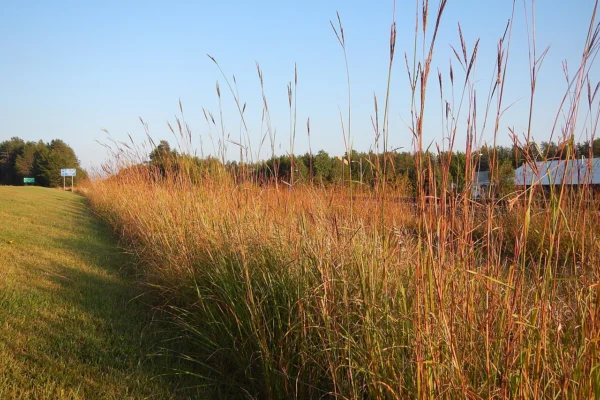
Andropogon gerardii
The species offers the characteristic tall form and branching flowerheads. Seed grown plants can vary, which suits an informal planting where exact uniformity is unnecessary.
Photo: Matt Lavin, CC BY-SA 2.0. Resized and optimised; cropped for display. Adapted image under the same licence.
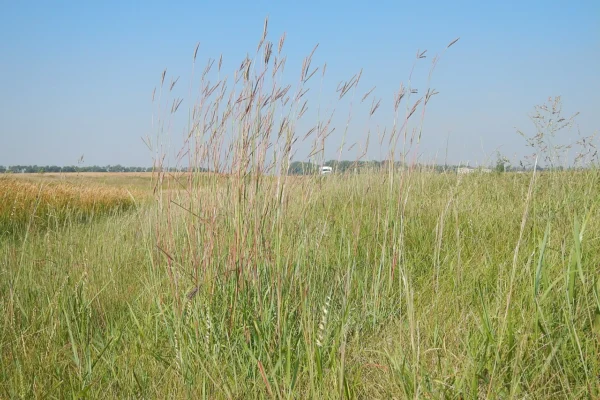
Red October
A named big bluestem grown for late season colour and upright structure. Lurie Garden records plants around 1.2 to 1.8 m tall; size and colour will depend on UK conditions.
Illustrative Andropogon gerardii species photograph. Red October is not identified in this image.
Photo: Matt Lavin, CC BY-SA 2.0. Resized and optimised; cropped for display. Adapted image under the same licence.
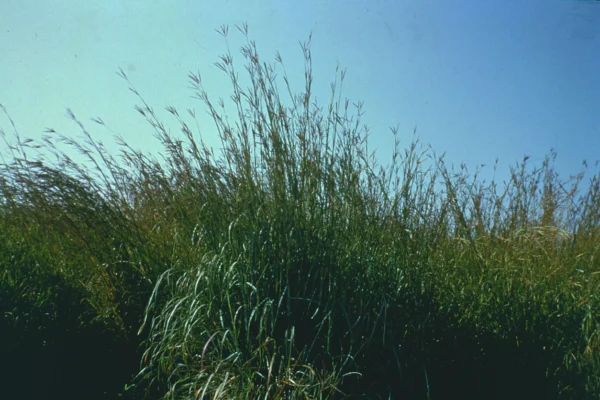
Red Arrow
RHS describes strong stems to about 1.8 m, green leaves becoming bronzed and flowerheads that redden in autumn. Allow room for the clump to develop.
Illustrative Andropogon gerardii species photograph showing its upright clump and branching flowerheads. Red Arrow is not identified in this image.
Photo: USDA NRCS Plant Materials Center, Public domain, US Government work. Resized and optimised; cropped for display.

Blackhawks
A selection recognised for very dark late season foliage and a strong vertical habit. Purchase a labelled plant for these cultivar characteristics rather than expecting ordinary species seed to match.
Illustrative Andropogon gerardii flowerhead photograph. Blackhawks is not identified in this image.
Photo: Matt Lavin, CC BY-SA 2.0. Resized and optimised; cropped for display. Adapted image under the same licence.
Use the BFFD map to find gardening businesses and specialist growers. Ask for Andropogon gerardii and confirm the cultivar, mature size and current availability before visiting.
Standing stems add winter structure and sheltered spaces within a mixed border. Retaining some old growth until the spring cutback can be useful, provided it is not obstructing paths or smothering nearby plants.
North American references describe native wildlife relationships in the grass’s home range. Those claims do not automatically transfer to UK butterflies. Combine this ornamental with locally appropriate flowering plants and avoid presenting it as a UK native species.
Published by Buy From Farmers Direct. Sources checked 4 October 2026. Growing references: RHS: Andropogon gerardii; NC State: Andropogon gerardi; RHS: growing ornamental grasses; Wisconsin Extension: bluestems; RHS: Red Arrow; Lurie Garden: Red October; Perennial Plant Association: Blackhawks. The seasonal timeline uses the shared BFFD Growers Calendar record; adjust timings to your variety and local conditions.
Late spring to early summer is a practical choice, usually April to June depending on local conditions. Wait for workable, warming soil and keep a new planting watered through its first summer.
Cut old stems close to the ground in early spring before new shoots extend. Leave sound stems through winter if you enjoy their structure, then clear them carefully without damaging fresh growth.
RHS rates the species H6, but successful overwintering also depends on soil drainage. Avoid prolonged winter waterlogging, especially around young plants and in containers.
It is a warm season grass and may remain dormant after other border plants have started. Allow time for warmer weather, then check for healthy new shoots and rule out a waterlogged crown.
Yes, in a substantial stable container with good drainage. It needs more watering and feeding attention than a plant in the ground, and eventual division or a larger container may be necessary.
No. Big bluestem is Andropogon gerardii, while little bluestem is Schizachyrium scoparium. Read botanical labels carefully because common names and older horticultural names can overlap.
Use the BFFD growers calendar to reserve a spring planting and cutback window. Plan this grass around its late season strengths, and leave enough space for the mature clump to become part of the border.
Explore more growing guides: Aster (New York), Black Eyed Susan, Barley.
Want to get food independence, support your local grower, get better prices and shop more privately?
Local food isn’t just something you find. It’s something you protect. A free account helps keep local supply visible, supported, and resilient.

….it takes 30 seconds for food lovers and 5 minutes for suppliers
We built this for people who care where their food comes from. For people who want to remain food secure. For Farmers to get to the local people, who deserve a better income and to deliver a better price for you. For the environmentally conscious and the privacy-conscious. An account simply helps us make the map and supplier reach more useful to you, without changing how open it is. You’re always in control.


Find local food. Stay connected to it. Create a free account to support local producers and be part of a growing food network.


