A sage bush near the kitchen gives you aromatic leaves for vegetables, beans and autumn suppers. Its soft grey foliage also suits a sunny border, with flowers for bees. This guide covers culinary sage, Salvia officinalis, an evergreen shrub that rewards good drainage and gentle pruning.
Evergreen culinary herb
Full sun
Free draining soil
Light spring pruning
Suitable for a large pot
| Botanical name | Salvia officinalis |
| Family | Lamiaceae, the mint family |
| Plant type | Evergreen woody perennial |
| Main harvest | Aromatic leaves and young shoot tips |
| Light | Full sun |
| Position | Sheltered and open enough for air movement |
| Soil | Well drained; avoid winter waterlogging |
| Typical size | About 60–90cm, depending on cultivar |
| Plant spacing | Allow about 60cm; check the cultivar’s mature spread |
| Indoor sowing | March to April |
| Seed depth | About 0.5cm, or follow the packet |
| Germination | Often one to two weeks in warmth |
| Young plant planting | May to June, after acclimatising |
| Minimum pot size | About 30cm wide and deep |
| Leaf harvest | All year from established healthy plants |
| Best fresh growth | Spring and summer |
| Flowering | Blue to mauve flowers in summer |
| Main pruning | A light trim in mid to late spring |
| Propagation | Seed for common sage; cuttings for named cultivars |
| Winter priority | Keep the root zone free draining |
| Plant name | Crop type | Spacing |
Sow indoors
Plant outdoors
Harvest
Polytunnel | |||||||||||
|---|---|---|---|---|---|---|---|---|---|---|---|---|---|---|
| Jan | Feb | Mar | Apr | May | Jun | Jul | Aug | Sep | Oct | Nov | Dec | |||
| Sage | Herbs | Single 60cm, In row 60cm, Row gap 60cm | Harvest | Harvest | Sow indoors, Harvest | Sow indoors, Harvest | Plant outdoors, Harvest | Plant outdoors, Harvest | Harvest | Harvest | Harvest | Harvest | Harvest | Harvest |
Sow indoors: March, April. Plant outdoors: May, June. Harvest: January, February, March, April, May, June, July, August, September, October, November, December. Polytunnel: no months recorded.
March and April show an optional indoor seed start; May and June show planting hardened young plants. Established nursery plants can also be planted earlier in a mild spring. Year round picking applies to established bushes, with lighter winter harvests. Seedlings often need until the following year for regular picking. No polytunnel is required. Allow 60cm between plants, or more for larger cultivars.
Sage is a good first perennial herb if you have a sunny, well drained position. One healthy plant supplies plenty of leaves for occasional cooking, while a pair lets you pick from one and leave more flowers on the other.
It is less comfortable in a damp, shaded corner. If your soil stays wet through winter, a raised bed or suitable container is a more useful investment than repeatedly replacing plants in the same unsuitable spot.
Photo: Syrio, CC BY-SA 4.0. Resized and optimised; cropped for display. Adapted image under the same licence.
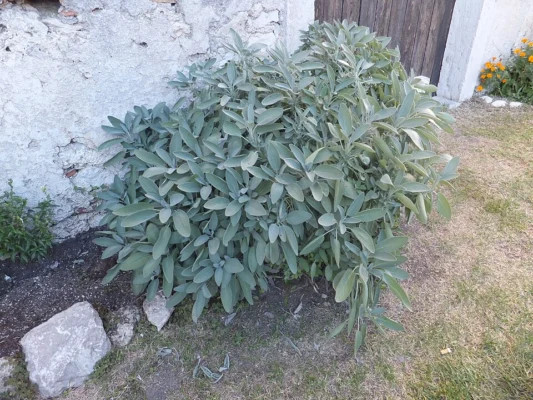
Choose a sunny border, herb bed or sheltered patio. Leave space for the mature shrub rather than squeezing it between vigorous neighbours.
Light soil suits sage. For heavier ground, improve the wider area or use a raised bed. One gritty hole in waterlogged clay will not solve poor drainage.
Choose a pot at least 30cm wide and deep with drainage holes. Use peat free, loam based compost with added horticultural grit, retaining the existing planting depth.
Keep pots conveniently near the kitchen in a bright, airy position. Make sure they drain after rain and leave enough room to reach the leaves.
Photo: Dandarmkd, CC BY-SA 4.0. Resized and optimised; cropped for display. Adapted image under the same licence.
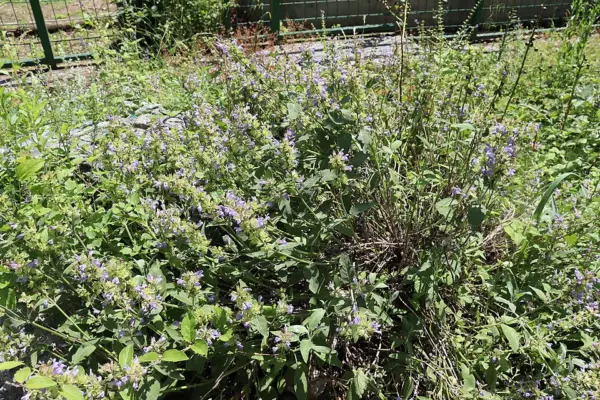
A young plant or rooted cutting is the quickest route to a kitchen supply. Common green sage can also be raised from seed; buy a named cultivar as a plant if its particular foliage matters.
1.
Choose healthy culinary sage labelled Salvia officinalis. Check its eventual spread and avoid a plant with an exhausted, bare centre.
2.
For the optional seed route, sow into moist peat free seed compost in March or April. Cover about 0.5cm deep, following the packet.
3.
Keep pots warm and bright. Water gently and pot seedlings on when large enough to handle, protecting their young stems.
4.
Acclimatise indoor plants gradually, increasing their time outside in shelter and returning them under cover when cold weather threatens.
5.
Clear weeds and prepare well drained soil. Allow roughly 60cm between ordinary bushes, increasing this for cultivars with a larger spread.
6.
Water the plant, ease out the rootball and set it into the prepared hole or container without burying the stem base.
7.
Backfill, firm gently and water to settle the roots. Check that excess water drains away from the crown.
8.
Water while roots establish. Pinch growing tips lightly for bushiness and let the plant build a framework before regular picking.

Watering
Water new sage through dry spells in its first season. Established plants tolerate drought better than a recently planted rootball.
Check pots regularly in summer, watering when needed and allowing surplus to drain. Reduce watering as growth slows; investigate persistently damp compost.

Feeding
Sage in ordinary soil rarely needs extra fertiliser. Repeated feeding encourages soft growth rather than the compact bush you want.
After a year in the same pot, a modest general feed in late spring may help. Follow instructions and refresh tired compost when repotting.

Pruning
In mid to late spring, shorten straggly shoots while retaining leafy growth. Bare old wood may fail to produce replacement shoots.
Trim faded flower stems after flowering. Take replacement cuttings before an older bush becomes exhausted; avoid a hard autumn haircut.

Winter care
Keep foliage in place and pick sparingly. Established sage can remain outdoors, but exposure, cultivar and soil affect winter survival.
Shelter pots from persistent rain while keeping them bright. Protect young plants during severe cold and check for blocked drainage or saucers holding water.
Culinary sage has strongly scented, softly textured leaves with conspicuous fine veins. Common green forms look grey green, while selected cultivars may have purple or gold markings. Older stems become woody and summer flowers appear above the foliage.
The word sage also appears on unrelated or different garden plants. Russian sage, pineapple sage and ornamental salvias are not interchangeable with Salvia officinalis. Use the nursery label to choose a culinary plant rather than treating scent or leaf colour alone as proof.
Photo: Flocci Nivis, CC BY 4.0. Resized and optimised; cropped for display.
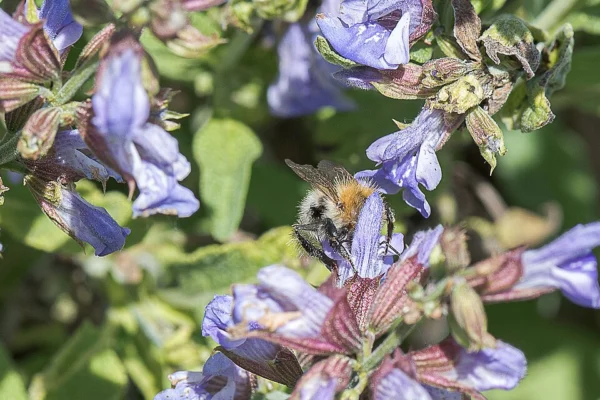
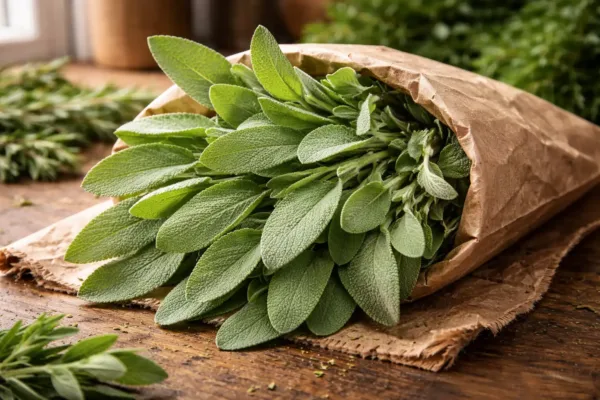
Pick a few young leaves or short leafy tips as needed, spreading the harvest around the bush. Wash before use. Avoid stripping a small plant or repeatedly taking every new shoot from the same side.
Spring and summer provide the freshest growth. For drying, collect sound leaves on a dry day and spread them thinly in a warm, airy place away from strong light. Store only when fully dry, in a labelled airtight container.
Sage has a pronounced flavour, so begin with a small amount in a new recipe. Fresh leaves suit savoury cooking, and dried leaves offer a useful winter reserve when outdoor plants are making little new growth.
Image from the BFFD media library.
Prolonged wet conditions can damage the roots. Check the soil, drainage holes and any standing water. Replace a failed plant in a better drained position; adding feed will not correct saturated roots.
Older bushes become less leafy and may not recover from cutting into bare wood. Trim within green growth in spring and raise a replacement from a healthy young shoot before the original plant loses its vigour.
Sage and Ligurian leafhoppers feed beneath leaves and leave pale mottling above. Look underneath for small jumping insects or cast skins. Damage usually has little effect on growth and can be tolerated.
Metallic green and purple striped rosemary beetles and their larvae may feed on sage. Healthy bushes usually tolerate light damage. Where feeding is substantial, inspect the plant and remove the insects by hand.
Powdery mildew can appear as spreading dusty patches. Give plants more air movement, avoid excessive nitrogen and correct repeated drought stress. Remove badly affected shoots without cutting the whole shrub into bare wood.
Take short, healthy, non flowering cuttings in late spring or early summer. Remove lower leaves and insert into moist cutting compost. Keep humid, ventilated and in bright indirect light.
Pot rooted cuttings individually and acclimatise gradually. Cuttings preserve a named cultivar more reliably than saved seed. Label each pot as you work.
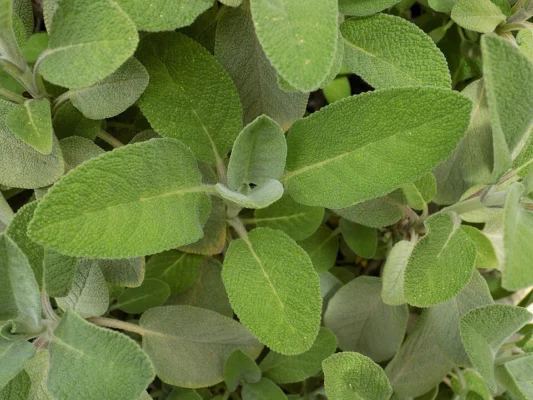
Common green sage
The familiar grey green kitchen herb forms a bushy framework with blue to mauve flowers. Grow it from seed if you have time to raise a plant.
Common culinary sage foliage, shown as a general species photograph.
Photo: Tiefnig0815, CC BY-SA 4.0. Resized and optimised; cropped for display. Adapted image under the same licence.
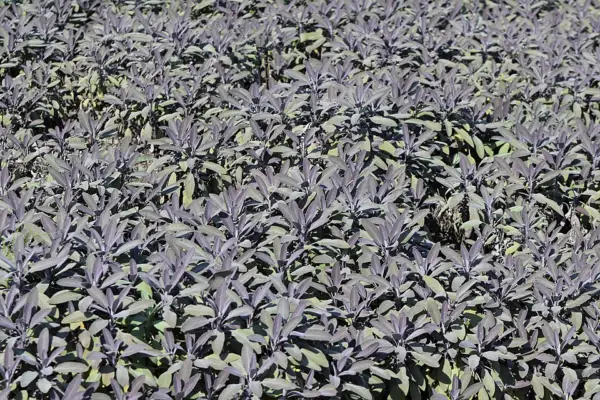
Purpurascens
Purple toned leaves suit mixed borders as well as herb beds. Allow room for the spreading plant and buy a labelled specimen for the intended foliage.
Purple sage foliage identified by the source as Purpurascens.
Photo: Krzysztof Ziarnek, Kenraiz, CC BY-SA 4.0. Resized and optimised; cropped for display. Adapted image under the same licence.
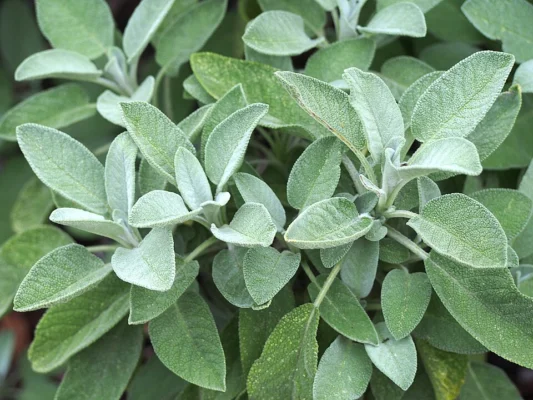
Icterina
Gold and green variegation brightens a sunny container. This aromatic culinary selection is worth choosing for its foliage; check the label for its mature dimensions.
General grey green sage foliage; illustrative image, not Icterina.
Photo: Agnieszka Kwiecień, Nova, CC BY-SA 4.0. Resized and optimised; cropped for display. Adapted image under the same licence.
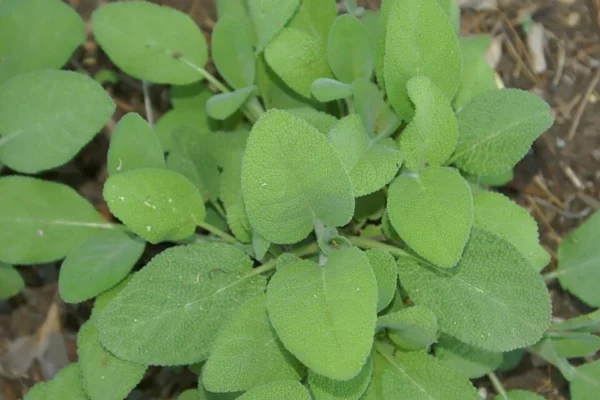
Berggarten
Broad, rounded grey leaves make this selection useful for cooking. Its occasional pale violet flowers are a secondary attraction to the generous individual leaves.
Broad sage leaves identified by the source as Berggarten.
Photo: David J. Stang, CC BY-SA 4.0. Resized and optimised; cropped for display. Adapted image under the same licence.
Look for a healthy, labelled Salvia officinalis plant and compare mature size, foliage and growing requirements. A useful pot with reliable drainage matters more than buying several herbs that will quickly crowd one another.
Leave some summer flower spikes for bees and other visiting pollinators. A sage bush can contribute both kitchen leaves and flowers without needing every shoot removed at the same time.
Tolerate minor cosmetic insect damage and encourage a varied garden with cover for natural predators. Inspect problems before acting; pale leafhopper markings do not automatically mean that a vigorous bush needs treatment.
Published by Buy From Farmers Direct. Growing guidance reviewed 6 October 2026. The seasonal timeline uses the shared BFFD Growers Calendar record; adjust timings to your variety and local conditions.
Yes. Culinary sage is an evergreen perennial that can remain productive for years, although exhausted woody plants are eventually better replaced.
Yes. Use a pot at least 30cm wide and deep with drainage holes, peat free compost and sun. Check watering regularly.
Trim lightly in mid to late spring, retaining leafy shoots. Tidy faded flower stems later and avoid cutting into bare old wood.
Pick small amounts from established healthy bushes. Leave plenty of foliage and use dried summer leaves when larger quantities are needed.
Check winter drainage first, then light and exposure. A shaded, saturated position is unsuitable even when the plant would thrive elsewhere.
No. This guide covers labelled Salvia officinalis. Common names alone are not a reliable way to select plants for the kitchen.
Give sage a sunny, well drained home, pick modestly while it establishes and keep pruning gentle. A single well placed bush can become a familiar part of both your garden and your cooking.
Explore more growing guides: Chives, Coriander, Fennel (Herb).
Want to get food independence, support your local grower, get better prices and shop more privately?
Local food isn’t just something you find. It’s something you protect. A free account helps keep local supply visible, supported, and resilient.

….it takes 30 seconds for food lovers and 5 minutes for suppliers
We built this for people who care where their food comes from. For people who want to remain food secure. For Farmers to get to the local people, who deserve a better income and to deliver a better price for you. For the environmentally conscious and the privacy-conscious. An account simply helps us make the map and supplier reach more useful to you, without changing how open it is. You’re always in control.


Find local food. Stay connected to it. Create a free account to support local producers and be part of a growing food network.


