Night-scented stock earns its space when the garden becomes quiet. Its small flowers open towards evening and release a fragrance that can drift across a patio or through an open window. The plants are loose and rather unassuming by day, so grow them among better-looking companions instead of expecting a formal bedding display.
Fragrant after dusk
Easy annual from seed
Sunny sheltered position
Small repeat sowings
Grown for scent, not food
| Botanical identity | Matthiola longipetala subsp. bicornis |
| Family | Brassicaceae |
| Plant type | Hardy annual |
| Typical height | 20 to 40cm |
| Typical spread | 20 to 30cm |
| Main flowering season | Summer, from successive sowings |
| Light | Full sun |
| Soil | Moist but freely drained |
| Soil reaction | Neutral to alkaline |
| Winter behaviour | Annual; normally replaced from seed |
| Main planting window | Direct sow March to June |
| Seed route | Sow directly where required |
| Pruning approach | No structural pruning |
| Propagation | Seed |
| Container suitability | Suitable for a generously sized pot |
| Watering priority | Prevent seedbed and young roots drying |
| Feeding priority | Modest fertility |
| Wildlife value | Evening flowers for visiting insects |
| Main use | Evening fragrance |
| Important distinction | Matthiola longipetala is the small evening-flowering annual, not the upright double-flowered florist stock Matthiola incana. |
| Plant name | Crop type | Spacing |
Sow indoors
Plant outdoors
Harvest
Polytunnel | |||||||||||
|---|---|---|---|---|---|---|---|---|---|---|---|---|---|---|
| Jan | Feb | Mar | Apr | May | Jun | Jul | Aug | Sep | Oct | Nov | Dec | |||
| Stock (Night Scented) | Not recorded | Single 20cm, In row 20cm, Row gap 30cm | No activity recorded | No activity recorded | Sow indoors | Sow indoors | Sow indoors | Sow indoors | No activity recorded | No activity recorded | No activity recorded | No activity recorded | No activity recorded | No activity recorded |
Sow indoors: March, April, May, June. Plant outdoors: no months recorded. Harvest: no months recorded. Polytunnel: no months recorded.
Sow outside from March to June once the surface is workable and warming, delaying the first batch in cold districts. Repeat small sowings several weeks apart for successive summer flowers. Planting, harvest and polytunnel bands are empty because direct sowing is the normal method and this guide does not propose a food or commercial cutting crop. An annual hardiness rating does not mean that an individual plant flowers indefinitely. These month bands are planning windows for a typical UK garden; local frost, altitude, exposure and the season can move the work. Check the plant or seed label before using an optional route.
Choose night-scented stock for an evening seating area, doorstep or path used at dusk. Its airy habit lets it mingle with other annuals without creating a heavy block of foliage.
It is also suitable for a container close to a door, provided the pot receives good light and regular moisture checks. Pair it with plants needing similar conditions.
Photo: Katrina Smith, CC BY 4.0. Resized and optimised; cropped for display.

A sunny, sheltered position encourages dependable growth and flowering. Place the sowing on the bright side of taller companions, where the stems can spread without being flattened. Very exposed corners scatter the fragrance quickly and can make slender plants harder to keep tidy.
Aim for neutral to alkaline soil that retains some moisture but drains after rain. Work the surface into a fine tilth so the small seeds make contact with soil. Do not attempt to improve a wet hollow by putting a little grit only in individual planting holes.
The plants do not need the rigid spacing of a vegetable crop, but overcrowded seedlings compete for water and light. Thin gradually rather than leaving a dense green carpet.
For containers, use fresh peat-free multipurpose compost in a pot with drainage holes. A broad, stable container is easier to keep evenly moist than a tiny decorative pot. Leave watering space below the rim and place it where evening fragrance can be enjoyed without blocking access.
Photo: Patrick Hacker, CC BY 4.0. Resized and optimised; cropped for display.
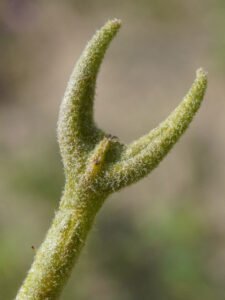
Begin with correctly labelled night-scented stock and decide where the mature plant will fit. Preparing the growing space before buying makes the first season easier, especially when young plants need prompt attention.
1.
Choose seed labelled Matthiola longipetala or M. bicornis. Check the expected height and flowering season on the packet. The name stock alone can refer to other plants with a different habit and sowing routine.
2.
Clear the sowing area of perennial weeds and loosen a compacted surface.
3.
Water dry soil before sowing, allowing the water to soak in. Make a shallow drill or a small clearly marked patch.
4.
Sow thinly and cover lightly, then water with a fine rose if necessary. Keep the surface moist through germination without leaving it saturated or sealed beneath a crust.
5.
Watch for seedlings and identify their row before hoeing nearby. Protect vulnerable young growth from slugs and snails by regular inspection. Do not assume that a missing patch means the seed was faulty before checking for feeding damage.
6.
Thin crowded seedlings once they can be handled, leaving about 20cm between the plants that remain. Work when the soil is moist and avoid pulling at neighbouring roots. Direct sowing avoids the disturbance of transplanting older stock.
7.
Make another small sowing a few weeks later while the season allows. Label each batch with its date. This spreads the flowering period and is more reliable than expecting the first group to remain fresh throughout summer.
8.
Keep the root area watered during establishment and remove weeds while small. Notice when the first flowers open in the evening. Use that timing to decide whether the next batch should be earlier or later in your garden.

Watering
Keep the seedbed consistently moist while seeds germinate. Once seedlings have rooted, water the ground beneath them when dry, giving a useful soak rather than repeatedly wetting only the surface. The aim is steady growth without alternately parching and flooding the roots.
Pots need closer attention because their small soil reserve dries more quickly. Check beneath the surface and water until surplus drains. Rain may miss compost shaded by foliage, so judge actual moisture rather than whether it has rained recently.

Feeding
Ordinary reasonably fertile garden soil usually supplies enough nutrients for this annual. Very rich ground can produce abundant stems without a better display. Prepare the bed sensibly and avoid treating every pale or slow seedling with a strong fertiliser solution.
Container compost contains a limited nutrient supply. If plants remain in active growth after its starter feed is used, apply a modest general liquid feed according to the product label. Water dry compost first, and reduce feeding when the plants are reaching the end of their season.

Pruning
No woody framework needs pruning. Remove broken or exhausted stems if they spoil neighbouring plants, taking care not to uproot the shallow young plants. Successive sowing is usually a better way to renew the display than cutting old plants back severely.
Leave a few healthy plants to ripen seed if seed saving is wanted, but remove others before they scatter seed into unsuitable places.

Winter care
Night-scented stock is normally grown for one season, then replaced from seed. Remove collapsed plants when their display is over and compost healthy material. Clean and store pots if they are not being reused for another seasonal planting.
There is no need to reserve heated winter accommodation for ordinary summer plants. Save purchased seed cool and dry in its labelled packet. If trying an autumn sowing in a particularly mild sheltered garden, regard it as an experiment rather than the main UK method.
The plant has slender, branching stems, small grey-green leaves and loose clusters of four-petalled flowers. Colours are commonly pale lilac, pinkish or white.
Flowers can appear closed or inconspicuous in daylight, so judge the plant again towards dusk before assuming it has failed. A photograph taken at midday may not show its main appeal. Keep the botanical label if several kinds of stock are growing nearby.
Photo: Eleftherios Katsillis, CC BY 4.0. Resized and optimised; cropped for display.
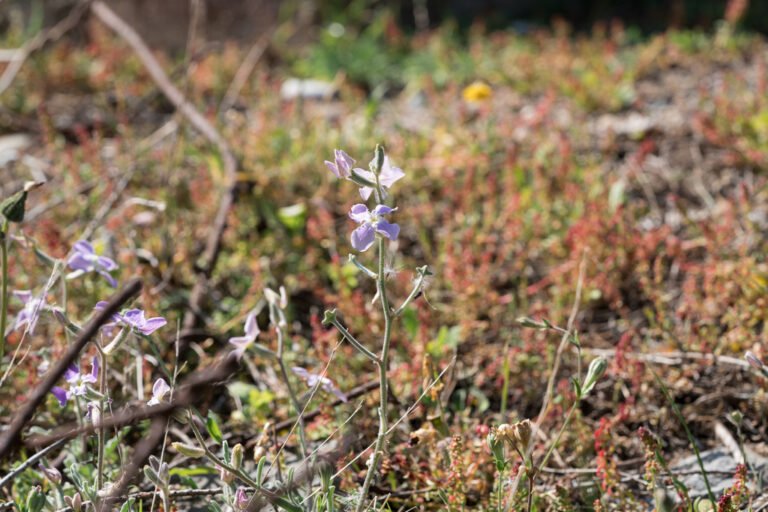
In northern or upland gardens, delay sowing until the soil is genuinely warming. A late start into good conditions often makes stronger plants than an early start in cold saturated soil. The calendar is a guide to opportunities, not a deadline.
Grow it near a seat used after work or beside a frequently opened window. Match the companion planting to daytime appearance as well as scent: low summer annuals can disguise the stock’s loose stems while leaving its flowers exposed to the evening air.
This guide treats the plant as an ornamental. Do not use its seeds, flowers or leaves as a substitute for an edible brassica. The harvest calendar remains empty; enjoying fragrance in place is the intended use, without making culinary or medicinal claims.
Photo: Mike Dechter, CC BY 4.0. Resized and optimised; cropped for display.
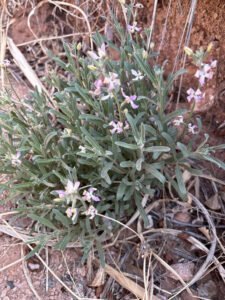
Look for slime trails and damaged stems, particularly after damp evenings. Protect the small patch and inspect regularly.
Shade, crowding or excessive feeding can all encourage thin growth. Improve light, thin seedlings and avoid strong nitrogen feeds. Young plants cannot become compact simply by adding more fertiliser to a shaded position.
Evening fragrance is normal for this species. Check flowers at dusk on a mild day before blaming the seed or soil. Cold, windy weather can also make fragrance less noticeable to someone sitting nearby.
Small colonies can often be tolerated while natural predators arrive. Check whether the plant is still growing normally. Squash a limited colony or wash it off gently if a vulnerable young shoot is being badly affected.
Clear drainage holes and remove standing water. Persistent saturation can damage roots even when the surface looks tidy. A container without an outlet is unsuitable unless it holds a separate freely draining inner pot.
Seed is the straightforward propagation route. Collect only from healthy plants once the pods have matured, drying them in a paper bag somewhere airy before cleaning and labelling the seed. Keep collected material separate from vegetable seed to avoid confusion.
Self-sown seedlings may appear where plants have ripened pods. Retain a few if their position is useful, but thin promptly and remove unwanted seedlings. Named seed strains may vary in their offspring, so buy fresh labelled seed when a consistent colour or habit matters.
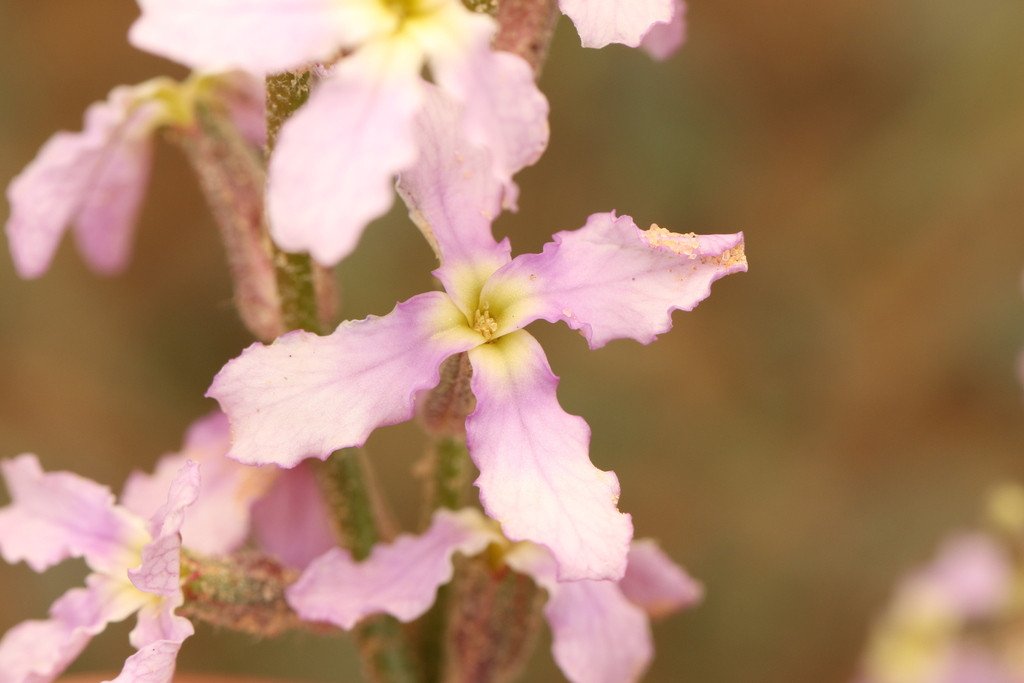
Standard night-scented stock
The usual seed-grown species offers pale evening flowers and a loose habit. Choose it for fragrance in informal planting rather than a dense daytime flower display.
Night scented stock species illustration.
Photo: Chaym Turak, CC BY-SA 4.0. Resized and optimised; cropped for display. Adapted image under the same licence.
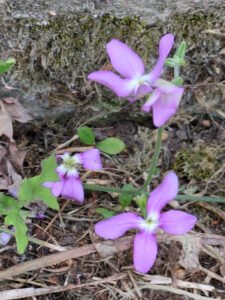
Starlight Scentsation
A named seed selection of night-scented stock. Check the supplier’s description and packet instructions for its stated colours and height; the accompanying photograph illustrates the species, not verified seed-strain identity.
Night scented stock species photograph; Starlight Scentsation identity is not authenticated.
Photo: guywallbanks, CC BY 4.0. Resized and optimised; cropped for display.
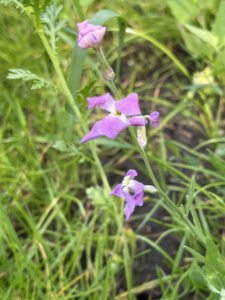
A single-colour seed strain
Where a supplier offers a labelled colour strain, use that label to guide the choice. Seed-raised flowers can still vary; an unlabelled photograph cannot prove the colour of a future packet.
Night scented stock flowers shown as a species illustration, not an authenticated seed colour strain.
Photo: Sean Hartnett, CC BY 4.0. Resized and optimised; cropped for display.
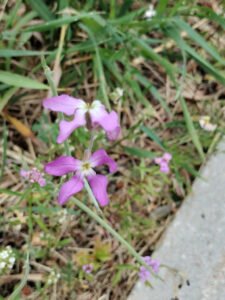
A mixed seed strain
A mixture is useful where fragrance matters more than matching a precise colour scheme. Sow a small patch first and retain notes on height and flowering rather than expecting all seedlings to look identical.
Night scented stock species photograph; a mixed seed strain is not authenticated.
Photo: Nico Hernandez, CC BY 4.0. Resized and optimised; cropped for display.
Compare the mature size, growing requirements and season of interest before choosing night-scented stock. Buy clearly labelled, healthy stock and prepare its position in advance. A plant suited to the available light and soil is easier to establish and maintain.
Flowers available towards evening add a different feeding opportunity from plants that are mainly visited in bright sunshine. Include other flowering plants across the season so the patch is part of a varied garden rather than the only possible food source.
Avoid unnecessary spraying on open flowers, particularly when insects are active. A few aphids or nibbled leaves need not spoil a scented planting. Keep the surrounding garden diverse and leave suitable shelter elsewhere when clearing these annual stems after flowering.
Published by Buy From Farmers Direct. Growing guidance reviewed 11 October 2026. The seasonal timeline uses the shared BFFD Growers Calendar record; adjust timings to your variety and local conditions.
Its loose stems and small flowers are normal. Grow it among compatible annuals and enjoy the fragrance towards evening rather than expecting the upright spikes of florist stock.
March to June is a useful direct-sowing window, adjusted to local soil conditions. Several small sowings a few weeks apart extend the display.
Yes. Use a broad pot with drainage holes and peat-free compost, sow thinly and keep the roots evenly moist.
It is normally grown as an annual in the UK. Save or buy seed and sow again for the next season.
Direct sowing in their final position is the simplest method and avoids root disturbance. Thin crowded seedlings rather than moving large plants unnecessarily.
No. Night-scented stock is Matthiola longipetala, often sold as M. bicornis. Florist and Brompton stocks belong to Matthiola incana.
Give night-scented stock an appropriate position, establish it carefully and adjust care to the weather. Keep a simple note of flowering and any problems so that next year’s planting decisions reflect what actually succeeds in your garden.
Explore more growing guides: Sweet Pea, Sweet William, Wallflower.
Want to get food independence, support your local grower, get better prices and shop more privately?
Local food isn’t just something you find. It’s something you protect. A free account helps keep local supply visible, supported, and resilient.

….it takes 30 seconds for food lovers and 5 minutes for suppliers
We built this for people who care where their food comes from. For people who want to remain food secure. For Farmers to get to the local people, who deserve a better income and to deliver a better price for you. For the environmentally conscious and the privacy-conscious. An account simply helps us make the map and supplier reach more useful to you, without changing how open it is. You’re always in control.


Find local food. Stay connected to it. Create a free account to support local producers and be part of a growing food network.


