Sweet peas bring scented flowers to the garden and small, regular bunches into the house. They need a sound climbing support, fertile soil and roots that do not dry out. Choose the colour and fragrance you want, raise sturdy plants and keep cutting flowers so the display continues instead of turning quickly to seed.
Annual Lathyrus odoratus
Fragrant cut flowers
Climbing support
Cool bright propagation
Pods and seeds are not edible
| Botanical name | Lathyrus odoratus |
| Family | Fabaceae |
| Life cycle | Hardy annual |
| Purpose | Ornamental flowers |
| Edibility | Pods and seeds are not edible |
| Position | Sun or light dappled shade |
| Soil | Fertile, moisture retentive and well drained |
| Autumn sowing | October to November under cover |
| Spring sowing | January to April |
| Direct sowing | April as soil warms |
| Planting outside | Usually March to May, according to local conditions |
| Sowing depth | About 1 to 2.5cm, following the method and packet |
| Spacing | About 20 to 30cm |
| Support | Secure canes, netting or trellis |
| Typical height | Many climbing varieties reach around 1.5 to 2m |
| Main flowering | June to September |
| Harvest | Cut flowers, not food pods |
| Pinching | Encourages side shoots on young plants |
| Watering | Keep roots reliably moist |
| Replacement | Sow a new annual crop each year |
| Plant name | Crop type | Spacing |
Sow indoors
Plant outdoors
Harvest
Polytunnel | |||||||||||
|---|---|---|---|---|---|---|---|---|---|---|---|---|---|---|
| Jan | Feb | Mar | Apr | May | Jun | Jul | Aug | Sep | Oct | Nov | Dec | |||
| Sweet Pea | Not recorded | About 20 to 30cm apart at a secure support | Sow indoors, Polytunnel | Sow indoors, Polytunnel | Sow indoors, Plant outdoors, Polytunnel | Sow indoors, Plant outdoors, Polytunnel | Plant outdoors | Harvest | Harvest | Harvest | Harvest | Sow indoors, Polytunnel | Sow indoors, Polytunnel | Polytunnel |
Sow indoors: January, February, March, April, October, November. Plant outdoors: March, April, May. Harvest: June, July, August, September. Polytunnel: January, February, March, April, October, November, December.
Sow under cover in October or November, or from January to April. April can also be a direct outdoor sowing where soil is suitable. Plant established, hardened plants outside in spring, usually March to May. The June to September harvest band means cut flowers only. Protected months include overwintering young autumn seedlings, not a requirement to flower the whole crop indoors.
Sweet peas suit a cutting row, a sunny border support or a large container near a seating area. Choose for fragrance as well as colour if the flowers are to be enjoyed close at hand.
They need regular attention once flowering begins. If watering and picking will be infrequent, plant a manageable number rather than a long row that will dry out or set seed unnoticed.
Photo: Corey Stafford, CC BY 4.0. Resized and optimised; cropped for display.
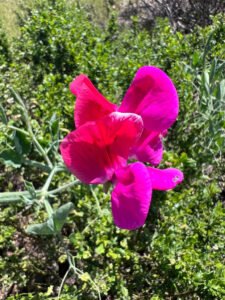
Choose an open position with good light and some shelter from strong winds. Place the support where you can reach both the flowers and the roots throughout summer.
Prepare fertile soil with mature organic matter where needed. Roots need moisture, but a trench that fills with stagnant water is not an advantage.
Leave around 20 to 30cm between plants and give stems a clear route up the support. Keep vigorous nearby climbers from smothering the young crop.
For a container, use a large, deep, stable pot with drainage and a support fixed securely. Compact varieties are useful where height or watering capacity is limited.
Photo: Devon Bradley, CC BY 4.0. Resized and optimised; cropped for display.
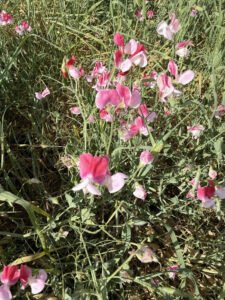
Raise sweet peas in deep pots or modules and keep established seedlings cool and bright. The aim is sturdy branching plants, not soft stems stretched towards a warm window.
1.
Select annual Lathyrus odoratus for the scented summer crop. Perennial everlasting peas are different plants and often lack the same fragrance.
2.
Sow in October or November for an overwintered start, or in late winter and spring. Use clean deep containers and moist, suitable peat free compost.
3.
Place seed at the depth directed by the packet, commonly about 1 to 2.5cm. Label each variety and avoid unnecessary soaking unless the supplier specifically advises it.
4.
Provide suitable germination warmth, then move emerged plants into bright, cooler conditions. Protect pots from mice and check moisture without keeping the compost saturated.
5.
Pinch the young growing tip once plants have several healthy leaves if you want branching growth. Keep enough foliage for the plant to continue strongly.
6.
Overwinter autumn seedlings in a ventilated cold frame or cool greenhouse, with protection during severe weather. Avoid a continuously warm room that encourages weak growth.
7.
Prepare and secure the outdoor support before planting. Harden seedlings off, then plant sound rootballs into suitable spring soil and water well.
8.
Guide stems towards the support and tie gently where needed. Check that young shoots are not being damaged by slugs or left trailing across wet ground.

Watering
Keep roots consistently moist during active growth and flowering, especially in pots. Check beneath the surface before deciding that a brief shower has watered the crop.
Aim water at the soil and use an appropriate surface mulch to help conserve moisture, keeping stems clear. A dried out rootball can cause a rapid check in flowering.

Feeding
Good soil preparation often supplies much of the crop’s needs. Avoid strong nitrogen feeding simply to make plants taller; the aim is balanced growth and flowers.
Container crops may need a suitable liquid feed once established and flowering. Follow the product instructions and keep watering consistent.

Pruning
Pick flowers frequently or remove faded blooms before pods develop. Seed production brings the annual plant closer to finishing its display.
For an ordinary garden support, retain tendrils so stems can climb. Intensive cordon growing is a separate method and does not need to be imposed on every garden sweet pea.

Winter care
Only the young autumn sowing is carried through winter. Keep those plants cool, bright and ventilated, protecting them from severe cold without encouraging lush growth.
The mature annual crop does not return from the same root system next spring. Clear finished plants and clean supports before the next season.
Annual sweet peas have climbing stems, paired leaflets and tendrils, with recognisable pea shaped flowers in many colours. Scent strength varies by selection.
They are ornamental Lathyrus, not edible garden peas. Keep their pods and seeds separate from food crops, and never use them as an edible pea substitute.
Photo: Lightning Star Sky / Skyler Noah Wall, CC BY 4.0. Resized and optimised; cropped for display.
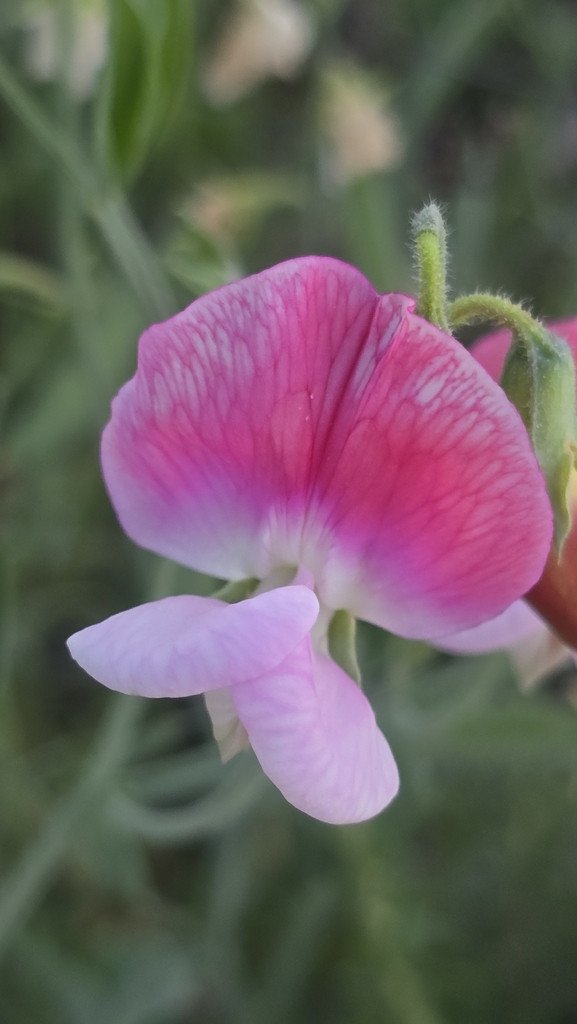
Autumn sowing is convenient where protected overwintering space is available. In colder districts or where that space is limited, a late winter or spring start is often easier to manage.
Planting dates should reflect the strength of the seedlings and local conditions. Harden plants before moving them and avoid exposing soft greenhouse growth abruptly to cold wind.
Pick stems in cool conditions and place them promptly in clean water. Regular cutting is both a harvest and part of maintaining the display, with hot dry weather often shortening the season.
Photo: Corey Stafford, CC BY 4.0. Resized and optimised; cropped for display.
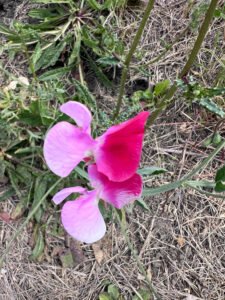
They may be too warm for the available light. Move established plants to a bright, cooler place and provide enough root space.
Abrupt weather changes and growing stress can contribute. Keep moisture steady, improve shelter and avoid repeated extremes of hot, dry and waterlogged conditions.
The plant is moving towards seed production. Remove pods and spent flowers promptly, then continue regular picking while healthy growth allows.
Powdery mildew is common as plants age or suffer dry root conditions. Maintain moisture, allow airflow and remove badly affected material.
Check stem and root condition for damage or disease rather than adding more water automatically. Remove badly affected plants and avoid moving contaminated soil or reusing dirty pots.
Start a new crop from seed each year. Named packets give a clearer expectation of colour, scent and height than unlabelled saved material.
Seed can be saved from selected healthy plants, but allowing pods to mature reduces continued flowering. Keep any saved ornamental seed clearly labelled and away from food seed.
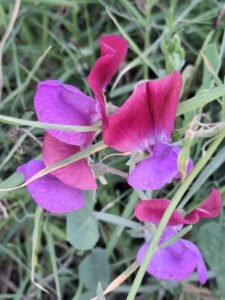
Scented older flower forms
Smaller flowered selections can offer strong fragrance and a relaxed garden appearance. Check the individual description rather than judging scent by flower size.
Bicoloured sweet pea photograph; scent and the identity of a particular older seed strain are not authenticated.
Photo: Athan, CC0 1.0. Resized and optimised; cropped for display.
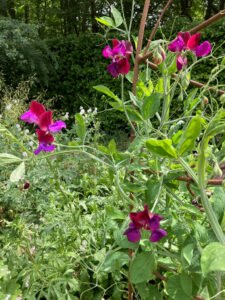
Spencer types
These are associated with larger, often waved flowers and useful cutting stems. A good garden display does not require the full exhibition cordon method.
Sweet pea species photograph; Spencer strain identity is not authenticated.
Photo: Paul Mnich, CC0 1.0. Resized and optimised; cropped for display.
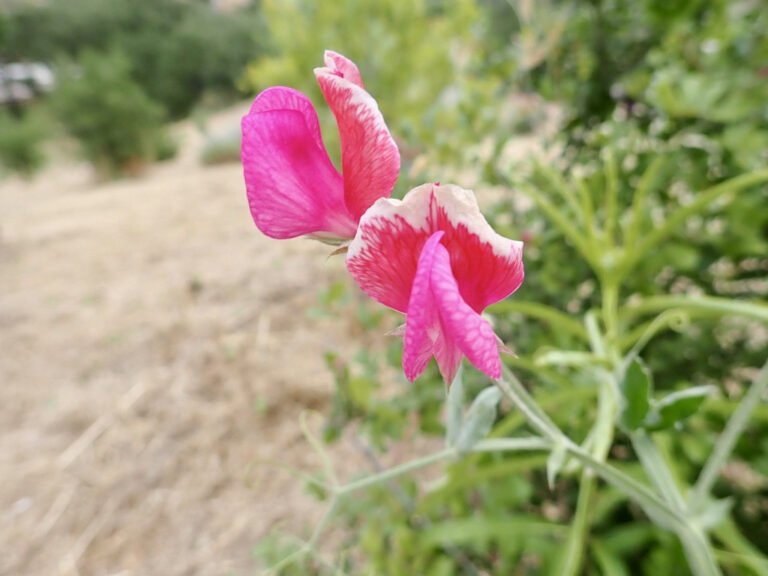
Modern grandiflora choices
These can combine fragrance with a broad colour range and useful stems. Compare height and scent descriptions before ordering a mixture.
Sweet pea species photograph; modern grandiflora strain identity is not authenticated.
Photo: Heather Dawnstar Sabin, CC BY 4.0. Resized and optimised; cropped for display.
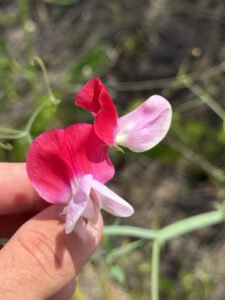
Compact sweet peas
Shorter selections suit smaller supports or generous containers. They still need good root space, moisture and regular removal of spent flowers.
Sweet pea species photograph; compact habit is not authenticated.
Photo: Mike Butler, CC BY 4.0. Resized and optimised; cropped for display.
Plan a reachable support and enough root space, then choose colours and scent you will enjoy picking. A small well tended row can supply many useful bunches.
Garden sweet peas can be visited by insects, but the planting is usually managed for an extended flower crop. Include other open flowers nearby to broaden food sources through the season.
Secure support netting tightly and inspect it, avoiding loose trailing loops. Remove temporary protection once plants are no longer vulnerable to the particular damage.
Published by Buy From Farmers Direct. Growing guidance reviewed 11 October 2026. The seasonal timeline uses the shared BFFD Growers Calendar record; adjust timings to your variety and local conditions.
No. Sweet pea pods and seeds are not edible. This is an ornamental flower crop, distinct from the peas grown for food.
Use an October or November protected sowing, or start from January to April. Choose the route that fits your local climate and propagation space.
No. Once established, autumn seedlings need cool, bright, ventilated conditions with protection from severe weather. Too much warmth encourages weak growth.
Water reliably and cut flowers or remove faded blooms frequently, before pods develop. Healthy roots and steady care support continued flowering.
Annual Lathyrus odoratus does not. Perennial everlasting peas are different plants and usually offer a different fragrance and habit.
No. An ordinary supported garden plant can climb using its tendrils and side shoots. Cordon training is a more intensive approach used for particular cutting or show aims.
Sweet peas flourish with cool, sturdy beginnings and attentive summer care. Keep their roots supplied with moisture, their stems supported and their flowers picked.
Explore more growing guides: Stock (Night Scented), Sweet William, Wallflower.
Want to get food independence, support your local grower, get better prices and shop more privately?
Local food isn’t just something you find. It’s something you protect. A free account helps keep local supply visible, supported, and resilient.

….it takes 30 seconds for food lovers and 5 minutes for suppliers
We built this for people who care where their food comes from. For people who want to remain food secure. For Farmers to get to the local people, who deserve a better income and to deliver a better price for you. For the environmentally conscious and the privacy-conscious. An account simply helps us make the map and supplier reach more useful to you, without changing how open it is. You’re always in control.


Find local food. Stay connected to it. Create a free account to support local producers and be part of a growing food network.


