The best butchers do considerably more than cut and sell meat.
They understand where their meat comes from, how different cuts should be prepared, what their customers actually need and why consistency matters. Great butchery combines craft, sourcing, food knowledge, customer service, hygiene, product development and trust. A customer should be able to walk into an excellent butcher with a question and leave understanding more about the food they are buying. For independent butchers, becoming one of the best is therefore not simply about stocking expensive meat or winning awards. It is about building a business where quality can be demonstrated every day. Buy From Farmers Direct explores the characteristics that distinguish some of Britain’s most respected butchers and the practical standards independent butcher shops can use to strengthen their own businesses.
The best butchers combine skilled butchery with consistent meat quality, transparent sourcing, strong food hygiene, knowledgeable customer service and a clear understanding of provenance. Outstanding butchers can explain where their meat comes from, recommend appropriate cuts, prepare products accurately and maintain consistent standards across everything they sell. Awards and professional recognition can strengthen reputation, but the foundations of a great butcher remain craftsmanship, trust, quality, knowledge and service.
BFFD supports butchers by helping them create clearer supplier profiles, show where they are based, explain what meat and products they offer, promote meat boxes, online ordering, farm shop supply and local delivery, and appear in local food discovery searches. This Butchers section links to pages covering butchers near me, non halal butchers near me, meat suppliers near me and butcher food online.
These areas form the basis of the BFFD Best Butcher Framework. The framework is intended to help consumers understand what to look for and help independent butchers identify areas where their businesses can become stronger. It is not a certification or substitute for official food safety inspection.
1. Start With Excellent Meat
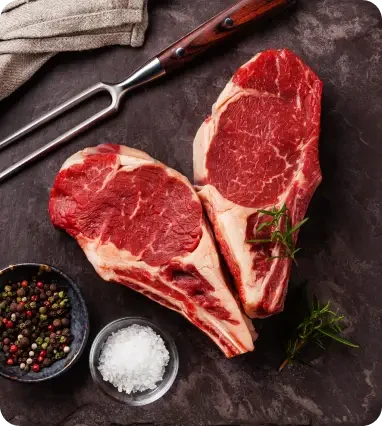
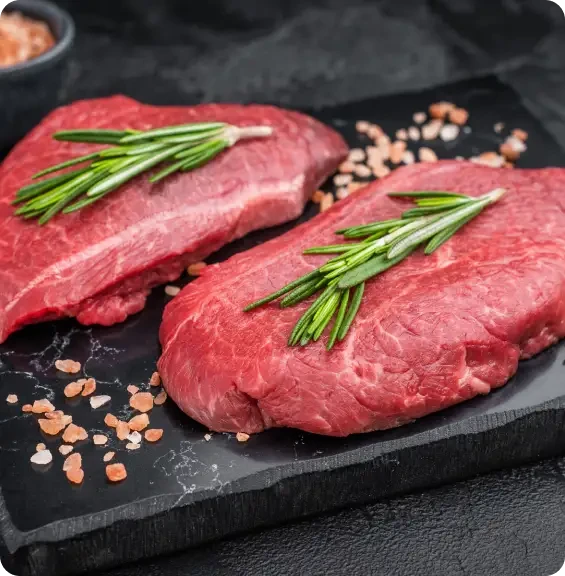
A butcher cannot build a reputation for quality if the raw product is inconsistent. Customers may visit because of advertising, social media, location or recommendation. They return because the food was good. The best butchers therefore pay close attention to breed, age, production system, maturation, fat cover, marbling, consistency and suitability for particular cuts. That does not mean every butcher needs to sell the most expensive meat available. Quality is about supplying meat appropriate to the customer’s needs and being able to explain why it was selected. A family buying mince for weekday meals has different requirements from someone choosing a dry aged rib of beef for a celebration. A good butcher understands both customers.
Cutting skill matters, but the quality, suitability and consistency of the meat entering the business matter first.
2. Know Where the Meat Comes From
Provenance is one of the clearest ways an independent butcher can distinguish itself.
Customers increasingly encounter descriptions such as:
These terms describe different things. An excellent butcher should understand the distinction and avoid treating them as interchangeable marketing language. If meat is described as local, customers should be able to understand what local means. If a named farm supplies the business, identify it where appropriate. If meat comes through a regional wholesaler, be clear about that too. Transparency is more valuable than trying to make every product sound artisanal.
3. Butchery Is a Craft
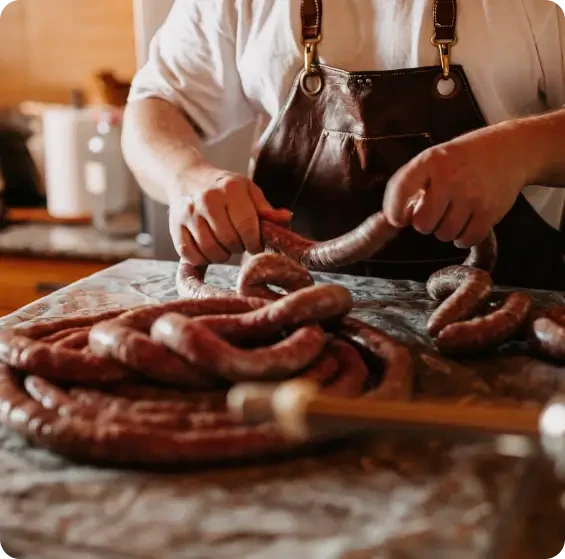
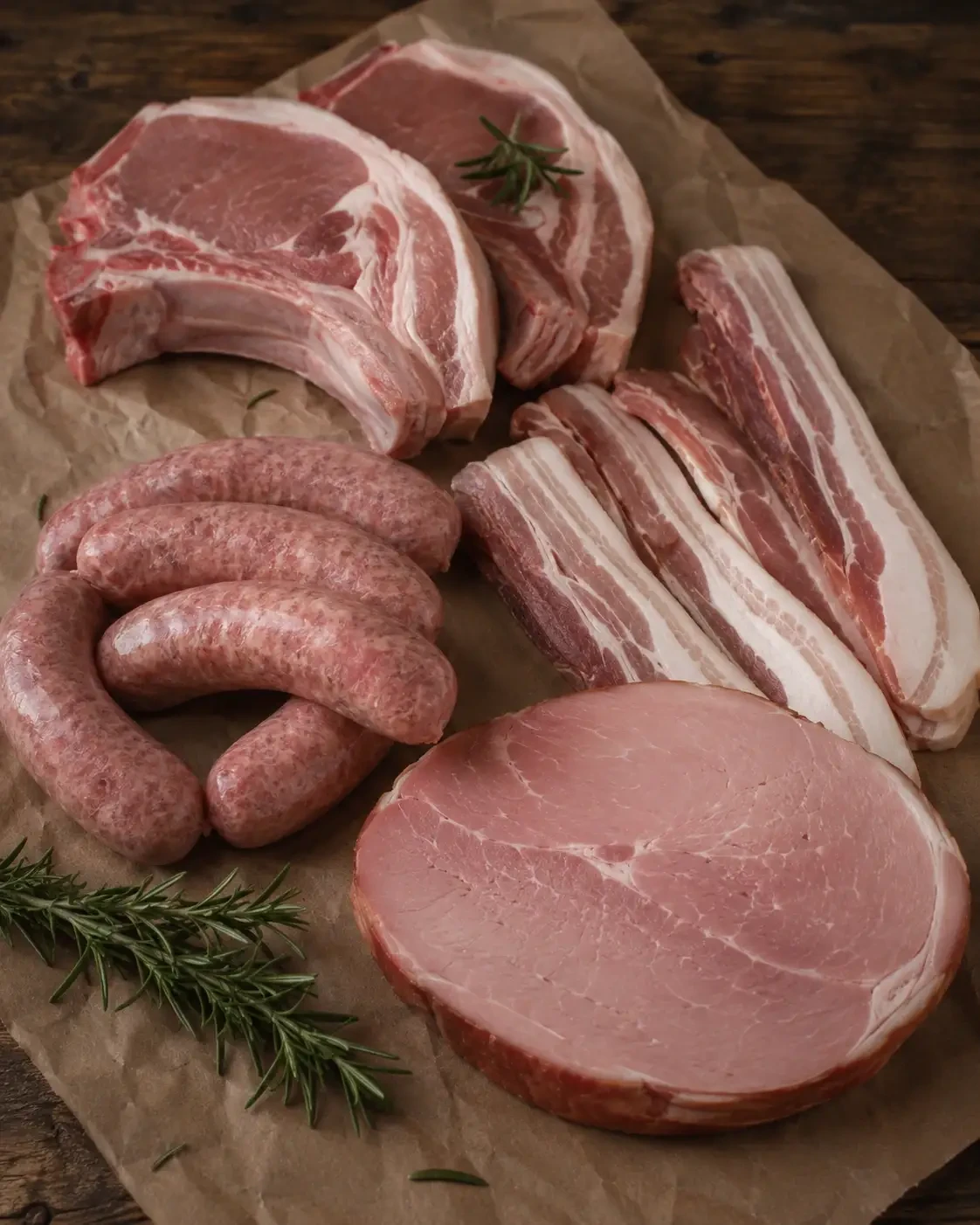
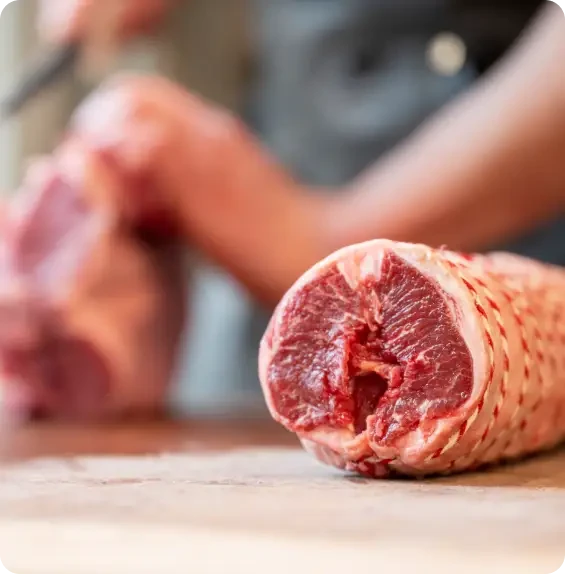
A great butcher understands the animal, not simply the most familiar retail cuts. Customers commonly recognise fillet steak, sirloin, chicken breast, pork chops and mince. A skilled butcher can go considerably further. They can recommend less familiar cuts. They can prepare meat for a particular cooking method. They can reduce unnecessary waste. They can portion accurately. They can bone, roll, trim, tie, mince, cure and prepare products with consistency. They can also explain what customers should do with those products once they reach the kitchen. This is where traditional butcher shops retain a genuine advantage. The interaction between butcher and customer can turn a simple purchase into useful food knowledge.
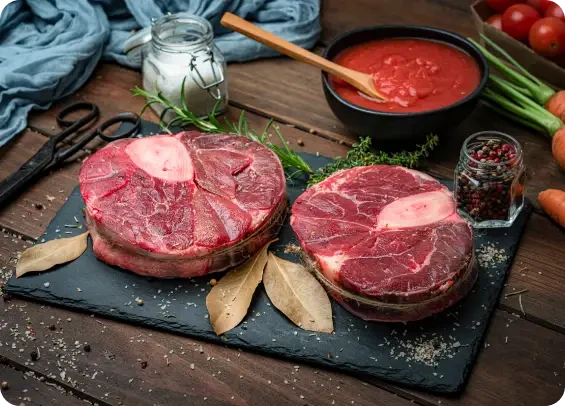
A customer asking for beef for slow cooking does not necessarily need the most expensive cut in the cabinet. A knowledgeable butcher might discuss brisket, shin, chuck, featherblade or another suitable cut depending on the recipe, available stock and budget. That conversation creates value.
4. Consistency Creates Reputation
One excellent steak does not make an excellent butcher. The customer has to be able to return next week and receive the same standard.
Consistency applies to:
The best butcher profiles are specific, practical and easy to trust. A shopper should be able to A strong reputation develops when customers know what they are going to receive. For butcher businesses, this often means documenting processes rather than relying entirely on memory and experience. Recipes should be repeatable. Suppliers should be monitored. Preparation methods should be consistent. Customer complaints should be taken seriously. The best independent businesses combine traditional skill with professional systems.
5. Food Hygiene Is Part of Quality
Food hygiene is not an optional extra to craftsmanship. It is part of craftsmanship. Customers should expect meat to be prepared, stored and handled safely in premises that are clean and professionally managed. Official food hygiene inspections assess areas including hygienic food handling, the cleanliness and condition of facilities and the management of food safety. Butchers should therefore treat their food hygiene rating as one visible component of customer trust rather than something hidden somewhere near the entrance.
CHECK FOR THIS WITH YOUR SUPPLIER.
6. The Best Butchers Know Their Products
One of the defining features of a strong independent butcher is knowledge.
A knowledgeable answer creates confidence. That knowledge also gives independent butchers something supermarkets often struggle to reproduce consistently: genuine personal advice.
7. Service Still Matters
8. Great Butchers Make More Than Basic Cuts
Product development can transform a butcher shop.
Many respected butcher businesses produce their own:
These products allow skilled butchers to demonstrate craftsmanship beyond basic meat cutting. They can also create distinctive products that customers cannot simply compare against supermarket prices.
Products made within the business deserve to be clearly distinguished from products bought from external suppliers. As BFFD develops our butcher directory, we encourage our supplier profiles to record which products are genuinely prepared or produced by the butcher.
9. Value Is Not the Same as Being Cheap
Independent butchers should be cautious about competing exclusively on price. Supermarkets operate through purchasing scale that many independent shops cannot reproduce.
A good butcher can instead demonstrate value through:
A more expensive cut is not automatically better value. Equally, the cheapest product is not automatically the most economical choice. A knowledgeable butcher helps the customer buy the right product for the meal, budget and number of people being fed. That is genuine value.
10. Build Relationships With Farmers and Suppliers
Strong supplier relationships contribute heavily to consistency. Butchers need confidence that their suppliers can provide the required quality, quantities and specifications. Where direct relationships with farms exist, those relationships can also create valuable provenance. The most useful sourcing stories contain detail.
“Locally sourced beef”
11. Give Customers Reasons to Trust You
Trust accumulates through evidence.
Useful trust signals can include:
None of these signals should be manufactured for marketing. Their value comes from being verifiable.
Industry awards repeatedly highlight themes that extend beyond individual products. Strong butcher businesses tend to combine excellent produce with craftsmanship, professional retailing, knowledgeable staff and strong customer experience. Product competitions also demonstrate another important point. Great butcher shops do not stand still. Many develop sausages, bacon, pies, burgers, charcuterie, prepared meals and specialist meat products alongside traditional cuts. The modern independent butcher can respect traditional craft while continuing to innovate.
Absolutely. Scale is not the same as quality. A small village butcher may have fewer products, fewer staff and a smaller marketing budget than a nationally recognised business.
It can still excel in:
Some of the strongest independent food businesses succeed precisely because they know their customers and suppliers extremely well. Being one of the best butchers in your area does not require becoming a national chain. It requires becoming exceptionally good at what your customers value.
The improvement process should begin with evidence rather than assumptions.
Then measure whether those changes improve customer experience and commercial performance. The strongest butcher businesses continually refine what they do.
BFFD recommends examining butcher businesses across eight areas.
Meat Quality
Is product quality consistent and appropriate for the customer?
Provenance
Can the business clearly explain where its meat comes from?
Craft
Can staff prepare and recommend cuts confidently?
Standards
Are food hygiene, labelling and professional processes taken seriously?
Knowledge
Can customers receive accurate and useful advice?
Products
Does the butcher offer distinctive products or useful specialist preparation?
Reputation
Do customers return, recommend the business and trust the team?
Accessibility
Can customers easily find opening hours, contact details and buying information?
No single category defines the best butcher.
The strength comes from performing consistently across all of them.
Customers do not need professional butchery knowledge to recognise many signs of a strong business. Start by asking questions. A good butcher should usually be able to explain where the meat came from, recommend an appropriate cut and tell you how much you need.
Others simply want somebody knowledgeable who can help them cook a better Sunday roast. The best butcher is ultimately the business that combines strong standards with the products, knowledge and service its customers need.
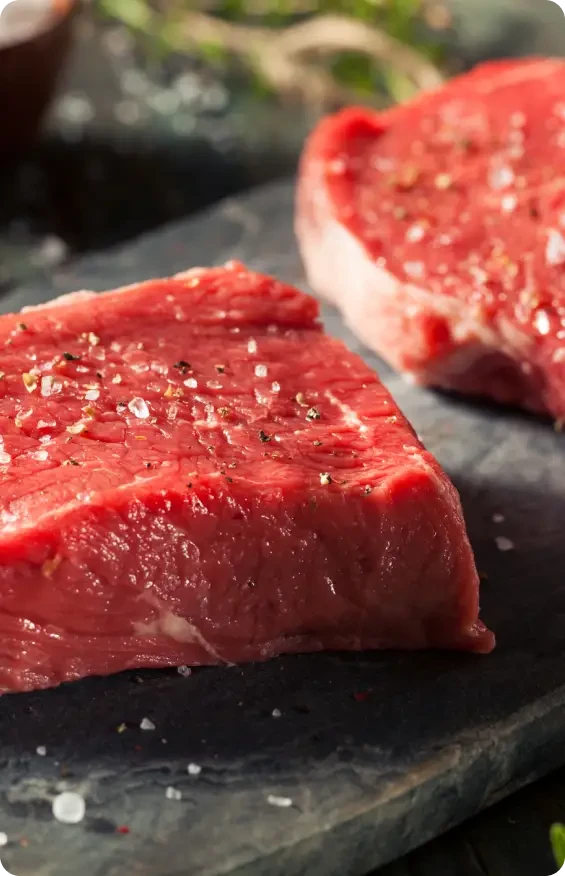
These questions quickly reveal how well a business understands its products.
“Local” means very little without further information.
Customers notice when sausages, mince, steaks or prepared products repeatedly change in quality.
Incorrect opening hours or outdated websites create unnecessary friction.
Independent butchers usually have stronger competitive advantages than simply being cheap.
Years of knowledge behind a counter have little marketing value if customers never see it.
Online ordering, recipes, video and social media can help traditional butchery reach new audiences.
Provenance should contain useful information rather than vague countryside language.
Traditional butchery does not have to mean old fashioned retailing. A butcher can maintain whole animal knowledge, hand cutting, trusted suppliers and personal service while also using modern technology.
These services can make independent butchery more accessible without removing the personal relationship that makes the butcher shop distinctive.
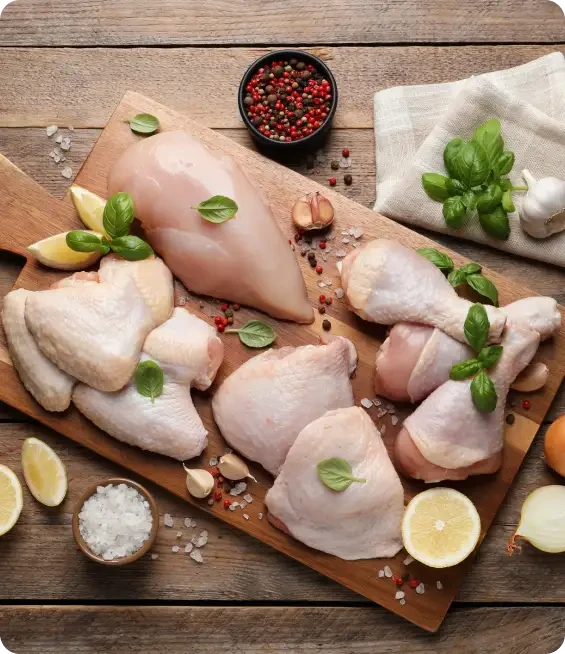
Buy From Farmers Direct is being developed to make independent British food businesses easier to discover. For butchers, a detailed BFFD listing can help communicate far more than a business name and address.
A strong listing should eventually help customers understand:
This allows customers to compare businesses using useful information rather than relying entirely on star ratings.
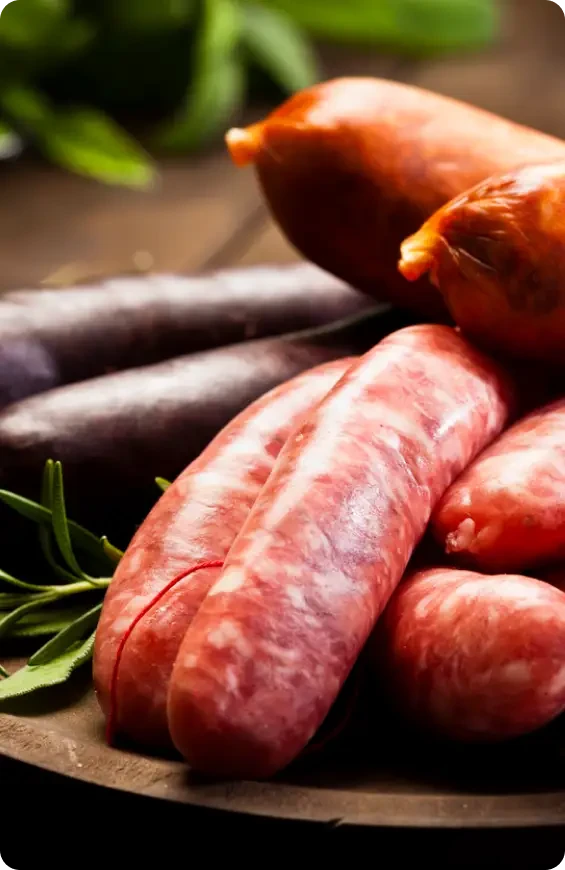
BFFD connects people with independent farmers, butchers, farm shops and food producers across Britain.
Create a detailed butcher profile and show customers what makes your business distinctive, from the farms and suppliers you work with to the products you make, the services you provide and the communities you serve.
Use this for hygiene rating checks and user trust.
*External sources are provided for further reading. BFFD does not provide food safety, legal, trading standards, allergen, dairy hygiene, delivery, labelling or business advice. Butchers, meat providers and food businesses should always follow current official guidance and seek professional advice where required.
Related Butcher Pages
Related BFFD Pages
The best butchers combine excellent meat, skilled preparation, transparent sourcing, food knowledge, strong hygiene standards and helpful customer service. They can explain their products clearly and provide consistent quality rather than relying entirely on reputation or price.
The best butcher shops are built around more than a display counter. They combine skill, food knowledge, consistent products, trustworthy sourcing and relationships that often develop across generations. BFFD is building a clearer way to discover those businesses and understand what makes each one different.
Want to get food independence, support your local grower, get better prices and shop more privately?
Local food isn’t just something you find. It’s something you protect. A free account helps keep local supply visible, supported, and resilient.

….it takes 30 seconds for food lovers and 5 minutes for suppliers
We built this for people who care where their food comes from. For people who want to remain food secure. For Farmers to get to the local people, who deserve a better income and to deliver a better price for you. For the environmentally conscious and the privacy-conscious. An account simply helps us make the map and supplier reach more useful to you, without changing how open it is. You’re always in control.


Find local food. Stay connected to it. Create a free account to support local producers and be part of a growing food network.