Follow us:

Organic Meat

Find Premium Healthy Locally Produced Meat In Your Area

Organic meat can mean different things to different shoppers. For some people, it is about farming standards. For others, it is about animal welfare, provenance, traceability, direct buying or simply having a clearer relationship with the farm, butcher or shop selling the meat.
Organic meat can be found through organic farms, butchers, farm shops, farmers markets, meat box suppliers and online delivery businesses. It may include organic beef, lamb, pork, poultry, sausages, bacon, mince, roasting joints, steaks, chops and mixed meat boxes.


Buy From Farmers Direct is being built to help people find organic meat suppliers with clearer information about product, place, certification, buying route and trust. The aim is not to make organic meat confusing. The aim is to make it easier for users to understand what they are buying and who they are buying it from.

Organic meat is meat sold under organic production and certification rules. In the UK, businesses that produce, prepare, store, import, export, market or sell organic products usually need certification from an approved UK organic control body. When buying organic meat, check the certification, supplier details, meat type, cut, origin, storage guidance, delivery method and whether the product is fresh, frozen, collected, boxed or delivered.

What Does Organic Meat Mean?
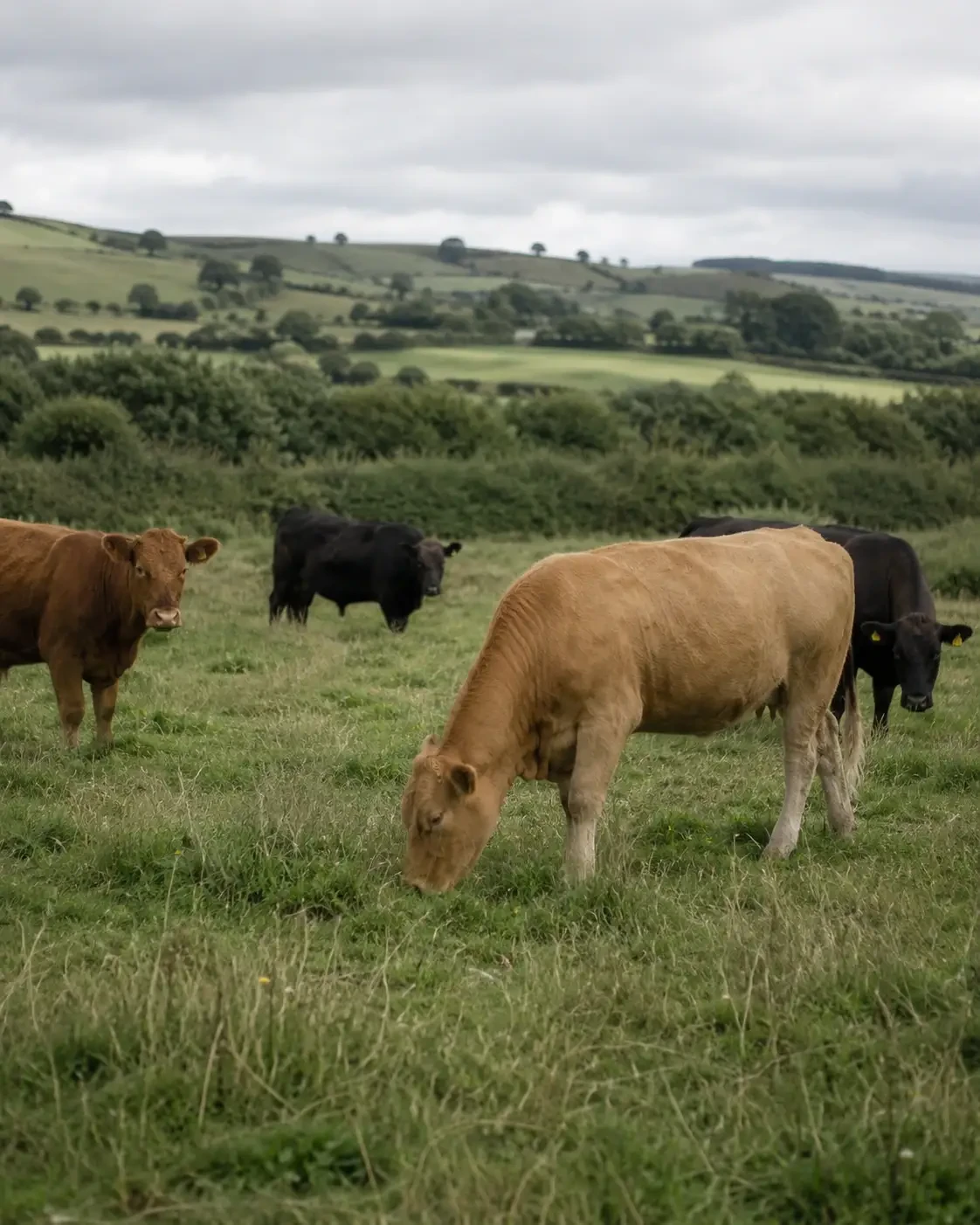
Organic meat should not be treated as a loose marketing phrase. It has a regulated meaning and should be supported by proper certification, labelling and product information.
In simple terms, organic meat comes from animals reared under organic production standards. These standards can cover areas such as feed, farming system, livestock management, certification, inspections, record keeping and labelling.
For users, the key point is clarity. A supplier should make it easy to understand whether the meat is genuinely organic, who produced it, where it came from, how it is sold and how it should be stored.

Why People Search for Organic Meat

People searching for organic meat are usually looking for more than a generic meat supplier. They may be looking for a farm they can trust, a butcher with better sourcing, a meat box with clearer provenance, or an online supplier that explains what is certified and where the meat comes from.
Some shoppers care most about organic standards. Some care about British farming. Some want grass fed beef. Some want meat boxes for the freezer. Some want a local butcher. Some want farm shop collection or local delivery.
The page should recognise these different intents and guide people into the right next step.

Where to Buy Organic Meat

Organic farms

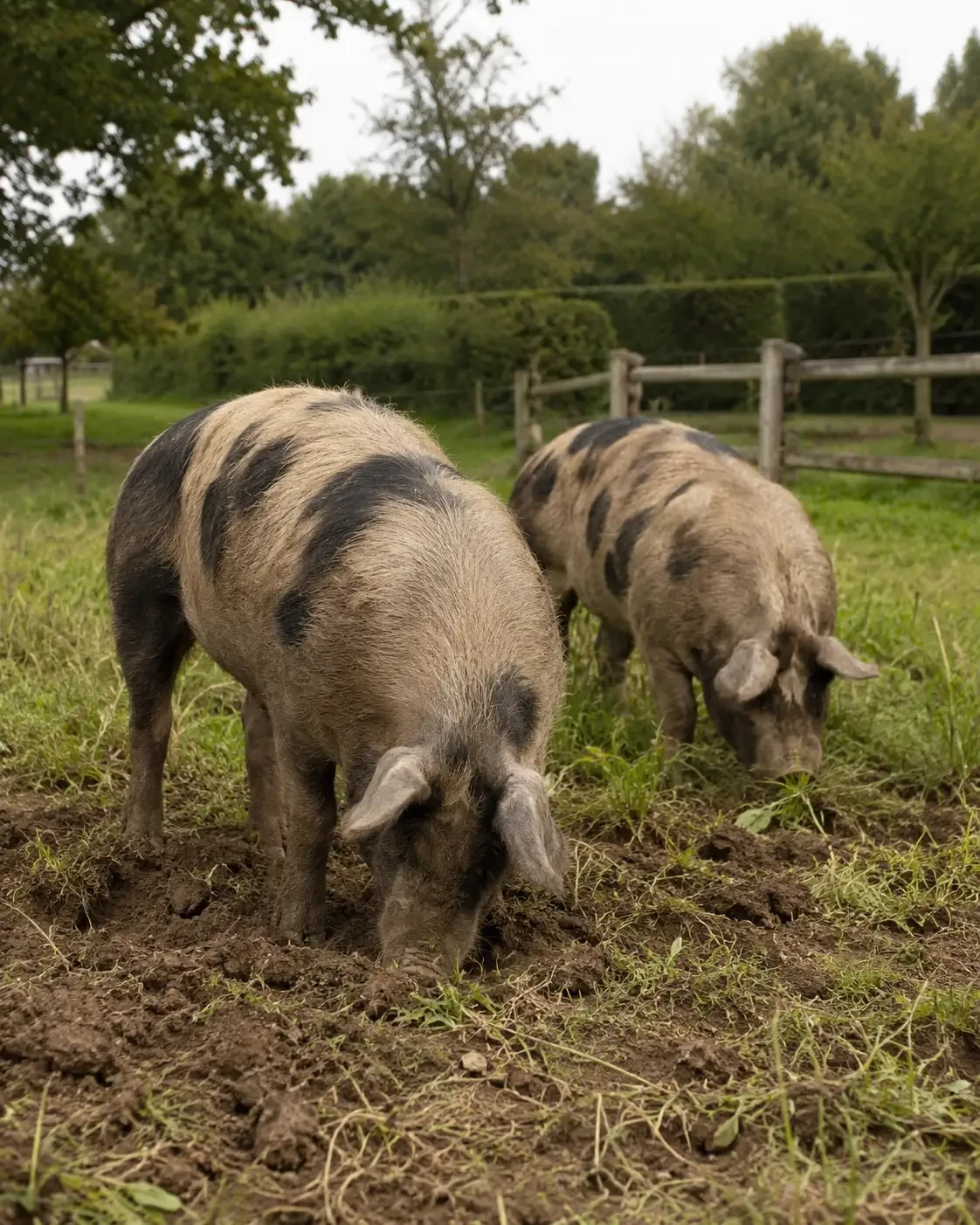
Some organic farms sell meat directly through farm shops, farm gate collection, local delivery, box schemes, online shops or seasonal order lists. A strong farm profile should explain what animals are reared, what cuts are available, whether meat is fresh or frozen, and how customers can buy.

Organic butchers

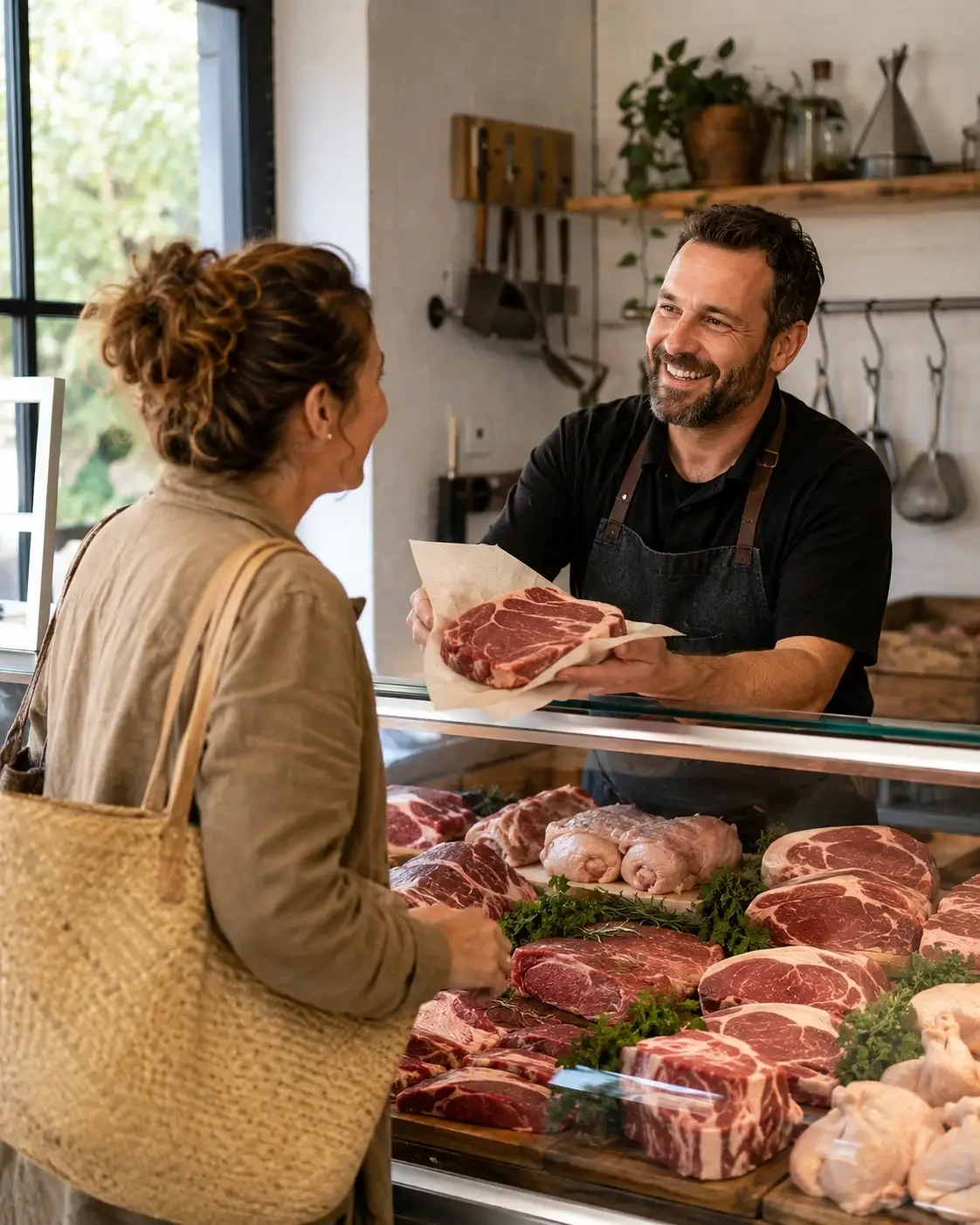
Some butchers specialise in organic meat or stock organic beef, lamb, pork, poultry, sausages, bacon, mince, joints and seasonal cuts. A useful butcher listing should explain whether the meat is certified organic, where it is sourced from and whether collection or delivery is available.

Farm shops

Farm shops may sell organic meat from their own farm or from named local, regional or national suppliers. The best farm shop information makes the producer visible and avoids leaving the customer guessing about origin, certification or availability.

Farmers markets

Farmers markets can be useful because shoppers can often ask direct questions about farming system, certification, cuts, storage and cooking. If organic meat is sold at a market, the supplier profile should make market dates, locations and product availability clear.

Organic Meat and Grass Fed Meat Are Not Always the Same
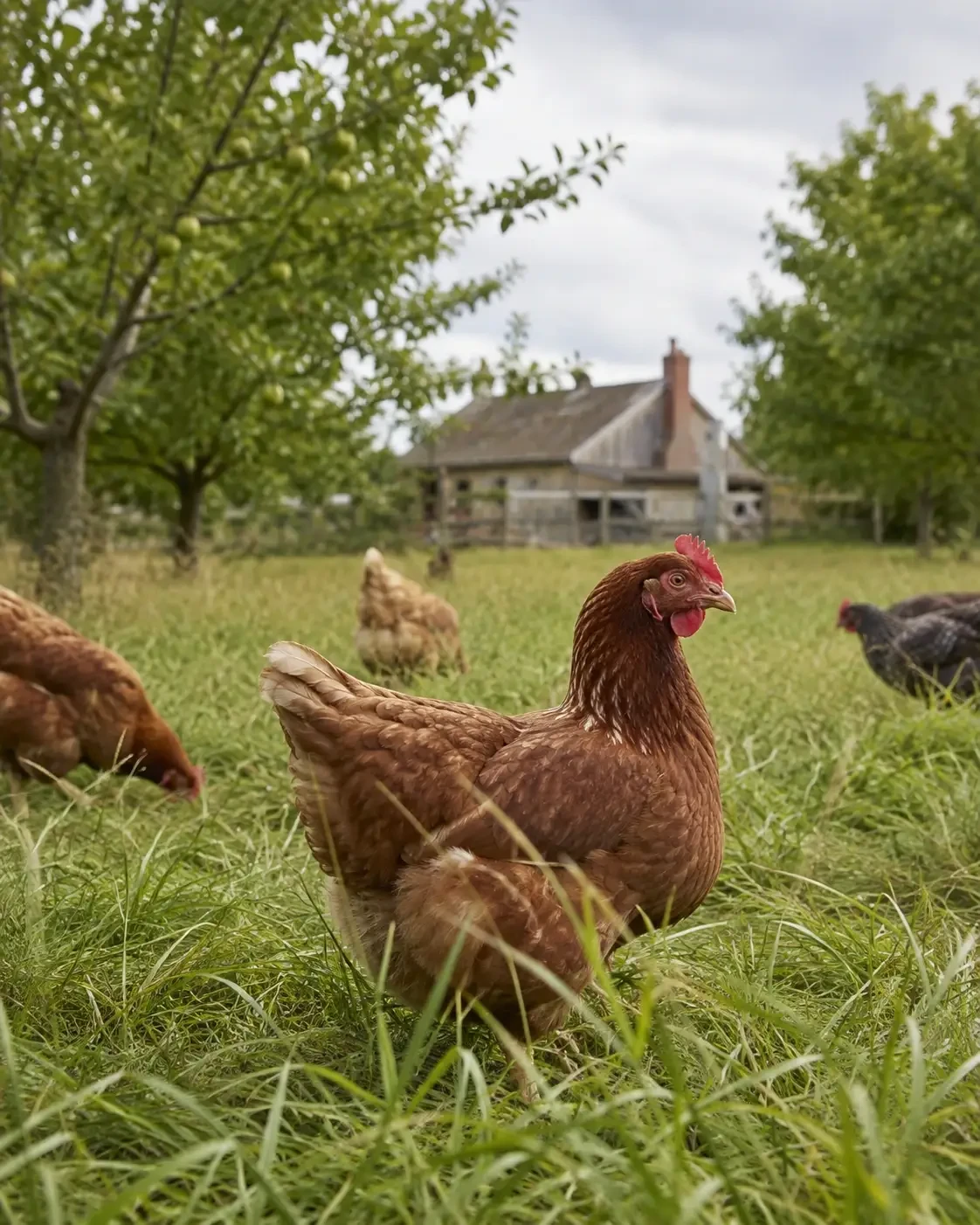
Organic meat and grass fed meat are related topics, but they are not automatically the same thing.
Organic refers to certified production standards. Grass fed usually refers to the animal diet and rearing system.
Some meat may be both organic and grass fed, but shoppers should check the supplier wording, certification and product information rather than assuming the two terms mean the same thing.
Organic Meat and Local Food
Organic meat is not automatically local. It can be local, regional, national or imported. This distinction matters for BFFD because users may care about both certification and proximity.
A strong supplier profile should show whether the meat is organic, where the supplier is based, whether animals are reared on the farm, whether meat is sourced from named partner farms, and how the customer can buy. The clearest BFFD approach is to separate the claims.
Organic status, British origin, local supply, farm rearing, grass fed wording and direct buying should each be treated as separate pieces of information.

How BFFD Helps People Find Organic Meat

BFFD helps users find organic meat suppliers by connecting product, place and producer information. A supplier profile can show the business name, location, meat types sold, organic status, certification information where supplied, collection options, delivery routes, farm shop links, market attendance, photos, story and last updated date.
We do not under any circumstance provide any certification or official checking of a suppliers claims on organic food distribution.

What to Check Before Buying Organic Meat

This section should be highly visible because it supports users, bots and AI answers. It should be designed as an orange checklist panel.

Organic certification

Check whether the business is certified to sell organic food.
Producer or farm name
A good listing should make it clear who produced the meat, where the farm is based.

Meat type

Specifics on meat age, fat content and its origin.

Fresh or frozen

Some organic meat is sold fresh. Some is sold frozen. Some is supplied in mixed boxes.
Collection or delivery
Are there options for farm shop collection, farmers market collection, click and collect, local delivery, courier delivery or national delivery.
Cut and cooking use
The page should explain common choices such as mince, diced beef, brisket, roasting joints, steaks, chops, shanks, burgers and slow cooking cuts.
Labelling and storage
Food businesses should check current official guidance on food labelling, organic labelling and food safety requirements before selling.
Claims and wording
Do not imply that all organic meat is healthier, local, grass fed, cheaper, better for every shopper or automatically direct from farm.

No single category defines the best butcher.
The strength comes from performing consistently across all of them.
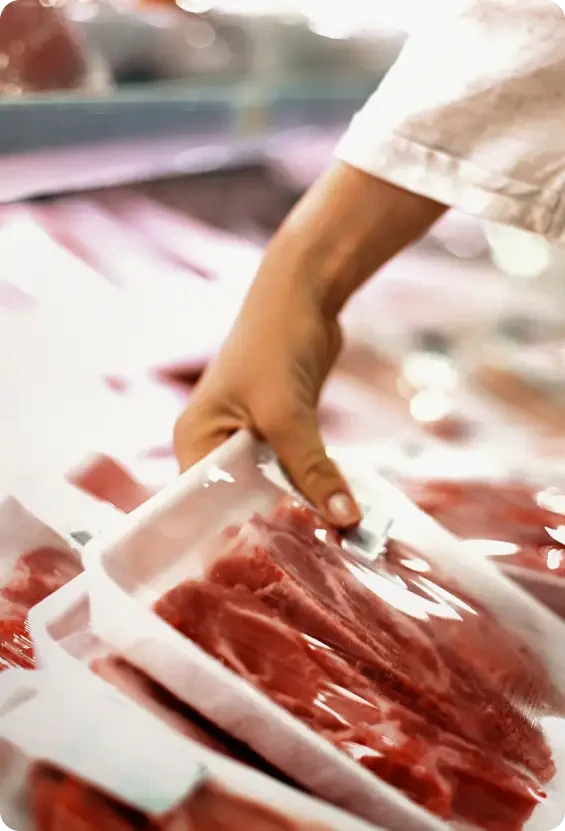
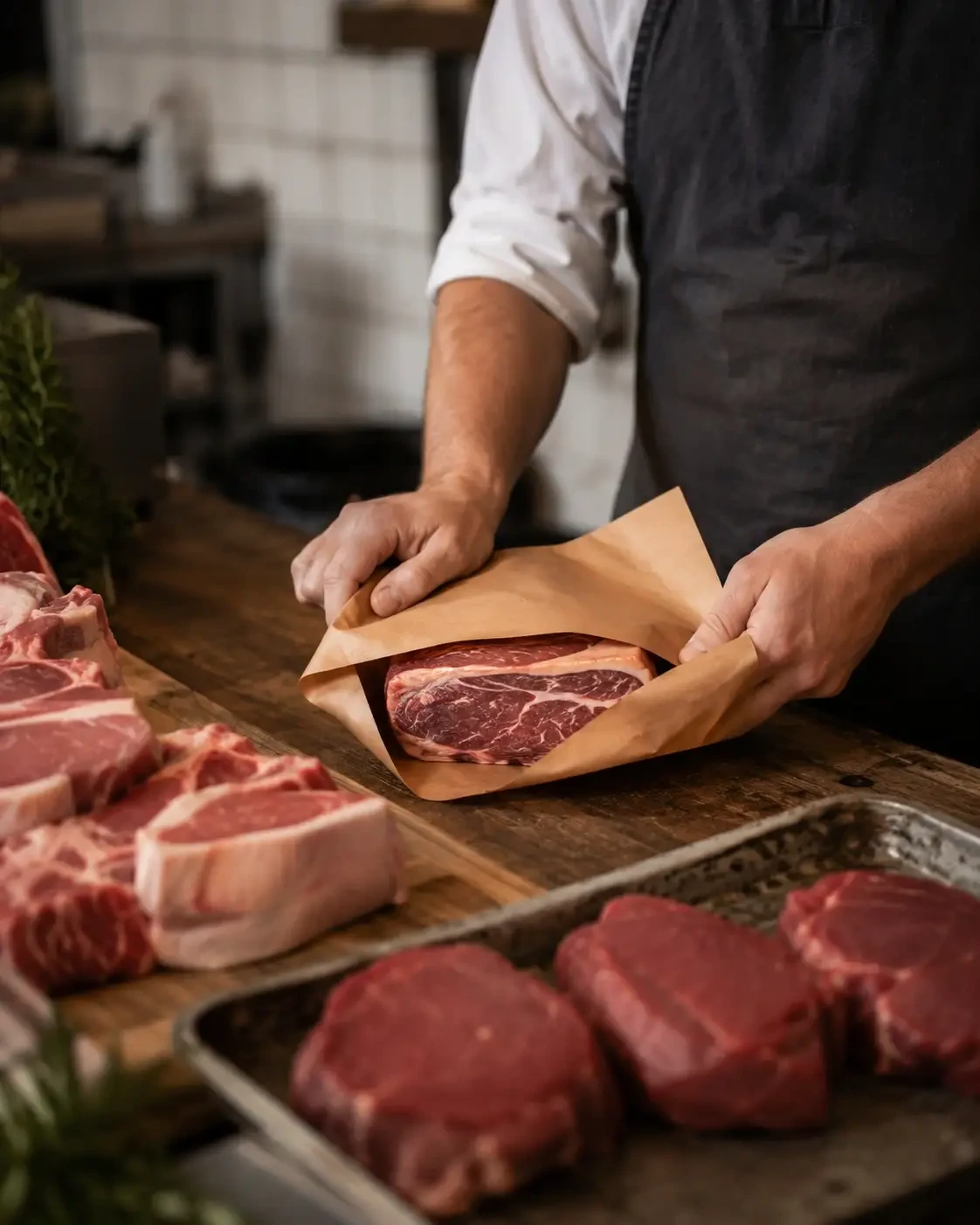
Traditional Butchery and Modern Retail Should Be Working Together

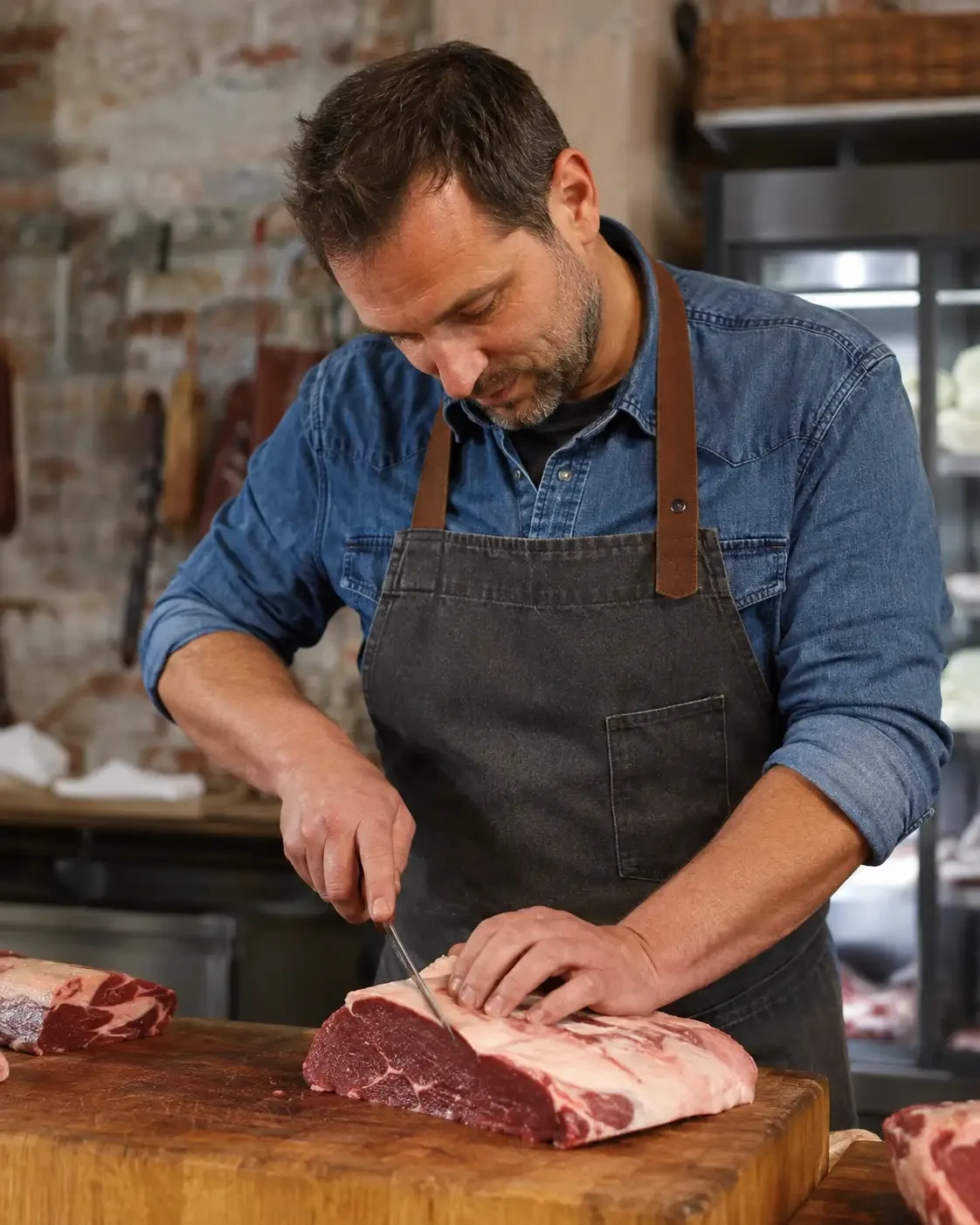
Traditional butchery does not have to stand still. A good butcher can keep the skills that make the trade valuable, including whole animal knowledge, hand cutting, trusted sourcing and personal service, while still using modern tools to make the business easier for customers to find and use.
Online ordering, email updates, social media, video, digital loyalty, local delivery, click and collect, and electronic payments can all support the shop without replacing the relationship at the counter. Used properly, they make independent butchery more accessible while protecting the personal service that makes a local butcher different from a standard retail meat aisle.

How BFFD Helps Independent Butchers

Buy From Farmers Direct is being developed to make independent British food businesses easier to discover. For butchers, a detailed BFFD listing can do far more than show a name, address and phone number.
A strong butcher profile can help customers understand where the shop is based, when it is open, which meats and cuts are available, whether products are British, and whether local farms or trusted suppliers are part of the supply chain. It can also highlight products made in house, meat boxes, online ordering, delivery options, professional memberships, awards, food hygiene information, provenance details and the date the listing was last checked.
This gives your future customers a clearer way to compare butchers using useful information, rather than relying only on star ratings or a quick search result. It also gives independent butchers more space to explain what makes their shop different.

your butcher shop deserves to be discovered!

BFFD connects people with independent farmers, butchers, farm shops and food producers across Britain.
Create a detailed butcher profile and help customers understand what makes your business worth visiting. Your listing can show the farms and suppliers you work with, the products you prepare, the services you offer, and the communities you serve.
Whether you sell from a shop counter, offer local delivery, prepare meat boxes, take online orders or supply nearby homes and businesses, BFFD gives your butcher shop another route to be found by people actively looking for better local food.

Reputable External Sources

Use this for hygiene rating checks and user trust.

Use this for approved meat establishment context.
Use this for official meat industry guidance.
Use this for wider food labelling guidance.
Use this for practical trading standards style meat labelling guidance.
organic steaks

helpful links

Related Butcher Pages

Related BFFD Pages

FAQ

What is organic meat?
Organic meat is meat sold under organic production and certification rules. In the UK, businesses trading with organic products usually need certification from an approved UK organic control body.

Search local independent butchers and compare sourcing information, food hygiene ratings, products, customer feedback and services. Visit the shop if possible and ask where the meat comes from and which products are made by the butcher. Best thing to do is check out our map and make an account.

No. Organic refers to certified organic production standards. Grass fed usually refers to diet and rearing. Some meat may be both organic and grass fed, but users should check the supplier product information.
Yes. Some farms, butchers and specialist suppliers sell organic meat online through meat boxes, chilled delivery, frozen delivery, local delivery or collection.
Check organic certification, producer details, meat type, cut, origin, storage instructions, delivery method, date guidance and whether the product is fresh or frozen.
Some farm shops sell organic meat from their own farm or from named local, regional or national organic suppliers.
Yes, but businesses selling food as organic need to comply with organic certification and labelling rules. Users should check whether the product is clearly described and certified where required.
No. Organic meat can be local, regional, national or imported. BFFD should help users understand both organic status and producer location.
We can’t officially say an overarching statement that organic meat is healthier than the meat that has had a better quality of life, hasn’t been pumped with chemicals and anitbiotics and has lived in a comortable and natural environment – yyou have to come to your own conclusions on that.
Yes Absolutley. Organic farms, butchers, meat box suppliers, farm shops and specialist meat producers can create BFFD profiles so users can find them by product, location and buying route.

Find Organic Meat From Farms, Butchers and Local Suppliers

Organic meat should be easier to understand, easier to trace and easier to find. BFFD is being built to help people discover farms, butchers, farm shops, farmers markets and meat box suppliers with clearer information about what they sell, where they are based, how customers can buy and what details shoppers should check before ordering.