British fruit is one of the most recognisable parts of seasonal food in the UK.
It connects orchards, soft fruit farms, pick your own fields, farm shops, fruit boxes, farmers markets, bakers, preserve makers, cider makers, cafés, schools and home kitchens. A punnet of strawberries, a bag of apples or a box of plums may look simple, but behind it is a growing year shaped by blossom, pollination, weather, pruning, ripening, harvesting, packing, storage and careful supply.
British fruit tells us where the fruit was grown. It does not automatically tell us whether the fruit is local, seasonal, organic or bought directly from the grower. That is why clearer provenance matters. Buy From Farmers Direct is being built to help people understand British fruit properly and find fruit growers, orchards, soft fruit farms, farm shops and fresh produce suppliers with clearer links between crops, place, season and trust.
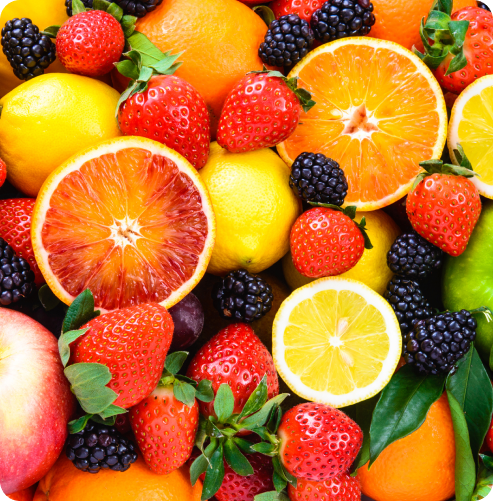
British fruit is fruit grown in Britain. It may include apples, pears, strawberries, raspberries, blueberries, blackberries, cherries, plums, rhubarb, gooseberries, currants and other seasonal fruit. British fruit is not automatically local, seasonal, organic or sold direct from the grower, so users should check who grew or supplied it, where it was grown, whether it is in season, whether it is sold loose, boxed, by punnet or through pick your own, and whether collection, delivery, farm shop or fruit box buying routes are available.
British fruit is fruit grown in Britain. It may include apples, pears, strawberries, raspberries, blueberries, blackberries, cherries, plums, rhubarb, gooseberries, currants and other seasonal fruit. British fruit is not automatically local, seasonal, organic or sold direct from the grower, so users should check who grew or supplied it, where it was grown, whether it is in season, whether it is sold loose, boxed, by punnet or through pick your own, and whether collection, delivery, farm shop or fruit box buying routes are available.
British fruit is fruit grown in Britain.
That may sound straightforward, but the detail matters. A fruit can be British without being local to your town or county. It can be British but stored from an earlier harvest. It can be British and grown under cover. It can be British and organic if certified. It can be British and sold through a farm shop, supermarket, farmers market, fruit box scheme, pick your own site or restaurant supplier.
The strongest suppliers go further than simply using the word British. They explain who grew the fruit, where it was grown, what is currently available, whether the fruit is seasonal, and how customers can buy it.
That extra detail is where trust begins.
British fruit matters because it supports domestic food production, orchards, soft fruit farms and seasonal eating.
Fruit is not just a snack or dessert ingredient. It supports breakfasts, packed lunches, baking, puddings, preserves, juices, cider, farm shop shelves, pick your own visits, restaurants, cafés, school food and local food tourism.
A visible British fruit supply can support growers, orchards, farm shops, farmers markets, local delivery routes, restaurants, caterers, preserve makers, bakers and community food projects.
For BFFD, British fruit matters because it is one of the clearest ways to connect people with the growers behind colourful, seasonal and memorable food.
This distinction matters.
British fruit tells you the country of production. Local fruit should give a closer connection to a grower, county, town, orchard, soft fruit farm, farm shop, farmers market, fruit box supplier or local food route nearby.
A fruit can be British and local. It can be British and seasonal. It can be British and sold direct from a grower. It can also be British without much visible detail about the grower behind it. That is why BFFD should encourage clearer supplier profiles. A customer should not have to guess whether the fruit came from a named grower, a nearby orchard, a regional supplier or a larger national produce route.
British Fruit
Country of production.
Local Fruit
Closer connection to a local grower or supplier.
Seasonal Fruit
Fruit available according to the British growing season.
Organic Fruit
A certified organic production claim.
Direct From Grower Fruit
Fruit bought directly or locally from the grower.
The most meaningful fruit purchases often come with a clearer grower story. That story does not need to be long or sentimental. It can be practical and precise: the grower name, location, fruit grown, current availability, pick your own information, collection options, delivery routes, farm shop stockists and whether the grower supplies restaurants or markets.
This information helps customers understand the fruit properly. It also helps good growers stand apart from anonymous supply chains. Provenance is especially useful with fruit because harvest windows can be short and quality can change quickly. When a customer can trace fruit back to a real grower, orchard or soft fruit farm, the food system feels less distant.
British fruit is closely connected to the growing year.
Some fruit is harvested fresh and eaten quickly. Other fruit can be stored and sold for longer. Some is grown outdoors. Some is grown under cover. Availability changes with blossom, pollination, frost, rain, heat, region, variety and storage.
Seasonality helps customers understand why farm shop shelves and fruit boxes change through the year. It also helps people cook, snack, bake, preserve and buy around what is actually available.
Fruit boxes are one of the clearest ways to buy British fruit with stronger provenance.
A fruit box may include apples, pears, strawberries, raspberries, blueberries, blackberries, cherries, plums, rhubarb, currants, gooseberries or whatever is available from the grower that week.
Some boxes are grown by one farm. Others include fruit from partner growers or wider British supply networks. A good fruit box listing should explain this clearly so customers understand what they are buying.
More fruit growers, farm shops and fruit box suppliers now allow customers to buy fruit online.
Online buying can be useful, but product information needs to be clear. Customers should know what fruit is available, whether it is grown by the supplier, whether partner growers are involved, whether substitutions may happen, whether fruit is sold loose, boxed or by punnet, and how delivery or collection works.
BFFD should position itself as a discovery platform, not the direct seller. Customers should buy directly from the grower, farm shop or supplier.
Some customers want British fruit from a grower close to home.
Local buying routes may include fruit growers, orchards, soft fruit farms, farm shops, farmers markets, fruit box schemes, pick your own sites, honesty stalls, local delivery routes and community growing projects. Buying nearby can help customers ask questions, understand what is in season and discover growers they might never find through a supermarket shelf.
Farm shops and farmers markets can be excellent places to discover British fruit. A farm shop may stock produce grown on site, fruit from nearby growers, orchard fruit from regional suppliers or soft fruit from specialist farms. A farmers market may allow customers to speak directly with the grower and understand what has been harvested recently.
This matters because fruit often benefits from context. A shopper may not know when fruit was picked, how ripe it is, how to store it, whether it is best eaten fresh, whether it is better for baking or whether the harvest window is nearly finished. Good produce information turns everyday fruit into a clearer food story.
Apple orchards are central to British fruit.
They connect fruit growing with eating apples, cooking apples, pears, plums, apple juice, cider makers, farm shops, pollination, seasonal education and local food tourism. An orchard is not only a place where fruit is harvested. It is a year round growing landscape. Blossom, pollination, pruning, fruit set, thinning, harvesting, storage and pressing all sit behind the final product.
Pick your own farms give people one of the most direct routes into British fruit. Customers can visit during the season, pick fruit themselves and understand the crop in its growing environment. Strawberries, raspberries, cherries, currants, gooseberries, plums and apples may all appear in pick your own settings, depending on the farm and season.
Pick your own availability changes quickly, so good supplier information matters. Opening times, booking rules, weather updates, crop availability, payment methods, parking and field conditions should be kept clear. BFFD can help pick your own farms become easier to discover by location and crop type.
British fruit is part of a wider food resilience conversation.
A resilient local food system needs growers, orchards, soft fruit farms, farm shops, storage, markets, transport, kitchens, restaurants and customers who understand the value of domestic production. It also needs diversity, because no single route can supply everyone.
British fruit growers help keep seasonal production visible. They produce the crops that people remember, celebrate, preserve, bake with and share.
BFFD’s role is to make those growers easier to find and understand.
British fruit can support budget friendly eating when used well.
Apples, pears, rhubarb, plums and seasonal berries can be used for snacks, breakfasts, packed lunches, crumbles, pies, compotes, sauces, smoothies, freezing, baking and preserving.
Buying British fruit is not automatically cheaper in every case, but fruit can still be part of practical household cooking when it is seasonal, well stored and used fully.
A good grower, farm shop or fruit box supplier can help customers understand which fruit is useful, seasonal and good value at different times of year.
British fruit connects naturally with preserves, baking and drinks.
Strawberries can become jam. Apples can become juice, sauce, cider or chutney. Plums can become preserves. Berries can be frozen or cooked into compotes. Rhubarb can be stewed, baked or preserved.
This relationship matters because fruit can be highly time sensitive. Preserving, freezing, juicing and cooking can help reduce waste when handled safely and professionally.
Restaurants, cafés, pubs, hotels and caterers may want British fruit because it helps menus feel more connected to place and season.
A chef may want British berries, rhubarb, apples, pears, plums, cherries, currants, gooseberries or heritage varieties. For hospitality buyers, practical details matter. They need to know what is available, how often stock changes, whether delivery is possible, whether invoices can be provided and whether the grower can support regular orders.
A strong BFFD profile can help buyers decide whether to contact a grower or supplier.
British fruit is excellent for food education.
It helps people understand blossom, pollination, bees, fruit set, ripening, harvesting, storage, cooking and food waste reduction. It is also one of the easiest ways for children and adults to see the connection between growing and eating.
BFFD can use British fruit content to support schools, pick your own visits, orchard walks, community gardens, cooking education and Field to Classroom style work.
Fresh fruit, washed produce, prepared fruit, fruit boxes and online orders all need clear handling and storage information.
Customers should check whether fruit is sold loose, boxed, washed, unwashed, prepared, ready to eat or chilled. Prepared fruit, juices, preserves and mixed boxes may need extra care and clear labelling.
Fresh Produce Safety Note
Always check whether fruit is washed, unwashed, loose, boxed, prepared, ready to eat or chilled. Follow supplier storage and washing guidance. Prepared fruit, juices and preserves may have additional labelling or allergen requirements.
British fruit suppliers may have different information responsibilities depending on what they sell and how they sell it.
Loose fresh fruit, packed fruit, prepared fruit, fruit boxes, online orders, juices, preserves and ready to eat products may all involve different handling, labelling and storage considerations.
BFFD can help suppliers present clearer information, but it does not replace official food safety, environmental health, trading standards, labelling or business guidance.
BFFD is being built to make local food discovery clearer and more useful. For British fruit, BFFD can help users find fruit growers, orchards, soft fruit farms, farm shops, farmers markets, fruit box suppliers, pick your own sites, online ordering routes, local delivery, collection points, restaurant suppliers and current crop information.
More importantly, it can help suppliers explain their produce properly. A strong British fruit listing should help users understand the grower, the fruit type, the season, the buying route, whether online ordering is available, whether collection or delivery is possible, and whether provenance information is clear.
For shoppers, this reduces guesswork. For fruit growers, it creates another route into local visibility.
If you grow or sell British fruit, your BFFD profile should make that clear in a specific and trustworthy way.
A strong profile should show the business name, location, fruit grown, current availability, seasonal notes, fruit boxes, loose fruit, pick your own information, online ordering, local delivery, collection, farm shop stockists, farmers market attendance, restaurant supply, photos and contact details.
Where relevant, growers can also explain growing methods, partner growers, box contents, weekly updates, storage guidance, orchard history, soft fruit seasons and preserve or juice products.
List your fruit growing business, orchard, soft fruit farm, farm shop supply route or British fruit range on BFFD and help people understand what you grow, when it is available and how to buy.
British shows where it’s grown. Local shows a closer grower or supplier.
Some British fruit may be stored, grown under cover or available outside its main outdoor harvest period.
Organic is a separate certified production claim.
A farm shop or supplier may sell British fruit from partner growers or wider produce networks.
BFFD provides supplier details; users should verify safety and storage information.
1. Food Standards Agency: Food Hygiene Ratings
Use this for hygiene rating checks and customer trust.
2. Food Standards Agency: Food Hygiene for Your Business
Use this for official food hygiene and safe food handling context.
3. Food Standards Agency: Starting Your Food Business Safely
Use this for food business setup and safe operation context.
4. Food Standards Agency: Packaging and Labelling
Use this for food packaging and labelling context.
5. GOV.UK: Food Labelling and Packaging
Use this for wider food labelling guidance.
6. Royal Horticultural Society: Fruit
Use this for public educational context around fruit growing.
*External sources are provided for further reading. BFFD does not provide food safety, legal, trading standards, allergen, labelling, growing, environmental health or business advice. Fruit growers and food businesses should always follow current official guidance and seek professional advice where required.
Related Milk Producer Pages
Related BFFD Pages
The Fruit Growers section is a specialist producer hub for fruit growers, orchards, soft fruit farms, farm shops and local fruit suppliers that want to be easier to find through BFFD.
BFFD wants to help fruit growers because fruit connects British farms, orchards, soft fruit, pick your own sites, farm shops, farmers markets, seasonal eating and local food resilience.
Yes. BFFD is being built so fruit growers can create profiles showing location, fruit grown, seasonal availability, fruit boxes, pick your own information, stockists, ordering options, photos and contact details.
Growers may list apples, pears, strawberries, raspberries, blueberries, blackberries, cherries, plums, rhubarb, currants, gooseberries and other seasonal fruit where relevant.
Yes. Farm shops selling fruit from their own land, named growers or local suppliers can be included where they fit the BFFD supplier structure.
Yes. Pick your own farms can be included where they provide clear seasonal availability, opening times, booking information and customer guidance.
That is the aim. BFFD can help restaurants, cafés and hospitality buyers discover fruit growers and local suppliers by location, fruit type and buying route.
A fruit grower should include location, fruit grown, seasonal availability, fruit boxes, pick your own information, online ordering, collection or delivery, farm shop or market supply, restaurant supply, photos, website links, social links and contact details.
British fruit should be easier to trace back to real growers, orchards, farm shops, markets and local produce suppliers. BFFD is being built to help people discover fruit growers with clearer links between crops, seasons, place and trust.