
Vegetable growers are at the centre of British local food.
Behind every bunch of carrots, crate of potatoes, box of greens, punnet of tomatoes, tray of onions, bundle of herbs or bag of salad leaves is a chain of soil care, seed choice, propagation, weather, watering, harvesting, packing, storage and supply.
Some vegetable growers farm at scale. Some run market gardens. Some sell through farm shops, veg boxes, farmers markets, restaurants, honesty stalls, local delivery routes or online orders. Some grow familiar staples. Others specialise in salads, herbs, heritage varieties, seasonal crops or mixed produce boxes. Buy From Farmers Direct is being built to help vegetable growers, market gardeners, farm shops and local produce suppliers become easier to find, easier to understand and easier to support.
BFFD supports vegetable growers by helping growers, market gardeners, farm shops and local produce suppliers create clearer profiles, show where they are based, explain what vegetables they grow, promote vegetable boxes, seasonal produce, online ordering, farm shop stockists, farmers market attendance, local delivery and restaurant supply, and appear in local food discovery searches. This Vegetable Growers section links to pages covering vegetables near me, vegetable boxes, buy vegetables online, seasonal vegetables UK and British vegetables.
BFFD supports vegetable growers by helping growers, market gardeners, farm shops and local produce suppliers create clearer profiles, show where they are based, explain what vegetables they grow, promote vegetable boxes, seasonal produce, online ordering, farm shop stockists, farmers market attendance, local delivery and restaurant supply, and appear in local food discovery searches. This Vegetable Growers section links to pages covering vegetables near me, vegetable boxes, buy vegetables online, seasonal vegetables UK and British vegetables.
BFFD wants to help vegetable growers because vegetables are one of the most important parts of a resilient food system, yet many growers are still difficult for customers to find.
People often want to buy better vegetables, support local farms, eat more seasonally or reduce reliance on supermarket supply, but they may not know who grows vegetables nearby. They may not know which farm shops stock local produce, which market gardeners offer boxes, which farmers markets include vegetable stalls or which growers supply restaurants and cafés.
At the same time, vegetable growers face practical pressures. Weather, labour, fuel, energy, packaging, storage, transport, crop losses, supermarket pricing, changing customer habits and unpredictable demand can all make growing difficult.
BFFD cannot solve every challenge facing vegetable growers, but it can help with visibility.
A clearer online route can help growers explain what they produce, where they sell, when crops are available and how people can buy from them more directly.
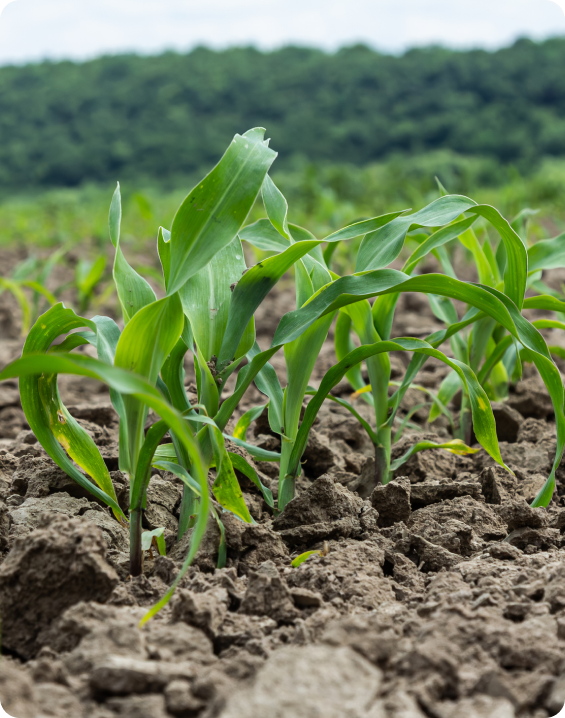
Vegetable growers matter because they provide the everyday food that sits at the heart of household cooking.
Vegetables support soups, stews, salads, roasts, stir fries, pasta dishes, curries, pies, sandwiches, school meals, restaurant menus, preserves, fermented foods and budget friendly meals. They are not occasional luxury items. They are practical, daily food.
Vegetable growers can support local food resilience, farm shops, farmers markets, veg boxes, restaurants, seasonal eating, food education, soil knowledge, allotment culture and community food projects.
For BFFD, vegetable growers should become one of the strongest specialist producer categories because they link naturally into so many parts of the platform.
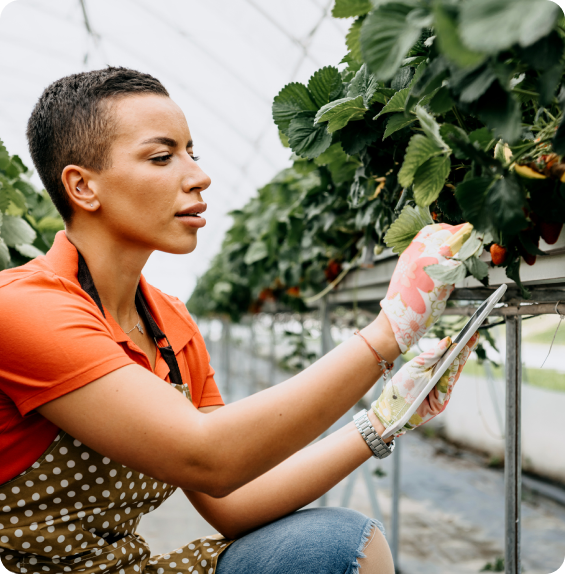
Vegetables are everywhere, yet local vegetable growers can be surprisingly hard to discover.
A shopper may buy carrots, potatoes, onions, greens or salad every week without knowing whether any of those crops are grown locally. They may see vegetables in a farm shop without understanding who supplied them. They may want a veg box, but not know whether one exists nearby. They may want British seasonal vegetables, but not know what is actually in season.
This weakens the connection between growers and customers.
BFFD is being developed to make those routes clearer. A strong vegetable grower profile should help users understand who grows the food, where it is grown, what is available, when it is harvested and how it can be bought.
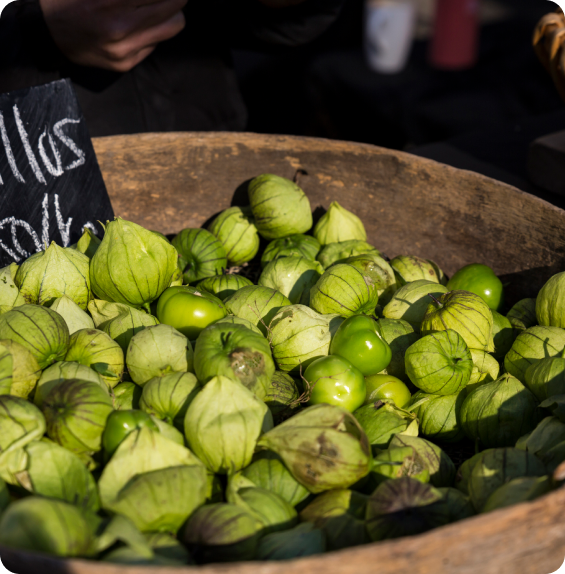
This section is for people and businesses connected to vegetable growing and local produce supply.
It may be useful for vegetable growers, market gardeners, farm shops, farmers market traders, veg box suppliers, allotment style producers, community growing projects, restaurants, cafés, caterers, schools, local food retailers, seasonal food supporters and households looking for fresh vegetables nearby.
For suppliers, the goal is better visibility.
For shoppers and trade buyers, the goal is easier discovery and clearer produce information.
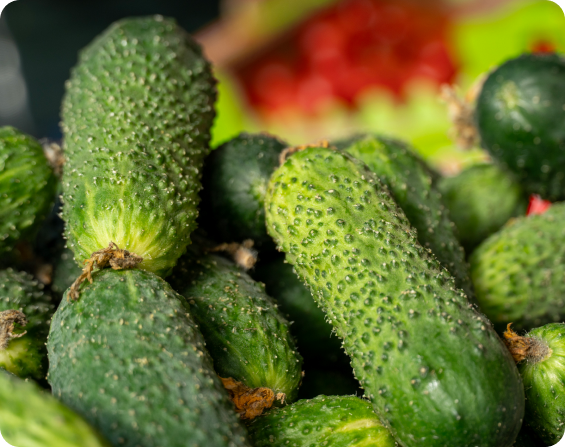
BFFD helps vegetable growers by organising local food discovery around the way people actually search.
A user may search for vegetables near me, vegetable growers, veg boxes near me, buy vegetables online, farm shop vegetables, local vegetables, seasonal vegetables UK, British vegetables, market gardeners near me, organic vegetables near me, fresh vegetables near me or vegetable suppliers for restaurants.
A strong BFFD vegetable grower profile can connect those searches to a real supplier.
A vegetable grower profile can include the business name, location, crops grown, seasonal availability, vegetable boxes, online ordering, collection, local delivery, farm shop stockists, farmers market attendance, restaurant supply, wholesale enquiry routes, photos, website links, social links, contact details and last updated date.
The aim is to make vegetable growers easier to find by place, crop, season and buying route.
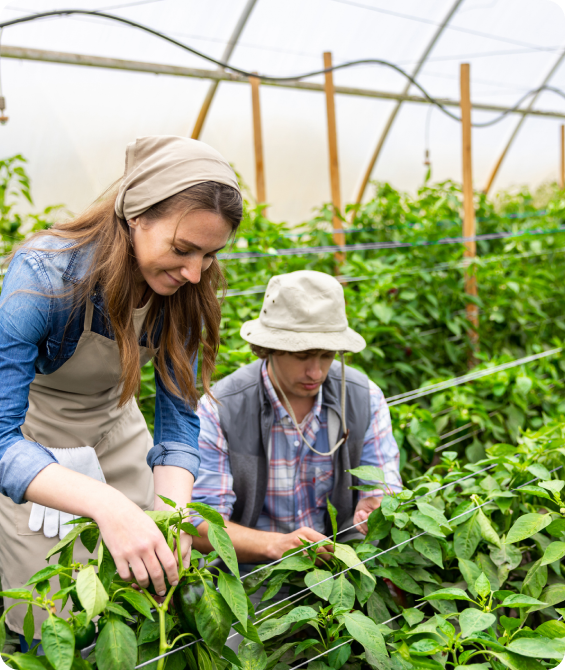
A local discovery page helping users find vegetable growers, farm shops, veg boxes, farmers markets, allotment style suppliers and local produce businesses nearby.
A product and buying guide explaining veg boxes, mixed produce boxes, subscriptions, seasonal contents, value, storage and what to check before ordering.
A product and growing guide helping users understand how to produce fresh vegetables to eat and help their food sovereignty. Perfect for the first time grower.
An educational guide explaining UK vegetable garden starts, why growing for all season matters and how growers, farm shops and customers can plan around the harvest year.
A strong vegetable grower profile should answer the questions people usually ask before buying.
A customer should be able to understand where the grower is based, what vegetables are grown, when crops are available, whether products are sold through a farm shop, market, veg box, online store, local delivery route or wholesale supply.
The profile should also make practical details clear. Are vegetables sold loose or boxed? Are seasonal boxes available? Is collection required? Is delivery available? Are restaurants supplied? Are crops grown on site or sourced from partner growers? Is availability updated regularly?
The best profiles are clear, practical and current. They help customers understand what is grown, how to buy and why the grower is worth supporting.
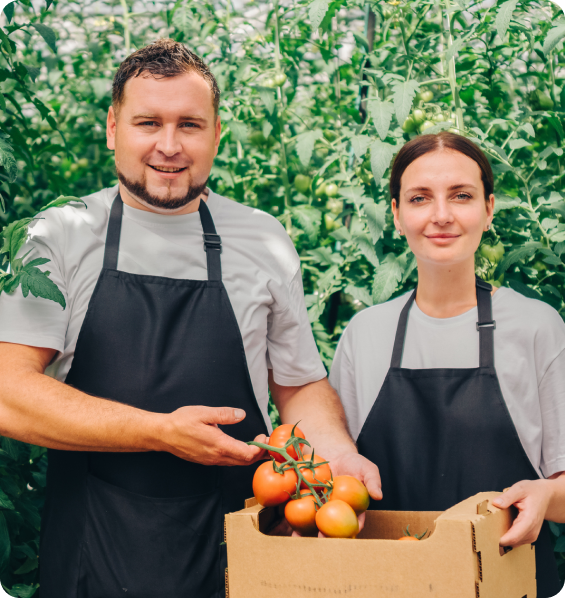
Food provenance matters strongly with vegetables because fresh produce can easily become anonymous.
A bag of carrots, box of potatoes or bunch of greens may pass through several hands before reaching the customer. That does not always mean the route is wrong, but it does mean customers need clearer information if they want to support local growers.
A good vegetable grower profile should help users understand the grower, location, crops, seasonality, supply route and buying options.
BFFD connects vegetable growers with provenance because people should be able to trace everyday food back to real growers and farms.

Farm shops and farmers markets are natural routes for vegetable growers.
A farm shop may sell vegetables grown on site, vegetables supplied by nearby farms, seasonal produce from regional growers or mixed boxes from a local supplier. A farmers market gives customers the chance to speak directly with growers and understand what has been harvested recently.
These routes matter because vegetables change with the season. A market stall in June may look very different from a farm shop shelf in November.
BFFD can help users find where local vegetables are being sold and which growers are behind them.
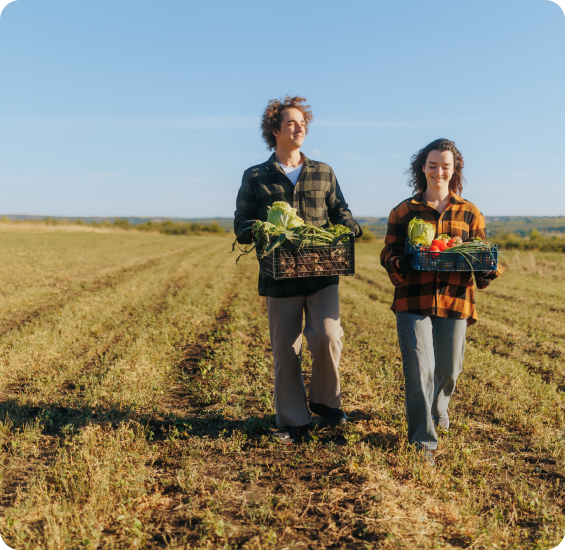
Vegetable boxes are one of the clearest routes between growers and households.
A vegetable box may include seasonal produce, staples, salad leaves, roots, greens, herbs, potatoes, onions, squash or mixed crops depending on the grower and time of year. Some boxes are subscriptions. Others are one off purchases. Some are fixed. Others change weekly.
A good vegetable box listing should explain what is included, whether contents change, whether substitutions happen, whether produce is grown by the supplier or sourced from partner farms, whether delivery or collection is available and how customers should store the produce.
Vegetable boxes work best when customers understand that seasonality is part of the value.
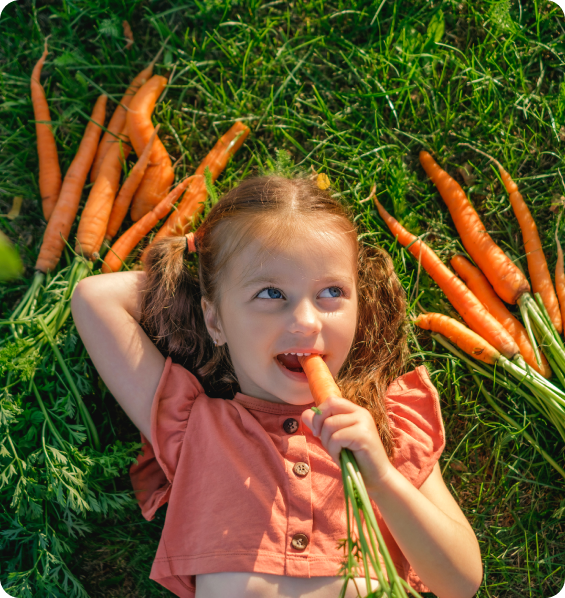
Vegetable growing is deeply seasonal.
Some vegetables are available for a short window. Others store well and can be sold for longer. Weather, region, soil, growing method and storage all influence availability.
Seasonality helps people understand why local food changes through the year. Spring greens, asparagus, new potatoes, tomatoes, courgettes, beans, squash, roots, brassicas and winter greens all have their own place in the calendar.
The Seasonal Vegetables UK page should help users understand the British growing year in a simple, useful and visual way.
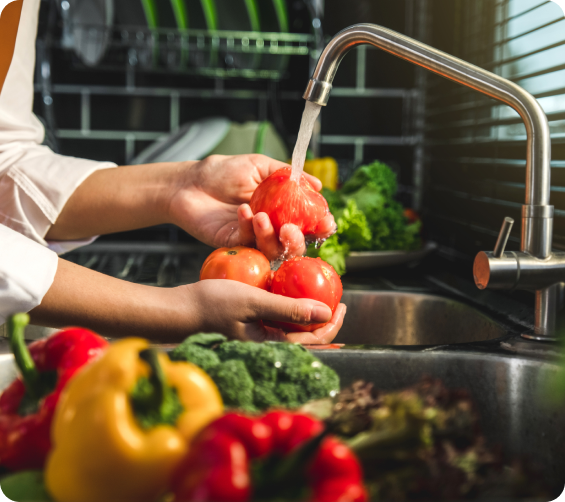
British vegetables matter because they support domestic food production, local supply chains and everyday cooking.
When people can find British vegetable growers, they are better placed to understand where their food comes from and support growers more directly. British vegetables are not automatically local to every shopper, but they do indicate country of production.
A product can be British and local. It can be British and seasonal. It can be British and organic. It can also be British without the grower being visible.
The British Vegetables page should explain these differences carefully and show why clearer provenance matters.
Vegetables are central to budget friendly eating.
Potatoes, carrots, onions, cabbage, leeks, greens, beetroot, squash, courgettes, peas, beans and seasonal vegetables can help households build proper meals without relying on expensive ingredients. Vegetables can stretch stews, soups, curries, tray bakes, pasta dishes, pies, salads, omelettes and leftovers.
Buying from local growers is not always the cheapest option in every case, but it can offer value when produce is fresh, seasonal, well used and not wasted.
BFFD can link vegetable grower pages naturally into Budget Friendly Eating, Cheap Eats and Grocery Shopping Budget because vegetables are one of the most practical ways to cook well.
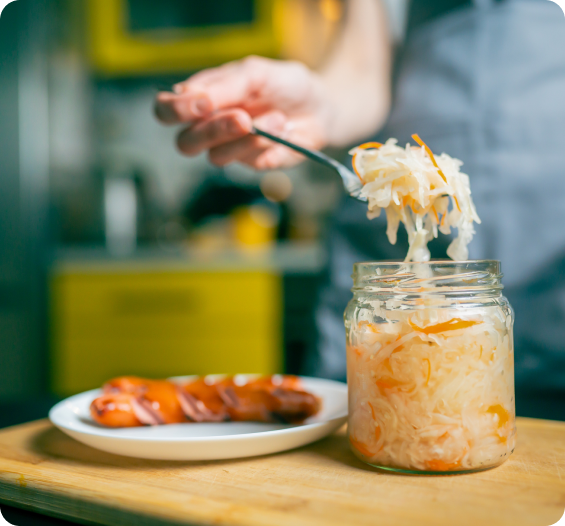
Vegetable growers connect naturally with fermented food makers.
Cabbage can become sauerkraut. Cucumbers, carrots, radishes, beetroot, chillies, garlic and herbs can become fermented vegetables, pickles, kimchi style products or cultured sauces when handled safely by professional makers.
This creates an important local food link. Growers can supply ingredients. Fermented food makers can add value. Farm shops can sell both fresh and preserved products. Customers can discover one producer through another.
Restaurants, cafés, pubs, hotels, caterers and farm shop cafés may all need reliable vegetable growers.
A chef may want salad leaves, herbs, roots, seasonal vegetables, heritage varieties, edible flowers, squash, tomatoes, brassicas or specialist crops. For hospitality buyers, the important details are consistency, freshness, communication, delivery, ordering windows, invoices and availability.
A strong BFFD profile can help restaurants understand whether a grower supplies trade buyers, what crops are usually available and how orders are placed. Set your account up today.
This gives vegetable growers a clearer route into hospitality supply without relying only on word of mouth.
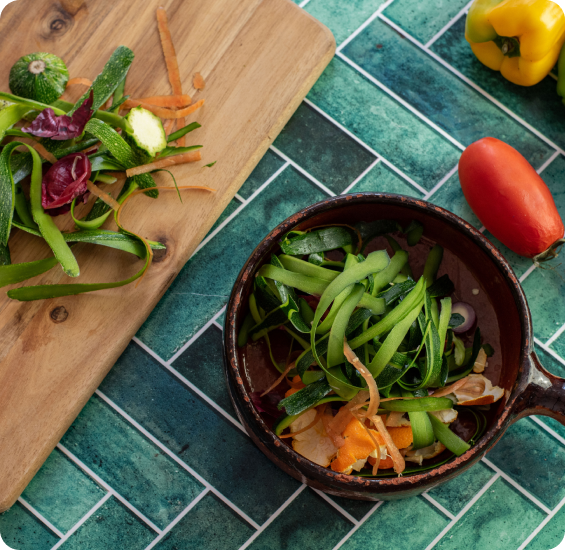
Vegetable growing is one of the easiest ways to help people understand food.
Children and adults can see seeds, soil, leaves, roots, flowers, harvests and seasons. Vegetable growing can support schools, allotments, community gardens, farm visits, cooking education and Field to Classroom style projects.
BFFD can use vegetable grower content to help users understand where food begins, why seasons matter and why growers deserve more visibility.
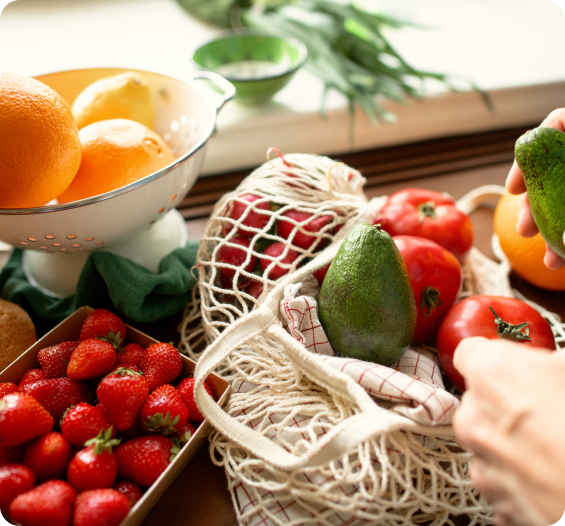
Vegetable growers, farm shops and suppliers have important food safety responsibilities.
Fresh vegetables, washed produce, prepared salads, veg boxes, online orders and ready to eat products may all have different handling, storage, labelling and customer information requirements.
BFFD can help suppliers present clearer information, but it does not replace official food safety, environmental health, trading standards, labelling or business guidance.
Fresh Produce Safety Note:
Always check whether vegetables are sold loose, washed, unwashed, prepared, ready to eat, chilled or boxed. Follow supplier storage and washing guidance. Prepared products may have additional labelling or allergen requirements.
A BFFD listing can help vegetable growers become easier to discover by people already looking for local food.
For a vegetable grower, this may mean better visibility for vegetables near me searches, vegetable boxes, buy vegetables online, seasonal vegetables UK, British vegetables, farm shop vegetables, farmers market discovery, restaurant supply, local delivery, food provenance education and local food resilience.
For shoppers, it means less guesswork. For vegetable growers, it creates another structured route into local food visibility.
For BFFD, it strengthens the wider mission of helping people buy from farmers, growers and specialist producers with more confidence.
Use this for food business setup and safe operation context.
Use this for official food hygiene and safe food handling context.
Use this for hygiene rating checks and customer trust.
Use this for food packaging and labelling context.
Use this for wider food labelling guidance.
Use this for public educational context around vegetable growing.
*External sources are provided for further reading. BFFD does not provide food safety, legal, trading standards, allergen, dairy hygiene, delivery, labelling or business advice. Vegetable providers and food businesses should always follow current official guidance and seek professional advice where required.
Related Vegetable Pages
The Vegetable Growers section is a specialist producer hub for vegetable growers, market gardeners, farm shops and local produce suppliers that want to be easier to find through BFFD.
Vegetable growers bring practical, seasonal food into British local food. BFFD is being built to help vegetable growers, market gardeners, farm shops and local produce suppliers become easier to find, understand and support.
Want to get food independence, support your local grower, get better prices and shop more privately?
Local food isn’t just something you find. It’s something you protect. A free account helps keep local supply visible, supported, and resilient.

….it takes 30 seconds for food lovers and 5 minutes for suppliers
We built this for people who care where their food comes from. For people who want to remain food secure. For Farmers to get to the local people, who deserve a better income and to deliver a better price for you. For the environmentally conscious and the privacy-conscious. An account simply helps us make the map and supplier reach more useful to you, without changing how open it is. You’re always in control.


Find local food. Stay connected to it. Create a free account to support local producers and be part of a growing food network.