Follow us:

Easiest Vegetables to Grow (UK)

Growing vegetables in the UK does not need to begin with a greenhouse, a large allotment or years of gardening experience.
For many people, the best place to start is with a few reliable crops that grow well in British conditions, forgive small mistakes and give you something useful to eat. A back garden, patio, raised bed, windowsill, balcony or a few containers can be enough to begin.The easiest vegetables to grow in the UK are usually crops that germinate reliably, do not need specialist equipment, can cope with cooler weather and give visible progress quickly. Salad leaves, radishes, potatoes, runner beans, courgettes, beetroot, carrots, spring onions, peas, chard and herbs are all good choices for beginners.
The aim is not to become self sufficient overnight.The aim is to grow something. Then grow a little more. Then slowly understand the seasons, soil, light, watering and the satisfaction of eating food that came from your own space.
The good news is that there are plenty of vegetables that you can grow in the UK. The easiest is subjective as there are lots of factors to help your crop along. The less pedantic vegetables to grow in the UK include salad leaves, radishes, potatoes, runner beans, courgettes, beetroot, carrots, spring onions, peas, chard, kale and herbs. Beginners should start with crops that grow quickly, suit the British climate and can be grown in beds, pots or containers without specialist equipment.

Why Start With Easy Vegetables?

The best beginner vegetables are not always the most impressive crops. They are the ones that help you build confidence.
A difficult first crop can put people off growing. If seedlings fail, pests arrive, the weather turns or nothing seems to happen for weeks, it is easy to feel like vegetable growing is too complicated. Easy vegetables give you momentum. They show visible growth, tolerate ordinary garden conditions and reward basic care.
For a beginner, that matters more than growing the most unusual crop. A simple pot of salad leaves, a row of radishes, a bag of potatoes or a courgette plant in a sunny corner can teach you more than reading ten gardening books without planting anything.

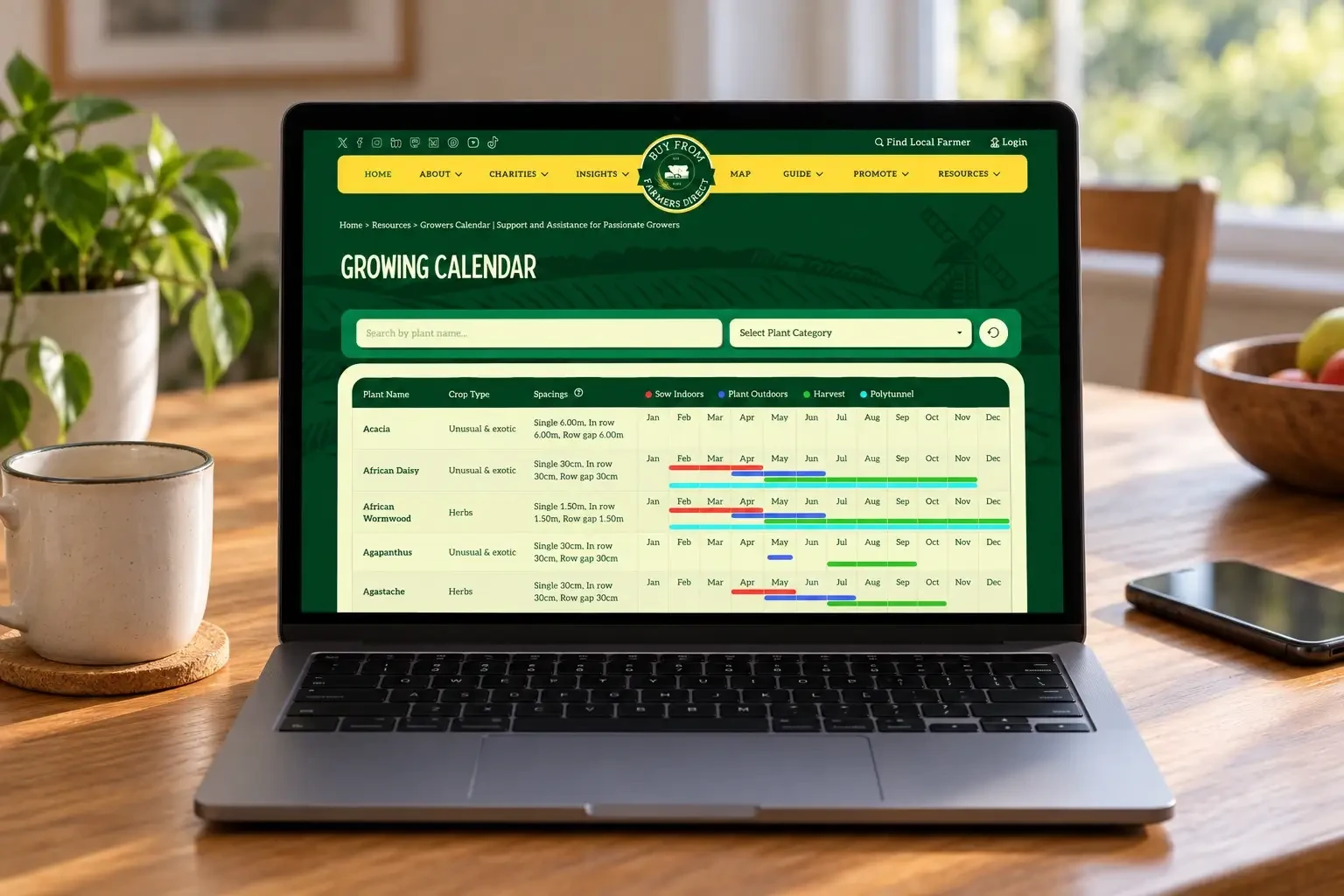
TRY OUR PLANTING CALENDAR TO ORGANISE YOUR PLOT

The Easiest Vegetables to Grow in the UK

1. Salad Leaves

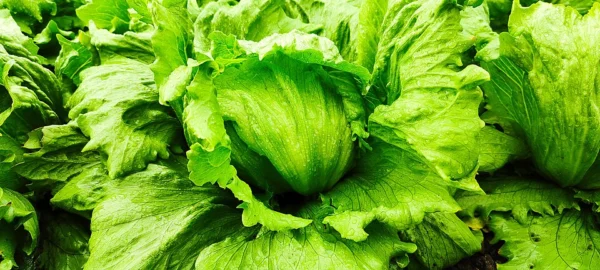
Salad leaves are one of the easiest vegetables to grow in the UK because they grow quickly and do not need much space. You can grow them in pots, trays, raised beds, window boxes or small garden patches. Many salad leaves can be picked young, meaning you do not have to wait for a full mature plant.

Good options include lettuce, rocket, spinach leaves, mizuna, mustard leaves and mixed cut and come again salad seed. Salad leaves are ideal for beginners because you can sow a small amount every few weeks and keep harvesting fresh leaves through much of the growing season.

Best for: pots, raised beds, small gardens and beginners

2. Radishes

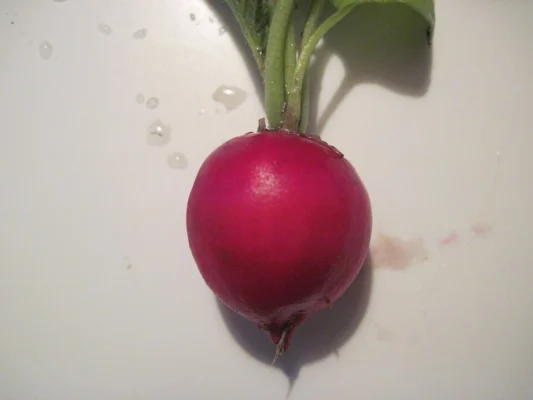
Radishes are fast, simple and satisfying.
They are one of the easiest crops for children and beginners because they grow quickly and are usually ready in a matter of weeks. Radishes do not need a large space and can be grown in pots, beds or between slower growing vegetables.
They are best sown little and often, rather than all at once.
There are a vast amount of radish colours and types that can be grown in the UK but the most popular are the classic round red radish, the oblong French Breakfast, the long white Mooli (Daikon), and the striking purple radish

Best for: quick results, small spaces and children

3. Potatoes
AH the beloved potato! Another staple in the british diet.

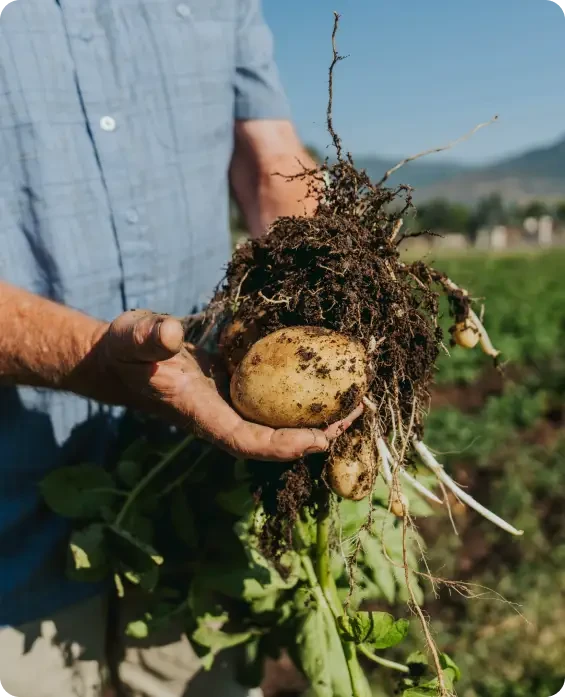
Potatoes are one of the most rewarding vegetables to grow in the UK. They can be grown in the ground, raised beds, large pots or potato bags. For beginners, growing potatoes in containers can be especially satisfying because harvesting feels like digging for treasure.

Early potatoes are a good starting point because they are usually quicker and can be harvested before some of the main crop problems arrive later in the season. 

Maris Piper and King Edward are iconic British potato varieties facing severe threats from crop diseases like late blight, leading Scottish scientists to research more resilient new breeds however a good starter potato to grow is the Désirée potato. This potato is a red-skinned main-crop potato originally bred in the Netherlands in 1962. It has yellow flesh with a distinctive flavour and is a favourite with allotment-holders because of its resistance to drought, and is fairly resistant to disease.

Best for: bags, containers, gardens and allotments

4. Runner Beans
Runner beans are a classic British garden crop. They grow upwards, which makes them useful where space is limited. They do need support, such as canes or a frame, but once established they can crop generously.
Runner beans like moisture, sun and regular picking. The more often you pick, the more useful the plant becomes.
The easiest runner bean variety in the UK that resists becoming leggy and overgrown is ‘Polestar’, a heavy-cropping, stringless variety.

Why Polestar Is Ideal

Best for: sunny gardens, raised beds and vertical growing

5. Courgettes

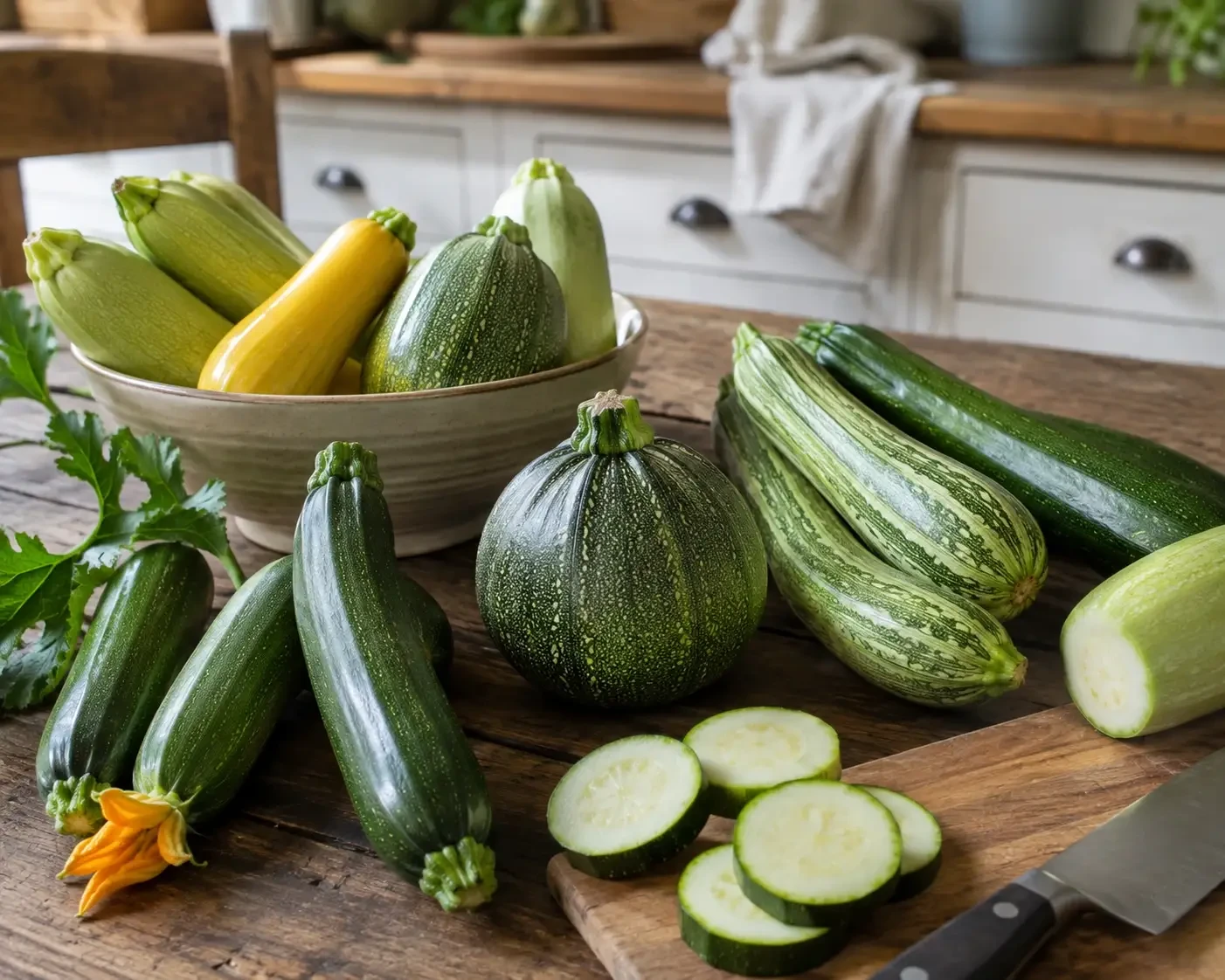
Courgettes are famously productive. One healthy courgette plant can produce a lot of food, sometimes more than expected. They are a good choice for beginners with a sunny garden, raised bed or large container.

They do need space, warmth and regular watering, but they are not complicated once established.

Round and yellow courgette varieties, such as Tondo di Piacenza, Eight Ball, and Gold Rush, are widely considered the most flavourful because they offer a sweeter, nuttier, and more concentrated taste than standard long green types.

Best for: sunny gardens, raised beds and large pots

6. Beetroot

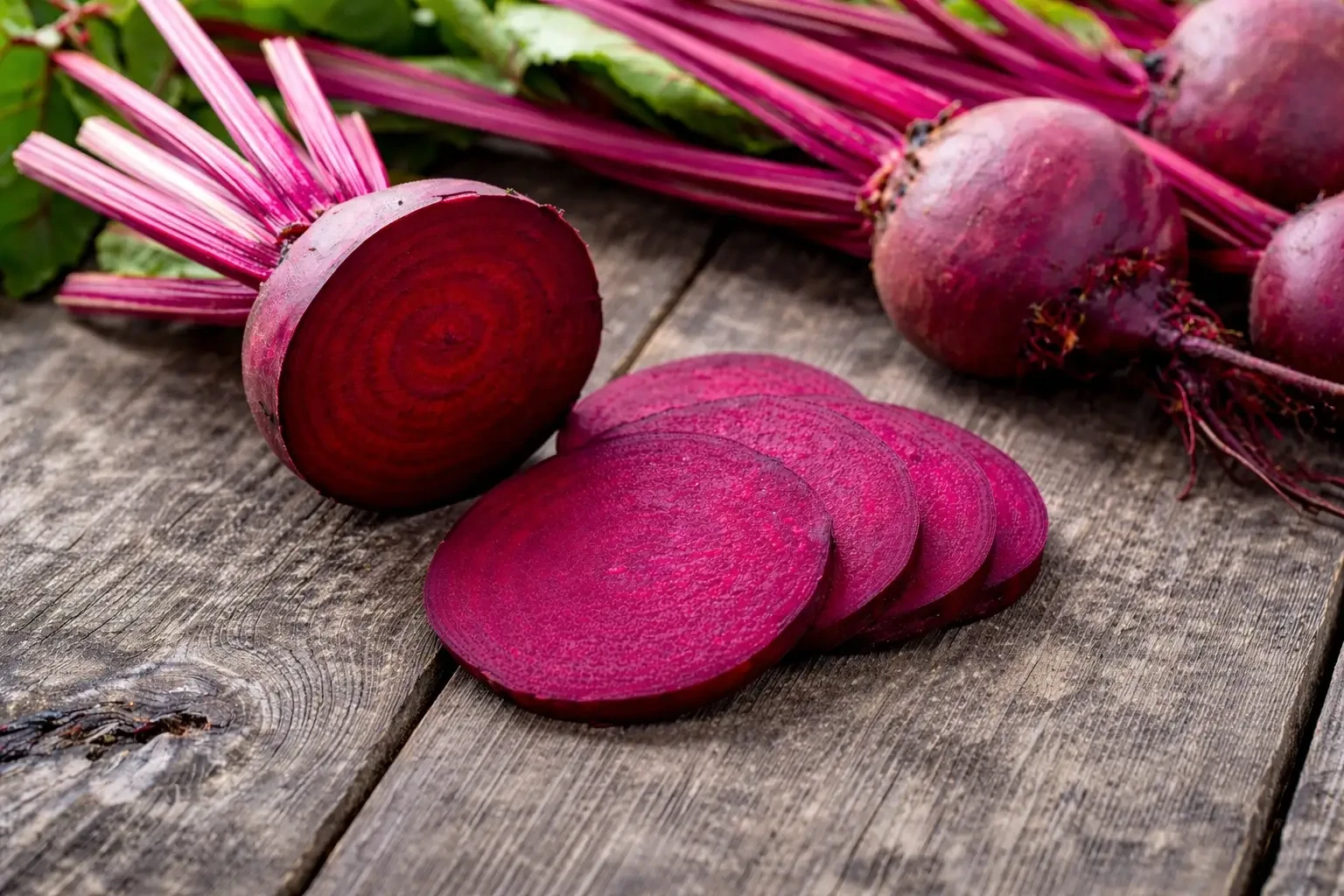
Beetroot is reliable, colourful and useful in the kitchen. It can be grown in beds, raised beds and containers. Both the roots and young leaves can be used, which makes it a practical crop for beginners.
Beetroot is also forgiving. It does not usually demand perfect conditions and can be sown in small batches through the growing season.
Boltardy is the most popular and reliable hardy beetroot variety in the UK, prized for its exceptional resistance to bolting in cold or fluctuating spring weather

Best for: raised beds, containers and garden rows

READY TO MAKE YOUR ACCOUNT?

Create Your Free Account in 4 simple steps

7. Carrots

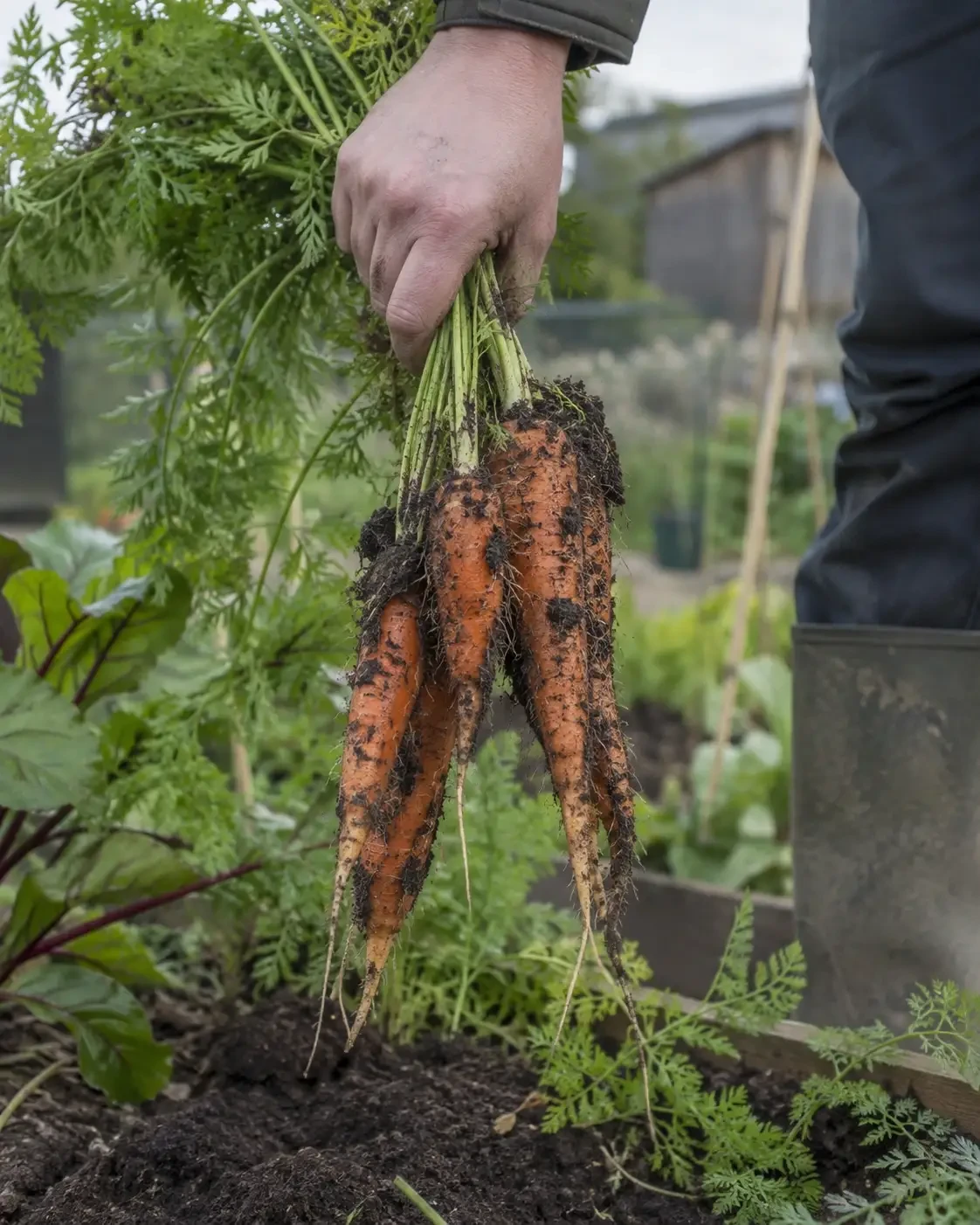
Carrots are popular, but they need slightly more care than radishes or salad leaves. They grow best in loose, stone free soil. If your garden soil is heavy or stony, try growing shorter carrot varieties in containers or raised beds.
Carrots are still a good beginner crop because they are familiar, useful and rewarding, especially when pulled fresh from the soil.

Top 3 Varieties

Best for: raised beds, containers and loose soil

8. Spring Onions

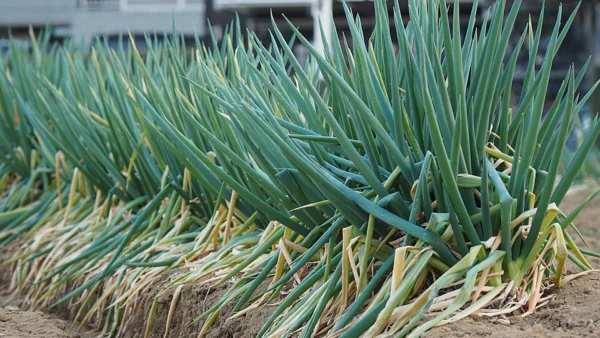
Spring onions are simple, compact and useful when considering the easiest vegetables to grow in the UK.
They do not need much space and can be grown in pots, beds or window boxes. They are ideal for beginners because they can be harvested young and used in salads, stir fries, soups, sandwiches and simple meals.

These products allow skilled butchers to demonstrate craftsmanship beyond basic meat cutting. They can also create distinctive products that customers cannot simply compare against supermarket prices.

Best for: pots, small gardens, allotments and windowsill style growing

9. Peas
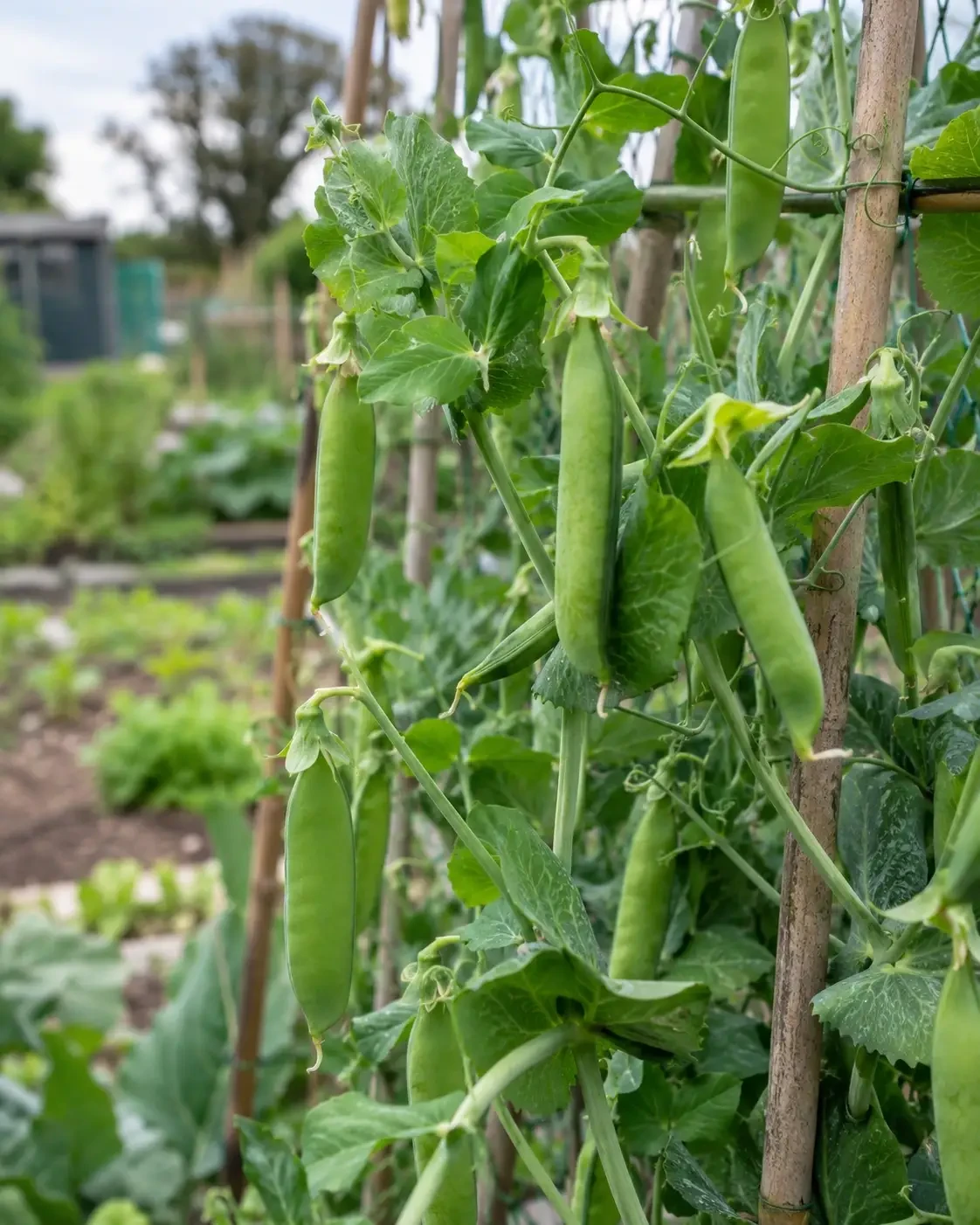
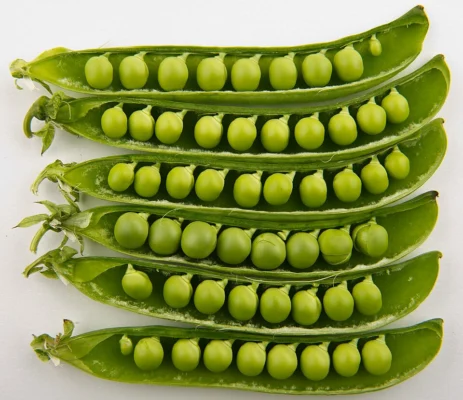
Peas are a cheerful crop to grow, especially for children. They need some support, but they are not difficult. Pea shoots can also be harvested young, which gives beginners an earlier result even before pods form.
Peas prefer cooler conditions, which can suit the UK growing season well.

Best for: beds, containers and children’s growing projects

10. Chard
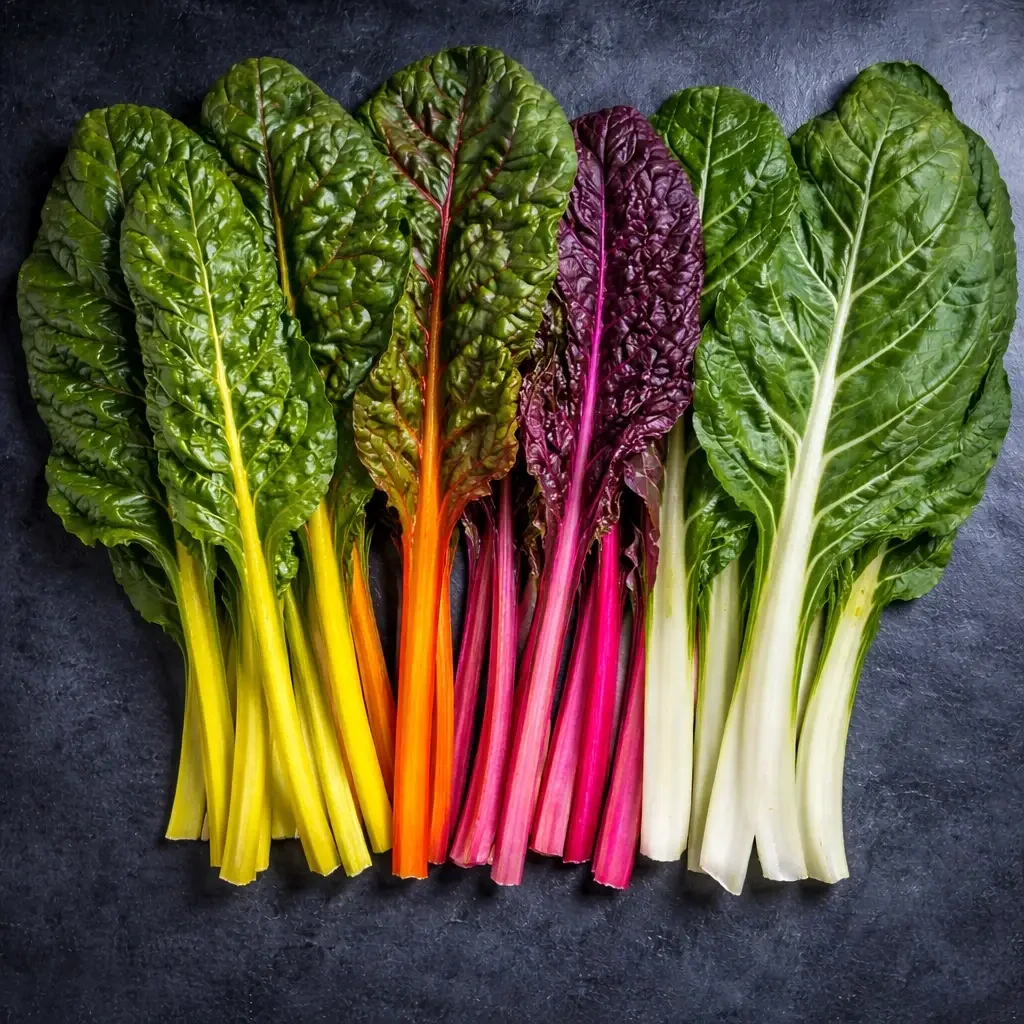
Chard is one of the most useful easy vegetables to grow in the UK. It is hardy, colourful and productive. You can pick leaves over a long period, and it can be used in similar ways to spinach.
Chard is a good crop for people who want something that keeps giving rather than a one time harvest.
Chard comes in different colors because of specific natural plant pigments—primarily betalains (like betanin for reds and pinks) and carotenoids for yellows and oranges—which are bred into distinct plant varieties

raised beds, gardens and allotments

11. Kale
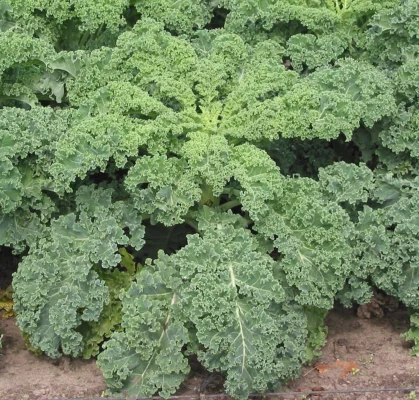
Kale is a strong choice for UK growers because it copes well with cooler weather. It is useful for autumn and winter eating and can be grown in gardens, raised beds or larger containers. Young leaves can be picked for salads, while mature leaves are useful for cooking.
Caledonian is widely recognized as one of the highest-yielding forage kale varieties available in the UK, producing massive tonnages of dry matter per hectare alongside strong clubroot tolerance

Best for: cooler weather, gardens and allotments

12. Herbs
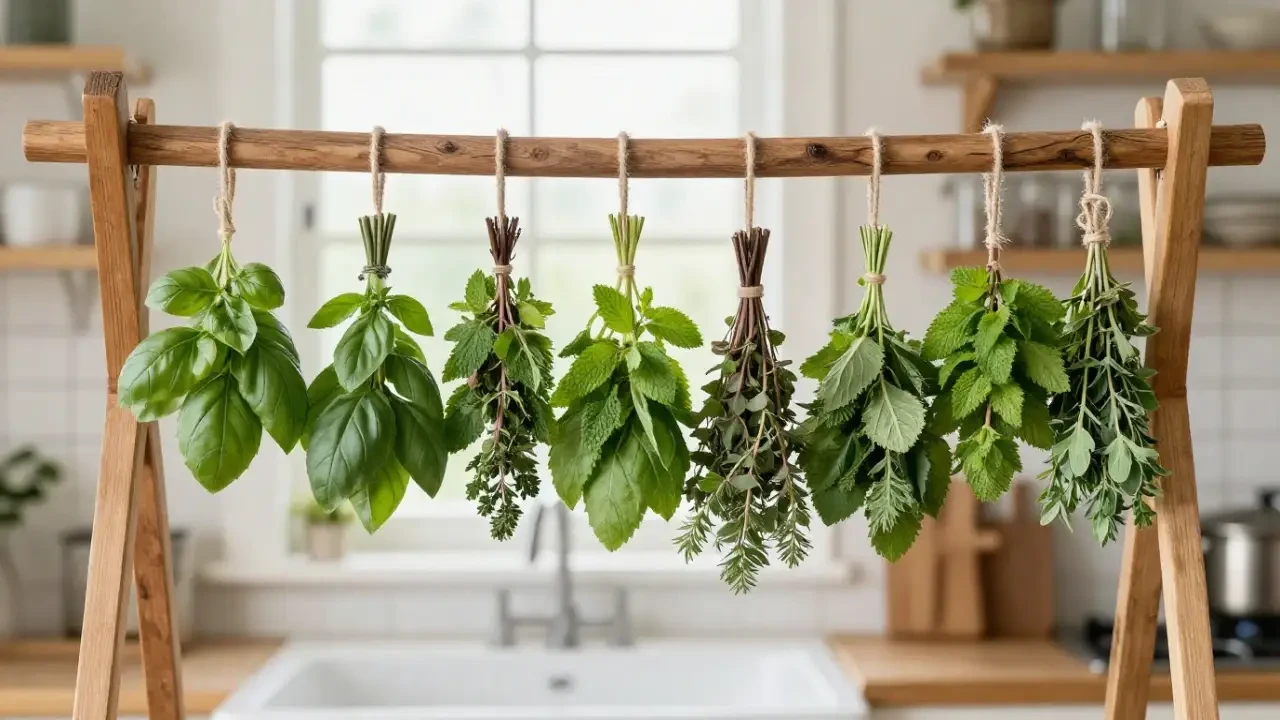
Although herbs are not always treated as vegetables, they are one of the easiest ways to start growing food. Parsley, chives, mint, thyme, rosemary, coriander and basil can all be useful in everyday cooking. Some herbs are easier outdoors, while others prefer warmth.
We are all mint drinkers here at BFFD but we have noticed that mint should usually be grown in a pot because it can spread quickly.

raised beds, gardens and allotments

What Month Should You Start Growing Vegetables in the UK?

In the UK, many vegetables can be started from spring, once light levels improve and the weather begins to warm.
Some hardy crops can be sown earlier under cover, while tender crops need warmer conditions and should not be planted outside too early.
As a simple beginner rule:
Seed packets are useful because they give crop specific timings. For beginners, following the packet is often better than trying to memorise the whole gardening calendar. But starting from seed can lead to higher chances of seedling faliure so sometimes prebought seedlings are the way to go.

TRY OUR PLANTING CALENDAR TO ORGANISE YOUR PLOT

Do you grow British vegetables?

List your vegetable growing business, market garden, farm shop supply route or British produce range on BFFD and help people understand what you grow, when it is available and how to buy.

Common Mistakes Beginners Make

Starting Too Big

A large vegetable patch sounds exciting, but it can quickly become too much. Start small and expand once you understand how much time watering, weeding, sowing and harvesting takes.

Sowing Too Much at Once

If you sow a whole packet of salad or radish seed in one go, you may get too much at once. Small repeat sowings are usually better.

Planting Tender Crops Too Early

Courgettes, beans and tomatoes do not like cold conditions. Wait until the weather is suitable before planting them outside.

Forgetting to Water Containers

Pots and grow bags dry out quickly. In warm weather, they may need regular checking.

Not Harvesting Regularly

Some crops need picking to keep producing. Runner beans, courgettes, salad leaves and herbs are better when harvested often.

Expecting Everything to Work

Not every seed will grow. Not every plant will succeed. That is normal. Growing food is practical learning. Each season teaches you something.

Reputable External Sources

Use this for vegetable growing advice

Use this to understand how to grow organic food.

Use this for food business setup and safe operation context.

Use this for allotment guidance.

Use this for starting a food business. 
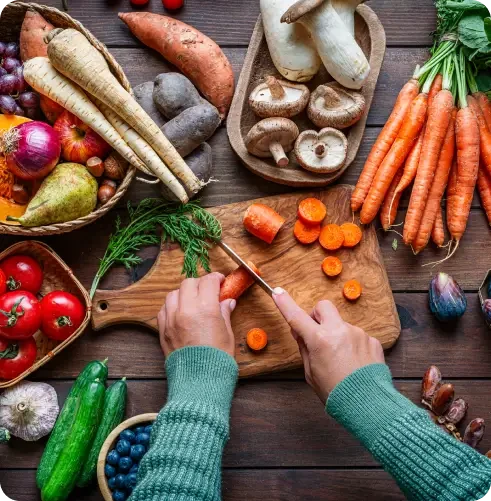
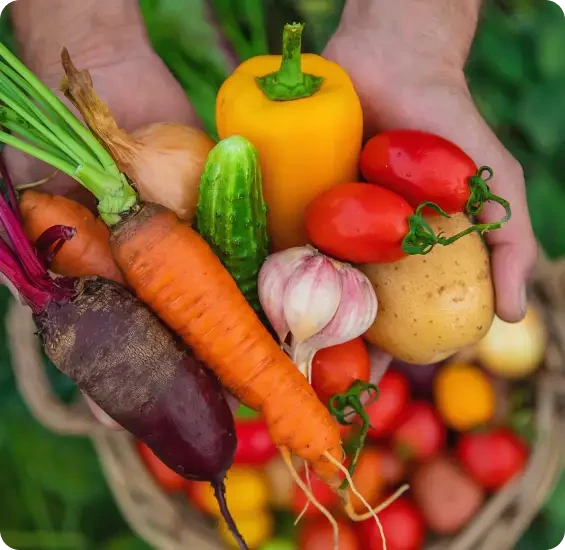
lots of veg on a table

helpful links

Related Butcher Pages

Related BFFD Pages

FAQ

What are the easiest vegetables to grow in the UK?
The easiest vegetables to grow in the UK include salad leaves, radishes, potatoes, runner beans, courgettes, beetroot, spring onions, carrots, peas, chard, kale and herbs.
Beginners should start with quick and forgiving crops such as salad leaves, radishes, potatoes, spring onions, beetroot and herbs. These are useful, manageable and do not need specialist equipment.
Radishes, salad leaves, pea shoots, spring onions and some baby leaf crops grow quickly in UK conditions.
Easy vegetables for pots include salad leaves, radishes, herbs, carrots, spring onions, potatoes, beetroot, chard and dwarf beans.
Radishes, peas, potatoes and salad leaves are good beginner crops for children because they are simple, visible and rewarding.
Yes. A small garden can grow salad leaves, radishes, potatoes, courgettes, beans, herbs, carrots, beetroot and spring onions if the space gets enough light.

Yes of course. Many vegetables can be grown in back gardens, raised beds, pots, grow bags, patios, balconies and containers.

No vegetable is effortless all year round, but hardy leaves, chard, kale and some salad crops can extend the growing season. Timing depends on variety, weather and growing conditions.

Start Growing Simple Vegetables at Home

You do not need to grow everything to start making a difference. Begin with one pot, one raised bed or one small patch of garden. Grow salad leaves, radishes, potatoes, herbs or beans. Learn from the season, enjoy what works and try again when something fails.