Follow us:

Looking For The Best Apple Chutney Recipe?

Turning left over cooking apples into something rich, sharp, sweet and deeply useful.
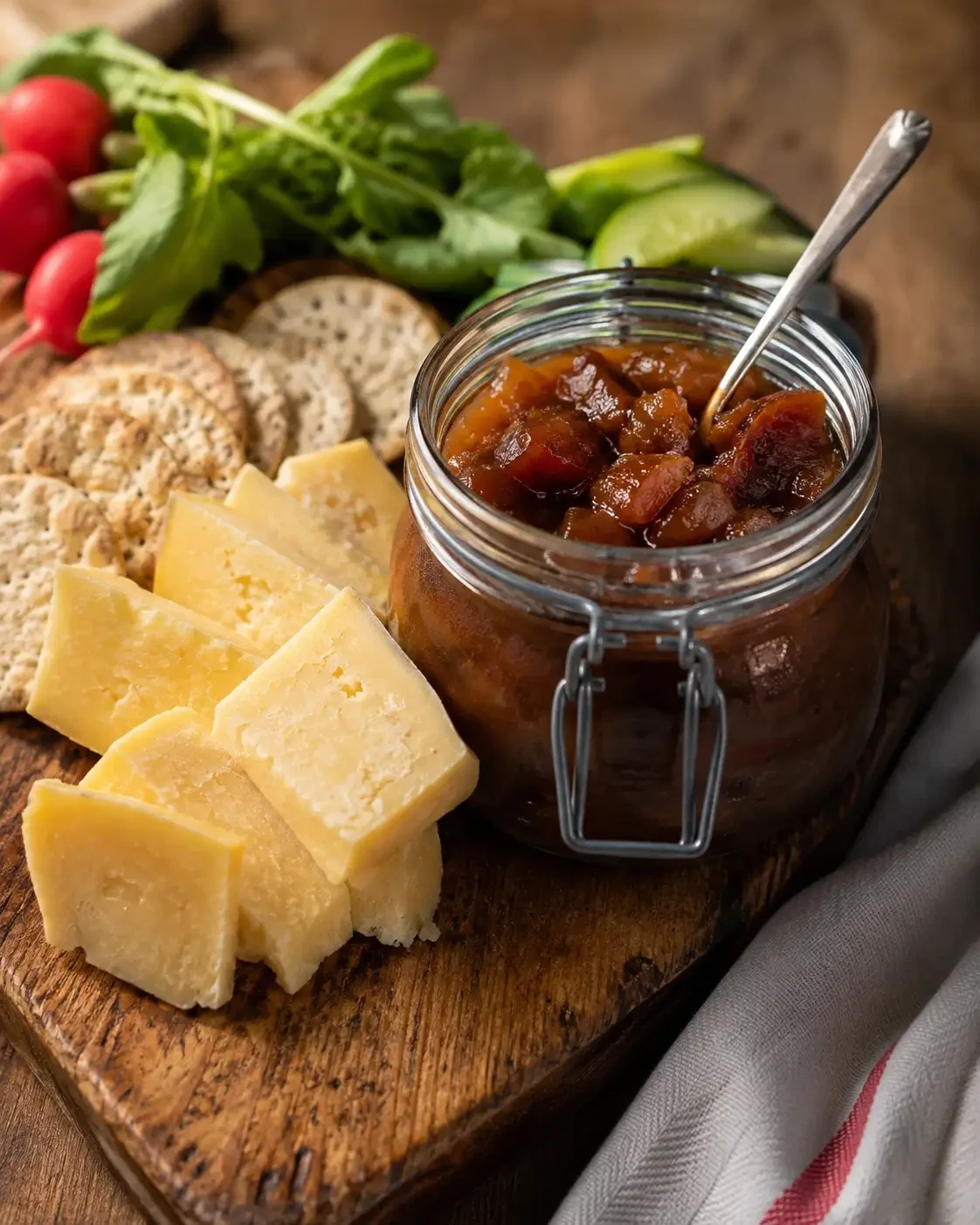
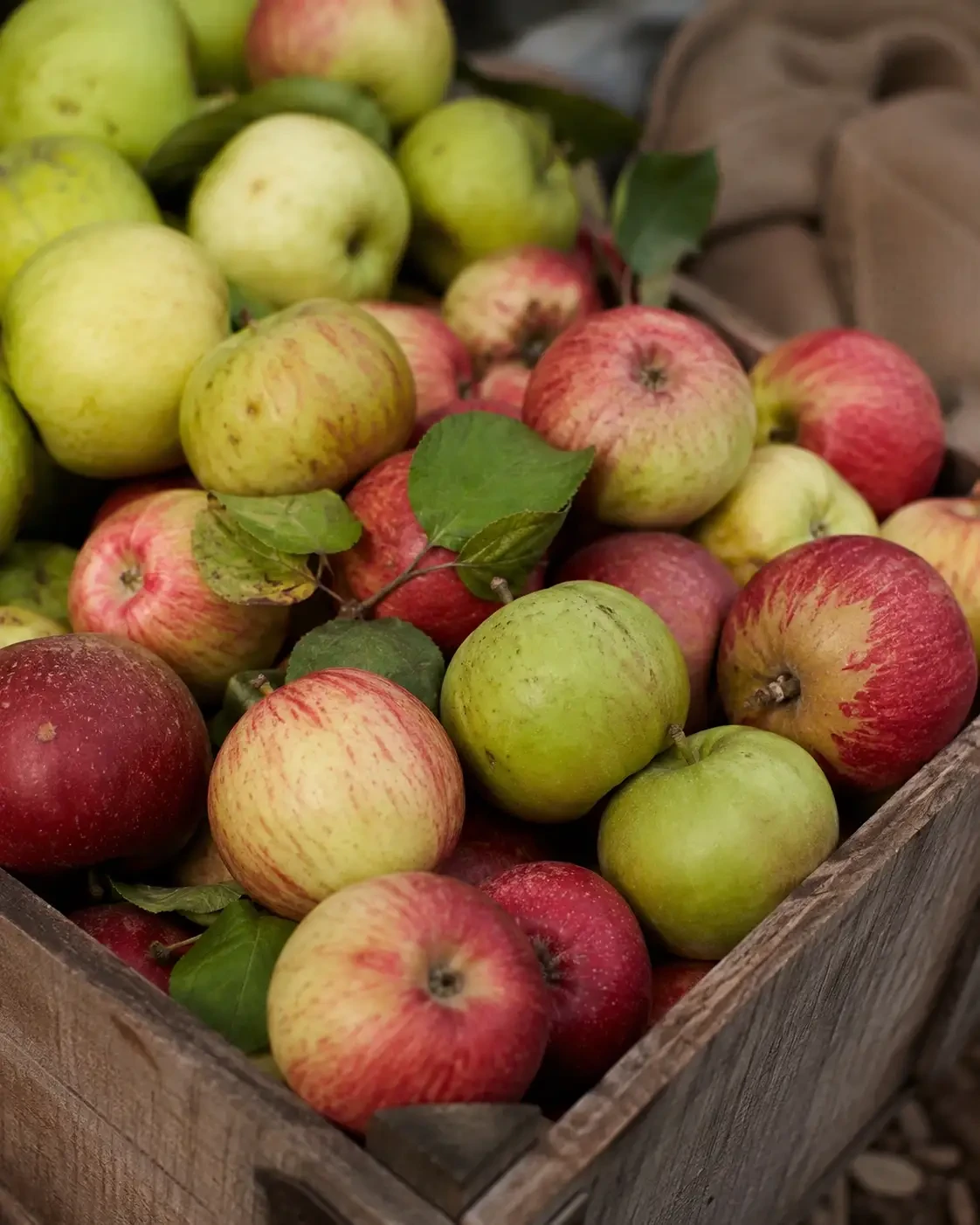
Apple chutney belongs naturally in British kitchens, farm shops and autumn food tables. It sits beside cheese, cold meats, pork pies, sandwiches, ploughman’s lunches, crackers, baked potatoes, toasties and winter hampers. It is also one of the best preserve recipes for using apples that are plentiful, slightly marked or too sharp to eat fresh. Buy From Farmers Direct is being built to help people make better use of seasonal food, support fruit growers and understand the small producers behind local jams, chutneys and preserves.
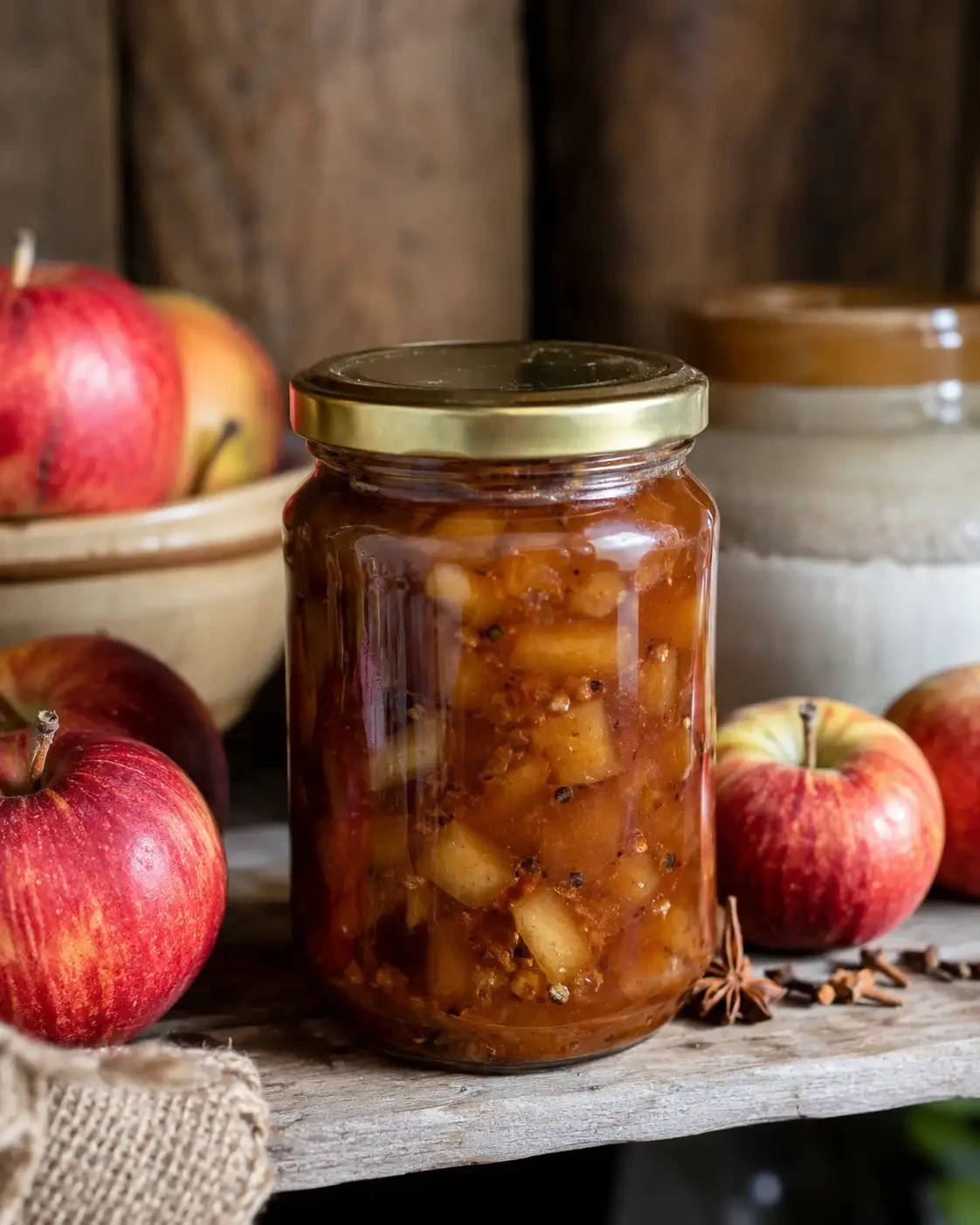
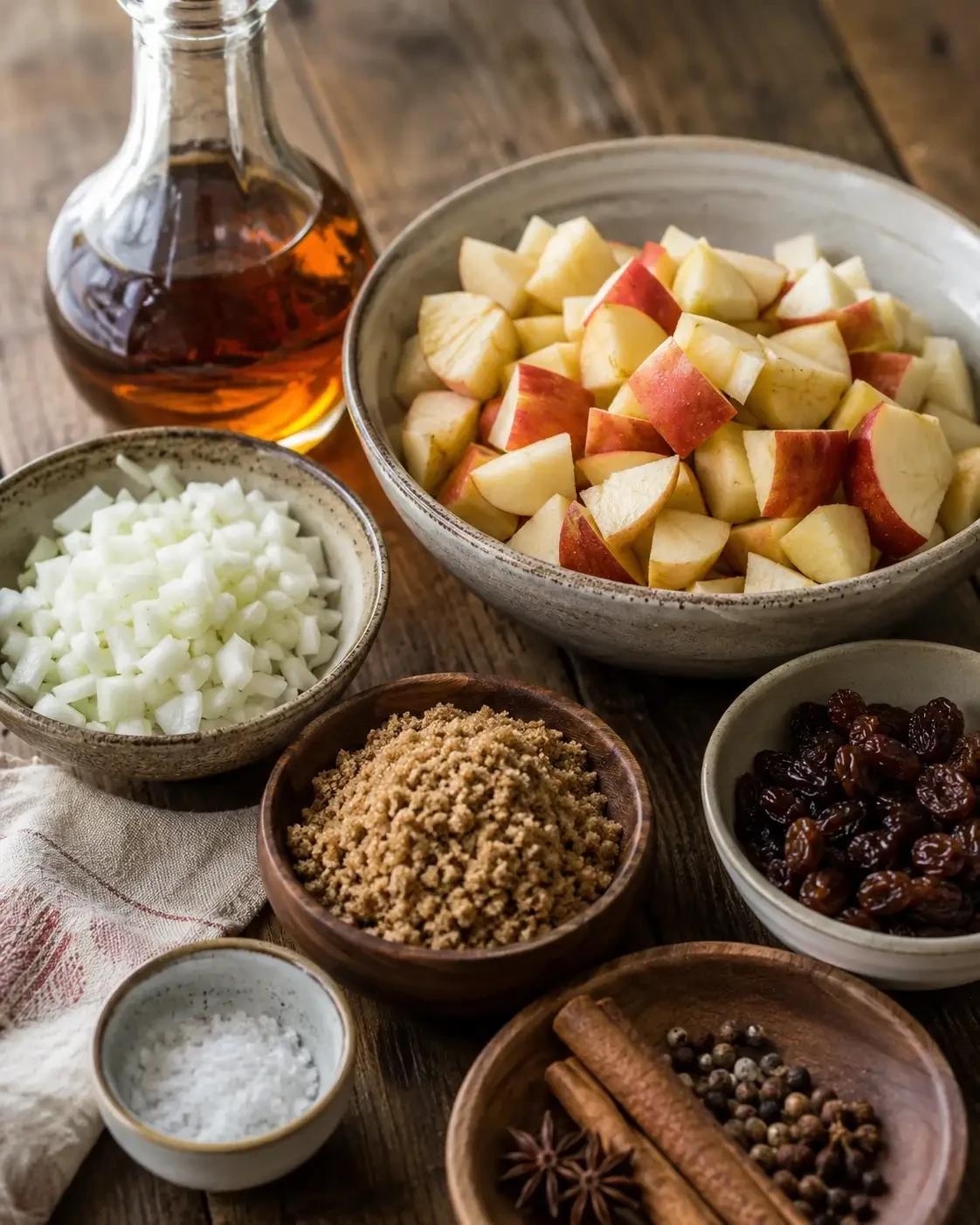
The best apple chutney recipe uses chopped apples, onions, vinegar, brown sugar, salt and warm spices such as ginger, cinnamon, mustard seed or cloves. The mixture is simmered slowly until thick, glossy and spoonable, then placed into clean, sterilised jars. Apple chutney is best left to mature for several weeks before eating, as the vinegar sharpness softens and the flavours become deeper. If apple chutney is made for sale, the maker should check food hygiene, labelling, allergen, shelf life and food business guidance before trading.

The Best Apple Chutney Recipe

Ingredients:

Method:
Best served with

Preservation Tips

All chutneys, relishes, spreads are best kept at the back of a cold fridge and once opened best consumed within approx 2 weeks.
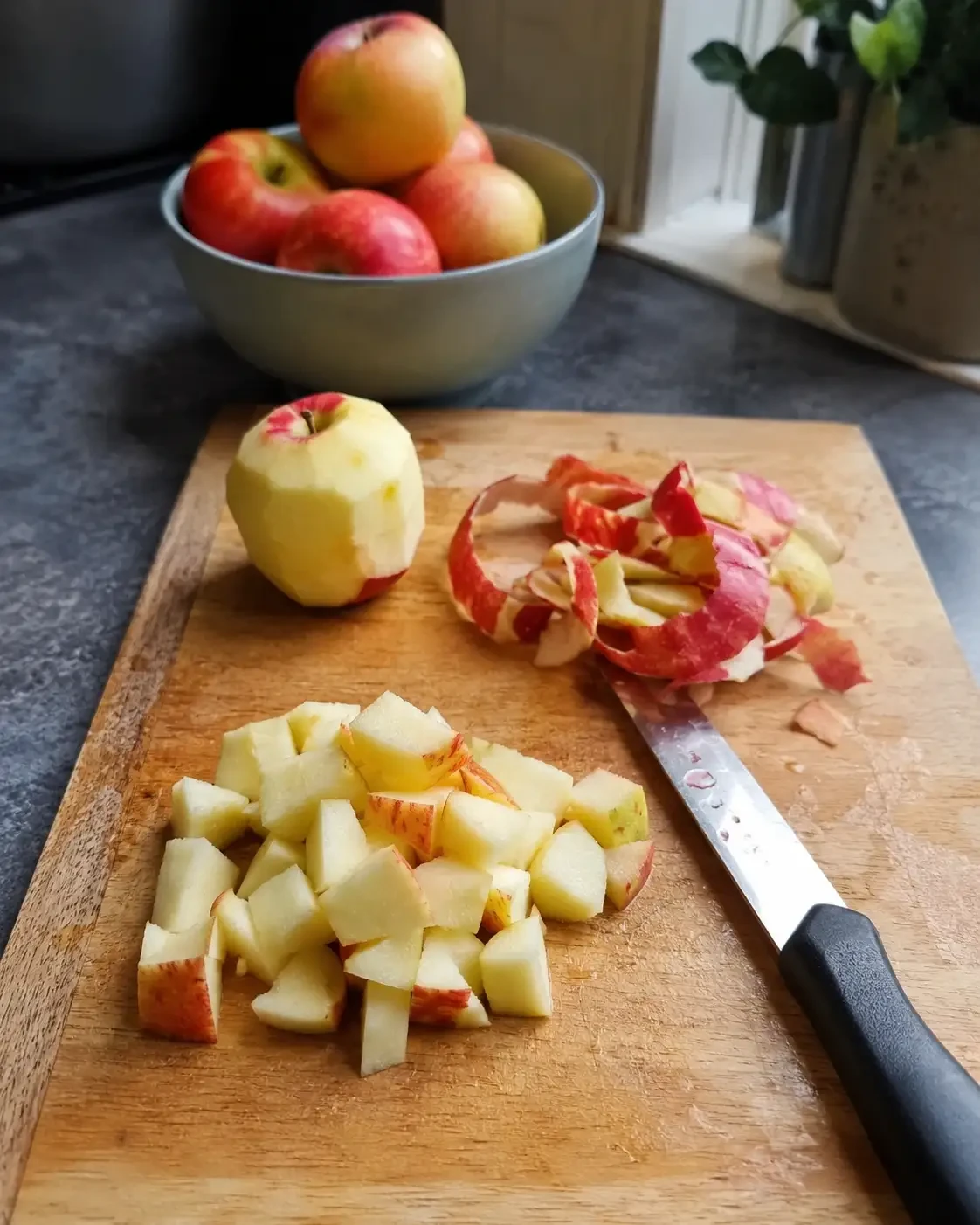
washed cooking apples

Apple Chutney Recipe Summary

Ingredients

Apples, onions, vinegar, brown sugar, raisins or sultanas, salt and spices.

Cooking method

Simmer slowly until thick, glossy and spoonable.

Best flavour

Leave to mature for several weeks.

Best pairings

Cheese, pork pies, sandwiches, ploughman’s lunches, cold meats and festive hampers.

Best producer link

Apple chutney works especially well with orchard fruit, farm shop kitchens and seasonal surplus.

The Love of Apple Chutney

Apple chutney works because apples carry sweetness, acidity and body.
When cooked with vinegar, sugar, onions and spices, apples soften into a thick preserve that balances sharpness and sweetness. The vinegar gives chutney its tang. The sugar rounds the flavour. The onions add depth. The spices bring warmth. Raisins or sultanas add texture and a richer autumn feel.
This makes apple chutney useful across the year, especially with savoury food.
It is also a practical recipe for orchards, fruit growers and farm shops because apples are often available in volume during the season.

The Big Question: What Are Best Apples for Apple Chutney

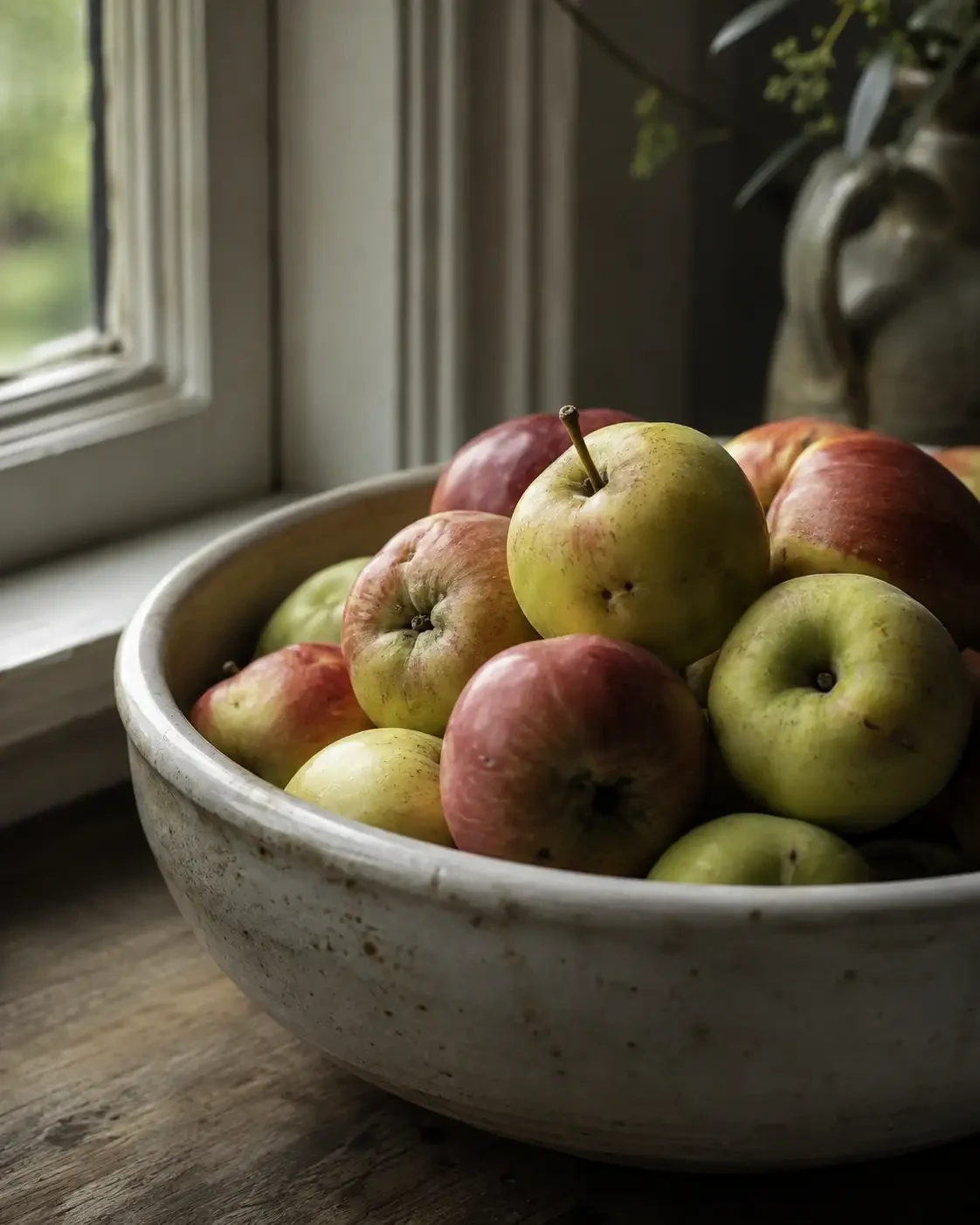
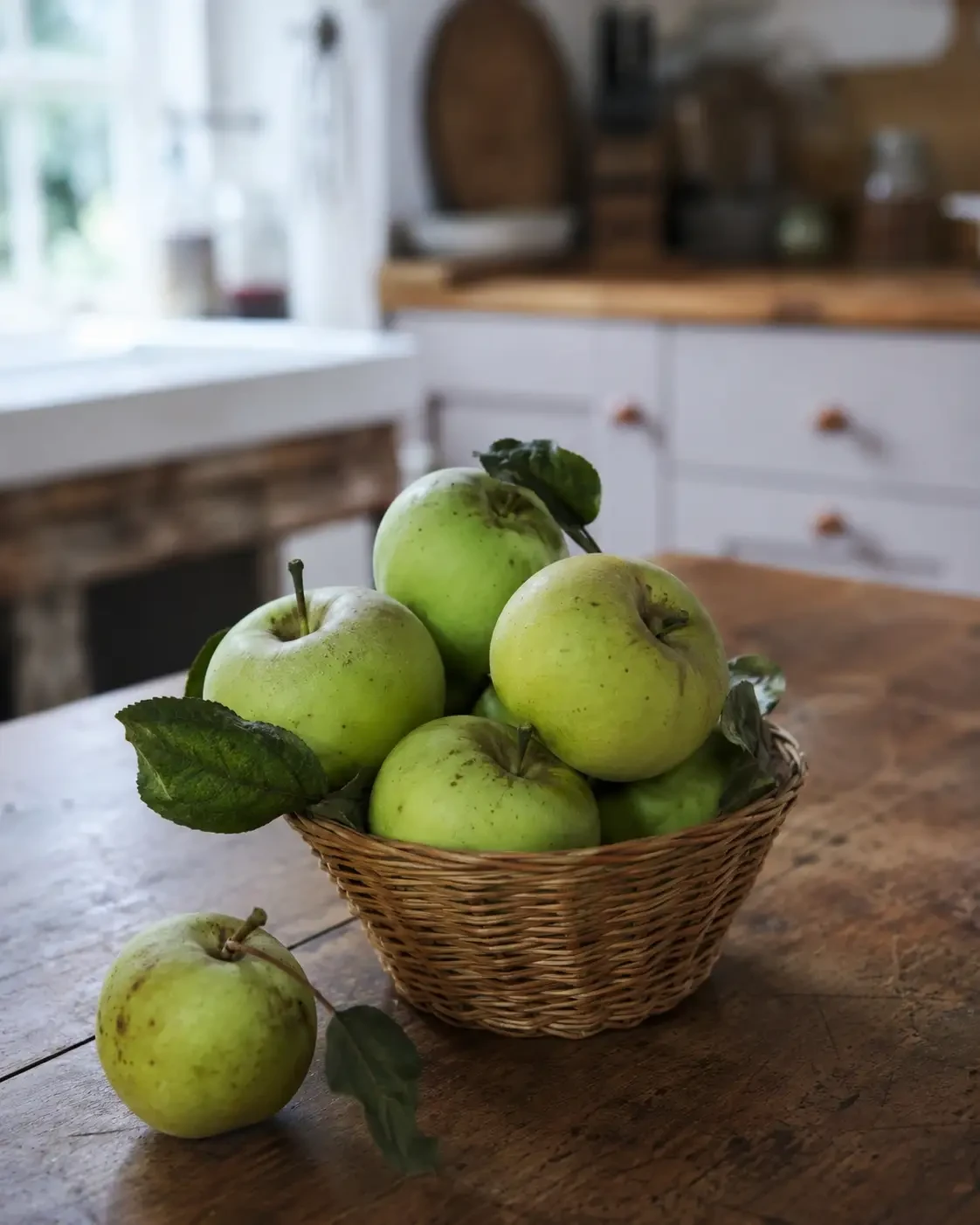
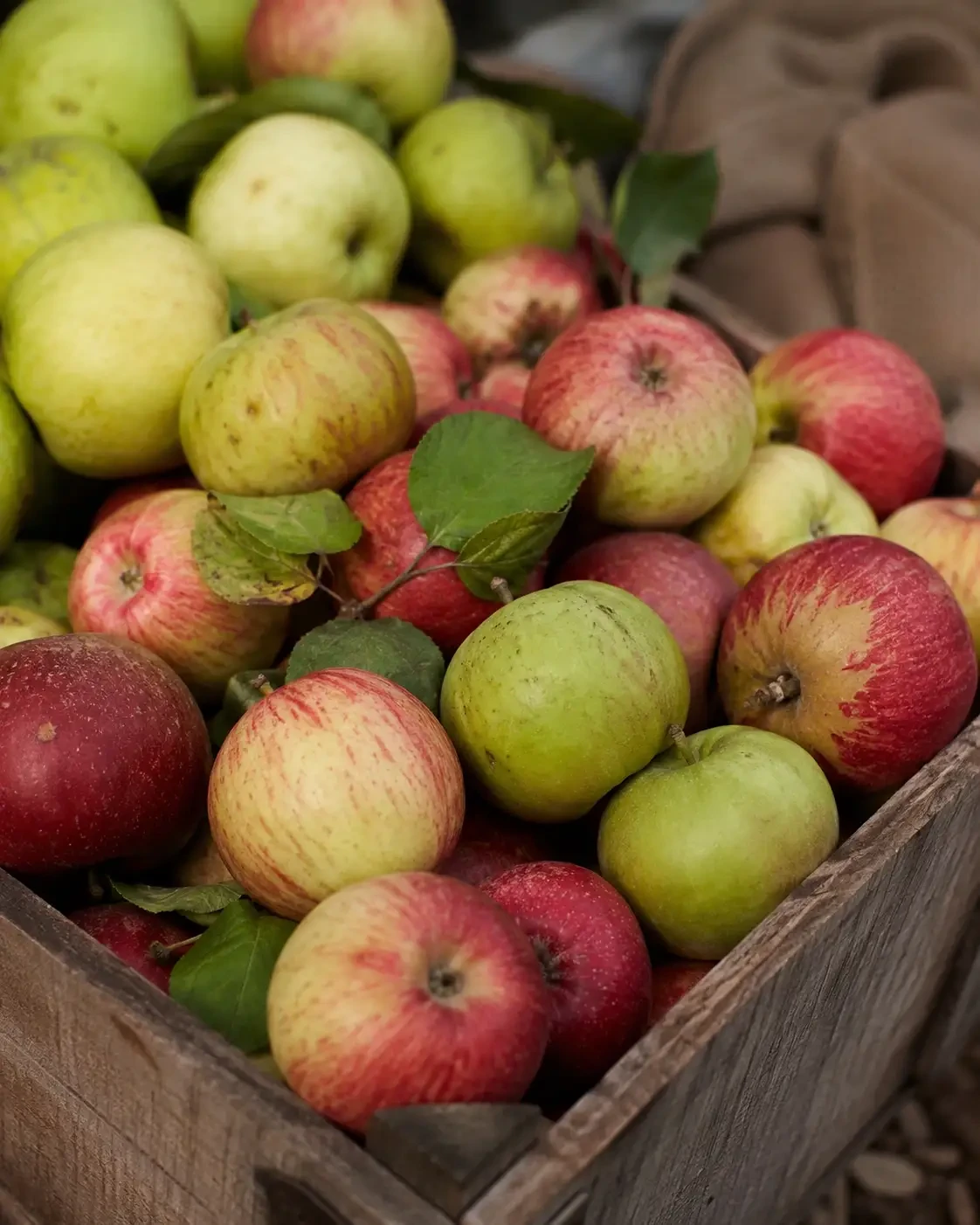
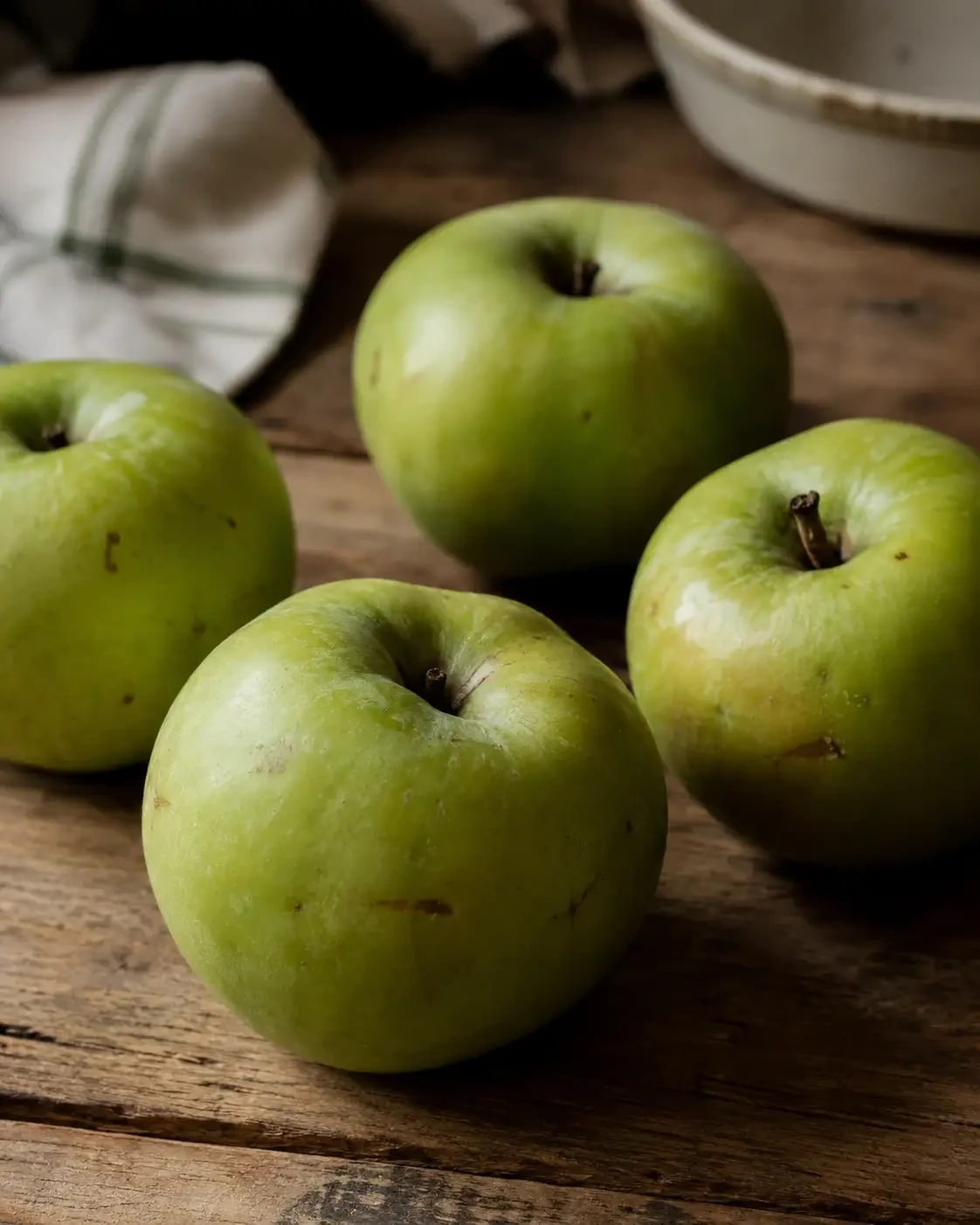
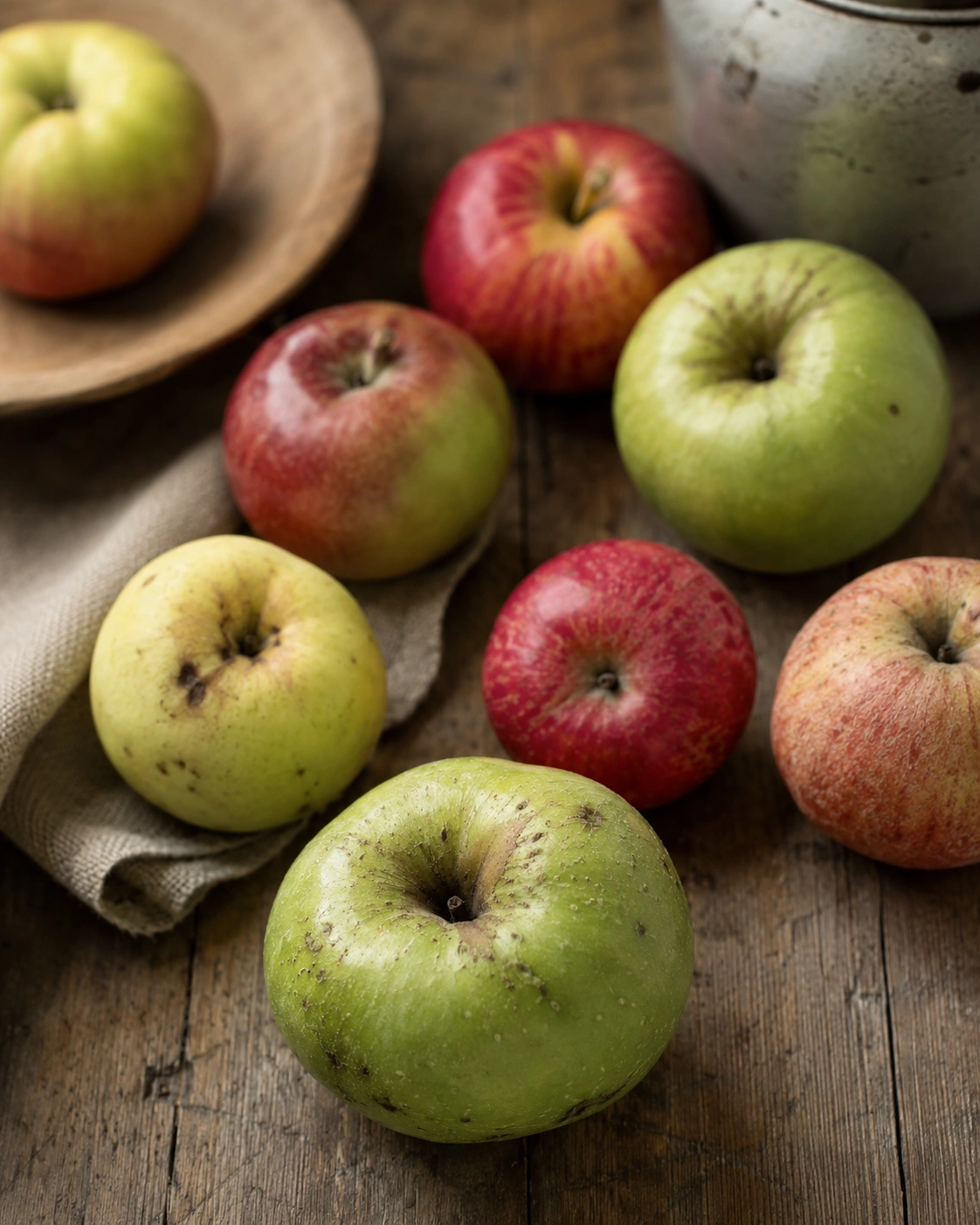
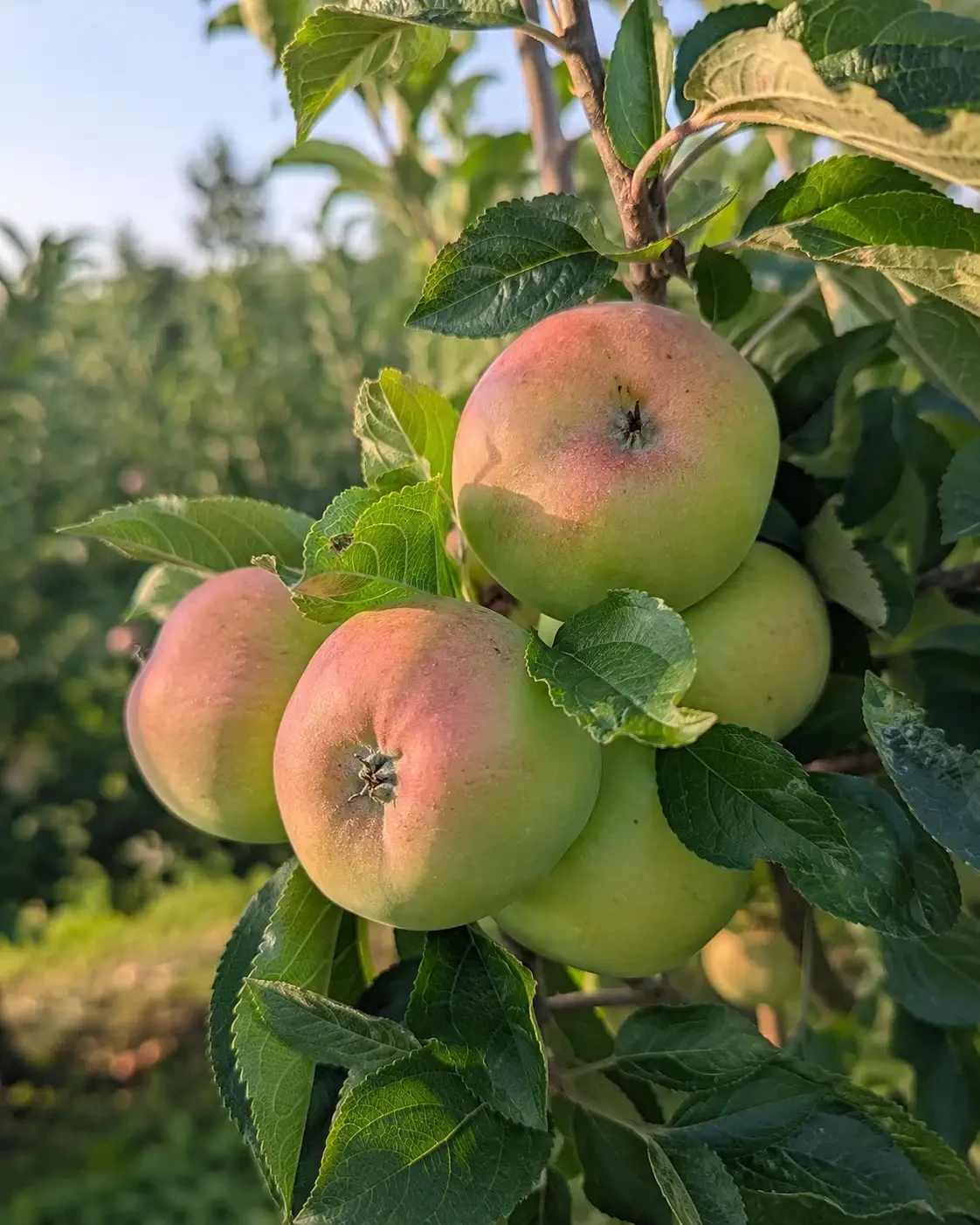
The best apples for chutney are usually firm, full flavoured apples that hold enough texture when cooked.
Cooking apples can work well because they bring sharpness and body. Eating apples can also be used, especially when mixed with sharper varieties. A blend often gives the best result.
Good apple options may include:

Avoid using spoiled fruit. Slightly marked apples can be trimmed and used where safe, but mouldy or rotten fruit should not go into chutney. Why not check out your local apples and orchards to acquire the best apples.
Using Orchard Gluts

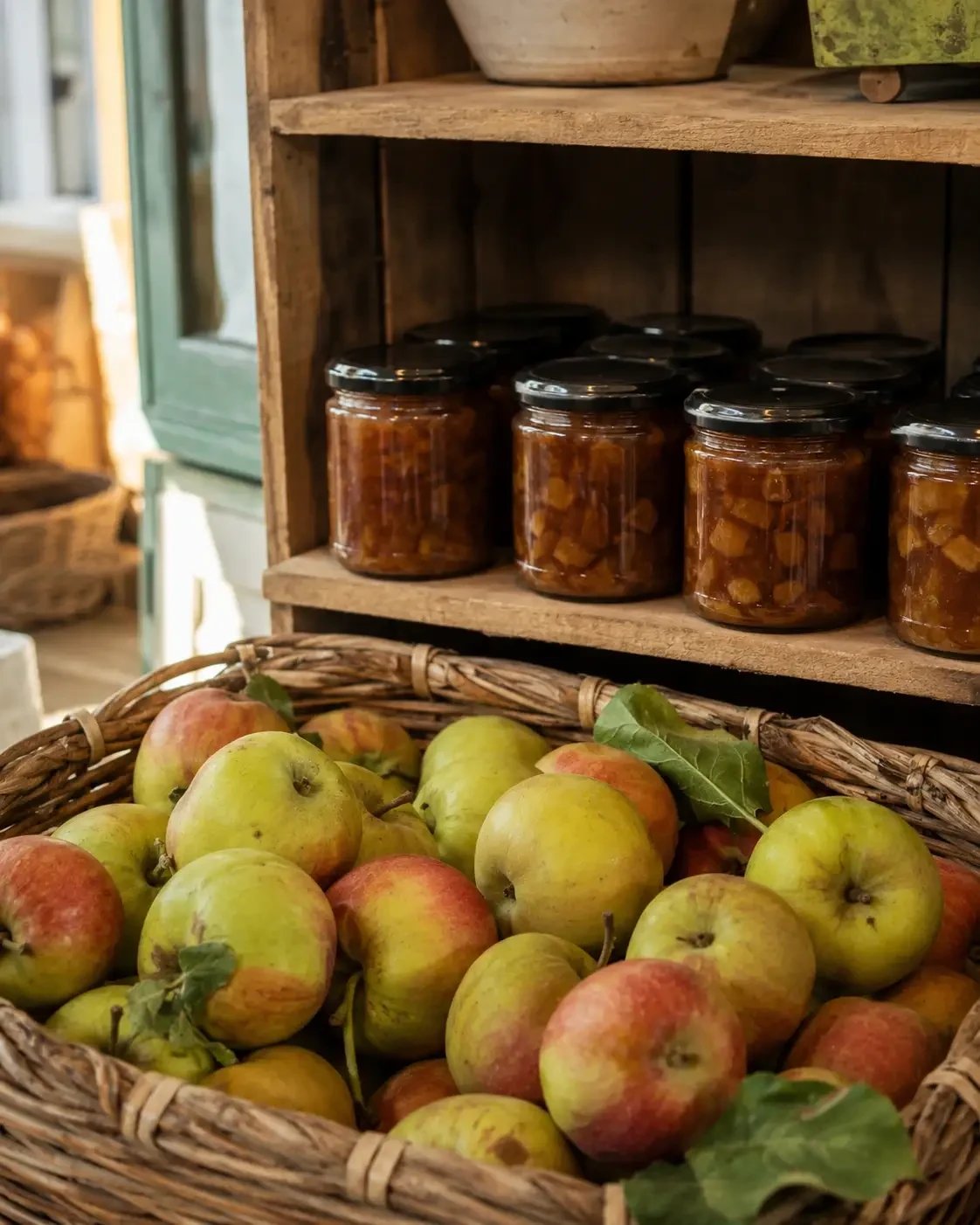
Apple chutney is one of the best recipes for orchard gluts.
When apples arrive in quantity, not every apple will be perfect enough for fresh sale. Some may be too small, oddly shaped or lightly marked. If the fruit is sound and safe, chutney can be a useful way to make the harvest go further.
This matters for fruit growers and farm shops.
A glut does not have to become waste. It can become chutney, juice, compote, dried apple, apple sauce, cider vinegar or baked goods.

Apple Chutney and British Orchards

Apple chutney has a natural link to British orchards.
Apples are one of the country’s most recognisable fruits, and many regions have strong orchard traditions. A jar of apple chutney can carry that sense of place, especially when the apples come from a named orchard, farm shop, garden, community harvest or fruit grower.
For BFFD, this is where recipe content becomes producer support.
The recipe is not only about making chutney. It is about helping people understand the value of local apples and the producers who grow them.

Apple Chutney and Farm Shops

Farm shops are a natural home for apple chutney.
A farm shop may make apple chutney using apples from its own orchard, nearby growers or seasonal surplus. It may sell chutney alongside cheese, pork pies, bread, crackers, hampers and local meats.
A strong farm shop display should show:

Apple Chutney and Farmers Markets

Farmers markets are excellent places to sell or showcase apple chutney.
Customers can taste the chutney, ask about the apples, learn how spicy or sweet it is, and understand what foods it pairs with. A producer can explain whether the chutney is made in small batches, whether the apples are local and whether the recipe changes by season.
This direct conversation helps turn a simple jar into a local food story.

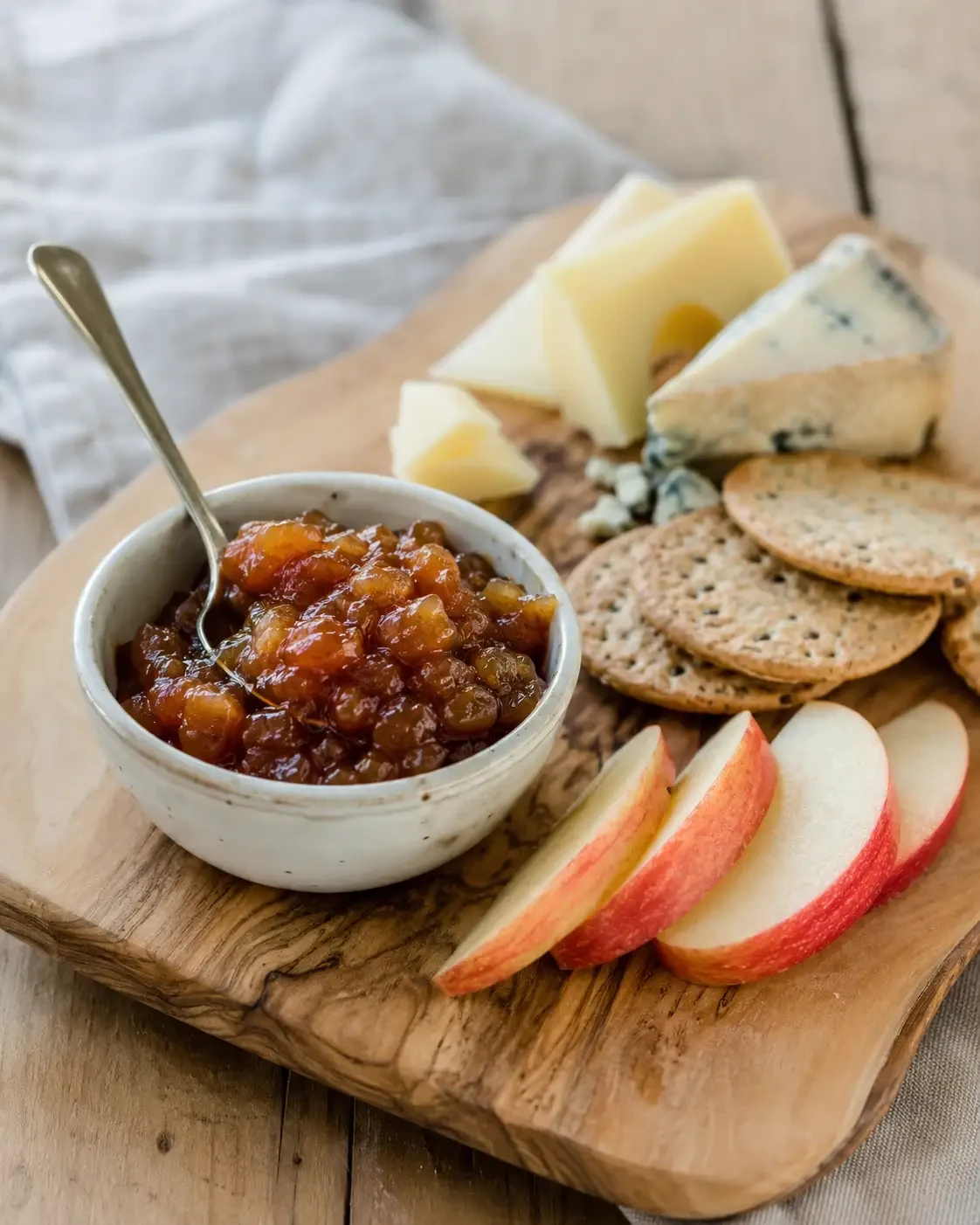
Apple Chutney and Cheese

Apple chutney is one of the best chutneys for cheese.
Its sweet acidity cuts through rich cheddar, blue cheese, goat’s cheese, creamy brie style cheeses and farmhouse cheeses. It also works well in cheese toasties, cheese sandwiches and ploughman’s lunches.
For farm shops and cheesemongers, apple chutney is an easy pairing product.
A local apple chutney placed next to local cheese can help customers build a complete food basket.

Apple Chutney and Pork Pies

Apple chutney pairs well with pork pies because it brings sweetness, acidity and spice. The chutney cuts through rich pastry and meat, making it useful for lunch boards, picnics, farm shop counters and festive hampers. This connection matters because farm shops often sell chutneys alongside pies, cooked meats, cheeses and savoury bakery items.
Apple chutney is not just a preserve. It is a companion product for the whole farm shop table.

Apple Chutney and Seasonal Food

Apple chutney is strongly seasonal so do consider the way you approach your product especially if you are looking for british produce, organic and local ect.
It belongs naturally to late summer, autumn and winter. Apples are harvested, kitchens become cooler, preserving pans come out, and farm shops begin preparing for hampers, Christmas ranges and hearty food displays.
Seasonality gives apple chutney its character.
A jar made with British apples in autumn feels different from a generic year round product. It carries the rhythm of the orchard.

Apple Chutney and Food Provenance

Food provenance matters with apple chutney because the ingredients can tell a story.
A jar becomes more meaningful when customers know the apples came from a local orchard, the onions came from a nearby grower, the chutney was made in a farm shop kitchen or the recipe is part of a family preserving tradition.
Good provenance information may include:
BFFD connects chutney with provenance because preserved food should still trace back to real people and real produce.

Apple Chutney and Reducing Food Waste

Apple chutney can help reduce food waste when made with sound fruit that might otherwise be overlooked.
Apples that are too sharp, small or lightly marked can still be useful. The important thing is to use safe, good quality fruit and remove damaged areas carefully. Rotten or mouldy fruit should not be used.
For growers, chutney can turn surplus into shelf stable value. For households, it can turn a heavy apple harvest into jars that last. For farm shops, it can become a practical seasonal product.

Selling Chutney note

f tomato chutney is made for sale, check food business registration, food hygiene, allergen information, labelling, shelf life, batch records, storage and traceability guidance before trading.

Classic Tomato Chutney Ingredients

Tomatoes

Tomatoes provide acidity, sweetness, colour and savoury depth.
Onions
Onions, shallots, red onions and alike give body and a deeper savoury flavour.
Apples
Apples can help thicken the chutney and balance the tomatoes sharp flavours.

Spices

Ginger, cumin, mustard seed, paprika and chilli can add warmth and complexity.
Sugar
Sugar balances acidity and helps create a thick, glossy texture. Some customer like sweet, others prefer a more savoury taste.
Salt

Salt is an essential element that should be used to sharpen the flavour and balance chutneys sweetness.

A range of flavour variations

Apple chutney can be adapted in many ways.
Spiced apple chutney

Add more ginger, cinnamon, cloves or mixed spice for a warmer flavour.

Apple and chilli chutney

Add chilli flakes or fresh chilli for heat.

Apple and chilli chutney

Add chilli flakes or fresh chilli for heat.

Apple and date chutney

Use chopped dates for a darker, richer chutney.

Apple and pear chutney

Mix apples with pears for a softer, sweeter preserve.

Apple and cranberry chutney

Add cranberries for a festive chutney that works well with cheese and cold meats.
Keep flavour variations sensible if selling. Recipe changes may affect allergens, labelling, consistency and shelf life.

Common Apple Chutney Mistakes

Cooking too quickly

Chutney needs slow cooking so the flavours deepen and the mixture thickens properly.

Leaving the chutney too watery

A watery chutney may not store or serve well. It should be thick and spoonable.

Not stirring enough

Chutney can catch on the bottom of the pan, especially as it thickens.

Using poor quality fruit

Slightly marked apples may be suitable if trimmed, but rotten or mouldy fruit should not be used.

Eating it too soon

Apple chutney usually tastes better after maturing for several weeks.

Selling without checking food guidance

Selling preserves brings food business responsibilities.

How Long Should Apple Chutney Mature?

How to Store Apple Chutney

Apple Chutney and Allergens

Apple Chutney and Labelling

How BFFD Helps Anyone Interested in becoming apple chutney makers

BFFD is being built to help specialist local food producers become easier to discover. For apple chutney makers, BFFD can help users find preserve producers, farm shop stockists, farmers market stalls, orchard links, local fruit growers, seasonal products and ordering routes.
A strong preserve maker listing should help users understand:

Do you make apple chutney or seasonal preserves?

List your preserve making business, farm shop range, market stall or local food brand on BFFD and help people understand your products, ingredients, stockists and producer story more clearly.

Reputable External Sources

Use this for food business registration context.
Use this for safe food business setup context.
Use this for official food hygiene context.
Use this for food safety management procedure context.
Use this for allergen information and handling context.
Use this for jam, marmalade, mincemeat and similar product composition and labelling context.

*External sources are provided for further reading. BFFD does not provide food safety, legal, trading standards, allergen, dairy hygiene, delivery, labelling or business advice. Cheesemongers, cheese makers and food businesses should always follow current official guidance and seek professional advice where required.

FAQ

What is the best apple chutney recipe?
A good apple chutney recipe uses apples, onions, vinegar, brown sugar, dried fruit, salt and warm spices, cooked slowly until thick and glossy.
Sharp cooking apples such as Bramley are excellent, but mixed orchard apples can also work well.
Yes. Apple chutney usually tastes better after several weeks because the vinegar sharpness softens and the flavours deepen.
Apple chutney goes well with cheddar, cheese boards, pork pies, cold meats, sandwiches, toasties and ploughman’s lunches.
Selling homemade apple chutney may mean you are operating a food business. Check food business registration, hygiene, allergen, labelling, storage, shelf life and traceability guidance before trading.
You can use sound windfall apples if they are safe and in good condition, but rotten or mouldy fruit should not be used.
No. Apple chutney is usually savoury, tangy and spiced with vinegar. Apple jam is sweet and fruit based.
Yes. Preserve makers, farm shop kitchens, local food brands and farmers market sellers can create BFFD profiles where they fit the platform structure.

Turn Seasonal Apples Into Local Food Value

Apple chutney is a simple preserve with a strong connection to British orchards, farm shops, markets and seasonal cooking. BFFD is being built to help people understand preserves, support small producers and connect local jars back to real growers, makers and food businesses.