Follow us:

The Difference Between
Jelly and Jam

The difference between jelly and jam usually comes down to texture, fruit content and how the preserve is made…. simple really
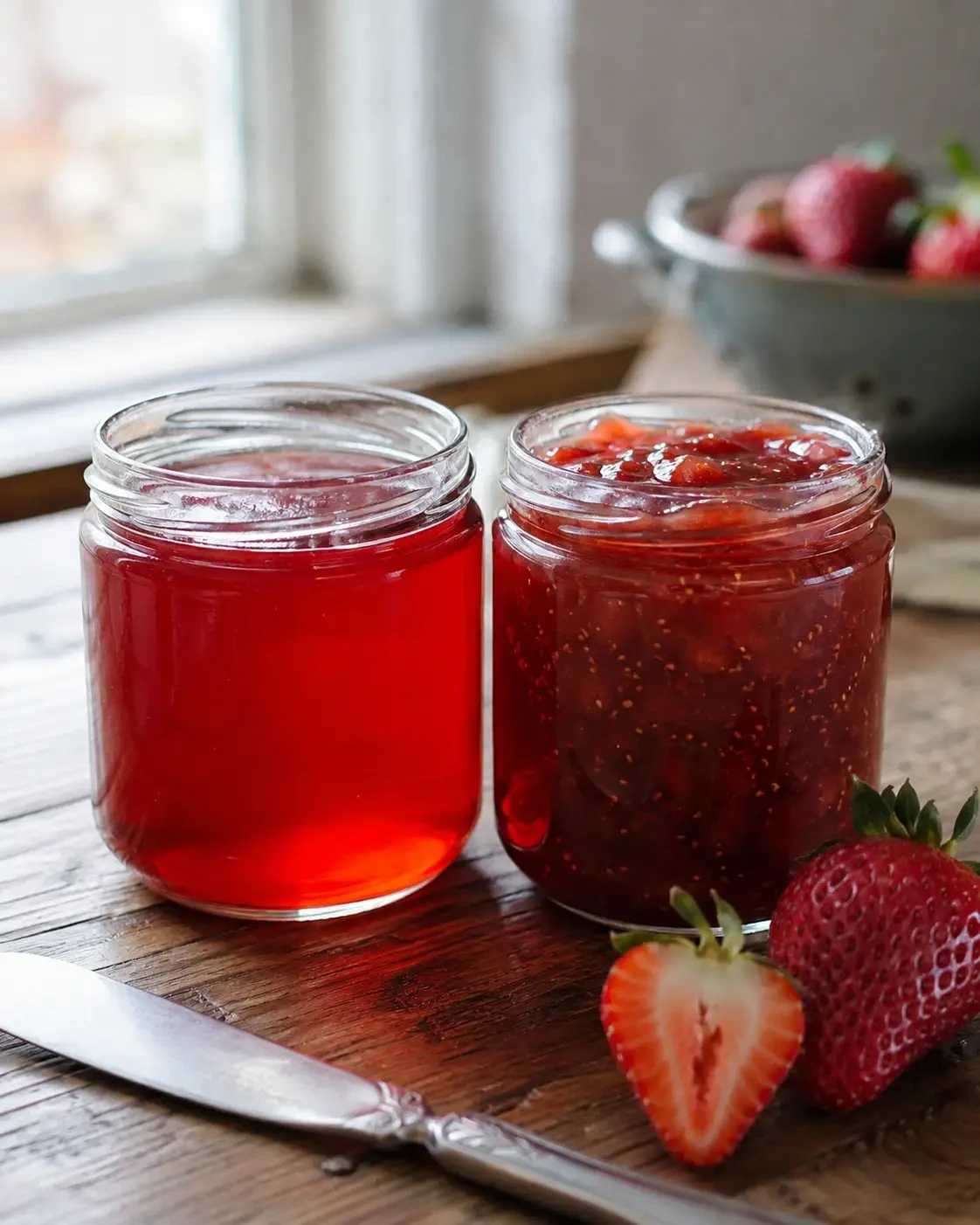
For the total novice out there this page is for you. Jam is thick, fruity and often contains crushed fruit or fruit pulp. Jelly is smoother, clearer and usually made from strained fruit juice. Both are sweet fruit preserves, both rely on sugar, pectin and acidity to set, and both have a strong place in British kitchens, farm shops, breakfast tables, baking and small batch preserving. Buy From Farmers Direct is being built to help people understand local food and traditional preserving more clearly. This guide explains jelly and jam in a simple way, while connecting the subject back to fruit growers, farm shops, seasonal produce and responsible preserve making.
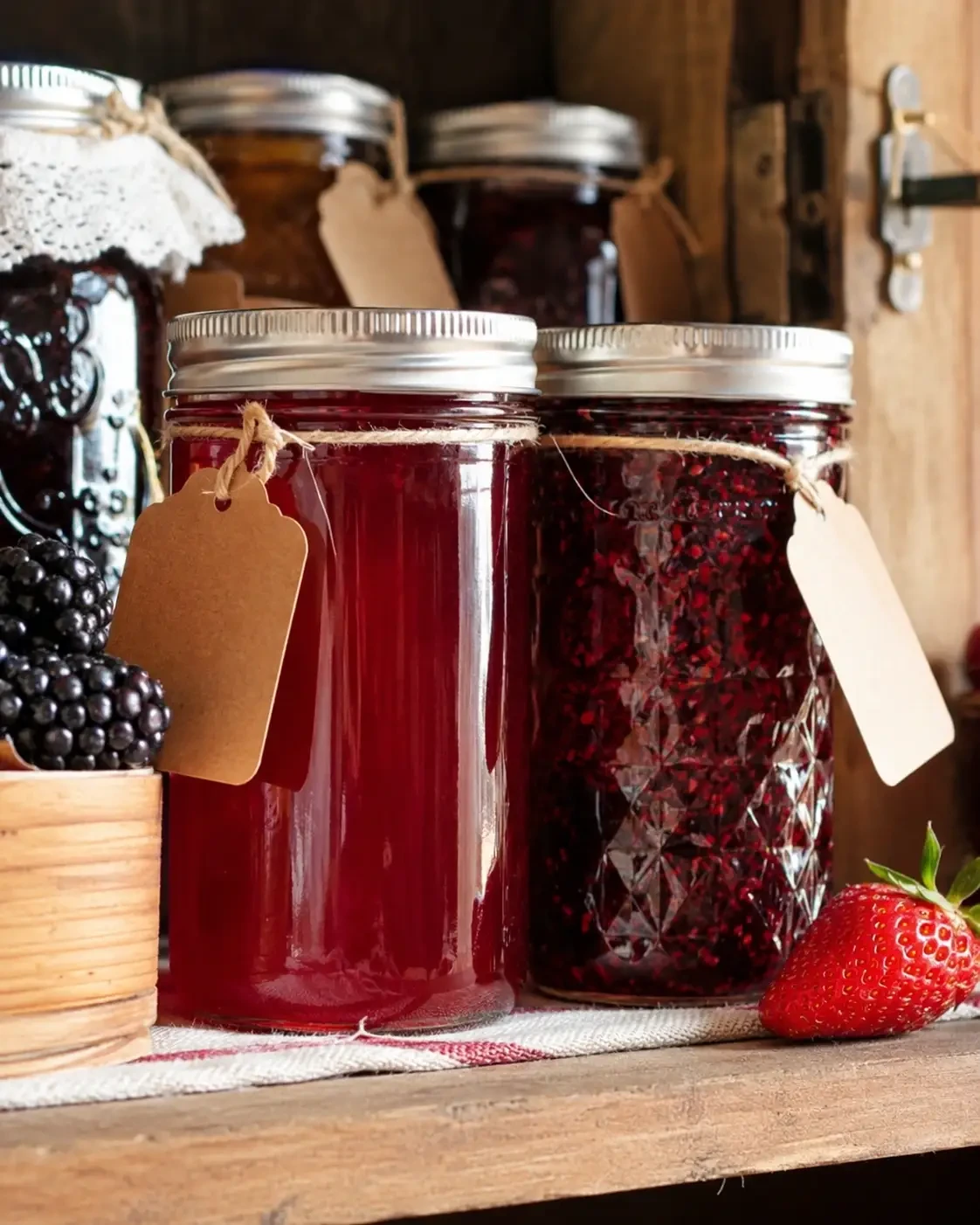
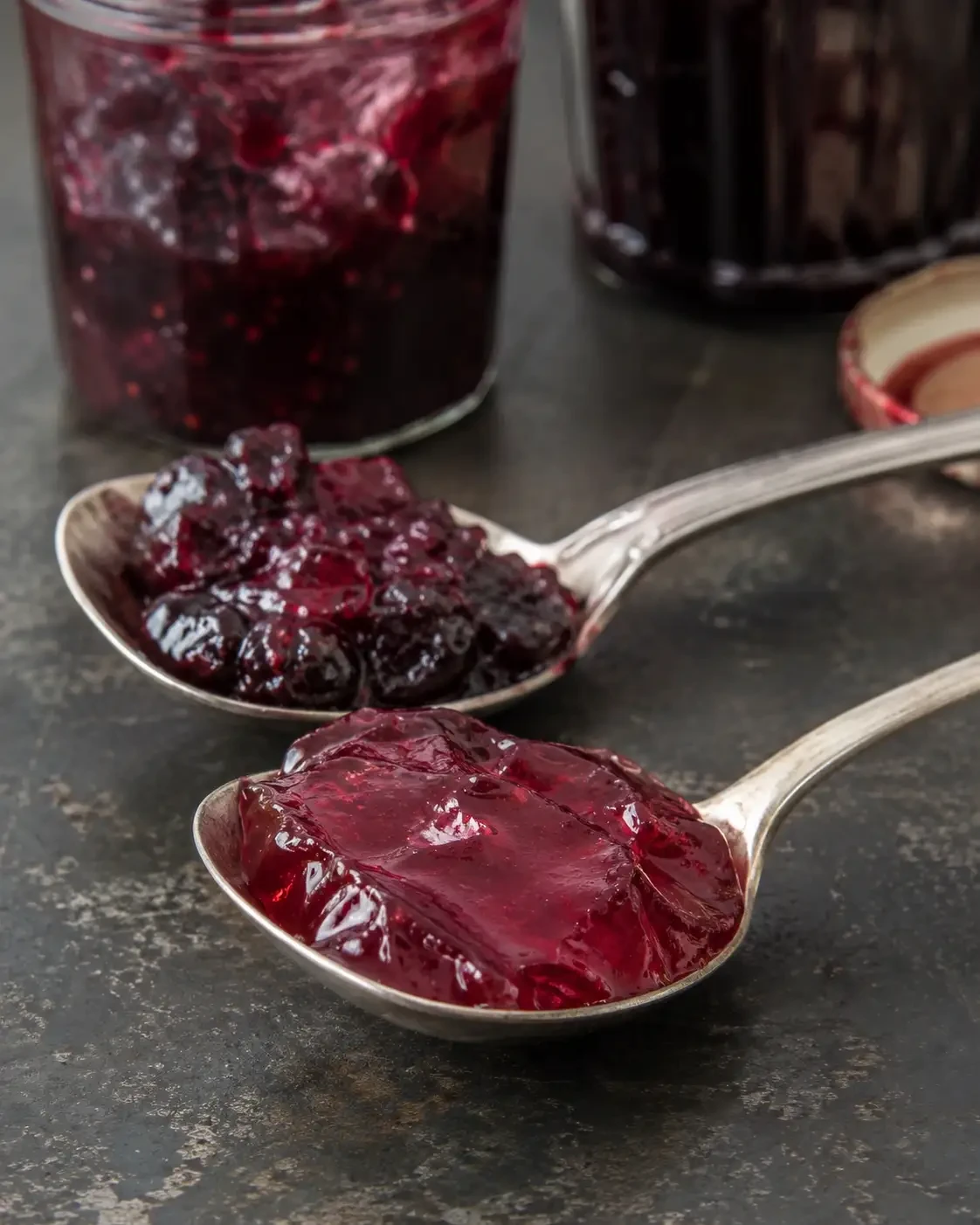
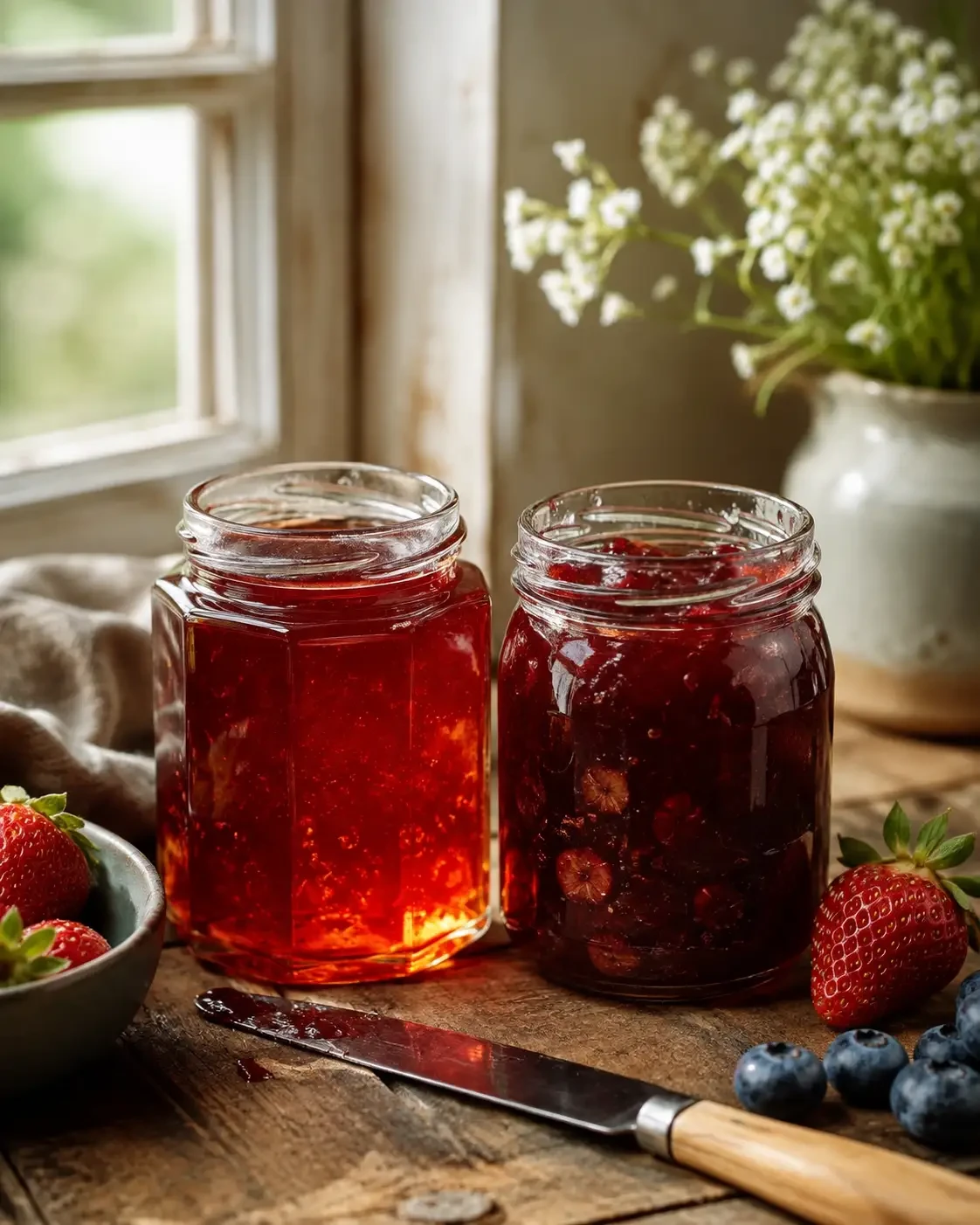
The main difference between jelly and jam is that jam is usually made with crushed fruit or fruit pulp, while jelly is usually made from strained fruit juice. Jam has a thicker, more textured fruit feel, while jelly is smoother, clearer and more delicate. Both can be made from seasonal fruit, sugar, acid and pectin, but jelly usually requires an extra straining stage to remove pulp, seeds and skins before setting.

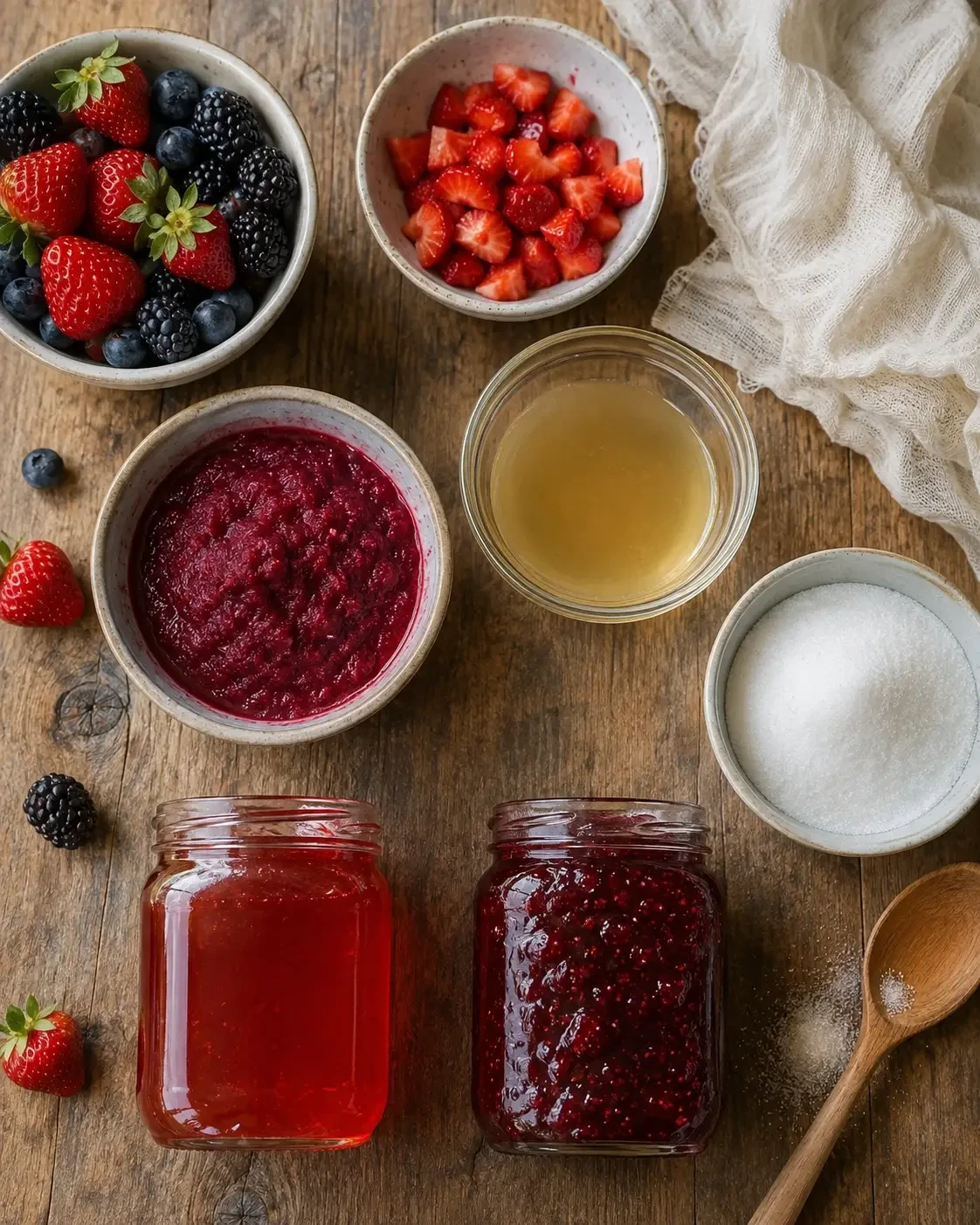
Easy strawberry jam is made by cooking strawberries with sugar and lemon juice until the mixture thickens and reaches setting point. Because strawberries are naturally lower in pectin, jam sugar or added pectin can help the jam set more reliably. For home use, strawberry jam should be spooned into clean, sterilised jars and stored correctly. If strawberry jam is made for sale, the maker should check food hygiene, allergen, labelling, shelf life, storage, traceability and food business guidance before trading.

Quick Comparison: Jelly vs Jam

Jam
Jam is usually made by cooking fruit with sugar until it thickens and sets. It often contains crushed fruit, fruit pulp, small pieces of fruit or seeds, depending on the fruit used. Strawberry jam, raspberry jam, plum jam and blackberry jam are familiar examples. Jam tends to feel more rustic and fruit heavy.
Jelly
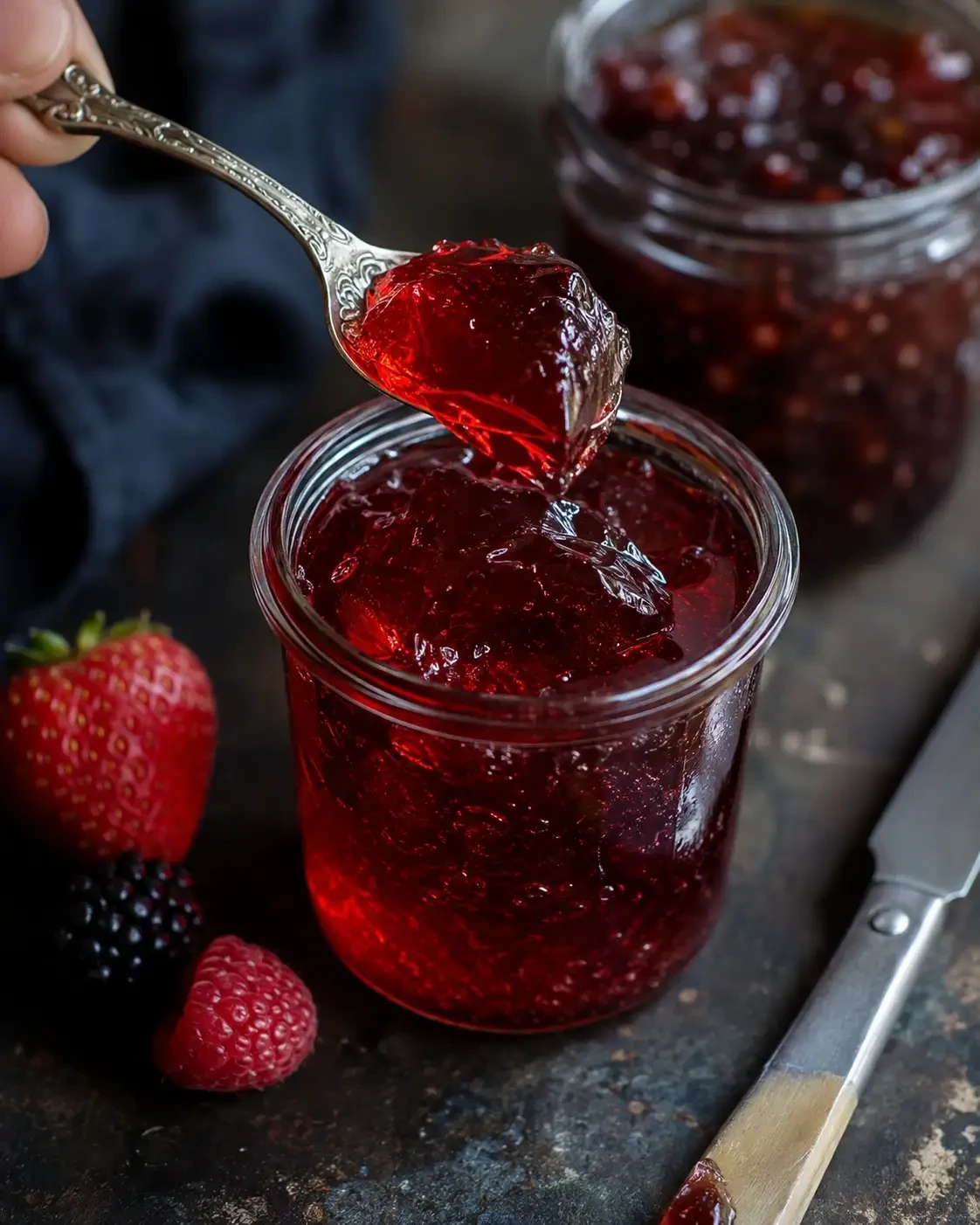
Jelly is usually made by cooking fruit to release the juice, then straining the mixture so only the clear juice is used. That juice is then cooked with sugar until it sets. The result is usually smooth, clear and delicate. Apple jelly, redcurrant jelly, crab apple jelly and quince jelly are common examples. Jelly tends to feel more refined and glossy.

What Is Jam?

Jam is a fruit preserve made by cooking fruit with sugar until the mixture thickens.
The fruit may be crushed, chopped, pulped or cooked down. Depending on the fruit, jam may contain seeds, skins or small pieces of fruit. This gives jam its familiar spoonable texture.
Jam is often the preserve people think of first.
Strawberry jam, raspberry jam, blackberry jam, plum jam and apricot jam are all classic examples.
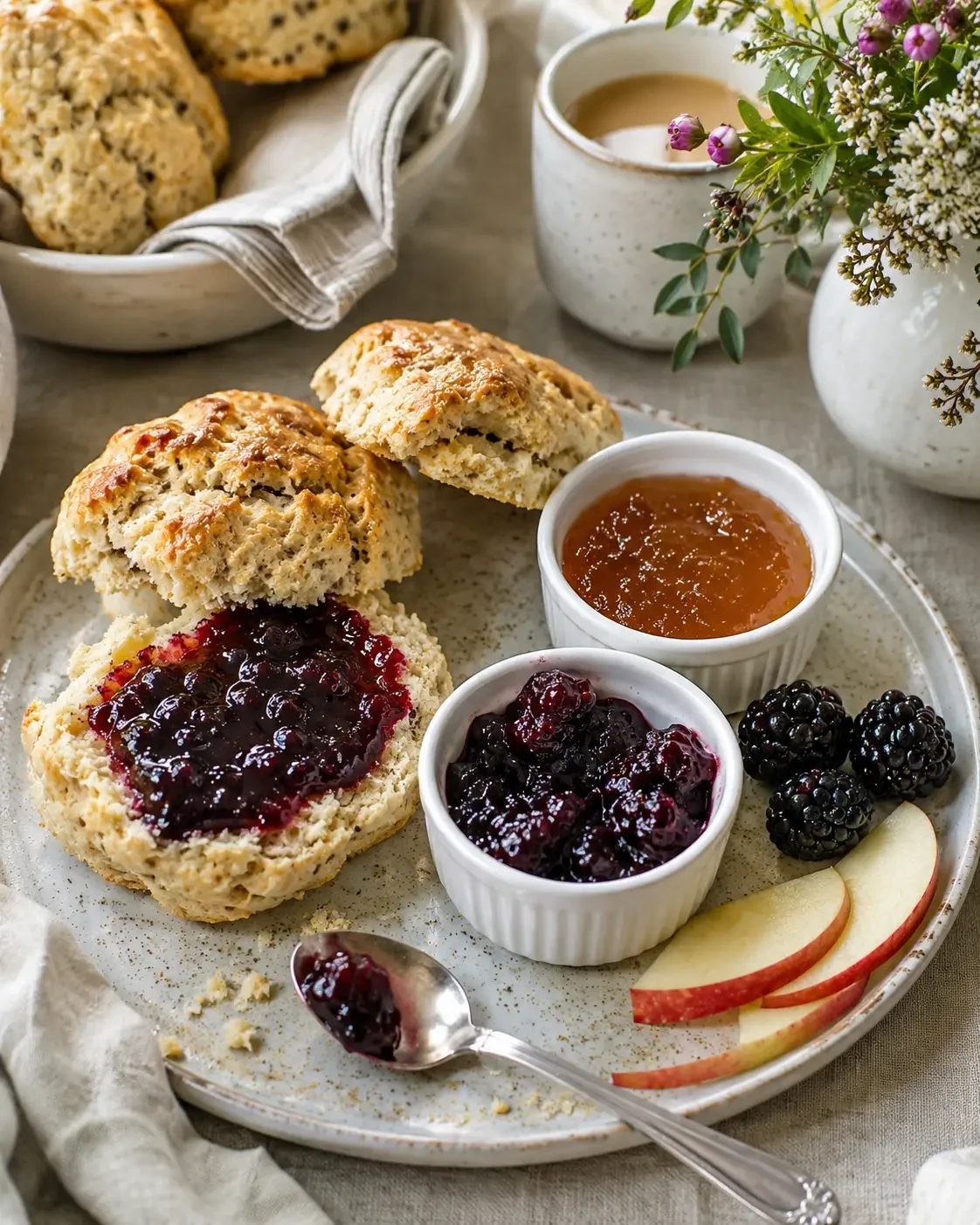
Jam works well on toast, scones, pancakes, porridge, cakes, pastries and breakfast tables.

What Is Jelly?

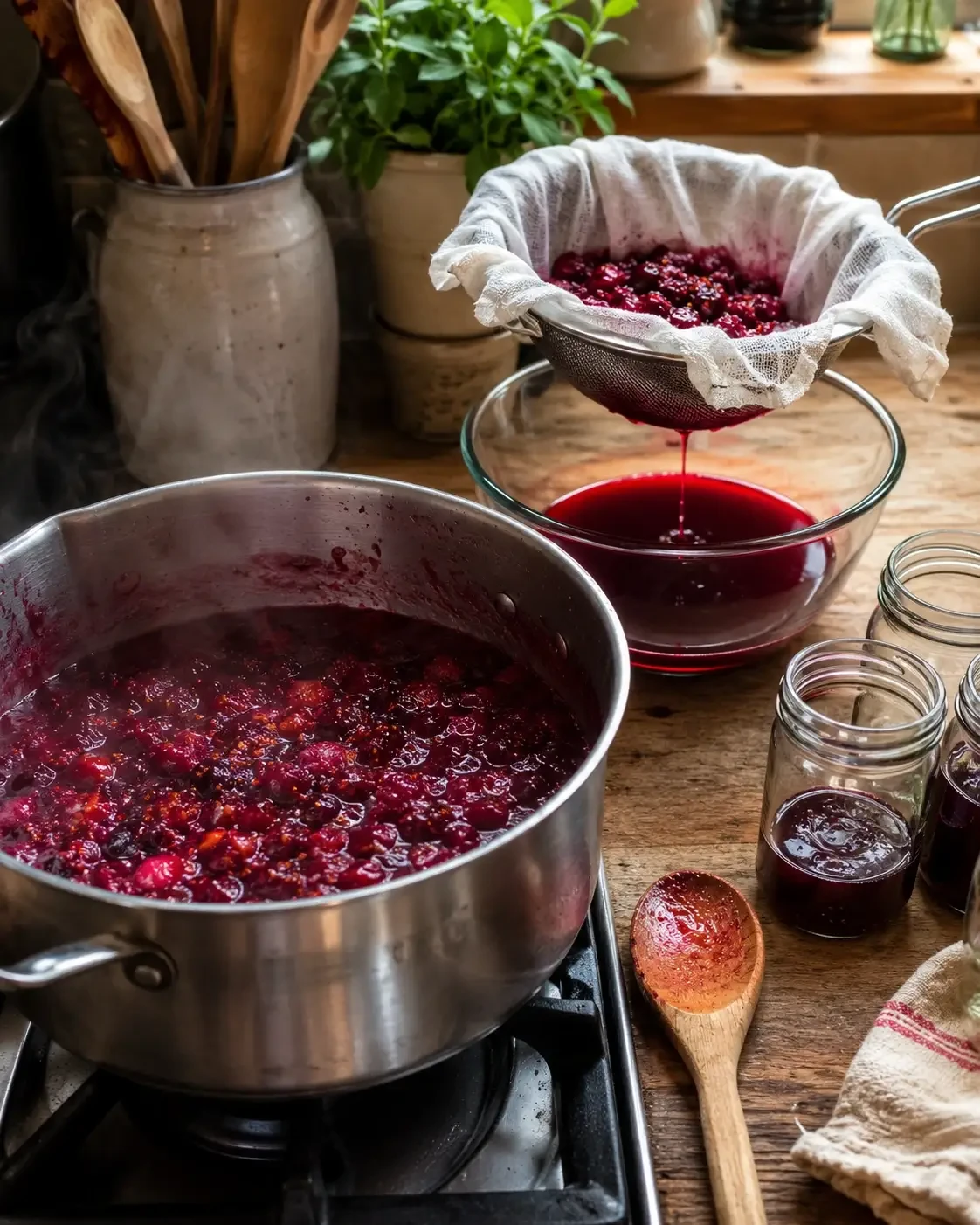
Jelly is a fruit preserve made from strained fruit juice. The fruit is usually cooked until the juice is released, then strained through a jelly bag or muslin. The clear juice is then cooked with sugar until it reaches setting point.

Because the pulp, skins and seeds are removed, jelly usually has a smoother and clearer texture than jam. Common fruit jellies include apple jelly, crab apple jelly, redcurrant jelly, blackcurrant jelly and quince jelly.
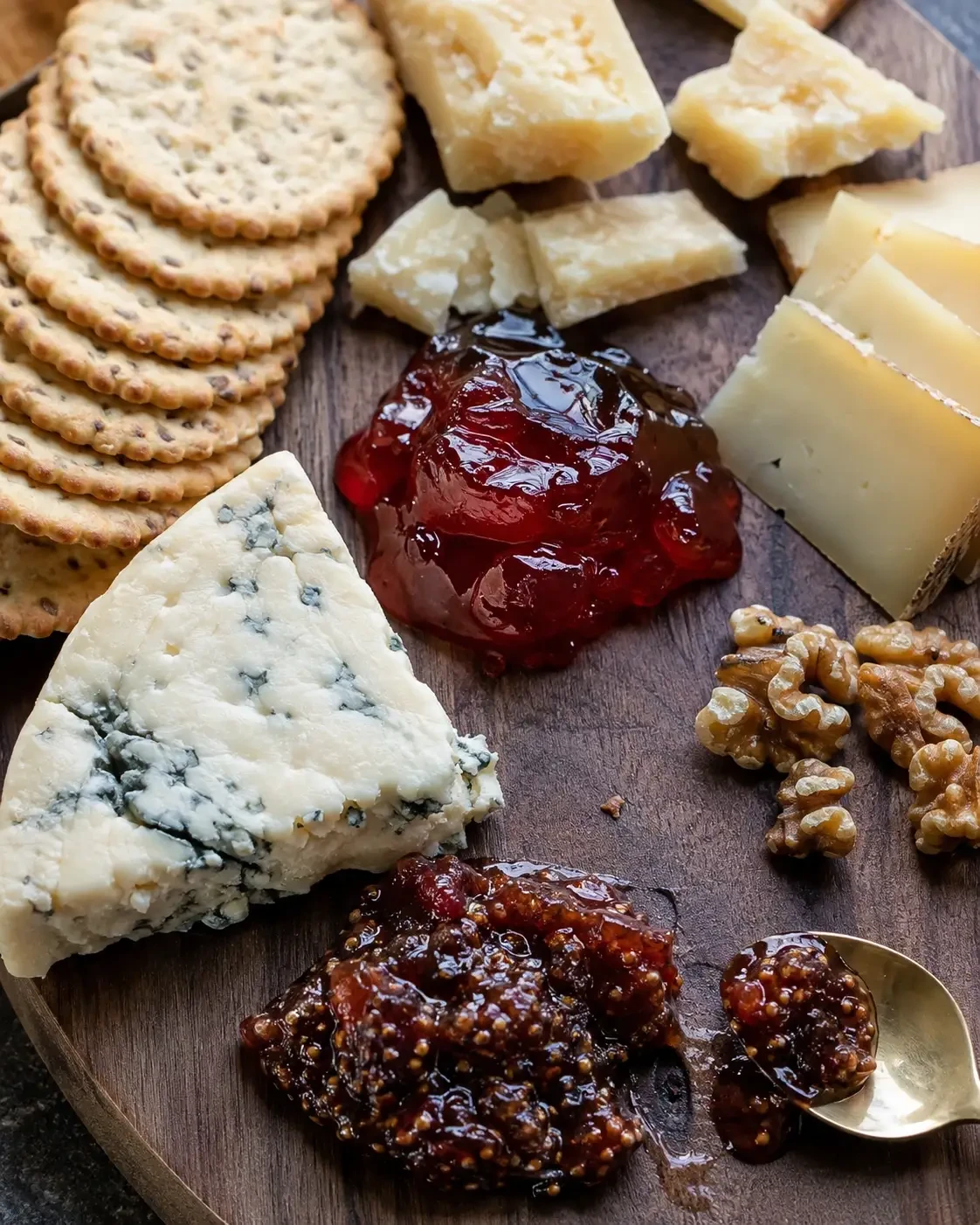
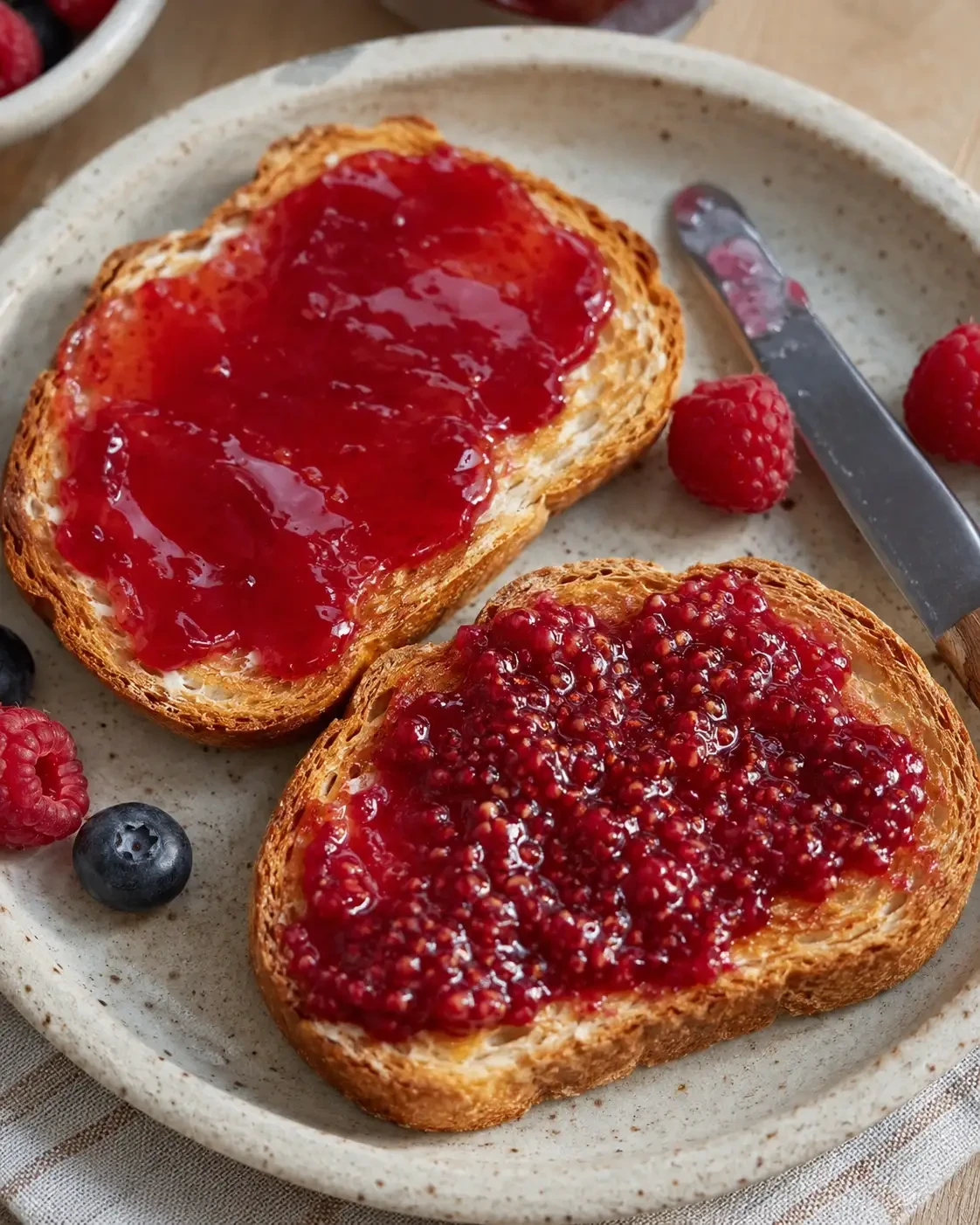
Jelly can be used on toast, with cheese, with roast meats, in sauces, as a glaze or as a refined preserve.

Why Jelly Looks Clearer Than Jam

Jelly looks clearer because it is made from strained fruit juice. The straining stage removes pulp, seeds, skins and much of the cloudy fruit matter. This gives jelly its smooth, glossy appearance. Jam keeps more of the fruit body, so it is usually thicker, softer looking and more textured.
This is why jelly can look more elegant in a jar.
Jam often feels more generous and fruit filled.
Both have their place.

Why Jam Has More Texture

Simply put, jam has more texture because it keeps more of the fruit.
When strawberries, raspberries, plums or blackberries are cooked into jam, the fruit breaks down and becomes part of the preserve. Some jams are smooth, while others are chunky or seed filled.
That texture is one of the reasons jam feels comforting and familiar.
A good jam should taste clearly of the fruit it was made from, not only of sugar.

Pectin in Jelly and Jam

Pectin helps both jelly and jam set.
Some fruits contain more natural pectin than others. Apples, crab apples, quinces, gooseberries and currants are often strong setting fruits. Strawberries, raspberries, cherries and peaches tend to be lower in pectin and may need extra support from jam sugar, added pectin or lemon juice.
Jelly often depends heavily on pectin because the set needs to be clear and firm enough without fruit pulp.
Jam can sometimes feel more forgiving because the fruit pulp adds body, even when the set is softer.

Acid in Jelly and Jam

Acid helps pectin work properly.
This is why lemon juice often appears in jam and jelly recipes, especially when the fruit is naturally low in acidity. Acid can also brighten the flavour and stop a preserve from tasting flat.
Some fruits bring enough natural sharpness. Others need support.
This is one reason recipes matter. Fruit, sugar, pectin and acid all need to work together.

Which Fruits Are Best for Jam?

Many fruits can make excellent jam and they are all classics.
Good jam fruits include:

Some fruits need extra pectin support. Others set more easily. Below is our blogs, tips and tricks where you can learn more about how to cook, grow and explore other foods. 
Which Fruits Are Best for Jelly?

Jelly works especially well with fruits that produce flavourful juice and contain good natural pectin.
Good jelly fruits include:
Jelly is often a brilliant use for fruit that has strong flavour but may be seedy, sharp or awkward to eat directly.

Different types of Popular Flavours

Apple Jelly

Apple jelly is one of the clearest examples of a fruit jelly. Apples contain natural pectin, especially when slightly under ripe or when using crab apples. Apple jelly can be clear, golden and delicate, making it useful with toast, roast meats, cheese, glazes and sauces. Apple jelly is also a useful food education example because it shows how fruit juice, sugar and pectin turn into a set preserve.

Redcurrant Jelly

Redcurrant jelly is a classic British preserve. It is often served with lamb, game, cheese, sauces and savoury dishes. Redcurrants are naturally sharp and pectin rich, making them well suited to jelly. The flavour is bright, tart and clean. This makes redcurrant jelly a good example of how jelly can be used beyond breakfast.

Strawberry Jam

Strawberry jam is one of the most familiar jams. It is soft, sweet, fragrant and strongly associated with British summer. Because strawberries are lower in pectin, many recipes use jam sugar, added pectin or lemon juice to help the set. Strawberry jam is often used on scones, toast, cakes, pancakes and cream teas.

Blackberry Jam and Blackberry Jelly

Blackberries can be used for both jam and jelly. Blackberry jam keeps more of the fruit texture and may include seeds. Blackberry jelly uses strained juice, giving a smoother finish without seeds. Both can be delicious, but they create very different eating experiences. This is a useful example for explaining the difference between jam and jelly.
The fun about both jamming and jelly making is that you can experiment to your hearts content about what flavours you can conjour up.

Jam vs Jelly for Meat and Savoury Food

We are now entering the world of preference. Jelly is often used with savoury dishes because it can be smooth, sharp and easy to melt into sauces.
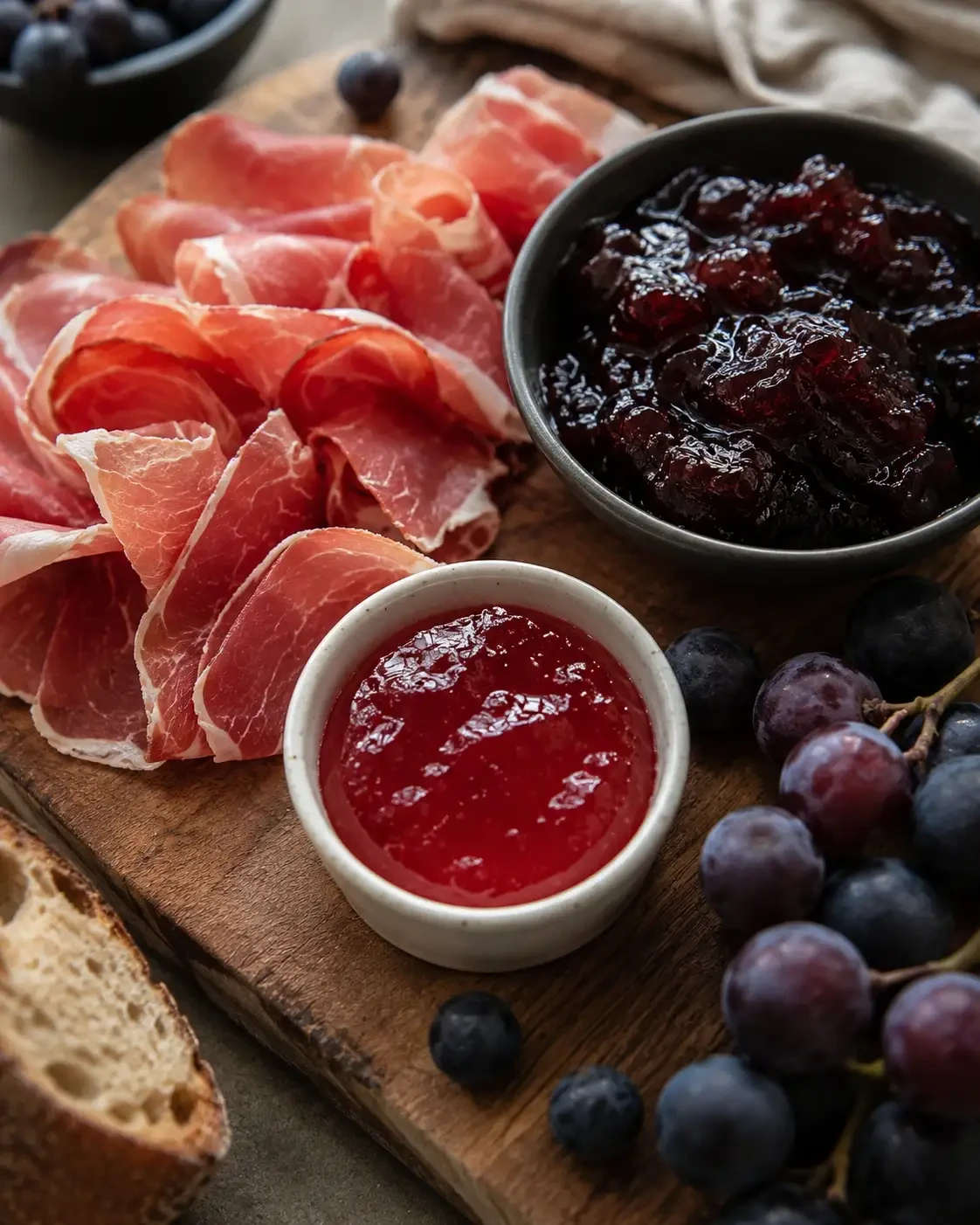
Redcurrant jelly with lamb is a classic example. Apple jelly can work with pork. Quince jelly can pair with cheese and meats. Blackberry jelly can bring depth to game dishes.
Jam can also be used in savoury cooking, but jelly is often more elegant when a smooth finish is needed.

Jelly and Jam and Reducing Food Waste

When we think about how much food we can actually grow from an established tree or during harvest it’s safe to say that both jelly and jam can help reduce food waste when made with suitable fruit.
Jam can use ripe fruit that may not be visually perfect. Jelly can use fruit that is flavourful but seedy, sharp or awkward to eat fresh. Hedgerow fruit, windfall apples, currants and gluts can all become useful preserves if handled safely.
This does not mean spoiled fruit should be used however if the fruit is still in a phase of ‘going off’ or underperforming then repurpousing it is the best solution.

Jam, Jelly and Marmalade

Marmalade is another preserve that is often compared with jam and jelly.
Marmalade is usually made with citrus fruit and peel. It is especially associated with oranges, lemons, grapefruit and breakfast toast. The peel gives marmalade its distinctive bitterness and texture.

Marmalade is not part of this handwritten page suite, but it is useful to mention because users may ask how it differs from jam and jelly. If you are interested in learning about marmalade and marmalade making then please look at our resources page and search for your favourite preserve.

Jelly and Jam for Fruit Growers

Fruit growers can benefit from understanding the difference between jelly and jam.
Some fruits are better suited to jam because they have a pleasant pulp and texture. Others work well as jelly because their flavour comes through beautifully when strained. Fruit seconds, gluts and seasonal abundance can be directed into the right preserve style.
This can help growers and preserve makers reduce waste and create better products.

Common Misunderstandings About Jelly and Jam

Jelly is not just American jam

In British preserving, jelly usually means a preserve made from strained fruit juice.

Jam is not always smooth

Jam often contains fruit pulp, crushed fruit, seeds or small pieces of fruit.

Jelly can be used with savoury food

Redcurrant jelly, apple jelly and quince jelly often work well with meats, cheeses and sauces.

Jam sugar is not always needed

Some fruits such as oranges, limes and blackcurrants set naturally because they are high in pectin.

Selling jam or jelly needs proper checks

Food business, hygiene, labelling, allergen, shelf life and traceability responsibilities may apply.

Do you make strawberry jam or seasonal fruit preserves?

List your preserve making business, farm shop range, market stall or local food brand on BFFD and help people understand your products, ingredients, stockists and producer story more clearly.
Reputable External Sources

Use this for food business registration context.
Use this for safe food business setup context.
Use this for official food hygiene context.
Use this for food safety management procedure context.
Use this for allergen information and handling context.
Use this for jam, marmalade, mincemeat and similar product composition and labelling context.
jam and jellies with food

*External sources are provided for further reading. BFFD does not provide food safety, legal, trading standards, allergen, dairy hygiene, delivery, labelling or business advice. Cheesemongers, cheese makers and food businesses should always follow current official guidance and seek professional advice where required.

FAQ

What is the difference between jelly and jam?
Jam is usually made with crushed fruit or fruit pulp. Jelly is usually made from strained fruit juice, making it smoother and clearer.
Hopefully we have established that no. Jelly and jam are both fruit preserves, but they are made differently and have different textures.
Often, yes. Jam usually contains fruit pulp, crushed fruit, seeds or small pieces of fruit depending on the recipe.
Jelly is clear because the cooked fruit is strained before the juice is boiled with sugar to set.
Neither is better. Jam is often better when you want fruit texture. Jelly is often better when you want a smooth, clear preserve.
Yes. Apples and crab apples are excellent for jelly because they contain natural pectin.
Selling homemade jam or jelly may mean you are operating a food business. Check food business registration, hygiene, allergen, labelling, storage, shelf life and traceability guidance before trading.
Yes. Preserve makers, farm shop kitchens, local food brands and farmers market sellers can create BFFD profiles where they fit the platform structure.

Understand Preserves Before Choosing Your Next Jar

Jelly and jam may sit side by side on a shelf, but they are not the same. BFFD is being built to help people understand preserves, support small producers and connect local jars back to real fruit growers, makers and food businesses.