Jams and chutneys are some of the most recognisable small batch foods in British farm shops, village markets, kitchen tables and local food stalls.
They turn seasonal fruit, garden produce, orchard harvests and surplus vegetables into jars that can last beyond the season. A strawberry glut can become jam. Apples can become chutney. Tomatoes can become a sharp, sweet, spiced preserve. Fruit that might otherwise be wasted can become something useful, giftable and sellable. Buy From Farmers Direct is being built to help small food producers, farm shops, fruit growers, preserve makers and local food projects become easier to find and easier to understand. This Jams and Chutneys section gives users a clearer route into recipes, ingredients, food education, small batch production and responsible selling.
The Jams and Chutneys section on BFFD helps users understand homemade and small batch preserves, including apple chutney, tomato chutney, Indian chutney to sell, jam sugar, strawberry jam, the difference between jelly and jam, and the best fruit to jam. It supports food education and local producer visibility, while reminding anyone making preserves for sale to check food business registration, hygiene, allergen, labelling, storage, traceability and food safety guidance before trading.
The Jams and Chutneys section on BFFD helps users understand homemade and small batch preserves, including apple chutney, tomato chutney, Indian chutney to sell, jam sugar, strawberry jam, the difference between jelly and jam, and the best fruit to jam. It supports food education and local producer visibility, while reminding anyone making preserves for sale to check food business registration, hygiene, allergen, labelling, storage, traceability and food safety guidance before trading.
BFFD is covering jams and chutneys because preserves sit naturally between home cooking, food enterprise and local farming.
They are one of the easiest ways for people to understand seasonal abundance. When fruit ripens quickly, when apples drop from trees, when tomatoes arrive in quantity or when farm shops need shelf stable local products, preserves become a practical answer.
Jams and chutneys also give smaller producers a route into local food. A person may begin with a family recipe, a seasonal glut or a farm shop idea, then develop into a small batch food maker. That journey needs encouragement, but it also needs clear information around safety, labelling and responsible selling.
BFFD can support that by making the category more structured.
Jams and chutneys matter because they help local food last beyond the harvest.
Fresh fruit and vegetables can be seasonal and short lived. Preserving helps extend their use. This matters for growers, farm shops, markets, food projects and households trying to reduce waste and make better use of British produce.
Preserves also carry strong local identity. A jar can tell the story of an orchard, a strawberry farm, a tomato grower, a village market, a family recipe or a farm shop kitchen.
That is why BFFD should treat jams and chutneys as more than recipe content. They are part of food resilience, food culture and producer visibility.
This section should support:
It should not become a casual recipe blog only. The page should still feel useful for BFFD’s wider mission: helping real producers, local food businesses and growers become more visible.
Category Clarification
This section supports recipe discovery, preserve education and small producer visibility. If jams, chutneys or preserves are made for sale, makers should check current food safety, hygiene, allergen, labelling and food business registration guidance.
Preparing fruit
Combine with sugar and acids
Boil water & evaporate exess
Seal in sterilised jars
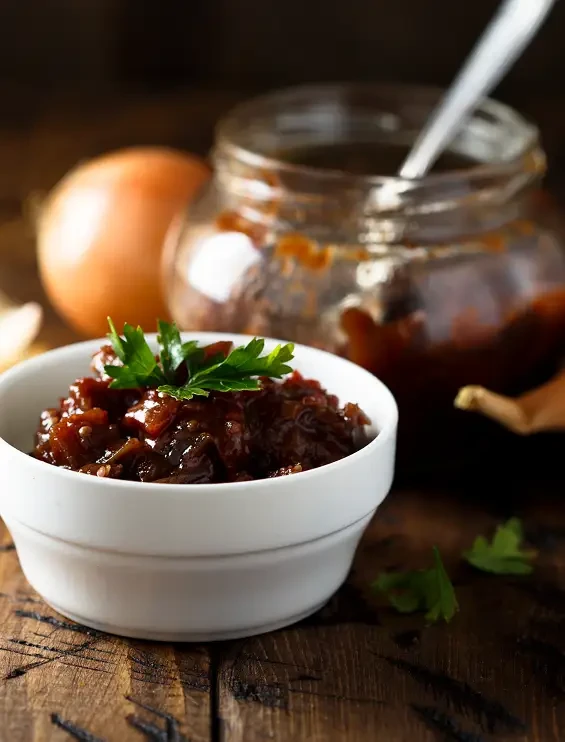
In this page we aim to help users make apple chutney while connecting the recipe to British apples, orchard gluts, farm shop produce and seasonal preserving.
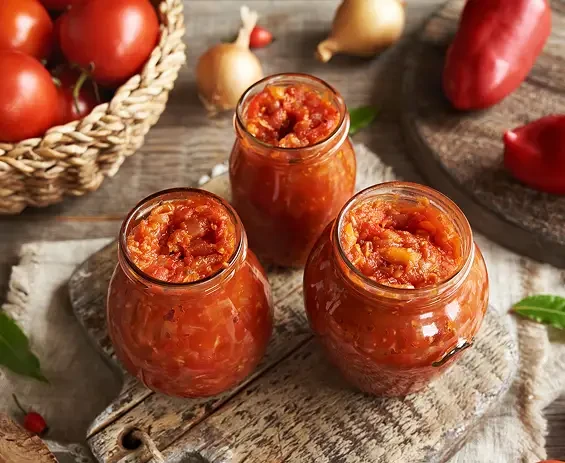
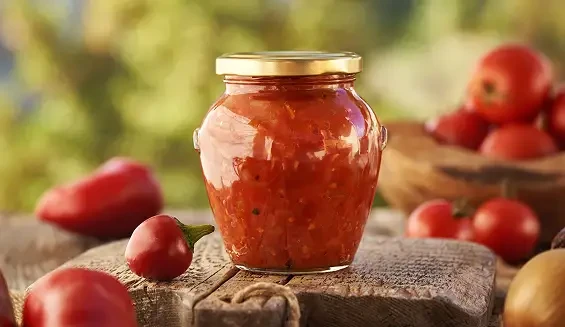
In this page we focus on tomato chutney as a useful way to preserve seasonal tomatoes, garden gluts and farm shop produce.
This page aims to help users understand that making chutney to sell is not just a recipe question. It involves food business registration, hygiene, labelling, allergens, batch records, shelf life, packaging, product testing where needed, and supplier routes.
In this page we explain jam sugar simply, including why pectin matters, how jam sugar differs from ordinary granulated sugar, and why fruit type affects setting. It should connect naturally to strawberry jam and the best fruit to jam.
Here we provide a simple strawberry jam guide while also explaining fruit quality, sugar, setting, jars, storage, seasonal strawberries and farm shop supply.
Do you know the difference between classic jelly making and jam making? Here we explain the difference clearly.
Here we aim to explain which fruits work well for jam, including strawberries, raspberries, blackberries, apples, plums, gooseberries, currants and mixed fruit.
Jams and chutneys are both preserved foods, but they are not the same thing.
Jam is usually fruit based and sweet. It is made by cooking fruit with sugar until it reaches a set texture. Some fruits set more easily than others because they contain more pectin. Strawberry jam, raspberry jam, plum jam and blackberry jam are familiar examples.
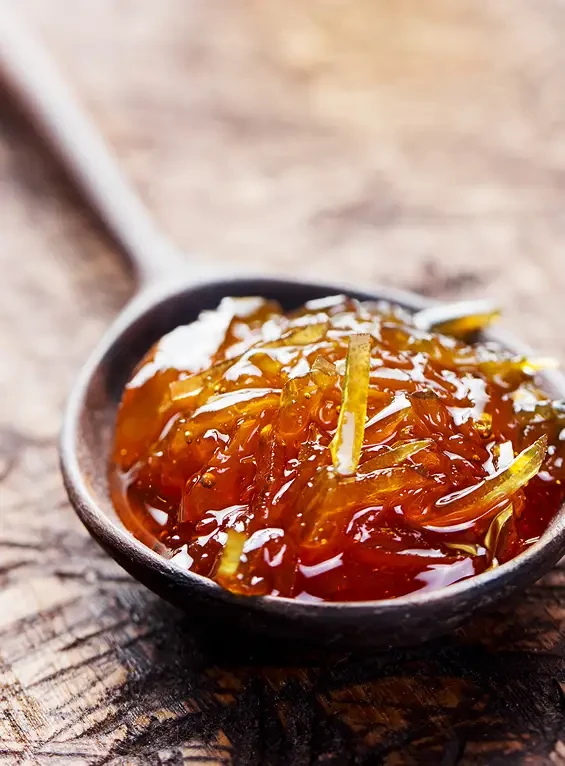
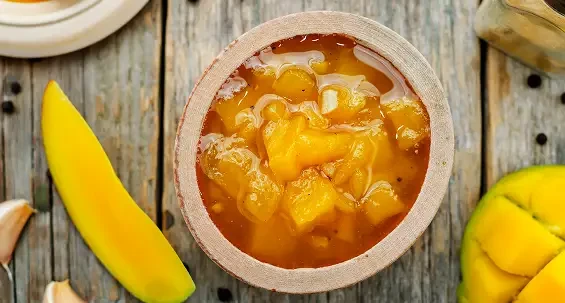
Chutney is usually more savoury, tangy or spiced. It often includes fruit or vegetables, vinegar, sugar, spices and sometimes onions or dried fruit. Apple chutney, tomato chutney and mango chutney are common examples.
Both can sit beautifully in local food, but both need care if they are being sold.
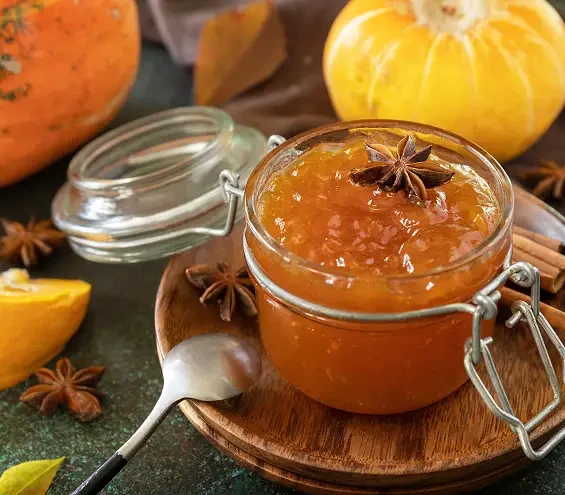
Preserving is one of the oldest and most practical answers to seasonality.
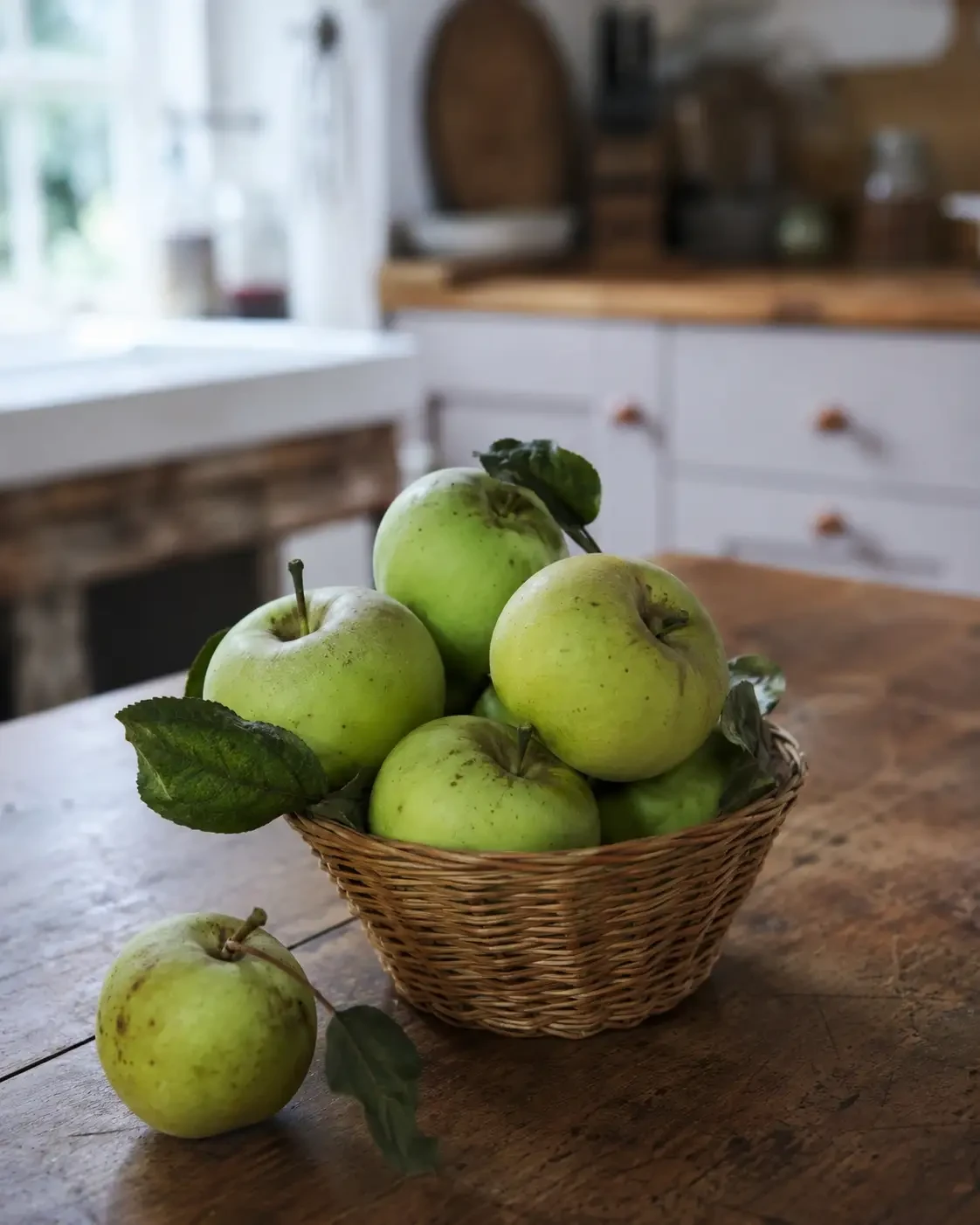
When strawberries are abundant, jam makes use of them. When tomatoes ripen heavily, chutney can help preserve them. When apples are plentiful, apple chutney can turn a harvest into jars that last through winter.
This matters for growers because fresh produce can be hard to sell quickly when crops arrive in volume.
It also matters for households because preserves reduce waste and keep seasonal flavour in the cupboard.
Fruit growers are natural partners for jam makers.
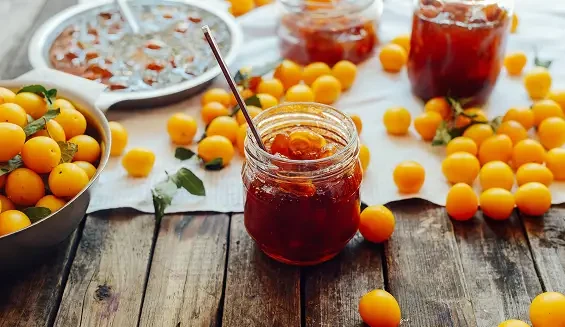
Strawberries, raspberries, blackberries, plums, apples, gooseberries, currants and orchard fruit can all become preserves. A fruit grower may sell fresh fruit, seconds, gluts or processing fruit to local jam makers, farm shops or community kitchens.
This creates a useful local food loop.
Fruit that may not look perfect enough for premium fresh sale can still become an excellent preserve.
Chutneys can support vegetable growers as well as fruit growers.
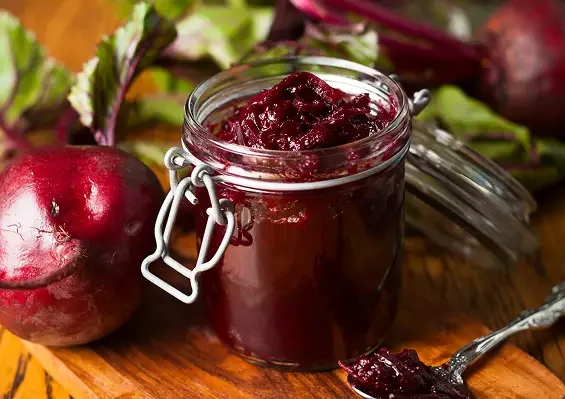
Tomatoes, onions, courgettes, beetroot, chillies, rhubarb, apples and other produce can become chutneys, relishes or savoury preserves. This can help farm shops and market sellers create products from seasonal surplus.
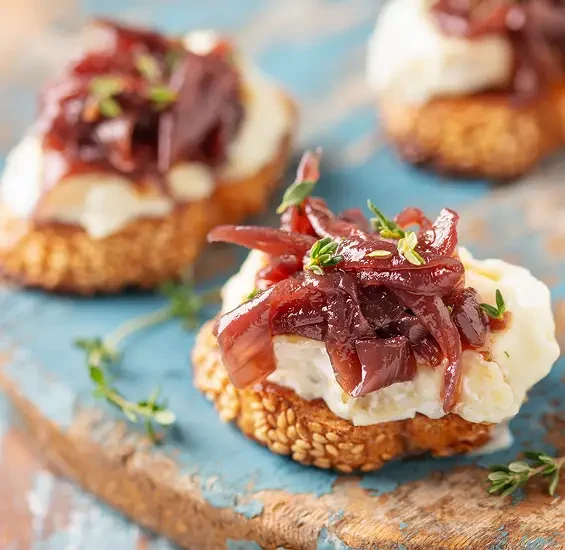
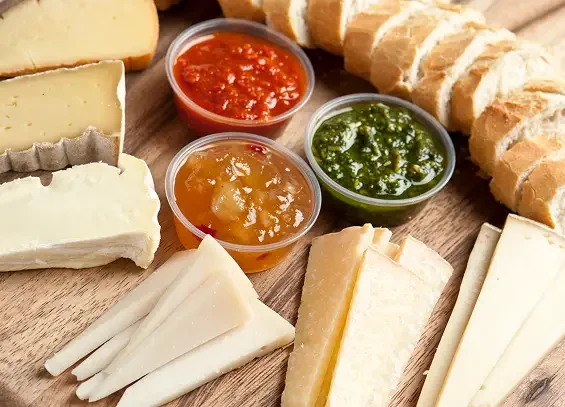
Chutney also adds flavour to cheese boards, sandwiches, ploughman’s lunches, pies, cold meats, curries and simple lunches.
Farm shops are one of the strongest natural homes for jams and chutneys.
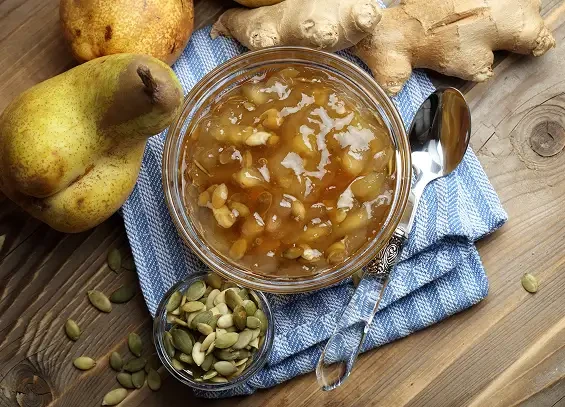
A farm shop may stock jars from local preserve makers, make its own preserves, sell jams using fruit from nearby growers, or create chutneys that pair with cheese, bread, meat, pork pies or seasonal hampers.
The strongest farm shop preserve displays should name the maker, show the main ingredients, explain local fruit or vegetable links where possible, and make the product feel rooted in place.
Farmers markets are ideal for preserve makers.
A market gives customers the chance to taste, ask questions and understand the story behind a jar. A maker can explain whether a chutney is sharp, sweet, spiced, mild, hot, fruity or suitable for cheese boards. They can explain whether a jam uses local strawberries, orchard apples or seasonal berries.
Markets can also help new preserve makers test products before approaching farm shops or stockists.
Food provenance matters strongly with preserves.
A jar of jam or chutney becomes more meaningful when the customer understands where the fruit came from, who made it, whether it was small batch, which farm shop stocks it and what seasonal produce inspired it.
Good provenance information might include:
BFFD connects preserves with provenance because local jars should be easier to trace back to real makers and growers.
Jams and chutneys are excellent for food education.
They help people understand fruit, sugar, acidity, pectin, vinegar, heat, jars, storage, seasonality, waste reduction and flavour. They are also accessible. A child can understand strawberry jam. A farm shop customer can understand apple chutney. A market visitor can taste the difference between a mild chutney and a spiced one.
This makes preserve content useful for Field to Classroom, cooking clubs, farm shops, food festivals and community food projects.
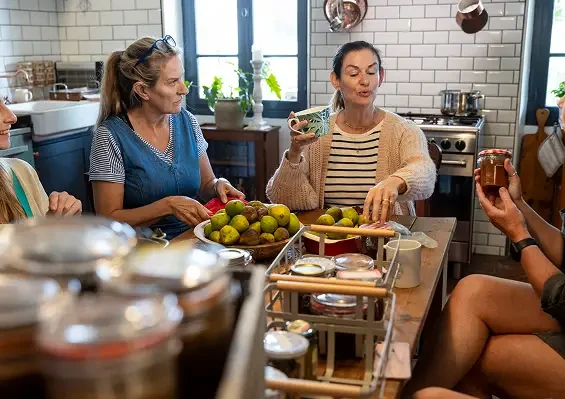
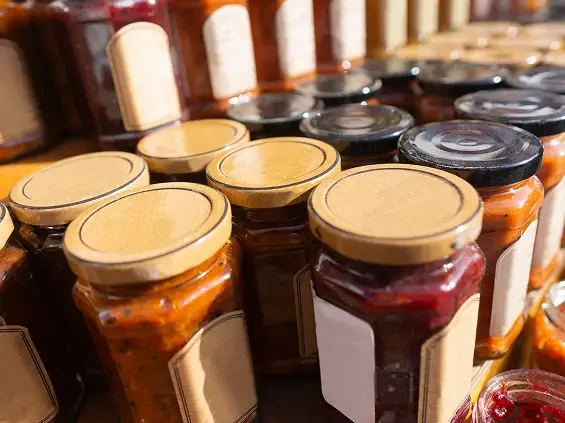
Selling jams and chutneys is different from making them at home.
Once a product is made for sale, the maker may need to think like a food business. This can include registration, food hygiene, allergen information, labelling, traceability, shelf life, batch records, product safety, packaging and suitable premises.
The FSA says new food businesses should register with their local authority at least 28 days before trading or before food operations start. It also provides food hygiene guidance covering safe storage, transporting food safely, staff training, personal hygiene, inspections and food hygiene ratings.
Food safety management matters when products are made for sale.
The Food Standards Agency explains that HACCP is a way of managing food safety hazards, and food safety management procedures should be based on HACCP principles. This matters for preserve makers because jars, ingredients, heat processing, acidity, storage, allergens and batch control all need proper thought.
BFFD should not provide technical food safety plans, but it should encourage makers to use official guidance and seek appropriate professional advice where needed.
Preserve makers need to consider allergen information.
Some jams may be simple fruit and sugar products. Some chutneys may include mustard, sulphites, nuts, sesame or other allergen risks depending on the recipe. Cross contamination can also matter.
The Food Standards Agency provides allergen guidance for food businesses and guidance on allergen information for prepacked and loose foods. FSA guidance says prepacked food labels need the name of the food and an ingredients list with any of the 14 allergens required by law emphasised within it.
Labelling matters when preserves are sold.
A jar may need clear information about the product name, ingredients, allergens where relevant, quantity, date mark, storage instructions, producer details, batch or lot information and any required compositional or origin details depending on the product and route to market.
BFFD should not write legal labels for producers, but it should make clear that labelling is part of responsible selling.
Food Selling Note
If jams, chutneys or preserves are made for sale, makers should check food business registration, hygiene, allergen, labelling, storage, traceability and shelf life guidance before trading.
Jam sugar is one of the most useful topics for beginners.
Some fruits naturally contain more pectin, which helps jam set. Other fruits are lower in pectin and may need help from jam sugar, added pectin, lemon juice or another recipe approach. Understanding this helps users avoid runny jam or overly stiff jam.
The What Is Jam Sugar? page should explain this clearly and connect it to fruit choice.
Some fruits are naturally better suited to jam than others.
Strawberries are popular but can be lower in pectin. Apples, currants, gooseberries, plums and some berries can help with setting and flavour. Mixed fruit jams can also work well when flavours and pectin levels are balanced.
The Best Fruit to Jam page should link fruit choice with seasonality, British growers and reducing waste.
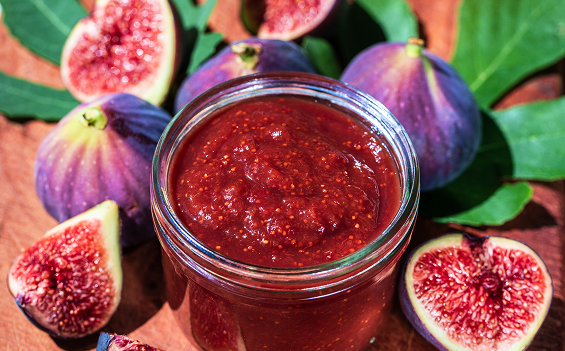
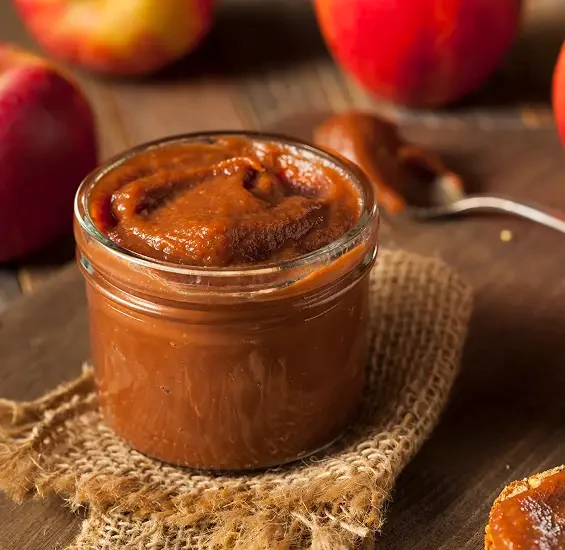
Apple chutney and tomato chutney are excellent entry points for this section.
Apple chutney connects naturally with orchards, autumn fruit, cheese boards, pork pies, ploughman’s lunches and farm shop hampers. Tomato chutney connects with summer gluts, green tomatoes, allotments, vegetable growers and savoury preserving.
These recipes should feel practical, seasonal and useful.
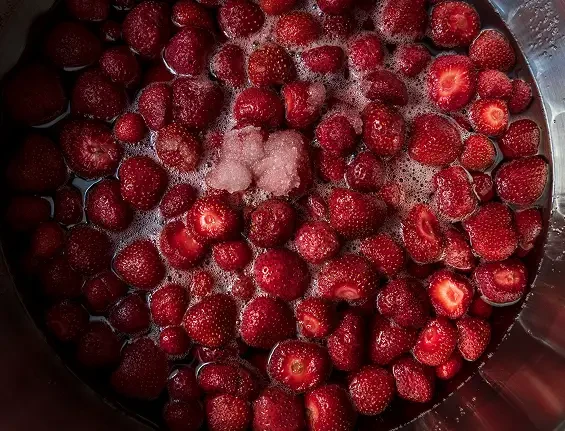
Strawberry jam is one of the most familiar preserve recipes.
It connects naturally with British strawberry season, pick your own farms, fruit growers, farm shops, cream teas, baking and family cooking. A good strawberry jam page should be simple enough for beginners while still explaining fruit quality, sugar, setting, jars and storage.
BFFD is being built to make specialist local food producers easier to find.
For jam and chutney makers, BFFD can help users discover preserve producers, farm shop stockists, farmers market stalls, fruit growers, local stockists, seasonal products and food business stories.
A strong preserve maker listing should help users understand:
For shoppers, this reduces guesswork. For makers, it creates clearer local visibility.
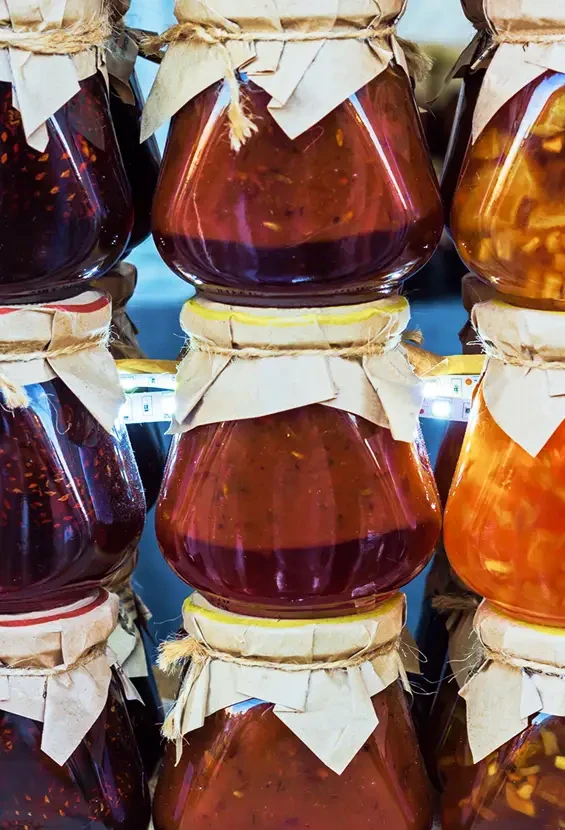
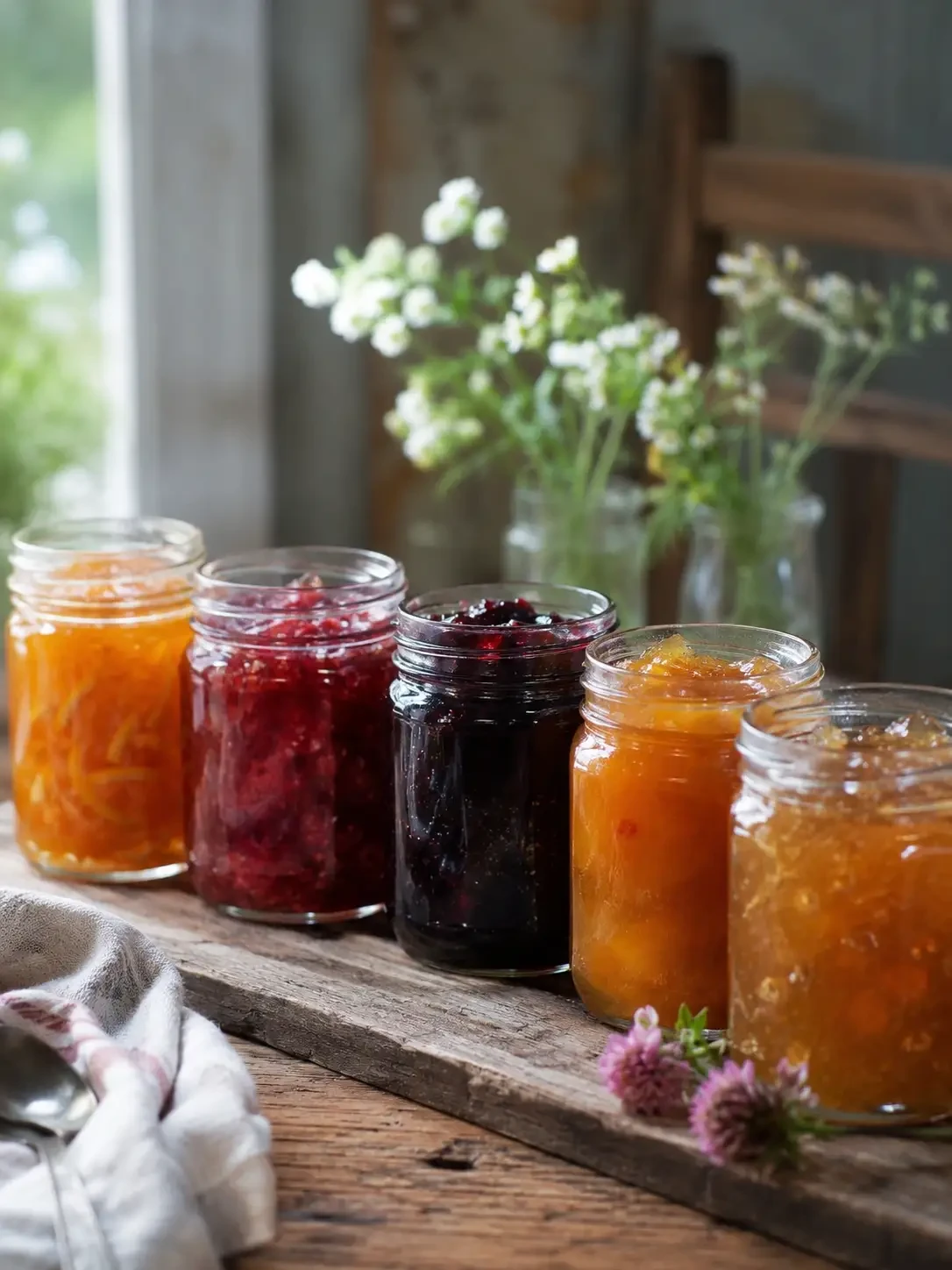
If you make jams, chutneys, jellies or preserves, your BFFD profile should make your products easy to understand.
A strong profile should show:
List your preserve making business, farm shop range, market stall or local food brand on BFFD and help people understand your products, ingredients, stockists and producer story more clearly.
Before buying jams or chutneys from a local producer, customers should check practical information.
Clear information makes local preserves more trustworthy.
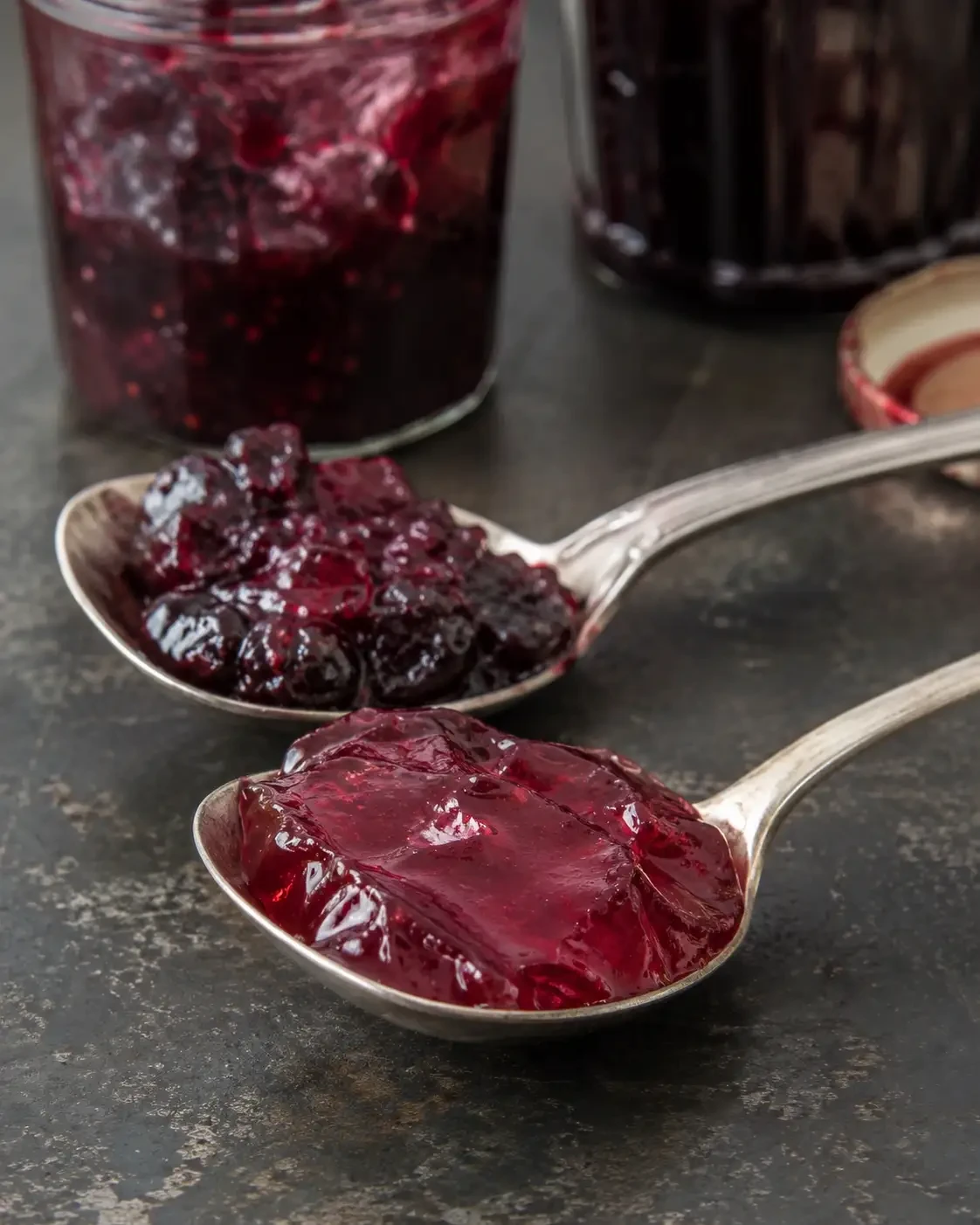
Jam is usually sweet and fruit based. Chutney is usually savoury, tangy or spiced and often includes vinegar.
Jelly is usually made from strained fruit juice, while jam usually contains fruit pulp or crushed fruit.
Jam sugar often includes added pectin, which can help low pectin fruits set.
Food made for sale needs proper attention to food safety, labelling, allergens and registration.
Words such as natural, homemade or artisan should not hide practical product information.
Use this for food safety management procedure context.
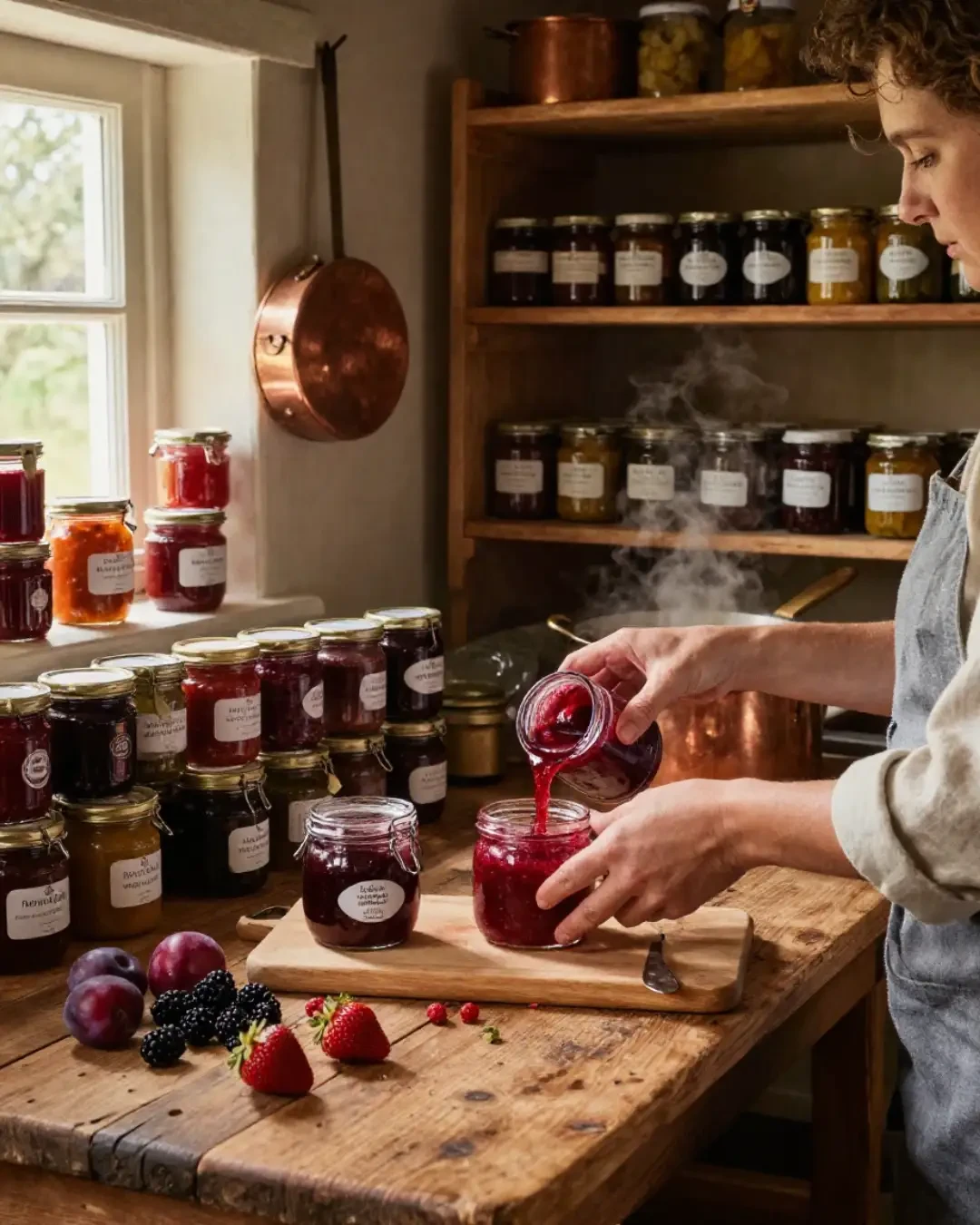
Related Jams and Chutneys Pages
Related BFFD Pages
The Jams and Chutneys section is a specialist producer and recipe support hub covering apple chutney, tomato chutney, Indian chutney to sell, jam sugar, strawberry jam, jelly versus jam and the best fruit to jam.
The Jams and Chutneys section is a specialist producer and recipe support hub covering apple chutney, tomato chutney, Indian chutney to sell, jam sugar, strawberry jam, jelly versus jam and the best fruit to jam.
The Jams and Chutneys section is a specialist producer and recipe support hub covering apple chutney, tomato chutney, Indian chutney to sell, jam sugar, strawberry jam, jelly versus jam and the best fruit to jam.
The Jams and Chutneys section is a specialist producer and recipe support hub covering apple chutney, tomato chutney, Indian chutney to sell, jam sugar, strawberry jam, jelly versus jam and the best fruit to jam.
The Jams and Chutneys section is a specialist producer and recipe support hub covering apple chutney, tomato chutney, Indian chutney to sell, jam sugar, strawberry jam, jelly versus jam and the best fruit to jam.
The Jams and Chutneys section is a specialist producer and recipe support hub covering apple chutney, tomato chutney, Indian chutney to sell, jam sugar, strawberry jam, jelly versus jam and the best fruit to jam.
The Jams and Chutneys section is a specialist producer and recipe support hub covering apple chutney, tomato chutney, Indian chutney to sell, jam sugar, strawberry jam, jelly versus jam and the best fruit to jam.
The Jams and Chutneys section is a specialist producer and recipe support hub covering apple chutney, tomato chutney, Indian chutney to sell, jam sugar, strawberry jam, jelly versus jam and the best fruit to jam.
Jams and chutneys turn seasonal produce into lasting local food. BFFD is being built to help people understand preserves, support small producers and connect local jars back to real growers, makers, farm shops and markets.
Want to get food independence, support your local grower, get better prices and shop more privately?
Local food isn’t just something you find. It’s something you protect. A free account helps keep local supply visible, supported, and resilient.
….it takes 30 seconds for food lovers and 5 minutes for suppliers
We built this for people who care where their food comes from. For people who want to remain food secure. For Farmers to get to the local people, who deserve a better income and to deliver a better price for you. For the environmentally conscious and the privacy-conscious. An account simply helps us make the map and supplier reach more useful to you, without changing how open it is. You’re always in control.


Find local food. Stay connected to it. Create a free account to support local producers and be part of a growing food network.