Follow us:

What Is Jam Sugar?

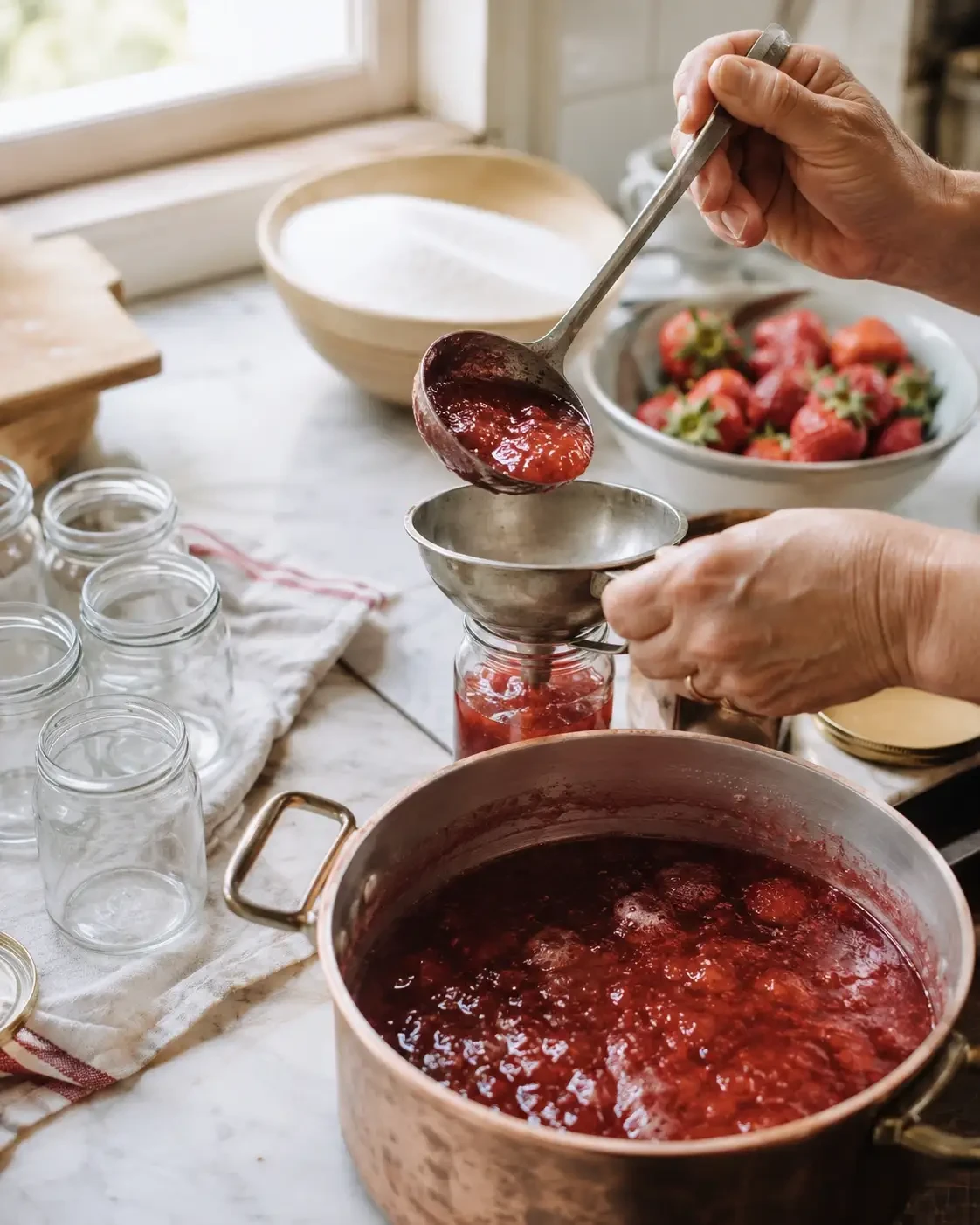
Jam sugar is one of those ingredients that can make homemade jam feel far less mysterious.

Many beginner jam makers start with fruit, ordinary sugar and a hopeful pan of bubbling sweetness, only to find the final jam is too runny, too stiff or difficult to judge. The problem is often not the fruit itself, but the balance between sugar, pectin, acidity, heat and cooking time. Jam sugar is designed to help with that balance. Buy From Farmers Direct is being built to help people understand local food, seasonal fruit, preserving and small producer skills more clearly. This guide explains what jam sugar is, why pectin matters and when jam sugar can be useful for strawberry jam, low pectin fruit and small batch preserves.
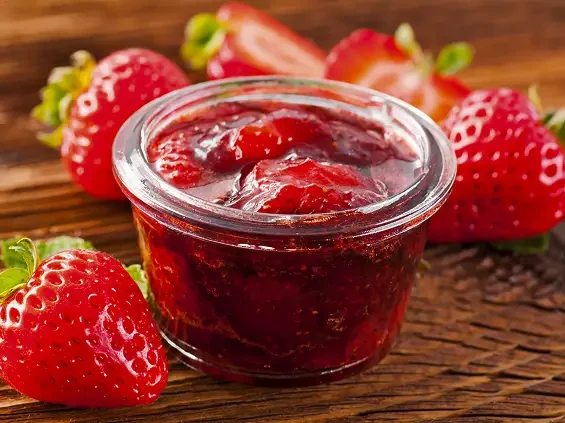
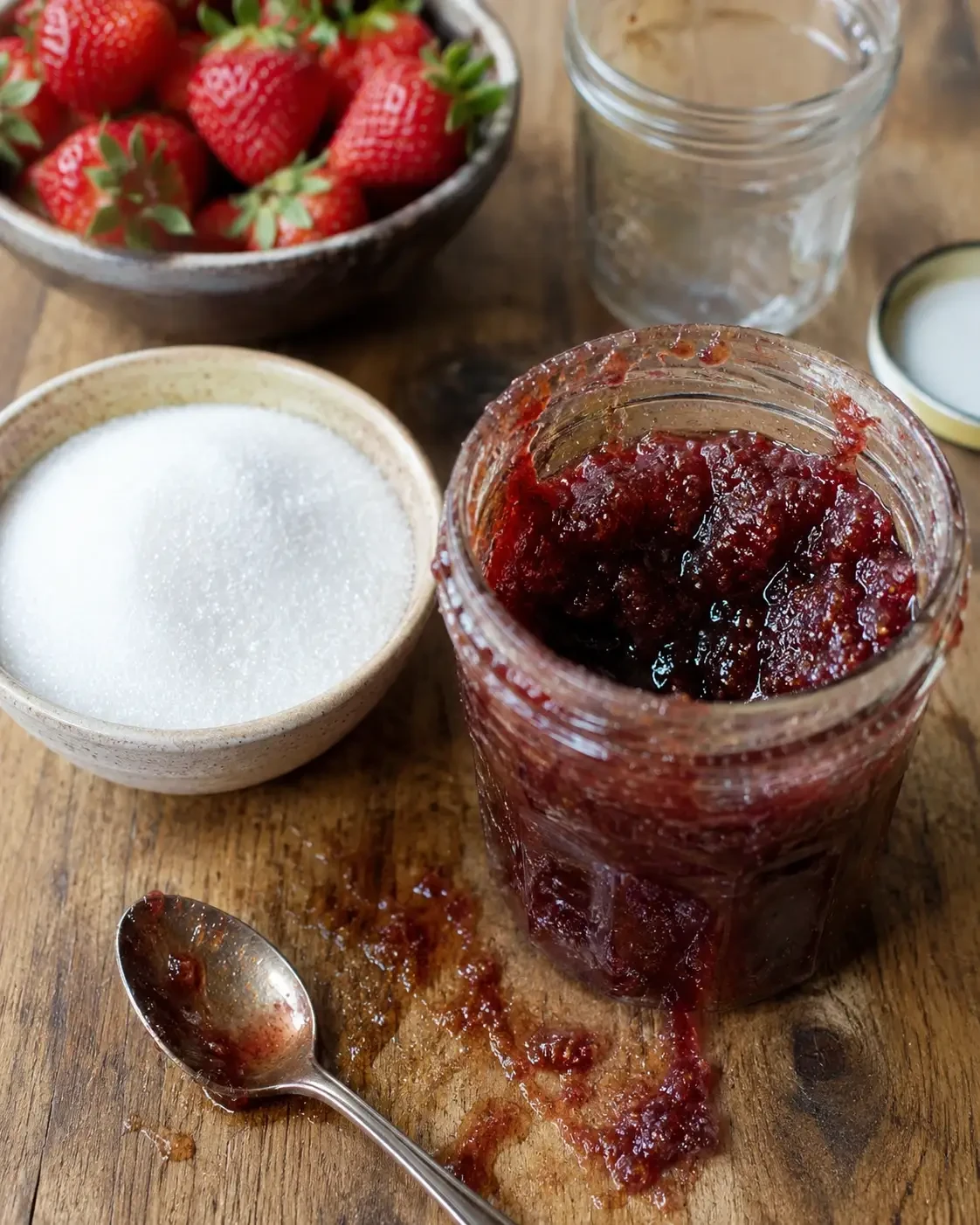
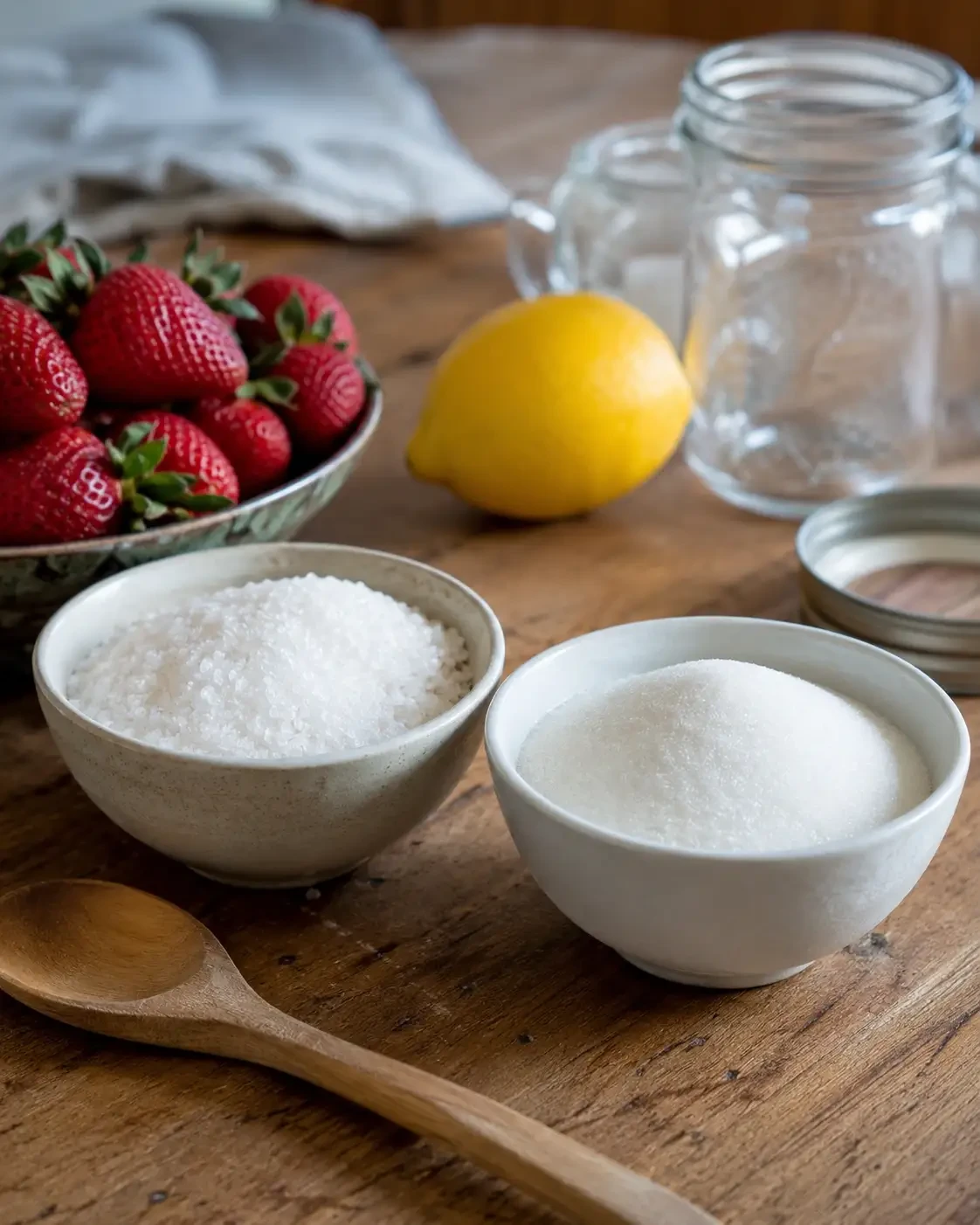
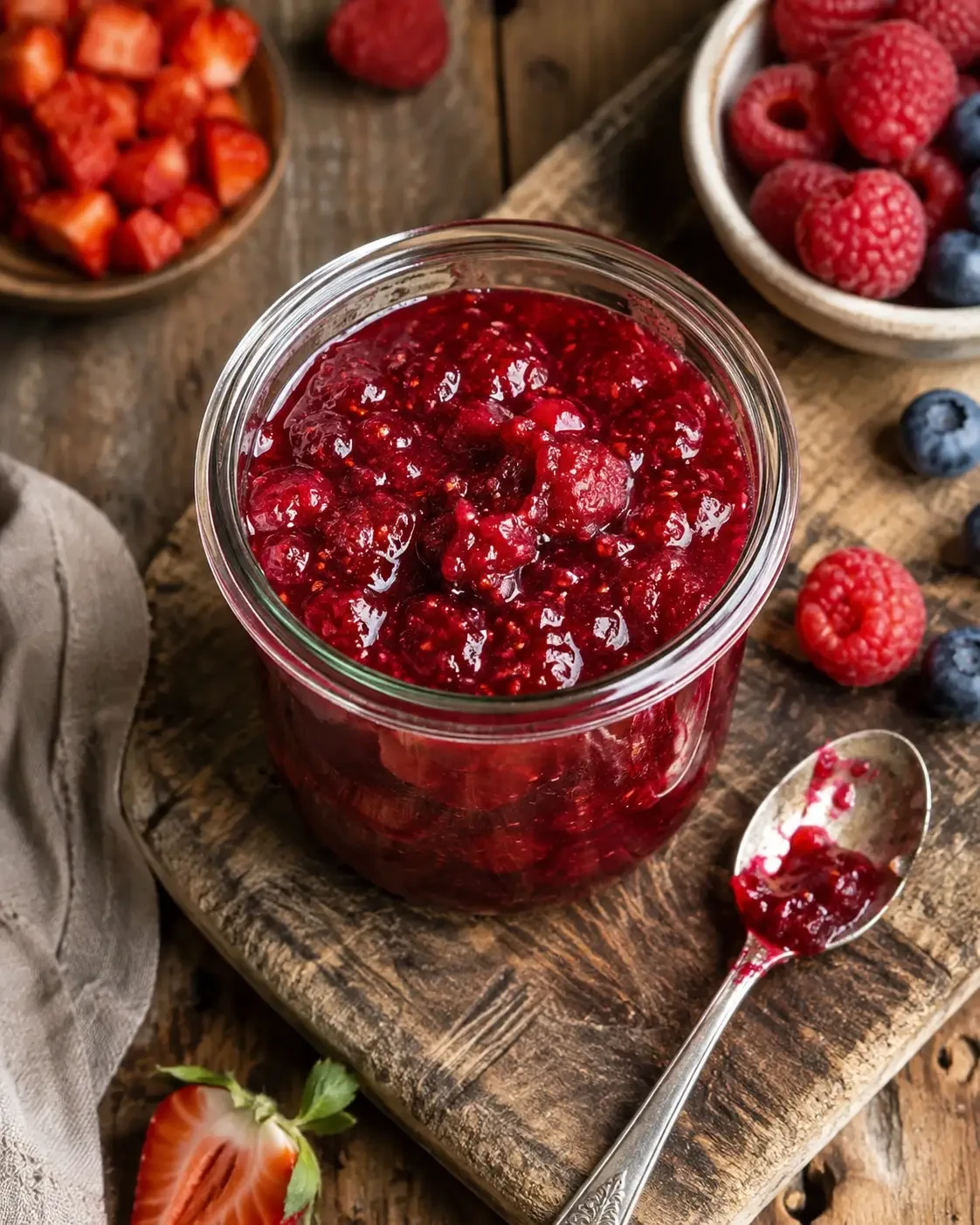
Jam sugar is sugar made for jam making, usually with added pectin and sometimes added citric acid depending on the product. Pectin helps jam set, which is especially useful for lower pectin fruits such as strawberries, raspberries, cherries, peaches and pears. Ordinary granulated sugar can still be used for many jams, especially with higher pectin fruits such as apples, gooseberries, currants and some plums, but jam sugar can make setting easier and more reliable for beginners.
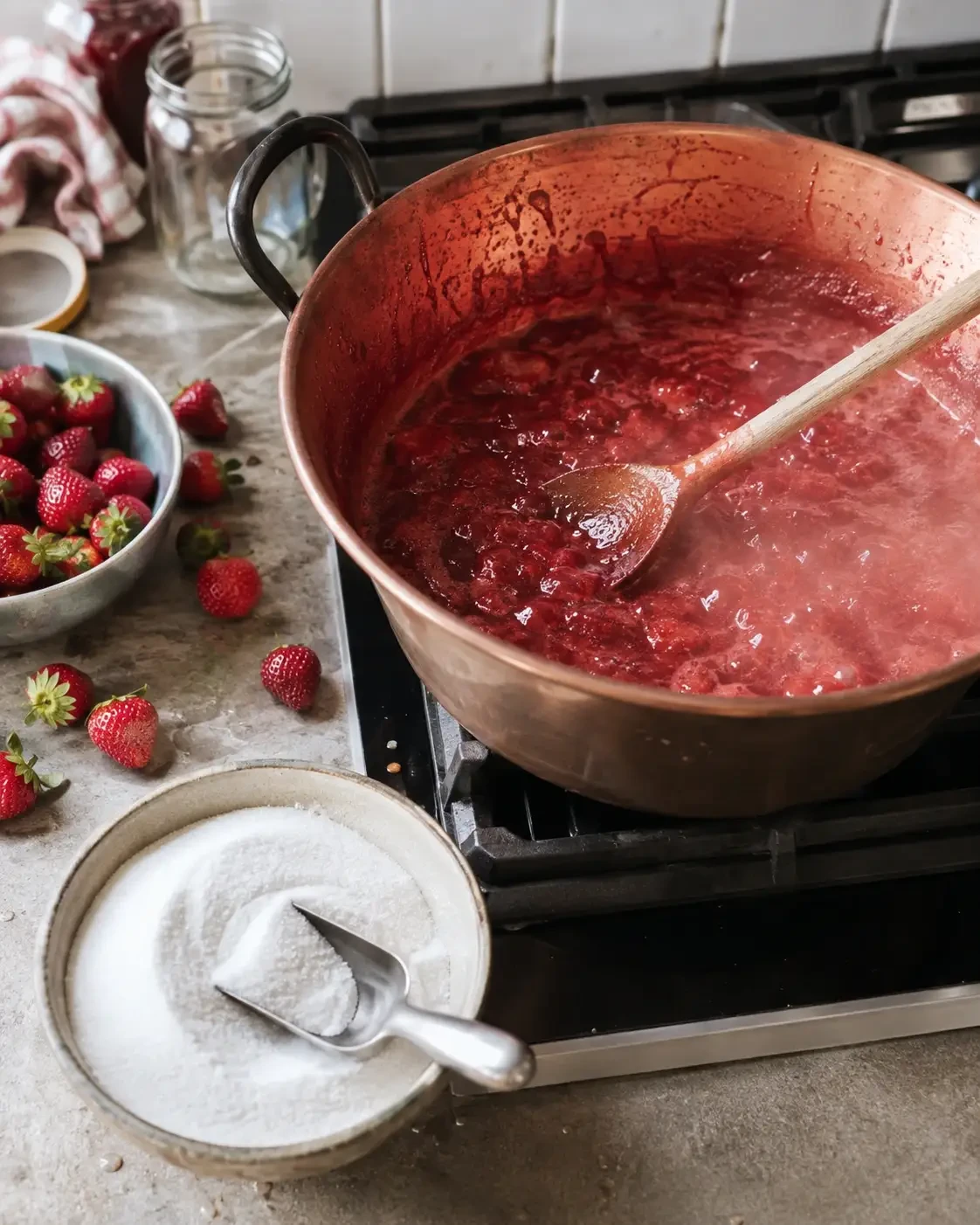
Jam sugar is sugar made for jam making, usually with added pectin and sometimes added citric acid depending on the product. Pectin helps jam set, which is especially useful for lower pectin fruits such as strawberries, raspberries, cherries, peaches and pears. Ordinary granulated sugar can still be used for many jams, especially with higher pectin fruits such as apples, gooseberries, currants and some plums, but jam sugar can make setting easier and more reliable for beginners.

What Does Jam Sugar Do?

SO.. the easiest way to explain it is that Jam sugar, helps jam set.
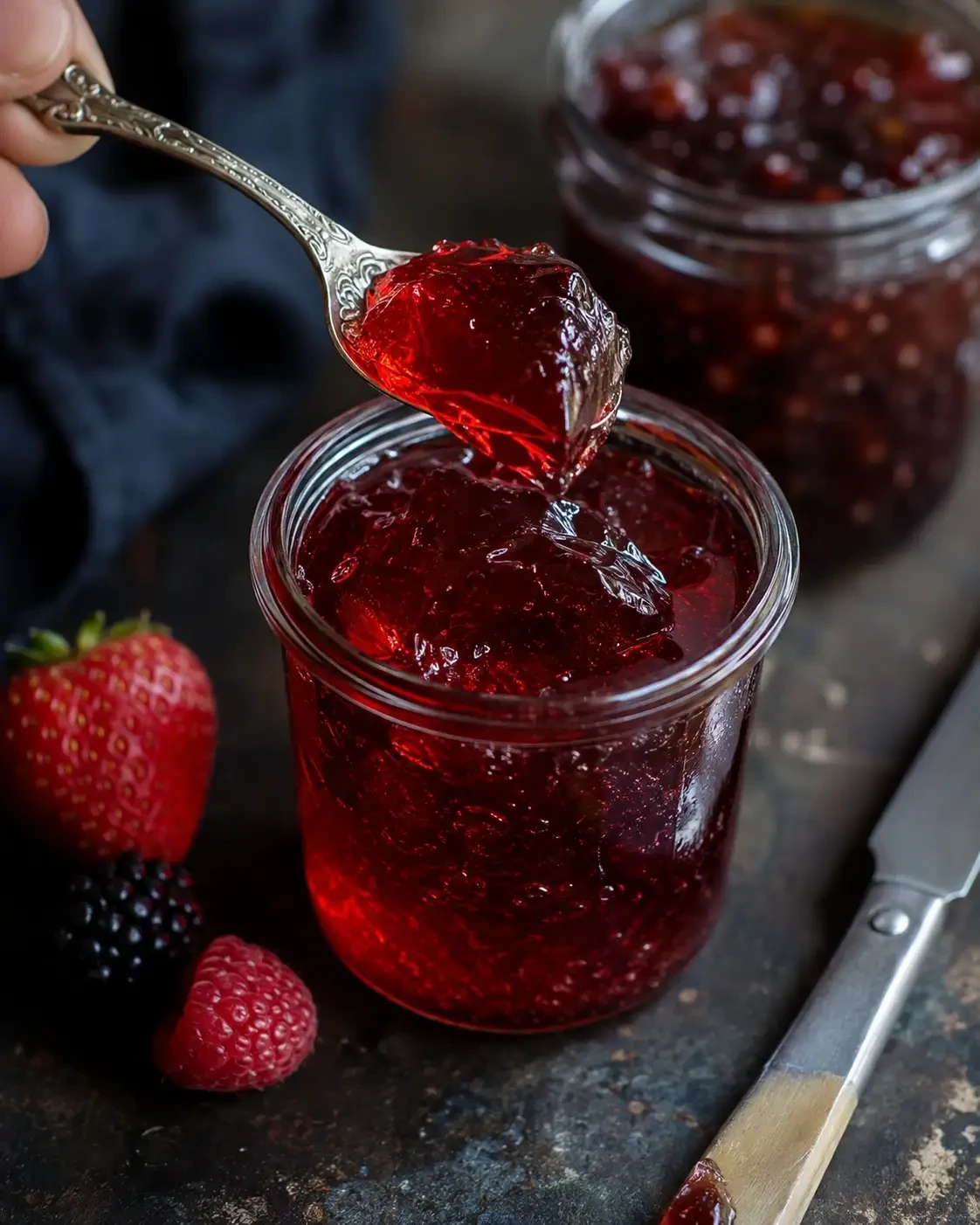
When fruit is cooked with sugar, acid and pectin, the mixture can thicken into a spreadable preserve. Some fruits naturally contain plenty of pectin. Others do not. If a fruit is low in pectin, the jam may stay loose unless pectin is added or the recipe is adjusted.
Jam sugar gives the recipe extra setting support. It is especially useful for soft fruit jams, quick small batch jams and recipes where the fruit does not naturally set easily.

Jam Sugar vs Granulated Sugar

So I hear you saying ‘is it the end of the world if I use granular sugar’. Well jam sugar and ordinary granulated sugar are not the same.
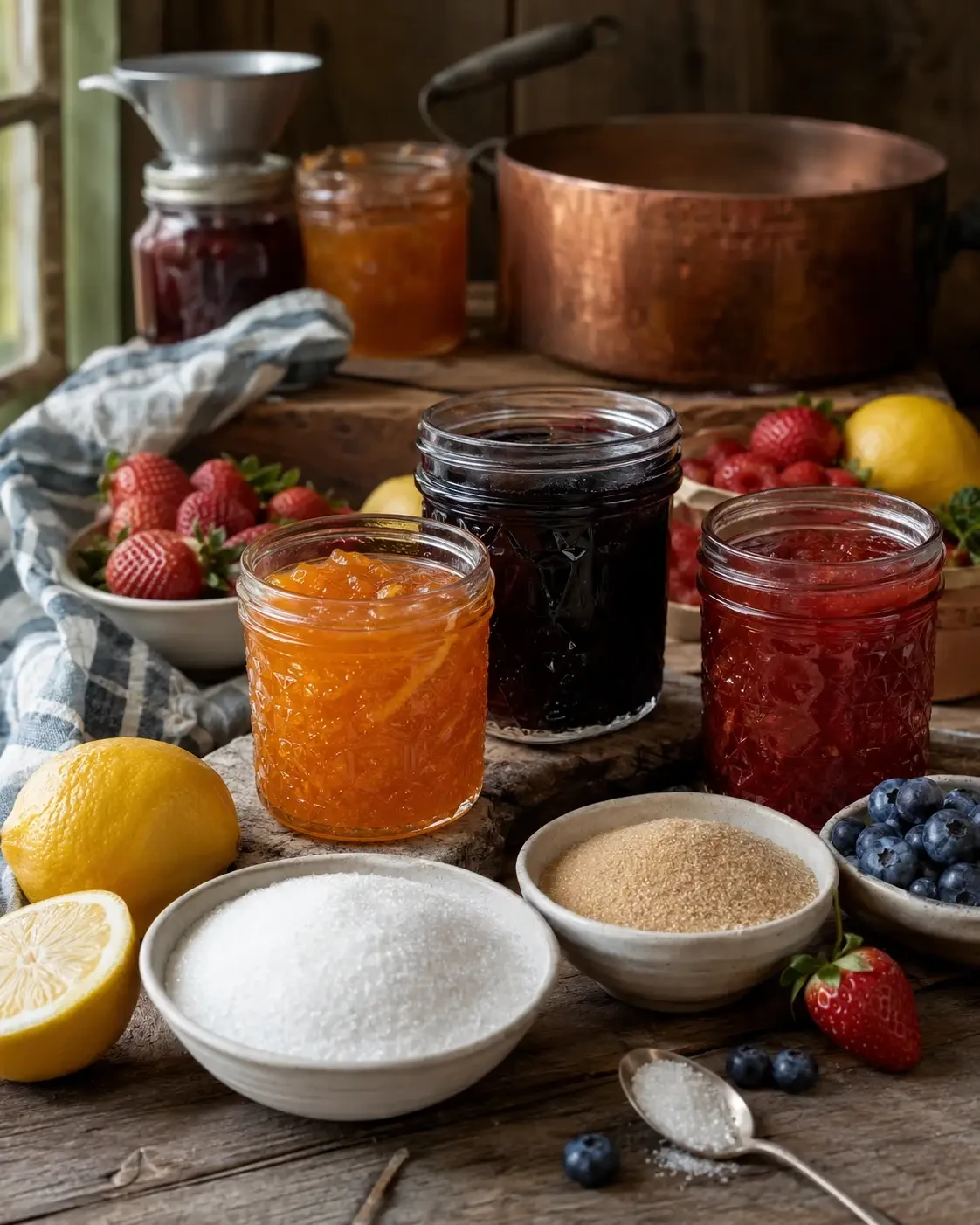
Granulated sugar is simply sugar. It sweetens the fruit, helps preserve the jam and supports texture, but it does not usually contain added pectin.
Jam sugar usually contains added pectin. Some varieties may also include citric acid. This helps the jam reach a set more easily, especially when the fruit itself is naturally low in pectin.

Simple comparisons

Granulated sugar

Good for many traditional jam recipes, especially with higher pectin fruit.

Jam sugar

Useful for lower pectin fruit and beginner friendly jam making.

Jam sugar

Often has larger crystals and may help create a clearer preserve, but it is not always the same as jam sugar with pectin.

What Is Pectin?

Pectin is a natural substance found in fruit. It helps fruit cell walls hold together, and in jam making it helps the fruit mixture set. When pectin, sugar and acid are balanced correctly and heated properly, jam becomes thick and spreadable. Some fruits are naturally high in pectin. Others need help.
This is why apple jelly may set easily, while strawberry jam can sometimes remain soft or runny. Understanding pectin helps jam makers choose the right fruit, sugar and method.

Why Some Fruits Set Better Than Others

Not all fruits behave the same in a jam pan.
Some fruits contain more natural pectin and acid, which makes setting easier. Others contain less pectin and need added help. Ripeness also matters. Slightly under ripe fruit often contains more pectin than very ripe fruit, although flavour may be better when fruit is fully ripe.
This is why experienced preserve makers often balance ripe fruit with a little under ripe fruit, lemon juice or added pectin. Jam sugar is one of the simplest ways to help lower pectin fruit set.

Fruits That Often Work Well With Jam Sugar

Jam sugar can be useful for fruits that are naturally lower in pectin.
These may include:
These fruits can make beautiful jams, but they may need help to set cleanly.

Fruits That Are Naturally Higher in Pectin

Some fruits naturally contain more pectin.
These may include:
These fruits can often help jams, jellies and preserves set more easily. This is why apple is sometimes added to chutneys, jellies or mixed fruit preserves for body and setting support.

Do You Always Need Jam Sugar?

No. You do not always need jam sugar. Many jams can be made with ordinary granulated sugar, especially if the fruit is naturally high in pectin or the recipe includes lemon juice, apple, redcurrants or another pectin rich ingredient.
Jam sugar is most useful when:
Jam sugar is a tool, not a rule.

Jam Sugar and Low Pectin Fruit

Low pectin fruit can make wonderful jam, but it often needs a little support. Raspberries, cherries, pears, peaches, rhubarb and some summer berries can create beautiful preserves. The issue is that the set may be softer, looser or less predictable.
Jam sugar helps by adding pectin into the recipe.

This is especially helpful for beginners because it makes the process feel less like guesswork.
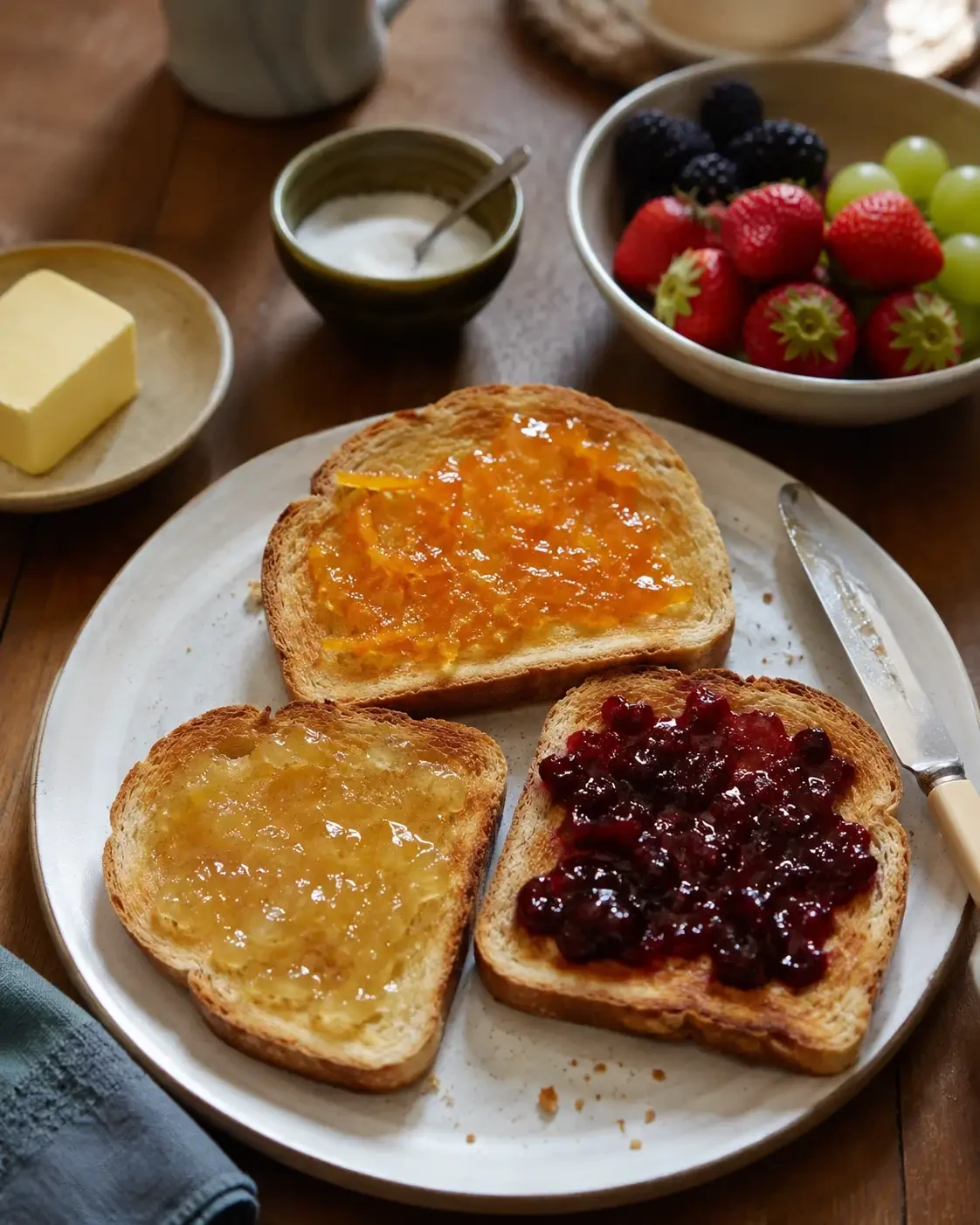
Jam Sugar and Lemon Juice

Lemon juice is often used in jam making because acid helps pectin work.
Even when using jam sugar, lemon juice may still appear in recipes because it can brighten flavour and support the setting process. It is especially useful with sweet, low acid fruit. The exact amount depends on the recipe.
For beginners, it is best to follow a tested recipe rather than adding lemon juice randomly.

Jam Sugar and Setting Point

Jam making often involves reaching a setting point.
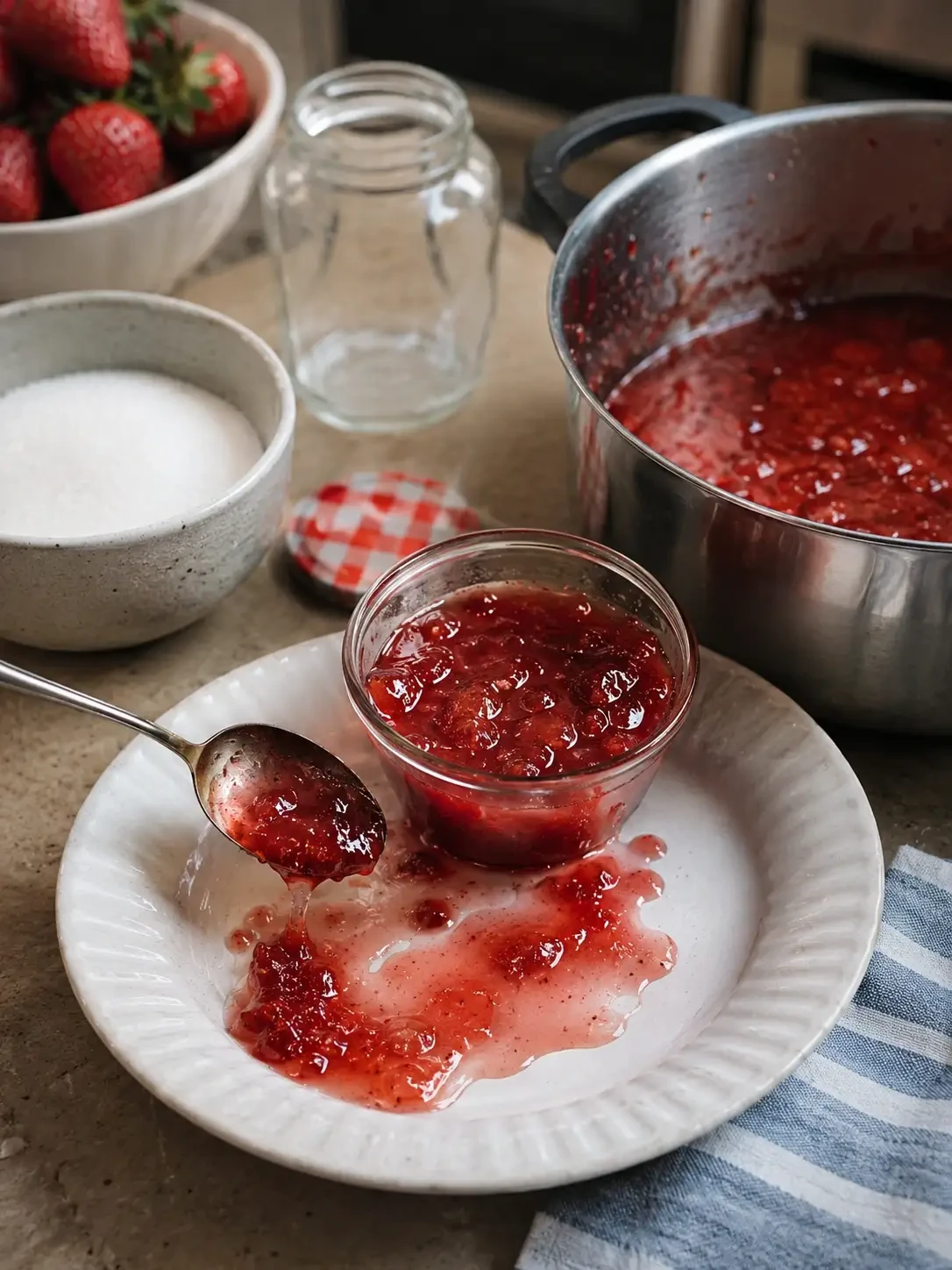
This is the stage where the fruit, sugar, acid and pectin have cooked enough to form a set texture once cooled. Many home jam makers use the cold plate test, a thermometer or the wrinkle test. Jam sugar can help the jam reach a set, but it does not remove the need to cook properly.
If the jam is undercooked, it may remain runny. If it is overcooked, it may become too stiff, dark or caramelised.

Common Setting Tests

The cold plate test

Place a small spoonful of jam on a chilled plate, let it cool briefly, then push it gently. If it wrinkles, it may be ready.

The thermometer method

Many jam recipes use a target setting temperature. Follow the recipe guidance carefully.

The spoon test

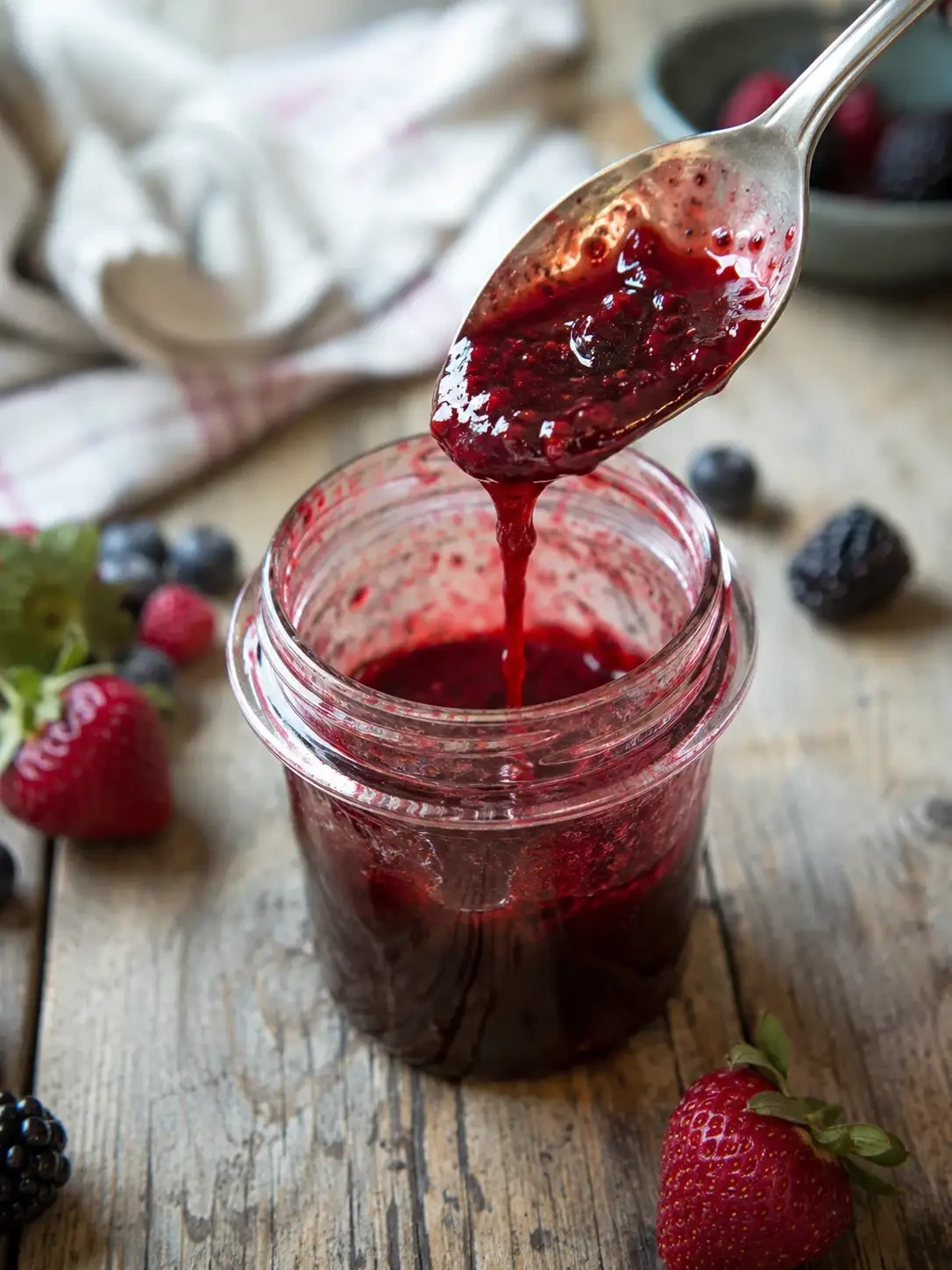
The jam begins to fall from the spoon in heavier sheets rather than thin drips.

Why Jam Sometimes Does Not Set

Jam can fail to set for several reasons. The fruit may be low in pectin. The mixture may not have enough acid. The jam may not have reached setting point. The fruit may be over ripe. The recipe may have too much liquid. The ratio of fruit to sugar may be wrong.
This can be frustrating, but it is also part of learning to preserve.
Jam sugar helps with one part of the problem by adding pectin, but good method still matters.

Can You Fix Runny Jam?

Sometimes runny jam can be recooked.
For home use, some jam makers return runny jam to the pan and cook it again with extra pectin, lemon juice or jam sugar depending on the recipe. However, reheating can change flavour, texture and colour.
If the jam is being made for sale, do not improvise without proper controls. Commercial products need consistent process, records and food safety thinking.

Why Jam Sometimes Does Not Set

Jam can fail to set for several reasons. The fruit may be low in pectin. The mixture may not have enough acid. The jam may not have reached setting point. The fruit may be over ripe. The recipe may have too much liquid. The ratio of fruit to sugar may be wrong.
This can be frustrating, but it is also part of learning to preserve.
Jam sugar helps with one part of the problem by adding pectin, but good method still matters.

Do you make strawberry jam or seasonal fruit preserves?

List your preserve making business, farm shop range, market stall or local food brand on BFFD and help people understand your products, ingredients, stockists and producer story more clearly.

Reputable External Sources

Use this for food business registration context.
Use this for safe food business setup context.
Use this for official food hygiene context.

Use this for food safety management procedure context.
Use this for allergen information and handling context.
Use this for jam, marmalade, mincemeat and similar product composition and labelling context.
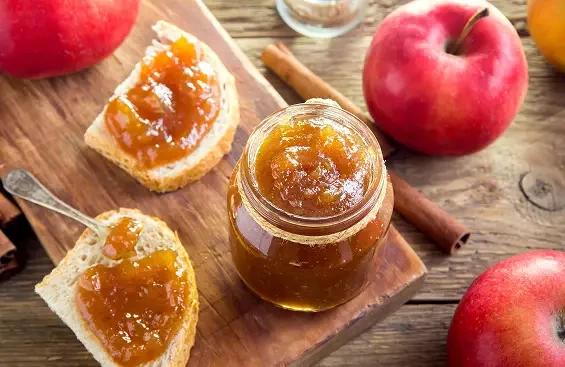
jam and jellies with food

*External sources are provided for further reading. BFFD does not provide food safety, legal, trading standards, allergen, dairy hygiene, delivery, labelling or business advice. Cheesemongers, cheese makers and food businesses should always follow current official guidance and seek professional advice where required.

FAQ

What is jam sugar?
Jam sugar is sugar designed for jam making, usually with added pectin to help jam set.
No. Normal granulated sugar does not usually contain added pectin. Jam sugar usually does.
Not always. Preserving sugar often has larger crystals, while jam sugar usually contains added pectin. Always check the packet.
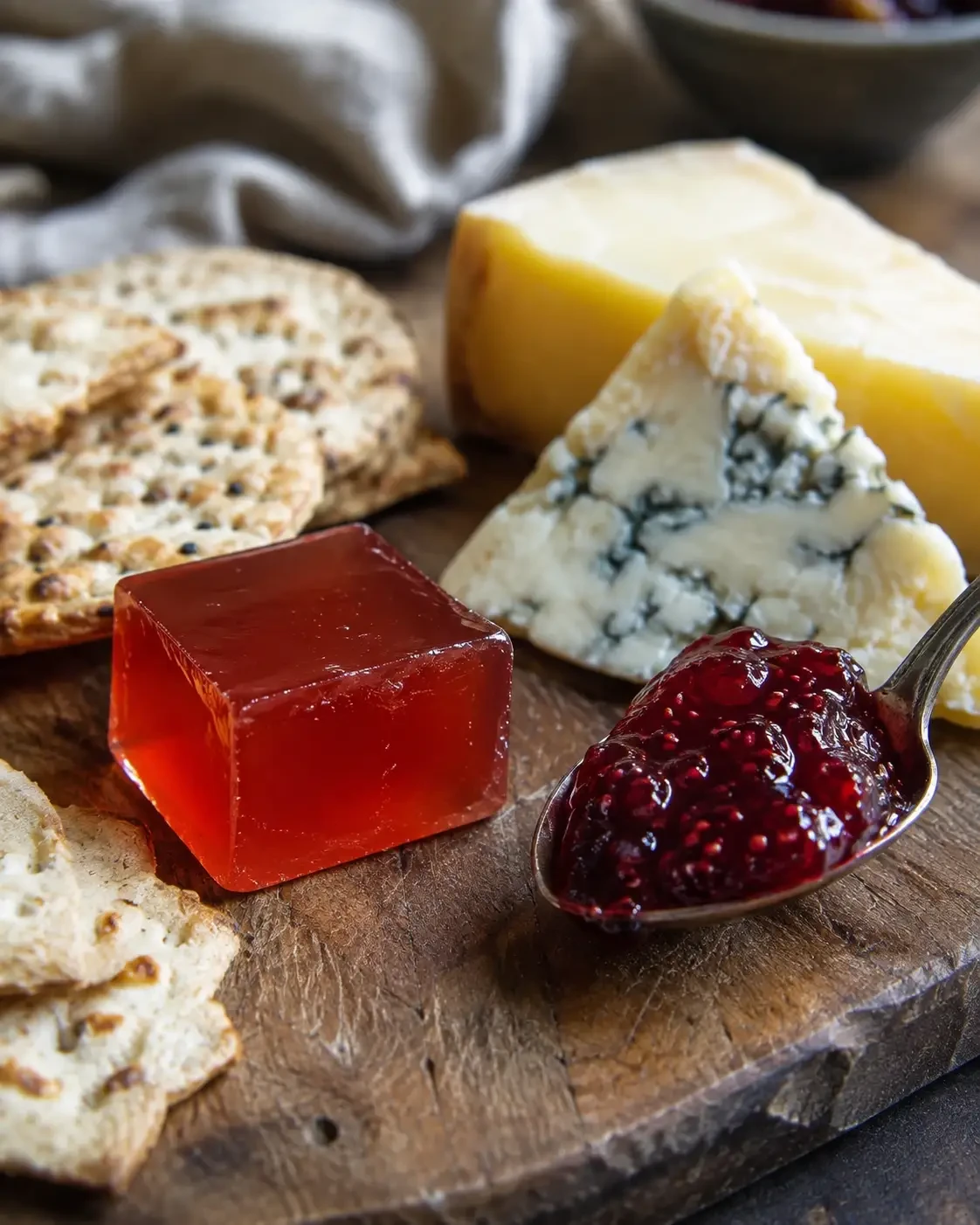
Jelly is clear because the cooked fruit is strained before the juice is boiled with sugar to set.
Jam sugar can be very useful for strawberry jam because strawberries are naturally lower in pectin
Low pectin fruits such as strawberries, raspberries, cherries, peaches, pears and rhubarb often benefit from jam sugar or added pectin.
Yes. Many jams can be made with ordinary granulated sugar, especially when using higher pectin fruit or a tested recipe.
Yes. If used with high pectin fruit or boiled too long, jam sugar can produce an overly firm set.

Understand Jam Sugar Before Making Your Next Preserve

Jam sugar helps turn soft seasonal fruit into a more reliable jam, especially when the fruit is naturally low in pectin. BFFD is being built to help people understand preserves, support small producers and connect local jars back to real growers, makers and food businesses.