Follow us:

Your Go To Edible Mushroom Identifiers

Let us help you find the best edible mushroom identifiers
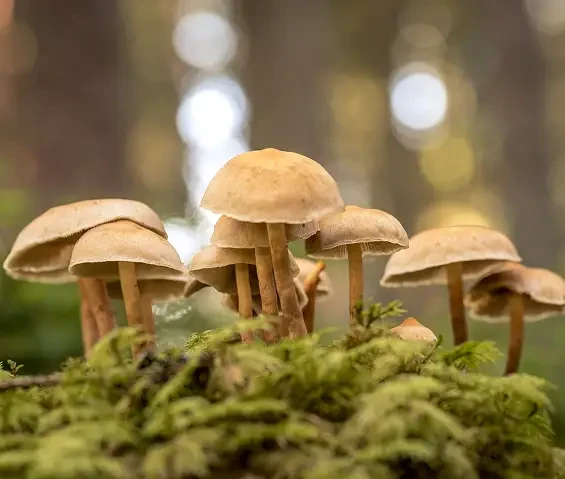
An edible mushroom identifier may sound useful, but wild mushroom identification is not something that should be treated as quick, simple or risk free. Mushrooms can be beautiful, strange and fascinating. They appear in woodland, grassland, gardens, parks, hedgerows and damp corners of the countryside. Some are edible. Some are unpleasant. Some are poisonous. Some can be deadly. The dangerous part is that some toxic mushrooms can resemble edible species, especially to beginners. Buy From Farmers Direct is being built to help people understand mushrooms responsibly. That means being honest about the limits of online identification and guiding people towards safer mushroom learning, cultivated mushroom producers and expert led education.

An edible mushroom identifier may sound useful, but wild mushroom identification is not something that should be treated as quick, simple or risk free. Mushrooms can be beautiful, strange and fascinating. They appear in woodland, grassland, gardens, parks, hedgerows and damp corners of the countryside. Some are edible. Some are unpleasant. Some are poisonous. Some can be deadly. The dangerous part is that some toxic mushrooms can resemble edible species, especially to beginners. Buy From Farmers Direct is being built to help people understand mushrooms responsibly. That means being honest about the limits of online identification and guiding people towards safer mushroom learning, cultivated mushroom producers and expert led education.

There are no official ways to ensure a mushroom or fungi is safe

Wild mushrooms should never be eaten unless they have been identified with certainty by a suitably experienced expert. Photographs, apps, colour matching, simple checklists and online descriptions are not enough to guarantee safety. Mushroom identification may involve cap shape, gills, pores, stem base, ring, volva, spore print, smell, bruising, habitat, nearby trees, growth pattern, season and expert experience. For eating mushrooms, the safer route is to buy cultivated mushrooms from reputable growers, farm shops, farmers markets or specialist suppliers. Our recommended tools are for identification purposes only. 
Why Mushroom Identification Is Difficult

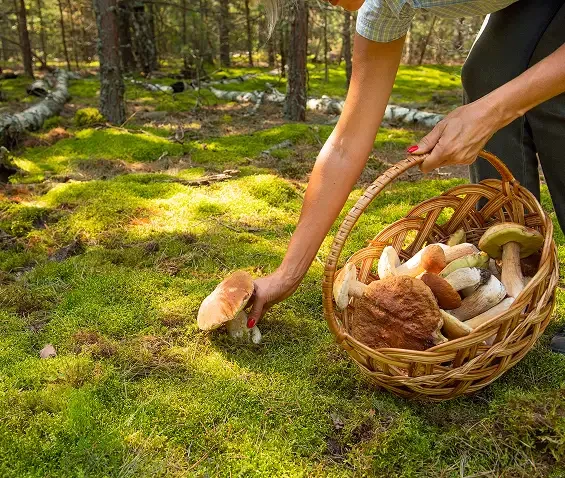
Mushroom identification is difficult because mushrooms are variable.
A mushroom can look different depending on age, weather, damage, light, moisture and where it is growing. The same species may look different at different stages. A young mushroom may look nothing like an older one. Rain can wash colour away. Dry weather can change texture. Leaf litter can hide key features.
Beginners often focus on obvious features, such as colour or cap shape. Experts look at far more than that.
Safe identification may involve the whole mushroom, the underside, the stem base, the habitat, the season, nearby trees, smell, bruising, spore colour and comparison with similar species.
Even then, responsible identification relies on experience.

Photographs Are Not Enough

A photograph can be useful for learning, but it is not enough to confirm whether a mushroom is edible.
A photo may fail to show the underside. It may miss the stem base. It may not show scale. It may hide whether the mushroom has gills, pores, a ring or a volva. It may not show the surrounding habitat or nearby trees. Lighting may also change the colour.
Two mushrooms can look similar in a photograph but be completely different in safety.
For BFFD, the message should be clear: photos can support learning, but they should not be used as permission to eat a wild mushroom.

Apps Can Be Wrong

Mushroom identification apps may be useful for curiosity, but they should not be treated as safety tools for eating wild mushrooms.
An app can misread a photograph. It may suggest a species based on appearance alone. It may not understand local conditions, growth stage, smell, habitat or hidden features. It may also confuse similar looking species.
This does not mean apps have no educational use. They can help people become interested in fungi, record sightings or learn broad groups.
But an app should never be the final authority on whether a mushroom is safe to eat.

Apps You Might Want to Check Out

Picture Mushroom

Probably the strongest all round photographic identifier at present. It has more than 5,500 ratings in the UK App Store with a 4.7 score and provides several possible species rather than presenting every result as absolute certainty. More importantly, it performed best in a 2026 scientific comparison of mushroom recognition tools. Even then, however, it still failed to provide the correct identification in almost 15 percent of tests.

iNaturalist

Much more than an identification app. It is a nonprofit biodiversity platform where an initial computer generated suggestion can subsequently be reviewed by knowledgeable members of the iNaturalist community. It covers fungi across the UK and has an enormous global observation database. The community element is particularly valuable.

Shroomify

This is one I particularly like for genuine mushroom enthusiasts because it does not simply ask you to photograph something and trust an AI answer. Instead, you select physical characteristics and the app narrows the possibilities, making it closer to using a traditional field identification key. It also works offline, provides country specific occurrence information.

SHROOM id

One of the strongest choices specifically for Britain. This app has been around since at least 2013 and was created by professional published ecologists specifically around fungi found in the British Isles. It uses a structured identification key rather than depending exclusively on image recognition. It’s age is actually an advantage when you are looking for apps with an established history rather than something launched during the recent AI boom.

Mushrooms & other Fungi UK

Another very credible UK specific choice. It is British made and uses recognised English fungi names specified by the British Mycological Society. Its Fungus Finder works through observable characteristics and it covers mushrooms, toadstools, bracket fungi, puffballs and other fungi. It also lets users record photographs, locations, grid references and observations, making it more like a proper digital field guide.

Champignouf
(Mushroom Identificator)

Champignouf has been around for years, with App Store version history extending back to 2018. It now recognises more than 2,000 mushroom types, provides photographic recognition and includes community identification functionality. 
What Experts May Consider When Identifying Mushrooms

Experts may consider many features before identifying a mushroom.
These can include cap shape, cap surface, colour, gills, pores, stem shape, stem base, ring, volva, smell, bruising, spore print, habitat, nearby trees, growth pattern, season and whether the mushroom is growing on soil, wood, grass, leaf litter or another material.
However, this list should not be treated as a checklist for eating.
It is included to show why mushroom identification is complex. Knowing the names of features does not make identification safe. Experience matters, and expert confirmation is essential before any wild mushroom is eaten.

Cap, Gills, Stem and Base

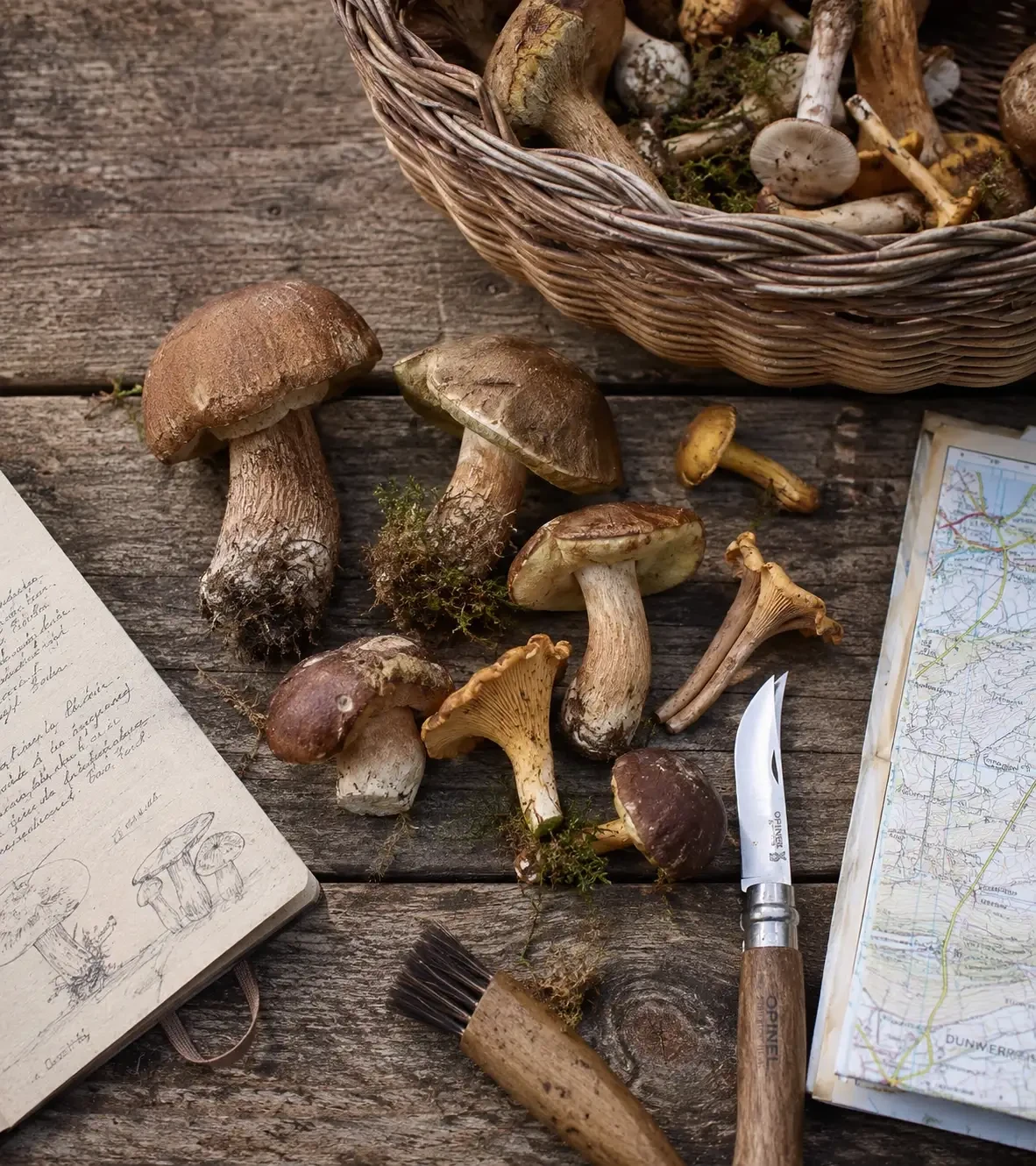
Many people look only at the top of a mushroom. That is not enough. The underside may have gills, pores, teeth or other structures. The stem may have important features. The base of the stem may be hidden in soil or leaf litter. Some key identification features may be underground or partly covered.
A mushroom should never be identified only from the visible cap.
This is one reason photographs taken from above are especially unreliable.

Habitat and Nearby Trees

So now we have covered the mushrooms characteristics it’s important to understand that where a mushroom grows can be very important.
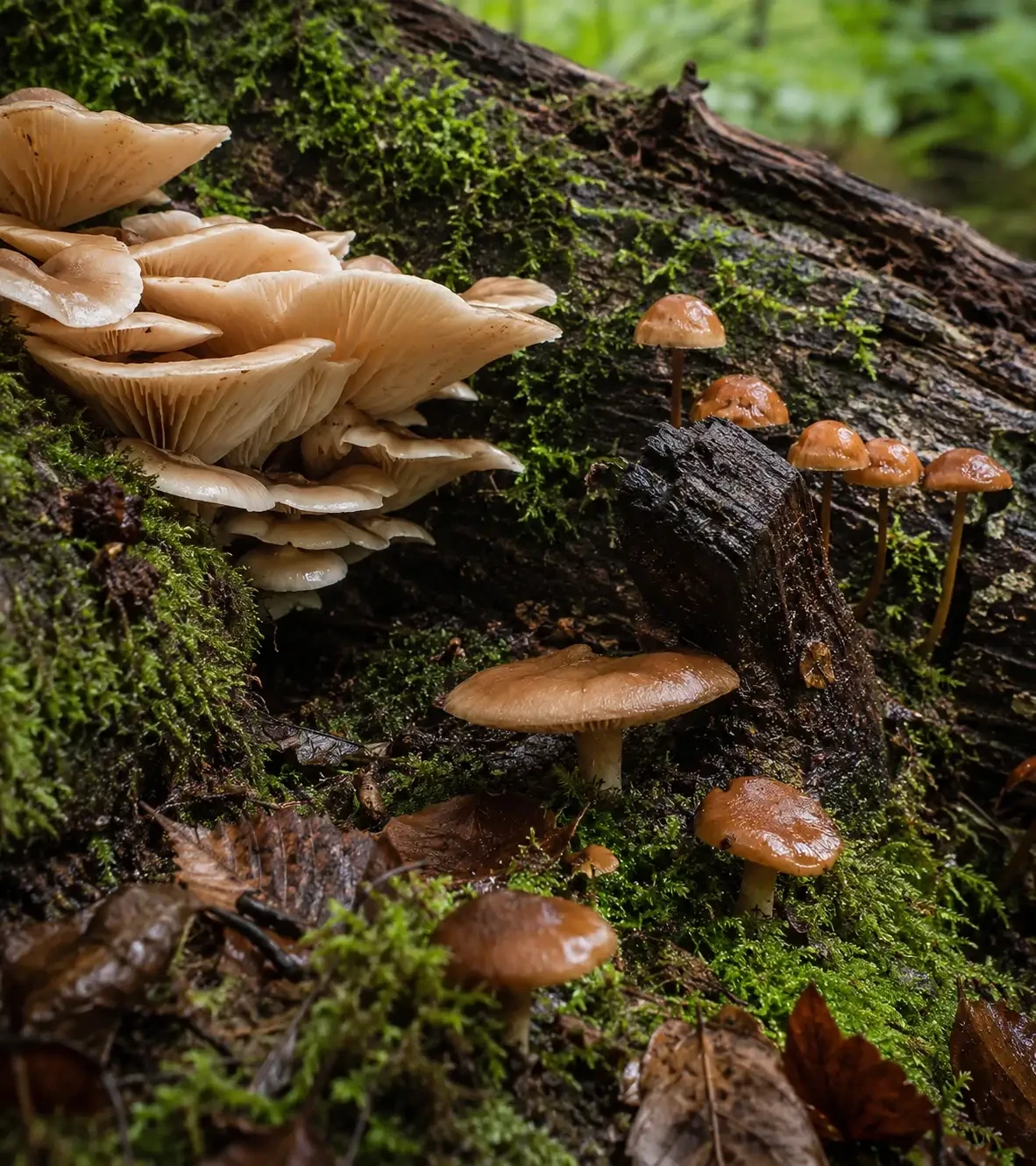
Some mushrooms grow on dead wood. Some grow in soil. Some appear near particular trees. Some grow in grassland. Some grow in rings. Some appear on stumps, roots, moss, leaf litter or decaying organic matter.
Habitat can help experts narrow possibilities, but it does not prove edibility on its own. A mushroom growing in a familiar place is not automatically safe. A mushroom growing near an edible species is not automatically edible.

Safer Ways to Learn About Mushrooms

Provenance matters with gourmet mushrooms because specialist mushrooms are often grown by smaller producers with real expertise.
A customer may want to know who grew the mushrooms, where they were grown, whether the supplier is a local mushroom grower, whether the mushrooms are British, whether they are sold through a farm shop or market, and whether fresh or dried options are available.
This kind of information builds trust. It also helps growers stand out from anonymous supply chains.
BFFD connects gourmet mushrooms with provenance because specialist food should be easier to trace back to the people growing it.

Safer Ways to Learn About Mushrooms

There are safer ways to enjoy mushroom learning without eating wild mushrooms.
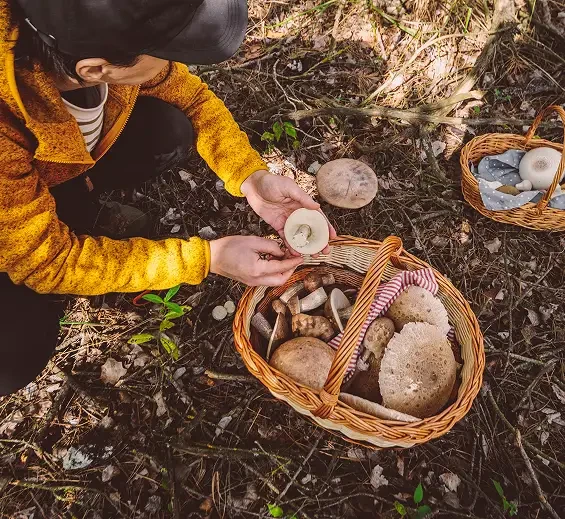
Users can observe fungi on walks, take photographs for personal interest, join expert led fungi walks, learn from local naturalist groups, study woodland ecology, visit farm shops selling cultivated mushrooms, buy from specialist mushroom growers or learn about mushroom farming.
The aim should be curiosity with caution.

How BFFD Helps People Understand Mushroom Identification

BFFD is being built to make food and producer discovery clearer and more responsible. For edible mushroom identification, the role of BFFD is not to identify wild mushrooms for eating. It is to explain the risks, encourage expert learning and guide users towards safer routes such as cultivated mushroom producers, farm shops, farmers markets and reputable suppliers. This keeps the content useful without creating false confidence. For mushroom producers, it also helps explain why cultivated mushrooms deserve visibility and trust.
Reputable External Sources

Use this for hygiene rating checks and customer trust.
Use this for official food hygiene and safe food handling context.
Use this for food business setup and safe operation context.
Use this for food packaging and labelling context.
Use this for wider food labelling guidance.
Use this for public educational context around mushroom growing.
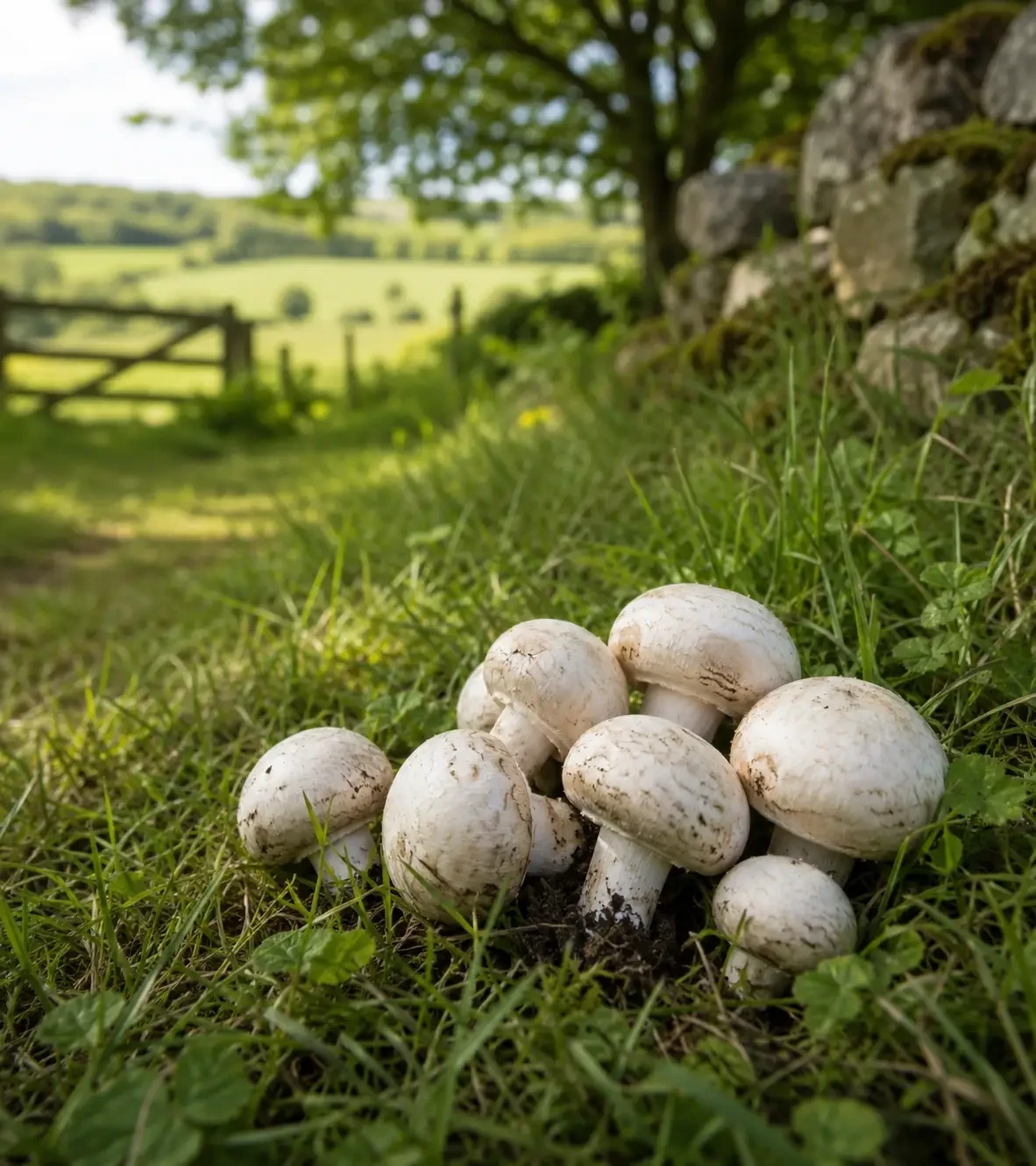
white button mushrooms

*External sources are provided for further reading. BFFD does not provide food safety, legal, trading standards, allergen, dairy hygiene, delivery, labelling or business advice. Cheesemongers, cheese makers and food businesses should always follow current official guidance and seek professional advice where required.

FAQ

Is there an easy edible mushroom identifier?
To put is simply – No. There is no OFFICIAL safe, easy online edible mushroom identifier. Wild mushrooms should only be eaten if identified with certainty by a suitably experienced expert.
Unless you are an expert with experience – Not really. A photo is not enough to guarantee safe identification. It may miss important features such as the underside, stem base, habitat, scale or growth stage.
Apps may be useful for curiosity, but they should not be relied on to decide whether a wild mushroom is safe to eat. You should look to gather as much infomation prior to havest and pre consumption.
Some edible mushrooms have poisonous lookalikes. Similar appearance does not mean similar safety.
You can observe it, photograph it for personal learning and study fungi safely, but do not eat it unless it has been identified with certainty by a suitably experienced expert.
The safest route is to buy cultivated mushrooms from reputable growers, farm shops, farmers markets, restaurants or specialist suppliers.
No. BFFD does not identify wild mushrooms for eating. This content is for education and safety awareness only.
Yes. Mushroom growers, fungi farms, farm shops and specialist mushroom suppliers can create BFFD profiles to improve local discovery.

Learn About Mushrooms Without Taking Unsafe Risks

Mushrooms deserve curiosity, respect and caution. BFFD is being built to help people understand mushrooms responsibly and find safer, clearer routes to cultivated mushroom producers and education.