
Mushrooms are one of the most fascinating foods in the British food system.
They are not vegetables, even though many people cook with them in the same way. Mushrooms are fungi, and their production, harvesting, storage and identification all need a different kind of understanding. Some mushrooms are grown commercially in carefully controlled environments. Some are specialist varieties grown by small producers. Some grow in woodland and wild spaces, where identification must be treated with extreme care. Buy From Farmers Direct is being built to help people understand mushrooms properly and support the growers, farms, farm shops and specialist producers who work with mushrooms in a safe, practical and responsible way.
Mushrooms are edible fungi used in cooking, food production and specialist growing. Common cultivated mushrooms include button mushrooms, chestnut mushrooms, portobello mushrooms, oyster mushrooms, shiitake mushrooms, lion’s mane mushrooms and king oyster mushrooms. Mushrooms may be grown commercially, sold through farm shops, produced by specialist growers or found in woodland, although wild mushrooms should never be eaten unless identified with certainty by a suitably experienced expert. This BFFD mushroom section links to mushroom types, growing methods, starting a mushroom farm, woodland mushrooms and edible mushroom identification.
Mushrooms are edible fungi used in cooking, food production and specialist growing. Common cultivated mushrooms include button mushrooms, chestnut mushrooms, portobello mushrooms, oyster mushrooms, shiitake mushrooms, lion’s mane mushrooms and king oyster mushrooms. Mushrooms may be grown commercially, sold through farm shops, produced by specialist growers or found in woodland, although wild mushrooms should never be eaten unless identified with certainty by a suitably experienced expert. This BFFD mushroom section links to mushroom types, growing methods, starting a mushroom farm, woodland mushrooms and edible mushroom identification.
BFFD is covering mushrooms because they sit in a unique place within British food.
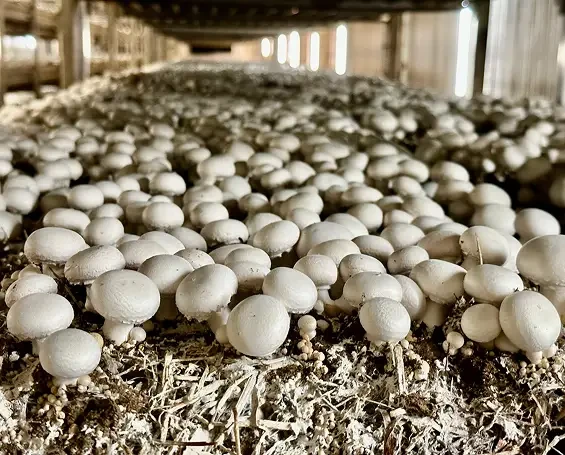
They are food, but they are not ordinary crops. They are grown differently from vegetables, harvested differently from fruit and understood differently from livestock products. Mushroom growing can happen in specialist farms, indoor growing rooms, converted farm buildings, urban food projects or small scale production spaces.
This makes mushrooms important for local food resilience. They show that food production does not always need open fields or large acreage. A skilled grower can produce valuable food in controlled environments with careful planning, hygiene and specialist knowledge.
For BFFD, mushrooms deserve a dedicated section because customers need better information and growers need better visibility.
Mushroom producers matter because they bring skill, variety and specialist knowledge into the food system.
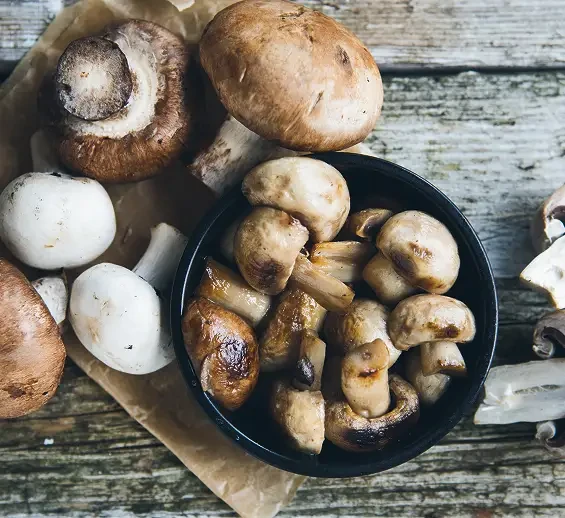
A good mushroom producer needs to understand growing conditions, substrate, humidity, airflow, hygiene, temperature, harvest timing, storage and product presentation. Mushrooms can be delicate, fast moving and highly sensitive to handling. They may be sold fresh, dried, boxed, supplied to restaurants or stocked through farm shops and markets.
Specialist growers may produce oyster mushrooms, shiitake, lion’s mane, king oyster or mixed mushroom boxes. Larger producers may supply familiar mushrooms such as button, closed cup, chestnut and portobello mushrooms.
Both routes matter. The key is clear information, safe production and honest provenance.
Mushrooms are familiar in the kitchen, but often misunderstood as a food category.
Many people do not know the difference between cultivated mushrooms and wild mushrooms. They may not understand why mushroom growing needs controlled conditions. They may not know which mushroom types are best for frying, roasting, drying, soups, sauces or restaurant dishes. They may also underestimate the safety risks around woodland mushroom identification.
This can create confusion.
BFFD can help by making mushroom content clearer, safer and more structured. Instead of treating mushrooms as a single generic product, the site should explain mushroom types, growing methods, farm start up routes, woodland mushroom safety and edible mushroom identification carefully.
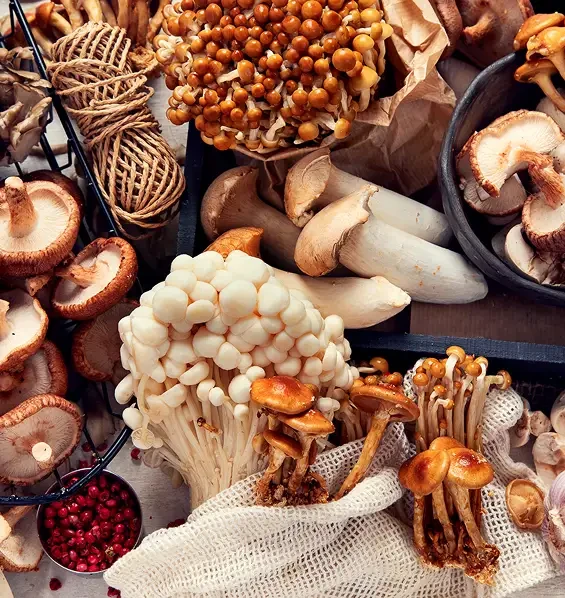
Mushrooms are the fruiting bodies of fungi.
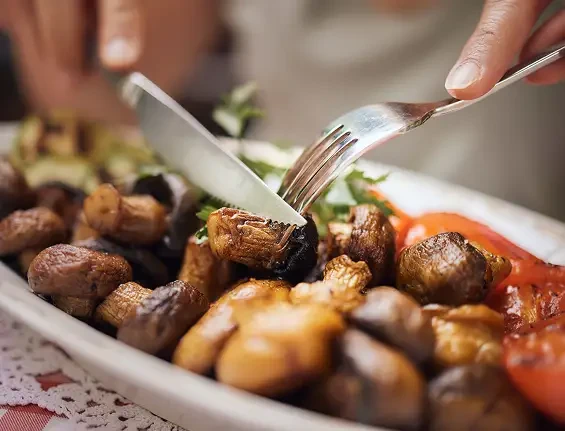
In everyday cooking, people often treat mushrooms like vegetables. They are sliced into breakfasts, folded into omelettes, roasted with herbs, cooked into stews, added to soups, used in pasta, placed on pizzas and served with meat, fish, eggs or plant led meals.
From a production point of view, mushrooms are very different from field vegetables. They do not grow from seed in the same way as carrots, lettuce or beans. Mushroom growing usually involves spawn, substrate, controlled conditions and careful timing.
That difference is why mushrooms deserve their own BFFD section.
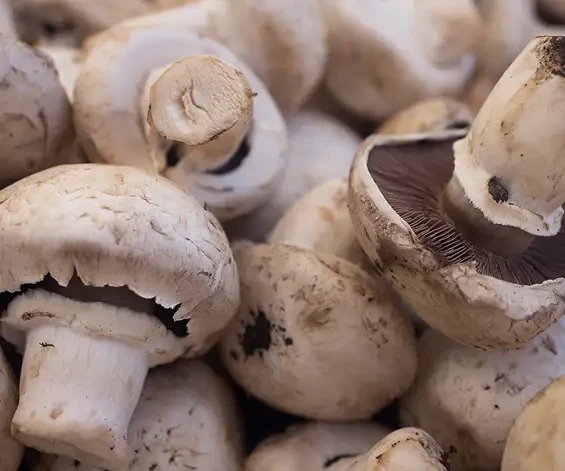
There is a major difference between cultivated mushrooms and wild mushrooms.
Cultivated mushrooms are grown under controlled conditions by producers. They may be sold through supermarkets, farm shops, restaurants, farmers markets, online suppliers or direct grower routes.
Wild mushrooms grow naturally in woodland, grassland and other environments. Some are edible, some are unpleasant, some are poisonous and some can be deadly. Wild mushroom identification is highly specialist and should never be treated casually.
BFFD should help people understand that cultivated mushroom buying and wild mushroom identification are very different subjects.
Wild mushroom safety warning
Never eat a wild mushroom unless it has been identified with certainty by a suitably experienced expert. Online guides, photographs and simple descriptions are not enough to guarantee safety.
Different mushroom types behave differently in the kitchen.
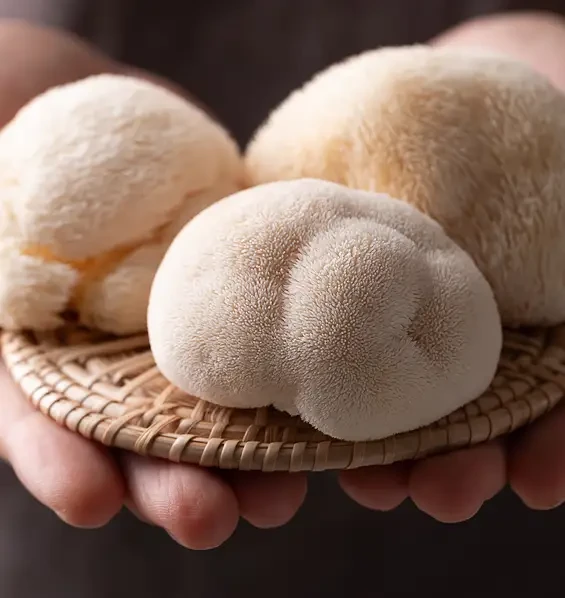
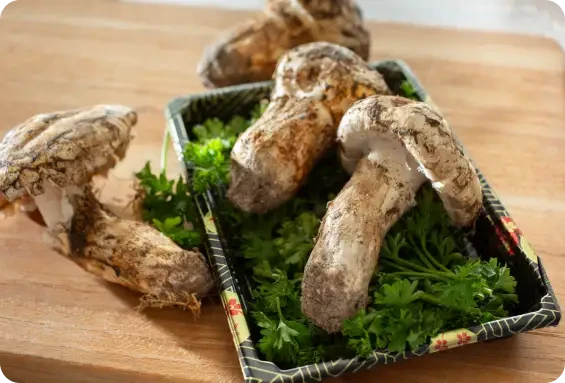
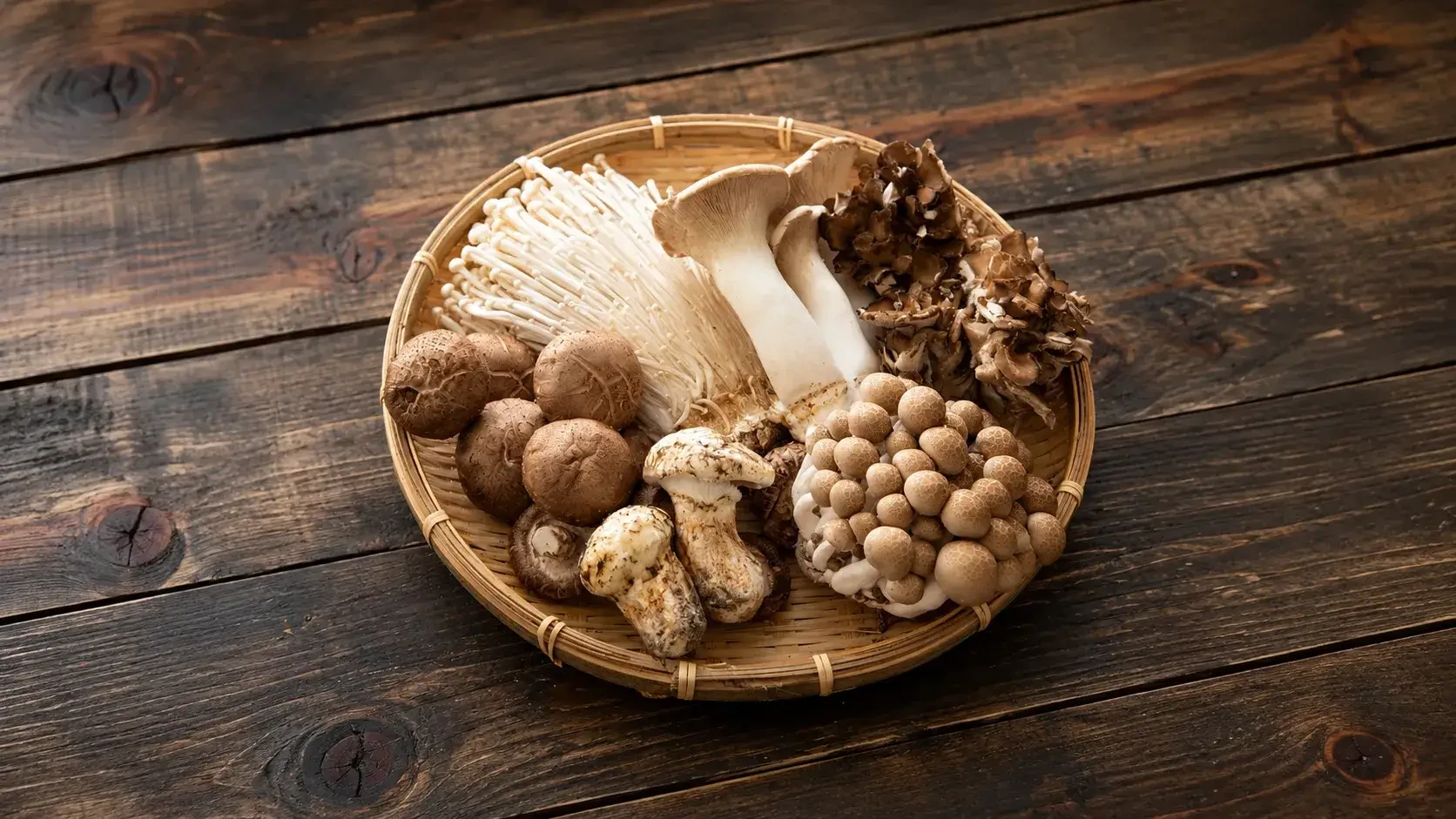
Button mushrooms and chestnut mushrooms are familiar everyday choices. Portobello mushrooms are larger and often used for grilling, roasting and filling. Oyster mushrooms can bring texture to stir fries and plant led dishes. Shiitake mushrooms are valued for depth and savoury flavour. Lion’s mane mushrooms have a distinctive texture and are often used as a centrepiece ingredient. King oyster mushrooms can be sliced and seared.
A strong mushroom type page should help people understand these differences without making exaggerated claims.
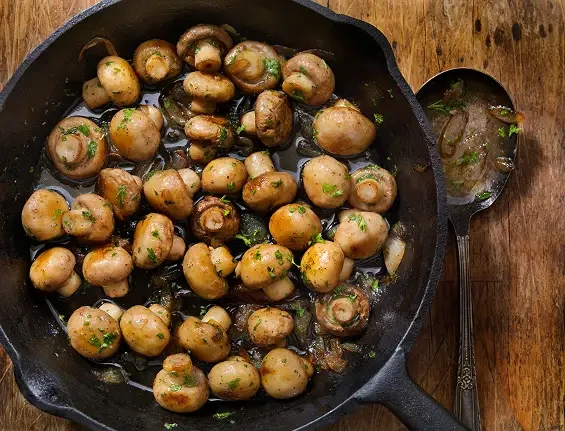
Mushroom growing usually relies on controlled conditions.
A grower may work with spawn, substrate, humidity, airflow, hygiene, temperature and light conditions depending on the mushroom type. The grower needs to manage the environment carefully so the fungal network can develop and produce mushrooms at the right stage.
This is specialist work. It is not the same as planting vegetables in open soil.
The Typical Mushroom Growing Methods page should explain this simply and visually.
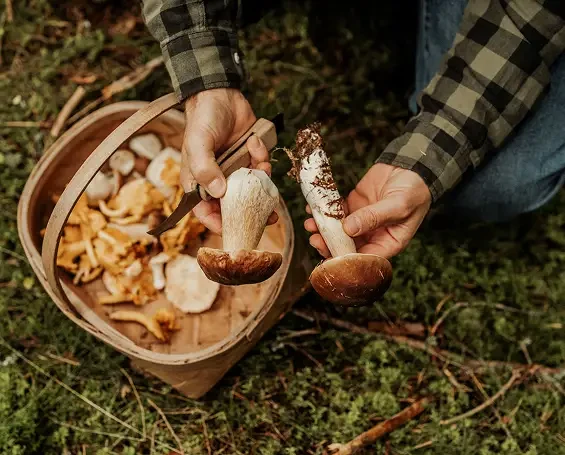
Starting a mushroom farm can be appealing because mushrooms can be grown in controlled spaces and may not require the same land model as field crops.
However, it is not a simple shortcut. Anyone considering a mushroom farm needs to think about training, food safety, growing space, equipment, substrate supply, contamination risk, energy use, humidity control, sales routes, packaging, pricing, storage and business planning.
A mushroom farm can sell through farm shops, restaurants, farmers markets, local delivery, online orders or specialist buyers, but the business still needs clear systems and realistic expectations.
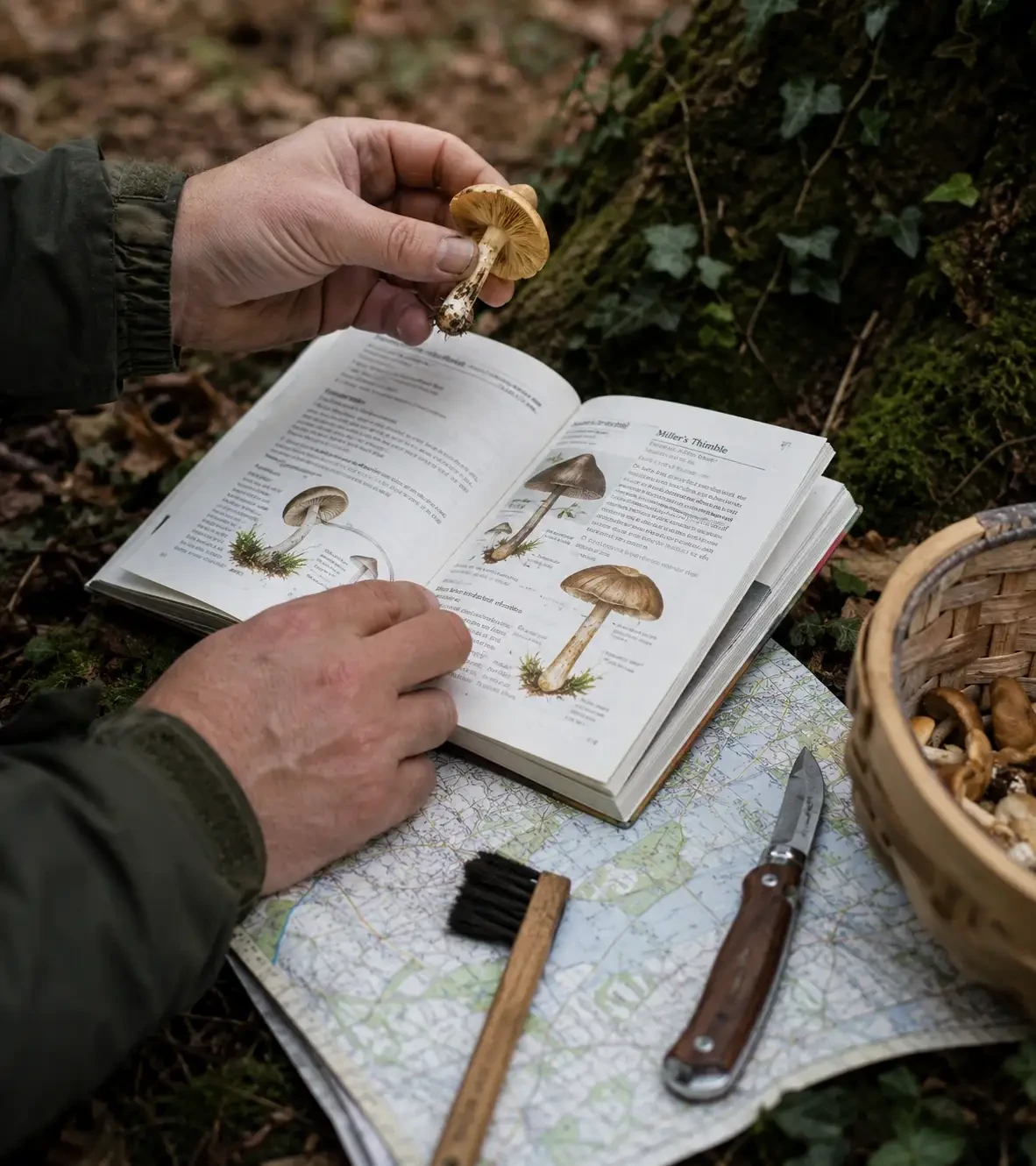
Woodland mushrooms are fascinating, but they require caution.
Many people are interested in mushroom walks, woodland fungi, autumn foraging and edible mushrooms. This interest can be positive when it encourages people to learn about nature, ecosystems and food. However, wild mushroom identification can be dangerous when treated casually.
Some mushrooms are easy to confuse. Some toxic mushrooms resemble edible species. Some mushrooms change appearance with age, weather and location.
The Hunting for Woodland Mushrooms page should be educational, not reckless.
An edible mushroom identifier page must be written with very clear limits.
The purpose should not be to tell users, “this mushroom is safe to eat.” The purpose should be to help users understand why identification is complex, what information experts consider and why professional or expert verification is essential.
The page can explain that identification may involve cap shape, gills, pores, stem, ring, volva, spore print, habitat, smell, bruising, season and other features, but it should make clear that no simple online checklist guarantees safety.
Farm shops can be useful routes for mushroom growers.
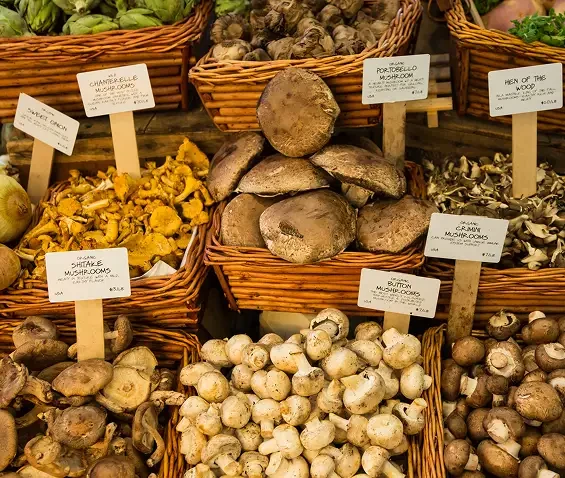
A farm shop may stock mushrooms from local growers, specialist fungi farms or regional suppliers. This can give customers access to fresh mushrooms, mixed boxes, oyster mushrooms, shiitake, lion’s mane, dried mushrooms or other specialist products.
Farm shop mushroom displays should ideally show the grower name, mushroom type, storage guidance and whether the mushrooms are fresh or dried.
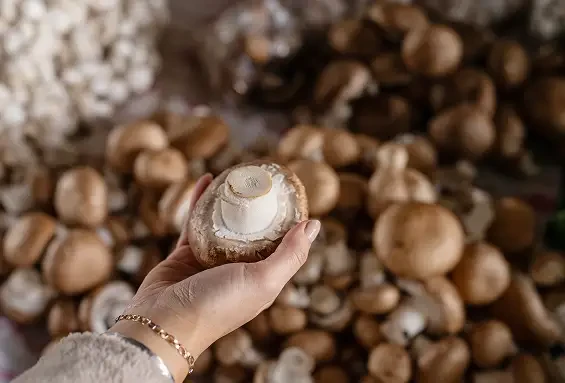
Farmers markets can be strong routes for specialist mushroom producers.
A market stall allows customers to see the product, speak to the grower and learn how different mushroom types are used. This is especially useful for unfamiliar varieties such as oyster mushrooms, shiitake, lion’s mane or king oyster mushrooms.
Markets can also help growers explain freshness, storage, recipe ideas and restaurant supply.
Restaurants, cafés, pubs, hotels and caterers may value specialist mushroom growers.
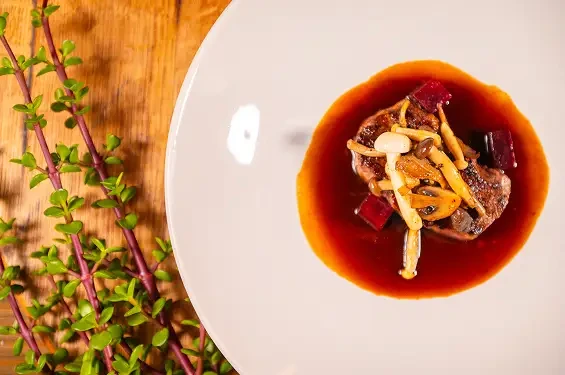
Chefs may want oyster mushrooms, shiitake, lion’s mane, king oyster mushrooms, mixed mushroom boxes or dried mushrooms for sauces, soups, breakfast dishes, vegetarian dishes, plant led mains and seasonal menus.
For hospitality buyers, the important details are quality, consistency, delivery, availability, storage, invoice support and communication.
A strong BFFD listing can help chefs understand whether a mushroom producer is worth contacting.
Food provenance matters with mushrooms because many customers do not understand where mushrooms come from.
A punnet of mushrooms can feel anonymous. A named grower changes that. It gives the customer a connection to place, skill and production method.
Good provenance information might include the grower name, location, mushroom types, fresh or dried product options, farm shop stockists, market attendance, online ordering, restaurant supply and storage guidance.
BFFD connects mushrooms with provenance because specialist food should be easier to trace back to the people producing it.
There is a major difference between cuMushrooms need careful handling, storage and labelling.ltivated mushrooms and wild mushrooms.
Fresh mushrooms, dried mushrooms, prepared mushroom products, mushroom powders, grow kits and wild mushroom content all need different types of customer information.
Wild mushrooms are a special safety concern. BFFD should never encourage users to eat wild mushrooms from online identification alone.
Mushroom producers and suppliers may have different information responsibilities depending on what they sell.
Fresh mushrooms, dried mushrooms, mixed mushroom boxes, prepared mushroom products, sauces, powders, grow kits and online orders may all involve different handling, labelling and storage considerations.
BFFD can help suppliers present clearer information, but it does not replace official food safety, environmental health, trading standards, labelling, growing or business guidance.
Mushroom safety note
Always check whether mushrooms are fresh, dried, prepared, cultivated or wild. Follow supplier storage and use guidance. Never eat wild mushrooms unless they have been identified with certainty by a suitably experienced expert.
Mushroom safety note
BFFD is being built to make specialist food discovery clearer.
For mushrooms, BFFD can help users find mushroom producers, mushroom farms, farm shops, farmers markets, specialist suppliers, restaurant supply routes and educational mushroom content.
More importantly, it can help producers explain their products properly.
A strong mushroom producer listing should help users understand the business, mushroom types, buying route, fresh or dried products, market attendance, farm shop stockists, restaurant supply and contact details.
For shoppers, this reduces guesswork. For mushroom producers, it creates another route into local visibility.
If you grow, sell or supply mushrooms, your BFFD profile should make your products easy to understand.
A strong profile should show the business name, location, mushroom types, fresh or dried products, online ordering, local delivery, collection, farm shop stockists, farmers market attendance, restaurant supply, photos and contact details.
Where relevant, producers can also explain growing methods, seasonal availability, mixed mushroom boxes, trade supply and storage guidance.
Use this for food business setup and safe food operation context.
Use this for allergen responsibilities and customer information.
Use this for official food hygiene and safe food handling context.
Use this for hygiene rating checks and public trust.
Use this for public educational mushroom growing context.
Use this only for general educational context around fungi and woodland awareness.
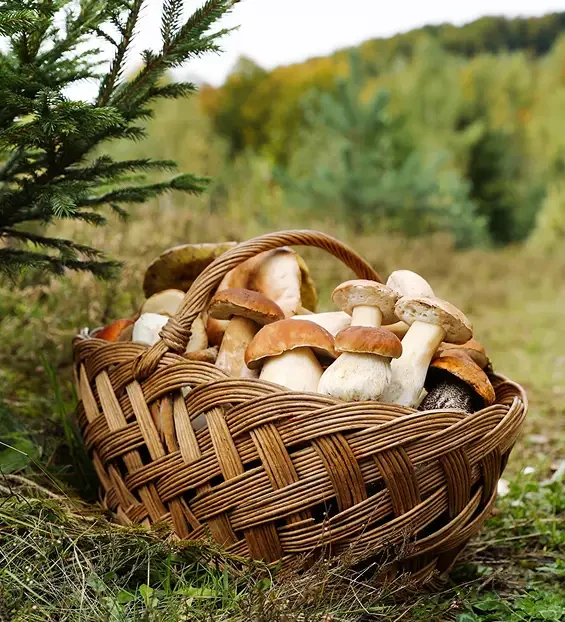
Related Mushroom Pages
Mushrooms are fungi. They are often cooked like vegetables, but they are not vegetables in any way shape or form. They are a totally separate group with their own unique growing conditions, health benefits and reproductive systems.
Mushrooms are specialist foods that deserve clearer explanation, safer education and better producer visibility. BFFD is being built to help people discover mushroom producers with clearer links between mushroom types, growing methods, place and trust.
Want to get food independence, support your local grower, get better prices and shop more privately?
Local food isn’t just something you find. It’s something you protect. A free account helps keep local supply visible, supported, and resilient.
….it takes 30 seconds for food lovers and 5 minutes for suppliers
We built this for people who care where their food comes from. For people who want to remain food secure. For Farmers to get to the local people, who deserve a better income and to deliver a better price for you. For the environmentally conscious and the privacy-conscious. An account simply helps us make the map and supplier reach more useful to you, without changing how open it is. You’re always in control.


Find local food. Stay connected to it. Create a free account to support local producers and be part of a growing food network.