Follow us:

Starting a Mushroom Farm

Starting a mushroom farm can be an exciting route into specialist food production, but it should be approached with clear planning and realistic expectations.
Mushroom farming is not the same as ordinary vegetable growing. Mushrooms are fungi, and successful production usually depends on controlled growing conditions, suitable substrate, mushroom spawn, hygiene, humidity, airflow, temperature, harvest timing, storage and reliable routes to market. Some mushroom farms supply farm shops. Some sell through farmers markets. Some supply restaurants, cafés and chefs. Some offer mixed mushroom boxes, local delivery, fresh mushrooms, dried mushrooms or specialist varieties such as oyster mushrooms, shiitake mushrooms, lion’s mane mushrooms and king oyster mushrooms. Buy From Farmers Direct is being built to help specialist producers like mushroom growers become easier to find, easier to understand and easier to support.

So Why Start A Mushroom Farm?

Starting a mushroom farm involves planning the mushroom types you want to grow, learning suitable growing methods, choosing a safe and suitable production space, understanding food safety requirements, investing in equipment, managing hygiene and contamination risk, calculating costs, identifying sales routes and building visibility with customers, farm shops, farmers markets and restaurants. Mushroom farming can be a serious food business, so anyone starting should seek proper training, follow official guidance and create a realistic business plan before selling food to the public.
Some are interested in specialist food production. Some want to diversify a farm or smallholding. Some want to supply restaurants with fresh mushrooms. Some are interested in controlled environment growing. Others see mushrooms as a way to produce food in spaces that may not be suitable for traditional field crops.
Mushroom farming can be creative, technical and commercially interesting. It can also be demanding.
The attraction is clear: mushrooms can be high value, distinctive and useful for chefs, farm shops and local food customers. The challenge is that production needs skill, consistency, hygiene, good systems and a realistic market.

Mushroom Farming Is Specialist Food Production

A mushroom farm is not just a growing project. It is a food production business. That means the grower needs to think beyond the crop itself. They need to consider safe handling, production space, cleaning routines, storage, packaging, labelling, transport, customer information and how the product will be sold.
Fresh mushrooms can be delicate and time sensitive. They may need careful harvest timing, correct storage and quick routes to customers.
A grower who wants to sell food should understand their legal and practical responsibilities before trading.
BFFD can help with visibility, but it does not replace official food safety, environmental health, trading standards or business advice.

Questions to Ask Before Starting a Mushroom Farm

Choosing mushroom types is one of the first decisions.

Some growers may focus on oyster mushrooms because they are familiar in specialist food markets and popular with chefs. Others may consider shiitake, lion’s mane, king oyster or mixed mushroom boxes. Larger commercial producers may focus on more familiar everyday mushrooms such as button, closed cup, chestnut or portobello mushrooms.
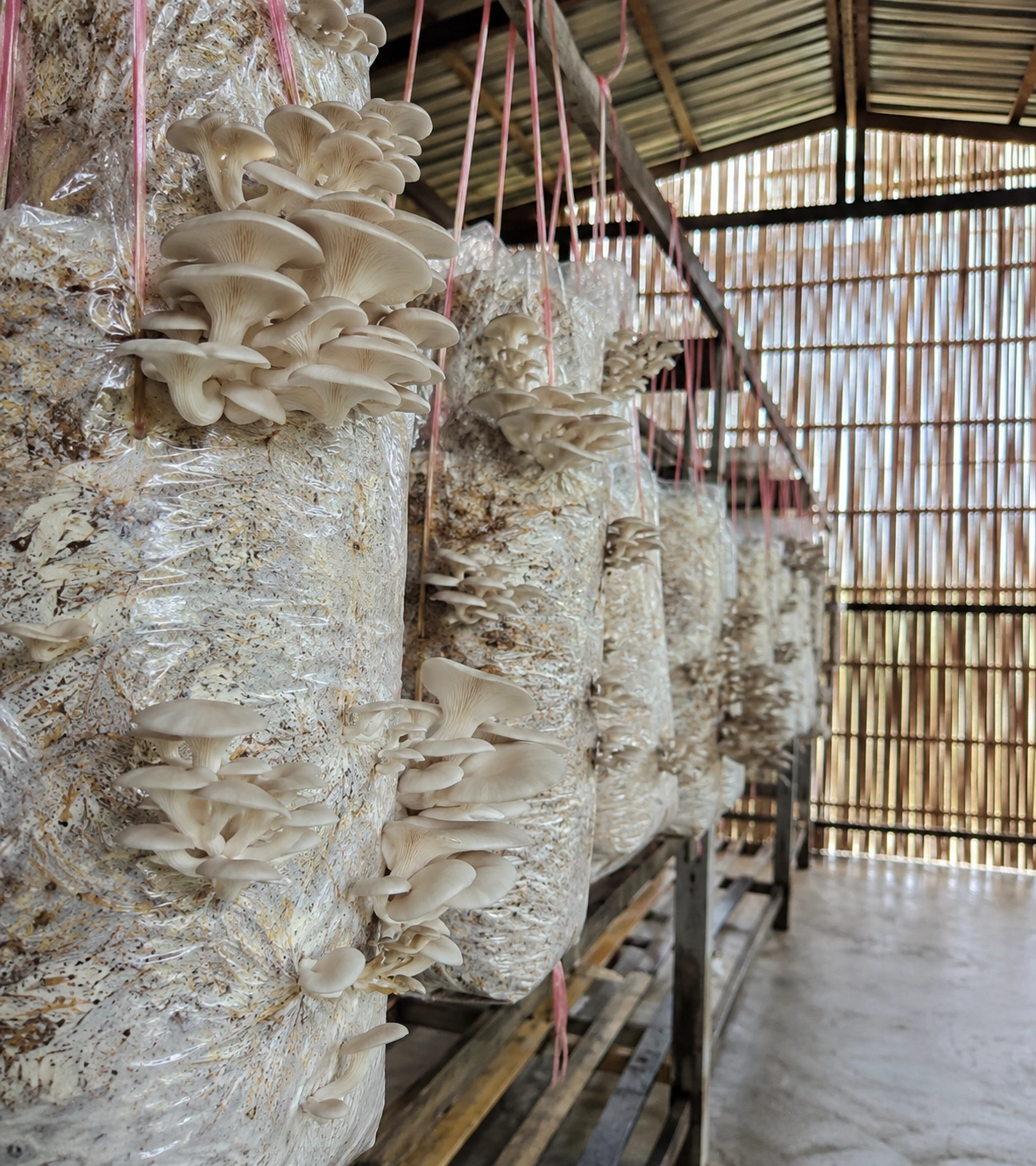
The choice should be based on more than personal interest.
A grower needs to consider demand, growing requirements, harvest timing, storage, price, competition, sales routes and whether customers understand the product.
A mushroom that is exciting to grow is not automatically easy to sell.

Other Questions TO ASK

Learning Mushroom Growing Methods

Before starting a mushroom farm, growers should understand the broad principles of mushroom cultivation.
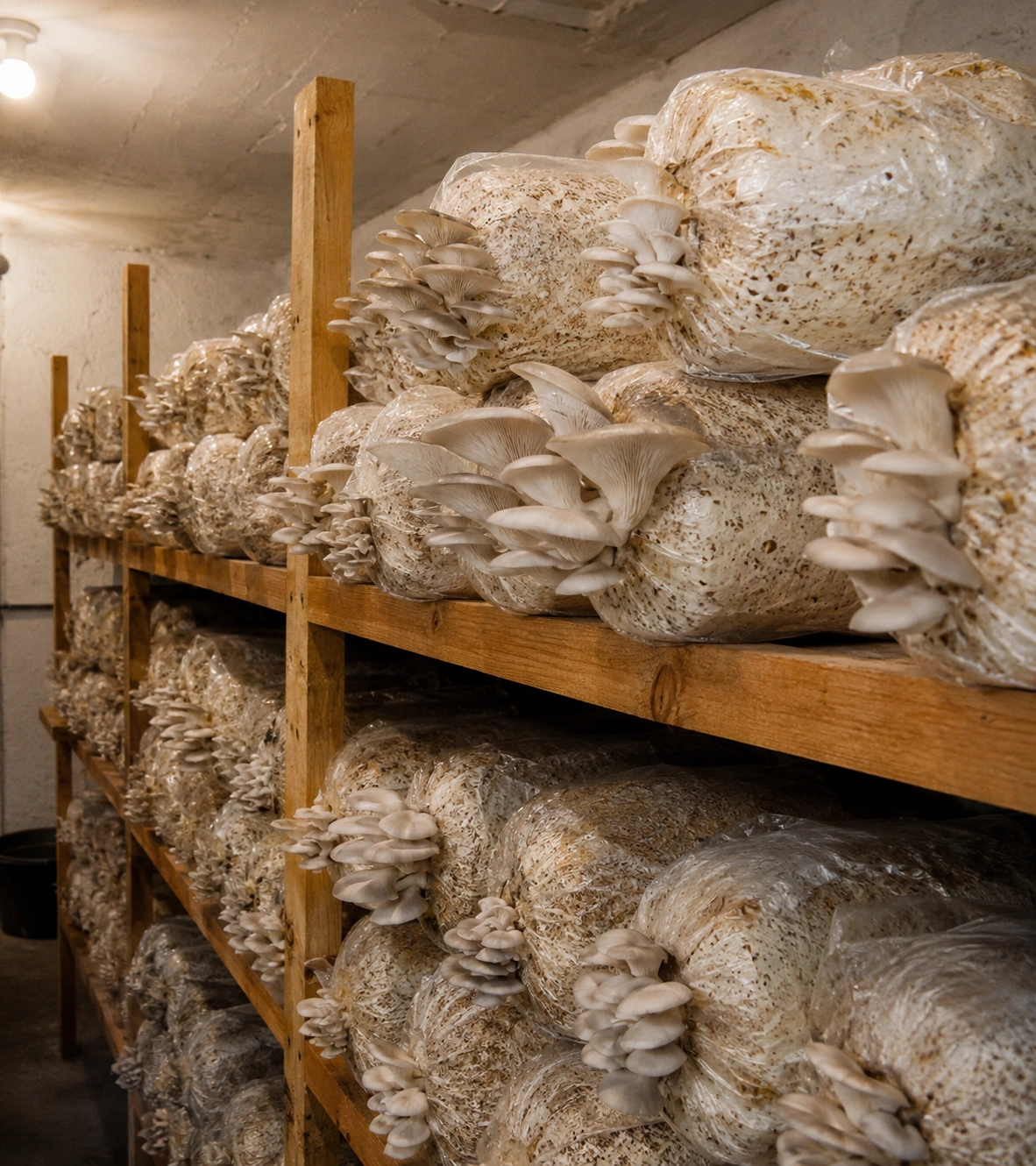
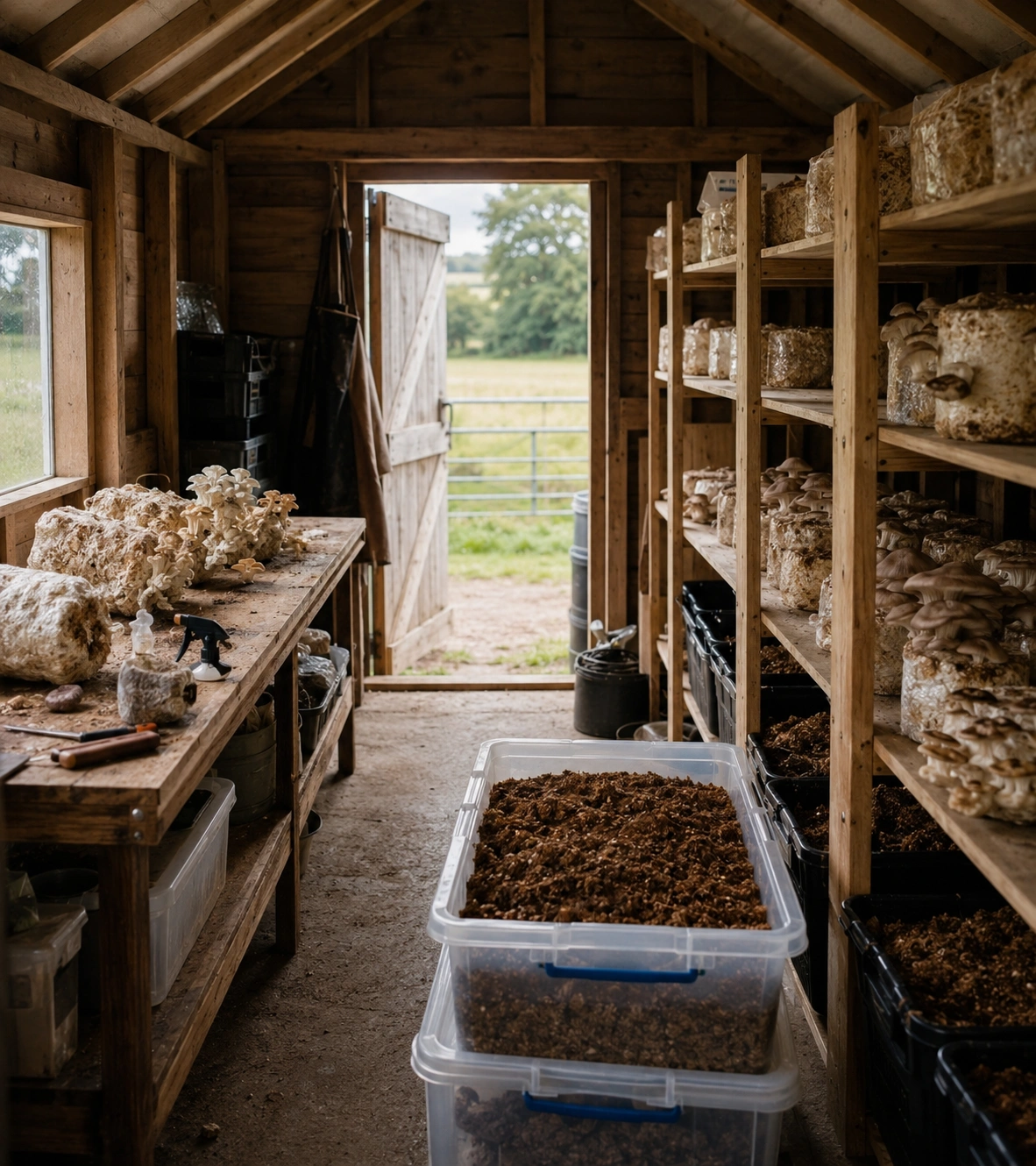
Mushrooms are usually grown with spawn and a suitable substrate. The grower then manages conditions so the fungal network can develop and mushrooms can fruit. The process may involve indoor growing spaces, shelves, bags, blocks, trays, logs or other systems depending on the mushroom type.
This page should not give technical instructions, but it should make one thing clear: mushroom growing needs proper knowledge.
Anyone serious about mushroom farming should invest time in training, mentoring, research, practical trials and professional advice.

Choosing a Suitable Growing Space

The growing space is one of the biggest practical decisions that you can make. Whilst they do not take up masses of space to grow you will still need a formidable space for the crop.
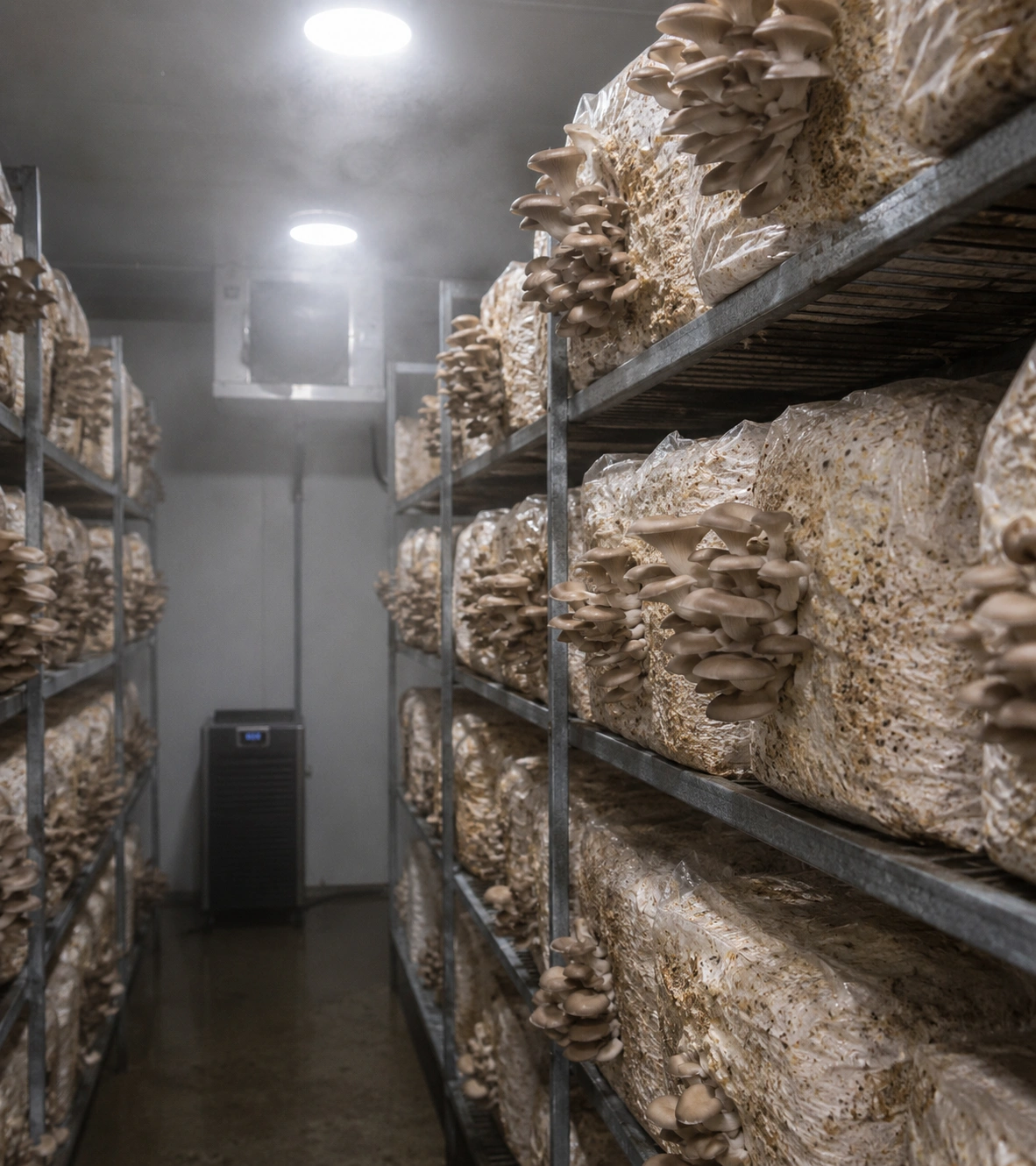
Some mushroom farms operate in purpose built rooms. Others use adapted farm buildings, insulated units, containers, tunnels or converted spaces. The space needs to suit the production method, hygiene needs, workflow, storage and access.
A good space is not only about square footage. It needs to support cleaning, temperature control, airflow, humidity management, pest control, movement of materials, harvesting, packing and safe storage.
A poor growing space can create production problems before the business has even begun.

Equipment and Setup Considerations

A mushroom farm may need equipment for growing, environmental control, storage, cleaning, packing and delivery.
The exact setup depends on scale, mushroom type and business model. A small producer supplying markets may need a different setup from a farm supplying restaurants every week.
Common areas to consider include growing racks, containers, humidity control, airflow, lighting, temperature management, cleaning equipment, storage space, packing materials, weighing equipment, labels, refrigeration where needed and safe transport.
BFFD should not prescribe a setup, but it should encourage careful planning.

Hygiene and Contamination Risk

Hygiene is one of the most important parts of mushroom farming.
Mushroom production involves living fungal growth, prepared growing materials and controlled conditions. Poor hygiene can lead to contamination, crop loss, quality issues and business disruption.
A grower needs sensible systems for cleaning, handling, separation of areas, waste management, pest control and safe storage.
This is one of the reasons mushroom farming should be treated seriously. It may look small scale from the outside, but it still needs professional discipline.

Food Safety and Environmental Health

Anyone selling mushrooms to the public needs to understand food safety responsibilities.
Fresh mushrooms, dried mushrooms, mixed boxes, prepared products, grow kits and online orders may each involve different handling, storage, labelling and customer information needs.
Growers should check official guidance, speak with their local authority where required and make sure their production, storage and sales routes are appropriate.
This is especially important when moving from hobby growing to commercial sales.

Costs and Business Planning

Starting a mushroom farm involves more than buying growing materials.
Costs may include rent, building adaptation, equipment, energy, water, substrate, spawn, packaging, storage, transport, insurance, waste handling, training, marketing, website costs, market fees and labour.
A grower should calculate likely yield, crop losses, sales price, customer demand, delivery costs and time required before relying on income.
It is also worth asking whether the business will sell fresh mushrooms only, or whether it will also offer dried mushrooms, mixed boxes, restaurant supply, farm shop supply, grow kits or educational sessions.
A good business plan helps prevent enthusiasm from turning into expensive guesswork.

Sales Routes for Mushroom Farms

A mushroom farm needs clear sales routes.
Possible sales routes include:
Each route has different expectations. Restaurants may want consistency and invoices. Farmers markets need visual presentation and direct customer conversation. Farm shops need clear labelling and supply reliability. Online orders need storage and delivery information.
A grower should choose sales routes that match their scale and capacity.

Selling Mushrooms to Restaurants

Restaurants can be valuable customers for mushroom farms.
Chefs may want specialist mushrooms for texture, flavour and menu interest. Oyster mushrooms, shiitake, lion’s mane, king oyster and mixed mushroom boxes can all appeal to restaurants, cafés, hotels and caterers.
However, hospitality supply needs reliability. Chefs need to know what is available, when it can be delivered, how consistent supply is, how ordering works and whether invoices can be provided.
A mushroom farm should only promise regular supply if it can deliver consistently.

Selling Mushrooms to Farm Shops

Farm shops can be excellent partners for mushroom growers.
A farm shop customer may be interested in fresh local mushrooms, mixed mushroom boxes, oyster mushrooms, shiitake, lion’s mane, king oyster mushrooms or dried mushrooms. The farm shop can also help explain the producer story.
A mushroom grower approaching farm shops should be ready to explain product type, availability, price, storage guidance, delivery schedule, packaging, shelf life and contact details.

Farm shops work best when the grower story is visible and the product is easy for customers to understand.
Selling Mushrooms at Farmers Markets

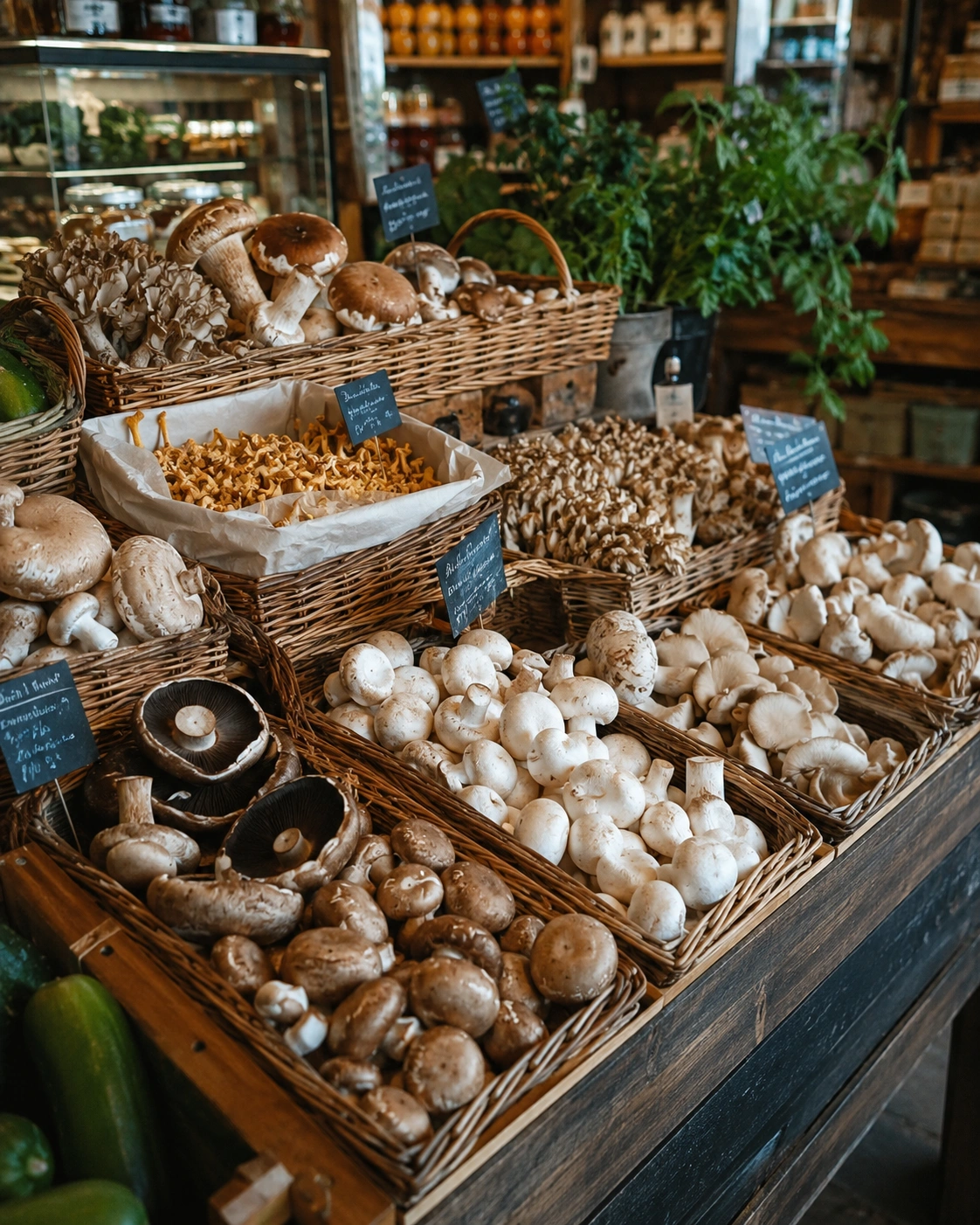
Farmers markets give mushroom growers direct contact with customers.
This can be valuable because specialist mushrooms often need explanation. Customers may want to ask what oyster mushrooms taste like, how to cook lion’s mane, whether shiitake can be dried, how to store mushrooms and how quickly they should be used.
A market stall also gives growers a chance to test demand, gather feedback and build a local following.
A strong BFFD profile can help customers find the grower again after the market.

Building Visibility for a Mushroom Farm

A mushroom farm needs visibility as well as production skill. Customers may not know that a mushroom grower exists nearby. Farm shops may not know who supplies specialist mushrooms. Restaurants may rely on existing wholesalers because they cannot find local growers easily.
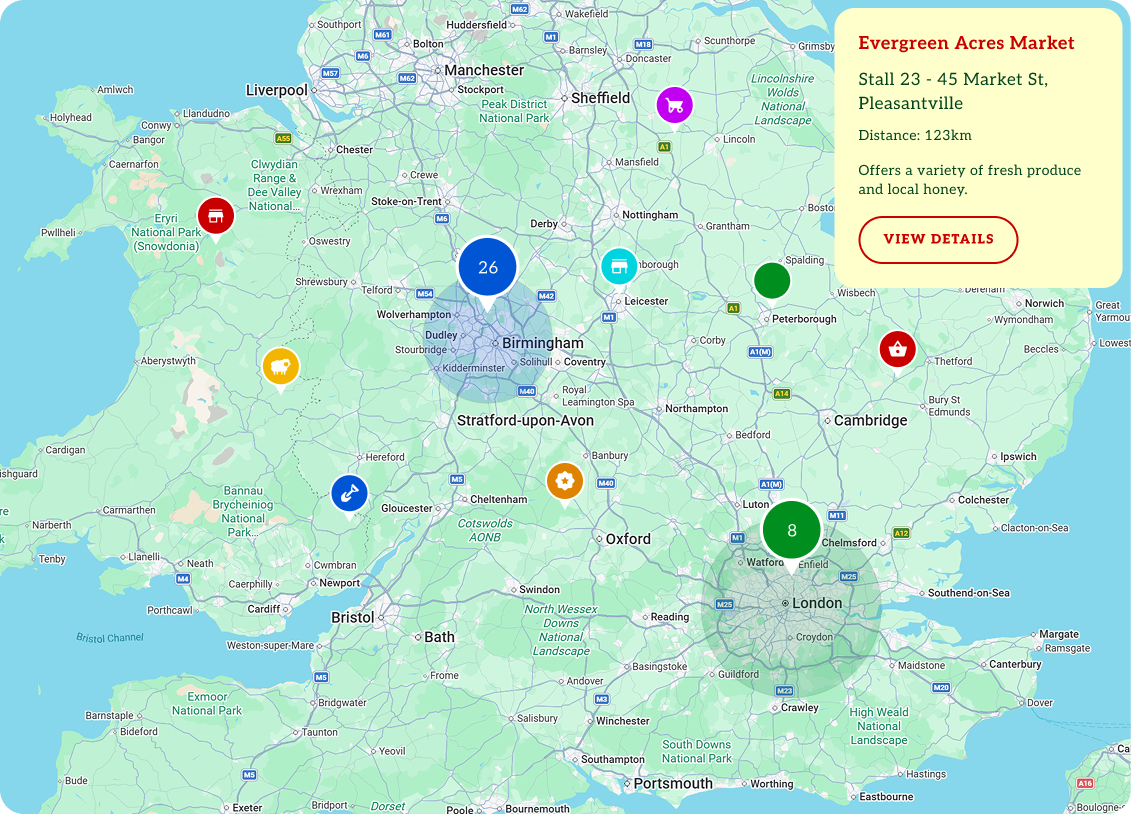
A BFFD profile can help by showing business name, location, mushroom types, fresh or dried products, market attendance, farm shop stockists, restaurant supply, online ordering, photos and contact details.
Visibility matters because a good product cannot sell if people cannot find it.

Mushroom Farm Branding and Story

In the last decade, mushrooms have become increasingly popular. Now mushroom farms have a very strong storytelling potential, if done right.
A grower can explain why they chose mushrooms, what types they grow, how local supply works, which farm shops stock them, how chefs use them and why cultivated mushrooms are different from wild mushrooms.
The story should be clear and practical rather than exaggerated. Customers do not need mystical language. They need confidence. They want to know what is grown, how to buy it and how to use it.
Many mushrooms arrive on shelves with little visible grower information. A named mushroom farm changes that. It helps customers understand where the mushrooms came from, what types are grown and how they reached the shop or plate.
Good provenance information might include the farm name, location, mushroom types, broad growing approach, fresh or dried product options, farm shop stockists, market attendance, online ordering, restaurant supply and storage guidance.

Mushroom Farming and Wild Mushroom Foraging

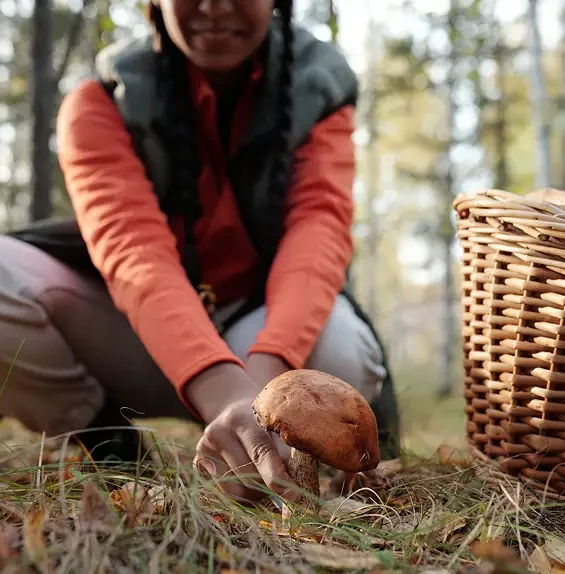
Starting a mushroom farm is not the same as foraging wild mushrooms. Cultivated mushroom farming uses controlled production methods. Wild mushroom foraging involves identifying fungi in natural environments, which can be dangerous if done incorrectly. A mushroom farmer may understand cultivated mushroom production, but that does not automatically make wild mushroom identification safe. Find more info here:

Common Mistakes When Starting a Mushroom Farm

Starting before understanding the market

A grower should know who is likely to buy before scaling production.

Choosing mushroom types without checking demand

A mushroom can be exciting to grow but difficult to sell locally.

Underestimating hygiene and contamination risk

Mushroom growing needs careful cleanliness and process control.

Ignoring storage and delivery

Fresh mushrooms can be delicate and need suitable handling.

Assuming restaurants will buy automatically

Chefs need consistency, communication, quality and reliable supply.

Forgetting visibility

A mushroom farm needs to be easy to find online and locally.

How BFFD Helps New Mushroom Farms

BFFD is being built to make specialist producers easier to discover. The Gola is to ensure that all UK suppliers get the local attention they need to thrive.

For new mushroom farms, BFFD can help users understand the business, mushroom types, buying routes, farm shop stockists, market attendance, online ordering, restaurant supply and contact details.

A profile can help build trust by presenting the farm clearly.
For customers, it reduces guesswork. For growers, it creates another route into local visibility.
BFFD does not replace business planning or food safety guidance, but it can support the public facing side of producer discovery.

For New Mushroom Farms Who Want to Be Listed

If you are starting or running a mushroom farm, your BFFD profile should make your business easy to understand.
A strong profile should show:
List your mushroom growing business, fungi farm, farm shop supply route or specialist mushroom products on BFFD and help people understand your mushroom types, producer story and buying options.

Reputable External Sources

Use this for food business setup and safe operation context.
Use this for food hygiene and safe food handling context.
Use this for hygiene rating checks and customer trust.
Use this for food packaging and labelling context.
Use this for wider food labelling guidance.
Use this for public educational mushroom growing context.
big mushrooms picking

*External sources are provided for further reading. BFFD does not provide food safety, legal, trading standards, allergen, labelling, mushroom identification, foraging, growing, environmental health or business advice. Mushroom growers, foragers and food businesses should always follow current official guidance and seek professional advice where required.

FAQ

Can you start a mushroom farm in the UK?
Yes, but it requires planning, suitable space, growing knowledge, food safety awareness, equipment, market research and realistic business expectations.
Mushroom farming can be rewarding, but it is not simple. It requires hygiene, controlled conditions, production planning, storage and clear routes to market.
That depends on demand, growing knowledge, equipment, space, sales routes and local markets. Common specialist options may include oyster mushrooms, shiitake, lion’s mane and king oyster mushrooms.
Some mushroom farms can operate in controlled indoor spaces, adapted buildings or specialist growing rooms, but they still need suitable systems, hygiene and workflow.
Yes. Some mushroom farms supply restaurants, cafés and hospitality buyers, but they need reliable quality, communication, availability and delivery.
Yes. Farm shops can be a good route for fresh mushrooms, mixed mushroom boxes, dried mushrooms and specialist varieties.
No. BFFD helps with education and producer discovery. It does not replace professional training, food safety guidance or specialist business advice.
Yes. Mushroom farms, fungi growers, farm shops and specialist mushroom suppliers can create BFFD profiles to improve local discovery.

Start With Planning, Then Build Visibility

Starting a mushroom farm takes more than enthusiasm. It needs knowledge, food safety awareness, realistic business planning and clear routes to market. BFFD is being built to help mushroom producers become easier to find, understand and support.