Woodland mushrooms are one of the most intriguing sights in the British countryside.
Woodland mushrooms are fungi that grow naturally in woodland environments, often on soil, dead wood, tree roots, leaf litter, mossy ground or decaying organic matter. People may search for woodland mushrooms because they are interested in foraging, fungi identification, nature walks or edible mushrooms, but wild mushroom identification is complex and can be dangerous. Never eat a woodland mushroom unless it has been identified with certainty by a suitably experienced expert. Online guides, photographs, apps and simple descriptions are not enough to guarantee safety.
Woodland mushrooms are fungi that grow naturally in woodland environments, often on soil, dead wood, tree roots, leaf litter, mossy ground or decaying organic matter. People may search for woodland mushrooms because they are interested in foraging, fungi identification, nature walks or edible mushrooms, but wild mushroom identification is complex and can be dangerous. Never eat a woodland mushroom unless it has been identified with certainty by a suitably experienced expert. Online guides, photographs, apps and simple descriptions are not enough to guarantee safety.
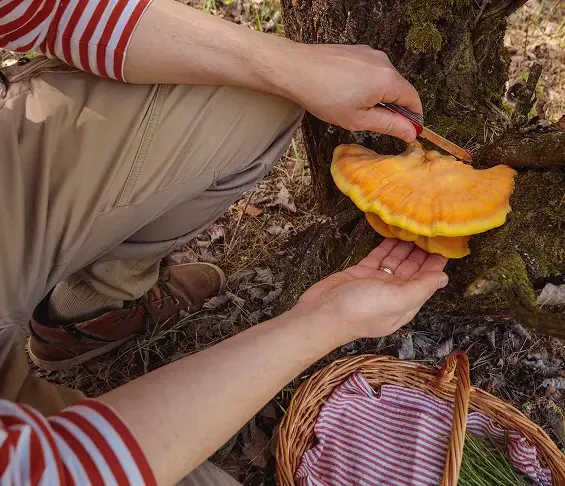
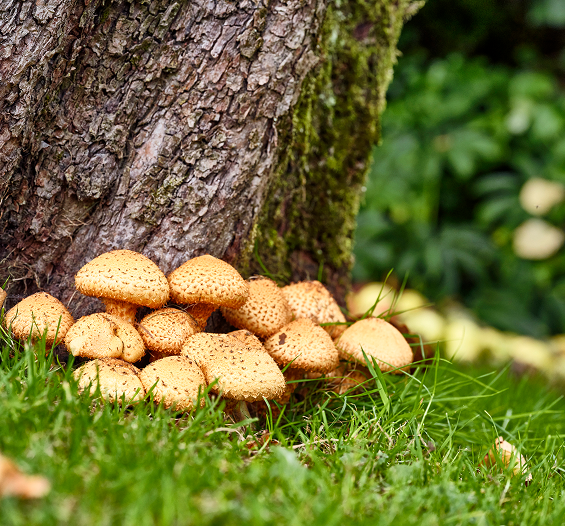
They appear on fallen branches, tree stumps, mossy ground, leaf litter, grass paths and damp woodland edges. Some are tiny and delicate. Others are bright, strange, architectural or easy to notice after rain. They are part of a hidden fungal world that supports woodland life, soil processes and natural decomposition.
It is easy to understand why people become interested in mushroom hunting and fungi walks. Woodland mushrooms can make a simple walk feel like a treasure hunt.
But wild mushrooms must be treated with care. Some are edible. Some are unpleasant. Some are poisonous. Some can be deadly. Some dangerous species can look similar to edible ones, especially to beginners.
Buy From Farmers Direct is being built to help people understand mushrooms responsibly. This page is for education, woodland awareness and safety led curiosity. It is not a guide for eating wild mushrooms.
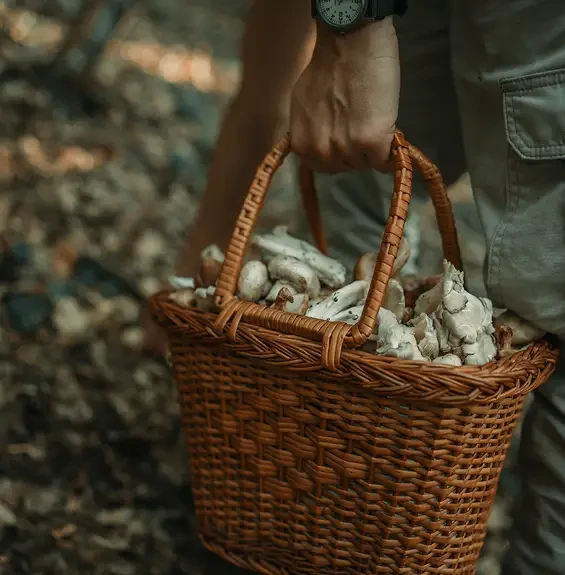
Woodland mushrooms should never be eaten unless they have been identified with certainty by a suitably experienced expert.
This warning belongs near the top of the page and should be repeated throughout any mushroom identification content.
Many wild mushrooms change appearance as they age. Rain, frost, leaf litter, damage, light, location and growth stage can all affect how a mushroom looks. Two species may look similar in a photo but be very different in safety. A mushroom that appears familiar can still be misidentified.
For BFFD, the safest and most responsible approach is simple:
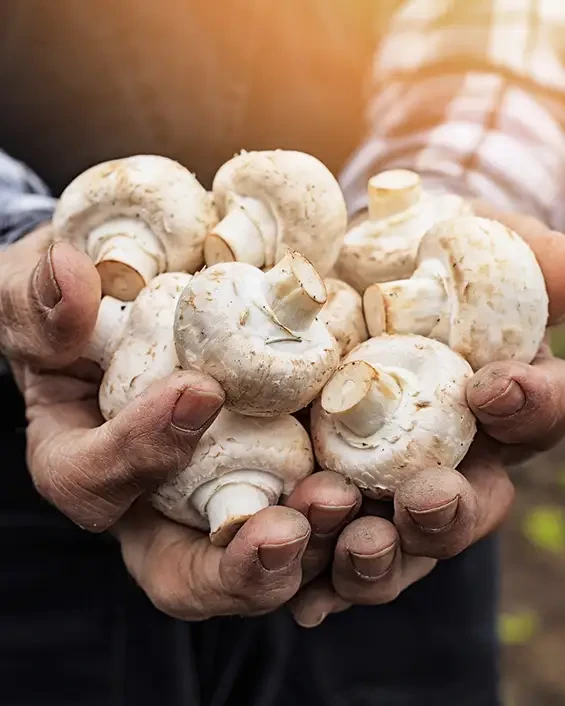
Wild mushroom safety warning
Never eat a wild mushroom unless it has been identified with certainty by a suitably experienced expert. Online guides, photographs, apps and simple descriptions are not enough to guarantee safety.
People search for woodland mushrooms for many reasons.
Some are interested in foraging. Some want to identify fungi they have seen on a walk. Some want to learn about nature. Some are photographers. Some are gardeners. Some are curious about edible mushrooms. Others may have seen unusual fungi near a tree, path, stump or lawn and want to know what it is.
This curiosity is valuable when it leads to learning. Mushrooms can open a doorway into woodland ecology, decomposition, tree health, soil life and the hidden networks that help forests function.
The risk comes when curiosity becomes overconfidence.
Woodland mushroom content should encourage careful observation, expert learning and respect for nature, not casual eating.
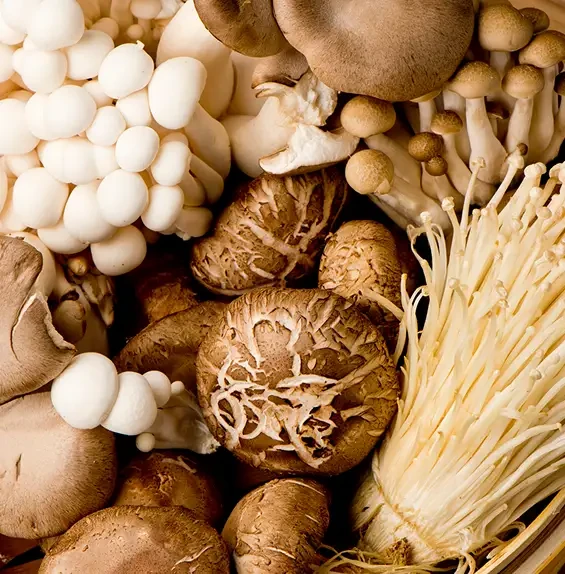
Woodland mushrooms are the visible fruiting bodies of fungi that grow in woodland environments
The larger fungal organism is often hidden. It may live in soil, wood, roots, leaf litter or decaying organic material. The mushroom is the part that appears above ground or on wood when conditions are suitable.
Woodland mushrooms can appear after rain, during autumn, in damp conditions or at different points in the year depending on species and environment.
Some grow from dead wood. Some appear at the base of trees. Some form relationships with tree roots. Some help break down organic matter.
This makes woodland mushrooms important to ecosystems, not only interesting to foragers.
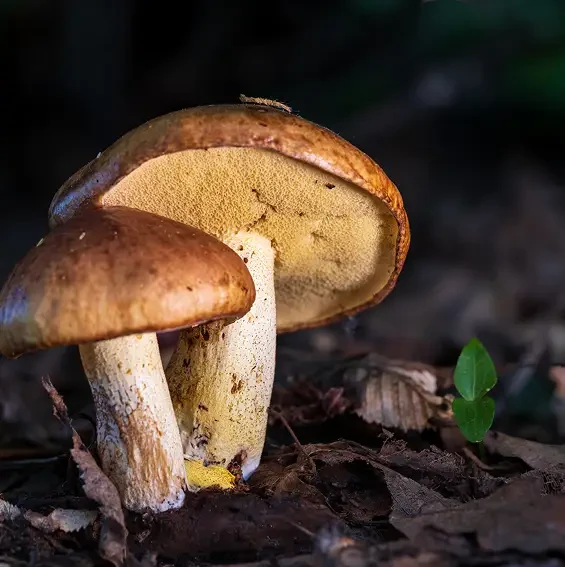
Woodland fungi play a vital role in the British countryside.
They help break down dead wood, leaves and organic matter. They support nutrient cycling. They can form relationships with trees. They create food and habitat for insects and other wildlife. They also help people notice the complexity of woodland life.
A mushroom on a fallen log is not just a decorative object. It may be part of a much larger natural process.
This is why woodland mushroom content should not only focus on edibility. Fungi are worth understanding even when they are never picked or eaten.
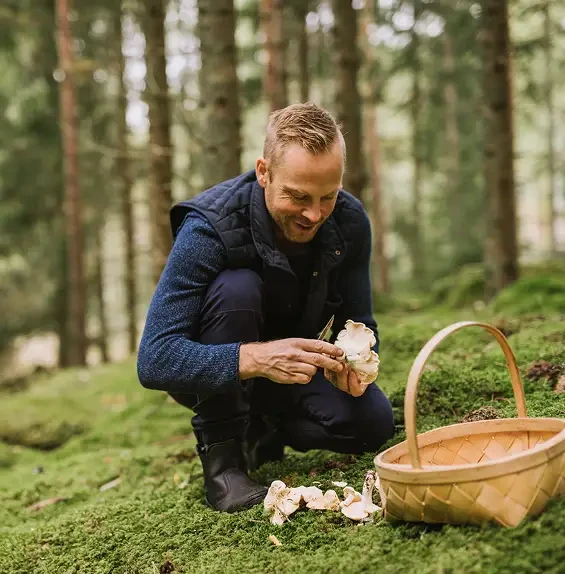
Woodland mushrooms and cultivated mushrooms are very different subjects.
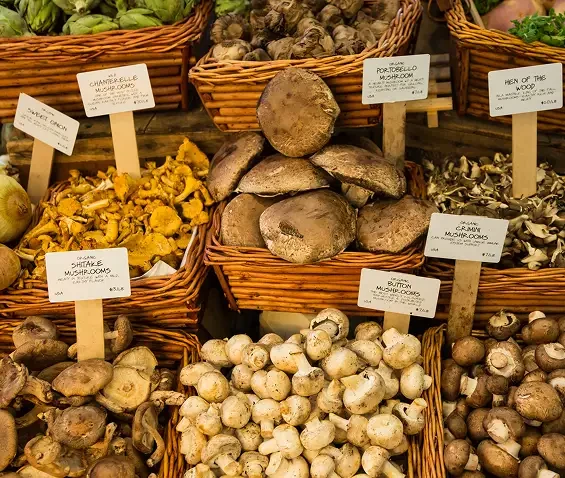
Cultivated mushrooms are grown under controlled conditions by producers. They may be sold through farm shops, farmers markets, restaurants, online suppliers and specialist mushroom farms.
Woodland mushrooms grow naturally in uncontrolled environments. They may be difficult to identify. They may be affected by age, damage, location, weather and lookalike species.
A person who can cook chestnut mushrooms, oyster mushrooms or shiitake mushrooms is not automatically able to identify wild mushrooms safely.
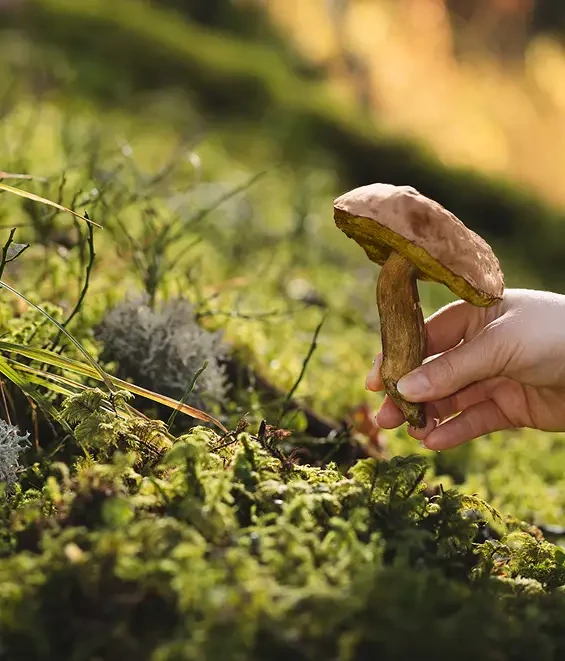
Wild mushroom identification can be difficult because mushrooms have many features and many lookalikes.
Experts may consider cap shape, cap colour, gills, pores, stem shape, ring, volva, smell, bruising, spore print, habitat, nearby trees, growth pattern, season and other details. Even then, identification can require experience.
Beginners often focus on one feature, such as colour or general shape. That is not enough.
Photographs can also be misleading. A photo may not show the stem base, underside, gills, surrounding habitat or scale. Lighting can change colour. A young mushroom may look different from an older one.
This is why BFFD should never present a simple online answer as confirmation that a wild mushroom is safe to eat.
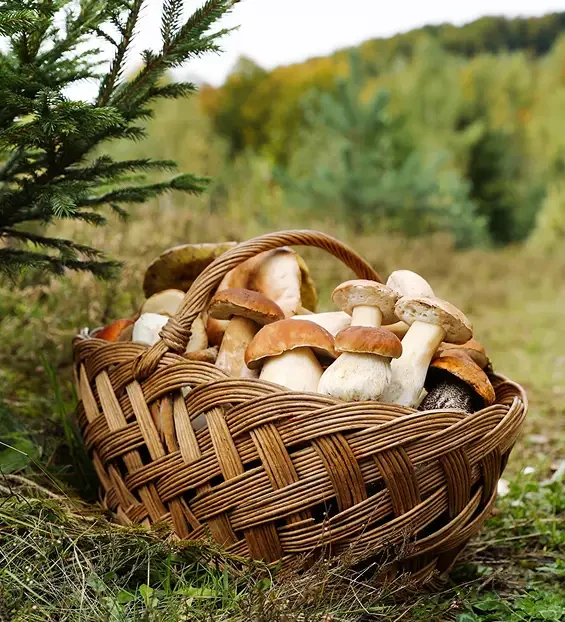
Users can still enjoy woodland mushrooms safely by observing them.
They can look at where mushrooms grow, whether they are on wood or soil, what trees are nearby, whether they grow alone or in clusters, what the cap shape looks like, whether the underside has gills or pores, and how the mushroom changes over time.
They can take photographs for personal learning, but they should not use photographs alone to decide whether to eat a mushroom.
Observation can be a safe and rewarding way to learn about fungi.
Mushroom hunting often raises questions about access and responsible behaviour.
People should understand where they are allowed to walk, whether foraging is permitted, whether landowner permission is needed and whether local rules apply. Nature reserves, protected sites, private woodland and public access land can all have different expectations.
Even where observation is allowed, picking mushrooms can affect wildlife, other visitors and the wider environment if done carelessly.
BFFD should encourage respect for land, wildlife, other users and local rules.
This page should not act as legal advice, but it should remind users to check permissions and behave responsibly.
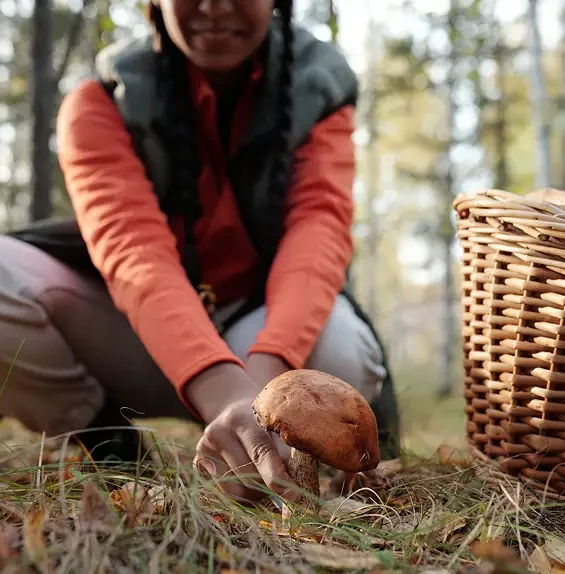
Wild mushrooms create serious food safety concerns.
Some poisonous mushrooms can cause severe illness. Some can be fatal. Some may cause delayed symptoms, meaning a person may feel fine at first and become seriously unwell later. Some mushrooms may also be unsuitable because of age, contamination, location or decay.
This page should not provide medical advice, but it should make the risk clear.
If someone has eaten a wild mushroom and feels unwell, they should seek urgent medical help and provide as much information as possible about what was eaten.
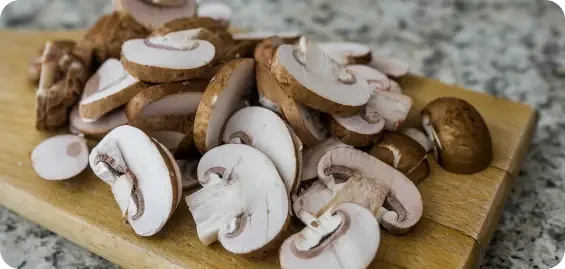
If wild mushrooms have been eaten and illness occurs
Seek urgent medical help. Keep any remaining mushroom material or photographs if available, as this may assist professionals. This page does not provide medical advice.
Children are often fascinated by woodland mushrooms.
Bright colours, unusual shapes and fairy tale associations can make fungi appealing. That curiosity is natural, but children should be taught never to touch or eat wild mushrooms without adult supervision and expert guidance.
For schools, families and outdoor education groups, woodland mushrooms are best approached as a nature observation topic rather than a food collection activity.
This links well with BFFD’s wider educational mission.
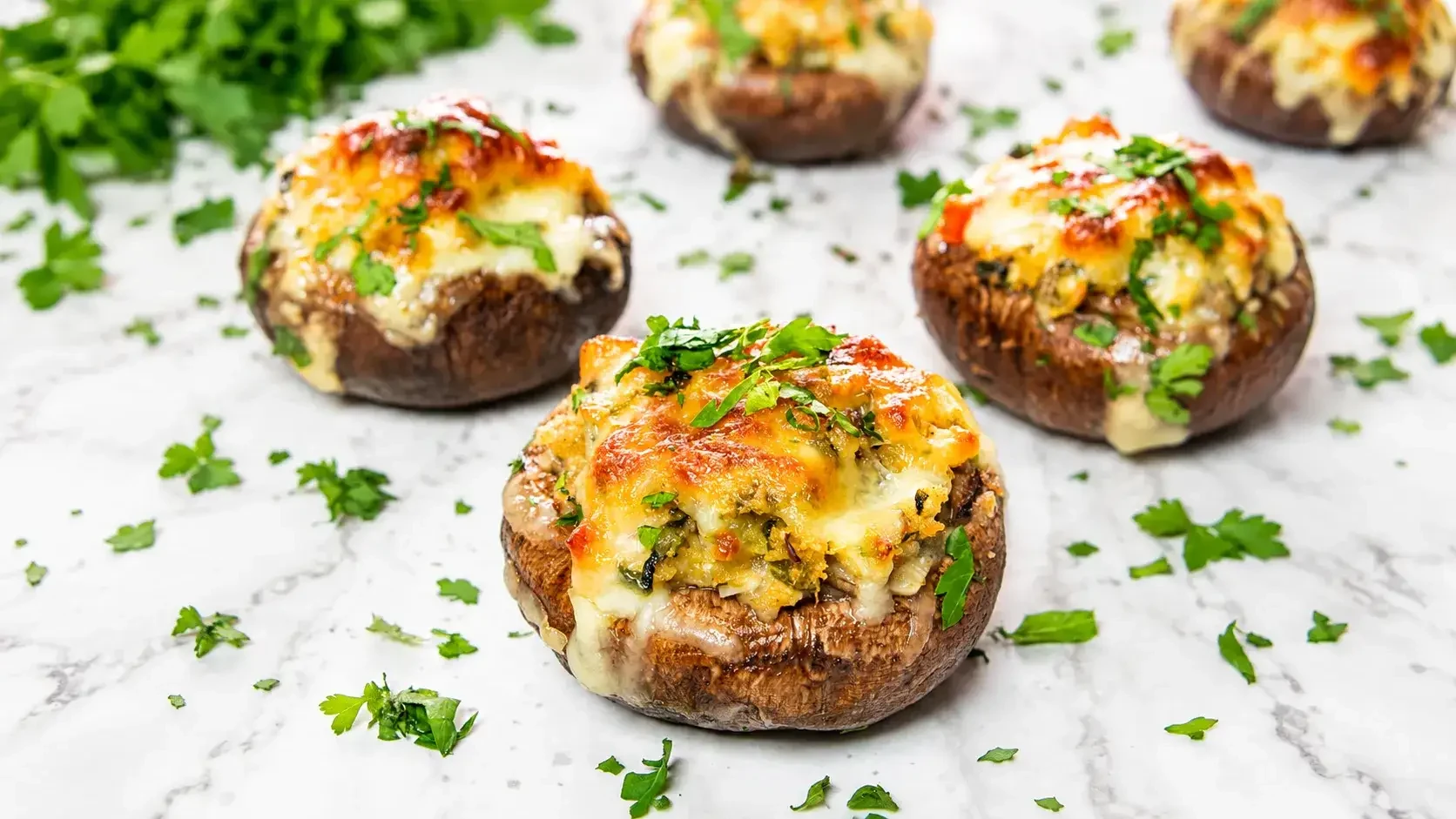
Dog owners may also worry about woodland mushrooms.
Dogs may sniff, lick or eat fungi during walks, and some mushrooms can be harmful. This page should not provide veterinary advice, but it can encourage owners to be watchful around woodland fungi and contact a vet if a dog eats a wild mushroom or becomes unwell.
This is a useful safety note because many people encounter woodland mushrooms during dog walks.
Woodland mushrooms are strongly associated with autumn, but fungi can appear at different times of year depending on species, weather and habitat.
Rain, temperature, humidity and decaying organic material can all influence when mushrooms appear.
This can help users understand seasonality beyond farm crops. Woodland mushrooms show that the natural food landscape changes across the year, but not everything seasonal is automatically safe to eat.
Woodland mushrooms raise an important point about provenance.
If a mushroom is sold as food, customers should be able to understand where it came from, who supplied it and whether it has been handled safely. This is especially important for wild mushrooms, where identification and safe supply are serious matters.
BFFD should prioritise cultivated mushroom producers and reputable food suppliers rather than encouraging informal wild mushroom selling.
Food provenance should mean more than location. It should include trust, accountability and safe supply.
Some restaurants may use wild mushrooms, cultivated mushrooms or specialist mushrooms in seasonal dishes.
For hospitality buyers, safe sourcing matters. Chefs and buyers should work only with reputable suppliers who can provide clear information, traceability and appropriate product handling.
BFFD should not encourage restaurants to buy informal wild mushrooms from unverified sources.
For most local food discovery, cultivated specialist mushroom growers are a safer and clearer route for supply.
Woodland mushroom interest can help people appreciate specialist mushroom producers.
Once users understand how complex and risky wild mushroom identification can be, cultivated mushrooms become easier to value. A mushroom farm offers a safer, clearer and more consistent route to edible mushrooms.
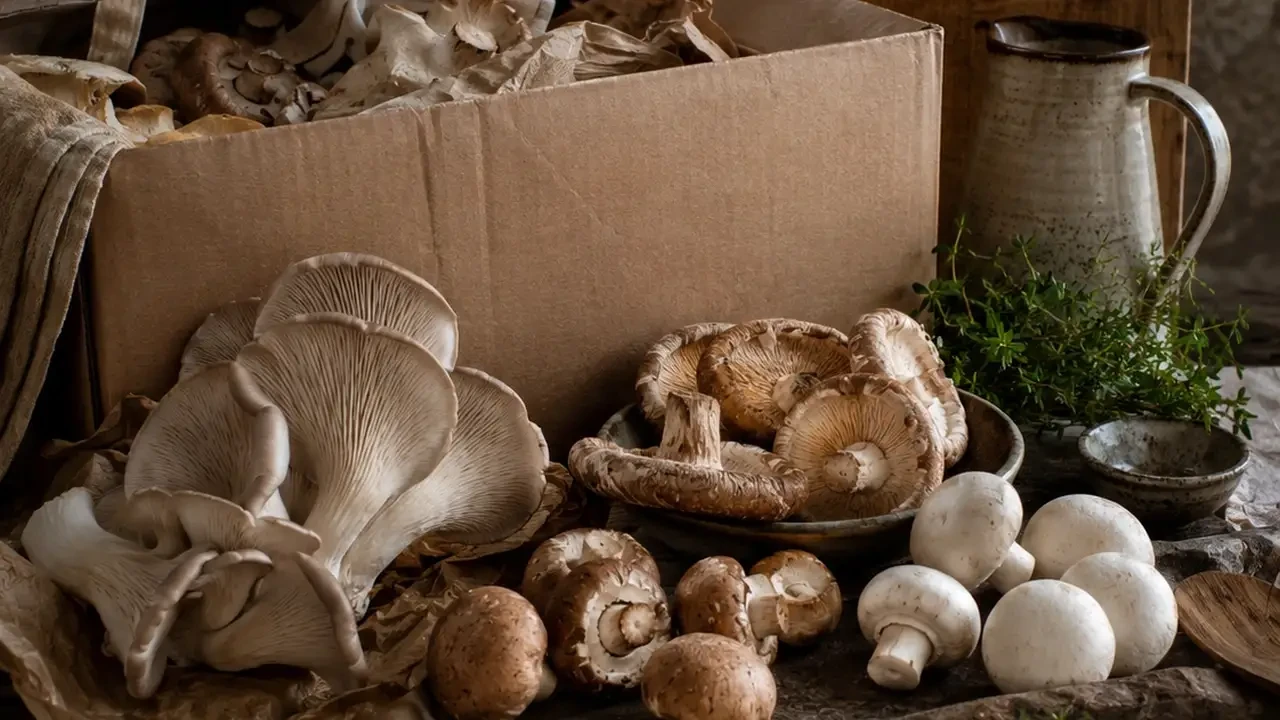
Specialist growers may supply oyster mushrooms, shiitake mushrooms, lion’s mane mushrooms, king oyster mushrooms, mixed mushroom boxes, dried mushrooms and restaurant produce.
Many users search for woodland mushrooms because they want to know whether a mushroom is edible.
This is understandable, but the answer must be careful.
An online page cannot safely confirm edibility from a user’s memory, photograph or short description. A responsible edible mushroom identifier page should explain the limits of identification and why expert confirmation is essential.
BFFD is being built to make food and producer discovery clearer, but also more responsible.
For woodland mushrooms, BFFD can help users understand the difference between curiosity, education, foraging, identification and food safety. It can guide users away from casual risk and towards expert learning, cultivated mushroom producers and reputable supply routes.
This page should support public understanding without creating false confidence.
For mushroom producers, it also creates context around why cultivated mushrooms deserve trust and visibility.
If someone runs safe fungi education walks, mushroom growing sessions, farm shop demonstrations or mushroom producer talks, a BFFD profile may help people understand what is offered.
A strong profile should make clear whether the activity is educational, whether food is supplied, whether wild mushroom eating is involved, who leads the session, what experience they have and what safety rules apply.
For mushroom growers, the profile should focus on cultivated products, mushroom types, stockists, markets, restaurants and customer information.
Many wild mushrooms are not suitable for eating, and some can be seriously poisonous.
A photograph may miss key features such as the underside, stem base, habitat, scale or age.
Identification apps are not reliable for deciding if a mushroom is safe to eat.
Lookalike species are one of the biggest dangers in wild mushroom identification.
Buying cultivated mushrooms from reputable growers is the safest choice for eating.
Woodland mushrooms are fascinating and worth learning about.
They can teach people about fungi, trees, soil, decomposition, habitats and the changing seasons. They can make woodland walks more interesting and encourage respect for natural systems.
But wild mushroom eating is a serious safety issue.
Never eat a wild mushroom unless it has been identified with certainty by a suitably experienced expert.
BFFD should keep this message clear, repeated and visible.
Use this for general woodland fungi education and nature awareness.
Use this for woodland fungi education and habitat context.

Related Mushroom Pages
Woodland mushrooms are fungi that grow naturally in woodland environments, often on soil, dead wood, tree roots, leaf litter, mossy ground or decaying organic matter.
Want to get food independence, support your local grower, get better prices and shop more privately?
Local food isn’t just something you find. It’s something you protect. A free account helps keep local supply visible, supported, and resilient.
….it takes 30 seconds for food lovers and 5 minutes for suppliers
We built this for people who care where their food comes from. For people who want to remain food secure. For Farmers to get to the local people, who deserve a better income and to deliver a better price for you. For the environmentally conscious and the privacy-conscious. An account simply helps us make the map and supplier reach more useful to you, without changing how open it is. You’re always in control.


Find local food. Stay connected to it. Create a free account to support local producers and be part of a growing food network.